
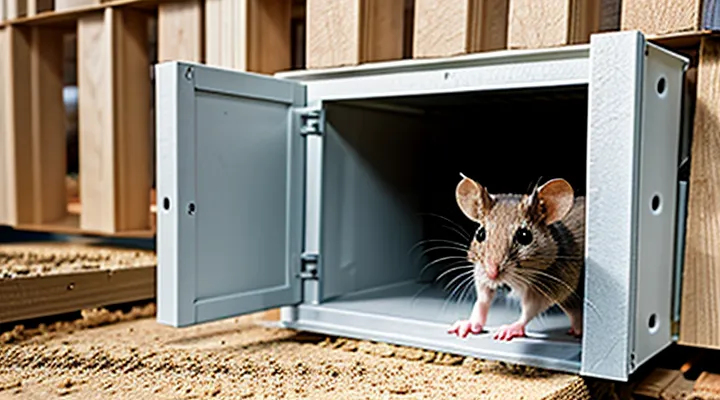
Understanding the Problem: Why Mice Invade Construction Panels
The Allure of Construction Panels for Rodents
Shelter and Warmth
Rodents seek the interior of wall and floor assemblies because these spaces provide constant protection from predators and external weather. The enclosed cavities maintain a stable temperature, often above ambient winter lows, which reduces the energy mice expend to stay warm. Insulation material adds both physical cover and a thermal buffer, creating an ideal micro‑habitat for nesting and breeding.
The design of modern panels often includes gaps around fasteners, seams, and service penetrations. Such openings allow quick access to the insulated voids, where mice can establish nests without exposure to cold drafts. Once inside, the combination of concealed space and retained heat encourages repeated use and population growth.
Preventing rodents from exploiting shelter and warmth requires eliminating entry points and disrupting thermal advantages:
- Seal all gaps larger than ¼ inch with steel wool, caulk, or expanding foam.
- Install metal mesh or hardware cloth around vent openings and utility chases.
- Replace damaged or compressed insulation to remove soft nesting material.
- Apply reflective barriers or thermal insulation on exterior sheathing to lower interior temperature gradients.
- Conduct regular visual inspections of panel joints, especially after seasonal temperature shifts.
By removing the concealed environment and reducing temperature stability within panels, the habitat becomes unsuitable for rodent habitation, effectively deterring infestation.
Food Sources and Water Access
Food residues and water condensation within wall and floor assemblies create attractive conditions for rodents. Grain, crumbs, and organic debris that accumulate in gaps or behind insulation serve as a reliable energy source. Moisture from leaking pipes, condensation on cold surfaces, or standing water in concealed cavities supplies the necessary hydration for survival and reproduction.
Mice locate these resources through scent trails and tactile exploration. Once a food particle is detected, the animal gnaws a path to the source, often enlarging existing openings in panels, joists, or vents. Water availability reduces the urgency of foraging, allowing mice to remain concealed for longer periods and increasing the likelihood of colony establishment.
Preventive actions focus on eliminating both nutritional and hydration incentives:
- Store all consumables in sealed, rodent‑proof containers; clean work areas daily to remove debris.
- Inspect and repair plumbing leaks; install drip‑stop devices on condensation‑prone surfaces.
- Apply moisture‑resistant barriers to cavity walls and floor spaces; use vapor‑proof tape around penetrations.
- Install metal or hardened mesh over ventilation openings to block entry while maintaining airflow.
- Conduct regular visual inspections for droppings, gnaw marks, and moisture stains; address findings immediately.
By removing food particles and controlling moisture, the primary motivations for rodent intrusion in building panels are effectively neutralized, reducing the risk of infestation.
Secluded Breeding Grounds
Secluded breeding grounds develop within wall cavities, floor joists, and insulated panel gaps where moisture, food residues, and shelter coexist. These micro‑habitats provide protection from predators and temperature fluctuations, allowing mouse populations to multiply unnoticed.
Typical features of such sites include:
- Accumulated dust, insulation fibers, or debris that retain heat.
- Proximity to water sources such as leaking pipes or condensation.
- Direct access to structural voids through gaps around wiring, vent ducts, or poorly sealed panel edges.
- Limited human traffic, reducing disturbance and detection likelihood.
Preventive measures focus on eliminating the conditions that sustain these environments. Seal all openings larger than ¼ inch with steel wool, caulk, or metal mesh; repair leaks promptly; and maintain regular cleaning of interior spaces to remove food particles and nesting material. Installing rigid insulation barriers and employing moisture‑resistant panels further reduce the attractiveness of concealed areas, interrupting the cycle of infestation.
Common Entry Points for Mice
Gaps and Cracks in Foundations
Gaps and cracks in a building’s foundation provide direct routes for rodents to infiltrate wall and floor panels. Cracks as narrow as 1 mm allow mice to squeeze through, while larger voids accommodate multiple individuals and increase the likelihood of nesting material being carried inside. Typical entry points include settlement joints, utility penetrations, and deteriorated concrete around footings.
Detection relies on visual inspection and tactile probing. Inspect the perimeter of the slab for hairline fissures, displaced mortar, and water stains that indicate moisture migration, which often accompanies structural cracks. Use a flashlight to examine recessed areas and a straightedge to confirm the depth of surface breaks. Infrared cameras can reveal temperature differentials that suggest hidden voids.
Preventive actions focus on sealing and reinforcing the foundation envelope:
- Clean all debris from cracks, then apply a two‑part epoxy or polyurethane sealant that expands to fill irregularities.
- Install metal flashing or steel mesh over larger openings before applying sealant to provide structural support.
- Replace damaged concrete sections with a patch mix formulated for high compressive strength and low permeability.
- Ensure utility conduits are fitted with stainless‑steel sleeves and sealed with silicone or butyl tape.
- Maintain a dry perimeter by grading soil away from the foundation and installing proper drainage to reduce moisture‑induced expansion of cracks.
Regular maintenance of these measures reduces the probability of rodent ingress and protects the integrity of construction panels.
Unsealed Utility Openings
Unsealed utility openings are gaps left around plumbing, electrical conduits, HVAC ducts, and other service penetrations in wall, floor, or roof assemblies. These apertures often exceed the diameter of a mouse by a few millimeters, providing a direct route from exterior environments to interior spaces.
Mice locate and exploit these openings because they require minimal effort to squeeze through. Their bodies can compress to about 0.5 in (12 mm) in width, allowing passage through gaps as small as ¼ in (6 mm). Once inside, mice travel along utility pathways, using the voids as protected corridors that connect rooms, attics, and crawl spaces.
- Identify all utility penetrations during construction or renovation.
- Install fire‑rated, rodent‑proof collars or sleeves around pipes and ducts before closing walls.
- Apply high‑quality sealants (e.g., silicone, polyurethane) to fill gaps around penetrations.
- Use metal flashing or steel mesh to reinforce vulnerable areas.
- Conduct periodic inspections to detect and repair new gaps caused by settlement or wear.
Routine maintenance of sealed openings preserves their integrity. Replace degraded sealant, tighten loose collars, and verify that new installations follow the same sealing standards. Consistent attention eliminates the primary access points that enable mice to infiltrate construction panels.
Vents and Exhaust Systems
Mice exploit vents and exhaust ducts because these openings connect interior spaces with the exterior while often lacking tight seals. Gaps around vent covers, damaged louvers, and unsealed duct joints create pathways large enough for rodents to squeeze through. Once inside, mice travel along airflow channels, reaching insulation, wiring, and structural cavities where they can cause damage and contaminate surfaces.
Vent components that are most vulnerable include:
- Unscreened intake vents, especially those located near vegetation or ground level.
- Exhaust fans with loose mounting brackets or cracked housings.
- Ductwork penetrations through walls or floors that lack proper caulking or metal tape.
Preventive measures focus on eliminating access points and reinforcing existing openings:
- Install stainless‑steel mesh screens on all intake and exhaust vents; mesh size should be ¼ inch or smaller.
- Seal gaps around vent frames, fan housings, and duct joints with rodent‑resistant silicone or metal-backed caulk.
- Replace damaged louvers or covers with units that feature interlocking flanges and secure fasteners.
- Conduct regular inspections to detect wear, rust, or dislodged hardware; repair or replace compromised components promptly.
- Maintain a clear perimeter around vent locations by trimming vegetation, removing debris, and keeping the ground level at least a few inches below vent openings.
By treating vents and exhaust systems as critical control points and applying these targeted actions, construction panels remain protected from rodent infiltration, preserving structural integrity and indoor air quality.
Roof and Soffit Vulnerabilities
Mice exploit gaps and damage in roof and soffit assemblies to reach interior spaces. Common entry points include:
- Unsealed roof penetrations for vents, chimneys, and skylights.
- Cracked or missing flashing around roof edges.
- Open eaves where soffit material is detached or rotted.
- Damaged or absent soffit vent screens.
- Gaps around ridge caps and roof trusses.
Each flaw creates a pathway for rodents to climb, squeeze, and infiltrate building cavities. Eliminating these vulnerabilities requires a systematic approach:
- Inspect all roof penetrations; install metal or rubber collars and seal with high‑temperature caulk.
- Replace deteriorated flashing with corrosion‑resistant material; ensure overlapping layers direct water away from seams.
- Secure soffit panels to the underlying framing; replace rotted sections with pressure‑treated lumber.
- Fit mesh screens on all soffit vents; choose a gauge that blocks rodents while allowing airflow.
- Seal gaps around ridge caps and trusses using expanding foam or steel wool backed by caulk.
Regular maintenance inspections, preferably twice a year, verify that repairs remain intact and that no new openings have formed. Promptly addressing roof and soffit deficiencies reduces the likelihood of rodent intrusion and protects the integrity of construction panels.
Poorly Sealed Doors and Windows
Poorly sealed doors and windows create direct pathways for rodents to move from exterior spaces into interior wall cavities and floor assemblies. Gaps as small as ¼ inch permit entry, especially when surrounding construction panels provide unobstructed routes toward food sources and shelter.
Typical deficiencies include:
- Missing or damaged weatherstripping around door frames.
- Inadequate door sweeps that leave a clear space beneath the threshold.
- Unfilled gaps between window sashes and frames, often overlooked during installation.
- Improperly aligned or warped frames that prevent tight closure.
Preventive actions focus on eliminating these openings and maintaining barrier integrity:
- Install compression‑type weatherstripping on all movable doors; replace it annually or when signs of wear appear.
- Fit metal or rubber door sweeps that extend to the floor, adjusting for uneven surfaces.
- Apply high‑quality silicone or polyurethane sealant around window perimeters, paying special attention to corners and fastener holes.
- Conduct quarterly inspections of all door and window assemblies, tightening hardware and resealing any newly formed cracks.
- Use steel mesh or hardware cloth on ventilation openings that intersect panel cavities, ensuring mesh openings are no larger than ¼ inch.
By systematically sealing these entry points, the risk of rodent intrusion through construction panels diminishes significantly, protecting structural components and indoor environments from damage and contamination.
Prevention and Mitigation Strategies
Sealing Entry Points
Caulking and Expanding Foam Application
Rodents exploit any opening larger than a quarter‑inch to infiltrate wall and floor assemblies. Sealing these pathways is a primary defense against infestation, and both caulting and expanding foam provide reliable barriers when applied correctly.
Effective caulk selection depends on the joint’s exposure and movement. Silicone caulk resists moisture and temperature fluctuations, making it suitable for exterior seams and roof‑to‑wall connections. Polyurethane caulk adheres to wood, metal, and masonry, offering flexibility for joints that expand and contract. Acrylic latex caulk works well for interior gaps where paintability is required. Application should follow these steps:
- Clean the gap of debris, dust, and old sealant.
- Cut the nozzle at a 45‑degree angle, matching the bead size to the opening width.
- Apply a continuous bead, ensuring complete contact with both surfaces.
- Smooth the bead with a tooling tool or a gloved finger to eliminate voids.
- Allow the manufacturer‑specified cure time before exposing the area to moisture or traffic.
Expanding foam addresses larger cavities and irregular spaces that caulk cannot fill. Closed‑cell polyurethane foam provides high density and low permeability, ideal for sealing gaps around pipe penetrations, foundation cracks, and panel seams. Open‑cell foam expands more readily, but it is less resistant to water and should be limited to interior applications. Proper use includes:
- Wearing protective gloves and eye protection.
- Inserting the nozzle into the cavity no deeper than the foam’s recommended fill depth.
- Dispensing a short burst, allowing the foam to expand to fill the void; over‑filling creates pressure that can deform surrounding materials.
- Trimming excess foam after cure and coating the surface with a compatible sealant to protect against UV degradation.
Regular inspection of sealed joints is essential. Look for signs of cracking, detachment, or moisture damage, and reapply caulk or foam as needed. Combining meticulous caulk work on narrow seams with strategic expanding foam in larger openings creates a comprehensive barrier that significantly reduces the likelihood of rodent entry through construction panels.
Steel Wool and Wire Mesh Barriers
Steel wool and wire mesh barriers provide a physical obstacle that prevents rodents from exploiting gaps in construction panels. The dense, tangled fibers of steel wool block small openings that mice can squeeze through, while the rigid structure of wire mesh stops larger passages and resists chewing.
When installing steel wool, compress the material tightly into any voids around pipes, vents, and seams. Ensure the fibers extend beyond the edge of the opening to create an overlapping seal. For wire mesh, select a gauge with openings no larger than ¼ inch; cut the mesh to fit the perimeter of the gap and secure it with corrosion‑resistant staples or screws. Overlap sections by at least one inch to eliminate linear weaknesses.
Key advantages of these barriers include:
- Immediate, non‑chemical deterrence
- Compatibility with a variety of building materials
- Low maintenance after proper installation
- Resistance to weathering when using galvanized or stainless‑steel options
Potential drawbacks to consider:
- Steel wool may degrade over time if exposed to moisture, requiring periodic replacement
- Wire mesh can be bypassed if not sealed around fasteners, demanding meticulous edge treatment
- Both materials add a small thickness to the panel assembly, which may affect tight‑fit installations
To maximize effectiveness, combine steel wool with wire mesh at critical junctions: insert steel wool into the interior of a gap, then cover the exterior with mesh to protect the wool from abrasion and moisture. Inspect barriers during routine building maintenance and replace any compromised sections promptly. This layered approach creates a durable, long‑lasting defense against rodent entry through construction panels.
Repairing Damaged Foundation and Siding
Mice exploit cracks and gaps in a building’s foundation and siding to gain access to interior spaces. Unaddressed damage provides pathways for infestation, accelerates structural deterioration, and creates sanitary hazards. Prompt repair eliminates entry points and restores the envelope’s protective function.
Foundation repair
- Conduct a thorough visual inspection; mark all visible cracks, voids, and displaced footings.
- Clean each opening of soil, debris, and loose material to expose sound concrete.
- Apply a high‑strength, waterproof epoxy or polyurethane sealant to fill cracks up to several inches wide.
- For larger settlements, reinstall footing blocks or inject expansive grout to re‑stabilize the base.
- Install a continuous perimeter barrier—metal flashing or rigid foam sheathing—sealed with construction-grade caulk to block rodent penetration.
Siding repair
- Survey exterior panels for rot, warping, or missing sections; note any nail pops or loose trim.
- Remove compromised siding pieces, cut back to sound substrate, and replace with matching material.
- Seal all seams, joints, and attachment points with a durable, UV‑resistant sealant.
- Fit metal or PVC flashing around windows, doors, and utility penetrations; fasten securely and seal edges.
- Apply a weather‑resistant coating or paint system to create an additional barrier against moisture and pests.
Integrating these repairs with exclusion measures—such as installing mesh screens over ventilation openings, maintaining a clear perimeter free of debris, and trimming vegetation away from the structure—maximizes protection. Regular inspections after completion verify the integrity of the repairs and ensure that rodent activity remains absent.
Installing Rodent-Proof Vents and Screens
Rodent intrusion through building panels often occurs via unprotected ventilation openings. Installing vents and screens that resist chewing eliminates the primary pathway for mice, preserving structural integrity and indoor air quality.
Select components designed for pest exclusion. Preferred materials include stainless steel mesh with openings no larger than ¼ inch, heavy‑gauge aluminum louvers, or reinforced PVC covers. Mesh must be welded or riveted at all seams to prevent gaps. Ensure that the screen frame fits tightly within the duct or panel opening, using silicone or expanding foam sealant to close any peripheral voids.
Installation steps:
- Measure the exact dimensions of each vent opening; add a ½‑inch clearance for the screen frame.
- Cut the chosen mesh or screen to size, accounting for overlap on all sides.
- Attach the frame with corrosion‑resistant screws, securing it to the panel or duct surface.
- Apply sealant around the perimeter, compressing the material to create a continuous barrier.
- Verify integrity by inspecting for visible gaps and testing with a thin probe.
Regular maintenance extends effectiveness. Schedule quarterly inspections to detect damage, corrosion, or accumulation of debris that could compromise the barrier. Replace compromised sections promptly; use the same material specifications to maintain uniform protection.
By integrating properly sized, securely fastened, and routinely inspected rodent‑proof vents and screens, construction assemblies significantly reduce the risk of mouse entry and the associated health and structural hazards.
Eliminating Attractants
Proper Waste Management
Effective waste handling directly reduces the likelihood that rodents will infiltrate building panels. Food residues, packaging fragments, and organic debris create attractive foraging sites near construction zones. When such material accumulates in wall cavities, floor joists, or rooftop assemblies, it provides a steady energy source that encourages mice to explore openings and establish nests.
Key practices include:
- Store all waste in sealed, rodent‑proof containers; lids must latch securely and be inspected regularly for damage.
- Remove debris from work areas daily; sweep, vacuum, and dispose of material in covered bins before it can settle in concealed spaces.
- Position waste collection points away from structural openings; maintain a minimum clearance of 2 meters from any vent, gap, or access panel.
- Conduct routine inspections of waste containers for signs of gnawing or breach; replace compromised units immediately.
- Implement a documented schedule for waste removal that aligns with construction milestones, ensuring no accumulation persists for more than 24 hours.
Integrating these measures into the overall pest‑prevention plan eliminates food sources that would otherwise lure mice into panel assemblies, thereby supporting long‑term structural integrity and occupant health.
Securing Food Storage
Securing food storage is a critical element in preventing rodent activity within wall and floor assemblies. Food sources left accessible attract mice, which can gnaw through panel seams and create pathways for further infestation. Proper containment eliminates the primary incentive for entry, reducing the likelihood that pests will breach structural barriers.
Effective food‑storage practices include:
- Using airtight, rodent‑proof containers made of metal or heavy‑wall plastic; ensure lids seal with a locking mechanism.
- Storing bulk items on raised platforms or shelves away from walls and floor joints to prevent direct contact with panel gaps.
- Labeling containers with inspection dates and rotating stock to avoid prolonged exposure of expired material.
- Keeping the surrounding area clean; promptly sweep up crumbs, spills, and debris that could provide supplemental nourishment.
- Conducting regular audits of storage areas to detect any signs of damage, leakage, or infiltration.
By implementing these controls, construction panels remain less attractive to mice, limiting the need for structural sealing measures and supporting overall pest‑management strategies.
Addressing Water Leaks
Water intrusion in wall and floor assemblies creates moisture pathways that attract rodents and compromise the integrity of panel systems. Leaks in plumbing, roof penetrations, or exterior cladding allow mice to locate food sources and nesting sites within structural cavities.
Detecting leaks requires visual inspection, moisture meters, and infrared cameras. Early identification prevents expansion of damp zones that facilitate rodent movement.
- Repair broken or corroded pipes; replace fittings with sealed joints.
- Seal roof flashing and vent openings; apply waterproof membranes where needed.
- Install drip edges and proper drainage to divert rainwater away from panel joints.
- Apply expanding foam or silicone sealant around conduit penetrations and utility openings.
- Conduct periodic pressure testing of water lines to reveal hidden failures.
After repairs, dry affected areas thoroughly. Use dehumidifiers and forced ventilation to reduce residual humidity. Replace saturated insulation with moisture‑resistant alternatives to eliminate attractive nesting material.
Routine maintenance includes checking for condensation, monitoring humidity levels, and inspecting seals after severe weather. Consistent upkeep removes the primary environmental driver that encourages mice to exploit construction panels.
Maintaining Landscaping
Proper landscaping directly influences the likelihood of rodents infiltrating building panels. Dense shrubbery and unmanaged ground cover create continuous pathways from the exterior to the interior, allowing mice to climb, hide, and ultimately gain access through gaps in siding or panel seams.
Maintaining a clear perimeter around the structure reduces these pathways. Trim vegetation at least two feet from walls, prune tree branches that contact the building, and remove overgrown vines. Ground-level plants should be kept low, and any woody debris must be cleared regularly.
Mulch, while aesthetically pleasing, can serve as a nesting medium. Limit mulch depth to a maximum of three inches and keep it at a distance from the foundation. Replace organic mulch with inorganic alternatives, such as gravel, when possible, to eliminate food sources and nesting material.
Soil grading should slope away from the building at a rate of approximately one inch per foot for the first ten feet. This slope directs surface water away, preventing moisture accumulation that attracts rodents and weakens panel seals.
Physical barriers reinforce landscaping measures. Install metal flashing or concrete lintels under eaves and around window frames. Use hardware cloth with a one‑quarter‑inch mesh to cover vents and drainage openings that lie near the ground.
Routine inspection completes the preventive strategy. Conduct monthly walks around the property to identify new growth, damaged barriers, or signs of rodent activity. Promptly repair cracks, seal gaps with fire‑resistant caulking, and replace compromised panel sections.
By integrating these landscaping practices—vegetation control, mulch management, proper grading, barrier installation, and regular inspection—property owners create an environment that discourages mice from approaching and penetrating construction panels.
Active Rodent Control Measures
Trapping Methods and Best Practices
Effective control of rodents that infiltrate wall and floor panels requires a systematic trapping strategy. Selecting the appropriate device, positioning it correctly, and maintaining a consistent monitoring routine reduce infestation levels and limit damage to building components.
Common trap types
- Snap traps – steel bar mechanism delivers rapid kill; ideal for high‑traffic entry points.
- Live‑capture traps – cage design allows relocation; useful where humane handling is required.
- Electronic traps – high‑voltage shock kills instantly; reusable and easy to clean.
- Adhesive boards – sticky surface captures small rodents; best for secondary containment areas.
- Bait stations – enclosed units with poisoned bait; suited for concealed spaces where direct contact with traps is impractical.
Placement guidelines
- Identify active runways: gaps around panels, vent openings, and utility penetrations.
- Position traps perpendicular to the wall, with the trigger side facing the expected direction of travel.
- Install traps 1–2 feet above floor level, matching the typical height of mouse pathways.
- Use multiple devices along each suspected route; spacing of 10–15 feet maximizes coverage.
Bait selection
- Peanut butter, dried fruit, or commercial rodent attractant in small quantities.
- Replace bait every 48 hours to maintain freshness.
- Avoid strong odors that may deter activity.
Monitoring and maintenance
- Check traps daily; record captures to assess activity trends.
- Reset or replace non‑functional devices promptly.
- Clean and disinfect reusable traps after each use to prevent disease transmission.
- Dispose of captured rodents in sealed containers according to local regulations.
Integration with exclusion measures
- After confirming reduced activity, seal identified entry points with steel wool, metal flashing, or caulking.
- Maintain a buffer zone of at least 6 inches between insulation panels and any structural gaps.
- Conduct periodic inspections to verify that seals remain intact and that no new openings have formed.
By adhering to these methods and practices, property managers can achieve reliable rodent reduction within construction panel assemblies while minimizing disruption to building integrity.
Repellents: Effectiveness and Application
Effective rodent deterrence in building panels relies on selecting repellents with proven activity and applying them according to manufacturer specifications. Chemical agents such as concentrated peppermint oil, capsaicin formulations, and ammonia‑based sprays create volatile environments that mice avoid. Synthetic pheromone disruptors mimic territorial scents, prompting intruders to vacate occupied spaces. Ultrasonic devices emit frequencies above the hearing range of humans but intolerable for rodents; field studies report variable results, with success linked to consistent coverage of all cavity sections.
Application protocols determine performance. For liquid repellents, thorough saturation of seams, joints, and any accessible voids ensures continuous vapor release. Surface‑treated panels benefit from polymer‑based coatings that embed active ingredients, providing months‑long protection without re‑application. Pheromone dispensers require placement at entry points and periodic replacement every 30–45 days to maintain concentration gradients. Ultrasonic units must be mounted within the interior of the panel cavity, powered continuously, and positioned to avoid acoustic dead zones caused by dense insulation.
Maintenance schedules are essential. Inspect treated areas quarterly for degradation, re‑apply liquid formulations after cleaning or humidity spikes, and verify that electronic emitters retain power. Documenting each intervention creates a traceable record, facilitating adjustments based on observed mouse activity. Combining multiple repellent modalities—chemical, biological, and acoustic—produces synergistic effects, reducing the likelihood of adaptation and improving overall panel integrity.
Professional Pest Control Consultation
Professional pest‑control consultation for building envelopes begins with a systematic inspection of all panel assemblies. The specialist records the condition of seams, fasteners, insulation layers, and any visible damage that could permit rodent ingress.
During the site visit the consultant evaluates:
- Integrity of panel joints and gaps larger than 3 mm.
- Presence of gnaw marks, droppings, or nesting material.
- Installation quality of sealants, foam, and weather‑stripping.
- Potential external attractants such as vegetation or debris near the structure.
The analysis identifies specific routes through which mice exploit construction panels. Common pathways include:
- Unsealed screw or nail holes.
- Cracks in joint compound or veneer.
- Gaps around utility penetrations.
- Deteriorated or missing insulation that creates voids.
Based on the findings, the consultant provides a remediation plan that targets each entry point. Recommended actions are:
- Apply rodent‑grade sealant to all openings, ensuring a minimum 5 mm thickness.
- Install metal flashing or mesh over vulnerable seams to block chewing.
- Replace damaged panels with materials that incorporate built‑in pest barriers.
- Conduct routine maintenance checks every six months to verify the integrity of seals and identify new damage early.
The final report includes a schedule for implementation, cost estimates for materials and labor, and guidelines for ongoing monitoring. Following the outlined measures reduces the likelihood of rodent infestation and protects the structural performance of the building.
Inspection and Monitoring
Regular Building Inspections
Regular inspections of a building’s envelope provide the most reliable method for detecting early signs of rodent intrusion through panel systems. Inspectors can identify structural weaknesses before mice exploit them, reducing the need for extensive remediation.
Key inspection points include:
- Gaps or cracks around panel seams, fasteners, and service penetrations
- Evidence of gnawing on wood, insulation, or metal components
- Accumulation of droppings, urine stains, or nesting material in concealed cavities
- Damaged or missing weather‑resistant barriers that could serve as entry routes
- Signs of water intrusion, which attracts rodents and softens building materials
A schedule of semi‑annual visual assessments, supplemented by targeted infrared or ultrasonic surveys during peak activity periods, ensures comprehensive coverage. Documented findings should be entered into a maintenance log, with corrective actions prioritized based on severity and location. Prompt repair of identified defects eliminates the pathways mice use to access interior spaces.
Signs of Rodent Activity
Rodent presence in building panels becomes evident through specific, observable indicators. Recognizing these signs enables timely intervention before structural damage escalates.
- Dark, pellet‑shaped droppings, typically 3–5 mm long, found near seams, insulation, or inside cavities.
- Fresh gnaw marks on wood, plastic, or metal surfaces; teeth leave clean, crescent‑shaped cuts.
- Visible entry holes ranging from 6 mm to 1 cm in diameter, often located at panel joints, utility penetrations, or vent openings.
- Accumulated nesting material such as shredded paper, fabric fibers, or dried plant matter.
- Streaks or spots of urine on panel interiors, which may cause discoloration or corrosion.
- Audible scurrying, scratching, or squeaking sounds, especially at night when mice are most active.
- Distinctive tracks: four‑toed footprints or tail drag marks in dust, powder, or soft insulation.
- Damage to wiring insulation, foam sealants, or acoustic panels, indicating chewing activity.
Each of these observations points to an active infestation within the structural envelope. Early identification allows for targeted sealing of entry points, removal of attractants, and implementation of control measures to protect the integrity of the construction assembly.
Early Detection Strategies
Early detection of rodent activity within wall and floor panels prevents structural damage and limits infestation growth. Detecting signs before populations establish allows targeted intervention, reducing the need for extensive repairs.
Effective monitoring combines visual checks, physical probes, and electronic sensors. Common practices include:
- Inspecting panel seams and joints for gnaw marks, droppings, or nesting material.
- Inserting thin inspection rods or flexible cameras through access points to view hidden cavities.
- Deploying motion‑activated infrared cameras that record activity at night when mice are most active.
- Installing passive ultrasonic or vibration sensors that trigger alerts upon the characteristic sounds of gnawing or movement.
- Using bait stations equipped with electronic counters to log visitation frequency and identify entry hotspots.
Implementing a systematic schedule maximizes coverage. Conduct baseline inspections after construction completion, then repeat at two‑week intervals for the first three months, followed by monthly checks. Record findings in a centralized log, correlate sensor data with physical evidence, and adjust exclusion measures promptly. This disciplined approach isolates breaches, confirms the effectiveness of barriers, and maintains panel integrity over the building’s lifespan.
Building Design Considerations for Rodent Prevention
Incorporating Rodent-Resistant Materials
Rodent‑resistant materials form the primary barrier against mouse intrusion in wall and ceiling assemblies. Selecting components that mice cannot gnaw through eliminates the most common entry points and reduces the need for ongoing pest‑control measures.
Materials proven to resist chewing include:
- Solid steel or aluminum lath, installed behind sheathing to block tunnels.
- High‑density fiberboard (HDF) or hardboard with a minimum thickness of 12 mm, which resists bite marks.
- Polycarbonate or acrylic panels that maintain structural integrity under pressure.
- Cement‑bonded particle board, especially when reinforced with metal mesh.
- UL‑rated fire‑resistant drywall that incorporates fiberglass reinforcement.
Installation practices that enhance effectiveness:
- Position the chosen barrier on the interior side of exterior sheathing, ensuring a continuous seal around all openings.
- Overlap seams by at least 6 inches and secure them with stainless‑steel screws or nails to prevent gaps.
- Apply a rodent‑grade sealant (silicone‑based or polyurethane) to joints, penetrations, and edge transitions.
- Integrate metal flashing around utility openings, then cover with the resistant panel to create a double‑layer defense.
- Conduct a post‑installation inspection to verify that no gaps exceed 3 mm, the maximum size a mouse can exploit.
Choosing materials with high compressive strength, low moisture absorption, and non‑organic composition maximizes durability and deters nesting. When these specifications are consistently applied throughout construction panels, the likelihood of mouse ingress drops dramatically, supporting long‑term structural integrity and occupant health.
Strategic Placement of Utility Lines
Strategic placement of utility lines reduces the likelihood that rodents will use them as pathways into wall cavities. Positioning conduits away from the edges of panels limits the creation of gaps that mice can exploit. When lines must cross panel joints, seal the intersection with rodent‑resistant material such as stainless‑steel mesh or silicone caulk.
Key measures for line installation:
- Route cables and pipes through interior spaces rather than along exterior faces of panels.
- Employ rigid conduit or metal sleeves to enclose flexible wiring, preventing abrasion that could open holes.
- Maintain a minimum clearance of 1 inch between utility lines and panel seams; fill any space with expanding foam rated for pest resistance.
- Secure all entry points with self‑drilling screws and washers designed to eliminate micro‑gaps.
Regular inspection of utility pathways identifies wear or damage before rodents can exploit them. Replace compromised sections promptly and verify that all seals remain intact after construction activities. Consistent application of these practices integrates utility infrastructure with pest‑prevention goals, limiting mouse infiltration through structural penetrations.
Accessible Inspection Areas
Accessible inspection areas are integral to managing rodent intrusion in building panels. They provide direct visual access to cavity spaces where mice can travel, allowing early detection of activity, damage, and entry points. By incorporating clear openings at strategic locations, maintenance personnel can verify the integrity of seals, insulation, and structural components without resorting to destructive demolition.
Design considerations include:
- Placement at regular intervals along walls, floors, and ceilings to cover all potential pathways.
- Dimensions sufficient for handheld inspection tools and small cameras, typically 4 × 4 inches for wall panels and 6 × 6 inches for floor assemblies.
- Protective covers that lock securely but can be removed quickly for routine checks.
- Compatibility with fire‑rating requirements and moisture barriers to maintain overall building performance.
Installation best practices:
- Identify high‑risk zones such as gaps around utilities, penetrations for ducts, and areas near exterior openings.
- Integrate inspection panels during the framing stage to avoid retrofitting complications.
- Seal all surrounding edges with rodent‑resistant caulk or mesh to prevent mice from exploiting the opening itself.
- Label each access point with a maintenance code and inspection schedule.
Maintenance protocols require quarterly visual inspections, documentation of any signs of gnawing or droppings, and immediate remediation of compromised seals. Recording findings in a centralized log facilitates trend analysis and informs targeted exclusion measures, such as installing metal flashing or expanding foam barriers.
Overall, accessible inspection areas reduce the time and cost associated with rodent control by enabling proactive monitoring, swift identification of breaches, and efficient implementation of preventive actions.