
Introduction
The Reality of Rodent Encounters
Rodent encounters occur regularly in residential, commercial, and agricultural settings. Mice and other small rodents exploit food sources, shelter, and warmth, creating frequent points of contact with humans.
Bites result from defensive reactions, competition for limited resources, or accidental provocation. When cornered or threatened, rodents use sharp incisors to protect territory, leading to puncture wounds that penetrate skin and muscle.
Infection risk rises sharply after a bite. Common bacterial agents include Staphylococcus aureus and Streptococcus pyogenes, which can cause cellulitis and systemic illness. Viral pathogens such as hantavirus and lymphocytic choriomeningitis virus have been linked to rodent saliva and tissue. Allergic responses to rodent saliva may also develop, complicating wound management.
Recent public‑health reports document several thousand rodent‑related bite cases annually in North America and Europe. Hospital records indicate a 12 % increase in severe infections linked to these injuries over the past five years, underscoring the growing medical burden.
Preventive actions focus on reducing exposure and limiting bite opportunities:
- Seal entry points (cracks, vents, gaps) to block access.
- Store food in airtight containers; eliminate crumbs and spills.
- Maintain regular cleaning schedules in kitchens, warehouses, and storage areas.
- Deploy snap traps or electronic devices in identified activity zones.
- Wear thick gloves and protective clothing when handling suspected rodents.
- Conduct routine inspections for droppings, gnaw marks, and nesting material.
Implementing these measures lowers the probability of bite incidents and curtails associated health threats.
Understanding Mouse Behavior
Mice exhibit a suite of behaviors that increase the likelihood of biting humans. Their small size enables entry into tight spaces, where they encounter food scraps and shelter. When threatened, they employ a rapid bite as a defensive response, delivering a sharp puncture with their incisors. The bite serves to deter predators, protect a nest, or escape confinement.
Key behavioral drivers include:
- Territorial defense – individuals guard nesting sites and react aggressively to perceived intruders.
- Fear‑induced aggression – sudden movements, loud noises, or handling provoke a fight‑or‑flight reaction that often culminates in a bite.
- Foraging pressure – competition for limited food sources heightens aggression, especially when resources are scarce.
- Maternal protectiveness – lactating females become markedly more defensive toward any disturbance near offspring.
These patterns combine to create situations where a mouse may bite a person who inadvertently disturbs its environment. Understanding these instincts helps in developing preventive measures, such as sealing entry points, minimizing clutter, and handling trapped rodents with protective equipment.
The Dangers of Mouse Bites
Immediate Risks
Pain and Discomfort
Mouse bites produce immediate sharp pain that can last from several minutes to hours, depending on the depth of the puncture and the location on the body. The initial sensation arises from the sharp incisor edges breaking skin and stimulating nociceptors, the nerve endings that transmit pain signals to the spinal cord and brain.
Secondary discomfort often manifests as swelling, redness, and warmth around the wound. These signs result from the body’s inflammatory response, which increases blood flow and recruits immune cells to the site. Inflammation can elevate pressure on surrounding tissues, intensifying aching sensations.
Potential complications amplify the initial pain:
- Secondary infection by bacteria such as Staphylococcus aureus or Streptococcus species, causing purulent discharge, escalating tenderness, and fever.
- Development of a localized abscess, producing throbbing pressure that may require drainage.
- Allergic reaction to mouse saliva proteins, leading to hives, swelling, or anaphylaxis, which adds systemic discomfort and can be life‑threatening.
Effective management begins with thorough wound cleansing to remove saliva and debris, followed by antiseptic application. Prompt medical evaluation is advisable when signs of infection, rapid swelling, or persistent throbbing appear, as early antibiotic therapy can limit tissue damage and reduce pain duration.
Localized Infection
Mouse bites can introduce bacteria directly into the skin, creating a confined area of infection. The wound typically presents with redness, swelling, and warmth confined to the site of the puncture. Pain may increase as the inflammatory response progresses.
Common pathogens associated with rodent‑induced infections include Staphylococcus aureus, Streptococcus pyogenes, and Pasteurella species. These organisms multiply rapidly in the tissue, producing localized purulent collections if left untreated.
Effective management requires prompt wound care:
- Irrigate the bite thoroughly with sterile saline to remove debris.
- Debride necrotic tissue when visible.
- Apply a broad‑spectrum antibiotic covering gram‑positive and gram‑negative organisms (e.g., amoxicillin‑clavulanate).
- Monitor for signs of spreading infection, such as increasing erythema beyond the original margins or systemic symptoms.
If abscess formation occurs, incision and drainage are indicated, followed by a tailored antibiotic regimen based on culture results. Patients with compromised immunity, diabetes, or peripheral vascular disease face higher risk of progression to deeper tissue involvement.
Prevention focuses on minimizing exposure to wild or stray rodents, maintaining rodent‑proof environments, and using protective gloves when handling animals. Immediate cleaning of any bite reduces bacterial load and limits the infection to the superficial tissue layer.
Transmission of Diseases
Hantavirus
Hantavirus is a zoonotic pathogen primarily carried by wild rodents, especially species of mice. Human infection typically follows inhalation of aerosolized virus particles from rodent urine, droppings, or saliva; direct bite exposure can also introduce the virus into the bloodstream.
The disease manifests as Hantavirus Pulmonary Syndrome (HPS) in the Americas and Hemorrhagic Fever with Renal Syndrome (HFRS) in Eurasia. Initial symptoms resemble flu—fever, muscle aches, and fatigue—progressing rapidly to respiratory distress, pulmonary edema, or acute kidney injury. Mortality rates for HPS range from 30 % to 40 %, underscoring the clinical seriousness of rodent‑derived transmission.
Key preventive measures include:
- Sealing entry points to eliminate rodent access to homes and workplaces.
- Using protective equipment (gloves, masks) when cleaning areas contaminated with rodent droppings.
- Avoiding direct contact with rodents; if a bite occurs, washing the wound thoroughly with soap and water and seeking immediate medical evaluation.
- Implementing integrated pest management to reduce rodent populations in and around human habitats.
No specific antiviral therapy exists; treatment relies on supportive care, often requiring intensive respiratory support. Early recognition and prompt hospitalization improve outcomes. Awareness of hantavirus risks associated with mouse bites is essential for public health and clinical practice.
Salmonella
Mouse bites introduce a range of bacterial agents, among which Salmonella species are particularly concerning. When a mouse’s mouth or teeth contaminate a wound, Salmonella can be transferred directly into human tissue, bypassing the gastrointestinal route typically associated with foodborne infection.
Salmonella infection from a bite presents with:
- Fever and chills within 12–72 hours
- Localized redness, swelling, and pus formation at the wound site
- Diarrhea, abdominal cramps, or vomiting if gastrointestinal involvement occurs
- Possible progression to bloodstream infection (septicemia) in immunocompromised individuals
Treatment requires prompt medical evaluation. Empirical antibiotic therapy, often with fluoroquinolones or third‑generation cephalosporins, is initiated pending culture results. Surgical drainage may be necessary for abscess formation. Early intervention reduces the risk of systemic spread and long‑term complications.
Preventive measures focus on minimizing exposure and protecting wounds:
- Secure food storage and eliminate rodent habitats to reduce contact
- Use gloves when handling materials that may be contaminated by rodents
- Clean and disinfect any bite wound with antiseptic solution immediately
- Seek professional care for any puncture wound that shows signs of infection
Understanding the direct transmission pathway of Salmonella through mouse bites underscores the broader health risks associated with rodent encounters.
Leptospirosis
Leptospirosis is a bacterial infection caused by pathogenic spirochetes of the genus Leptospira. The organism resides in the kidneys of many mammals, particularly rodents, and is shed in urine that can contaminate water, soil, or food. Direct contact with an infected mouse bite introduces the pathogen into the bloodstream, bypassing the usual environmental route.
Clinical manifestation begins within 2–14 days after exposure. Initial signs include high fever, severe headache, muscle aches, and chills. Progression may involve jaundice, renal dysfunction, hemorrhagic pneumonia, or meningitis. Without prompt therapy, mortality rates can exceed 10 % in severe cases.
Diagnosis relies on laboratory confirmation. Recommended methods are:
- Microscopic agglutination test (MAT) for serological identification.
- Polymerase chain reaction (PCR) to detect bacterial DNA in blood or urine.
- Culture of blood, cerebrospinal fluid, or urine for definitive isolation.
Effective treatment consists of early administration of doxycycline or intravenous penicillin G. Intravenous ceftriaxone is an alternative for severe presentations. Treatment duration ranges from 7 days for uncomplicated disease to 14 days for organ involvement.
Prevention focuses on reducing exposure to rodent urine and controlling bite incidents:
- Maintain clean living environments; store food in sealed containers.
- Implement rodent control programs using traps and professional extermination.
- Wear protective gloves when handling materials potentially contaminated with rodent excreta.
- Seek immediate medical evaluation after any mouse bite, even if the wound appears minor.
Vaccines for leptospirosis exist for high‑risk occupational groups but are not widely available for the general public. Public health measures emphasize education on rodent‑borne hazards and rapid response to bite injuries.
Rat-Bite Fever
Rat‑bite fever (RBF) is a bacterial infection transmitted primarily through the bite or scratch of rodents, including mice. The pathogen, Streptobacillus moniliformis in most regions and Spirillum minus in Asia, enters the bloodstream during the wound event and may spread systemically within days.
Typical clinical manifestations appear 2‑14 days after exposure and include:
- Sudden fever reaching 38‑40 °C
- Chills and sweating
- Headache and muscle pain
- Red‑brown maculopapular rash, often on the extremities
- Joint swelling or arthritis
- Nausea, vomiting, or abdominal discomfort
If untreated, RBF can progress to complications such as endocarditis, meningitis, or septic shock, which increase mortality risk. Diagnosis relies on a combination of patient history (rodent bite or handling), laboratory cultures of blood or wound specimens, and serologic testing for specific antibodies. Polymerase chain reaction (PCR) assays provide rapid confirmation when available.
Effective therapy consists of a 7‑10‑day course of penicillin G or ampicillin; doxycycline serves as an alternative for penicillin‑allergic patients. Early antimicrobial intervention shortens disease duration and prevents severe outcomes.
Preventive measures focus on minimizing rodent contact and ensuring proper wound care:
- Use gloves when handling mice or cleaning cages.
- Clean bite or scratch sites with antiseptic and apply sterile dressings.
- Seek medical evaluation promptly after any rodent‑related injury.
- Maintain rodent control programs in residential and occupational settings.
Awareness of rat‑bite fever reinforces the broader health risk associated with rodent bites, underscoring the need for prompt recognition and treatment.
Other Potential Pathogens
Rodent bites introduce a range of microorganisms that can cause serious illness. The oral cavity and fur of mice harbor bacteria, viruses, and parasites capable of crossing the skin barrier and establishing infection.
Common bacterial agents include:
- Staphylococcus aureus – may cause cellulitis, abscess formation, or septicemia.
- Streptococcus pyogenes – associated with rapid tissue necrosis and systemic toxicity.
- Yersinia pestis – the causative agent of plague; transmission through bite wounds is rare but documented.
- Salmonella spp. – can lead to gastroenteritis and bacteremia after entry through damaged skin.
Viral pathogens of concern are:
- Hantavirus – primarily transmitted by aerosolized rodent excreta, but bite exposure can result in hemorrhagic fever with renal syndrome.
- Lymphocytic choriomeningitis virus (LCMV) – causes febrile illness, meningitis, or encephalitis after inoculation.
Parasitic risks involve:
- Toxoplasma gondii – cysts may be present on fur; wound contamination can lead to systemic toxoplasmosis.
- Helminths such as Hymenolepis nana – occasional transmission through bite-associated ingestion of contaminated material.
Secondary infection risk rises when wounds are left untreated. Prompt cleansing, debridement, and appropriate antimicrobial therapy reduce morbidity. Laboratory testing for specific agents should be considered when clinical signs suggest atypical infection patterns.
Identifying a Mouse Bite
Visual Characteristics
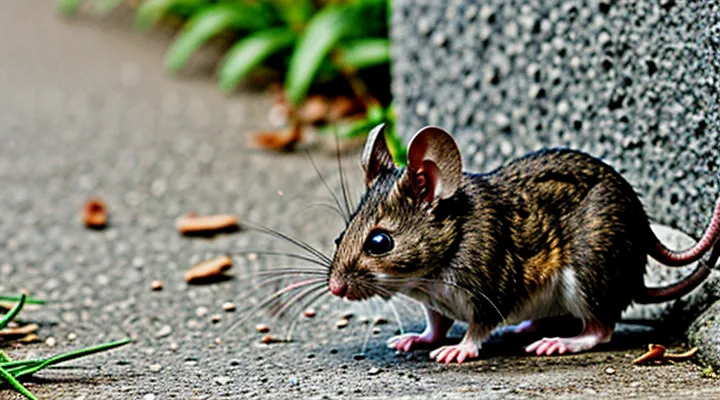
Mice are small mammals typically measuring 2–4 inches in body length, with a proportionally long, hairless tail that adds another 2–4 inches. Their fur ranges from gray to brown, occasionally exhibiting a pinkish hue on the underbelly, which can blend with indoor environments and hinder early detection. Sharp incisors, continuously growing and extending beyond the lips, are visible when the animal opens its mouth; these teeth are capable of puncturing thin skin and tearing tissue. Eyes are large relative to head size, providing a wide field of vision that enhances rapid movement and escape responses. Prominent whiskers extend from the snout, serving as tactile sensors that allow precise navigation in low‑light conditions, increasing the likelihood of unnoticed contact with humans.
Key visual traits that contribute to bite risk:
- Compact body that can fit into crevices and nesting materials.
- Long, flexible tail that aids balance during sudden lunges.
- Continuously growing incisors that maintain cutting edges.
- High‑contrast eye and ear placement that supports swift orientation.
- Dark, muted fur coloration that offers camouflage in household settings.
Symptoms to Watch For
Mouse bites can introduce pathogens and trigger allergic reactions. Recognizing early signs helps prevent complications.
Common local reactions include:
- Redness spreading beyond the bite margin
- Swelling that increases over hours
- Pain that intensifies rather than subsides
- Warmth or a throbbing sensation at the site
Systemic indicators suggest infection or toxin exposure:
- Fever above 38 °C (100.4 °F)
- Chills or rigors
- Nausea, vomiting, or abdominal discomfort
- Headache combined with dizziness or faintness
- Rapid heart rate (tachycardia)
Signs of allergic response require immediate attention:
- Hives or widespread rash
- Swelling of lips, tongue, or throat
- Difficulty breathing or wheezing
- Sudden drop in blood pressure (hypotension)
If any of these symptoms appear after a mouse bite, seek medical evaluation promptly. Early intervention reduces the risk of serious outcomes such as cellulitis, septicemia, or anaphylaxis.
What to Do After a Mouse Bite
Immediate First Aid
Cleaning the Wound
Mouse bites introduce bacteria and potential viral agents, making prompt wound care critical.
- Wash hands thoroughly before handling the injury.
- Rinse the bite with clean, running water for at least one minute to remove debris.
- Apply mild soap around the area; avoid scrubbing directly on the wound.
- Pat the site dry with a sterile gauze pad.
- Cover with an antiseptic solution such as povidone‑iodine or chlorhexidine.
- Place a sterile, non‑adhesive dressing to protect the wound from further contamination.
Observe the wound for signs of infection: increasing redness, swelling, warmth, pus, or fever. Seek medical evaluation promptly if any of these symptoms appear, if the bite is deep, or if the animal’s vaccination status is unknown. Documentation of the incident and a tetanus booster assessment are advisable components of comprehensive care.
Applying Antiseptic
Rodent bites introduce bacteria, viruses, and parasites directly into skin tissue, creating a rapid infection risk. Prompt antiseptic treatment reduces microbial load and limits tissue damage.
Apply antiseptic immediately after the bite:
- Wash hands thoroughly before handling the wound.
- Rinse the area with clean running water for at least 30 seconds.
- Pat dry with a sterile gauze pad.
- Apply a broad‑spectrum antiseptic solution (e.g., povidone‑iodine 10 % or chlorhexidine gluconate 0.5 %).
- Cover with a sterile, non‑adhesive dressing.
Recommended antiseptic agents:
- Povidone‑iodine – effective against gram‑positive and gram‑negative bacteria, fungi, and viruses.
- Chlorhexidine gluconate – provides persistent antimicrobial activity and is less irritating to damaged skin.
- Alcohol‑based solutions (≥70 % isopropanol) – rapid bactericidal action, unsuitable for deep or heavily bleeding wounds.
Observe the wound for signs of worsening infection (increased redness, swelling, pus, fever). Seek professional medical evaluation promptly if any of these symptoms appear or if the bite penetrates deeply. Early medical intervention, combined with proper antiseptic care, minimizes complications associated with rodent‑related injuries.
When to Seek Medical Attention
Signs of Infection
Mouse bites introduce bacteria from the animal’s oral cavity and from the wound environment, creating a high risk of infection. Prompt recognition of early symptoms enables timely medical intervention and reduces complications.
- Redness spreading outward from the bite site
- Swelling that increases in size or becomes painful
- Warmth felt on the skin around the wound
- Purulent discharge or foul odor from the bite
- Fever, chills, or general malaise
- Enlarged or tender lymph nodes near the bite
- Rapid heart rate or low blood pressure, indicating systemic involvement
If any of these signs appear, seek professional care immediately. Treatment typically includes thorough cleaning, possible debridement, and administration of appropriate antibiotics to target common pathogens such as Streptococcus, Staphylococcus aureus, and Pasteurella species. Monitoring the wound for changes over the following days is essential to ensure resolution.
High-Risk Individuals
Mice bites can transmit pathogens, cause allergic reactions, and lead to secondary infections. Certain populations face a markedly greater likelihood of exposure and adverse outcomes.
- Children, especially those under five, because of frequent floor play and limited awareness of rodent presence.
- Elderly individuals with reduced mobility or vision, increasing the chance of accidental contact with hidden mice.
- Immunocompromised patients, whose weakened defenses amplify the risk of severe infection from bacteria such as Staphylococcus aureus or Streptococcus species.
- Individuals with chronic respiratory conditions (asthma, COPD) who may develop heightened allergic responses to mouse saliva or dander.
- Workers in grain storage, food processing, or waste management facilities, where rodent infestations are common and protective measures may be insufficient.
Mitigation measures for these groups include regular environmental inspections, sealing entry points, maintaining clean storage areas, and using traps or professional pest control services. Personal protective equipment—gloves, long sleeves, and face masks—should be employed when handling materials in known infestation zones. Prompt medical evaluation after a bite is essential to assess wound contamination and initiate appropriate antibiotic therapy.
Medical Treatment Options
Antibiotics
Mouse bites introduce a variety of bacterial flora that can rapidly progress to cellulitis, abscess, or systemic infection. Prompt antimicrobial therapy reduces morbidity and prevents complications such as septic arthritis or osteomyelitis.
Typical rodent‑associated organisms include Pasteurella multocida, Streptococcus spp., Staphylococcus aureus, and Bartonella henselae. Viral agents such as hantavirus are not susceptible to antibiotics and require separate management.
First‑line antimicrobial regimens for uncomplicated mouse‑bite wounds are:
- Amoxicillin‑clavulanate 875 mg/125 mg orally twice daily for 5 days
- Doxycycline 100 mg orally twice daily for 7 days (alternative for penicillin allergy)
If oral therapy is not feasible, administer:
- Intravenous cefazolin 1 g every 8 hours, or
- Intravenous clindamycin 600 mg every 8 hours combined with a fluoroquinolone (e.g., ciprofloxacin 400 mg IV every 12 hours) for polymicrobial coverage.
Effective treatment requires wound irrigation, debridement, and assessment of tetanus immunization status. Antibiotic courses longer than 7 days are reserved for deep tissue involvement, immunocompromised patients, or documented osteomyelitis.
Judicious prescribing curtails the emergence of resistant strains. Culture and sensitivity testing should guide escalation when clinical response is inadequate.
Tetanus Shots
Mice carry bacteria that can introduce Clostridium tetani into a wound. The organism releases a neurotoxin that interferes with nerve signaling, leading to muscle rigidity and potentially fatal spasms. Because mouse bites often produce puncture wounds, the anaerobic conditions favorable for tetanus development are common.
A tetanus vaccine provides active immunity by stimulating antibody production against the toxin. The standard series consists of three intramuscular injections administered at 0, 1–2 months, and 6–12 months. Booster doses are recommended every ten years, or sooner if a bite occurs and the patient’s last dose exceeds five years.
If a mouse bite occurs, medical evaluation should include:
- Assessment of wound depth and contamination.
- Verification of the patient’s vaccination record.
- Administration of tetanus toxoid booster when the previous dose is older than five years.
- Provision of tetanus immune globulin for individuals with unknown or incomplete immunization history and a high‑risk wound.
Prompt wound cleaning, debridement, and appropriate antibiotic therapy further reduce infection risk. Failure to address tetanus exposure can result in severe systemic complications, underscoring the necessity of timely vaccination following rodent bites.
Prevention: Protecting Yourself from Mouse Bites
Rodent Control in Homes
Sealing Entry Points
Sealing entry points eliminates the primary route mice use to invade homes, directly reducing the risk of bites and the diseases they can transmit. Mice locate openings as small as a quarter‑inch; once inside, they seek food, water, and shelter, increasing contact with occupants.
Effective sealing involves:
- Inspecting exterior walls, foundations, and roofs for cracks, gaps around pipes, vents, and utility lines.
- Filling cracks with expanding polyurethane foam or cement‑based sealant.
- Installing steel‑wool or copper mesh in larger openings before applying sealant to prevent gnaw‑through.
- Fitting hardware cloth (¼‑inch mesh) over vents, chimney flues, and crawl‑space vents, securing with screws and sealant.
- Adding door sweeps and weatherstripping to prevent entry under doors and windows.
- Repairing damaged siding, soffits, and eaves, ensuring all seams are overlapped and sealed.
Each sealed opening removes a potential pathway for rodents, lowering the likelihood that they will establish nests near human activity. By denying access, the probability of direct encounters—and consequently bites—declines sharply. Regular maintenance of these barriers sustains protection over time.
Proper Food Storage
Storing food correctly reduces the likelihood that rodents will encounter and bite people. Improperly sealed containers, exposed leftovers, and cluttered pantries create attractive foraging sites, encouraging mice to explore human environments where they can deliver bites.
Effective food storage includes:
- Airtight, rodent‑proof containers for grains, cereals, nuts, and pet food.
- Immediate disposal of waste in sealed bags and regular removal from the premises.
- Routine cleaning of crumbs and spills from countertops, floors, and equipment.
- Organization of storage areas to eliminate gaps and stacking that provide shelter.
- Periodic inspection for signs of infestation, such as droppings or gnaw marks, followed by prompt remediation.
By maintaining these practices, the risk of mouse‑related injuries diminishes, supporting safer living and working spaces.
Trapping and Extermination
Rodent bites present a direct health hazard, often transmitting bacteria and parasites. Effective control relies on eliminating the source and preventing contact.
Common trapping techniques include:
- Snap traps: rapid kill, minimal maintenance.
- Live‑catch traps: humane capture, suitable for relocation where permitted.
- Glue boards: capture without immediate fatality, require careful disposal.
- Electronic traps: deliver a high‑voltage shock, reusable after cleaning.
Extermination options focus on population reduction:
- Rodenticides: anticoagulant baits applied in concealed stations, must follow safety regulations.
- Fumigation: sealed‑area gas application for severe infestations, performed by licensed professionals.
- Integrated pest management (IPM): combines habitat modification, exclusion, and targeted chemical use to sustain low rodent numbers.
Safe implementation demands:
- Placement of devices along walls, behind appliances, and near food sources.
- Regular inspection of traps and bait stations to remove dead rodents and replenish supplies.
- Sealing entry points with steel wool, caulk, or metal flashing to block re‑entry.
- Personal protective equipment (gloves, masks) when handling traps or chemicals.
Consistent application of these measures reduces bite incidents and limits disease transmission associated with mouse populations.
Hygiene Practices
Handwashing
Rodent bites can introduce bacteria, viruses, and parasites directly into skin tissue. Pathogens such as hantavirus, leptospira, and salmonella are known to survive on fur, saliva, and feces, creating a risk of secondary infection when the bite site or surrounding hands are contaminated.
Effective hand hygiene removes microorganisms before they can penetrate broken skin or be transferred to other body sites. Immediate washing with soap eliminates viral particles and bacterial colonies that may have adhered to fingers during the bite incident or while handling the animal.
Recommended handwashing procedure
- Wet hands with running water, temperature moderate.
- Apply enough liquid soap to cover all surfaces.
- Scrub palms, backs, between fingers, under nails, and wrists for at least 20 seconds.
- Rinse thoroughly under running water.
- Dry with a disposable paper towel or clean cloth.
- Use the towel to turn off the faucet, avoiding re‑contamination.
Consistent use of this protocol after any contact with rodents or environments they occupy reduces the probability of pathogen transmission, lowers the severity of bite‑related complications, and supports overall public health safety.
Cleaning Up Droppings
Mouse droppings contain pathogens that can be transferred through bites, contaminated surfaces, or inhaled particles. Immediate removal reduces the risk of bacterial, viral, and fungal infections that may accompany a bite wound.
- Wear disposable gloves and a mask before contact.
- Ventilate the area for at least 15 minutes; keep doors and windows open.
- Do not sweep or vacuum dry droppings—dry particles become airborne.
- Apply a disinfectant solution (e.g., 1 % bleach mixed with water) to the droppings.
- Let the solution sit for 10 minutes to inactivate microorganisms.
- Use a damp paper towel or disposable cloth to pick up the saturated material.
- Place used materials in a sealed plastic bag, then discard in an outdoor trash container.
- Clean the underlying surface with the same disinfectant, then rinse with clean water.
- Wash hands thoroughly with soap and water after removing gloves.
Proper disposal of contaminated waste and routine sanitation of mouse‑infested zones interrupt the chain of infection that can amplify the hazards associated with rodent bites.
Safe Handling of Rodents
Rodents can transmit diseases through bites, making careful handling essential for anyone who works with or cares for them. Direct contact should be limited to situations where protective equipment is worn, and all interactions must follow established hygiene protocols.
Key measures for safe handling include:
- Wearing disposable gloves made of nitrile or latex to create a barrier between skin and animal saliva.
- Using a sturdy, well‑ventilated cage or container to restrain the rodent without causing stress.
- Applying a calm, gentle approach; sudden movements increase the likelihood of a defensive bite.
- Disinfecting surfaces and equipment with an EPA‑approved sanitizer before and after use.
- Washing hands thoroughly with soap and water after removing gloves, even if no bite occurred.
If a bite does happen, immediate steps are critical: cleanse the wound with running water, apply an antiseptic, and seek medical evaluation for possible infection or tetanus prophylaxis. Documentation of the incident supports proper follow‑up and risk assessment.
Training programs that emphasize these practices reduce the incidence of injuries and limit exposure to rodent‑borne pathogens. Consistent application of the guidelines protects both personnel and the animals under their care.
Common Misconceptions About Mice and Bites
Myth vs. Fact
Myths surrounding mouse bites often exaggerate the threat, while facts reveal a more nuanced risk profile.
-
Myth: All mouse bites transmit deadly diseases.
Fact: Only a limited set of pathogens—such as hantavirus, leptospira, and certain bacterial strains—are known to be transmitted through rodent saliva. Infection rates remain low, especially when bites are promptly cleaned and treated. -
Myth: A single bite always results in severe tissue damage.
Fact: Mouse incisors are small; puncture wounds are typically shallow. Proper wound care prevents secondary infections, and most injuries heal without lasting impairment. -
Myth: Wild mice are uniformly more dangerous than pet mice.
Fact: Disease prevalence depends on habitat and exposure. Laboratory or domesticated mice, raised in controlled environments, carry fewer zoonotic agents than their wild counterparts. -
Myth: Preventive measures are unnecessary if mice are not seen.
Fact: Mice can enter homes unnoticed, leaving saliva on surfaces and contaminating food. Regular inspection, sealing entry points, and maintaining clean storage areas reduce bite incidents.
Accurate assessment of mouse bite hazards requires distinguishing sensationalized claims from epidemiological evidence. Prompt wound hygiene, awareness of disease vectors, and environmental control constitute the principal defenses against genuine health risks.
Addressing Public Concerns
Incidents of rodent bites generate anxiety because they can introduce pathogens and cause tissue damage.
Bacterial contamination, such as Staphylococcus and Streptococcus species, frequently follows a bite, leading to cellulitis, abscess formation, or systemic infection. Viral agents, including hantavirus and lymphocytic choriomeningitis virus, may be transmitted through saliva or contaminated fur. Allergic reactions to rodent saliva can produce rapid swelling, airway obstruction, or anaphylaxis.
Effective response requires coordinated public measures:
- Immediate wound cleansing with soap and water, followed by antiseptic application.
- Prompt medical evaluation for signs of infection, fever, or allergic response; antibiotics prescribed when indicated.
- Reporting of bite incidents to local health authorities to enable surveillance and risk assessment.
- Community education programs that describe safe food storage, waste management, and structural exclusion techniques to deter rodent entry.
- Professional pest‑control interventions targeting infestation sources, employing traps, baits, and habitat modification.
These actions reduce disease transmission, mitigate injury severity, and restore public confidence in community health safety.