
Ecological Significance
Keystone Species Interaction
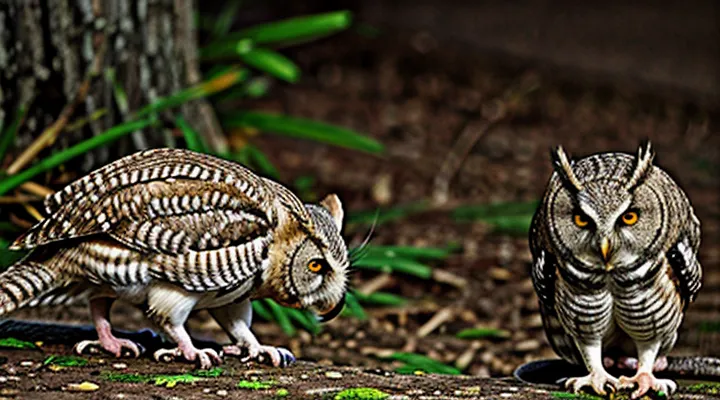
Rodent–owl dynamics exemplify a keystone interaction in many temperate ecosystems. Small mammals serve as the primary energy source for nocturnal raptors, linking primary production to higher trophic levels. When rodent abundance fluctuates, owl reproductive output, hunting behavior, and territorial distribution adjust correspondingly, creating cascading effects on prey communities, vegetation, and nutrient cycling.
The interaction qualifies as keystone because removal of either partner disrupts multiple ecological processes. Declines in mouse populations reduce owl breeding success, leading to lower predation pressure on insects and other small vertebrates. Consequently, herbivore outbreaks may intensify, altering plant composition and soil structure. Conversely, excessive owl predation can suppress rodent numbers below thresholds needed to sustain predator populations, triggering compensatory immigration or demographic shifts in the owl community.
Key outcomes of the rodent‑owl keystone relationship include:
- Stabilization of rodent population cycles through top‑down regulation.
- Regulation of insect herbivore abundance via indirect trophic cascades.
- Maintenance of plant diversity by preventing overgrazing during rodent surges.
- Enhancement of nutrient redistribution through owl droppings and carcass decomposition.
Effective management of these ecosystems requires monitoring both prey density and predator reproductive metrics. Adaptive strategies that preserve habitat complexity and seasonal food availability support the resilience of the keystone interaction, ensuring continued ecosystem function.
Trophic Cascade Effects
Mice constitute a primary energy source for many owl species, linking primary producers to higher trophic levels. When owl populations increase, predation pressure on rodent communities rises, leading to reduced mouse abundance. This reduction diminishes herbivory on seed‑producing plants, allowing greater seed survival and plant recruitment.
Lower mouse numbers also affect mesopredators that compete with owls for similar prey. Declines in rodents reduce food availability for these secondary predators, potentially decreasing their densities and altering competitive dynamics. Consequently, prey species formerly suppressed by mesopredators may experience population growth.
Key outcomes of this predator‑prey interaction include:
- Enhanced plant community diversity due to decreased seed consumption.
- Shifted competitive balance among carnivorous birds and mammals.
- Modified nutrient cycling as changes in herbivore pressure affect litter input and decomposition rates.
Owl Hunting Adaptations
Sensory Enhancements
Mice that serve as primary prey for nocturnal raptors exhibit a suite of sensory refinements that increase survival probability during night-time foraging. Enhanced auditory thresholds allow detection of faint wingbeats and low‑frequency calls generated by hunting owls. Vibrissae equipped with densely packed mechanoreceptors convey minute air currents, alerting rodents to the approach of silent predators. Retinal adaptations, including a high rod density and a reflective tapetum, improve sensitivity to dim illumination, permitting rapid assessment of looming silhouettes against the night sky. Olfactory receptors tuned to predator‑specific kairomones trigger immediate evasive behavior when owl scent trails intersect the foraging area.
Owls counteract rodent defenses through parallel sensory upgrades. Asymmetrical ear openings and specialized facial discs focus sound waves onto the tympanic membrane, achieving precise localization of prey-generated noises within a few centimeters. Large, forward‑facing eyes with a high concentration of rod cells capture minimal light, supporting accurate targeting in near‑total darkness. Feather morphology minimizes aerodynamic noise, preserving the acoustic stealth essential for surprise attacks. Neural circuitry integrates auditory, visual, and somatosensory inputs, generating swift motor commands that align talons with the mouse’s predicted escape trajectory.
Auditory Acuity
Owls rely on exceptional auditory acuity to locate mice during nocturnal hunts. The ability to detect faint rustling sounds enables predators to capture prey hidden beneath vegetation or within burrows.
Key anatomical features that enhance hearing include:
- Asymmetrically positioned ear openings that create vertical sound‑time differences.
- A facial disc that funnels sound toward the ears, increasing pressure sensitivity.
- A highly developed cochlea with enlarged hair cells tuned to high‑frequency rustles.
These structures support precise acoustic processing. Owls detect frequencies between 0.5 kHz and 12 kHz, with peak sensitivity around 2–4 kHz, matching the typical sound spectrum of mouse movement. Temporal resolution of less than 1 ms allows discrimination of rapid footfalls, while binaural cues provide azimuthal localization within a few degrees.
Field observations confirm that owls achieve high capture rates in complete darkness, relying almost exclusively on sound cues. Experiments that mask auditory input reduce hunting efficiency dramatically, demonstrating direct dependence on auditory performance.
Evolutionary pressure from nocturnal rodent prey has driven selection for these auditory adaptations. Species that hunt primarily on the ground exhibit larger ear asymmetry and more pronounced facial discs than those feeding on aerial insects, reflecting functional specialization.
Research on owl hearing employs audiograms obtained from captive individuals, playback trials that simulate mouse sounds, and acoustic recordings of hunting bouts in natural habitats. Data consistently show that auditory acuity directly influences predation success on small mammals.
Visual Acuity
Owls rely on exceptionally sharp vision to locate and capture mice during nocturnal hunts. Their eyes possess a high density of rod cells, enabling photon capture at light levels far below human thresholds. The retinal surface is elongated, increasing the focal length and allowing a finer sampling of the visual field. This anatomical configuration yields a spatial resolution estimated at 2–3 cycles per degree, comparable to diurnal raptors and markedly superior to most mammals.
Key aspects of owl visual acuity include:
- Retinal magnification: The fovea‑like region, called the fovea centralis, expands the image projected onto the retina, enhancing detail discrimination.
- Binocular overlap: Forward‑facing eyes create a narrow field of stereoscopic vision, providing precise depth perception essential for judging the distance to small, moving prey.
- Temporal resolution: High flicker‑fusion frequencies permit detection of rapid mouse movements, reducing motion blur in low‑light conditions.
- Spectral sensitivity: Peak sensitivity around 500 nm aligns with the predominant wavelengths of moonlit environments, optimizing contrast against the ground.
These visual capacities allow owls to resolve a mouse’s silhouette at distances of 10–15 meters under typical nocturnal illumination. The combination of high rod density, retinal magnification, and stereoscopic focus directly translates into successful predation on rodents, reinforcing the efficiency of the owl–mouse predator‑prey dynamic.
Anatomical Features
Mice possess a suite of anatomical traits that align with the hunting capabilities of nocturnal raptors. Their compact body mass, averaging 15–25 g, enables rapid acceleration and maneuverability in confined spaces, allowing escape attempts that remain within the detection range of owls. The lightweight skeletal framework, characterized by elongated hind limbs and a flexible vertebral column, supports swift, irregular bursts of movement that generate minimal acoustic signatures, reducing early warning for auditory predators.
Key mouse characteristics influencing susceptibility to owl predation include:
- Fur density and coloration – soft, dense pelage dampens sound transmission; muted dorsal hues provide limited visual contrast against low‑light backgrounds, yet remain detectable by the owl’s high‑sensitivity retinal rods.
- Auditory anatomy – large, outward‑facing pinnae capture a broad frequency range, yet the small ear canals limit directional discrimination, making precise localization by owls more feasible.
- Tail morphology – a moderately long, prehensile tail serves as a balancing organ during rapid turns but offers limited propulsion, restricting sustained evasion.
Owls exhibit complementary anatomical adaptations that exploit these mouse features. Asymmetrical ear openings generate vertical sound localization, while a facial disc of stiff feathers directs acoustic energy to the ear canal. Forward‑facing, binocular vision, combined with a flexible neck permitting a 270° field of view, ensures detection of the mouse’s subtle movements. Sharp, curved talons and a hooked beak provide the mechanical means to grasp and incapacitate the small rodent despite its evasive anatomy.
Silent Flight Mechanisms
Owls capture small rodents through a suite of adaptations that eliminate aerodynamic noise. The leading edge of each wing is covered with serrated feathers, known as fimbriae, which break up turbulent airflow and reduce vortex shedding. This micro‑scale interruption lowers the amplitude of sound generated by the wing’s motion.
The soft, downy surface of the trailing edge feathers absorbs residual vibrations, further diminishing acoustic signatures. These feathers possess a velvety texture that dampens the friction between air and feather surface, preventing the high‑frequency whine typical of faster‑flapping birds.
Wing morphology contributes to stealth. Broad, rounded wings increase lift at low speeds, allowing a glide-like approach without rapid wingbeats. The low wing loading enables the owl to hover briefly and descend silently onto prey.
Key silent‑flight features:
- Serrated leading‑edge fimbriae that disrupt airflow
- Downy trailing‑edge feathers that absorb vibration
- Low wing loading and broad wing span for slow, controlled flight
- Flexible wing joints that permit subtle adjustments without abrupt movements
These mechanisms collectively produce a flight profile that is virtually inaudible to nocturnal rodents, enhancing predation efficiency.
Talons and Beak Morphology
Owls capture mice with specialized talons that combine curvature, curvature, and keratinized sheaths. The curvature of each claw aligns with the prey’s body, allowing deep penetration into muscle tissue. Hooked tips concentrate force at a single point, maximizing grip while minimizing slippage. The dorsal surface of the talon bears serrated ridges that increase friction against fur and skin, enhancing hold during rapid aerial maneuvers.
Beak morphology complements the talons by providing a cutting and crushing apparatus. The raptor’s beak consists of a sharply hooked upper mandible and a robust lower mandible, both reinforced with dense keratin. The upper hook functions as a lever to tear flesh, while the lower edge acts as a crushing surface for bone fragments. The beak’s curvature matches the shape of a mouse’s skull, facilitating efficient access to the brain cavity and vital organs.
Key morphological adaptations include:
- Curved, serrated talons for secure grasp and tissue penetration.
- Hooked, keratinized beak components for slicing and crushing.
- Muscular attachment points that enable rapid claw extension and powerful bite force.
- Streamlined skeletal structure that reduces drag during silent flight, positioning talons and beak for immediate deployment upon prey capture.
These features together create a highly effective predatory system, allowing owls to subdue, dismember, and consume mice with minimal energy expenditure.
Hunting Strategies
Owls rely on a suite of specialized tactics to capture small rodents, particularly mice, which constitute a primary component of their diet. Their nocturnal activity aligns with the peak activity of these prey, maximizing encounter rates.
Key sensory adaptations underpin hunting efficiency. Silent wing morphology reduces aerodynamic noise, enabling approach without alerting prey. Asymmetrical ear placement creates a vertical sound‑localization map, allowing precise detection of rustling mice beneath leaf litter. Large, tubular eyes gather maximal light, providing high‑resolution vision in low‑illumination environments.
Observed hunting strategies include:
- Perch‑and‑pounce: The owl selects a concealed roost, observes the ground, then descends in a rapid, silent dive to seize the mouse with talons.
- Hover‑glean: While hovering over open terrain, the owl lowers its body to within a few centimeters of the substrate, using tactile cues to locate concealed rodents before a swift grab.
- Ground pursuit: In dense underbrush, the owl may land and chase a fleeing mouse on foot, employing powerful, silent wing strokes to maintain momentum.
- Aerial stoop from flight: During low‑altitude cruising, the owl spots a mouse from above and executes a steep, high‑speed plunge, capturing the prey mid‑air or at the moment it darts to cover.
These tactics exploit the owl’s stealth, auditory acuity, and visual precision, ensuring consistent acquisition of mice across varied habitats.
Perch Hunting
Owls exploit elevated perches to locate and capture mice, integrating visual, auditory, and tactile cues while remaining concealed. From a perch, an owl scans the ground for the minute movements of rodent prey, relying on acute binocular vision that detects slight changes in light and shadow. Simultaneously, asymmetrical ear placement provides directional hearing, allowing the predator to triangulate the position of a mouse even in low‑light conditions. The raptor’s feathered legs and silent flight feathers enable a rapid, noiseless descent once a target is identified.
Key characteristics of perch hunting include:
- Selection of perches that offer unobstructed sightlines and minimal wind disturbance, often tree branches, fence posts, or rock outcrops.
- Use of a forward‑facing, forward‑leaning posture that stabilizes the body and aligns the talons for a precise strike.
- Integration of head rotation to broaden the auditory field, enhancing detection of rustling or footfalls.
- Execution of a short, straight dive (stoop) that maximizes kinetic energy while preserving stealth.
- Immediate grasp of the mouse with sharp talons, followed by a brief but powerful bite to subdue the prey.
Environmental factors such as vegetation density, ambient temperature, and moon illumination influence perch choice and hunting frequency. In habitats where ground cover is sparse, owls favor higher perches to compensate for reduced concealment, whereas dense underbrush may prompt the use of lower, concealed branches. Seasonal fluctuations in mouse activity drive adjustments in perch height and hunting time, with peak activity at dusk and dawn aligning with the owl’s crepuscular hunting window.
Overall, perch hunting represents a coordinated behavioral strategy that maximizes predation efficiency on small mammals, reinforcing the owl’s role as a primary regulator of rodent populations.
Flight Hunting
Owls capture mice primarily through aerial pursuit, employing a suite of morphological and sensory adaptations that optimize nocturnal flight hunting. Their wing shape combines broad, rounded tips with a low wing loading, generating silent, maneuverable flight capable of rapid acceleration and abrupt turns. Muscular control of the feathers allows fine-tuned adjustments that minimize turbulence and reduce acoustic detection by prey.
Visual and auditory systems operate in concert during the chase. Large, forward‑facing eyes gather sufficient light for depth perception, while a dense array of facial disc feathers funnels sound toward asymmetrical ear openings, creating precise three‑dimensional localization of mouse movements. This multimodal integration enables owls to track erratic escape paths and maintain pursuit despite limited visibility.
Key physiological traits supporting flight hunting include:
- Feather microstructure: serrated leading edges and velvety dorsal surfaces suppress sound.
- Respiratory efficiency: a highly vascularized lung‑air sac system sustains prolonged bursts of activity.
- Metabolic flexibility: rapid mobilization of glycogen stores fuels the high‑energy demands of sudden sprints.
During the attack, owls employ a “stoop” maneuver: a steep, diving descent that maximizes gravitational acceleration while preserving stealth. The talons, positioned at the wing’s trailing edge, close at speeds exceeding 30 m s⁻¹, delivering a lethal grip before the mouse can initiate evasive behavior. This combination of aerodynamic precision, sensory acuity, and muscular power defines the effectiveness of owl flight hunting against rodent prey.
Mouse Anti-Predator Defenses
Behavioral Adaptations
Mice exhibit a suite of behavioral strategies that reduce detection and capture by nocturnal raptors. Individuals typically limit movement to periods of low ambient light, such as moonless nights, when owl vision is less effective. When foraging, they favor dense ground cover and avoid open spaces that provide unobstructed sight lines for predators. Social interactions also contribute to safety; alarm calls triggered by a single individual can prompt immediate cessation of activity across the group, creating a collective freeze response that hampers an owl’s attack trajectory.
Key adaptations include:
- Temporal avoidance – peak activity shifted to crepuscular or fully nocturnal intervals with reduced owl hunting efficiency.
- Microhabitat selection – preferential use of leaf litter, burrows, and shrub thickets that obscure silhouette and hinder aerial pursuit.
- Vigilance cycling – brief pauses to scan the sky for wing silhouettes, followed by rapid resumption of foraging.
- Group signaling – ultrasonic or high‑frequency vocalizations that propagate through the colony, prompting synchronized immobility.
These behaviors collectively enhance survival odds in ecosystems where owls constitute the primary avian predator of small rodents.
Nocturnal Activity
Mice exhibit pronounced nocturnal foraging, concentrating movement between dusk and pre‑dawn. Activity peaks typically occur within the first three hours after sunset, aligning with the decline of ambient light and the emergence of many owl species. This temporal overlap creates a predictable window during which rodents are most exposed to avian predators.
Key nocturnal characteristics influencing vulnerability:
- Heightened locomotor speed on open ground during low‑light periods.
- Reliance on olfactory and auditory cues rather than visual detection.
- Reduced vigilance while navigating complex microhabitats such as leaf litter and burrow entrances.
- Preference for short, irregular bursts of activity interspersed with brief rests, which limit continuous visual assessment.
Owls exploit these patterns by synchronizing hunting bouts with mouse activity peaks. Silent flight and acute low‑light vision enable detection of subtle auditory and vibrational cues generated by rodent movement. Temporal concentration of prey reduces the energetic cost of searching, increasing capture efficiency. Consequently, the nocturnal schedule of mice directly shapes predator foraging strategies, prey selection, and overall success rates in owl populations.
Freezing Behavior
Freezing behavior is an immediate, involuntary response exhibited by mice when sensory cues indicate the presence of an owl predator. Sudden wing beats, low-frequency rustling, or shadows cast by a hunting owl activate auditory and visual pathways that converge on the brainstem, prompting rapid suppression of locomotion.
The physiological cascade involves activation of the sympathetic nervous system, release of catecholamines, and increased muscle tone that stabilizes the body while minimizing movement. Heart rate typically declines within seconds, conserving energy and reducing the acoustic signature generated by breath and heartbeat.
Freezing reduces the likelihood of detection by owls that rely on motion-sensitive visual systems and acute auditory perception. By remaining motionless, a mouse diminishes the Doppler shift and sound produced by limb movement, thereby limiting the cues that guide an owl’s attack vector.
Effectiveness of the response varies with environmental context. In open fields, the lack of cover makes motion suppression more critical, while dense understory provides additional visual obstruction that complements freezing. Repeated exposure to owl calls can lead to habituation, decreasing the latency of the freeze response but also potentially reducing its intensity.
Key characteristics of mouse freezing in the owl–mouse predator–prey interaction:
- Triggered by auditory, visual, and vibrational cues associated with owl hunting.
- Mediated by sympathetic activation and muscle tension increase.
- Results in reduced locomotion, lower heart rate, and minimal sound production.
- Enhances survival by exploiting owl reliance on motion detection.
- Modulated by habitat structure and previous predator encounters.
Escape Responses
Mice, as primary prey for nocturnal raptors, exhibit a suite of rapid escape responses that reduce predation risk during owl attacks. Auditory detection of the owl’s wingbeats or low‑frequency hoots triggers the mouse’s startle reflex, causing an immediate cessation of foraging and a shift to a high‑alert posture. This reflex relies on the cochlear nuclei’s sensitivity to pressure changes and the fast transmission of signals through the brainstem reticular formation, enabling response latencies under 30 ms.
The subsequent behavioral phase includes either freezing or fleeing, determined by the perceived distance and angle of the predator. When the owl is detected beyond the 5‑meter threshold, mice typically employ a sprint burst, reaching speeds of 6–8 m s⁻¹ and covering 10–15 m before seeking cover. If the predator is within close range, the animal adopts a tonic immobility response, remaining motionless to exploit the owl’s reliance on movement cues for targeting. Escape trajectories are often diagonal, maximizing distance from the predator’s line of attack and taking advantage of the mouse’s lateral vestibular system for rapid course correction.
Key components of the escape repertoire are:
- Acoustic vigilance – detection of wingbeat frequency (10–15 Hz) and ultrasonic clicks.
- Visual scanning – use of rod‑mediated scotopic vision to identify silhouette movement against moonlit backgrounds.
- Freezing onset – muscle tone reduction within 25 ms of threat confirmation.
- Sprint initiation – activation of fast‑twitch hind‑limb fibers, achieving peak acceleration within 0.1 s.
- Cover selection – preference for dense grass or burrow entrances located within a 20‑m radius.
These mechanisms operate in concert, producing a highly efficient anti‑predator system that shapes the predator–prey dynamics between rodents and night‑hunting owls.
Physiological Adaptations
Mice exhibit a suite of physiological traits that increase their vulnerability to nocturnal raptors while simultaneously supporting survival in predator‑rich environments.
Rapid heart rate and high basal metabolic rate enable swift locomotion, allowing escape bursts when a predator is detected. Muscular fiber composition favors fast‑twitch fibers, delivering burst speed over sustained endurance.
Auditory and vestibular systems are tuned to low‑frequency sounds typical of owl wingbeats. Enlarged cochlear nuclei and heightened hair‑cell sensitivity detect subtle acoustic cues, triggering immediate freezing or evasive maneuvers.
Retinal photoreceptor distribution includes a high proportion of rod cells, enhancing scotopic vision and permitting detection of dim silhouettes of approaching owls against moonlit backgrounds.
Stress‑axis modulation involves elevated circulating catecholamines during predator exposure, facilitating increased glucose mobilization and heightened alertness.
Thermoregulatory adaptations, such as brown adipose tissue activation, supply rapid heat production to maintain muscle performance during sudden nocturnal activity spikes.
Key physiological adaptations:
- Fast‑twitch muscle fibers for rapid escape
- Enhanced low‑frequency auditory detection
- Rod‑dominant retina for low‑light vision
- Catecholamine‑driven stress response
- Brown adipose tissue for quick thermogenesis
These mechanisms collectively shape the dynamic interaction between mice and their owl predators, influencing capture rates and prey population dynamics.
Cryptic Coloration
Cryptic coloration enables small rodents to blend with their surroundings, reducing detection by nocturnal raptors. The adaptive patterns observed in field mice include:
- Dorsal fur matching leaf litter, soil, or bark textures.
- Countershading that obscures three‑dimensional shape when illuminated from above.
- Seasonal molting that aligns coat hue with changing substrate coloration.
These visual strategies lower the probability that an owl’s visual system registers the prey during low‑light hunting. Owl species rely heavily on motion detection and contrast sensitivity; a mouse whose outline merges with background contrast presents a weaker visual cue, delaying the predator’s strike initiation.
Experimental data indicate that individuals with mismatched coat coloration experience higher capture rates. Field observations show that populations inhabiting heterogeneous habitats exhibit greater polymorphism in pelage, reflecting selective pressure from owl predation. Genetic analyses link melanin‑related loci to the degree of background matching, confirming a heritable component of cryptic traits.
In addition to visual concealment, cryptic coloration interacts with other anti‑predator mechanisms. When combined with reduced movement and nocturnal activity peaks, the overall predation risk declines substantially. Owls compensate for visual camouflage by employing auditory localization, yet the initial visual assessment remains critical for targeting and timing the attack.
Overall, cryptic coloration functions as a primary defensive adaptation for mice confronting owl predators, shaping both phenotypic variation and predator‑prey dynamics within nocturnal ecosystems.
Rapid Reproduction Rates
Mice reproduce quickly, often producing several litters each year. A single female can give birth to 5‑12 offspring per litter, and breeding cycles may occur every 30‑40 days under favorable conditions. This high fecundity generates fluctuating mouse populations that directly influence owl foraging patterns.
When mouse abundance rises, owls experience increased capture rates, allowing them to meet energetic demands with fewer hunting attempts. Conversely, population declines force owls to expand search areas, lengthen hunting bouts, and sometimes shift to alternative prey. The rapid turnover of mouse cohorts also provides a continuous supply of vulnerable juveniles, which are easier for nocturnal raptors to capture.
Key implications of mouse reproductive speed for owl biology include:
- Energy balance: High prey density reduces time spent hunting, supporting breeding success and chick development.
- Territory size: Areas with stable mouse reproduction require smaller territories for owls to sustain themselves.
- Seasonal dynamics: Peaks in mouse births during spring and summer align with owl breeding seasons, synchronizing predator and prey cycles.
- Population resilience: Rapid mouse regeneration buffers owl populations against temporary prey shortages, contributing to overall ecosystem stability.
Understanding these dynamics is essential for predicting owl population responses to environmental changes that affect rodent reproductive rates.
Impact on Ecosystem Dynamics
Population Regulation
Mice constitute a primary food source for many owl species, directly influencing the size and stability of rodent populations. Predation pressure reduces juvenile survival rates, thereby limiting the number of individuals that reach reproductive age. This top‑down control aligns with classic density‑dependent regulation, where mortality increases proportionally with prey abundance.
Owls exert seasonal effects on mouse numbers. During breeding periods, heightened energy demands lead to intensified hunting, which can depress mouse population growth rates for several months. Conversely, in winter, reduced owl activity and lower prey availability weaken this regulatory impact, allowing rodent numbers to recover.
Key mechanisms through which owls regulate mouse populations include:
- Immediate removal of individuals, decreasing overall density.
- Selective targeting of younger, less experienced mice, curbing future reproductive output.
- Indirect suppression of breeding activity by inducing stress responses in surviving rodents, which can lower fecundity.
Long‑term studies demonstrate that owl predation contributes to cyclical fluctuations in mouse abundance, preventing unchecked expansion and maintaining ecological balance within terrestrial habitats.
Owl Population Dynamics
Mice constitute the primary food source for many owl species, directly influencing reproductive output, survival rates, and territorial stability. When mouse abundance rises, owls experience higher clutch sizes, increased fledgling success, and reduced adult mortality. Conversely, declines in rodent populations trigger lowered breeding effort, extended intervals between breeding attempts, and heightened competition for limited prey.
Key drivers of owl population dynamics include:
- Prey density fluctuations – seasonal and interannual variations in mouse numbers alter energy intake and body condition.
- Habitat quality – availability of nesting sites and roosting structures determines breeding site selection and predator avoidance.
- Weather extremes – temperature spikes and severe storms affect both mouse activity patterns and owl hunting efficiency.
- Anthropogenic pressures – pesticide use reduces mouse populations and can cause secondary poisoning of owls; habitat fragmentation limits movement between foraging areas.
Population models incorporate these variables to forecast trends. Empirical data from long‑term monitoring programs reveal a strong positive correlation (r > 0.7) between rodent biomass and owl recruitment indices across temperate regions. Management actions that sustain robust mouse populations—such as preserving grassland mosaics and limiting broad‑spectrum insecticide applications—contribute to stable or growing owl numbers.
Mouse Population Dynamics
Mouse populations fluctuate according to a set of interacting biological and environmental variables. Reproductive output peaks during periods of abundant food and favorable climate, while mortality rises when resources dwindle or disease spreads. Seasonal breeding cycles generate predictable surges in juvenile numbers, which in turn affect overall density.
Predation by nocturnal raptors constitutes a primary source of mortality for many rodent species. Owl hunting efficiency depends on prey availability, habitat structure, and the timing of mouse activity. When mouse density exceeds a threshold, owl reproductive success and fledgling survival increase, leading to intensified predation pressure that can suppress subsequent rodent growth.
Key factors shaping mouse population dynamics include:
- Food supply variability (seed production, insect abundance)
- Habitat complexity (ground cover, burrow availability)
- Weather extremes (temperature, precipitation)
- Disease prevalence (hantavirus, ectoparasites)
- Predation intensity from owls and other carnivores
Understanding these drivers enables prediction of how rodent numbers respond to changes in owl abundance, providing insight into the feedback mechanisms that regulate predator‑prey relationships in temperate ecosystems.
Habitat Influence
Habitat structure determines the spatial distribution of mouse populations, directly influencing owl foraging efficiency. Dense ground cover, such as leaf litter or low vegetation, provides refuge for rodents, reducing their exposure to nocturnal raptors. Conversely, open fields and fragmented woodlands increase mouse visibility and accessibility, allowing owls to locate and capture prey with fewer maneuvers.
Seasonal changes modify habitat suitability. Spring growth expands cover, prompting mice to seek shelter in denser microhabitats, while summer droughts reduce vegetation density, exposing rodents to higher predation risk. Snow accumulation in winter obscures ground cover, temporarily leveling habitat complexity and facilitating owl detection of prey through auditory cues.
Human-altered landscapes generate additional variability. Agricultural mosaics create edge habitats where mouse densities peak, attracting owls that specialize in hunting along field margins. Urban green spaces, when interspersed with vacant lots, can sustain mouse colonies, but artificial lighting often disrupts owl hunting patterns, decreasing predation rates.
Key habitat factors affecting the predator‑prey relationship include:
- Vegetation density: inversely correlated with mouse detectability.
- Ground substrate composition: influences burrowing behavior and escape routes.
- Landscape fragmentation: creates edge effects that concentrate mouse activity.
- Light pollution: impairs nocturnal hunting efficiency.
Understanding these habitat-driven dynamics enables accurate prediction of owl diet composition across ecosystems and informs management practices aimed at preserving balanced predator‑prey interactions.
Predation in Different Habitats
Owls rely on small rodents, particularly mice, to meet their energetic demands across a range of ecosystems. The efficiency of mouse capture varies with habitat structure, prey availability, and owl hunting adaptations.
-
Forested environments: Dense canopy and understory provide cover for both predator and prey. Barn owls and tawny owls exploit narrow corridors between trees, using silent flight to locate mice concealed in leaf litter. Soil moisture and leaf decay influence mouse activity, concentrating prey near ground-level foraging zones.
-
Grassland and open scrub: Sparse vegetation reduces visual obstruction, favoring species such as the short‑eared owl that hunt from perches or low flight. Mice in these habitats are more exposed, leading to higher capture rates during crepuscular periods when ambient light supports visual detection.
-
Agricultural fields: Crop rotation and irrigation create seasonal peaks in mouse populations. Barn owls often roost in farm structures and hunt over fields at night, exploiting the abundance of rodents attracted to stored grain. Field edges serve as transit routes, concentrating prey along hedgerows.
-
Urban and suburban settings: Artificial lighting and fragmented green spaces alter mouse behavior, increasing nocturnal activity near human dwellings. Little owls and screech owls adapt by nesting in buildings and hunting around gardens, where mouse densities remain sufficient for sustained predation.
Habitat-specific factors—cover density, prey concealment, and human disturbance—directly shape owl hunting success. Understanding these dynamics informs conservation strategies that maintain or enhance habitats supporting robust mouse populations, thereby sustaining the predator–prey relationship essential for owl survival.
Role in Ecosystem Health
Owls rely on small rodents for nutrition, and the consumption of these mammals directly influences population dynamics of both groups. By reducing mouse abundance, owls limit herbivory pressure on seeds and seedlings, which can increase plant recruitment and maintain vegetation diversity. This predation pressure also prevents overpopulation of mice that might otherwise transmit pathogens to other wildlife and to humans.
The trophic interaction contributes to several measurable ecosystem functions:
- Regulation of primary consumer density – owl predation maintains mouse numbers below thresholds that cause significant crop loss or habitat degradation.
- Disease suppression – lower rodent densities reduce the prevalence of zoonotic agents such as hantavirus and leptospira, decreasing infection risk across the community.
- Energy transfer efficiency – owls convert rodent biomass into avian biomass, supporting higher trophic levels that may prey on owls or scavenge their remains, thereby recycling nutrients.
Long‑term monitoring data show that areas with stable owl populations exhibit more balanced rodent fluctuations compared with regions lacking these predators. Consequently, the predator‑prey relationship between owls and mice acts as a stabilizing force, promoting resilience of terrestrial ecosystems against disturbances.
Conservation Implications
Threats to Owl Populations
Owls rely heavily on small rodents, particularly mice, to meet their energetic requirements. Any factor that reduces the availability or safety of this prey directly compromises owl reproductive success and survival rates.
Key threats to owl populations include:
- Habitat fragmentation – agricultural expansion and urban development diminish nesting sites and reduce the continuity of foraging grounds.
- Pesticide exposure – rodenticides and insecticides accumulate in prey, leading to secondary poisoning of owls.
- Climate variability – altered temperature and precipitation patterns shift mouse breeding cycles, creating mismatches between predator and prey phenology.
- Invasive predators – feral cats and raccoons increase competition for shared prey and may directly depredate owl eggs or nestlings.
- Human persecution – illegal shooting, trapping, and disturbance of roosting cavities cause mortality and reproductive failure.
- Emerging diseases – pathogens such as avian malaria and West Nile virus spread more readily in disturbed landscapes, affecting both owls and their rodent prey.
Each threat disrupts the predator‑prey dynamic that underpins owl ecology. Effective conservation strategies must address land‑use planning, pesticide regulation, climate adaptation measures, invasive species control, and public education to preserve both owls and the mouse populations they depend upon.
Habitat Loss
Habitat loss reduces the availability of suitable cover and foraging areas for small rodents, directly diminishing mouse populations that constitute the primary food source for many owl species. Declines in mouse abundance force owls to expand their hunting ranges, increase energy expenditure, and experience lower breeding success due to insufficient prey delivery.
Key consequences of habitat degradation include:
- Reduced shelter for mice, leading to higher predation by non‑avian predators and lower survival rates.
- Decreased seed and insect resources that support mouse reproduction, limiting population growth.
- Fragmented landscapes that isolate mouse colonies, impairing dispersal and genetic diversity.
- Elevated exposure of owls to anthropogenic hazards as they travel farther to locate prey.
In ecosystems where agricultural expansion, urban development, or deforestation replace natural habitats, the cascade effect becomes evident: fewer mice result in reduced owl foraging efficiency, lower chick provisioning, and ultimately smaller owl populations. Conservation measures that preserve or restore native vegetation, maintain hedgerows, and protect riparian zones sustain mouse habitats, thereby supporting the trophic link between rodents and their avian predators.
Pesticide Use
Pesticide application in agricultural landscapes reduces mouse abundance, alters population structure, and introduces chemical residues into the food chain. Direct mortality of rodents limits the availability of prey for nocturnal raptors that specialize in hunting small mammals.
Reduced prey density forces owls to expand foraging ranges, increase hunting effort, and may lower breeding output because fewer chicks receive adequate nourishment. Shifts in prey composition often favor species less sensitive to chemicals, further decreasing optimal food quality for the predators.
When mice ingest insecticides, herbicides, or rodenticides, their tissues retain measurable concentrations of active compounds. Owls that capture and consume these contaminated rodents experience secondary poisoning, which can manifest as:
- impaired motor function,
- weakened immune response,
- reduced fertility,
- increased mortality of nestlings.
These physiological impairments translate into lower population growth rates for the avian predators.
Mitigation strategies focus on minimizing chemical exposure while maintaining pest control. Recommendations include:
- Implementing integrated pest management to reduce reliance on toxic formulations.
- Selecting rodenticides with low bioaccumulation potential.
- Monitoring residue levels in rodent populations near breeding sites.
- Preserving hedgerows and field margins that provide refuge for both prey and predator.
Adopting these measures sustains the ecological link between mice and their natural owl hunters, preserving predator health and ecosystem balance.
Role of Owls in Pest Control
Owls specialize in hunting small rodents, with mice comprising a substantial portion of their diet. Predation pressure from owls directly lowers the number of active pests in fields, orchards, and urban green spaces.
Field surveys indicate that barn owl (Tyto alba) colonies reduce mouse populations by 30‑50 % within a 2‑km radius. Similar results have been reported for tawny owl (Strix aluco) territories, where vole and mouse densities decline by roughly one‑third during breeding seasons.
Integrating owl habitats into agricultural pest‑management plans offers measurable benefits:
- Decrease in crop loss attributable to rodent feeding
- Reduction of pesticide applications by 20‑40 %
- Lower operational costs for farmers and land managers
- Preservation of non‑target species through biologically based control
These outcomes support a sustainable approach to pest regulation, aligning economic objectives with ecological stewardship. The presence of breeding pairs and nesting boxes enhances long‑term stability of owl populations, reinforcing their function as natural regulators of rodent infestations.
Natural Biocontrol Agents
Owls exert a direct regulatory effect on rodent populations, reducing the incidence of crop damage and disease transmission. Their nocturnal hunting patterns align with the activity cycles of many small mammals, creating a consistent predation pressure that limits reproductive success of pest species.
Key characteristics that make owls effective biocontrol agents include:
- Acute low‑light vision and auditory localization that enable detection of concealed prey.
- Silent flight facilitated by specialized feather structure, allowing approach without alerting target animals.
- Flexible diet that incorporates a range of murine species, ensuring impact across diverse habitats.
- High metabolic demand that drives frequent hunting, sustaining pressure on prey populations.
Ecological outcomes of owl predation are measurable. Long‑term monitoring in agricultural regions shows a correlation between owl nest density and a decline in field mouse capture rates, often translating to reduced pesticide application. In forested ecosystems, owl presence contributes to balanced small‑mammal community composition, preventing dominance by any single species that could otherwise alter vegetation dynamics.
Management practices that enhance owl populations—such as installation of nest boxes, preservation of mature trees, and reduction of rodenticide use—amplify their natural biocontrol capacity. These interventions integrate predator biology into sustainable pest management frameworks without reliance on chemical controls.
Economic Benefits
Mice constitute a primary food source for owls, linking avian predation directly to agricultural economies. Owl predation reduces rodent populations that damage crops, thereby increasing yields without additional inputs.
- Decreased crop loss: field surveys show a 12‑15 % reduction in grain damage where owl activity is documented.
- Lower pesticide expenditure: farms relying on natural owl control spend up to 30 % less on rodenticides, cutting material costs and labor.
- Soil health preservation: reduced chemical application maintains microbial diversity, supporting long‑term fertility and reducing the need for synthetic fertilizers.
These effects translate into measurable financial gains for producers. Higher harvest volumes improve profit margins, while diminished chemical use lowers operational expenses and mitigates regulatory compliance costs. Additionally, reduced rodent‑borne disease incidence lessens veterinary and public‑health expenditures in rural communities. The combined impact strengthens regional agricultural competitiveness and contributes to sustainable economic development.