
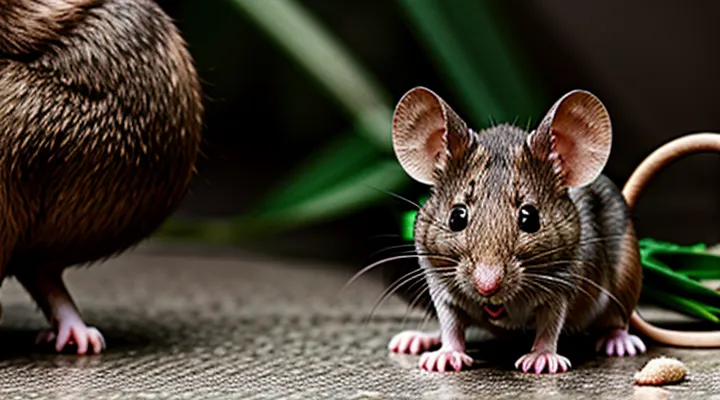
Neurobiological Basis of Male Sexual Behavior
Brain Regions Involved in Sexual Drive
The sexual drive of male rodents is orchestrated by a distributed neural circuit that integrates hormonal signals, sensory input, and reward processing. Central to this circuit is the medial preoptic area (MPOA), which receives androgenic stimulation and projects to motor nuclei that initiate copulatory actions. Lesions of the MPOA abolish mounting behavior, indicating its essential function in drive expression.
The hypothalamus contributes multiple subregions. The ventromedial nucleus (VMH) processes pheromonal cues and modulates sexual motivation, while the arcuate nucleus (ARC) contains neurons that release neuropeptides influencing gonadal hormone release. Both structures interact with the MPOA to maintain drive continuity.
The limbic system supplies affective and contextual information. The posterodorsal medial amygdala (MePD) evaluates olfactory signals from potential mates, projecting to the MPOA and hypothalamic nuclei. The ventral tegmental area (VTA) and nucleus accumbens (NAc) constitute the mesolimbic reward pathway; dopamine release within these sites reinforces sexual behavior and sustains pursuit.
Midbrain and brainstem regions coordinate motor execution. The periaqueductal gray (PAG) integrates descending commands from the MPOA and hypothalamus, controlling penile erection and ejaculation. The spinal cord autonomic nuclei receive final output to effect genital responses.
Key neurotransmitters and neuromodulators shape activity across this network:
- Dopamine: amplifies reward signals in VTA and NAc, enhancing drive persistence.
- Oxytocin and vasopressin: act within MPOA and amygdala to modulate social affiliation and aggression.
- Serotonin: exerts inhibitory control over premature ejaculation via raphe nuclei projections.
- Testosterone: binds androgen receptors in MPOA and hypothalamic nuclei, sustaining baseline drive levels.
Collectively, these regions and chemical signals form an integrated system that drives sexual motivation, initiates copulatory behavior, and reinforces successful mating in male mice.
Hormonal Regulation of Male Sexuality
Hormonal signals coordinate the initiation and execution of sexual activity in male laboratory rodents. The hypothalamic‑pituitary‑gonadal (HPG) axis delivers testosterone from Leydig cells, establishing the physiological substrate for mounting, intromission, and ejaculation. Circulating testosterone binds androgen receptors in the medial preoptic area and the amygdala, enhancing neuronal excitability that drives copulatory patterns.
Testosterone conversion to estradiol by brain aromatase contributes to sexual motivation. Estradiol activation of estrogen receptors modulates synaptic plasticity within the ventral striatum, influencing reward processing linked to mating attempts. Disruption of aromatase activity reduces approach behavior toward receptive females.
Additional neuropeptides shape performance. Prolactin elevation after ejaculation suppresses further sexual attempts through hypothalamic feedback. Vasopressin and oxytocin release in the paraventricular nucleus regulates social affiliation and partner preference, affecting the timing of subsequent copulatory bouts.
Key hormones and their primary actions:
- Testosterone: stimulates genital reflexes, augments aggression toward rivals, supports sperm production.
- Estradiol (via aromatization): enhances sexual drive, modulates reward circuitry.
- Prolactin: induces post‑ejaculatory refractory period.
- Vasopressin: promotes territorial aggression, reinforces pair bonding.
- Oxytocin: facilitates social recognition, modulates stress response during mating.
Environmental cues, such as pheromonal signals from estrous females, interact with these endocrine pathways. Olfactory detection triggers rapid gonadotropin‑releasing hormone release, amplifying testosterone output and synchronizing physiological readiness with external stimuli. The integration of peripheral hormones and central neuropeptide systems produces a flexible yet robust framework for male sexual behavior in mice.
Stages of Male Mouse Sexual Behavior
Pre-copulatory Behaviors
Male rodents initiate reproductive interactions through a series of coordinated pre‑copulatory actions that prepare both partners for successful mating. Olfactory investigation dominates the early phase; a male detects female estrus cues via urine and vaginal secretions, triggering increased sniffing and pheromone‑driven activation of the accessory olfactory bulb. Upon confirmation of receptivity, the male deposits scent marks—urine droplets and glandular secretions—along the perimeter of the female’s enclosure, establishing a spatial map of his presence and reinforcing his dominance status.
Ultrasonic vocalizations accompany the approach, providing auditory signals that modulate female arousal and facilitate proximity. Concurrently, the male exhibits pursuit behavior, characterized by rapid locomotion toward the female, frequent re‑orientations, and intermittent pauses for tactile assessment. Whisker movements intensify, allowing fine‑scale detection of the female’s body position and orientation. When within a few centimeters, the male performs a stereotyped mounting preparation: a brief bout of fore‑paw grooming, tail elevation, and a short, forceful thrust of the hind limbs that culminates in a mounting attempt if the female remains receptive.
The sequence of pre‑copulatory behaviors reflects integration of hormonal state, sensory input, and neural circuitry. Elevated testosterone levels enhance pheromone sensitivity and drive the activation of the medial preoptic area, which coordinates motor patterns required for mounting. The amygdala processes social cues, modulating aggression versus courtship decisions. Failure at any step—absence of pheromonal confirmation, lack of vocalization, or inappropriate mounting attempts—often results in aborted copulation or female rejection.
Key pre‑copulatory actions include:
- Scent marking: deposition of urine and glandular secretions to signal dominance and reproductive intent.
- Ultrasonic vocalization: emission of high‑frequency calls that increase female receptivity.
- Pursuit and approach: directed locomotion with frequent re‑orientation toward the female.
- Whisker probing: heightened vibrissae activity for precise spatial assessment.
- Mounting preparation: fore‑paw grooming, tail lift, hind‑limb thrust preceding copulation.
These behaviors constitute the observable framework through which male mice negotiate mating opportunities, ensuring that physiological readiness aligns with environmental and social cues before copulation proceeds.
Copulatory Behaviors
Copulatory behavior in male laboratory mice comprises a stereotyped sequence that can be divided into three phases: investigation, mounting, and intromission. During investigation, the male detects female pheromones through the vomeronasal organ, initiates sniffing of the anogenital region, and performs ultrasonic vocalizations that facilitate courtship. The mounting phase follows when the male grasps the female’s back with forepaws, assumes a dorsal‑ventral posture, and repeatedly attempts to achieve pelvic thrusts. Intromission occurs once penile penetration is achieved; the male delivers a series of rapid thrusts lasting 2–5 seconds, separated by brief pauses, until ejaculation. Post‑ejaculatory behavior includes a refractory period of 30–90 minutes, after which the male may resume investigation.
Key variables influencing these behaviors:
- Hormonal status: Testosterone levels dictate the onset of sexual competence; castration suppresses all phases, while testosterone replacement restores them.
- Strain differences: C57BL/6 males exhibit longer latencies to mount compared with BALB/c, reflecting genetic modulation of sexual drive.
- Environmental cues: Lighting, estrous stage of the female, and olfactory integrity affect the frequency and intensity of mounting attempts.
- Neurochemical modulation: Dopamine antagonists reduce thrust frequency; oxytocin agonists enhance intromission duration.
Quantitative assessment typically records latency to first mount, number of mounts before intromission, thrust count per ejaculation, and inter‑ejaculatory interval. These metrics provide reliable indices of sexual performance and are employed in studies of neuroendocrine regulation, genetic manipulation, and pharmacological testing.
Post-copulatory Behaviors
Male mice exhibit a repertoire of actions that follow copulation and influence reproductive success. Immediately after ejaculation, the male typically engages in a refractory interval lasting 5–15 minutes, during which mounting attempts are suppressed and grooming of the genital area occurs. This pause reduces the likelihood of immediate re‑mating and allows recovery of seminal vesicle secretions.
Subsequent behaviors serve to protect the newly inseminated female from rival males. Common actions include:
- Mate guarding: The male remains in close proximity to the female for 10–30 minutes, often displaying aggressive postures toward intruding conspecifics.
- Territorial marking: Deposition of urine and scent marks near the female’s nest reinforces the male’s presence and deters competitors.
- Vocalizations: Low‑frequency chirps emitted during the guarding phase can modulate female receptivity and signal dominance to nearby males.
Sperm competition strategies are also evident. Males adjust ejaculate volume and seminal fluid composition based on perceived sperm competition risk, increasing the proportion of proteins that enhance sperm motility or alter the female reproductive tract environment. These adjustments are mediated by sensory cues such as pheromonal detection of rival presence.
Finally, post‑copulatory grooming of the female’s anogenital region is observed. This behavior may remove excess seminal fluid, reduce pathogen transmission, and stimulate uterine contractions that facilitate sperm transport.
Collectively, these post‑copulatory actions shape fertilization outcomes, influence paternity distribution, and contribute to the reproductive ecology of laboratory and wild mouse populations.
Factors Influencing Male Sexual Behavior
Genetic Influences
Genetic variation shapes the repertoire of sexual actions exhibited by male rodents. Knock‑out models reveal that disruption of the androgen‑receptor gene eliminates mounting and intromission, confirming that androgen signaling is essential for the execution of copulatory sequences. Deletion of the estrogen‑synthesizing enzyme aromatase reduces lordosis‑inducing cues in females and, indirectly, diminishes male sexual motivation, demonstrating cross‑sex hormonal interdependence.
Quantitative trait loci identified in diverse inbred strains locate several chromosomal regions linked to differences in latency to first mount, frequency of ejaculation, and partner preference. Within these intervals, candidate genes include vasopressin‑1a receptor (Avpr1a), which modulates aggression‑related components of courtship, and dopamine‑D2 receptor (Drd2), associated with reward processing during mating.
Epigenetic mechanisms further refine genetic effects. DNA methylation patterns at the promoter of the gonadotropin‑releasing hormone (GnRH) gene correlate with variations in sexual drive across developmental stages. Histone acetylation changes in the medial preoptic area alter expression of the oxytocin receptor, influencing affiliative aspects of male sexual behavior.
Transgenic overexpression of the transcription factor Foxp2 in the basal ganglia enhances the precision of ultrasonic vocalizations during courtship, linking neural circuitry control to reproductive success. Conversely, mutations in the neuroligin‑3 gene produce atypical social interaction patterns and reduced partner investigation, indicating that synaptic adhesion molecules contribute to the sensory evaluation phase of mating.
Collectively, these findings demonstrate that a network of hormonal receptors, neurotransmitter systems, and epigenetic regulators underlies the genetic architecture of male mouse sexual conduct.
Environmental Factors
Environmental conditions exert measurable effects on the sexual performance of laboratory male rodents. Temperature fluctuations modify hormone secretion, altering mounting frequency and latency. Elevated ambient temperature (≥30 °C) reduces testosterone levels and suppresses intromission, whereas moderate warmth (22–24 °C) supports typical copulatory patterns.
Lighting cycles synchronize circadian rhythms that intersect with reproductive physiology. Continuous darkness or irregular light–dark schedules disrupt melatonin production, leading to delayed ejaculation and decreased partner preference. Standard 12 h light/12 h dark regimens maintain stable sexual responsiveness.
Housing density influences social hierarchy and stress exposure. Overcrowding elevates corticosterone concentrations, diminishing courtship behaviors and increasing latency to first mount. Pair housing with a stable female partner minimizes stress and preserves normal sexual motivation.
Olfactory environment contributes directly to mate recognition and arousal. Presence of unrelated male urine masks female pheromones, reducing approach behavior. Clean bedding and controlled scent exposure enhance detection of estrous cues, facilitating prompt sexual initiation.
Acoustic background can interfere with communication signals essential for mating. Persistent low‑frequency noise (>70 dB) attenuates ultrasonic vocalizations, impairing female attraction and reducing successful copulation rates.
Key environmental variables and their documented impacts:
- Temperature: optimal range 22–24 °C; high temperatures suppress testosterone.
- Photoperiod: regular 12 h light/12 h dark stabilizes melatonin and sexual timing.
- Housing density: low density prevents stress‑induced hormonal disruption.
- Scent cues: controlled olfactory milieu preserves pheromone detection.
- Noise level: ambient sound below 70 dB maintains ultrasonic communication.
Consistent management of these factors yields reproducible sexual behavior outcomes, facilitating reliable experimental interpretation.
Social Cues and Pheromones
Male rodents rely on a complex network of chemical and behavioral signals to regulate reproductive interactions. Urinary volatiles, primarily composed of major urinary proteins (MUPs) and low‑molecular‑weight metabolites, convey individual identity, hormonal status, and territorial ownership. Detection of these compounds through the vomeronasal organ triggers neural pathways that bias approach, investigation, and mounting behaviors.
Social cues extend beyond olfaction. Ultrasonic vocalizations emitted during female investigation provide real‑time feedback on receptivity. Tactile stimulation of the flank and anogenital region during close contact enhances sensory integration, while visual assessment of posture and movement patterns contributes to mate selection. Each modality is processed in parallel circuits that converge on hypothalamic nuclei responsible for sexual drive.
Interaction of pheromonal and social information shapes the sequence of courtship actions:
- MUP profile matching activates the medial amygdala, increasing pursuit intensity.
- Female ultrasonic calls synchronize male mounting latency.
- Anogenital grooming reinforces pheromone release, sustaining arousal.
- Aggressive displays toward rival males are amplified when competing scent marks are detected.
Collectively, these signals orchestrate the timing, intensity, and specificity of sexual behavior in male mice, ensuring successful copulation and reproductive fitness.
Methodologies for Studying Male Mouse Sexual Behavior
Behavioral Observation Techniques
Behavioral observation techniques provide the primary data for investigating the sexual repertoire of male laboratory rodents. Researchers rely on systematic methods that capture both overt actions and subtle physiological signals during mating encounters.
Standard approaches include:
- Direct live scoring: Trained observers record latency to mount, number of intromissions, and ejaculation latency using predefined ethograms. Real‑time notation ensures immediate identification of atypical patterns.
- Video documentation: High‑resolution cameras positioned above and laterally capture full‑body movements. Frame‑by‑frame analysis permits quantification of mounting frequency, thrust intensity, and post‑ejaculatory behavior.
- Ultrasonic vocalization (USV) monitoring: Specialized microphones detect frequencies above 20 kHz emitted during courtship. Automated software extracts call duration, peak frequency, and syllable structure, linking acoustic output to motivational state.
- Scent‑marking assessment: Filter paper or glass surfaces placed in the arena collect urinary deposits. Subsequent imaging quantifies mark area and distribution, reflecting territorial and sexual signaling.
- Telemetry and hormone sampling: Implantable devices record body temperature and heart rate, while timed blood draws measure testosterone spikes correlated with copulatory events.
Data integrity depends on controlled environmental variables—light cycle, temperature, and arena dimensions—maintained consistently across trials. Calibration of recording equipment and inter‑observer reliability checks are mandatory to reduce measurement bias. Combining multiple modalities yields comprehensive profiles of male sexual behavior, facilitating comparative studies and pharmacological interventions.
Neuroscientific Approaches
Neuroscientific investigations of male rodent sexual conduct rely on precise manipulation and measurement of brain circuits that govern motivation, performance, and reward. Genetic tools such as Cre‑dependent viral vectors enable cell‑type‑specific expression of optogenetic actuators, allowing researchers to activate or inhibit populations within the medial preoptic area, ventral tegmental area, and amygdala while observing real‑time changes in mounting frequency, intromission latency, and ejaculation patterns. In vivo electrophysiology, combined with high‑resolution calcium imaging, provides temporal correlation between neuronal firing and distinct phases of copulatory behavior, revealing the dynamics of excitatory and inhibitory inputs that shape sexual drive.
Key methodological approaches include:
- Optogenetics and chemogenetics: precise temporal control of neuronal activity during defined behavioral epochs.
- Fiber photometry and two‑photon microscopy: population‑level calcium signals linked to reward anticipation and consummatory phases.
- Whole‑brain clearing and light‑sheet microscopy: mapping of projection patterns from sexually relevant nuclei.
- CRISPR‑based gene editing: functional dissection of receptor pathways (e.g., androgen, oxytocin, vasopressin receptors) influencing sexual motivation.
- Electrophysiological recordings: single‑unit and local field potential analysis during sexually motivated tasks.
Pharmacological profiling complements these techniques by quantifying the impact of neuromodulators such as dopamine, serotonin, and neuropeptides on circuit excitability. Integration of behavioral assays with simultaneous neural readouts yields a mechanistic framework that links molecular alterations to observable sexual phenotypes in male mice, advancing the understanding of how brain circuitry orchestrates reproductive behavior.
Pharmacological and Genetic Manipulations
Pharmacological interventions provide rapid, reversible access to neural circuits that regulate mounting, intromission, and ejaculation in laboratory rodents. Systemic or intracerebral delivery of dopamine D1/D2 agonists increases mount frequency, whereas antagonists suppress it, indicating dopaminergic control of incentive motivation. Serotonin reuptake inhibitors reduce sexual performance, while 5‑HT2C antagonists restore it, highlighting serotonergic inhibition. Administration of gonadal steroids, such as testosterone or estradiol, modulates penile erection and latency to first mount, confirming hormonal gating of sexual output. Selective antagonists of vasopressin V1a receptors diminish partner preference, and oxytocin receptor blockers impair consummatory behavior, linking neuropeptide signaling to social aspects of copulation.
Genetic manipulations complement drug studies by targeting specific molecular substrates. Constitutive knockout of the androgen receptor eliminates mounting altogether, demonstrating its necessity for male sexual drive. Conditional deletion of estrogen receptor α in the medial preoptic area reduces intromission frequency without affecting hormone levels, revealing region‑specific estrogenic modulation. CRISPR‑mediated disruption of the vasopressin‑V1a gene produces deficits in partner recognition, while knock‑in of fluorescent reporters at the oxytocin receptor locus enables real‑time imaging of activated neurons during mating. Cre‑lox recombination, combined with viral vectors expressing channelrhodopsin, permits optogenetic activation of hypothalamic nuclei, eliciting immediate mounting behavior in otherwise non‑responsive males. Designer receptors exclusively activated by designer drugs (DREADDs) allow temporal control of neuronal excitability; activation of DREADD‑expressing neurons in the ventral tegmental area accelerates approach to a receptive female, whereas inhibition delays initiation of copulation.
Both approaches converge on a set of core pathways:
- Mesolimbic dopamine projections (VTA → nucleus accumbens) – modulated by agonists, antagonists, and optogenetic stimulation.
- Medial preoptic area circuitry – influenced by steroid receptor knockouts and chemogenetic silencing.
- Social neuropeptide networks (vasopressin, oxytocin) – examined through receptor antagonists, gene deletions, and viral overexpression.
Integration of pharmacological agents with precise genetic tools yields mechanistic insight into the neurobiology of male sexual behavior, enabling dissection of motivation, performance, and reward components in a controlled experimental framework.
Evolutionary and Ecological Significance
Reproductive Success and Fitness
Reproductive success in male murine sexual behavior is measured by the number of offspring sired per breeding season. Direct paternity assessment, often through genetic markers, provides the most reliable estimate of individual contribution to the next generation.
Key determinants of male fitness include:
- Courtship intensity: frequency and duration of ultrasonic vocalizations, scent marking, and pursuit of estrous females.
- Competitive ability: dominance hierarchies established through aggressive encounters influence access to receptive mates.
- Sperm quality: motility, morphology, and quantity correlate with fertilization probability in polyandrous contexts.
- Hormonal profile: circulating testosterone levels modulate sexual drive and secondary sexual traits.
Experimental manipulations reveal that elevated testosterone enhances courtship vigor but may reduce immune function, illustrating trade‑offs that shape evolutionary strategies. Variation in testes size among populations aligns with predicted levels of sperm competition, confirming that anatomical investment reflects reproductive pressure.
Long‑term fitness outcomes incorporate offspring survival and reproductive potential. Studies tracking progeny demonstrate that males achieving early mating success often produce descendants with higher growth rates, suggesting heritable advantages linked to paternal traits. Consequently, selection favors phenotypes that maximize both mating opportunities and offspring viability.
Species-specific Variations
Male rodents exhibit pronounced variation in sexual conduct that aligns with taxonomic distinctions. Differences emerge between subspecies of the genus Mus and among laboratory strains, influencing mounting latency, copulatory frequency, and ejaculatory patterns.
Subspecies comparisons reveal that Mus musculus domesticus typically initiates mounting within 5 minutes of female exposure, whereas Mus musculus musculus often requires 10 minutes or more. Mus spretus males display reduced overall sexual activity and lower ejaculation rates, reflecting divergent evolutionary pressures on reproductive strategies.
Strain-specific phenotypes are documented across common laboratory lines:
- C57BL/6 males: rapid mounting, high ejaculation frequency, robust testosterone surge.
- BALB/c males: delayed mounting, lower ejaculation incidence, heightened anxiety-related behavior during courtship.
- DBA/2 males: intermediate latency, moderate ejaculatory output, distinct pheromone receptor expression.
Genetic architecture underlies these patterns; quantitative trait loci associated with androgen receptor signaling, olfactory receptor repertoires, and neuropeptide regulation correspond to observed behavioral disparities. Neuroendocrine assessments indicate that strain-dependent variations in luteinizing hormone pulsatility and estradiol feedback modulate sexual motivation.
Sensory processing contributes additional specificity. Subspecies and strains differ in vomeronasal organ sensitivity to female-derived major urinary proteins, altering the intensity of sexual arousal and subsequent copulatory sequences.
Collectively, taxonomic and genetic diversity generates a spectrum of male sexual behaviors, necessitating precise strain and subspecies identification in experimental designs investigating reproductive physiology.
Potential for Research and Applications
Understanding Sexual Dysfunction
Sexual dysfunction in male laboratory rodents provides a measurable indicator of neurobiological and hormonal disturbances that affect reproductive performance. Researchers assess the condition through parameters such as mounting latency, intromission frequency, ejaculation latency, and post‑ejaculatory interval. Deviations from baseline values reveal impairments in motivation, sensorimotor integration, or endocrine regulation.
Key contributors to dysfunction include:
- Hormonal imbalances – reduced testosterone, altered prolactin, or disrupted estradiol signaling.
- Neurotransmitter dysregulation – deficiencies in dopamine, serotonin, or oxytocin pathways.
- Genetic modifications – knock‑out or transgenic lines targeting receptors, ion channels, or signaling proteins.
- Environmental stressors – chronic isolation, variable lighting, or exposure to endocrine‑disrupting chemicals.
- Aging – progressive decline in sexual vigor and ejaculatory capacity.
Pharmacological testing commonly employs agents that restore dopaminergic tone (e.g., apomorphine), antagonize serotonergic inhibition (e.g., selective serotonin antagonists), or supplement androgen levels (e.g., testosterone propionate). Dose‑response curves derived from these interventions aid in quantifying therapeutic efficacy and side‑effect profiles.
Methodological considerations ensure reliability:
- Standardize animal age, strain, and housing conditions before testing.
- Conduct trials during the dark phase of the light‑dark cycle to align with peak activity.
- Use a sexually experienced female stimulus to reduce variability in male response.
- Record behaviors with high‑resolution video for post‑hoc analysis and inter‑observer verification.
Data obtained from male mouse models inform translational research on human sexual disorders, providing insight into underlying mechanisms and potential drug targets while allowing controlled manipulation of genetic and environmental variables.
Drug Discovery and Behavioral Research
Research on male rodent sexual activity provides a robust platform for evaluating candidate compounds that influence reproductive physiology and neurobehavioral pathways. Pharmacological screens routinely measure parameters such as mount latency, intromission frequency, ejaculation latency, and post‑ejaculatory interval. These endpoints reflect neurotransmitter systems—including dopaminergic, serotonergic, and oxytocinergic circuits—that are conserved across mammals and are frequently targeted in therapeutic development for sexual dysfunction, mood disorders, and addiction.
Preclinical pipelines integrate the following steps:
- Baseline behavioral profiling of untreated males to establish strain‑specific norms.
- Acute dosing with test agents followed by immediate observation of copulatory sequences.
- Chronic administration protocols to assess tolerance, sensitization, or long‑term modulation of sexual performance.
- Correlative neurochemical assays (e.g., microdialysis, immunohistochemistry) to link behavioral outcomes with brain region activity.
- Pharmacokinetic and toxicity evaluations aligned with observed behavioral changes.
Data derived from these studies inform target validation, dose‑response relationships, and safety margins. For instance, selective dopamine D2 antagonists consistently increase mount latency, indicating inhibitory control over sexual motivation, whereas serotonin reuptake inhibitors often reduce intromission frequency, supporting their role in modulating reward pathways.
Challenges include variability introduced by housing conditions, hormonal status, and prior sexual experience. Standardization of environmental parameters and use of within‑subject designs mitigate these factors, enhancing reproducibility. Integration of automated video tracking and machine‑learning classifiers further refines measurement precision, reducing observer bias.
Overall, male mouse sexual behavior serves as a translational bridge between molecular pharmacology and complex neurobehavioral phenotypes, enabling the discovery of agents that modulate both reproductive function and associated affective states.
Conservation Biology Implications
Research on the sexual conduct of male laboratory rodents yields data directly applicable to wildlife management. Observations of mating frequency, dominance hierarchies, and hormonal cycles clarify mechanisms that sustain genetic variation within populations. By quantifying how individual males contribute to offspring production, managers can predict effective population size more accurately, improving assessments of extinction risk.
In captive‑breeding programs, insights into male courtship rituals and competition reduce stress‑induced infertility. Adjusting enclosure design, group composition, and timing of introductions according to documented behavioral patterns enhances reproductive output, thereby supporting reintroduction efforts for threatened species with similar mating systems.
The link between sexual activity and pathogen transmission emerges from studies of male mouse behavior. Documented rates of aggressive encounters and copulatory contact identify pathways for disease spread, informing biosecurity protocols that limit epidemic outbreaks in both captive and wild settings.
Key conservation‑biology applications derived from male rodent sexual studies include:
- Estimation of effective population size through male reproductive success metrics.
- Optimization of breeding colony structures to maximize fecundity and minimize stress.
- Identification of behavioral vectors for infectious agents, guiding health‑monitoring regimes.
- Development of predictive models for population dynamics that incorporate male competition and mate choice.