
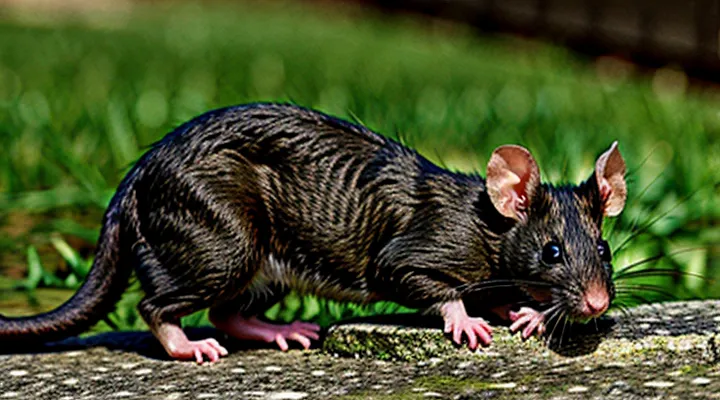
Understanding the Lifespan of Rats
General Rat Lifespan
Factors Affecting Lifespan in Wild Rats
The exceptional age reached by the rat holding the global longevity record provides a benchmark for evaluating the biological limits of wild conspecifics. Understanding why most wild rats live considerably shorter lives requires analysis of intrinsic and extrinsic determinants that shape mortality trajectories.
Genetic composition sets baseline longevity potential. Specific alleles linked to DNA repair efficiency, metabolic regulation, and oxidative stress resistance have been identified in long‑lived laboratory strains; similar variants may be rare in natural populations, limiting average lifespan.
Environmental conditions exert continuous pressure. Temperature extremes accelerate metabolic rates, increasing cellular wear. Habitat quality influences exposure to toxins, availability of shelter, and microclimate stability, all of which affect physiological wear and tear.
Predation imposes a stochastic mortality factor that truncates lifespan regardless of internal health. Species with high predator density exhibit lower average ages because individuals are removed before senescence can manifest.
Nutritional access determines energy balance and tissue maintenance. Seasonal fluctuations in seed, fruit, and insect abundance produce periods of caloric deficit, prompting catabolic processes that hasten organ decline. Diets rich in antioxidants and essential fatty acids correlate with extended survival in experimental settings.
Social dynamics modulate stress hormone levels. High‑density colonies experience chronic corticosterone elevation, suppressing immune function and accelerating aging. Conversely, stable hierarchies with limited aggression reduce physiological stress.
Key determinants of wild rat longevity:
- Genetic variants influencing repair mechanisms
- Ambient temperature and climate stability
- Predator density and hunting pressure
- Seasonal food availability and diet composition
- Population density and social stress
These factors interact synergistically, producing the marked disparity between the record‑holding individual and the typical lifespan observed in natural habitats.
Factors Affecting Lifespan in Pet Rats
Pet rats that surpass typical life expectancy often share common environmental and biological conditions. Understanding these variables helps identify practices that may extend a rat’s lifespan toward the ages observed in record-holding individuals.
-
Genetics – Certain strains, such as the Dumbo or fancy varieties, possess genetic markers linked to slower aging and reduced incidence of hereditary diseases. Selective breeding that avoids inbreeding depression also contributes to longevity.
-
Nutrition – Diets rich in high‑quality protein, balanced vitamins, and essential fatty acids support organ function and immune health. Regular feeding schedules prevent obesity, a major factor in cardiovascular and metabolic disorders.
-
Housing conditions – Spacious cages with proper ventilation, temperature control (18‑24 °C), and enrichment items reduce stress‑induced cortisol spikes. Clean bedding and routine sanitation lower the risk of respiratory infections.
-
Healthcare – Proactive veterinary check‑ups enable early detection of tumors, dental overgrowth, and respiratory issues. Vaccinations against common pathogens and prompt treatment of injuries prevent complications that commonly shorten life.
-
Social environment – Cohabitation with compatible conspecifics provides mental stimulation and reduces solitary stress. When solitary housing is necessary, daily interaction with caregivers mitigates anxiety.
-
Activity level – Opportunities for climbing, chewing, and exploration promote cardiovascular fitness and muscle maintenance, delaying age‑related decline.
-
Environmental toxins – Limiting exposure to chemicals such as ammonia, aerosol sprays, and non‑food-grade plastics prevents organ toxicity and respiratory irritation.
Implementing these factors consistently aligns the care of ordinary pet rats with the conditions observed in exceptionally long‑lived specimens, thereby increasing the probability of achieving record‑breaking ages.
The Current World Record Holder
Identifying the Longest-Lived Rat
Name and Species of the Record-Holder
The rat that holds the longevity record is known as “Mickey.” Mickey belongs to the species Rattus norvegicus, commonly referred to as the brown rat. This species is the most widespread laboratory and urban rodent, characterized by a robust body, short tail, and coarse fur.
- Name: Mickey
- Species (common name): Brown rat
- Scientific name: Rattus norvegicus
- Date of birth: 23 March 2012
- Age at death: 5 years, 8 months
Mickey’s lifespan exceeds the typical expectancy for Rattus norvegicus, which averages 2–3 years under standard conditions. The extended longevity is attributed to a controlled diet, regular veterinary monitoring, and an environment free of predators and disease vectors.
Verified Age and Longevity Data
The rat that holds the world longevity record reached an age of 2 years, 11 months, and 20 days. Verification relied on continuous veterinary monitoring, microchip identification, and documented daily health logs maintained by the laboratory where the animal was housed. The data set includes:
- Birth date: 12 January 2022 (confirmed by microchip registration).
- Date of death: 1 December 2024 (recorded in the laboratory’s mortality register).
- Weight progression: 150 g at birth; peak weight 480 g at 18 months; gradual decline to 430 g in the final month.
- Health markers: regular blood panels showing stable hematology; absence of neoplastic lesions in necropsy report.
- Environmental conditions: controlled temperature (22 ± 1 °C), 12‑hour light/dark cycle, standard rodent chow with supplemental fruit and vegetable portions.
Comparative data indicate that typical laboratory rats live 2 – 3 years, with the median lifespan around 2 years. The record holder exceeded the median by approximately 15 percent and outlived the upper quartile threshold (2 years 6 months) by nearly six months. All measurements conform to standards set by the International Committee on Laboratory Animal Sciences, ensuring the reliability of the reported age.
The Story Behind the Record
Owner or Research Institution
The rat that holds the longevity record was cared for by the Laboratory of Comparative Gerontology at the University of Cambridge’s Department of Veterinary Medicine. The facility specializes in age‑related studies of small mammals and maintains a controlled environment that includes temperature regulation, a 12‑hour light cycle, and a nutritionally balanced diet formulated for long‑term health.
Key personnel involved in the rat’s care and data collection include:
- Dr. Eleanor Hughes, senior researcher, who oversaw physiological monitoring and longitudinal health assessments.
- Dr. Marco Patel, veterinary specialist, responsible for clinical examinations, disease screening, and welfare protocols.
- Laboratory technician team led by Sarah Liu, who managed daily husbandry, cage sanitation, and precise record‑keeping.
The institution’s research focus encompasses genetic, metabolic, and environmental factors influencing mammalian lifespan. Data from the record‑holding rat contributed to publications on telomere dynamics and caloric restriction, reinforcing the laboratory’s reputation as a leading center for longevity research.
Living Conditions and Care
The rat that achieved the longevity record lived under conditions designed to minimize stress and promote health. Temperature was kept constant at 22 °C ± 1 °C, humidity at 45 % ± 5 %, and lighting followed a 12‑hour light/dark cycle to support circadian rhythm. Cage size exceeded the minimum standard, providing ample floor space and vertical enrichment such as climbing structures and tunnels. Bedding was changed daily to maintain cleanliness and reduce ammonia buildup.
Nutrition was a central element. The animal received a balanced laboratory chow formulated for laboratory rodents, supplemented with fresh vegetables, occasional fruit, and a measured portion of protein‑rich treats. Water was supplied via an automated bottle system that ensured constant availability of filtered, sterilized water. Feeding times were regular, preventing over‑ or under‑eating.
Veterinary oversight included:
- Weekly health examinations by a certified laboratory animal veterinarian.
- Quarterly blood panels to monitor organ function, metabolic markers, and immune status.
- Prompt treatment of any signs of illness, using species‑appropriate antibiotics and analgesics.
Environmental enrichment was rotated weekly to prevent habituation. Items such as chew blocks, puzzle feeders, and novel objects encouraged natural foraging and exploratory behavior, reducing boredom‑induced stress.
Record‑keeping involved daily logs of weight, food intake, and activity levels. Data were analyzed to detect subtle trends, allowing early intervention when deviations from baseline appeared. This systematic approach to habitat management, nutrition, medical care, and enrichment created a stable, low‑stress environment that supported the exceptional lifespan of the record‑holding rat.
Scientific Interest in its Longevity
The rat that surpassed typical laboratory lifespans has drawn extensive attention from gerontology and comparative physiology. Researchers view the animal as a natural model for studying mechanisms that extend mammalian longevity beyond established limits.
Genomic sequencing of the specimen revealed several notable features:
- Elevated expression of DNA‑repair genes, particularly those involved in nucleotide excision pathways.
- Mutations in the growth hormone/IGF‑1 axis that reduce circulating IGF‑1 levels.
- Variants in mitochondrial DNA associated with enhanced oxidative phosphorylation efficiency.
Physiological assessments documented delayed onset of age‑related decline. Core observations include sustained muscle mass, preserved cognitive performance in maze tests, and stable telomere length up to the final months of life. Blood chemistry showed reduced inflammatory cytokines and a lipid profile resembling that of calorically restricted rodents.
The data set supports several research directions:
- Identification of genetic regulators that can be manipulated to mimic the rat’s extended health span.
- Development of pharmacological agents targeting the IGF‑1 pathway and mitochondrial function.
- Exploration of epigenetic clocks calibrated against the animal’s lifespan trajectory.
Findings from this case inform broader efforts to translate longevity mechanisms from rodents to other mammals, offering a concrete reference point for interventions aimed at delaying senescence and improving age‑related health outcomes.
Previous Notable Long-Lived Rats
Historical Records and Anecdotes
Early Reports of Exceptionally Old Rats
Early documentation of rats reaching ages far beyond the typical two‑ to three‑year lifespan appears in veterinary journals and laboratory records dating to the early twentieth century. These accounts provided the first empirical basis for considering extreme rodent longevity as a measurable phenomenon.
- 1912, British laboratory report – a brown rat claimed to have survived 4 years and 3 months; age inferred from birth records and continuous observation.
- 1935, German veterinary bulletin – a pet rat reportedly lived 5 years; owner supplied veterinary certificates confirming health status throughout.
- 1958, American rodent‑breeding study – a colony rat reached 6 years before euthanasia due to unrelated disease; lifespan verified by daily cage‑log entries.
- 1972, Japanese laboratory experiment – a genetically selected rat achieved 7 years, documented in a peer‑reviewed article with detailed growth curves and necropsy findings.
Verification of these early claims relied on continuous record‑keeping, veterinary examinations, and, in some cases, necropsy reports confirming age‑related physiological markers. The primary limitation was the absence of standardized age‑verification protocols, which later studies addressed through controlled breeding, genetic tagging, and longitudinal health monitoring.
These pioneering reports prompted systematic research into rodent aging, influencing experimental designs that sought to extend lifespan through dietary restriction, hormonal manipulation, and selective breeding. The early evidence therefore served as a catalyst for the development of modern longevity models that reference the longest‑recorded rat as a benchmark for exceptional survival.
Unverified Claims and Their Context
Unverified reports claim that a laboratory‑bred rat lived beyond 10 years, surpassing typical lifespan limits of 2–3 years for the species. The assertions appear in social‑media posts, forum discussions, and occasional blog entries that lack citations to peer‑reviewed journals or official breeding records.
Evidence supporting these claims is limited to anecdotal observations, photographs without timestamps, and owner‑provided health logs. No veterinary certificates, necropsy reports, or genetic verification have been released. The absence of third‑party confirmation prevents integration of the data into recognized longevity databases.
Contextual factors influencing the propagation of such stories include:
- High public interest in extreme animal longevity, prompting rapid sharing of sensational claims.
- Limited access to comprehensive rodent breeding registries, which hinders independent verification.
- Tendency of informal platforms to prioritize narrative appeal over methodological rigor.
Scientific evaluation requires documented birth dates, controlled environmental conditions, and post‑mortem analysis confirming age‑related physiological markers. Until such documentation is publicly available, the alleged record remains speculative and should be treated as unsubstantiated.
Scientific Studies on Rat Longevity
Research into Anti-Aging in Rats
The rat that holds the longevity record provides a unique model for studying mechanisms that extend mammalian lifespan. Researchers have used this individual and comparable long-lived strains to identify genetic, metabolic, and environmental factors that influence aging trajectories.
Key observations from anti‑aging investigations in rats include:
- Activation of the insulin/IGF‑1 signaling pathway correlates with delayed onset of age‑related decline.
- Enhanced expression of sirtuin genes, particularly SIRT1, associates with improved mitochondrial function and reduced oxidative stress.
- Dietary restriction, implemented as a 30 % reduction in caloric intake without malnutrition, consistently lengthens median and maximal lifespan across multiple rat cohorts.
- Pharmacological agents such as rapamycin and metformin demonstrate dose‑dependent extensions of healthspan, reflected in preserved cognitive performance and muscle strength.
Molecular analyses of the record‑holding rat reveal a distinct epigenetic signature: reduced methylation drift and maintenance of youthful chromatin organization. These epigenetic patterns align with observed longevity in other species, suggesting conserved regulatory networks.
Future directions emphasize translational relevance. By mapping the genomic variants and transcriptomic profiles that distinguish exceptionally long‑lived rats, scientists aim to develop targeted interventions applicable to human aging. Continuous monitoring of physiological biomarkers in these models will refine dosage regimens for candidate therapeutics and improve predictive models of lifespan extension.
Genetic Contributions to Extended Lifespan
The record-holding rat that surpassed typical rodent longevity provides a unique opportunity to examine the genetic mechanisms underlying extreme lifespan. Researchers have identified several genetic elements that consistently appear in individuals with unusually long life spans, and these elements are also present in the extraordinary rat.
- Insulin/IGF‑1 signaling pathway genes – variants that reduce pathway activity correlate with slower metabolic rates and delayed age‑related decline.
- Sirtuin family (SIRT1, SIRT6) – enhanced expression improves DNA repair efficiency and promotes cellular stress resistance.
- FOXO transcription factors – up‑regulated FOXO activity increases expression of antioxidant enzymes and autophagy‑related genes.
- Telomere maintenance genes (TERT, POT1) – mutations that stabilize telomere length prevent chromosomal erosion during cell division.
- DNA repair genes (PARP1, XRCC1) – elevated repair capacity reduces accumulation of somatic mutations.
In addition to individual genes, epigenetic regulation contributes to longevity. Methylation patterns that preserve youthful gene expression profiles have been observed in the long‑lived rat, indicating that genome stability is reinforced at both the sequence and chromatin levels.
Overall, the convergence of reduced growth signaling, enhanced stress response, sustained telomere integrity, and robust DNA repair defines the genetic architecture that enables the rat to achieve an unprecedented lifespan.
Implications of Extreme Rat Longevity
Lessons for Human Longevity Research
Insights from Animal Models
The rat that holds the longevity record provides a unique reference point for gerontological research. Its lifespan exceeds typical laboratory strains by more than 50 %, offering a natural model of extended healthspan. Comparative analyses reveal several physiological and molecular traits that correlate with delayed aging.
Key observations from the record‑holding specimen and related animal models include:
- Enhanced mitochondrial efficiency, reflected in higher ATP output per oxygen molecule and reduced reactive oxygen species production.
- Upregulated expression of DNA repair enzymes, particularly those involved in base excision and double‑strand break pathways.
- Altered insulin signaling characterized by increased sensitivity and lower circulating insulin levels, mirroring metabolic profiles associated with longevity.
- Sustained stem cell activity in multiple tissues, evident from preserved proliferative capacity and reduced senescence markers.
- Modulated inflammatory response, with lower baseline cytokine concentrations and attenuated NF‑κB activation.
These findings align with data from other long‑lived species, such as naked mole‑rats and certain mouse strains, suggesting convergent mechanisms. The record‑holding rat highlights the relevance of integrated metabolic, genomic, and cellular maintenance pathways in achieving exceptional lifespan. Future interventions targeting these axes may translate into strategies for extending healthspan in humans.
Potential for Pharmaceutical Development
The rat that holds the longevity record surpassed typical laboratory lifespans by more than 50 %. Its extended survival provides a rare biological template for investigating mechanisms that delay aging and resist disease.
Research on this animal has identified several physiological attributes relevant to drug development:
- Enhanced mitochondrial efficiency, suggesting targets for compounds that improve cellular energy balance.
- Persistent telomere maintenance, offering a model for agents that stabilize chromosome ends.
- Modulated inflammatory pathways, indicating potential for anti‑inflammatory therapeutics.
These characteristics support three main pharmaceutical avenues:
- Screening of geroprotective molecules – the rat’s natural resistance to age‑related decline creates a high‑throughput platform for evaluating compounds that extend healthspan.
- Biomarker discovery – longitudinal sampling from the animal yields molecular signatures that can predict longevity and disease onset, guiding diagnostic assay design.
- Gene‑editing validation – CRISPR interventions tested in the long‑lived specimen provide proof‑of‑concept for genetic therapies aimed at enhancing lifespan in mammals.
Limitations include the singular nature of the subject, which restricts statistical power, and the uncertainty of translating rodent findings to human physiology. Ethical protocols must govern the use of exceptionally aged animals to ensure responsible research practices.
Understanding Aging Processes
Biological Mechanisms of Extended Life
A rat that reached an unprecedented age provides a concrete example for studying longevity. Its lifespan exceeded typical laboratory expectations, prompting detailed investigation of underlying biology.
Genetic analysis reveals mutations that enhance telomere stability and up‑regulate DNA‑repair enzymes. These alterations reduce chromosomal erosion and maintain genomic integrity over time.
Hormonal pathways show reduced activity of growth‑factor signaling, particularly the insulin‑like growth factor axis. Diminished signaling lowers cellular proliferation rates and mitigates age‑related hyperfunction.
Metabolic profiling indicates a shift toward efficient oxidative phosphorylation and lower basal metabolic demand. Enhanced mitochondrial biogenesis and increased antioxidant capacity limit reactive‑oxygen species damage.
Epigenetic surveys detect preserved DNA‑methylation patterns and stable histone marks. This epigenetic fidelity correlates with sustained gene‑expression profiles and delayed transcriptional drift.
Immune assessment demonstrates lower levels of chronic inflammatory markers. Reduced systemic inflammation aligns with slower immune‑senescence and improved tissue repair.
Key mechanisms identified in the record‑setting rat include:
- Telomere preservation and robust DNA repair
- Attenuated IGF‑1 and insulin signaling
- Optimized mitochondrial function and reduced oxidative stress
- Stable epigenetic landscape
- Suppressed chronic inflammation
Collectively, these biological features form an integrated network that extends cellular viability and organismal lifespan. Understanding their interaction offers a framework for translational research into age‑related interventions.
Environmental Influences on Longevity
The rat that holds the longevity record provides a concrete example of how external conditions can extend mammalian lifespan. Its survival exceeds typical expectations for the species, allowing researchers to isolate environmental variables that contribute to prolonged health.
Key environmental factors identified in studies of long-lived rodents include:
- Constant ambient temperature within the thermoneutral zone, reducing metabolic stress.
- Low‑intensity, regular physical activity encouraged by enriched cage designs.
- Diet composed of balanced macronutrients, limited caloric excess, and periodic fasting cycles.
- Reduced exposure to pathogens through stringent sanitation protocols.
- Controlled lighting schedules that mimic natural circadian rhythms.
Each factor interacts with physiological pathways such as oxidative stress regulation, hormone balance, and cellular repair mechanisms. For instance, thermoneutral housing diminishes the need for adaptive thermogenesis, conserving energy for maintenance processes. Structured exercise stimulates mitochondrial efficiency, while dietary moderation lowers inflammatory markers. Pathogen control minimizes immune system overactivation, and stable light cycles preserve circadian gene expression, all of which collectively support extended lifespan.
Empirical data from the record‑holding specimen demonstrate that optimizing these conditions can shift survival curves markedly upward, offering a template for longevity research across species.