
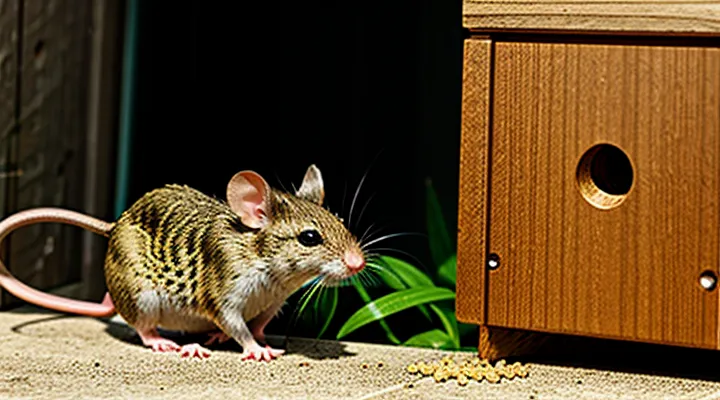
Why Live Feeder Mice Are Used
Nutritional Benefits for Reptiles
Live feeder mice provide a natural source of protein that closely matches the amino‑acid profile required by most carnivorous and omnivorous reptiles. Their muscle tissue delivers high‑quality protein that supports tissue growth, repair, and metabolic efficiency. The digestibility of mouse meat exceeds that of many processed alternatives, ensuring that reptiles absorb the majority of ingested nutrients.
In addition to protein, mice supply essential lipids, calcium, phosphorus, and trace minerals. The fat content supplies energy for active species and contributes to the absorption of fat‑soluble vitamins. The calcium‑to‑phosphorus ratio in mouse bone and soft tissue approximates the optimal 2:1 balance for reptilian skeletal health, reducing the risk of metabolic bone disease. Trace elements such as zinc, iron, and selenium are present in biologically available forms, supporting immune function and enzymatic processes.
Key nutritional components delivered by live mice:
- Complete protein with all essential amino acids
- Balanced fats providing omega‑3 and omega‑6 fatty acids
- Calcium‑phosphorus ratio near 2:1, supporting bone development
- Vitamin A, D3, E, and B‑complex in natural concentrations
- Trace minerals (zinc, iron, selenium, magnesium) in readily absorbable forms
These attributes make live mice a comprehensive dietary option, meeting the macro‑ and micronutrient requirements of a wide range of reptile species without the need for supplemental fortification.
Stimulating Natural Hunting Instincts
Providing live feeder mice that encourage a reptile’s innate predatory behavior improves health, digestion, and mental stimulation. Reptiles respond to movement, scent, and temperature cues that mimic wild prey, leading to more vigorous strikes and proper jaw exercise.
- Place mice in a secure, ventilated container with a substrate that retains natural scent; avoid excessive cleaning that removes odor cues.
- Introduce the mouse at a temperature matching the reptile’s optimal foraging range (typically 26‑30 °C) to trigger thermally driven hunting responses.
- Allow the mouse to move freely for a short period before offering it, ensuring the reptile observes prey locomotion and initiates a chase.
- Use a shallow dish or a small hollow log to position the mouse, creating a three‑dimensional hunting arena that replicates burrow emergence.
Minimal handling of the mouse preserves its natural behavior and reduces stress signals that could deter the reptile’s attack. When the prey is presented, observe the reptile’s strike angle and timing; adjustments to prey placement can refine the predator’s technique and prevent missed bites.
Regular rotation of feeding scenarios—varying container size, adding natural debris, or briefly altering lighting—maintains novelty and prevents habituation. Consistent exposure to realistic prey dynamics supports the development of robust hunting instincts and contributes to overall reptile welfare.
Specific Reptile Species Benefiting from Live Feeds
Live feeder mice provide essential protein, fat, and micronutrients for many carnivorous and insectivorous reptiles. Correct housing, health monitoring, and humane euthanasia of the mice are prerequisites for safe, effective feeding.
Reptile species that show measurable health improvements when offered appropriately sized live mice include:
- Bearded dragons (Pogona vitticeps) – adult individuals accept mice as supplemental protein; juveniles require smaller prey to avoid choking.
- Leopard geckos (Eublepharis macularius) – medium‑sized mice meet the caloric demands of mature specimens; feeding intervals of 1–2 weeks prevent obesity.
- Corn snakes (Pantherophis guttatus) – mice constitute the primary diet; hatchlings thrive on pinkie mice, while adults require larger rodents.
- Ball pythons (Python regius) – weekly mouse feeds sustain growth; occasional feeding of larger rats supports breeding females.
- Blue‑tongued skinks (Tiliqua spp.) – adult skinks benefit from mouse meals that supplement insect intake, improving bone density.
- Gila monsters (Heloderma suspectum) – occasional mouse offerings provide essential lipids absent from an insect‑only regimen.
- African rock pythons (Python sebae) – regular mouse feedings reduce stress associated with fasting periods and promote steady weight gain.
- King cobras (Ophiophagus hannah) – large mouse or rat prey mimics natural hunting behavior, enhancing muscular development.
When selecting mouse size, apply the “one‑third rule”: the prey should not exceed one‑third of the reptile’s body length. Over‑large mice increase the risk of regurgitation and internal injury. Health checks of feeder mice must include inspection for respiratory signs, ectoparasites, and abnormal behavior; any compromised animal should be removed from the feeding program.
Proper storage of live mice involves temperature‑controlled containers (10–15 °C) with adequate ventilation and bedding that prevents overheating. Feeding schedules should align with each species’ metabolic rate: juveniles require more frequent meals (every 2–3 days), adults tolerate longer intervals (7–14 days). Monitoring body condition scores after each feeding cycle ensures that the reptile maintains optimal weight and avoids excess fat accumulation.
Implementing these standards guarantees that live mouse feeding supports growth, reproductive success, and overall vitality across the listed reptile taxa.
Ethical Considerations and Welfare
The Humane Sourcing of Feeder Mice
Humane sourcing of feeder mice begins with selecting reputable breeders who follow strict animal‑welfare protocols. These facilities maintain low‑density housing, provide enrichment objects, and monitor health daily to prevent disease and stress. Breeders must keep detailed records of lineage, health status, and environmental conditions, allowing purchasers to verify compliance with ethical standards.
Key criteria for evaluating a supplier include:
- Certified compliance with national animal‑care regulations.
- Transparent documentation of breeding practices and veterinary oversight.
- Use of natural bedding and regular cleaning schedules.
- Implementation of enrichment such as tunnels, chew toys, and varied diets.
Purchasers should request a certificate of humane handling, review audit reports, and confirm that mice are harvested at an appropriate age to minimize suffering. Ethical procurement reduces the risk of transmitting pathogens to reptiles and supports sustainable breeding operations.
Adopting these practices ensures that feeder mice serve their nutritional purpose while respecting the welfare of the animals involved.
Minimizing Stress for Both Prey and Predator
Feeder mice experience heightened anxiety when handling is abrupt, enclosure conditions are poor, or transport is chaotic. Provide a quiet, temperature‑controlled habitat; limit exposure to bright lights; and use gentle, consistent transfer methods. Enrich the cage with nesting material and hideaways to encourage natural behavior and reduce agitation.
Predatory reptiles react to erratic movement, strong odors, and sudden temperature shifts. Maintain a stable thermal gradient, keep the feeding area free of strong scents, and present prey in a calm, deliberate manner. Allow the reptile to approach the mouse without forced restraint to preserve natural hunting instincts.
Practical steps to lower stress for both parties:
- Use a sealed, ventilated transport container with a soft liner.
- Pre‑condition feeder mice by handling them briefly each day for several days before feeding.
- Warm the feeder mouse to ambient temperature for 5–10 minutes before presentation to avoid shock.
- Position the mouse on a low‑profile platform or inside a small release tube to limit excessive movement.
- Observe the reptile’s response; if it shows signs of distress, pause feeding and reassess environmental variables.
Consistent application of these measures results in healthier feeder mice, more reliable feeding responses, and reduced risk of injury to the reptile.
The Debate: Live vs. Pre-killed Feeders
The controversy over whether reptiles should receive live rodents or pre‑killed specimens centers on nutrition, health risk, and ethical considerations. Live prey provides stimulation that mimics natural hunting behavior, potentially supporting muscular development and psychological well‑being. Pre‑killed feed eliminates the chance of injury from defensive bites, reduces the transmission of parasites, and aligns with most animal‑welfare regulations.
-
Nutritional factors
- Live mice retain full muscle tone, preserving natural protein structures.
- Pre‑killed mice maintain comparable macronutrient content when frozen and thawed correctly.
-
Health implications
- Live prey can carry pathogens; handling increases exposure for both owner and reptile.
- Pre‑killed specimens, stored at appropriate temperatures, limit bacterial growth and allow decontamination procedures.
-
Regulatory and ethical aspects
- Many jurisdictions restrict the use of live vertebrates for feeding, citing cruelty standards.
- Ethical frameworks prioritize minimizing suffering; pre‑killed options satisfy this criterion while still delivering essential nutrients.
Veterinary guidelines advise selecting the feeding method based on species‑specific digestive physiology, the animal’s age, and the keeper’s capacity to manage biosecurity. For juvenile carnivores with high metabolic demand, occasional live feeding may be justified if strict hygiene protocols are observed. For adult reptiles with established digestive efficiency, a diet composed primarily of frozen‑thawed rodents meets nutritional requirements without the added hazards of live prey.
Acquiring and Selecting Healthy Feeder Mice
Reputable Breeders and Suppliers
Reliable sources of feeder mice directly affect reptile health and husbandry outcomes. Selecting breeders and suppliers that meet established standards reduces the risk of disease transmission, nutritional deficiencies, and stress for the animals.
Key characteristics of reputable breeders include:
- Routine health screening for common pathogens such as salmonella, pinworm, and ectoparasites.
- Use of genetically vetted breeding pairs to minimize hereditary defects.
- Implementation of humane handling and housing practices that prevent injury and stress.
- Maintenance of detailed records for each production batch, including birth dates, health checks, and parental lineage.
When evaluating suppliers, consider the following factors:
- Temperature‑controlled packaging that preserves mouse viability during transit.
- Clear labeling of shipment contents, expiration dates, and storage instructions.
- Availability of certificates of health and origin upon request.
- Transparent return or replacement policies for compromised deliveries.
Verification steps for prospective partners:
- Request recent health certificates and breeding logs.
- Review independent customer feedback and industry forum discussions.
- Confirm compliance with local animal welfare regulations and any relevant accreditation bodies.
- Test a small initial order for quality before establishing a regular supply line.
Adhering to these criteria ensures that feeder mice meet the nutritional and health requirements of captive reptiles, supporting consistent growth, reproduction, and overall well‑being.
Signs of a Healthy Feeder Mouse
A healthy feeder mouse is essential for optimal reptile nutrition and disease prevention. Recognizable indicators include:
- Clear, bright eyes without discharge or cloudiness.
- Smooth, unbroken fur that lies flat against the body, free of bald patches, scabs, or parasites.
- Firm, well‑filled abdomen suggesting adequate weight and body condition; the mouse should feel solid but not overly bulky.
- Active behavior such as quick, coordinated movement and curiosity when handled; lethargy or tremors signal distress.
- Intact teeth and nails with no signs of overgrowth, cracks, or missing digits.
- Normal respiratory rate—steady, quiet breathing without wheezing or audible rattling.
- Absence of odors beyond a mild, natural scent; strong ammonia or foul smells indicate poor hygiene or infection.
Consistent observation of these traits ensures that feeder mice meet the nutritional needs of reptiles while minimizing health risks. Regular veterinary checks and proper housing conditions further support the maintenance of robust feeder populations.
Avoiding Diseased or Injured Mice
When feeder mice are used as reptile nutrition, the health of each rodent directly affects the well‑being of the predator. Preventing the introduction of disease or injury requires systematic observation and proactive management.
Regular health checks are essential. Examine each mouse at least once daily for the following indicators:
- Lethargy or reduced movement
- Discharge from eyes, nose, or ears
- Unusual fur condition (ruffled, bald patches, or excessive shedding)
- Visible wounds, swelling, or limping
- Abnormal posture or tremors
Any animal displaying one or more of these signs should be isolated immediately and removed from the feeding program.
Quarantine new arrivals for a minimum of two weeks. During this period, provide a clean cage, fresh bedding, and a balanced diet. Monitor for the same health indicators before integrating the mouse into the main colony.
Maintain optimal housing conditions to reduce stress and injury risk:
- Cage size sufficient for natural activity (minimum 0.5 ft² per mouse)
- Soft, absorbent bedding to prevent foot injuries
- Controlled temperature (20–24 °C) and humidity (40–60 %)
- Regular cleaning to eliminate pathogens
Nutrition supports immune function. Offer a protein‑rich diet supplemented with vitamins and minerals; avoid stale or contaminated food.
Implement a record‑keeping system that logs each mouse’s arrival date, health observations, and any treatments administered. This documentation enables quick identification of trends and facilitates timely interventions.
By applying consistent health screening, quarantine protocols, proper husbandry, and thorough documentation, caretakers can minimize the risk of feeding diseased or injured rodents, thereby protecting the health of their reptile companions.
Housing and Care of Feeder Mice
Appropriate Enclosure Setup
When housing feeder mice for reptile nutrition, the enclosure must provide a stable environment that minimizes stress and prevents contamination. Use a cage constructed of solid, non‑porous material such as polycarbonate or stainless steel; this eliminates odors and simplifies disinfection. Ensure the lid fits securely with a fine mesh vent to allow airflow while keeping predators out.
Key dimensions and layout considerations:
- Minimum floor space of 0.05 m² per mouse, allowing free movement.
- Height of at least 15 cm to accommodate nesting material and climbing opportunities.
- Separate zones for sleeping, feeding, and waste collection to reduce disease transmission.
- A removable tray beneath the cage for easy cleaning and waste removal.
Temperature regulation is essential. Maintain ambient temperature between 20 °C and 26 °C, using a thermostatically controlled heating pad placed under one side of the enclosure. Provide a temperature gradient so mice can self‑regulate their body heat. Humidity should stay below 60 % to prevent fungal growth; a small hygrometer inside the cage offers continuous monitoring.
Bedding selection influences both comfort and hygiene. Opt for paper‑based or aspen shavings; avoid cedar or pine, which release volatile oils harmful to rodents. Replace bedding weekly, or sooner if soiled, and sterilize the cage with a diluted bleach solution (1 % concentration) before each refill.
Lighting must mimic a natural diurnal cycle. Install a low‑intensity LED strip on a timer set to 12 hours on, 12 hours off. This supports normal circadian rhythms and reduces aggressive behavior.
Feeding protocols dictate enclosure design as well. Provide a shallow, chew‑proof dish for dry food, and a separate container for fresh water. Position these items away from the nesting area to keep waste away from consumables.
Finally, quarantine new arrivals for at least 14 days in a separate unit before introducing them to the main colony. This practice detects potential health issues without jeopardizing the primary stock.
Substrate Choices and Enrichment
Choosing an appropriate substrate directly affects the health of live feeder rodents and the hygiene of the enclosure where they are housed. A clean, low‑dust environment reduces respiratory risk for the mice and prevents contaminating the reptile’s feeding area.
- Aspen shavings: absorbent, low in aromatic oils, easy to replace.
- Paper‑based bedding (e.g., shredded newspaper or commercial rodent pellets): minimal dust, biodegradable, inexpensive.
- Coconut fiber (coir): high moisture retention, suitable for humid setups, requires regular replacement to avoid mold.
- Hemp bedding: natural, absorbent, low static, but may be pricier than alternatives.
When selecting a substrate, evaluate the following factors: absorbency level, particle size, propensity to generate dust, and compatibility with the enclosure’s temperature and humidity settings. Avoid cedar or pine products, as volatile compounds can irritate the mice’s respiratory system.
Enrichment enhances natural foraging behavior and reduces stress. Provide items that encourage digging, climbing, and nesting:
- Small PVC or plastic tunnels that mimic burrows.
- Untreated wooden branches or driftwood for climbing.
- Cotton or fleece nesting pads for building shelters.
- Scattered dried herbs (e.g., oregano, thyme) to stimulate scent exploration, used sparingly to prevent ingestion of large quantities.
Maintain substrate quality by spot‑cleaning daily, removing soiled sections, and performing a full substrate change weekly. Rotate enrichment objects regularly to prevent habituation and ensure continued engagement. This regimen supports robust feeder rodents, minimizes pathogen transmission, and contributes to reliable nutrition for the reptile predator.
Feeding and Watering Requirements
Feeder mice must receive a balanced diet to retain the nutritional value required by reptile customers. High‑protein pellets or a formulated rodent chow should constitute the primary feed, supplemented with occasional fresh vegetables or fruit for fiber. Provide food in a shallow dish to prevent spillage and replace uneaten portions daily to avoid spoilage.
Water access is critical for mouse health and, consequently, for the quality of the prey. Offer distilled or filtered water in a bottle with a sipper tube, ensuring the tip remains clean and free of debris. Refill the bottle at least once every 24 hours and inspect for leaks or contamination.
Maintain a consistent feeding schedule to stabilize metabolism:
- Morning: 1 – 2 g of pellet feed per mouse.
- Evening: Small portion of fresh produce (≈0.5 g) if used.
- Continuous: Unlimited clean water.
Monitor body condition weekly; a healthy mouse displays a firm, rounded abdomen and clear eyes. Adjust portions if weight loss or excessive gain occurs, as both affect the reptile’s dietary intake.
Maintaining Optimal Temperature and Humidity
Maintaining precise temperature and humidity levels is essential for the health and productivity of live feeder mice used as reptile nutrition. Mice experience stress, reduced breeding efficiency, and increased mortality when environmental conditions deviate from their physiological preferences.
Optimal ranges:
- Ambient temperature: 70–78 °F (21–26 °C). Temperatures below 65 °F (18 °C) slow metabolism; above 82 °F (28 °C) risk overheating.
- Relative humidity: 40–60 %. Humidity under 30 % leads to dehydration of skin and respiratory irritation; above 70 % encourages fungal growth and mold in bedding.
Implementation steps:
- Install a calibrated digital thermometer and hygrometer in each enclosure. Verify accuracy against a secondary instrument weekly.
- Use heating pads or ceramic heat emitters to raise temperature, positioning devices to avoid direct contact with mice. Insulate cages with low‑density foam or reflective blankets to reduce heat loss.
- Control humidity with a humidifier set to maintain target levels, or employ desiccant packs in overly moist environments. Ensure airflow through ventilation slots to prevent stagnant air.
- Record temperature and humidity at least twice daily. Adjust heating or humidifying devices promptly when values drift outside target ranges.
- Conduct quarterly cleaning of cages, replacing bedding to eliminate accumulated moisture and microbial contaminants.
Consistent monitoring and rapid correction of deviations preserve mouse vigor, support stable breeding cycles, and provide reliable nutrition for reptile keepers.
Hygiene and Sanitation Protocols
Maintaining strict hygiene when using live feeder rodents for reptile nutrition prevents disease transmission and preserves animal welfare.
All incoming colonies must undergo a minimum seven‑day quarantine. During this period health checks include visual inspection for lesions, respiratory distress, and abnormal behavior; any sign of illness mandates immediate removal.
Before each feeding session, cages are emptied, debris discarded, and surfaces scrubbed with a detergent solution. After rinsing, a broad‑spectrum disinfectant approved for rodent use is applied for the manufacturer‑specified contact time, then the cage is thoroughly rinsed and dried.
- Wear disposable gloves and a lab coat when handling feeder mice.
- Use dedicated tools (tongs, containers) that are labeled and stored separately from other equipment.
- Replace bedding after each cleaning cycle; avoid reused substrate.
- Collect waste (urine, feces, carcasses) in sealed bags and dispose of it according to local biohazard regulations.
- Perform routine checks of water bottles and food dishes; replace with fresh supplies daily.
Transport containers must be sealed, lined with absorbent material, and kept at a stable temperature to inhibit bacterial growth. Upon arrival at the reptile enclosure, containers are inspected again, and any compromised individuals are excluded.
Documenting each sanitation step creates traceability and facilitates compliance with veterinary and regulatory standards. Consistent application of these protocols safeguards both the feeder rodents and the reptiles that depend on them.
Preparing for Feeding
Safe Handling Techniques for Mice
Handling live feeder mice safely protects both the handler and the reptile. Use gloves made of nitrile or latex to prevent bites and reduce the risk of disease transmission. Keep the mice in a secure, well‑ventilated container that can be closed quickly if the animal becomes agitated.
- Approach the mouse from the side, avoiding sudden movements that can trigger a defensive response.
- Grasp the mouse behind the forepaws, supporting the body with the other hand to prevent spinal injury.
- Hold the mouse upright, allowing the head to face upward; this position reduces the chance of the mouse biting the handler’s fingers.
- Transfer the mouse directly into the reptile’s enclosure or a feeding tube without unnecessary handling steps.
After each feeding session, dispose of gloves and sanitize work surfaces with an appropriate disinfectant. Store any unused mice in a temperature‑controlled environment, separate from other rodent colonies, to limit stress and disease spread. Regularly inspect gloves for tears and replace them if damage is detected.
Ensuring the Reptile's Enclosure is Secure
A secure enclosure prevents escape, injury, and contamination when feeder rodents are introduced. Verify that all panels, doors, and lids are tightly fastened; any gaps larger than a few millimeters allow a mouse to slip through. Use lockable latches designed for reptile habitats rather than simple snaps, and test each closure daily.
Select mesh or screen material with openings no larger than 0.5 mm. Fine mesh resists chewing and prevents small prey from breaching the barrier. Reinforce corners with metal brackets to maintain structural integrity under the weight of active reptiles.
Maintain a regular inspection schedule:
- Check seals and silicone joints for cracks or deterioration.
- Examine hinges and hinges for rust or looseness.
- Confirm that ventilation slots are covered with secure mesh, not just cloth or plastic.
- Replace worn or damaged components promptly.
When feeding, place feeder mice in a separate, lockable container before introducing them into the enclosure. This practice limits direct contact with the enclosure’s locks and reduces the chance of accidental opening. After feeding, remove any uneaten rodents and inspect the enclosure for signs of chewing or damage.
Document each inspection in a log, noting the date, observed conditions, and corrective actions taken. Consistent record‑keeping supports timely maintenance and ensures the habitat remains safe for both reptile and feeder.
Observing the Reptile's Readiness to Feed
Reptiles display specific behaviors that indicate a willingness to accept a live mouse. Recognizing these cues prevents wasted prey and reduces stress for both animal and keeper.
Active hunting posture, such as a low, elongated body and focused eye movement, signals readiness. A reptile that repeatedly turns toward the enclosure’s far side, where the mouse is introduced, demonstrates targeted interest. Rapid tongue flicking or head bobbing while the mouse is visible also reflects predatory intent.
Hunger signs appear after a period without feeding. Weight loss, a visibly thinner body, and reduced fat deposits are measurable indicators. In species that fast seasonally, a sudden increase in movement after a fasting interval suggests a strong feeding drive.
Environmental timing influences readiness. Many diurnal reptiles become most responsive in the morning light, whereas nocturnal species peak after dusk. Aligning mouse introduction with these natural activity windows maximizes acceptance.
Key observations for assessing readiness
- Low, coiled stance aimed at the mouse’s location
- Persistent tracking of the mouse with eyes or head
- Frequent tongue flicks or rapid breathing sounds
- Visible body condition decline after a defined fasting period
- Increased activity coinciding with species‑specific active phases
Documenting these behaviors over several days creates a reliable baseline. Adjust feeding schedules accordingly to ensure the mouse is offered when the reptile is demonstrably prepared, thereby enhancing feeding success and animal welfare.
The Feeding Process
Introducing the Feeder Mouse Safely
Introducing a feeder mouse to a reptile requires a controlled process that minimizes stress for both animals and reduces the risk of injury or disease transmission. Proper preparation, handling, and presentation are essential components of safe integration.
- Verify health status: confirm the mouse is disease‑free, euthanized according to humane guidelines, and of appropriate size for the reptile’s gape.
- Quarantine: keep the mouse separate for at least 48 hours to observe any signs of illness before use.
- Temperature control: store the mouse at the reptile’s ambient temperature range (typically 24‑28 °C) to prevent shock when offered.
- Hygiene: wash hands, disinfect surfaces, and use clean tools to prevent cross‑contamination.
When presenting the mouse, follow a consistent routine. Hold the mouse by the tail, allowing the reptile to see movement without direct contact. Place the mouse on a designated feeding platform or directly on the enclosure floor, ensuring it is positioned within the reptile’s natural striking distance. Observe the reptile’s response for a few minutes; if the animal does not engage, remove the mouse promptly to avoid prolonged exposure.
Document each feeding event, noting mouse size, health observations, and the reptile’s reaction. This record supports ongoing assessment of feeding efficiency and helps identify any emerging health concerns.
Monitoring the Interaction
Effective observation of live feeder rodents during reptile feeding sessions safeguards animal welfare and ensures reliable nutrition delivery. Record the initial condition of each mouse, noting weight, activity level, and any visible injuries before introduction to the reptile enclosure.
During feeding, track the reptile’s response in real time. Key indicators include strike latency, prey handling duration, and consumption completeness. Document any signs of stress in the feeder, such as excessive vocalizations or prolonged immobility, as these may affect the reptile’s feeding behavior.
After the encounter, assess both participants. For the mouse, evaluate post‑feeding condition, checking for bite marks, bruising, or loss of fur. For the reptile, verify that the intended nutritional portion was ingested and that no abnormal behavior persists.
Monitoring protocol
- Verify mouse health prior to use.
- Observe reptile strike and handling, noting time intervals.
- Record feeder condition immediately after feeding.
- Update care logs with quantitative data (weight, duration, consumption percentage).
When to Intervene or Remove the Mouse
Live feeder mice must be observed continuously from the moment they are introduced to the enclosure. Intervening or removing the animal is required whenever its condition jeopardizes the health of the reptile or the welfare of the mouse itself.
- No movement for more than a few seconds despite normal temperature and lighting.
- Visible injuries such as bite marks, broken limbs, or internal bleeding.
- Excessive stress signals: frantic running, continual attempts to escape, or prolonged immobility in a corner.
- Failure to feed within the expected time frame (typically 10–30 minutes for most species).
- Presence of disease symptoms: discharge from eyes or nose, abnormal respiration, or discoloration.
When any of these indicators appear, the mouse should be removed promptly using a soft, insulated tool to avoid additional trauma. Place the mouse in a separate, ventilated container with a mild heat source if it is still alive, or dispose of it according to local regulations if deceased.
Removal should occur before the reptile begins to constrict or swallow the mouse, as prolonged contact can cause injury to the predator’s mouth and digestive tract. Ideally, intervene within the first few minutes of abnormal behavior to minimize stress for both animals.
Post-Feeding Care
Cleaning the Enclosure
Proper sanitation of the enclosure that houses live feeder rodents is essential for the health of both the prey and the predator. Contaminated bedding, urine, and feces can introduce pathogens, stress the mice, and compromise the nutritional value of the feed.
First, establish a routine cleaning schedule. Perform a thorough cleaning at least once every two weeks, and a spot‑cleaning whenever visible waste accumulates. Spot‑cleaning includes removing soiled bedding, wiping down surfaces with a damp cloth, and replacing any wet or soiled hide boxes.
When a full cleaning is due, follow these steps:
- Remove all inhabitants – Transfer the mice to a temporary, secure container with fresh bedding.
- Discard old substrate – Empty the enclosure completely; do not reuse.
- Wash all components – Use warm water and a mild, unscented detergent. Rinse thoroughly to eliminate residue.
- Sanitize – Apply a reptile‑safe disinfectant (e.g., a diluted solution of hydrogen peroxide or a commercial product labeled for amphibian and reptile use). Allow the recommended contact time, then rinse again with clean water.
- Dry – Air‑dry all items or use a clean towel; moisture encourages bacterial growth.
- Reassemble and refill – Add a fresh layer of appropriate substrate (paper‑based or aspen shavings) at a depth that permits natural burrowing behavior. Replace hide boxes, water dishes, and enrichment items.
Additional considerations:
- Ventilation – Ensure the enclosure has adequate airflow to reduce humidity and odor buildup.
- Water source – Use a shallow water dish that can be emptied and cleaned daily; replace water at least once a day to prevent bacterial proliferation.
- Monitoring – Inspect the enclosure daily for signs of mold, excessive droppings, or damaged equipment; address issues immediately.
Consistent, methodical cleaning minimizes disease risk, maintains a stable microenvironment, and supports the overall effectiveness of using live feeder mice as reptile nutrition.
Observing the Reptile for Digestion Issues
Monitoring a reptile after feeding live rodents is essential for early detection of digestive complications. Prompt identification of abnormal patterns reduces the risk of severe health problems and guides timely intervention.
Visible indicators of impaired digestion include:
- Regurgitation or vomiting of partially digested prey
- Persistent lethargy or reduced activity levels
- Swollen or distended abdomen
- Unusual fecal consistency, such as watery, mucus‑laden, or absent stools
- Repeated attempts to capture prey without successful ingestion
When any of these signs appear, follow a systematic response:
- Verify that the prey was appropriately sized; oversized mice increase the likelihood of blockage.
- Assess the enclosure temperature gradient; insufficient heat hampers gastric motility.
- Offer a small, easily digestible meal (e.g., pre‑killed, gut‑loaded mouse) to stimulate peristalsis.
- Observe for improvement within a few hours; absence of progress warrants veterinary consultation.
Preventive measures reinforce digestive health:
- Match prey size to the reptile’s head width and body weight.
- Maintain optimal thermal and humidity conditions for the species.
- Ensure prey are gut‑loaded with nutrients that support the predator’s metabolism.
- Rotate feeding intervals to avoid chronic overfeeding and allow regular gut clearance.
Consistent observation, coupled with appropriate environmental management, maximizes the benefits of live feeder rodents while minimizing digestive risks.
Frequency of Feeding Based on Reptile Species and Age
Feeding live rodents to reptiles requires schedules that reflect both species metabolism and developmental stage. Hatchling and neonate specimens possess high metabolic rates, rapid growth, and limited stomach capacity; they demand frequent, small meals. Juveniles continue vigorous growth but can tolerate longer intervals between feedings. Adults typically have slower metabolism and lower caloric needs, allowing for reduced feeding frequency.
-
Snakes
- Hatchlings (≤ 4 inches): 2–3 meals per week.
- Juveniles (4–12 inches): 1–2 meals per week.
- Adults (> 12 inches): 1 meal every 7–10 days.
-
Lizards (e.g., monitor, bearded dragon)
- Hatchlings: 3–4 meals per week.
- Juveniles: 2–3 meals per week.
- Adults: 1–2 meals per week, with occasional fasting periods.
-
Tortoises and semi‑aquatic reptiles
- Hatchlings: 3–4 meals per week, primarily small rodents or insects.
- Juveniles: 2 meals per week.
- Adults: 1 meal per week or less, depending on species and activity level.
Adjustments are necessary when temperature, humidity, or health status deviate from optimal conditions. Lower ambient temperatures slow digestion, requiring extended intervals to prevent regurgitation. Conversely, elevated temperatures may increase appetite, but overfeeding can lead to obesity and organ strain. Regular body condition scoring and weight monitoring provide objective data for fine‑tuning the schedule.