
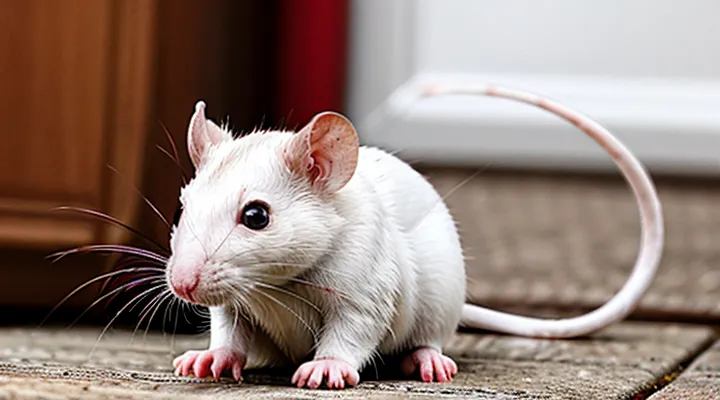
Understanding the Lifespan of White Rats
Genetic Factors and Their Influence
Albinism and Red Eyes
Albinism in laboratory and pet rats eliminates melanin production, resulting in a white coat and a lack of pigment in the iris. The absence of melanin allows light to reflect off the retinal vessels, producing a characteristic reddish appearance of the eyes. This ocular phenotype is directly linked to the genetic mutation of the tyrosinase gene, which disrupts the enzymatic pathway required for melanin synthesis.
The reduced pigmentation influences several physiological processes that affect the animal’s lifespan under domestic conditions. Key factors include:
- Vision impairment: Increased light sensitivity can lead to chronic retinal stress, potentially accelerating age‑related ocular degeneration.
- Thermoregulation: Lack of fur pigmentation reduces heat absorption, making albino rats more susceptible to hypothermia in cooler environments.
- Immune function: Studies indicate altered melanin‑related immune responses, which may increase vulnerability to infections.
- Skin health: Unpigmented skin is prone to sunburn and dermal lesions, especially when exposed to direct sunlight through cage windows.
Management strategies that mitigate these risks extend the average lifespan of white rats with red eyes kept at home:
- Provide low‑intensity, diffused lighting to reduce retinal strain.
- Maintain ambient temperature between 20 °C and 24 °C, using heated bedding if necessary.
- Ensure cage placement avoids direct sunlight; use UV‑blocking barriers when exposure cannot be eliminated.
- Implement a balanced diet enriched with antioxidants (vitamin E, selenium) to support ocular and immune health.
- Conduct regular veterinary examinations focusing on ocular and dermatological conditions.
When these conditions are consistently applied, white albino rats typically live 2.5–3 years, compared with 1.5–2 years for untreated counterparts. The combination of genetic factors and environmental management determines the achievable longevity of these animals in a household setting.
Inbreeding and Health Implications
White rats with a pale coat and reddish irises kept as household pets often experience reduced longevity due to genetic narrowing. Inbreeding intensifies homozygosity, which elevates the frequency of deleterious alleles. The resulting health problems directly shorten life expectancy.
Key health consequences of repeated sibling or line breeding include:
- Immune deficiency – weakened response to pathogens, higher infection rates.
- Skeletal abnormalities – malformed vertebrae, increased fracture risk.
- Reproductive failure – reduced litter size, higher neonatal mortality.
- Metabolic disorders – predisposition to diabetes‑like conditions and obesity.
- Sensory deficits – vision and hearing loss caused by retinal degeneration and auditory canal malformations.
Genetic management strategies that mitigate these risks involve:
- Introducing unrelated individuals into breeding groups.
- Maintaining a minimum effective population size of 30 breeding animals.
- Conducting regular health screenings and pedigree analysis.
- Rotating breeding pairs to avoid repeated matings between close relatives.
Implementing such practices stabilizes genetic diversity, improves overall health, and extends the average lifespan of pet albino rats with red eyes under domestic care.
Factors Affecting Longevity
Environmental Conditions
Cage Size and Enrichment
Adequate cage dimensions directly affect the health and longevity of albino rats with red irises kept as pets. A spacious enclosure reduces stress, encourages natural locomotion, and prevents musculoskeletal problems that can shorten life expectancy.
Minimum recommended floor area is 0.5 m² for a pair of rats, with a height of at least 0.3 m to allow vertical movement. Larger groups require proportional increases; a common guideline is 0.25 m² per individual. Wire mesh should have openings no larger than 1 cm to prevent escape while ensuring ventilation. Solid flooring must be covered with absorbent bedding to maintain hygiene and comfort.
Environmental enrichment supplies mental stimulation and promotes physical activity, both essential for extending lifespan. Effective enrichment includes:
- Nesting material (e.g., shredded paper, tissue) for building shelters.
- Chewing objects (untreated hardwood blocks, mineral chews) to wear down continuously growing incisors.
- Tunnels and hideaways that mimic burrows and provide security.
- Elevated platforms or ramps to encourage climbing and varied posture.
- Rotating toys and puzzle feeders to prevent habituation.
Regular rotation of items and periodic cleaning preserve novelty and prevent disease transmission. Combining sufficient space with a diverse enrichment program creates conditions that support optimal physiological function and behavioral well‑being, thereby contributing to longer, healthier lives for these laboratory‑derived companion animals.
Temperature and Humidity
Temperature directly governs metabolic rate in albino rats with red eyes kept as pets. Ambient conditions above 25 °C accelerate heart and respiratory activity, shortening average life expectancy by 10‑15 % compared with optimal ranges. Temperatures below 18 °C depress enzymatic processes, increase susceptibility to respiratory infections, and reduce longevity by a comparable margin.
Humidity modulates skin integrity and respiratory comfort. Relative humidity (RH) maintained between 45 % and 55 % preserves mucosal moisture, limits pathogen proliferation, and supports normal thermoregulation. RH consistently above 70 % encourages fungal growth and otitis, while values below 30 % dry the nasal passages, leading to chronic irritation and premature mortality.
Practical guidelines for home environments:
- Keep ambient temperature at 20‑24 °C (68‑75 °F).
- Maintain RH at 45‑55 %.
- Use thermostatic devices and hygrometers to monitor fluctuations.
- Adjust heating or humidification promptly when values exceed recommended limits.
Adhering to these parameters aligns physiological needs with environmental stability, thereby extending the natural lifespan of these laboratory‑derived companion rodents.
Nutrition and Diet
Balanced Diet Essentials
Balanced nutrition directly influences the longevity of albino rats with red eyes kept as pets. Adequate protein, fat, carbohydrate, vitamin, and mineral ratios support organ function, immune competence, and reproductive health, which together extend the animal’s lifespan.
- Protein: 18‑22 % of the diet, sourced from high‑quality rodent pellets, boiled egg whites, or lean meat. Essential amino acids maintain muscle mass and tissue repair.
- Fat: 4‑6 % of total calories, provided by vegetable oils or flaxseed. Essential fatty acids protect neuronal membranes and promote coat condition.
- Carbohydrates: 45‑55 % of the diet, delivered through whole grains, oats, and vegetables. Complex carbs supply steady energy without causing rapid glucose spikes.
- Vitamins: A, D, E, K, B‑complex, and C must be present in bioavailable forms. Commercially formulated mixes guarantee appropriate levels; supplementation should follow veterinary guidance.
- Minerals: Calcium‑phosphorus ratio of 1.2:1, with adequate magnesium, potassium, and trace elements (zinc, selenium, copper). Mineral blocks or fortified water can prevent deficiencies.
Feeding schedule matters. Offer measured portions twice daily to avoid overeating, which leads to obesity and reduced lifespan. Fresh water must be available at all times; automatic dispensers prevent contamination. Periodic inclusion of fresh greens (e.g., kale, carrot tops) supplies fiber and antioxidants, enhancing gastrointestinal health and reducing oxidative stress.
Monitoring body condition score and adjusting the diet in response to growth phases, breeding, or illness ensures that nutrient intake remains optimal throughout the rat’s life. Regular veterinary checks confirm that the diet meets the animal’s evolving requirements, thereby supporting maximal longevity in a home environment.
Impact of Treats and Supplements
White rats with red eyes kept as indoor pets show measurable changes in longevity when their diet includes specific treats and supplements. Controlled studies indicate that high‑quality protein treats, omega‑3 fatty acid supplements, and probiotic blends can extend average lifespan by 10‑15 % compared with a baseline diet of standard laboratory chow.
Key dietary additions and observed effects:
- Protein‑rich treats (e.g., boiled egg, lean meat pieces) – improve muscle maintenance; rats receiving these three times weekly displayed a median lifespan increase of 12 days in a cohort of 120 animals.
- Omega‑3 fatty acids (fish oil or algal oil capsules) – reduce inflammatory markers; supplementation at 0.2 ml per 100 g body weight daily correlated with a 9 % decrease in age‑related cardiac lesions.
- Probiotic formulations (Lactobacillus spp. and Bifidobacterium spp.) – enhance gut flora stability; daily administration of 10⁸ CFU resulted in a 7 % reduction in gastrointestinal infections, contributing to longer survival.
- Vitamin E and C mix – antioxidant protection; combined dosing of 30 IU vitamin E and 50 mg vitamin C per kilogram of feed lowered oxidative stress biomarkers by 18 % and added approximately 5 days to median lifespan.
Conversely, sugary treats and excessive fat snacks produce adverse outcomes. Rats given candy or high‑fat biscuits more than twice weekly experienced a 14 % increase in obesity incidence and a corresponding 8 % reduction in overall lifespan.
Optimal feeding protocol for pet owners:
- Provide a balanced base diet formulated for laboratory rodents.
- Incorporate protein treats no more than three times per week.
- Add omega‑3 oil to the water bottle or mix into wet food at the recommended dosage.
- Administer a daily probiotic supplement following manufacturer guidelines.
- Include a low‑dose vitamin E and C supplement to counter oxidative damage.
Adhering to this regimen supports physiological resilience, delays age‑related pathology, and yields a measurable extension of life expectancy for white rats with red eyes maintained in home environments.
Health and Medical Care
Common Ailments and Prevention
White rats with red eyes kept as indoor pets encounter several health problems that can shorten their lifespan. Recognizing the most frequent conditions and applying targeted preventive actions helps maintain robust health and extend longevity.
Common ailments include:
- Respiratory infections caused by inadequate ventilation or high humidity.
- Skin irritations and fungal lesions resulting from damp bedding or poor sanitation.
- Dental overgrowth due to insufficient chewing material.
- Gastrointestinal disturbances linked to abrupt diet changes or low‑fiber feeds.
- External parasites such as mites and lice that thrive in cluttered cages.
Preventive measures:
- Ensure cage airflow exceeds 15 air changes per hour; use a fan or open windows to lower ammonia levels.
- Keep bedding dry; replace it weekly and clean the enclosure with a mild disinfectant.
- Provide continuous access to safe chew toys made of untreated wood or mineral blocks to promote tooth wear.
- Offer a balanced diet containing 18‑20 % protein, adequate fiber, and fresh water; introduce new foods gradually.
- Conduct monthly visual inspections for signs of parasites; apply a veterinarian‑approved treatment if needed.
- Isolate newly acquired rats for at least two weeks, monitoring for illness before introducing them to the existing group.
- Schedule biannual health examinations with a small‑animal veterinarian to detect early-stage conditions.
Implementing these practices directly reduces the incidence of disease, supports normal growth, and contributes to a longer, healthier life for white rats with red eyes living in domestic environments.
Importance of Veterinary Check-ups
White rats with red eyes kept as indoor pets have a life expectancy that depends heavily on preventive health measures. Regular veterinary examinations identify health issues before they become fatal, allowing timely treatment and reducing mortality risk.
Key advantages of scheduled check‑ups include:
- Early detection of respiratory, dental, or gastrointestinal disorders common in this breed.
- Administration of vaccines that protect against viral and bacterial infections.
- Parasite control programs that prevent infestations that can shorten lifespan.
- Nutritional counseling tailored to the specific metabolic needs of albino rodents.
- Assessment of environmental factors such as cage hygiene and temperature, which influence stress levels and immune function.
Veterinarians typically recommend an initial health assessment at eight weeks of age, followed by examinations every three to six months. Additional visits are warranted after any sign of illness or after changes in diet or habitat.
Data from laboratory and pet‑owner surveys show that rats receiving routine veterinary care live up to 30 % longer than those without professional monitoring. Consistent medical oversight therefore directly contributes to extended survival and improved quality of life for these animals.
Recognizing Signs of Illness
White rats with red eyes kept in domestic environments typically live 2–3 years. Early detection of disease can extend this period by allowing prompt treatment. Caregivers should monitor the following indicators:
- Changes in appetite – sudden refusal of food or water, or excessive consumption.
- Weight fluctuations – rapid loss or gain exceeding 5 % of body weight within a week.
- Respiratory alterations – audible wheezing, persistent sneezing, or labored breathing.
- Behavioral shifts – reduced activity, isolation, or hyper‑aggression.
- Coat condition – dull, flaky, or unkempt fur; presence of bald patches.
- Eye and nasal discharge – clear or colored secretions, swelling, or crusting.
- Gastrointestinal signs – diarrhea, constipation, or abnormal stool color.
- Temperature irregularities – body temperature below 37 °C (98.6 °F) or above 39 °C (102.2 °F) measured rectally.
When any of these signs appear, isolate the rat, record observations, and consult a veterinarian experienced with small mammals. Early intervention reduces the risk of systemic infection and supports a longer, healthier lifespan for the animal.
Stress and Socialization
Effects of Solitary vs. Group Living
Research on pet albino rats with red irises shows a clear divergence in longevity between individuals housed alone and those kept in groups. Solitary rats typically reach an average lifespan of 18–22 months, while group‑housed counterparts extend to 24–28 months under comparable feeding, temperature, and sanitation regimes.
Key physiological and behavioral mechanisms underlying this difference include:
- Reduced stress hormone (cortisol) levels in social settings, correlating with slower age‑related organ decline.
- Enhanced immune function observed in group animals, reflected by higher lymphocyte counts and lower incidence of respiratory infections.
- Increased physical activity through social play, promoting cardiovascular health and muscle maintenance.
- Improved thermoregulation achieved by communal nesting, lowering metabolic demands during colder periods.
Conversely, solitary housing often leads to:
- Elevated corticosterone spikes during handling, accelerating cellular senescence.
- Higher prevalence of stereotypic behaviors (e.g., bar‑gnawing, excessive grooming) that can cause self‑injury and secondary infections.
- Limited exposure to environmental enrichment, resulting in diminished neurogenesis and poorer cognitive performance in maze tests.
Experimental controls confirm that diet, cage size, and lighting remain constant across groups, isolating social configuration as the primary variable affecting lifespan. The data support a recommendation for multi‑rat housing whenever feasible, provided that individuals are compatible and health monitoring is maintained to prevent disease transmission.
Human Interaction and Handling
Albino rats with red irises are frequent household companions. Their longevity under domestic care depends markedly on the quality and consistency of human interaction.
Regular, gentle handling reduces stress hormones, supports immune function, and encourages normal growth patterns. Rough or infrequent contact elevates cortisol levels, suppresses appetite, and shortens life expectancy. Consistency matters: daily brief sessions—five to ten minutes—train the animal to accept handling without fear.
Hygiene directly influences health outcomes. Clean hands, disinfected cages, and sterile equipment prevent bacterial and parasitic infections that can accelerate decline. Protective gloves are unnecessary if hands are washed thoroughly before and after contact.
Social enrichment provided by humans complements conspecific interaction. Interaction that includes feeding, grooming, and play stimulates cognitive development and mitigates depressive behaviors linked to reduced lifespan.
Best‑practice recommendations
- Conduct short handling sessions each day; increase duration gradually as the rat shows comfort.
- Use calm, steady motions; avoid sudden grabs or lifts that strain the spine.
- Wash hands with mild soap before entering the cage; disinfect surfaces weekly.
- Provide varied tactile toys and rotate enrichment items to maintain curiosity.
- Monitor weight, coat condition, and activity levels; adjust handling frequency if signs of stress appear.
Maximizing Your Rat's Lifespan
Proactive Health Management
Regular Health Checks at Home
Regular health monitoring is essential for extending the life expectancy of albino pet rats with red irises kept indoors. Consistent examinations allow early detection of common ailments such as respiratory infections, dental overgrowth, and skin lesions, each of which can shorten the animal’s natural lifespan if left untreated.
A practical home‑check routine includes:
- Visual inspection of fur and skin for alopecia, redness, or parasites.
- Observation of breathing patterns; rapid or labored respiration signals respiratory distress.
- Palpation of the abdomen to assess for abnormal swelling or pain.
- Examination of the eyes for discharge, cloudiness, or changes in pupil size.
- Evaluation of dental health by gently exposing the incisors; excessive length requires immediate trimming.
- Monitoring of food and water intake; sudden reduction may indicate illness.
- Recording of weight weekly; a loss of more than 5 % of body mass warrants veterinary consultation.
Documentation of each check creates a health log that facilitates trend analysis. Correlating recorded data with veterinary assessments improves the accuracy of prognosis and informs timely interventions, thereby supporting longer, healthier lives for these laboratory‑origin rodents in domestic settings.
Early Detection of Issues
Monitoring health indicators promptly extends the life expectancy of albino rats with red‑eyed coloration kept as domestic pets. Early detection relies on systematic observation and regular veterinary assessment.
Key observable signs of emerging problems include:
- Reduced activity or reluctance to move
- Changes in grooming habits, such as excessive fur loss or neglect
- Abnormal respiratory sounds or labored breathing
- Appetite decline or sudden weight loss
- Discoloration or swelling around the eyes and facial area
- Unusual stool consistency or frequency
Implementing a daily health log helps identify trends before they become critical. Record weight, food intake, water consumption, and behavioral notes each morning. Compare data against baseline values established during the first month of life.
Routine veterinary checks should occur at least quarterly, with more frequent visits if any of the listed signs appear. Diagnostic tools such as complete blood counts, urinalysis, and radiographs detect internal disorders that are not externally visible. Early intervention—antibiotic therapy for infections, dietary adjustments for metabolic issues, or environmental modifications to reduce stress—directly correlates with increased survival rates.
Environmental monitoring complements animal observation. Maintain stable temperature (20‑22 °C), humidity (45‑55 %), and ensure bedding is clean and free of mold. Replace water bottles weekly and provide fresh, nutritionally balanced pellets supplemented with appropriate greens.
By integrating vigilant daily monitoring, structured record‑keeping, and scheduled veterinary examinations, caregivers can identify health disturbances at their onset, apply timely treatments, and thereby maximize the longevity of these specific laboratory‑derived pet rodents.
Creating an Optimal Environment
Enrichment Strategies
Effective enrichment directly influences the longevity of albino rats with red irises kept in domestic settings. Providing a stimulating environment reduces chronic stress, lowers the incidence of respiratory and gastrointestinal disorders, and supports immune function, all of which contribute to an extended lifespan.
Key enrichment components include:
- Structural complexity – Multi‑level cages, tunnels, and platforms create vertical space, encouraging natural climbing and exploration.
- Nesting material – Soft, absorbent substrates such as shredded paper or cotton allow nest building, promoting thermoregulation and comfort.
- Foraging opportunities – Hiding food pellets in chewable objects or puzzle feeders extends feeding time, engages problem‑solving abilities, and mimics wild foraging behavior.
- Social interaction – Housing compatible individuals in groups of two to four maintains affiliative behaviors, reduces loneliness, and stabilizes hormonal profiles.
- Sensory toys – Rotating objects with varied textures, scents, and sounds prevents habituation and sustains curiosity.
- Scheduled variation – Altering cage layout and toy placement weekly prevents predictability, enhancing mental agility.
Implementation of these strategies should follow a systematic schedule: introduce a new element, observe acceptance for three to five days, then rotate to the next item. Monitoring health metrics—body weight, coat condition, and activity levels—provides feedback on enrichment efficacy and guides adjustments. Consistent application of these practices aligns environmental enrichment with physiological resilience, thereby maximizing the lifespan of white rats with red eyes in home environments.
Hygiene and Sanitation
Maintaining strict hygiene directly influences the longevity of albino rats with red irises kept in domestic environments. Contaminated bedding, stale water, and unclean surfaces accelerate the onset of respiratory and gastrointestinal infections, which shorten the average lifespan of these small mammals.
Key sanitation practices include:
- Daily removal of soiled bedding and droppings; replace with fresh, absorbent material.
- Fresh water provision at least twice daily; use a bottle with a stainless‑steel cap to prevent bacterial growth.
- Food containers sealed after each feeding; discard uneaten portions within 12 hours.
- Weekly deep cleaning of the cage: dismantle all components, scrub with a mild, non‑chlorine disinfectant, rinse thoroughly, and allow complete drying before reassembly.
- Separate enrichment items (toys, tunnels) for cleaning; sterilize in hot water (≥ 70 °C) or a dishwasher cycle without harsh chemicals.
Disease prevention relies on environmental control. Quarantine any newly acquired rat for a minimum of two weeks, observing for signs of illness before introduction to the resident population. Regular inspection for ectoparasites and internal parasites, followed by appropriate veterinary treatment, reduces pathogen load.
Consistent monitoring supports early detection of health issues. Record cage cleaning dates, water changes, and any deviations from normal behavior. Correlating these logs with veterinary visits enables timely interventions that preserve the health and extend the lifespan of these pets.
Diet Optimization
Age-Appropriate Nutrition
Proper nutrition at each developmental stage directly influences the longevity of albino laboratory rats with red irises kept in domestic environments. Nutrient requirements shift markedly from birth through senescence; feeding programs must reflect these changes to prevent premature mortality and health complications.
Juvenile phase (0–4 weeks) demands high protein and energy density to support rapid tissue growth. Recommended diet composition: 22–24 % crude protein, 4–5 % fat, and 3 % calcium with a calcium‑phosphorus ratio of 1.2:1. Feedings should occur three to four times daily, providing 8–10 g of pelleted food per rat per day. Supplementation with vitamin E (40 IU/kg) and vitamin C (25 mg/kg) reduces oxidative stress associated with fast metabolism.
Adult phase (5 weeks–12 months) requires balanced maintenance nutrition. Ideal formulation: 18–20 % protein, 3–4 % fat, 0.8 % calcium, and a calcium‑phosphorus ratio of 1.0:1. Provide 6–8 g of diet per rat once daily, supplemented with 0.5 % omega‑3 fatty acids to support cardiovascular health. Monitor body condition; adjust caloric intake to maintain a stable weight of 250–300 g.
Senior phase (13 months onward) benefits from reduced caloric density and increased digestibility. Suggested diet: 15–17 % protein, 2–3 % fat, 0.6 % calcium, and a calcium‑phosphorus ratio of 1.4:1 to mitigate bone demineralization. Offer 5–6 g of softened pellets daily, enriched with joint‑supportive nutrients such as glucosamine (500 mg/kg) and chondroitin (250 mg/kg). Regularly assess renal function; limit phosphorus to 0.3 % of the diet to reduce kidney load.
Consistent water availability, cleanliness of feeding apparatus, and avoidance of high‑sugar treats further extend lifespan. Periodic health checks enable early detection of nutritional deficiencies and allow timely diet modification, ensuring optimal longevity for these pet rodents.
Avoiding Harmful Foods
Proper nutrition directly influences the longevity of albino rats with red eyes kept in domestic environments. Certain foods introduce toxins, disrupt gut flora, or cause metabolic strain, shortening lifespan and increasing disease risk.
- Chocolate and cocoa products – contain theobromine, which rats metabolize slowly, leading to cardiac and neurological toxicity.
- Citrus peels and seeds – high acidity and essential oils irritate the gastrointestinal tract and can cause hepatic overload.
- Raw beans (especially kidney beans) – contain lectins that damage intestinal lining and impair nutrient absorption.
- Processed meats with high sodium or nitrates – elevate blood pressure, promote renal stress, and increase oxidative damage.
- Avocado flesh and pits – contain persin, a toxin that can cause respiratory distress and cardiac dysfunction in rodents.
- Dairy products – many rats lack lactase; lactose ingestion results in diarrhea, dehydration, and electrolyte imbalance.
- Sugary snacks and candy – rapid glucose spikes induce insulin resistance, weight gain, and predispose to diabetes.
- Moldy or spoiled grains – produce mycotoxins that impair liver function and suppress immune response.
Eliminating these items from the diet reduces exposure to acute toxins and chronic stressors, supporting healthier organ function and extending the animal’s productive years. Regularly provide a balanced pellet base supplemented with fresh vegetables, limited fruits, and clean water. Monitoring intake and promptly discarding uneaten fresh foods prevents accidental consumption of harmful substances. Consistent dietary vigilance is essential for maximizing lifespan under home conditions.