
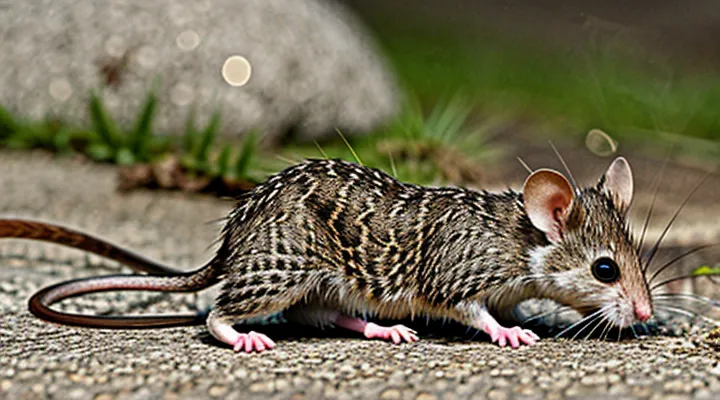
What are Spiny Mice?
Taxonomy and Species
Spiny mice belong to the family Muridae, subfamily Deomyinae, and are classified under the genus Acomys. This genus comprises several distinct species, each occupying specific ecological niches across Africa and the Middle East.
- Acomys cahirinus – Egyptian spiny mouse, prevalent in Egypt and surrounding regions.
- Acomys kempi – Kemp’s spiny mouse, found in East African savannas.
- Acomys percivali – Percival’s spiny mouse, inhabits rocky outcrops of Kenya and Tanzania.
- Acomys russatus – Grey spiny mouse, distributed in southern Africa’s arid zones.
- Acomys spinosus – African spiny mouse, occurs in West African tropical forests.
The taxonomic hierarchy for spiny mice follows: Kingdom Animalia → Phylum Chordata → Class Mammalia → Order Rodentia → Family Muridae → Subfamily Deomyinae → Genus Acomys → Species. Molecular phylogenetics consistently separate Acomys from other murid rodents, confirming its distinct evolutionary lineage.
Longevity studies reveal species‑specific lifespan patterns. A. cahirinus exhibits a median laboratory lifespan of 4–5 years, whereas A. percivali can reach 7–8 years under controlled conditions. Variation correlates with habitat stability, reproductive strategy, and cellular repair mechanisms documented across the genus. Recognizing taxonomic distinctions is essential for interpreting comparative longevity data and for designing species‑targeted gerontological research.
Distinctive Physical Characteristics
Spiny mice exhibit a suite of morphological traits that distinguish them from other murine species and contribute to their notable lifespan. Their dorsal coat consists of stiff, keratinized hairs resembling miniature quills, providing protection against predators and environmental abrasion. The integument is densely populated with sensory whiskers that enhance tactile perception, allowing rapid detection of hazards and efficient foraging.
Body proportions differ markedly: a compact torso, elongated hind limbs, and a relatively short tail facilitate agile locomotion across rocky and arid terrains. Muscular development in the hind limbs supports powerful jumps, reducing exposure to ground-level threats. Dental architecture features continuously growing incisors with reinforced enamel, enabling the consumption of fibrous plant material that supplies essential nutrients for long-term health.
Key physical attributes:
- Quill-like dorsal hairs resistant to wear and infection
- Highly developed whisker array for environmental awareness
- Robust hind‑limb musculature promoting swift escape responses
- Short, prehensile tail aiding balance on uneven surfaces
- Ever‑growing incisors with reinforced enamel for abrasive diets
These characteristics collectively enhance survival prospects, thereby extending the average lifespan observed in spiny mouse populations.
Factors Influencing Spiny Mouse Lifespan
Genetic Predisposition to Longevity
Spiny mice exhibit an unusually long lifespan for rodents of their size, a trait linked to specific genetic factors. Research identifies several alleles that enhance DNA repair efficiency, allowing cells to correct mutations more rapidly than in typical laboratory mice. These alleles encode proteins such as PARP1 and XRCC1, which accelerate the resolution of single‑strand breaks and reduce the accumulation of genomic instability.
Another genetic element involves telomere maintenance. Variants of the TERT gene in spiny mice produce a telomerase enzyme with higher activity, extending telomere length in somatic tissues and delaying replicative senescence. Comparative sequencing shows that these variants differ by a limited set of amino‑acid substitutions that increase enzyme stability without elevating cancer risk.
Metabolic regulation also reflects hereditary influence. Polymorphisms in the AMPKα2 subunit modify cellular energy sensing, promoting efficient glucose utilization and reducing oxidative stress. This metabolic profile aligns with observed lower levels of reactive oxygen species in aged spiny mice.
Key genetic contributors to extended longevity include:
- Enhanced DNA‑repair genes (e.g., PARP1, XRCC1)
- High‑activity telomerase variants (TERT)
- Modified energy‑sensing pathways (AMPKα2)
- Upregulated antioxidant enzymes (SOD2, GPX1)
Collectively, these inherited traits create a physiological environment that mitigates age‑related damage, supporting the remarkable lifespan of spiny mice.
Environmental Contributions to Lifespan
Spiny mice living in arid scrublands exhibit longer life expectancy than conspecifics in densely vegetated areas. Limited water availability forces physiological adaptations that reduce metabolic rate, thereby extending cellular maintenance periods.
- Temperature extremes: Exposure to cooler nocturnal temperatures slows enzymatic activity, correlating with delayed senescence.
- Food scarcity: Periodic scarcity triggers efficient nutrient storage mechanisms, preserving tissue integrity during lean periods.
- Predator density: Low predator presence in open habitats reduces stress‑induced cortisol spikes, which are linked to accelerated aging.
- Social structure: Solitary individuals experience fewer pathogen transmissions, decreasing immune system burden and supporting longevity.
- Human disturbance: Habitat fragmentation increases exposure to pollutants and artificial lighting, which disrupt circadian rhythms and shorten lifespan.
Collectively, these environmental variables shape the biological aging trajectory of spiny mice, demonstrating that habitat conditions directly influence their longevity.
Diet and Nutrition
Spiny mice exhibit a relatively long lifespan for rodents of their size, and dietary composition directly influences this trait. Field observations show that wild individuals obtain energy from a mixed diet of seeds, grasses, and arthropods, providing a balance of carbohydrates, proteins, and lipids that supports growth and reproduction.
- Seeds and grasses supply complex carbohydrates and fiber, stabilizing blood glucose and promoting gut motility.
- Arthropods contribute high‑quality protein rich in essential amino acids such as lysine and methionine, which are necessary for tissue repair and immune function.
- Occasional ingestion of fruits and nectar adds simple sugars and micronutrients, including vitamins C and E, that act as antioxidants.
Laboratory studies reveal that precise manipulation of nutrient ratios can extend the average lifespan of spiny mice by up to 30 %. Key interventions include:
- Caloric moderation – a 15–20 % reduction in daily intake without malnutrition slows metabolic rate and reduces oxidative stress.
- Enhanced omega‑3 fatty acids – supplementation with fish oil or algae‑derived EPA/DHA improves cardiovascular health and neuronal integrity.
- Antioxidant enrichment – diets fortified with selenium, vitamin A, and polyphenols decrease cellular damage and delay age‑related decline.
Protein quality remains a pivotal factor; diets low in essential amino acids accelerate sarcopenia and shorten survival, whereas balanced protein sources sustain muscle mass and organ function. Fatty acid profiles skewed toward monounsaturated and polyunsaturated fats support membrane fluidity and hormone synthesis, contributing to metabolic resilience.
These findings underscore the importance of a nutritionally balanced regimen for spiny mice, providing a model for investigating dietary strategies that promote longevity in small mammals and informing conservation efforts that aim to preserve healthy wild populations.
Habitat and Predation
Spiny mice inhabit arid and semi‑arid regions where rocky outcrops, sparse shrubland, and sandy soils dominate. They construct nests in crevices, under fallen stones, or within burrows excavated in loose substrate. These microhabitats provide stable temperatures, shelter from wind, and protection from extreme daytime heat, factors that contribute to reduced metabolic stress and, consequently, longer individual lifespans compared to rodents in more variable environments.
Predation pressure shapes both behavior and longevity. Primary predators include:
- Owls and hawks that hunt at dusk and night
- Small to medium‑sized snakes employing ambush tactics
- Carnivorous mammals such as mongooses and small felids
- Larger reptiles, notably monitor lizards in some regions
High predator density selects for heightened vigilance, nocturnal activity, and rapid reproduction. Populations in areas with fewer predators often exhibit increased average age, reflecting the direct impact of predation intensity on overall lifespan.
Behavioral Aspects and Their Impact on Longevity
Spiny mice exhibit a suite of behaviors that directly influence their life expectancy. Social grooming reduces parasite load and promotes wound healing, extending survival rates. Cooperative nesting provides thermal stability, decreasing metabolic stress during cold periods.
Activity cycles align with nocturnal foraging, limiting exposure to predators and reducing daytime heat stress. This temporal segregation conserves energy and lowers oxidative damage, factors linked to longer lives.
Reproductive timing is seasonally regulated; females delay breeding until optimal resource availability, preventing the physiological strain of early gestation. Males display reduced aggression during the breeding season, minimizing injury‑related mortality.
Stress response modulation further affects longevity. Individuals that employ burrowing and nest‑building as coping mechanisms show lower cortisol spikes after disturbances, correlating with decreased age‑related decline in immune function.
Key behavioral contributors to extended lifespan:
- Grooming and hygiene – parasite control, skin integrity.
- Thermoregulatory nesting – energy conservation, reduced metabolic wear.
- Nocturnal foraging – predator avoidance, thermal regulation.
- Seasonal breeding – resource‑based reproductive restraint.
- Aggression mitigation – lower injury risk.
- Stress‑relief activities – attenuated hormonal stress response.
Collectively, these adaptive actions create a physiological environment that supports sustained health and delays senescence in spiny mouse populations.
Unique Adaptations for Extended Life
Regenerative Abilities and Their Role
Spiny mice (genus Acomys) exhibit a suite of regenerative processes that distinguish them from typical laboratory rodents. Their capacity to restore complex tissues after injury reduces chronic damage accumulation, a factor closely linked to extended lifespan.
The primary regenerative features include:
- Dermal restoration – Full-thickness skin wounds close without scar formation within 7–10 days, driven by rapid epithelial migration and fibroblast reprogramming.
- Auricular regrowth – Pinna sections up to 50 % regenerate, reestablishing cartilage, vasculature, and sensory nerves within weeks.
- Skeletal muscle repair – Injured myofibers regenerate through satellite cell activation that avoids fibrotic replacement, preserving contractile function.
- Cardiac tissue renewal – Following myocardial infarction, Acomys show limited scar tissue and measurable cardiomyocyte proliferation, unlike the dense fibrosis seen in Mus musculus.
These capabilities rely on cellular mechanisms that mitigate age‑related decline:
- Enhanced telomerase activity maintains chromosomal integrity in proliferating cells.
- Modulated inflammatory response limits chronic cytokine exposure, preventing tissue degradation.
- Plastic fibroblast phenotypes shift toward a pro‑regenerative profile, reducing extracellular matrix stiffening.
Empirical comparisons reveal that spiny mice live 20–30 % longer than similarly sized non‑regenerative rodents under identical laboratory conditions. The correlation suggests that efficient tissue renewal directly contributes to longevity by preserving organ function and delaying senescence markers.
In summary, the regenerative repertoire of spiny mice—encompassing skin, ear, muscle, and heart—provides a biological framework that sustains physiological integrity and extends lifespan relative to conventional murine models.
Metabolic Rate and Aging
Spiny mice (genus Acomys) exhibit a metabolic profile that diverges markedly from that of common laboratory rodents. Their basal metabolic rate (BMR) remains relatively high throughout adulthood, a condition linked to sustained tissue repair and regenerative capacity. Elevated BMR correlates with increased production of reactive oxygen species (ROS), yet spiny mice possess robust antioxidant defenses that mitigate oxidative damage, thereby decelerating typical age‑related decline.
Key aspects of the metabolic‑aging relationship in spiny mice include:
- Mitochondrial efficiency – mitochondria maintain high coupling efficiency, reducing electron leak and limiting ROS accumulation.
- Thermoregulation – constant body temperature regulation demands steady energy expenditure, supporting cellular homeostasis.
- Protein turnover – accelerated synthesis and degradation cycles replace damaged proteins faster than in longer‑lived rodents, preserving functional integrity.
Comparative data reveal that, despite a higher BMR, spiny mice live longer than similarly sized murine species. This paradox suggests that metabolic rate alone does not dictate lifespan; instead, the integration of efficient energy utilization, superior DNA repair mechanisms, and adaptive stress responses extends longevity.
Research indicates that interventions altering metabolic pathways—such as caloric restriction or pharmacological activation of AMP‑activated protein kinase (AMPK)—modulate aging markers in spiny mice. These findings underscore the species’ value as a model for studying how metabolic dynamics can be harnessed to promote healthy aging.
Spiny Mice in Research: Contributions to Longevity Studies
Insights into Mammalian Aging
Spiny mice (Acomys spp.) exhibit a maximum lifespan that rivals that of larger rodents, reaching up to five years in captivity. Their relatively long life span, combined with a remarkable capacity for tissue regeneration, provides a natural model for studying the mechanisms that extend mammalian longevity.
Research on these rodents reveals several physiological traits associated with delayed aging:
- Enhanced DNA repair: Elevated expression of nucleotide excision repair enzymes reduces accumulation of genomic lesions.
- Stable telomere length: Telomerase activity remains detectable in adult somatic cells, limiting chromosomal shortening.
- Efficient protein homeostasis: Up‑regulated chaperone proteins and autophagic flux maintain proteome integrity under stress.
- Reduced oxidative damage: High levels of endogenous antioxidants mitigate reactive oxygen species, preserving cellular function.
Comparative analyses indicate that spiny mice share these features with other long‑lived mammals, such as naked mole‑rats and certain bat species. The convergence of regenerative ability and molecular maintenance systems suggests that longevity may be reinforced by coordinated control of repair pathways rather than by a single factor.
Implications for broader mammalian aging research include:
- Targeting DNA repair enhancers to slow age‑related genomic decay.
- Modulating telomerase expression in a tissue‑specific manner to preserve chromosomal stability.
- Augmenting autophagy and chaperone networks to sustain protein quality control.
- Boosting endogenous antioxidant defenses to limit oxidative stress.
These insights, derived from the study of spiny mice, inform strategies for extending health span across diverse mammalian species.
Potential for Human Applications
Research on spiny mice reveals a combination of extended lifespan and remarkable regenerative capacity, positioning the species as a valuable model for biomedical investigations.
Potential human benefits include:
- Development of therapies that mimic the mouse’s ability to regenerate skin, muscle, and cardiac tissue, offering new treatments for severe injuries and degenerative conditions.
- Identification of molecular pathways that delay aging, providing targets for anti‑ageing drug design.
- Insights into metabolic regulation that could inform interventions for obesity, diabetes, and related disorders.
- Advancement of stem‑cell technologies by adapting the mouse’s innate pluripotent mechanisms to improve cell‑based therapies.
- Genetic engineering strategies that incorporate longevity‑associated genes, aiming to enhance human healthspan.
Translation of these findings requires rigorous validation, scalable production methods, and ethical oversight. Continued interdisciplinary collaboration will determine the feasibility of moving from rodent models to clinical applications.
Comparing Spiny Mouse Lifespan to Other Rodents
Atypical Longevity in the Muridae Family
Spiny mice (genus Acomys) exhibit lifespan records that exceed typical Muridae expectations, prompting extensive investigation into the family’s outlier longevity patterns.
Research indicates several physiological traits contribute to this extended survival:
- Enhanced DNA repair capacity, demonstrated by up‑regulated nucleotide excision pathways in Acomys tissues.
- Robust telomere maintenance, with telomerase activity persisting into advanced age, unlike most short‑lived rodents.
- Reduced basal metabolic rate, measured as lower oxygen consumption per gram of body mass, correlating with slower cellular aging.
- Superior stress‑response mechanisms, including elevated heat‑shock protein expression and efficient oxidative‑damage mitigation.
Ecological variables reinforce these biological factors:
- Arid habitats impose intermittent resource availability, selecting for metabolic efficiency and delayed reproduction.
- Social structures favor cooperative breeding, reducing predation pressure on juveniles and allowing adults to allocate resources toward somatic maintenance.
Comparative data across Muridae species reveal a clear deviation:
| Species | Average adult lifespan (months) | Notable longevity trait |
|---|---|---|
| Mus musculus (house mouse) | 12–18 | High reproductive output |
| Rattus norvegicus (Norway rat) | 24–36 | Moderate metabolic rate |
| Acomys cahirinus (spiny mouse) | 48–60 | Persistent telomerase activity |
The spiny mouse’s capacity to regenerate skin without scarring further underscores its atypical aging profile, linking tissue regeneration to systemic longevity mechanisms. Ongoing genomic analyses aim to identify conserved gene networks that could explain the family’s variance in lifespan, offering potential translational insights for mammalian aging research.
Evolutionary Perspectives on Extended Lifespan
Spiny mice (genus Acomys) exhibit a maximum recorded lifespan exceeding 10 years, substantially longer than the typical rodent benchmark of 2–3 years. This extended longevity aligns with several evolutionary adaptations that mitigate cellular damage and sustain physiological function.
Key evolutionary mechanisms include:
- Enhanced DNA repair pathways – up‑regulation of nucleotide excision and base excision repair enzymes reduces mutation accumulation.
- Altered telomere dynamics – telomerase activity persists in somatic tissues, preserving chromosome stability without triggering uncontrolled proliferation.
- Modified metabolic rate – a lower basal metabolic rate lowers reactive oxygen species production, diminishing oxidative stress.
- Adaptive stress response – heightened expression of heat‑shock proteins and antioxidant enzymes improves resilience to environmental fluctuations.
Ecological pressures shape these traits. Predation intensity in arid habitats selects for individuals capable of prolonged reproductive output, favoring genetic variants that support delayed senescence. Comparative phylogenetic analyses reveal that species inhabiting resource‑scarce regions consistently evolve longer lifespans, suggesting a trade‑off between growth speed and lifespan extension.
Recent genomic studies identify a cluster of longevity‑associated loci unique to Acomys, including variants of the FOXO3 and SIRT1 genes. Functional assays demonstrate that these alleles enhance autophagic clearance and suppress inflammatory signaling, processes directly linked to age‑related tissue degeneration.
Collectively, the convergence of DNA maintenance, metabolic moderation, and stress resilience constitutes the evolutionary framework that enables spiny mice to achieve an unusually protracted life span among small mammals.