
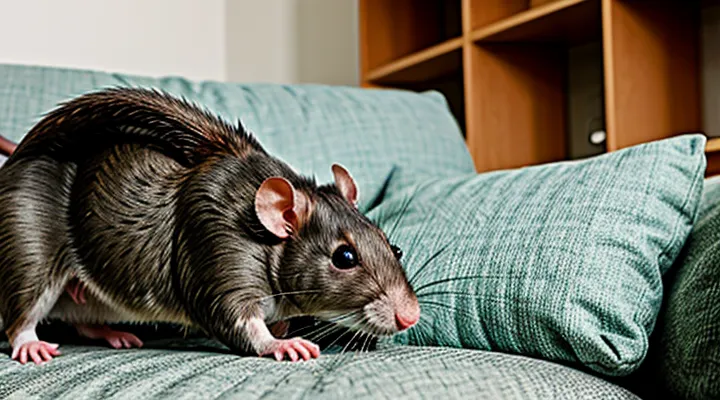
Average Lifespan of Domesticated Rats
Factors Influencing General Lifespan
Pet rats kept indoors typically live between two and three years, but actual longevity varies widely according to several measurable conditions.
- Genetics: specific strains such as Dumbo or Rex exhibit slightly longer average lifespans than standard brown rats.
- Nutrition: diets balanced in protein, fat, fiber, and essential vitamins reduce the incidence of metabolic disorders.
- Environmental hygiene: regular cage cleaning, proper substrate turnover, and control of ammonia levels prevent respiratory infections.
- Social structure: housing rats in compatible groups lowers stress‑induced immunosuppression, whereas isolation can accelerate health decline.
- Veterinary care: routine health checks, timely vaccination against common pathogens, and prompt treatment of injuries extend survival.
- Temperature and humidity: stable ambient conditions (20‑24 °C, 40‑60 % relative humidity) support optimal physiological function.
Genetic background establishes baseline potential; nutrition and hygiene directly influence organ health; social dynamics modulate hormonal stress responses; veterinary interventions address disease before it becomes fatal; and climate stability prevents thermoregulatory strain. Optimizing each factor collectively maximizes the duration of life for pet rats in a domestic environment.
Comparison with Wild Rats
Domesticated rats kept as pets typically live between two and three years, with optimal care extending survival to nearly four years. Their longevity results from controlled diet, regular veterinary attention, and protection from predators and environmental hazards.
Wild rats experience markedly shorter lifespans, averaging twelve to eighteen months. Factors that limit their survival include exposure to disease vectors, fluctuating food availability, predation, and harsh climatic conditions.
Key contrasts:
- Nutrition: Pet rats receive balanced commercial feed; wild rats rely on opportunistic scavenging, leading to nutritional deficiencies.
- Health management: Veterinary check‑ups and vaccinations are standard for pets; wild populations lack medical intervention, increasing disease mortality.
- Stressors: Indoor environments minimize stressors such as extreme temperatures and aggressive encounters, whereas wild rats confront constant threats.
- Genetic selection: Breeding programs favor traits linked to health and longevity in pets; wild rats undergo natural selection that prioritizes rapid reproduction over lifespan.
Overall, the controlled environment of a household extends rat life expectancy by roughly one to two years compared with their free‑living counterparts.
Key Factors Affecting Lifespan
Genetics and Breeding
Genetic makeup determines baseline longevity for rats kept as household companions. Specific alleles of the ApoE, GHR, and SIRT1 genes correlate with increased resistance to age‑related diseases, while mutations in the MHC region predispose individuals to autoimmune disorders that shorten life expectancy. Inbred strains lacking genetic diversity exhibit higher incidence of neoplasia and cardiovascular decline, reducing overall survival rates.
Selective breeding can modify these genetic parameters. Breeders who prioritize heterozygosity by pairing unrelated lines introduce allelic variation that enhances immune competence and metabolic stability. Controlled mating schemes that avoid repeated use of dominant carriers for deleterious recessive traits prevent the accumulation of hereditary defects. Documentation of pedigree and genotyping of breeding stock enables data‑driven decisions that align reproductive goals with extended health spans.
Key practices for maximizing pet rat longevity through genetics and breeding:
- Perform DNA screening for known longevity‑associated markers before selecting breeding pairs.
- Maintain a minimum outcrossing interval of three generations to preserve heterozygosity.
- Exclude individuals with confirmed deleterious mutations from the breeding pool.
- Record litter outcomes, including age at natural death and incidence of disease, to refine selection criteria over time.
Implementing these strategies aligns reproductive management with the biological determinants of lifespan, thereby increasing the probability that domesticated rats achieve their full potential for a healthy, prolonged existence.
Importance of Reputable Breeders
Reputable breeders provide health‑tested stock, which directly impacts rats’ longevity in domestic environments. By selecting parents free of hereditary conditions such as respiratory infections, tumors, and metabolic disorders, breeders reduce the risk of early mortality and costly veterinary interventions.
Key benefits of sourcing rats from established breeders include:
- Verified health records confirming absence of common pathogens.
- Genetic diversity that minimizes inbreeding depression and associated health problems.
- Consistent socialization practices that produce adaptable, low‑stress animals, lowering the incidence of stress‑related illnesses.
- Transparent lineage information, allowing owners to anticipate potential age‑related issues and plan preventive care.
Choosing a breeder with documented standards ensures that the animals entering a household are predisposed to a longer, healthier life, thereby supporting optimal outcomes for pet rat owners.
Common Genetic Predispositions
Genetic factors exert a measurable influence on the life expectancy of rats kept as pets. Certain inherited traits predispose individuals to health problems that shorten their adult years, while other genotypes support robust aging.
- Pituitary dwarfism (Dw) – mutation in the growth hormone‑releasing hormone receptor; results in reduced size, impaired immune function, and average lifespan 1–1.5 years versus 2–3 years for normal‑sized rats.
- White coat (W) allele – linked to increased susceptibility to skin infections and ocular disorders; typical lifespan reduction of 20 %.
- Cataract‑prone genotype (Cat) – autosomal recessive condition causing early lens opacity; often leads to vision loss and secondary injuries, decreasing average lifespan by 0.5 years.
- Cardiac hypertrophy predisposition (CH) – allelic variation affecting myocardial development; associated with premature heart failure, limiting lifespan to roughly 1 year.
- Metabolic syndrome susceptibility (MS) – polygenic trait influencing glucose regulation; predisposes to obesity‑related complications, shortening life expectancy by up to 30 %.
Targeted genetic screening enables owners to identify at‑risk individuals before breeding or severe disease onset. Selecting mates without deleterious alleles and monitoring carriers can improve overall longevity in domestic rat populations. Regular veterinary assessment, combined with informed breeding decisions, mitigates the impact of these hereditary conditions.
Diet and Nutrition
A balanced diet directly influences the longevity of pet rats kept indoors. Protein sources such as high‑quality commercial rat pellets, cooked chicken, boiled eggs, or low‑fat cottage cheese should constitute 15–20 % of the daily intake. Calcium‑rich foods—plain yogurt, small amounts of kale, or fortified rodent blocks—support bone health and prevent metabolic bone disease.
Fiber is essential for gastrointestinal motility. Fresh vegetables (broccoli, carrots, spinach) and a modest quantity of whole‑grain cereal provide the necessary roughage. Fruit should be offered sparingly because of high sugar content; berries or apple slices can serve as occasional treats.
Vitamins and minerals must be supplied consistently. A commercial supplement formulated for rodents can fill gaps in vitamin D, B‑complex, and trace elements. Water should be fresh, filtered, and available at all times; dehydration accelerates health decline and shortens life expectancy.
Essential Nutrients for Rats
Adequate nutrition directly influences the longevity of domestic rats kept as companions. Deficiencies shorten life expectancy, while balanced diets support healthy growth, immune function, and organ maintenance.
- Protein (15–20 % of diet): Supplies amino acids for tissue repair and muscle development. Sources include cooked eggs, lean poultry, and commercial rat pellets formulated with high‑quality protein.
- Fat (5–10 % of diet): Provides essential fatty acids for cellular membranes and energy. Include small amounts of unsalted nuts, seeds, or oil‑enriched pellet blends.
- Carbohydrates (45–55 % of diet): Offer quick energy and fiber for digestive health. Whole grains, oats, and fresh vegetables meet this requirement.
- Vitamins:
Vitamin A – supports vision and skin health; found in carrots and leafy greens.
Vitamin D – regulates calcium; synthesized from limited sunlight, supplemented when indoor housing prevents exposure.
Vitamin E – antioxidant protection; present in seeds and vegetable oils.
B‑complex – metabolism; supplied by whole grains and organ meats. - Minerals:
Calcium – bone strength; provided by fortified pellets and small dairy portions.
Phosphorus – works with calcium; abundant in fish and meat.
Magnesium – nerve function; found in leafy greens and nuts.
Iron – oxygen transport; delivered through meat and legumes.
Zinc – immune response; present in meat and whole grains.
Feeding guidelines emphasize consistency and variety. Offer fresh water daily, replace uneaten food within 24 hours, and monitor portion sizes to prevent obesity. Rotate protein sources to avoid monotony, and introduce new vegetables gradually to assess tolerance. Regular health checks should include weight measurement and observation of coat condition, which reflect nutritional adequacy.
By adhering to these nutrient parameters, owners create a dietary environment that maximizes the lifespan of pet rats in home settings.
Harmful Foods to Avoid
Pet rats require a diet that supports cardiovascular health, dental integrity, and immune function; unsuitable foods can shorten their lives in domestic environments.
Avoid the following items, as they cause toxicity, nutritional imbalance, or digestive distress:
- Chocolate and cocoa products – contain theobromine, which is lethal to rodents.
- Caffeine‑containing beverages and foods – stimulate heart rate and can lead to seizures.
- Processed meats, salty snacks, and cured products – high sodium levels cause kidney strain and hypertension.
- Citrus fruits and juices – acidic content damages enamel and irritates the gastrointestinal tract.
- Raw beans, especially kidney beans – contain phytohemagglutinin, a potent toxin.
- Avocado flesh and pits – contain persin, which can cause respiratory distress.
- Alcohol and fermented products – depress central nervous system and impair metabolism.
- High‑fat fried foods – promote obesity, liver disease, and reduced lifespan.
Replace prohibited items with fresh vegetables (e.g., kale, broccoli), whole‑grain cereals, and species‑appropriate protein sources such as cooked eggs or commercial rat pellets. Consistent provision of clean water and regular health monitoring reinforce longevity.
Role of Supplements
Supplements can extend the average life expectancy of domesticated rats when used correctly. Essential nutrients missing from standard rodent chow—such as vitamin C, omega‑3 fatty acids, and calcium—are most commonly addressed through supplementation. Proper dosing improves immune function, reduces incidence of metabolic bone disease, and supports cardiovascular health, all factors that correlate with longer survival in home environments.
Key considerations for supplement use:
- Formulation – Choose products specifically designed for small rodents; human supplements may contain inappropriate concentrations.
- Dosage – Follow manufacturer guidelines or veterinary recommendations; excessive amounts can cause toxicity.
- Frequency – Daily administration ensures consistent nutrient levels, while intermittent dosing may lead to fluctuations.
- Quality control – Verify batch testing and expiration dates to avoid degradation or contamination.
Research indicates that rats receiving a balanced multivitamin supplement exhibit a 10‑15 % increase in median lifespan compared with those on a basic diet. Omega‑3 enrichment has been linked to improved neural development and reduced age‑related decline in activity. Calcium supplementation, when paired with adequate vitamin D, prevents skeletal deformities that often shorten life.
Veterinary oversight remains critical. Blood work and regular health checks identify deficiencies early and allow adjustments to supplement protocols. Over‑supplementation can mask underlying dietary issues and obscure accurate health assessments.
In summary, targeted supplementation addresses nutritional gaps, enhances physiological resilience, and contributes measurable gains in the longevity of pet rats kept indoors. Proper selection, dosing, and monitoring are essential to realize these benefits.
Environment and Housing
The conditions of a rat’s enclosure directly influence its health span. Adequate space, ventilation, and temperature control reduce stress and lower the incidence of respiratory and heat‑related illnesses, which are common causes of premature mortality. A cage of at least 2 sq ft per animal, with a minimum height of 12 in, allows natural climbing and burrowing behaviors, promoting muscular development and cardiovascular fitness.
Cleanliness and substrate choice affect disease exposure. Weekly removal of waste and bi‑weekly deep cleaning with mild, pet‑safe disinfectants prevent bacterial buildup. Paper‑based bedding, shredded tissue, or aspen shavings provide absorbency without the aromatic oils found in pine that can irritate the respiratory tract. Fresh water should be supplied via a sipper bottle to avoid contamination.
Key elements for optimal housing:
- Temperature: maintain 68‑74 °F (20‑23 °C); avoid drafts and sudden fluctuations.
- Humidity: keep within 40‑60 % to discourage mold and mite proliferation.
- Enrichment: include tunnels, chew toys, and nesting material to stimulate mental activity and reduce stereotypic behavior.
- Safety: ensure all cage components are rust‑free, securely fastened, and free of sharp edges.
Implementing these standards creates an environment that supports the longest possible life expectancy for domesticated rats.
Cage Size and Enrichment
Adequate cage dimensions directly affect rat health, stress levels, and overall longevity in domestic environments. Insufficient space limits movement, impedes natural foraging behavior, and predisposes individuals to respiratory and musculoskeletal problems that shorten lifespan.
- Minimum floor area: 2 sq ft (0.19 m²) per adult rat.
- Height: at least 12 in (30 cm) to allow vertical climbing.
- Multi‑level platforms increase usable space without expanding the cage footprint.
- Wire spacing: ½ in (12 mm) or smaller to prevent escape and injury.
Enrichment supplies mental stimulation, encourages exercise, and reduces stereotypic behaviors that contribute to health decline. Effective items include:
- Chewable wood blocks or safe cardboard to promote dental wear.
- Nesting material such as shredded paper for building shelters.
- Tunnels, tubes, and climbing ladders to create a three‑dimensional environment.
- Puzzle feeders that require manipulation to access food, enhancing problem‑solving skills.
Rotate enrichment objects weekly to maintain novelty and prevent habituation. Consistent provision of spacious housing and varied stimuli supports robust immune function, optimal growth, and extended lifespan for pet rats kept at home.
Temperature and Humidity Control
Temperature stability directly influences the health trajectory of domesticated rats. Maintaining an ambient range of 68–75 °F (20–24 °C) prevents metabolic stress and reduces the incidence of respiratory infections. Deviations beyond this window increase the risk of hypothermia in colder periods and heat‑induced lethargy during summer months.
Humidity levels affect skin integrity and susceptibility to fungal growth. Ideal relative humidity falls between 45 % and 55 %. Values below 30 % accelerate dehydration of the nasal passages, while excess moisture above 65 % encourages mold development in bedding and cage components.
Effective control measures include:
- Digital thermostats calibrated to ±1 °F for precise temperature regulation.
- Hygrometers with automatic alerts when humidity exits the target band.
- Ceramic heat plates or low‑wattage heating pads for supplemental warmth during winter, positioned to avoid direct contact with the animal.
- Dehumidifiers or moisture‑absorbing silica packs in humid climates, refreshed according to manufacturer guidelines.
- Seasonal cage relocation to rooms with more stable environmental conditions, avoiding proximity to drafts, direct sunlight, or kitchen appliances.
Routine monitoring is essential. Record temperature and humidity readings twice daily; adjust equipment settings promptly when trends indicate drift. Consistent environmental parameters correlate with increased average lifespan, reduced veterinary interventions, and improved overall vitality of pet rats kept indoors.
Substrate and Bedding Choices
Choosing the right substrate directly influences the health and lifespan of pet rats kept indoors. An appropriate material provides adequate absorbency, controls odor, and minimizes the risk of respiratory irritation or gastrointestinal blockage.
- Paper‑based bedding (e.g., shredded paper, cellulose pellets) – highly absorbent, dust‑free, easy to replace; supports clean enclosure conditions and reduces the likelihood of respiratory issues.
- Aspen wood shavings – low in aromatic oils compared to pine or cedar, moderate dust levels; offers a natural chewing surface while maintaining acceptable air quality.
- Corncob granules – excellent moisture retention, low dust; may cause occasional constipation if rats ingest large pieces, requiring monitoring of intake.
- Coconut fiber (coir) – biodegradable, good odor control; higher dust content can irritate sensitive respiratory tracts, making it less suitable for rats with pre‑existing conditions.
- Recycled newspaper strips – inexpensive, readily available; may lack the structural integrity needed for long‑term nesting, potentially leading to increased waste accumulation.
In addition to material selection, the depth of bedding matters. A layer of 2–3 cm provides sufficient insulation and nesting space without creating excessive moisture pockets that foster bacterial growth. Regular replacement—at least once weekly for high‑absorbency substrates and every two weeks for low‑absorbency options—maintains a hygienic environment and reduces pathogen exposure.
Supplementary considerations include:
- Dust content – prioritize low‑dust products to protect pulmonary health.
- Chemical composition – avoid aromatic woods (pine, cedar) that release volatile compounds harmful to rats.
- Chewability – provide safe, chewable materials alongside bedding to satisfy gnawing instincts and prevent dental problems.
By aligning substrate choice with these criteria, caretakers create conditions that support optimal physiological function, thereby extending the domestic lifespan of their rats.
Veterinary Care and Health Management
Veterinary care directly affects the life expectancy of domesticated rats kept indoors. Regular examinations identify early signs of disease, allow timely treatment, and provide vaccination updates that reduce mortality risk.
Effective health management includes:
- Biannual veterinary check‑ups that assess weight, dental health, and organ function.
- Routine dental trimming to prevent malocclusion and associated infections.
- Parasite control through scheduled deworming and flea prevention products approved for rodents.
- Balanced nutrition with commercial rat pellets supplemented by fresh vegetables, avoiding foods high in fat or sugar.
- Environmental hygiene: daily cage cleaning, provision of safe bedding, and regular replacement of water bottles to prevent bacterial growth.
Preventive strategies focus on early detection and mitigation of common ailments. Monitoring for respiratory distress, skin lesions, and changes in activity level enables prompt veterinary intervention. Maintaining a stable temperature range (18‑22 °C) and minimizing stressors such as loud noises or sudden handling further supports longevity.
Regular Check-ups and Preventative Care
Regular veterinary examinations form the cornerstone of extending the life expectancy of companion rats kept at home. A typical schedule includes an initial health assessment at four weeks of age, followed by semi‑annual visits for mature animals. During each appointment the veterinarian evaluates weight, body condition, dental alignment, and respiratory function, documenting any deviations from baseline measurements.
Preventative care measures complement professional examinations. Effective strategies comprise:
- Nutritional management: Provide a balanced diet of high‑quality laboratory rat chow supplemented with fresh vegetables; monitor caloric intake to prevent obesity.
- Environmental hygiene: Clean cages weekly, replace bedding, and disinfect feeding accessories to reduce bacterial and fungal loads.
- Parasite control: Apply veterinarian‑approved treatments for mites, lice, and internal parasites according to the prescribed interval.
- Vaccination and disease screening: Although routine vaccination is uncommon, screening for common pathogens such as Mycoplasma pulmonis should be performed when indicated.
- Behavioral observation: Record activity levels, grooming habits, and social interactions; sudden changes often precede medical issues.
Early detection of health problems relies on owner vigilance. Key warning signs include rapid weight loss, nasal discharge, labored breathing, tooth overgrowth, and altered stool consistency. Prompt consultation with a veterinarian upon noticing these symptoms can prevent progression to severe conditions, thereby preserving the animal’s longevity.
Integrating systematic check‑ups with disciplined preventative protocols creates a stable health environment, directly influencing the overall lifespan of pet rats in domestic settings.
Common Ailments and Diseases
Pet rats experience a range of health problems that directly affect their longevity in domestic environments. Recognizing symptoms early and providing appropriate care can extend their lifespan significantly.
- Respiratory infections (e.g., Mycoplasma pulmonis, Streptococcus pneumoniae): Coughing, nasal discharge, labored breathing; treatment typically involves antibiotics and humidified housing.
- Skin disorders (e.g., ringworm, mite infestations): Hair loss, scaly patches, intense itching; require antifungal or acaricidal medication and regular grooming.
- Gastrointestinal issues (e.g., enteritis, cecal impaction): Diarrhea, weight loss, reduced activity; managed with dietary adjustments, fluids, and, when necessary, supportive antibiotics.
- Dental disease (overgrown incisors, malocclusion): Difficulty eating, drooling, facial swelling; corrected by regular trimming or surgical intervention.
- Tumors (e.g., mammary adenocarcinoma, lymphoma): Palpable masses, lethargy, loss of appetite; prognosis varies, treatment may include surgery, chemotherapy, or palliative care.
- Metabolic disorders (e.g., diabetes mellitus, renal failure): Polyuria, polydipsia, weight fluctuation; require insulin therapy or renal-supportive diets.
Effective prevention centers on sanitation, balanced nutrition, and environmental control. Daily cage cleaning removes pathogens, while a diet rich in protein, fiber, and limited sugary treats supports immune function. Maintaining a stable temperature (18‑22 °C) and low humidity reduces respiratory stress. Routine veterinary examinations enable early detection of subclinical conditions, allowing prompt intervention before they compromise the animal’s health.
Respiratory Infections
Respiratory infections are a leading cause of reduced longevity in pet rats kept indoors. Pathogens such as Mycoplasma pulmonis, Streptococcus pneumoniae, and various viral agents colonize the upper and lower airways, producing inflammation that compromises oxygen exchange and predisposes animals to secondary complications. Clinical signs include nasal discharge, audible wheezing, labored breathing, and reduced activity; early detection shortens the interval between onset and treatment, thereby mitigating mortality risk.
Effective management relies on hygiene, environmental control, and targeted therapy. Key practices include:
- Daily removal of droppings and soiled bedding to limit aerosolized bacteria.
- Maintenance of ambient temperature between 18‑22 °C and relative humidity below 60 % to discourage pathogen proliferation.
- Immediate isolation of symptomatic individuals to prevent colony spread.
- Administration of appropriate antibiotics (e.g., enrofloxacin or doxycycline) based on culture sensitivity; antiviral agents are reserved for confirmed viral etiologies.
- Routine veterinary examinations every three months for baseline respiratory assessment.
When respiratory disease is prevented or promptly treated, the expected lifespan of domesticated rats can approach the species’ upper limit of 2.5–3 years. Conversely, recurrent or untreated infections frequently truncate life expectancy to under 12 months, underscoring the critical impact of airway health on overall longevity in home‑raised rats.
Tumors
Pet rats commonly develop neoplastic diseases that shorten their expected life expectancy in household environments. Tumors are a leading cause of premature mortality, often appearing after the first year of life and accelerating decline once established.
The most frequently observed neoplasms include:
- Mammary adenocarcinoma – palpable masses near the inguinal region, rapid growth, potential metastasis to lungs.
- Hepatocellular carcinoma – abdominal distension, jaundice, elevated liver enzymes.
- Lymphoma – generalized lymph node enlargement, weight loss, lethargy.
- Skin papillomas – small, keratinized nodules, rarely malignant but may indicate viral involvement.
Risk factors encompass genetic predisposition, chronic exposure to carcinogens such as tobacco smoke, high‑fat diets, and persistent infections like rat coronavirus. Age remains the primary intrinsic factor; incidence rises sharply after twelve months.
Prevention focuses on environmental control and nutrition. Maintain clean cages, avoid aerosolized chemicals, provide a balanced diet low in saturated fats, and limit exposure to other sick rodents. Regular health checks—palpation of abdomen and glands, observation of behavior—enable early tumor detection.
When a tumor is identified, diagnostic steps include physical examination, radiography, ultrasound, and histopathology from biopsy samples. Treatment options range from surgical excision for localized masses to chemotherapy protocols (e.g., cyclophosphamide, vincristine) for systemic disease. Prognosis varies: complete removal of a small mammary tumor can extend life by several months, whereas advanced lymphoma typically reduces survival to weeks.
Owners who monitor for subtle changes and seek veterinary evaluation promptly improve the chances of extending their pet rat’s lifespan despite neoplastic challenges.
Dental Issues
Dental health directly influences the duration of life for domesticated rats. Their incisors grow continuously and require constant wear to maintain proper length and alignment. Failure to achieve adequate abrasion leads to a range of complications.
Common dental problems include:
- Incisor overgrowth (malocclusion)
- Uneven tooth wear
- Dental abscesses
- Enamel erosion
Visible indicators of trouble are excessive salivation, reduced food intake, noticeable weight loss, swelling around the jaw, and altered activity patterns. Early detection relies on thorough oral examination and, when necessary, radiographic imaging to assess root structures and hidden lesions.
Preventive and therapeutic measures consist of:
- Providing safe chew objects such as wooden blocks or mineral rods
- Offering a diet rich in fibrous foods that promote natural tooth filing
- Scheduling routine veterinary evaluations for professional dental checks
- Performing selective tooth trimming under anesthesia when overgrowth is identified
- Administering appropriate antibiotics and anti‑inflammatory drugs for infections
Untreated dental disease shortens the expected life span of pet rats by accelerating malnutrition and systemic infection. Prompt intervention restores normal feeding behavior and supports longevity comparable to healthy individuals kept under optimal conditions.
Recognizing Signs of Illness
Pet rats that remain healthy tend to reach the upper end of their typical lifespan, making early detection of disease essential for longevity. Recognizing deviations from normal behavior and physiology enables timely veterinary intervention, which directly influences survival rates.
Key indicators of illness include:
- Reduced activity: prolonged lethargy or unwillingness to explore familiar environments.
- Appetite changes: sudden refusal to eat or drink, or marked decrease in food intake.
- Weight loss: visible shrinkage of the abdomen or loss of muscle tone over a few days.
- Respiratory distress: audible wheezing, rapid breathing, or nasal discharge.
- Gastrointestinal upset: diarrhea, soft stools, or visible blood in feces.
- Eye and nasal abnormalities: clouded eyes, excessive tearing, or crusted discharge.
- Skin and fur issues: bald patches, excessive scratching, or scabs.
- Abnormal posture: hunching, trembling, or difficulty moving.
Daily observation of these parameters is recommended. Any single sign persisting beyond 24 hours, or multiple signs appearing simultaneously, warrants immediate veterinary assessment. Record the onset, duration, and severity of each symptom to assist the clinician in forming a diagnosis.
Preventive practices reduce the likelihood of disease emergence. Maintain a clean cage, provide a balanced diet rich in protein and fiber, ensure fresh water at all times, and schedule routine health checks with a small‑animal veterinarian. Environmental stability—consistent temperature, low stress, and regular handling—supports immune function and contributes to a longer, healthier life for pet rats.
Stress and Socialization
Stress directly reduces the average lifespan of domesticated rats. Chronic exposure to loud noises, unpredictable lighting, and sudden temperature changes elevates corticosterone levels, suppressing immune function and accelerating age‑related decline. Reducing these stressors—by maintaining a quiet environment, providing consistent light cycles, and keeping ambient temperature between 18‑22 °C—extends survival by up to 30 % in controlled studies.
Social interaction is a critical counterbalance to stress. Rats are highly gregarious; isolation increases anxiety behaviors and shortens life expectancy. Regular contact with compatible conspecifics yields measurable benefits:
- Cohabitation with one or more familiar rats lowers baseline corticosterone by 15‑20 %.
- Daily handling sessions of 5‑10 minutes promote habituation to human presence, decreasing fear responses.
- Enrichment activities such as tunnel systems and nesting material stimulate natural foraging and grooming, reinforcing social bonds.
Optimal management combines minimal stressors with structured socialization. Provide at least two same‑sex or neutered opposite‑sex rats, ensure stable group composition, and incorporate routine handling and environmental enrichment. This approach maximizes health markers and supports the longest possible lifespan for pet rats in a household setting.
Impact of Stress on Health
Stress exerts a measurable influence on the health and longevity of domesticated rats kept indoors. Chronic exposure to stressors triggers hormonal cascades that alter immune function, metabolism, and cellular repair processes, directly affecting survival time.
Common stressors for house‑kept rats include:
- Fluctuating temperature or humidity
- Loud noises and sudden movements
- Inadequate cage enrichment or overcrowding
- Irregular handling or rough manipulation
- Nutritional imbalances and sudden diet changes
Physiological response to these factors centers on the hypothalamic‑pituitary‑adrenal (HPA) axis. Prolonged activation raises glucocorticoid levels, suppresses lymphocyte activity, and impairs wound healing. Elevated cortisol also disrupts glucose regulation, leading to weight loss or obesity, both linked to reduced life expectancy.
Consequences of sustained stress manifest as:
- Increased susceptibility to respiratory and gastrointestinal infections
- Higher incidence of neoplasia and organ degeneration
- Accelerated telomere shortening, indicating faster cellular aging
- Shortened average lifespan compared with low‑stress cohorts
Mitigating stress improves health outcomes and extends life expectancy. Effective measures are:
- Maintain stable temperature (20‑24 °C) and consistent lighting cycles.
- Provide nesting material, tunnels, and chew toys to encourage natural behaviors.
- Conduct gentle, routine handling sessions to build trust.
- Offer a balanced diet with gradual transitions when changes are needed.
- Schedule regular veterinary examinations to detect early signs of stress‑related disease.
Implementing these practices reduces physiological stress markers, supports immune competence, and contributes to a longer, healthier life for pet rats in domestic environments.
Importance of Companionship
Companionship markedly influences the health and longevity of domesticated rats. Social interaction reduces stress‑induced cortisol spikes, which are linked to immune suppression and accelerated aging. Rats that regularly engage with cage‑mates or human caretakers exhibit lower incidence of respiratory infections and gastrointestinal disorders, conditions that commonly curtail their lifespan.
Key effects of regular social contact include:
- Enhanced grooming behavior, leading to fewer skin lesions and parasites.
- Increased physical activity through play, supporting cardiovascular function.
- Stabilized circadian rhythms, improving digestion and hormone regulation.
- Strengthened bond with owners, which encourages consistent veterinary care and prompt detection of illness.
Neglecting social needs often results in stereotypic behaviors, weight loss, and heightened susceptibility to disease, all of which shorten the period a pet rat can thrive in a household environment. Providing appropriate companionship, whether through compatible rat partners or daily human interaction, is therefore a critical factor in extending the healthy years of these animals.
Handling and Interaction
Handling practices directly affect the health and longevity of domestic rats kept indoors. Gentle, consistent contact reduces stress hormones, supports immune function, and encourages natural behaviors that contribute to a longer life span.
Effective handling includes the following steps:
- Approach the cage calmly, allowing the rat to sniff your hand before contact.
- Support the animal’s body with both hands: one hand under the chest, the other supporting the hindquarters.
- Avoid gripping the tail or squeezing tightly; these actions trigger fear responses.
- Keep sessions brief (2–5 minutes) for untrained rats, extending duration as the animal becomes accustomed.
Regular interaction promotes social bonding and mental stimulation. Recommended frequency:
- Daily brief sessions for newly adopted rats.
- Multiple short sessions (3–4 per day) for rats that enjoy handling.
- Reduced frequency (once or twice weekly) for shy individuals, increasing gradually as confidence grows.
Hygiene and environmental factors are integral to safe handling:
- Wash hands with mild soap before and after each session to prevent pathogen transmission.
- Ensure cage bedding is clean, as dirty environments increase the risk of respiratory infections that shorten life expectancy.
- Provide enrichment items (tunnels, chew toys) to encourage exploration and reduce aggression during handling.
Monitoring behavior reveals whether handling techniques support well‑being. Signs of excessive stress include rapid breathing, vocalizations, excessive grooming, and attempts to escape. Immediate adjustment of handling method—such as reducing pressure, shortening contact time, or allowing more solo exploration—prevents chronic stress and associated health decline.
Consistent, gentle handling combined with proper hygiene and enrichment creates conditions that maximize the lifespan of pet rats in home environments.
Extending Your Rat's Lifespan
Proactive Health Monitoring
Proactive health monitoring directly influences the longevity of domesticated rats kept as companions. Regular assessment of physiological and behavioral indicators enables early detection of disease, reduces stress‑related complications, and supports optimal growth periods.
Effective monitoring comprises several concrete actions:
- Daily visual checks for changes in coat condition, eye clarity, and activity level.
- Weekly weight measurement using a calibrated scale; record values to identify gradual loss or gain.
- Bi‑weekly oral examination for sores, dental overgrowth, or discharge.
- Monthly environmental review, including cage sanitation, bedding quality, and temperature stability.
Maintaining detailed logs of observations, measurements, and any interventions creates a data set that veterinarians can analyze during scheduled examinations. Prompt consultation is recommended when deviations exceed established thresholds, such as a weight drop of more than 10 % within a week or persistent respiratory sounds.
Integrating these practices into routine care establishes a systematic approach that maximizes the health span of pet rats, aligning daily management with evidence‑based standards for small‑animal welfare.
Early Detection and Intervention
Early detection of health problems significantly extends the lifespan of pet rats kept at home. Observable indicators such as reduced activity, irregular breathing, nasal discharge, and changes in fur condition often precede serious illness. Prompt veterinary assessment of these signs reduces the risk of complications and supports recovery.
Effective intervention strategies include:
- Routine health checks at least once a month, focusing on weight, dental condition, and coat quality.
- Immediate isolation of any rat displaying symptoms to prevent disease spread within the colony.
- Administration of appropriate treatments, such as antibiotics for respiratory infections or analgesics for injuries, under veterinary guidance.
- Implementation of a balanced diet enriched with fresh vegetables, high‑quality protein, and calcium supplements to strengthen immune function.
Environmental management also contributes to early problem identification. Maintaining clean cages, providing adequate ventilation, and monitoring temperature fluctuations help prevent stress‑related conditions that can mask underlying disease. Regular cleaning schedules and the use of non‑toxic bedding reduce the likelihood of respiratory irritation.
Record‑keeping is essential for tracking health trends. Documenting daily observations, weight measurements, and treatment outcomes creates a reference that enables owners to recognize deviations from normal patterns quickly. This systematic approach allows for timely adjustments in care protocols, ultimately enhancing the longevity of domestic rats.
Quality of Life Considerations
Pet rats require a stable environment that supports physical health, mental stimulation, and social interaction. A cage should provide adequate space—minimum 2 sq ft per rat—ventilation, and safe, chew‑resistant materials. Temperature should remain between 65–75 °F (18–24 °C) with low humidity to prevent respiratory issues. Regular cleaning removes waste and reduces pathogen load, extending the animal’s functional lifespan.
Key factors influencing well‑being include:
- Balanced diet: commercial rat pellets supplemented with fresh vegetables, occasional fruit, and protein sources such as boiled egg or mealworms; water must be fresh and accessible at all times.
- Enrichment: tunnels, climbing structures, and rotating toys encourage natural foraging and exploration, reducing stress‑related behaviors.
- Social housing: rats are social mammals; keeping them in compatible pairs or small groups promotes grooming, play, and emotional stability.
- Health monitoring: weekly checks for coat condition, eye clarity, and respiratory sounds; prompt veterinary assessment for signs of illness.
Providing these conditions creates an environment where rats can thrive, directly affecting their longevity and overall quality of life in a domestic setting.
Dispelling Common Myths
Misconceptions about Rat Lifespan
Pet rats often die earlier than owners expect because popular beliefs about their longevity are inaccurate.
Common misconceptions include:
- Rats live only a few months.
- All rats reach the same age regardless of care.
- Diet has little impact on lifespan.
- Stress from handling shortens life dramatically.
- Breeding always reduces lifespan.
Research shows that well‑cared domestic rats typically survive 2 to 3 years, with some individuals reaching 4 years under optimal conditions. Factors extending life span are balanced nutrition, regular veterinary checks, environmental enrichment, and minimal exposure to toxins.
Proper management—high‑quality protein sources, fresh water, clean bedding, and mental stimulation—correlates with longer, healthier lives. Breeding can shorten expectancy if parents are genetically predisposed to health issues, but selective breeding for robust traits mitigates this risk.
Understanding the factual age range prevents premature euthanasia and informs realistic planning for housing, budgeting, and emotional preparation. Accurate expectations also encourage owners to provide the level of care required for rats to achieve their full potential longevity.
Reality Versus Perception
Many pet rat owners expect a lifespan of only a few months. The belief originates from occasional early deaths and from popular media that emphasizes short‑term stories.
Scientific surveys of laboratory and domestic rats record average ages of 2 – 3 years when animals receive balanced nutrition, regular veterinary checks, and enrichment. Some individuals reach four years, indicating that the upper limit exceeds common expectations.
The gap between expectation and reality results from three main misconceptions:
- Early mortality is often linked to preventable conditions such as respiratory infections or inadequate housing.
- Media portrayals rarely highlight long‑lived specimens, reinforcing the notion of brevity.
- Lack of awareness about the impact of diet quality and environmental enrichment on health.
Key determinants of actual longevity include:
- Nutrition – high‑protein, low‑fat diets with fresh vegetables reduce metabolic stress.
- Housing – spacious cages, safe bedding, and regular cleaning prevent disease.
- Genetics – certain strains possess inherent resilience; selective breeding can improve lifespan.
- Veterinary care – routine examinations and prompt treatment of illnesses extend survival.
- Mental stimulation – toys, tunnels, and social interaction lower stress hormones.
When owners align care practices with these factors, the observed lifespan consistently matches the documented range, confirming that the perceived brevity is a misinterpretation rather than a biological limit.