
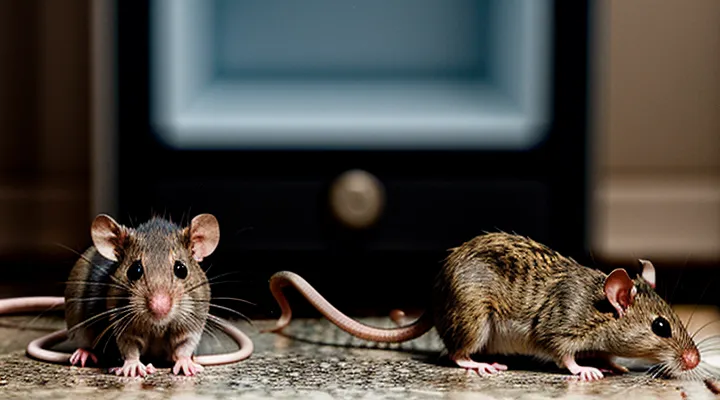
What Influences Lifespan
Genetic Factors
Genetic determinants account for a substantial portion of the variation observed in the longevity of laboratory rodents. Studies employing inbred strains reveal that median survival can differ by more than 30 % solely due to allelic composition. In mice, the following loci have been repeatedly linked to extended lifespan:
- Apoe: specific alleles correlate with reduced age‑related atherosclerosis and a 10–15 % increase in median survival.
- Igf1: reduced expression or loss‑of‑function mutations prolong life by attenuating growth‑signaling pathways.
- Sirt1: heightened activity enhances metabolic efficiency and delays onset of age‑associated decline.
- Pgc‑1α: variants that boost mitochondrial biogenesis improve cellular resilience, extending lifespan.
Rats exhibit comparable genetic influences. Notable findings include:
- Nr3c1 polymorphisms that modulate stress‑hormone signaling and affect survival curves.
- Mclk1 variants that improve mitochondrial function, resulting in a measurable shift in median lifespan.
- Tert over‑expression, which maintains telomere integrity and delays senescence.
Epistatic interactions compound these effects; for example, combined modulation of the insulin/IGF axis and sirtuin pathways yields additive longevity benefits. Quantitative trait locus mapping consistently identifies clusters of lifespan‑associated genes on chromosomes 2, 7, and 15 in mice, and on chromosomes 3 and 11 in rats. Genome‑wide association studies in outbred populations confirm that polygenic risk scores derived from these regions predict individual survival probabilities with high accuracy.
Environmental factors such as diet and housing conditions can amplify or suppress genetic effects, yet the underlying allelic architecture remains the primary determinant of average life expectancy across mouse and rat cohorts.
Environmental Conditions
Environmental variables exert measurable influence on the longevity of laboratory rodents. Temperature maintained within the thermoneutral range (approximately 28 °C for mice, 30 °C for rats) reduces metabolic stress and extends median survival. Deviations of ±5 °C increase heat‑loss or heat‑gain demands, accelerating age‑related decline. Humidity levels between 40 % and 60 % prevent respiratory irritation and skin dehydration, conditions linked to reduced lifespan.
Lighting cycles regulate circadian rhythms that affect hormone secretion and cellular repair. A consistent 12‑hour light/12‑hour dark schedule supports normal melatonin patterns, correlating with longer life expectancy. Continuous illumination or irregular photoperiods disrupt endocrine function and shorten survival periods.
Additional environmental factors include:
- Cage dimensions providing adequate space for locomotion; overcrowding elevates stress hormones and shortens lifespan.
- Enrichment objects (nesting material, tunnels) that stimulate natural behaviors; lack of enrichment correlates with increased mortality.
- Air exchange rates ensuring low ammonia concentration; concentrations above 25 ppm accelerate respiratory disease and reduce longevity.
- Noise levels below 55 dB; chronic exposure to louder environments accelerates physiological aging.
Optimizing these conditions yields statistically significant extensions of average lifespan in both species, aligning experimental outcomes with physiological norms.
Diet and Nutrition
Mice and rats typically live 2–3 years under laboratory conditions, with strain‑specific averages ranging from 18 months for fast‑growing mouse lines to over 30 months for certain rat breeds. Longevity varies markedly with environmental variables, among which diet exerts the most measurable effect.
Dietary energy intake determines baseline survival curves. Caloric restriction of 20–30 % below ad libitum consumption consistently extends median lifespan by 10–30 % in both species, without inducing malnutrition. The effect is dose‑dependent; excessive restriction shortens life, while modest reduction yields the greatest benefit.
Macronutrient ratios modulate aging pathways. Low‑protein, high‑carbohydrate formulas reduce circulating insulin‑like growth factor‑1 and delay age‑related decline. Methionine‑restricted diets (0.17 % vs. standard 0.43 % methionine) increase lifespan by up to 25 % in mice, reflecting reduced oxidative stress. Saturated fat enrichment accelerates mortality, whereas inclusion of omega‑3 polyunsaturated fatty acids improves cardiac function and modestly raises longevity.
Micronutrients and phytochemicals contribute to healthspan. Supplementation with vitamin E (200 IU kg⁻¹), vitamin C (500 mg kg⁻¹), and selenium (0.2 ppm) lowers lipid peroxidation markers and improves survival in aged cohorts. Resveratrol (30 mg kg⁻¹ day⁻¹) activates sirtuin pathways, producing a measurable increase in median lifespan in rats.
Standardized laboratory chow provides a baseline for comparative studies; however, experimental protocols often employ defined diets to isolate specific nutrient effects. Consistency in ingredient sourcing, pellet size, and feeding schedule minimizes confounding variables and ensures reproducibility across lifespan investigations.
Key dietary factors influencing average longevity:
- 20–30 % caloric restriction without nutrient deficiency
- Reduced protein content (10–15 % of total calories)
- Methionine limitation (≈0.17 % of diet)
- Elevated omega‑3/omega‑6 ratio (>1)
- Antioxidant supplementation (vitamins E, C, selenium)
- Phytochemical inclusion (e.g., resveratrol)
These parameters represent the most robustly evidenced interventions for extending the typical lifespan of laboratory mice and rats.
Stress and Social Environment
Stress exposure reduces the expected lifespan of laboratory mice and rats by accelerating physiological aging processes. Chronic activation of the hypothalamic‑pituitary‑adrenal axis increases circulating glucocorticoids, which suppress immune function, promote insulin resistance, and trigger cellular senescence. Experimental groups subjected to unpredictable mild stressors (e.g., intermittent noise, forced swimming) show a median survival reduction of 10–20 % compared with unstressed controls.
- Acute restraint stress: elevates corticosterone levels, shortens survival by 5–8 % in mice.
- Chronic social defeat: lowers body weight, increases tumor incidence, reduces median lifespan by up to 15 % in rats.
- Environmental enrichment (complex cages, nesting material): mitigates stress effects, extending average longevity by 5–10 % relative to barren housing.
Social environment exerts a comparable influence. Dominant individuals experience lower baseline stress hormones, whereas subordinate animals endure chronic social stress, leading to earlier mortality. Group housing with stable hierarchies supports higher survival rates than isolated housing, which eliminates social buffering and raises cortisol concentrations. Studies report that singly housed mice live 12–18 % fewer days than those maintained in compatible groups.
Interventions that modulate stress and social conditions—environmental enrichment, stable group composition, and controlled exposure to mild stressors—consistently improve health markers (e.g., reduced oxidative damage, preserved telomere length) and extend the average life expectancy of these rodents.
Average Lifespan of Mice
Wild Mice
Wild mice, living in natural habitats rather than laboratory conditions, typically reach adulthood within 6–8 weeks and exhibit a markedly shorter lifespan than their captive counterparts. Mortality peaks after the first year, with most individuals dying between 12 and 18 months. Environmental pressures—predation, food scarcity, disease, and climatic extremes—account for the accelerated aging process observed in these populations.
Key lifespan statistics for wild mice:
- Median age at death: 10–14 months.
- Maximum recorded longevity: up to 24 months under favorable conditions.
- Survival rate to one year: approximately 30–40 % of newborns.
- Seasonal variation: individuals born in spring show higher survival than those born in autumn, reflecting resource availability.
Compared with laboratory mice, which often live 2–3 years, the reduced expectancy of wild mice underscores the impact of uncontrolled ecological factors on rodent longevity.
Pet Mice
Pet mice typically live between 1.5 and 3 years, a range that aligns closely with the average longevity reported for laboratory and wild‑type mice. This lifespan is shorter than that of most domestic rats, which commonly reach 2 to 4 years under comparable conditions.
Key determinants of a pet mouse’s lifespan include genetics, diet, housing, and health management.
- Genetic strain: Inbred laboratory strains may exhibit reduced longevity relative to outbred or mixed‑heritage mice.
- Nutrition: Balanced commercial mouse chow, supplemented with occasional fresh vegetables, supports optimal health; over‑feeding or nutritionally deficient diets accelerate aging.
- Environment: Temperature maintained between 68–74 °F (20–23 °C), humidity around 40–60 %, and low stress levels extend lifespan.
- Health care: Routine monitoring for respiratory infections, skin lesions, and dental overgrowth prevents premature mortality.
Mice housed in groups experience social enrichment that can improve immune function and reduce stress‑related decline, provided that cage density does not exceed recommended limits. Regular cage cleaning minimizes pathogen load, while enrichment items such as tunnels and chew toys encourage natural behaviors and mitigate obesity.
When comparing pet mice to rats, the latter benefit from larger body size, which correlates with slower metabolic rates and consequently longer life spans. Nonetheless, optimal husbandry practices can narrow the gap, allowing well‑cared‑for mice to achieve the upper end of their natural expectancy.
Laboratory Mice
Laboratory mice typically live 1.5 to 3 years under controlled conditions. Strain, sex, and housing influence the range: inbred strains such as C57BL/6 average 2 years, while outbred CD‑1 mice may reach 2.5 years. Females often outlive males by several months.
Key determinants of longevity in research colonies include:
- Genetic background (inbred vs. outbred)
- Diet composition and caloric intake
- Environmental enrichment and cage density
- Pathogen status (specific‑pathogen‑free facilities extend lifespan)
- Light cycle and temperature regulation
Compared with wild conspecifics, laboratory mice exhibit longer lifespans because of reduced predation, stable nutrition, and absence of disease vectors. Median survival curves from longitudinal studies show a steep decline after 24 months, with mortality accelerating sharply beyond 30 months.
Reproductive status also affects expectancy. Breeding females experience a reduction of 2–4 months relative to non‑breeding cohorts. Castrated males show modest lifespan extensions, reflecting hormonal influences on metabolism and immune function.
When planning experiments that rely on age‑related endpoints, researchers should align study groups with the documented median age of the chosen strain. Reporting the exact age in weeks, along with housing and health status, ensures reproducibility and facilitates cross‑study comparisons of lifespan data.
Average Lifespan of Rats
Wild Rats
Wild rats in natural environments generally reach maturity within two to three months and survive an average of 12 to 24 months. Mortality peaks during the first year, with most individuals dying before reaching the second breeding season.
Key determinants of wild rat longevity include:
- Food scarcity or irregular supply
- Exposure to predators such as hawks, owls, and feral cats
- Seasonal temperature extremes that increase metabolic stress
- Parasitic infestations and transmissible diseases (e.g., leptospirosis, hantavirus)
- Competition for nesting sites and territory
Urban populations often experience slightly longer lifespans, up to 30 months, due to more stable food sources and reduced exposure to natural predators. Rural counterparts, facing harsher climatic conditions and higher predation pressure, typically average 10 to 14 months.
Comparatively, captive or laboratory rats live 24 to 36 months, reflecting the absence of environmental hazards and controlled nutrition. The pronounced disparity underscores the impact of ecological pressures on the expected lifespan of wild rodent species.
Pet Rats
Pet rats typically live between two and three years, with many individuals reaching 3.5 years under optimal conditions. Laboratory data indicate that the median lifespan for domesticated rats ranges from 24 to 36 months, while outliers can survive up to four years.
Key factors influencing longevity include:
- Genetic background (e.g., Sprague‑Dawley, Long‑Evans)
- Diet quality and caloric balance
- Housing environment (temperature, ventilation, enrichment)
- Veterinary care (preventive health checks, disease management)
Adequate nutrition, regular veterinary examinations, and a low‑stress habitat extend the average lifespan. Common health concerns—respiratory infections, tumors, and dental wear—reduce survival rates if left untreated.
Compared with wild conspecifics, which rarely exceed 12 months due to predation and disease exposure, pet rats benefit from controlled environments that markedly increase their expected years of life.
Laboratory Rats
Laboratory rats, primarily the species Rattus norvegicus, exhibit a median lifespan of 2.5 to 3.5 years under controlled conditions. Mortality curves show a steep increase after the third year, with few individuals reaching five years.
Key factors influencing longevity include:
- Genetic strain (e.g., Sprague‑Dawley, Wistar, Long‑Evans) – lifespan varies by 0.5–1 year among strains.
- Housing density – overcrowding accelerates stress‑related morbidity.
- Diet composition – high‑fat or nutrient‑deficient regimens reduce median survival by 10–20 %.
- Environmental enrichment – access to nesting material and exercise apparatus extends lifespan by 5–15 %.
- Health monitoring – early detection of pathogens and tumor surveillance prolongs viable study periods.
Typical age distribution in research colonies shows approximately 70 % of rats alive at 24 months, 30 % at 36 months, and less than 5 % beyond 48 months. Pathological analysis indicates that neoplastic disease accounts for the majority of deaths after 30 months, while cardiovascular lesions become prevalent in older cohorts.
When planning long‑term experiments, investigators must align study duration with the expected survival window of the chosen strain, incorporate humane endpoints based on physiological decline, and maintain rigorous husbandry protocols to minimize premature attrition.
Factors Affecting Lifespan in Detail
Predation and Disease in the Wild
Wild mice and rats experience markedly shorter lifespans than their laboratory counterparts because mortality is driven primarily by predators and infectious agents.
Predation imposes immediate loss of individuals across all age classes. Common predators include:
- Barn owls, which capture nocturnal rodents with high efficiency.
- Red foxes, capable of hunting both mice and rats in open fields and urban margins.
- Small carnivorous mammals such as weasels and feral cats, which specialize in rapid kills.
- Raptors like hawks and kestrels, targeting adult rats during daylight foraging.
Field studies report that predation accounts for 30–50 % of deaths in mouse populations and up to 40 % in rat colonies, reducing mean survival to less than one year.
Disease contributes an additional, often overlapping source of mortality. Frequently encountered pathogens are:
- Hantaviruses, causing hemorrhagic fever with fatality rates of 20–30 % in infected rodents.
- Yersinia pestis (plague), which can decimate rat colonies within weeks during epizootics.
- Salmonella and Leptospira spp., leading to septicemia and renal failure.
- Endoparasites such as nematodes and cestodes, which impair nutrition and increase susceptibility to secondary infections.
Epidemiological surveys indicate that disease‑related deaths represent 20–35 % of total mortality in wild rodent cohorts, with outbreaks capable of halving average longevity in affected groups.
The combined pressure of predation and disease creates a mortality environment where most individuals fail to survive beyond their first reproductive season. Empirical data place the average lifespan of free‑living mice at 6–12 months and that of rats at 8–18 months, markedly lower than the 2–3 year potential observed under protected conditions.
Veterinary Care in Captivity
Veterinary oversight is essential for maintaining the health of captive mice and rats, directly influencing their expected longevity. Routine health assessments identify early signs of disease, allowing timely intervention that prevents mortality spikes common in unmanaged populations.
Critical components of captive care include:
- Scheduled physical examinations by qualified veterinarians.
- Preventive measures such as vaccination against common pathogens and parasite control.
- Nutritional monitoring to ensure diets meet species‑specific requirements and avoid deficiencies.
- Environmental management, encompassing temperature regulation, humidity control, and enrichment to reduce stress‑related illnesses.
- Prompt treatment protocols for infections, injuries, and chronic conditions, employing evidence‑based pharmacology and supportive therapies.
Accurate record‑keeping of health events enables statistical analysis of survival trends, facilitating adjustments to husbandry practices that extend average life expectancy. Consistent application of these veterinary standards reduces premature deaths and aligns captive populations with their natural lifespan potential.
Breeding Practices and Genetics
Breeding protocols exert measurable effects on the average longevity of laboratory mice and rats. Inbred strains typically display reduced lifespan relative to outbred stocks because of accumulated deleterious alleles and limited heterozygosity. Selective breeding for health traits, such as resistance to age‑related neoplasms, extends median survival in specific colonies. Environmental consistency during breeding—controlled temperature, humidity, and light cycles—limits stress‑induced mortality and yields more reliable lifespan data.
- Maintain genetic diversity by rotating breeding pairs and avoiding repeated sibling matings.
- Implement health‑screening programs to exclude carriers of known pathogenic mutations.
- Use standardized diets with defined caloric content to prevent diet‑related lifespan variation.
- Record litter size and parental age; both factors correlate with offspring survival rates.
Genetic composition determines intrinsic lifespan limits. Specific alleles at loci such as Apoe, Irs1, and Sirt1 influence metabolic efficiency and oxidative stress response, thereby modifying survival curves. Mitochondrial haplotypes contribute to energy production variance, affecting age‑related decline. Polygenic risk scores derived from quantitative trait loci (QTL) mapping predict individual longevity potential within a population. Gene editing technologies, when applied to knock‑out or knock‑in of longevity‑associated genes, provide experimental models for dissecting causal pathways.
- Identify QTLs linked to extended survival through genome‑wide association studies.
- Apply CRISPR‑Cas9 to validate functional impact of candidate genes on lifespan.
- Monitor epigenetic markers, such as DNA methylation age, to assess genetic aging trajectories.
- Cross‑breed long‑lived strains with standard lines to introgress beneficial alleles while preserving overall vigor.
Effective integration of breeding management and genetic insight yields reproducible, longer‑lived mouse and rat cohorts, enhancing the validity of aging research.
Maximizing Rodent Lifespan in Captivity
Optimal Housing
Optimal housing directly influences the longevity of laboratory mice and rats. Precise control of environmental variables reduces stress, prevents disease, and supports natural behavior, thereby extending average lifespan.
- Cage dimensions: Minimum floor area of 75 cm² per mouse and 150 cm² per rat; height sufficient for vertical movement. Overcrowding accelerates aggression and shortens life expectancy.
- Bedding material: Absorbent, low‑dust substrates such as paper‑based or aspen shavings. Replace bedding weekly to limit ammonia buildup, which impairs respiratory health.
- Temperature: Maintain ambient temperature between 20 °C and 26 °C. Fluctuations beyond ±2 °C increase metabolic strain and mortality rates.
- Relative humidity: Target 30 %–70 % RH. Excess humidity promotes mold growth; low humidity accelerates dehydration.
- Ventilation: Provide at least 10 air changes per hour with filtered, HEPA‑grade airflow. Stagnant air elevates pathogen load.
- Enrichment: Include nesting material, tunnels, and chewable objects. Enrichment reduces stereotypic behavior, correlates with improved immune function.
- Social grouping: House same‑sex individuals in compatible groups of 3–5. Isolation can cause depressive phenotypes; excessive group size leads to hierarchy‑induced stress.
- Sanitation protocol: Implement weekly cage cleaning, quarterly deep cleaning of racks, and routine health monitoring. Prompt removal of soiled cages prevents cross‑contamination.
Consistent application of these parameters yields measurable gains in rodent longevity, aligning experimental outcomes with physiological norms.
Balanced Diet
A balanced diet for laboratory mice and rats supplies adequate protein, carbohydrates, fats, vitamins, and minerals in proportions that meet physiological demands without excess. Energy density is maintained at 3–4 kcal g⁻¹, and protein content ranges from 14 % to 20 % of total calories, depending on strain and age.
Adequate nutrition correlates with increased median survival and higher maximum age records. Studies consistently show that rodents receiving complete, unadulterated feed live 10–15 % longer than those on nutrient‑deficient or excessively high‑fat rations. Mortality curves shift rightward, indicating delayed onset of age‑related pathology.
Key dietary components influencing longevity include:
- Essential amino acids (lysine, methionine) that support tissue repair and immune function.
- Omega‑3 fatty acids (eicosapentaenoic acid, docosahexaenoic acid) that reduce inflammatory markers.
- Antioxidant vitamins (vitamins E and C) that mitigate oxidative damage to cellular membranes.
- Minerals (selenium, zinc) that act as cofactors for detoxifying enzymes.
- Fiber (inert cellulose) that promotes gut motility and microbiome stability.
Practical feeding recommendations:
- Use commercially formulated rodent chow certified for nutrient completeness.
- Supplement with purified water containing no contaminants.
- Adjust caloric intake during growth phases to prevent undernutrition; reduce by 10–15 % in adulthood to avoid obesity‑related decline.
- Rotate batches to prevent palatability loss and maintain consistent nutrient profiles.
Implementing these measures standardizes dietary input, minimizes health variability, and extends the typical lifespan of mice and rats under controlled conditions.
Enrichment and Stimulation
Environmental enrichment and stimulation are recognized determinants of rodent longevity. Providing objects that encourage exploration, social interaction, and problem solving reduces stress‑induced pathology and extends median survival in both mice and rats.
Typical enrichment elements include:
- Nesting material and shelters for physical comfort.
- Cohousing or compatible cage mates to satisfy social needs.
- Puzzle feeders, tunnels, and rotating toys to engage cognition.
- Varied lighting, sound, and scent cues to stimulate sensory systems.
Experimental data demonstrate that rodents housed with comprehensive enrichment live 15‑30 % longer than those in barren conditions. Studies report median lifespans of 30–35 months for enriched mice versus 24–27 months for controls; rats show similar gains, reaching 36–40 months compared with 30–33 months without enrichment. The increase correlates with reduced incidence of neoplasia, cardiovascular dysfunction, and age‑related neurodegeneration.
For laboratory practice, implement a schedule that rotates objects weekly, maintains group housing whenever feasible, and monitors individual health markers. Record enrichment exposure as a variable in longevity studies to ensure reproducibility and accurate interpretation of lifespan outcomes.
Regular Health Checks
Regular health examinations are essential for accurate assessment of rodent longevity. Systematic monitoring identifies disease onset, nutritional deficiencies, and physiological changes that directly affect survival periods in laboratory mice and rats.
Typical components of a comprehensive check include:
- Physical inspection for coat condition, eye clarity, and gait abnormalities.
- Body weight measurement recorded weekly to detect abnormal growth patterns.
- Palpation of abdomen to assess organ enlargement or masses.
- Dental evaluation to prevent malocclusion‑related weight loss.
- Blood sampling for complete blood count, metabolic panel, and pathogen screening.
- Urinalysis for renal function and infection indicators.
- Imaging (e.g., X‑ray, ultrasound) when internal pathology is suspected.
Frequency depends on study design and age. Juvenile animals benefit from weekly assessments; adult subjects generally require bi‑weekly checks; geriatric cohorts may need monitoring every three to four days to capture rapid health decline.
Data collected from these examinations enable researchers to correlate specific health events with reductions or extensions in average lifespan. Early detection of conditions such as neoplasia, respiratory infection, or metabolic disorder allows timely intervention, which can prolong the natural life expectancy of the subjects and improve the reliability of longevity studies.