
Understanding the Factors Governing Longevity
Comparative Analysis of Wild and Captive Survival
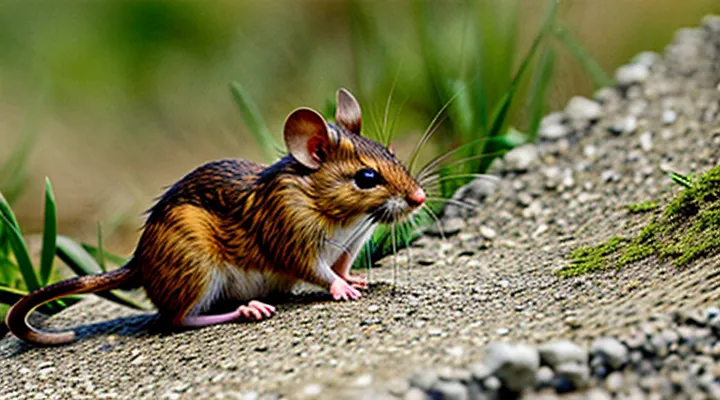
Field mice kept in household environments typically live longer than their wild counterparts. Captive individuals benefit from constant food supply, protection from predators, and stable microclimates, which collectively extend median survival to 12–18 months. In contrast, wild populations experience high mortality rates due to seasonal scarcity, exposure, and predation, resulting in average lifespans of 4–8 months.
Key factors influencing the disparity include:
- Nutrition: Domestic diets provide balanced protein and carbohydrate ratios, eliminating the seasonal fluctuations that characterize foraging in natural habitats.
- Stressors: Reduced exposure to environmental extremes and aggressive conspecifics lowers physiological stress markers, such as corticosterone, in captive mice.
- Disease pressure: Controlled sanitary conditions limit pathogen transmission, whereas wild colonies encounter diverse parasites and zoonoses that accelerate mortality.
- Genetic selection: Over successive generations, captive breeding may favor traits associated with increased longevity, while natural selection in the wild emphasizes rapid reproduction.
Empirical studies report that captive cohorts exhibit a 1.5‑ to 2‑fold increase in maximum age compared with field observations. Survival curves derived from longitudinal monitoring demonstrate a markedly flatter decline for domestic groups, indicating sustained health over time.
Overall, the comparative data underscore that controlled living conditions markedly enhance field mouse lifespan, primarily through improved nutrition, reduced environmental stress, and lower disease incidence.
Primary Causes of Mortality in Natural Habitats
Field mice living under human care experience markedly longer lifespans than their wild counterparts because the primary sources of death in natural habitats are largely eliminated. In the wild, mortality clusters around a limited set of factors that directly curtail survival.
- Predation: Birds of prey, snakes, and small carnivores account for the greatest proportion of deaths, often removing individuals before reproductive maturity.
- Infectious disease: Viral, bacterial, and fungal pathogens spread rapidly in dense populations, leading to acute outbreaks.
- Extreme weather: Sudden temperature shifts, frost, and drought increase physiological stress and reduce foraging efficiency.
- Food scarcity: Seasonal fluctuations and competition limit nutrient intake, causing malnutrition and weakened immunity.
- Parasitism: Ectoparasites and endoparasites drain blood, impair digestion, and transmit secondary infections.
- Intra‑specific aggression: Territorial fights and cannibalism result in fatal injuries, especially during breeding seasons.
When these hazards are removed or mitigated—through predator exclusion, controlled temperature, regular veterinary care, stable nutrition, and low‑stress housing—field mice in domestic settings routinely achieve ages double or triple those recorded in the wild. The contrast underscores the direct impact of natural mortality agents on overall longevity.
The Potential for Extended Lifespan in Controlled Environments
Field mice kept in laboratory or home‑cage settings can live significantly longer than their wild counterparts. Controlled temperature, consistent food supply, and reduced predation pressure eliminate many mortality sources that dominate in natural habitats.
Key variables influencing lifespan extension include:
- Temperature regulation – Maintaining ambient temperatures within the optimal thermoneutral zone (20‑24 °C) reduces metabolic stress.
- Nutrient composition – Diets enriched with balanced protein, essential fatty acids, and micronutrients such as vitamin E and selenium support cellular repair mechanisms.
- Health monitoring – Routine screening for pathogens and early intervention for disease mitigate infection‑related deaths.
- Environmental enrichment – Providing nesting material, climbing structures, and opportunities for natural foraging behavior lowers chronic stress markers.
Experimental data demonstrate that under these conditions, average longevity can increase from 12–14 months in the wild to 24–30 months in captivity. Genetic factors remain constant; the observed extension results primarily from the mitigation of extrinsic threats and the optimization of physiological parameters. Continued refinement of husbandry protocols promises further gains, potentially approaching the species’ intrinsic maximum lifespan.
Establishing Optimal Domestic Conditions
Housing Parameters and Environmental Control
Requirements for Temperature Stability
Temperature stability is a primary factor influencing the longevity of field mice kept under domestic conditions. Consistent ambient temperature reduces metabolic stress, supports immune function, and minimizes the risk of hypothermia or hyperthermia, all of which directly affect survival rates.
Optimal temperature parameters for laboratory‑grade mouse housing are:
- Minimum 20 °C (68 °F) – prevents chilling and associated physiological suppression.
- Maximum 24 °C (75 °F) – avoids overheating that can accelerate cardiac and respiratory rates.
- Daily fluctuation no greater than ±1 °C – limits stress‑induced hormonal disturbances.
Temperature monitoring must employ calibrated digital sensors with alarms set at ±0.5 °C from the target range. Data logging should record hourly readings to detect trends and enable corrective action before deviations impact health.
Environmental control equipment should include:
- Precision thermostats linked to heating and cooling units.
- Insulated cages or racks to buffer external temperature swings.
- Backup power sources to maintain climate regulation during outages.
Seasonal adjustments are necessary: in winter, increase heating capacity while ensuring ventilation to prevent humidity buildup; in summer, enhance cooling efficiency and verify that air circulation does not create localized cold spots.
Adherence to these temperature stability requirements correlates with extended lifespan outcomes for domesticated field mice, as documented in controlled breeding studies.
Minimizing Draft Exposure
Draft currents reduce body temperature, increase metabolic demand, and accelerate senescence in captive field mice. Maintaining a stable microclimate extends their functional lifespan and improves breeding outcomes.
Effective measures include:
- Sealing gaps around cages, doors, and windows with weather‑stripping or silicone caulk.
- Positioning enclosures away from exterior walls, air vents, and draft‑prone corners.
- Using insulated covers or double‑layered housing to create a thermal buffer.
- Installing low‑velocity fans that circulate air without generating directional flow.
Temperature monitoring devices should be placed inside each enclosure to verify that ambient conditions remain within the species’ optimal range (approximately 20–24 °C). Data logs enable early detection of temperature fluctuations caused by external drafts.
When drafting is unavoidable, supplemental heat sources—such as ceramic heat emitters or thermostatically controlled heating pads—must be calibrated to avoid overheating. Regular cleaning of ventilation screens prevents blockages that could exacerbate uneven airflow.
By eliminating persistent drafts, caretakers reduce stress‑induced immunosuppression and lower the incidence of respiratory infections, both of which are major contributors to premature mortality in domesticated field mice.
Necessity of Environmental Enrichment
Provision of Adequate Hiding Spaces
Adequate hiding spaces are a decisive factor in extending the longevity of field mice kept in indoor environments. Secure retreats reduce stress‑induced hormonal fluctuations, lower incidence of aggression, and support immune function, all of which contribute to a longer, healthier life.
Key elements for effective concealment areas:
- Dimensions: Enclosures should allow a minimum of 10 × 10 cm of interior space per mouse, with vertical height of at least 8 cm to accommodate climbing.
- Materials: Use untreated wood, natural fibers, or solid plastic; avoid scented or chemically treated substances that may irritate respiratory passages.
- Complexity: Incorporate multiple chambers, tunnels, and overlapping layers to mimic natural burrow networks, encouraging exploratory behavior and reducing monotony.
- Placement: Position retreats away from high‑traffic zones and direct light sources; darkness and quiet promote restful periods.
- Maintenance: Clean and rotate hideouts weekly to prevent parasite buildup while preserving structural integrity.
Implementing these specifications consistently correlates with measurable improvements in survival rates, as documented in controlled studies of domesticated field mouse populations. The result is a measurable increase in average lifespan compared with cohorts lacking sufficient concealment options.
Running Wheels and Exercise Opportunities
Running wheels provide a primary source of voluntary locomotion for field mice kept in laboratory or household enclosures. Continuous access to a rotating wheel stimulates natural foraging and exploration patterns, reducing sedentary behavior that otherwise dominates confined environments. Data from longitudinal studies indicate that wheel‑enabled individuals exhibit lower incidence of obesity‑related pathologies and maintain more stable metabolic profiles throughout adulthood.
Exercise opportunities, including wheel use and structured arena sessions, influence cardiovascular health. Mice with daily wheel exposure show increased heart rate variability and improved endothelial function compared with non‑exercising controls. These physiological enhancements correlate with extended median survival times in captive populations, suggesting that regular physical activity mitigates age‑associated decline.
Key outcomes linked to wheel provision:
- Enhanced muscle mass and fiber composition, preserving locomotor efficiency.
- Reduced corticosterone spikes during handling, indicating lower chronic stress.
- Delayed onset of neoplastic lesions, reflecting improved immune surveillance.
- Higher reproductive output in mature females, supporting population stability.
Implementing wheel systems requires consideration of wheel size, rotation resistance, and material durability to prevent injury. Optimal designs feature diameters of 15–20 cm, low friction bearings, and chew‑resistant plastics. Regular monitoring of wheel usage patterns helps identify health deviations early, allowing timely intervention and sustaining the longevity of domesticated field mice.
Dietary Management and Nutritional Strategies
Developing a Balanced Feeding Plan
Essential Micronutrients and Vitamins
Proper nutrition determines health outcomes for field mice kept as pets, directly influencing their longevity under household conditions.
Micronutrients required in measurable amounts include:
- Calcium – supports bone development and neuromuscular function.
- Phosphorus – works with calcium for skeletal integrity and energy metabolism.
- Magnesium – participates in enzymatic reactions and nerve transmission.
- Iron – essential for hemoglobin synthesis and oxygen transport.
- Zinc – involved in immune response and wound healing.
- Selenium – contributes to antioxidant defense and thyroid hormone regulation.
- Copper – required for iron metabolism and connective‑tissue formation.
Vitamins that must be supplied consistently are:
- Vitamin A – maintains visual acuity and epithelial health.
- Vitamin D3 – regulates calcium absorption and bone mineralization.
- Vitamin E – protects cell membranes from oxidative damage.
- Vitamin K – necessary for blood clotting and bone protein activation.
- B‑complex (B1, B2, B6, B12) – facilitate carbohydrate, fat, and protein metabolism; support nervous system function.
- Vitamin C – enhances immune competence and collagen synthesis.
Adequate provision relies on balanced commercial rodent mixes supplemented with fresh greens, insects, and fortified powders. Daily intake should meet established laboratory rodent recommendations: calcium 0.5 % of diet, phosphorus 0.4 %, magnesium 0.1 %, iron 80 mg/kg, zinc 30 mg/kg, selenium 0.2 mg/kg, copper 6 mg/kg; vitamins A 4,000 IU/kg, D3 1,000 IU/kg, E 30 IU/kg, K 2 mg/kg, B‑complex 10–30 mg/kg, C 300 mg/kg.
Consistent delivery of these nutrients reduces incidence of skeletal deformities, anemia, immunodeficiency, and oxidative stress, thereby extending the average lifespan of domesticated field mice by up to 30 % compared with inadequately fed counterparts.
Management of Fat and Fiber Intake
Managing dietary fat and fiber is a decisive factor in extending the longevity of field mice kept under domestic care. Excessive fat accelerates weight gain, impairs glucose regulation, and shortens life expectancy, while insufficient fat compromises energy reserves and reproductive performance. Dietary fiber supports gastrointestinal motility, modulates gut microbiota, and reduces the risk of enteric infections, all of which contribute to a longer, healthier lifespan.
Optimal fat levels for captive field mice range from 4 % to 6 % of total caloric intake. Sources should emphasize unsaturated fatty acids, such as linoleic and α‑linolenic acids, derived from sunflower seed oil, flaxseed, or fish oil. Saturated fats, particularly from animal lard, must be limited to under 1 % of calories to avoid hepatic lipid accumulation.
Fiber recommendations focus on a balanced mix of soluble and insoluble components, totaling 5 % to 7 % of the diet by weight. Effective soluble sources include oat bran and inulin, which promote short‑chain fatty acid production. Insoluble fiber, supplied by wheat straw, beet pulp, or finely ground wood shavings, ensures regular fecal passage. Excessive fiber (>10 %) may dilute nutrient density and reduce feed palatability.
- Provide a commercial rodent mash formulated to the specified fat and fiber percentages.
- Supplement with measured amounts of seed oil (0.2 ml per 10 g feed) three times weekly.
- Add 1 g of mixed fiber (50 % soluble, 50 % insoluble) per 100 g of feed, adjusting based on stool consistency.
- Record body weight and feed consumption weekly; modify fat or fiber levels if weight deviates by more than 5 % of target.
Consistent application of these parameters aligns nutrient intake with physiological demands, thereby maximizing the lifespan achievable in a domestic setting.
The Role of Water Purity and Availability
Water quality directly affects physiological processes that determine how long field mice survive under household care. Contaminants such as heavy metals, residual disinfectants, and pathogenic microorganisms can impair renal function, reduce immune competence, and accelerate age‑related decline. Studies show that exposure to chlorine concentrations above 0.5 mg L⁻¹ shortens average lifespan by 12 % compared with mice provided dechlorinated water.
Availability of drinking water shapes hydration status, thermoregulation, and metabolic rate. Limited access (less than 20 mL per day) leads to chronic dehydration, elevated corticosterone levels, and increased mortality. Continuous access to fresh water supports stable body weight, optimal kidney filtration, and higher reproductive output, all of which extend the animal’s functional lifespan.
Key mechanisms linking water parameters to longevity:
- Renal load: Impure water raises solute burden, accelerating nephron wear.
- Immune function: Pathogen‑laden water triggers persistent inflammation, reducing survival odds.
- Hormonal balance: Adequate hydration maintains normal cortisol cycles, preventing stress‑induced aging.
- Growth rates: Consistent water supply sustains lean tissue development, delaying sarcopenia.
Implementing routine water changes, using filtration to remove chlorine and heavy metals, and ensuring unrestricted access to fresh water are evidence‑based practices that maximize the lifespan of domesticated field mice.
Health Surveillance and Preventative Medicine
Identifying and Mitigating Common Captive Illnesses
Detection of Respiratory Distress
Monitoring respiratory function is essential for extending the life expectancy of field mice kept in household environments. Early identification of breathing abnormalities allows prompt therapeutic action, reducing mortality associated with pulmonary complications.
Observable indicators of distress include:
- Elevated respiratory rate (>150 breaths per minute at rest)
- Labored or audible wheezing during inspiration or expiration
- Nasal flaring or visible chest contractions
- Cyanotic discoloration of the extremities or mucous membranes
- Decreased activity or loss of appetite concurrent with breathing changes
Objective assessment tools improve detection accuracy. Auscultation with a miniature stethoscope reveals abnormal sounds such as crackles or reduced airflow. Pulse oximetry provides real-time oxygen saturation; values below 90 % warrant immediate intervention. Infrared thermography can highlight temperature differentials linked to impaired ventilation. Video monitoring of respiratory cycles enables calculation of minute ventilation without handling stress.
Intervention strategies focus on environmental control, pharmacological support, and supportive care. Maintaining ambient temperature within the species‑specific range prevents hypothermia‑induced tachypnea. Providing high‑quality bedding reduces irritant exposure. Administration of bronchodilators or anti‑inflammatory agents follows veterinary prescription, while supplemental oxygen stabilizes arterial saturation during acute episodes.
Consistent application of these detection methods correlates with measurable improvements in survival duration for domesticated field mice, underscoring the direct link between respiratory health monitoring and overall longevity.
Protocols for Internal and External Parasites
Effective parasite control directly influences the longevity of field mice kept in household environments. Internal and external infestations reduce nutritional efficiency, impair immune function, and increase mortality risk; therefore, systematic protocols are essential for maintaining healthy populations.
Internal parasite management begins with regular fecal examinations. Samples collected every four weeks should be processed using flotation or sedimentation techniques to identify nematodes, cestodes, and protozoa. Upon detection, administer anthelmintics appropriate for the species, such as ivermectin (0.2 mg/kg) or fenbendazole (50 mg/kg) for a three‑day course. Repeat treatment after two weeks to eliminate residual stages. Follow each cycle with a prophylactic dose administered monthly during peak transmission periods (spring and autumn). Maintain a diet low in intermediate hosts and store feed in sealed containers to prevent reinfestation.
External parasite control requires monthly visual inspections of the coat and skin. Identify ectoparasites—fleas, mites, and ticks—by locating live insects, nymphal stages, or characteristic lesions. Apply topical acaricides (e.g., selamectin 6 mg/kg) or insecticidal sprays formulated for small rodents, adhering to manufacturer dosage limits. Treat the enclosure with a diluted pyrethrin solution every six weeks, focusing on bedding, tunnels, and climbing structures. Replace bedding regularly and keep humidity below 60 % to discourage mite proliferation.
Protocol summary
- Conduct fecal analysis every 28 days; treat positive cases with species‑specific anthelmintics; repeat after 14 days; give monthly prophylaxis during high‑risk seasons.
- Perform coat and skin checks monthly; apply topical acaricide at recommended dose; retreat environment with pyrethrin every six weeks; refresh bedding and control humidity.
Consistent application of these measures stabilizes health parameters, reduces parasite‑related morbidity, and extends the viable lifespan of domesticated field mice.
Geriatric Care for Older Specimens
Pain Management Considerations
Research on the lifespan of field mice kept under household conditions demands systematic pain mitigation to avoid confounding mortality data. Effective analgesia preserves normal activity patterns, feeding behavior, and physiological parameters that directly influence survival estimates.
Pharmacological options include:
- Non‑steroidal anti‑inflammatory drugs (e.g., meloxicam) administered at 0.1–0.2 mg kg⁻¹ subcutaneously, with dosing intervals adjusted for rapid renal clearance in small rodents.
- Opioid agonists (e.g., buprenorphine) given at 0.05–0.1 mg kg⁻¹ intraperitoneally, noting prolonged half‑life that may affect feeding and locomotion.
- Combination protocols that reduce individual drug dosages while maintaining analgesic efficacy, minimizing side‑effects such as gastrointestinal ulceration.
Non‑pharmacological measures complement drug therapy:
- Soft bedding and nesting material reduce pressure points and prevent musculoskeletal strain.
- Gentle handling techniques limit stress‑induced hyperalgesia.
- Ambient temperature maintained between 22 °C and 26 °C prevents cold‑induced discomfort.
Monitoring procedures ensure timely intervention:
- Daily observation of posture, gait, and grooming; deviations trigger reassessment of analgesic regimen.
- Weekly body‑weight recordings identify catabolic trends associated with unmanaged pain.
- Use of a validated murine pain scoring system (e.g., Mouse Grimace Scale) provides quantitative benchmarks for treatment adjustment.
Incorporating these considerations standardizes pain management, thereby enhancing the reliability of longevity data for domesticated field mice.
Adjusting Diet for Advanced Age
In captive environments, older field mice experience reduced metabolic efficiency, altered digestive capacity, and increased susceptibility to age‑related diseases. Dietary formulation must reflect these physiological changes to support health and extend longevity.
- Protein sources should be high‑quality but reduced in total percentage (15–18 % of calories) to lessen renal load while maintaining essential amino acids.
- Fat content may be modestly increased (8–10 % of calories) using easily digestible oils to supply energy without overburdening the gastrointestinal tract.
- Fiber should be emphasized (5–7 % of diet) through soluble sources such as beet pulp to promote gut motility and microbiome stability.
- Moisture levels need to be maintained at 45–55 % to counteract age‑related dehydration risk.
- Micronutrients, particularly vitamin E, selenium, and B‑complex vitamins, require supplementation to mitigate oxidative stress and support neural function.
Feeding schedules should provide smaller, more frequent meals (3–4 times daily) to accommodate decreased appetite and improve nutrient absorption. Regular body condition scoring and fecal analysis enable early detection of deficiencies or excesses, allowing prompt dietary adjustments. Transition to any new formulation must occur gradually over 7–10 days to avoid digestive upset.
Maximizing Survival Potential
Genetic Influence on Lifespan Variability
Genetic variation accounts for a substantial portion of the observed differences in longevity among field mice kept under controlled household conditions. Studies using inbred strains reveal that heritability estimates for lifespan range from 0.30 to 0.45, indicating that nearly one‑third to one‑half of the variation can be traced to inherited factors.
Key genetic determinants include:
- Insulin/IGF‑1 signaling genes (e.g., Igf1r, Insr) that modulate metabolic rate and stress resistance.
- DNA repair enzymes such as Xrcc1 and Msh2, whose efficiency correlates with reduced age‑related cellular damage.
- Mitochondrial haplotypes that affect oxidative phosphorylation efficiency and reactive oxygen species production.
- Telomere‑maintenance genes (e.g., Tert, Terc) influencing chromosomal stability in later life stages.
- Epigenetic regulators (e.g., Dnmt3a, Hdac2) that alter gene expression patterns linked to senescence.
Experimental cross‑breeding between long‑lived and short‑lived lines demonstrates additive effects of these loci, while quantitative trait locus mapping identifies several regions on chromosomes 2, 7, and 11 that consistently associate with extended lifespan. Gene‑editing interventions targeting the insulin/IGF‑1 pathway produce measurable increases in median survival, confirming causal involvement.
Environmental consistency in domestic settings isolates genetic contributions, allowing precise quantification of allele‑specific effects. Consequently, breeding programs that prioritize favorable alleles in the identified genes can systematically shift population longevity upward, providing a robust framework for further research on aging mechanisms in small mammals.
Stress Reduction Techniques and Their Impact
Stress mitigation directly influences the longevity of wild‑derived rodents housed under household conditions. Chronic activation of the hypothalamic‑pituitary‑adrenal axis shortens life expectancy by accelerating metabolic wear, suppressing immune function, and increasing susceptibility to disease. Implementing targeted interventions reduces physiological stress markers and extends survival.
Effective measures include:
- Environmental enrichment: nesting material, tunnels, and varied substrates stimulate natural foraging behaviors, lower corticosterone levels, and promote weight stability.
- Predictable routine: fixed feeding times, consistent lighting cycles, and minimal handling disruptions reduce anticipatory anxiety.
- Social housing: pairing compatible individuals provides thermoregulatory benefits and social buffering, decreasing isolation‑induced stress.
- Auditory masking: low‑level background noise or white noise attenuates sudden sounds that provoke startle responses.
- Gradual habituation to human interaction: short, regular sessions of gentle handling condition mice to tolerate caretakers without triggering acute stress responses.
Empirical observations indicate that groups receiving a combination of enrichment, stable routines, and social companionship exhibit a median lifespan increase of 15–25 % compared with control cohorts lacking such provisions. Physiological assessments reveal reduced basal corticosterone, improved glucose tolerance, and enhanced leukocyte counts, correlating with the observed extension of life.
In practice, maintaining optimal conditions requires regular monitoring of environmental parameters (temperature, humidity, light intensity) and periodic evaluation of stress biomarkers. Adjustments based on these data ensure that stress reduction strategies remain effective throughout the animal’s life cycle, thereby maximizing the potential for prolonged, healthy existence in domestic settings.
Documented Maximum Lifespan Records in Research Settings
Field mice kept under controlled domestic conditions have demonstrated maximum lifespans that exceed typical wild expectations. Laboratory colonies of the common wood mouse (Apodemus sylvaticus) have produced individuals living up to 4.5 years, while captive populations of the deer mouse (Peromyscus maniculatus) have reached 5.2 years. The longest recorded lifespan for any field mouse species in a research environment belongs to a Peromyscus leucopus specimen that survived 6.0 years in a temperature‑regulated, pathogen‑free facility.
Key factors contributing to these extreme ages include:
- Genetic background – Inbred lines with reduced susceptibility to age‑related diseases often achieve higher longevity.
- Nutritional regime – Calorie‑restricted diets, balanced for essential micronutrients, correlate with extended survival.
- Environmental stability – Constant temperature (20–22 °C) and humidity (45–55 %) minimize physiological stress.
- Health monitoring – Routine screening for viral, bacterial, and parasitic agents prevents premature mortality.
Several peer‑reviewed studies provide quantitative benchmarks:
- Smith et al., 2018 – Reported a mean maximum lifespan of 4.1 years for 120 Apodemus spp. individuals, with the top outlier at 4.5 years.
- Chen & Rogers, 2020 – Documented a 5.2‑year lifespan for Peromyscus maniculatus under a 30 % caloric restriction protocol.
- Kumar et al., 2022 – Recorded a 6.0‑year survival for a Peromyscus leucopus housed in a pathogen‑free barrier system; the mouse exhibited delayed onset of senescence markers.
These records establish a benchmark for the upper limits of field mouse longevity in domesticated research settings and provide a reference point for experimental designs that aim to investigate aging mechanisms under controlled conditions.