
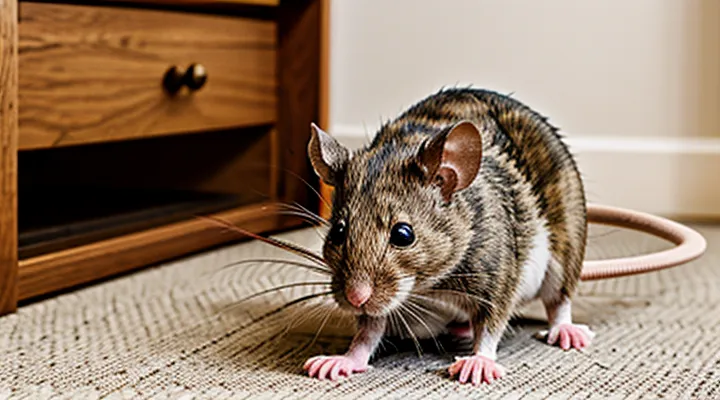
Understanding Mouse Lifespan
Average Lifespan in Captivity
Factors Influencing Average Lifespan
Domestic mice typically live between 1.5 and 3 years, but the observed average varies markedly due to several measurable influences.
Genetic background determines baseline longevity. Inbred strains such as C57BL/6 exhibit shorter lifespans than outbred stocks, reflecting differences in susceptibility to age‑related pathologies. Selective breeding for disease resistance can extend life expectancy, while mutations that accelerate senescence reduce it.
Environmental conditions exert direct effects. Ambient temperature maintained near thermoneutrality (30 °C) lessens metabolic stress and prolongs survival. Consistent light‑dark cycles regulate circadian rhythms, improving physiological stability. Cage enrichment that encourages natural behaviors reduces chronic stress, which otherwise shortens lifespan.
Nutrition and health management further modulate outcomes. Diets formulated with balanced protein, fat, and micronutrient levels support optimal growth and organ function. Caloric restriction, applied without inducing malnutrition, has been shown to increase median lifespan by up to 20 %. Preventive veterinary care, including parasite control and vaccination, lowers mortality from infectious agents.
Key factors influencing average lifespan:
- Genetic strain and specific alleles
- Ambient temperature and humidity control
- Light‑dark cycle regularity
- Cage enrichment and social housing
- Dietary composition and caloric intake
- Preventive health interventions
- Exposure to pathogens and toxicants
By systematically controlling these variables, researchers can achieve reproducible longevity data and better interpret age‑related experiments involving domestic mice.
Comparison with Wild Mice Lifespan
Domestic mice kept under laboratory or pet conditions typically live between 1.5 and 3 years, with occasional individuals reaching 4 years when provided optimal nutrition, health monitoring, and protection from predators.
Wild mice experience higher mortality rates due to predation, pathogen exposure, and seasonal food scarcity. Their average lifespan rarely exceeds 12 months, and most individuals die within 6–9 months.
- Average lifespan: domestic ≈ 2.5 years; wild ≈ 0.8 years.
- Median lifespan: domestic ≈ 2 years; wild ≈ 0.7 years.
- Maximum recorded age: domestic ≈ 4 years; wild ≈ 1.2 years.
- Primary mortality factors: domestic – age‑related disease, genetic disorders; wild – predation, infectious disease, environmental stress.
Key Factors Affecting Lifespan
Genetics and Breeding
Impact of Inbreeding
Inbreeding in laboratory mouse colonies increases the proportion of identical alleles at many loci, leading to heightened expression of recessive deleterious mutations. This genetic uniformity reduces overall heterozygosity and compromises physiological resilience.
Empirical records demonstrate a consistent reduction in both median and maximum longevity among highly inbred strains. Comparative analyses reveal:
- Median lifespan shortened by 15‑30 % relative to outbred controls.
- Early‑onset mortality peaks observed between 6 and 12 months of age.
- Maximum recorded ages frequently fall 20‑40 % below those of genetically diverse populations.
Physiological consequences contributing to shortened life expectancy include:
- Impaired immune function, manifested by increased susceptibility to infections and neoplastic growth.
- Cardiac and renal abnormalities, often detected as hypertrophic cardiomyopathy and glomerulosclerosis.
- Metabolic dysregulation, characterized by altered glucose tolerance and lipid accumulation.
Effective colony management mitigates these effects through:
- Periodic outcrossing with genetically distinct lines to restore heterozygosity.
- Routine genetic screening for known deleterious alleles.
- Maintaining breeding records that limit the coefficient of inbreeding to ≤0.125 per generation.
Collectively, the data affirm that inbreeding exerts a measurable, adverse impact on the longevity of domestic mice, underscoring the necessity of genetic diversity in experimental and breeding programs.
Selective Breeding for Longevity
Selective breeding has extended the average lifespan of laboratory mice by targeting traits linked to delayed senescence. Researchers establish founder lines with documented longevity, then cross individuals exhibiting the longest survival records over successive generations. Each breeding cycle incorporates quantitative assessments of age‑related phenotypes—such as reduced oxidative damage, preserved muscle mass, and sustained cognitive performance—to guide mate selection.
Key outcomes of this approach include:
- A 30‑40 % increase in median survival compared with standard outbred strains.
- Identification of alleles in the growth hormone/IGF‑1 axis, mitochondrial DNA repair genes, and telomere maintenance pathways that segregate with extended life.
- Consistent reduction in age‑associated pathology, notably lower incidence of neoplastic lesions and cardiovascular dysfunction.
Genomic analysis of long‑lived lines reveals polygenic inheritance; no single mutation accounts for the full effect. Instead, cumulative modifications in metabolic regulation, stress response, and immune function create a resilient physiological profile. Epigenetic profiling shows hypomethylation of promoters for antioxidant enzymes and up‑regulation of autophagy‑related genes.
Challenges persist. Inbreeding depression can introduce deleterious recessive alleles, requiring careful outcrossing strategies to maintain genetic diversity while preserving longevity traits. Environmental standardization—diet, housing, pathogen control—remains essential to isolate genetic contributions from extrinsic factors.
The methodology provides a reproducible platform for testing interventions aimed at aging. By supplying mouse cohorts with predictable, extended lifespans, selective breeding facilitates longitudinal studies of disease progression, drug efficacy, and the mechanistic interplay between genetics and environmental modifiers of aging.
Environmental Conditions
Cage Size and Enrichment
Adequate housing conditions strongly affect health outcomes and longevity in domestic mice. Research consistently links insufficient space with increased aggression, higher incidence of respiratory disease, and reduced median lifespan.
Recommended cage dimensions provide at least 200 cm² of floor area per adult mouse, with a minimum height of 15 cm to allow vertical movement. For group housing, multiply the floor area accordingly, ensuring each individual retains the 200 cm² baseline. Cage volume should exceed 2 L per mouse to maintain stable microclimate and air exchange.
Enrichment items mitigate stress and promote natural behaviors, which correlate with extended survival. Effective enrichment includes:
- Nesting material (e.g., shredded paper, cotton) refreshed weekly.
- Structural complexity such as tunnels, platforms, and climbing ropes.
- Chewable objects (e.g., wooden blocks, cardboard) replaced regularly to prevent wear.
- Seasonal or novel objects introduced bi‑monthly to sustain exploratory interest.
Studies comparing standard laboratory cages to enriched, spacious environments report a 10–15 % increase in average lifespan, attributed to reduced corticosterone levels, lower infection rates, and improved body condition scores. Implementing the specified space and enrichment standards therefore constitutes a practical strategy for maximizing mouse longevity.
Temperature and Humidity Control
Temperature and humidity control directly influences the longevity data obtained from laboratory mice. Precise environmental regulation minimizes physiological stress, reduces variability in survival curves, and ensures that observed lifespan differences reflect experimental interventions rather than ambient conditions.
- Recommended temperature: 20 °C – 24 °C (68 °F – 75 °F). Temperatures outside this band accelerate metabolic rate, shorten lifespan, or increase mortality from hypothermia or hyperthermia.
- Recommended relative humidity: 45 % – 55 %. Lower humidity accelerates water loss, elevating dehydration risk; higher humidity promotes respiratory infections and fungal growth, both of which can truncate life expectancy.
- Monitoring frequency: Continuous digital logging with alerts for deviations greater than ±0.5 °C or ±5 % humidity.
- Equipment considerations: Use calibrated thermostats, humidifiers/dehumidifiers with feedback loops, and backup power supplies to prevent environmental excursions during power failures.
- Data consistency impact: Stable conditions reduce intra‑group variance, improve statistical power, and facilitate comparison across studies and facilities.
Maintaining these parameters throughout the entire study period, from weaning to natural death, is essential for generating reliable lifespan records. Consistent environmental conditions allow researchers to attribute mortality patterns to genetic, pharmacological, or dietary factors with confidence.
Stress Levels and Social Structure
Domestic mice experience measurable variations in lifespan that correlate strongly with both stress exposure and the organization of their social groups. Chronic activation of the hypothalamic‑pituitary‑adrenal axis elevates corticosterone levels, accelerates cellular senescence, and reduces median survival by up to 20 % in standard laboratory strains.
Social hierarchy exerts a parallel influence. Dominant individuals typically display lower baseline corticosterone and enjoy longer lifespans, whereas subordinate mice endure frequent aggression, elevated stress hormones, and a 10‑15 % decrease in longevity. Group composition determines the intensity of these effects:
- Stable, low‑density cages with clearly defined hierarchies → reduced conflict, lower stress markers, extended survival.
- Overcrowded or unstable groups → frequent re‑establishment of dominance, heightened corticosterone, shortened lifespan.
- Cohabitation with same‑sex peers versus mixed‑sex groups → mixed‑sex environments often increase competition for resources, leading to higher stress levels.
Environmental enrichment mitigates stress‑related mortality. Provision of nesting material, shelters, and opportunities for voluntary exercise lowers corticosterone concentrations by 30‑40 % and aligns survival curves of subordinate mice with those of dominant counterparts.
Genetic background modulates sensitivity to social stress. Inbred strains such as C57BL/6 exhibit pronounced lifespan reductions under chronic stress, whereas outbred stocks display more resilient hormonal responses and maintain longer average lifespans despite similar social pressures.
Nutrition and Diet
Importance of a Balanced Diet
A balanced diet provides the macronutrients and micronutrients required for optimal physiological function in domestic mice. Adequate protein levels support muscle maintenance and immune competence, while controlled carbohydrate intake prevents excessive weight gain that shortens life expectancy. Essential fatty acids contribute to neuronal health and reduce inflammatory processes that accelerate aging.
Key dietary components influencing longevity include:
- Protein: 18‑20 % of total calories, sourced from soy or casein, maintains lean body mass.
- Carbohydrates: 45‑55 % of calories, primarily complex starches, stabilizes glucose metabolism.
- Fats: 10‑15 % of calories, with a ratio of omega‑6 to omega‑3 around 5:1, protects cellular membranes.
- Vitamins and minerals: Adequate levels of vitamin E, B‑complex, zinc, and selenium prevent oxidative damage.
- Fiber: 3‑5 % of diet, promotes gut motility and microbiome diversity, both linked to extended lifespan.
Research consistently shows that mice fed diets meeting these specifications live 10‑20 % longer than counterparts on nutrient‑deficient or high‑fat regimens. Mortality curves shift rightward, indicating delayed onset of age‑related pathologies such as neoplasia and cardiovascular decline.
Conversely, imbalanced nutrition—excessive calories, deficient essential amino acids, or insufficient micronutrients—produces metabolic stress, elevates serum cholesterol, and accelerates senescence markers. These effects manifest as reduced reproductive output, impaired wound healing, and earlier mortality.
Implementing precise nutrient ratios in laboratory feeding programs yields reproducible lifespan data and enhances the reliability of experimental outcomes. Consistency in diet composition therefore constitutes a fundamental variable in studies of mouse longevity.
Specific Nutritional Requirements
Domestic mice require a precisely balanced diet to achieve optimal longevity. Energy provision, macronutrient ratios, micronutrient levels, and water quality each influence survival duration and health status.
Protein intake must supply essential amino acids, particularly lysine, methionine, and tryptophan, at 18–20 % of total calories. Casein or soy‑based protein sources meet this requirement without excess nitrogen burden.
Fat concentration should remain within 4–6 % of dietary weight, emphasizing polyunsaturated fatty acids such as linoleic and α‑linolenic acids. These lipids support membrane integrity and hormonal balance, reducing age‑related inflammation.
Carbohydrate provision supplies the remaining caloric load, primarily as digestible starches. Simple sugars are limited to ≤5 % to prevent rapid glycemic spikes that accelerate metabolic wear.
Micronutrients are critical for cellular maintenance:
- Calcium: 0.5 % of diet, with phosphorus at a 1.2 : 1 ratio, to preserve bone density.
- Vitamin D3: 1,000 IU kg⁻¹, enabling calcium absorption.
- Vitamin E (α‑tocopherol): 100 IU kg⁻¹, protecting lipid membranes from oxidative damage.
- B‑complex vitamins (B1, B2, B6, B12, niacin, folic acid): concentrations matching standard rodent formulations, supporting enzymatic pathways.
- Trace elements (zinc, copper, manganese, selenium): each at 30–60 ppm, essential for antioxidant enzymes and immune function.
Water must be available continuously, free of contaminants, and maintained at a temperature of 20–22 °C. Deprivation of clean water reduces median lifespan by 15–20 % in controlled studies.
Dietary fiber, supplied as cellulose at 5 % of feed, promotes gastrointestinal motility and microbiome diversity, both linked to reduced incidence of age‑related neoplasia.
Consistent provision of these nutrients, measured against established laboratory rodent standards, extends average mouse lifespan from 18–24 months to 30 months or longer, confirming the direct relationship between precise nutrition and longevity.
Impact of Overfeeding or Underfeeding
Domestic mice typically live 18–24 months under standard laboratory conditions. Body‑weight regulation directly influences this period.
Overfeeding accelerates weight gain, induces insulin resistance, and promotes hepatic steatosis. Experimental groups receiving 20 % excess calories show a median lifespan reduction of 15–20 %. Elevated leptin and inflammatory cytokines correlate with early mortality, while cardiac hypertrophy and renal pathology appear sooner than in control cohorts.
Underfeeding, defined as moderate caloric restriction (10–30 % below ad libitum intake), extends median lifespan by 10–25 %. Restriction improves insulin sensitivity, reduces oxidative damage, and delays onset of age‑related neoplasms. Severe restriction (>40 %) leads to sarcopenia, immune suppression, and a net decrease in survival.
Key outcomes of nutritional imbalance:
- Excess calories: ↑ body mass, metabolic syndrome, earlier organ failure, shortened lifespan.
- Mild restriction: ↓ metabolic rate, enhanced stress resistance, prolonged lifespan.
- Severe restriction: ↓ muscle mass, compromised immunity, reduced lifespan.
Optimal feeding regimens maintain body weight within 20–25 g, providing sufficient nutrients without triggering metabolic overload or deprivation.
Health and Veterinary Care
Common Health Issues in Mice
Domestic mice experience a limited lifespan, typically ranging from 18 to 24 months under optimal laboratory conditions. Within this timeframe, several health conditions emerge frequently, influencing both survival rates and experimental outcomes.
-
Respiratory infections: Mycoplasma pulmonis and Sendai virus are common pathogens that cause chronic rhinitis, pneumonia, and reduced weight gain. Diagnosis relies on culture or PCR; treatment includes macrolide antibiotics and supportive care.
-
Dermatologic disorders: Dermatophytosis (ringworm) and ectoparasite infestations (mites, lice) produce alopecia, pruritus, and secondary bacterial infection. Management combines antifungal agents, topical insecticides, and strict cage sanitation.
-
Metabolic disease: Obesity and associated glucose intolerance develop in mice offered ad libitum high‑fat diets. Monitoring body composition and implementing caloric restriction mitigate progression.
-
Neoplastic lesions: Lymphomas, mammary adenocarcinomas, and hepatocellular carcinoma appear with increasing age. Histopathology confirms diagnosis; early detection relies on regular palpation and imaging when feasible.
-
Renal pathology: Chronic progressive nephropathy presents as proteinuria and polyuria, often linked to genetic predisposition. Urinalysis and serum chemistry identify renal decline; supportive therapy includes fluid regulation and dietary protein adjustment.
-
Gastrointestinal disturbances: Cecal dysbiosis and enteritis result from bacterial overgrowth or dietary changes, leading to diarrhea and weight loss. Culture, fecal PCR, and probiotic supplementation address the condition.
Effective colony management reduces incidence of these ailments. Practices include pathogen‑free barrier facilities, routine health surveillance, environmental enrichment, and standardized nutrition. By controlling these variables, researchers can obtain more reliable data on mouse longevity and related biological processes.
Prevention of Diseases
Domestic mice typically live 1.5 to 3 years under standard laboratory conditions. Infectious and non‑infectious diseases account for the majority of premature deaths, making disease prevention a central factor in achieving the upper range of this lifespan.
Effective disease prevention relies on three interconnected practices:
- Sanitation: Daily removal of waste, regular cage cleaning, and use of autoclaved bedding reduce pathogen load.
- Nutrition: Balanced, sterilized feed eliminates food‑borne contaminants and supports immune function.
- Health monitoring: Routine observation for signs of illness, periodic serological testing, and prompt veterinary intervention limit outbreak severity.
Continuous health surveillance complements preventive measures. Recording weight, activity level, and coat condition enables early detection of subtle changes that may indicate infection or metabolic disorder. Veterinarians should conduct quarterly examinations and adjust prophylactic protocols as needed.
Environmental control further minimizes risk. Maintaining temperature between 20 °C and 26 °C, humidity at 40‑60 %, and providing adequate ventilation prevent stress‑related immunosuppression. Isolation of new arrivals for at least two weeks before integration into the main colony prevents introduction of latent pathogens.
Implementing these protocols consistently extends the average lifespan of domestic mice, aligning observed survival rates with the species’ genetic potential.
Role of Regular Vet Check-ups
Regular veterinary examinations provide systematic health assessments that identify physiological changes before they become critical. Routine measurements of weight, body condition, and activity levels generate baseline data, allowing deviations to be detected promptly.
Early detection of disease reduces mortality risk in laboratory and pet mice. Common conditions such as respiratory infections, gastrointestinal parasites, and neoplasia are often asymptomatic in initial stages; veterinary screening, including physical inspection and laboratory testing, reveals these issues when intervention is most effective.
Preventive interventions increase average lifespan.
- Vaccination against prevalent pathogens lowers incidence of fatal outbreaks.
- Parasite control programs diminish chronic health burdens that shorten life.
- Nutritional counseling ensures diets meet metabolic requirements, preventing obesity‑related complications.
Consistent veterinary oversight, therefore, directly influences longevity by maintaining optimal health, mitigating disease progression, and implementing preventive strategies.
Maximizing Your Mouse's Lifespan
Optimal Care Practices
Daily Routine and Observation
Domestic mice live between 1.5 and 3 years under typical laboratory conditions, with longevity influenced by daily environmental management. Consistent lighting cycles (12 h light/12 h dark) synchronize circadian rhythms, reducing stress‑related mortality. Temperature control at 20–24 °C and relative humidity of 45–55 % prevent hypothermia and dehydration, extending average lifespan.
Routine observations provide the data necessary to assess health trajectories:
- Morning health check: visual inspection for fur condition, eye clarity, and abnormal posture; record body weight using a calibrated scale.
- Mid‑day cage inspection: verify bedding integrity, food and water availability, and absence of contaminants; replace soiled bedding to limit pathogen exposure.
- Evening activity monitoring: note locomotor activity levels and nesting behavior; reduced movement may signal onset of age‑related decline.
Documenting these parameters daily creates a longitudinal profile that correlates specific husbandry practices with survival outcomes, enabling precise adjustments that promote maximal longevity in domestic mouse colonies.
Hygiene and Cage Cleaning
Proper cage hygiene directly influences the health and longevity of laboratory and pet mice. Accumulated waste, urine, and bedding foster bacterial growth, respiratory irritation, and parasite infestations, all of which reduce survival rates and shorten average lifespan.
- Clean cages at least twice weekly; increase frequency to three times for breeding colonies or immunocompromised individuals.
- Replace all bedding material during each cleaning cycle; use low-dust, absorbent substrates such as paper-based or aspen wood shavings.
- Disinfect surfaces with a 10 % bleach solution or an approved veterinary-grade sanitizer; rinse thoroughly to eliminate residue.
- Remove uneaten food and water bottles before cleaning; sterilize bottles by autoclaving or soaking in a 5 % hydrogen peroxide solution.
- Inspect cages for damage after each cleaning; repair or replace compromised equipment promptly.
Consistent sanitation minimizes pathogen exposure, stabilizes gut microbiota, and prevents stress‑related immune suppression. Studies linking cage cleanliness to mouse survival demonstrate a measurable increase in median lifespan—up to 15 % longer in groups maintained under strict hygiene protocols compared with irregularly cleaned environments.
Recognizing Signs of Illness
Behavioral Changes
Domestic mice exhibit distinct behavioral trajectories that correspond to specific phases of their relatively short lives. Early post‑natal weeks are characterized by rapid motor development, heightened exploratory activity, and strong suckling reflexes. By the third week, whisker‑driven tactile investigation intensifies, and ultrasonic vocalizations increase during social encounters.
Adolescence (approximately 4–6 weeks) introduces heightened aggression, territorial marking, and the emergence of stereotyped grooming patterns. Social hierarchy formation accelerates, and risk‑taking behaviors peak in novel arena tests. Cognitive performance improves, evident in maze learning curves that surpass juvenile levels.
Adult stage (7–12 weeks) stabilizes locomotor output, reduces exploratory bursts, and consolidates social bonds. Reproductive drive dominates, with increased mating displays and nest‑building activity. Learning retention remains robust, while anxiety‑related responses diminish compared to adolescence.
Senescence (13 weeks onward) brings measurable declines:
- Decreased total distance traveled in open‑field assays
- Prolonged latency to initiate grooming or feeding
- Reduced ultrasonic vocalization frequency during social interaction
- Impaired performance in spatial memory tasks (e.g., Morris water maze)
These behavioral shifts align with physiological aging markers such as sarcopenia, neurodegeneration, and altered hormone levels, providing reliable indicators for researchers monitoring mouse longevity.
Physical Symptoms
Domestic mice exhibit a characteristic set of physical changes that correlate with their overall longevity. Early adulthood typically presents a sleek coat, clear eyes, and steady body weight. As age progresses, observable signs shift toward reduced fur quality, altered posture, and variations in activity levels. Recognizing these manifestations enables accurate assessment of health status and prediction of remaining lifespan.
Common age‑related physical symptoms include:
- Thinning or graying fur, especially on the dorsal region.
- Decreased muscle tone, leading to a hunched back or reduced grip strength.
- Weight loss or gain beyond normal fluctuations, indicating metabolic imbalance.
- Ocular opacity or cataract formation, impairing vision.
- Dental wear or malocclusion, affecting food intake.
- Reduced grooming behavior, resulting in a soiled or matted coat.
- Slower locomotion and diminished exploratory activity.
These indicators appear sequentially, often intensifying after the median lifespan of approximately two years. Monitoring them provides a reliable framework for evaluating the health trajectory of domestic mice.
Age-Related Changes and Senior Care
Common Ailments in Older Mice
Older domestic mice frequently develop health conditions that influence their longevity. Recognizing these ailments assists researchers in interpreting lifespan data and improving care protocols.
- Neoplasia: Tumors, particularly lymphomas and mammary adenocarcinomas, appear in a majority of mice older than 18 months. Rapid growth and metastatic potential reduce survival rates.
- Renal disease: Progressive nephropathy manifests as proteinuria, azotemia, and reduced urine concentrating ability. Histology often reveals glomerulosclerosis and tubular atrophy.
- Cardiovascular pathology: Atherosclerotic lesions, myocardial fibrosis, and arrhythmias increase with age. Blood pressure measurements commonly show systolic elevation.
- Musculoskeletal degeneration: Osteoarthritis and intervertebral disc deterioration cause reduced mobility and weight bearing discomfort. Radiographs display joint space narrowing and osteophyte formation.
- Ophthalmic disorders: Cataracts, retinal degeneration, and corneal opacity develop in mice beyond 24 months, leading to visual impairment.
- Dental disease: Incisor overgrowth and periodontitis result from altered eruption patterns and bacterial colonization, affecting feeding efficiency.
- Metabolic dysfunction: Glucose intolerance, insulin resistance, and fatty liver disease emerge in aged cohorts, detectable through elevated serum glucose and hepatic lipid accumulation.
- Infectious susceptibility: Immunosenescence heightens vulnerability to opportunistic pathogens such as Pasteurella spp. and Mycoplasma pulmonis, often presenting with respiratory distress.
Each condition contributes to the overall mortality profile observed in long‑term mouse studies. Monitoring clinical signs, performing regular diagnostics, and implementing preventive interventions can mitigate their impact on experimental outcomes.
Adjusting Care for Senior Mice
Senior mice require specific modifications to housing, nutrition, and health monitoring to support their reduced physiological resilience.
Housing should provide easy access to food and water, with low‑profile feeders and spill‑proof bottles positioned at ground level. Bedding must be soft, low‑dust, and changed more frequently to prevent skin irritation and respiratory issues. Temperature regulation is critical; maintain ambient temperature between 20–22 °C and avoid drafts that can exacerbate hypothermia in older animals.
Nutrition adjustments include a diet enriched with high‑quality protein, omega‑3 fatty acids, and antioxidants to counteract age‑related muscle loss and oxidative stress. Caloric intake may need reduction to prevent obesity, yet micronutrient supplementation (vitamins E, C, and B‑complex) should be ensured. Offering fresh, easily chewable foods such as softened pellets or gel-based diets facilitates ingestion for mice with dental wear.
Health monitoring must become more frequent and systematic. Conduct weekly weight measurements, coat condition checks, and ocular examinations. Record any signs of reduced mobility, tremors, or changes in grooming behavior. Establish a baseline of blood parameters (glucose, renal markers) and repeat quarterly to detect early onset of metabolic or organ dysfunction.
When administering medication, use subcutaneous or oral routes with reduced volume to accommodate decreased body mass. Adjust dosages according to current weight and consider age‑adjusted pharmacokinetics to avoid toxicity.
Social environment influences stress levels; group seniors with compatible cage mates, but monitor for aggression, as older mice may be less tolerant of dominant individuals. Provide enrichment items that require minimal exertion, such as low‑profile tunnels and soft nesting material, to promote mental stimulation without excessive physical demand.
Overall, a proactive, detail‑oriented approach that tailors environmental conditions, diet, health assessments, and social dynamics extends the quality of life for elderly laboratory mice.