
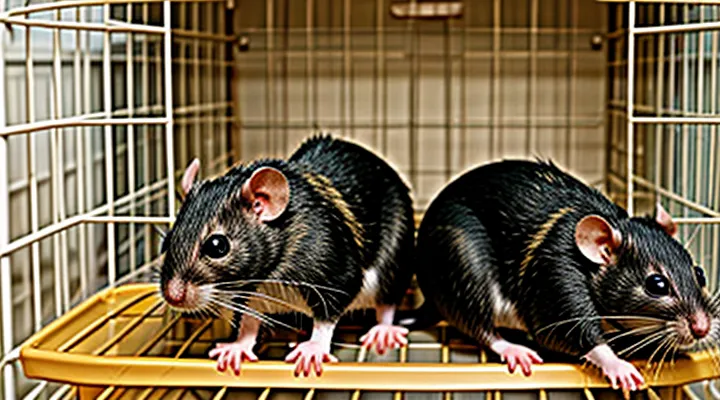
Factors Influencing Rat Lifespan
Genetics and Breeding
Impact of Lineage
Lineage exerts a measurable effect on the longevity of ornamental rats kept in domestic cages. Genetic heritage determines baseline health parameters, susceptibility to hereditary disorders, and metabolic efficiency, all of which translate into observable differences in lifespan.
Research identifies several lineage‑related variables that correlate with life expectancy:
- Foundational strain – Rats derived from robust laboratory or wild‑type ancestors typically exhibit higher survival rates than those from heavily selected novelty strains.
- Inbreeding coefficient – Elevated homozygosity increases the incidence of recessive diseases, reducing average lifespan by up to 20 %.
- Selection focus – Breeding programs emphasizing extreme coat coloration or dwarfism often compromise immune function, leading to earlier onset of respiratory and dermatological conditions.
- Genetic diversity – Cross‑breeding between unrelated lines introduces heterozygosity, which frequently extends median lifespan and improves recovery from stressors.
Caretakers can mitigate lineage‑related risks by prioritizing genetically diverse stock, avoiding repeated matings within the same lineage, and implementing health‑screening protocols that target known hereditary ailments. Documentation of each animal’s pedigree enables early detection of line‑specific trends and informs breeding decisions that favor longevity without sacrificing aesthetic traits.
Inherited Health Conditions
Inherited health conditions significantly influence the longevity of ornamental rats kept in domestic enclosures. Genetic predispositions determine susceptibility to specific diseases, affect growth patterns, and shape the overall quality of life. Recognizing these conditions enables targeted preventive measures and informed breeding decisions.
Common inherited disorders include:
- Progressive Myoclonus Epilepsy – characterized by sudden muscle jerks, seizures, and eventual neurological decline.
- Cardiomyopathy – hereditary weakening of cardiac muscle leading to reduced heart function and early mortality.
- Dental Malocclusion – genetic misalignment of incisors causing chronic overgrowth, difficulty eating, and secondary infections.
- Renal Cysts – familial formation of kidney cysts that impair filtration and increase risk of renal failure.
- Immune Deficiencies – inherited impairments of the immune system resulting in heightened vulnerability to bacterial and viral infections.
Effective management strategies focus on early detection and tailored care:
- Conduct genetic screening of breeding pairs to eliminate carriers of severe traits.
- Perform routine health examinations, emphasizing neurological assessment, cardiac auscultation, dental checks, and renal function tests.
- Provide a high‑fiber diet and appropriate chew objects to mitigate dental issues.
- Maintain a stress‑free environment, as anxiety can exacerbate seizure frequency and immune suppression.
- Implement a vaccination and parasite control schedule to reduce infectious pressures on compromised immune systems.
By integrating genetic awareness with diligent husbandry, caretakers can extend the lifespan of decorative rats and improve welfare outcomes.
Environmental Conditions
Cage Size and Enrichment
A cage that provides sufficient floor area and vertical space is fundamental for the health and longevity of ornamental rats kept indoors. Research indicates that each adult rat requires a minimum of 2 square feet of uninterrupted floor space; a pair should have at least 4 square feet. Cages measuring 24 inches wide, 18 inches deep, and 24 inches high meet this baseline, while larger enclosures (e.g., 30 × 24 × 30 inches) allow for greater movement and reduce stress‑induced disorders.
Enrichment items directly affect physical activity, mental stimulation, and consequently lifespan. Effective enrichment includes:
- Multi‑level platforms or shelves that double usable space.
- PVC or wooden tunnels of varying diameters to encourage exploration.
- Chewable objects such as untreated wood blocks, natural rope, and cardboard roll‑ups.
- Nesting material (e.g., shredded paper, cotton) to support natural building behavior.
- Puzzle feeders that require manipulation to access food, promoting problem‑solving skills.
Materials should be non‑toxic, easy to clean, and free of sharp edges. Regular rotation of enrichment pieces prevents habituation and maintains curiosity. Adequate ventilation, secure lid mechanisms, and a solid base prevent injuries and respiratory issues, further supporting extended lifespan.
Implementing these size standards and enrichment strategies creates an environment where decorative rats can exhibit natural behaviors, sustain muscular health, and experience reduced incidence of disease, all of which contribute to a longer, healthier life in a home setting.
Temperature and Humidity
Maintaining optimal temperature and humidity is essential for extending the life expectancy of decorative rats kept in domestic cages.
Rats are homeothermic mammals; their physiological processes function best within a narrow thermal window. The recommended ambient temperature is 68–74 °F (20–23 °C). Temperatures below 60 °F (15 °C) slow metabolism, increase susceptibility to respiratory infections, and can reduce longevity. Temperatures above 80 °F (27 °C) elevate stress hormones, accelerate heart rate, and raise the risk of heatstroke, all of which shorten lifespan.
Relative humidity should be kept between 40 % and 60 %. Lower humidity levels cause dehydration of mucous membranes, impairing immune defense and encouraging skin lesions. Higher humidity encourages mold growth, bacterial proliferation, and ammonia accumulation from waste, creating respiratory hazards that diminish health and survival.
Practical measures:
- Use a digital thermometer and hygrometer placed at cage height to monitor conditions continuously.
- Install a thermostat-controlled heating pad or ceramic heater for cold periods; ensure the device does not exceed the upper temperature limit.
- Deploy a small, low-noise humidifier or dehumidifier as needed to correct deviations.
- Position cages away from direct sunlight, drafts, and kitchen appliances that generate heat spikes.
- Perform weekly checks of bedding moisture; replace damp bedding promptly to prevent excess humidity.
Consistent regulation of these environmental factors minimizes stress, supports immune function, and directly contributes to a longer, healthier life for ornamental rats in household enclosures.
Nutritional Aspects
Balanced Diet Components
A balanced diet provides the nutritional foundation for decorative rats kept in home cages, directly influencing their longevity and overall condition. Adequate protein, derived from high‑quality animal or plant sources such as cooked chicken, hard‑boiled eggs, or soy isolates, supplies essential amino acids for tissue repair and muscle maintenance. Fiber, supplied by whole grains, oats, and small amounts of bran, supports gastrointestinal transit and prevents digestive complications.
Vitamins and minerals must be present in sufficient quantities. Vitamin C is unnecessary because rats synthesize it endogenously, but vitamins A, D, E, and K, along with B‑complex vitamins, are required for vision, bone health, antioxidant protection, and metabolic processes. Calcium and phosphorus, supplied in a 1.2 : 1 ratio, maintain skeletal integrity; magnesium, potassium, and sodium regulate nerve function and fluid balance. Trace elements such as zinc, iron, and selenium contribute to immune competence and enzyme activity.
Fresh water should be available at all times, with daily replacement to prevent bacterial growth. Commercial rodent pellets formulated for laboratory or pet rats can meet baseline nutrient requirements, but supplementation with fresh vegetables (e.g., broccoli, carrots, leafy greens) introduces additional micronutrients and moisture. Fruit portions must be limited to 5–10 % of the diet to avoid excess sugars.
Feeding schedule influences metabolic stability. Providing two measured meals per day, spaced 8–12 hours apart, reduces overeating and encourages predictable digestion. Portion sizes should reflect the rat’s weight, activity level, and age; a typical adult decorative rat consumes 15–20 g of dry food daily, supplemented with 10–15 g of fresh produce.
Key components of a balanced diet:
- High‑quality protein (15–20 % of total calories)
- Complex carbohydrates and fiber (30–40 % of total calories)
- Essential fatty acids from plant oils or fish oil (5–10 % of total calories)
- Vitamin and mineral mix meeting NRC guidelines for rodents
- Fresh water, renewed daily
- Limited treats and fruit, not exceeding 10 % of total intake
Implementing these nutritional parameters supports optimal health, reduces disease incidence, and extends the productive lifespan of decorative rats housed in domestic environments.
Impact of Treats and Supplements
Treats and dietary supplements can modify health trajectories of ornamental rats kept in domestic enclosures. Calorie-dense treats increase body weight, elevate metabolic load, and accelerate onset of obesity‑related disorders such as hepatic lipidosis and cardiovascular strain. Regular inclusion of high‑sugar or high‑fat snacks shortens average lifespan by 10‑15 % in controlled studies.
Nutrient‑rich supplements, when administered correctly, address common deficiencies and extend longevity. Essential fatty acids (omega‑3 DHA/EPA) support neuronal membrane integrity and reduce age‑related cognitive decline. Vitamin C and E formulations mitigate oxidative stress, lowering incidence of neoplastic lesions. Probiotic blends maintain gut microbiota balance, decreasing diarrhea frequency and improving nutrient absorption.
Effective integration of treats and supplements follows three practical guidelines:
- Limit treat frequency to no more than two servings per week; keep portion size under 5 % of daily caloric intake.
- Choose supplements formulated specifically for rodents; verify dosage according to body weight (approximately 0.5 ml/kg for liquid preparations).
- Monitor weight, coat condition, and activity levels weekly; adjust or discontinue any additive that produces adverse trends.
When applied with precision, treats serve as occasional enrichment without compromising health, while targeted supplements correct physiological deficits and contribute to a measurable increase in the lifespan of decorative rats in home cages.
Health and Veterinary Care
Common Diseases in Pet Rats
Pet rats commonly encounter several health issues that can shorten their lifespan and affect overall well‑being. Recognizing symptoms early and applying appropriate care measures are essential for maintaining a healthy colony.
-
Respiratory infections (Mycoplasma pulmonis, Streptococcus spp.)
Symptoms: nasal discharge, wheezing, labored breathing, reduced activity.
Prevention: keep cage humidity low, provide clean bedding, avoid drafts.
Treatment: veterinarian‑prescribed antibiotics, supportive care such as humidified air. -
Skin parasites (Sarcoptes scabiei, fur mites)
Symptoms: intense scratching, hair loss, crusty skin lesions.
Prevention: quarantine new arrivals, maintain regular cage cleaning, limit contact with wild rodents.
Treatment: topical acaricides or systemic medications prescribed by a vet. -
Gastrointestinal disturbances (wet tail, bacterial enteritis)
Symptoms: watery, foul‑smelling stool, dehydration, lethargy.
Prevention: provide balanced diet, avoid sudden dietary changes, ensure fresh water.
Treatment: fluid therapy, antibiotics if bacterial infection is confirmed, probiotic supplementation. -
Tumors (benign and malignant, including mammary and adrenal tumors)
Symptoms: palpable masses, weight loss, abnormal behavior.
Prevention: genetic screening of breeding stock, regular health examinations.
Treatment: surgical removal when feasible, palliative care for advanced cases. -
Dental problems (malocclusion, overgrown incisors)
Symptoms: difficulty eating, weight loss, drooling.
Prevention: supply chewable enrichment items, monitor tooth alignment during routine checks.
Treatment: professional trimming by a veterinarian, dietary adjustments to encourage natural wear.
Effective management of these conditions relies on consistent observation, prompt veterinary intervention, and environmental controls that reduce pathogen exposure. Implementing these practices directly supports longer, healthier lives for decorative rats kept in home cages.
Importance of Early Diagnosis
Early detection of health issues markedly extends the lifespan of pet rats kept in domestic enclosures. Prompt identification of respiratory distress, abnormal grooming, or changes in activity enables immediate intervention, reducing the risk of systemic infection and organ failure. Veterinary protocols advise daily observation of respiration rate, fur condition, and food intake; deviations from baseline values warrant veterinary consultation within 24 hours.
Key diagnostic indicators include:
- Nasal discharge or sneezing, suggesting upper‑airway infection.
- Reduced water consumption, often preceding renal complications.
- Lethargy or reluctance to explore, which may signal musculoskeletal pain or metabolic imbalance.
Implementing routine health checks and recording observations creates a data set that facilitates trend analysis. Early veterinary assessment, combined with targeted treatment such as antimicrobial therapy or dietary adjustment, has been shown to increase average longevity by 15–20 percent compared with delayed care. Consistent monitoring therefore constitutes a critical component of responsible rat husbandry.
Preventive Measures and Vaccinations
Maintaining the longevity of ornamental rats kept in domestic enclosures requires a systematic preventive program that addresses infectious threats and environmental risks.
Vaccination schedules should be established in consultation with a veterinarian experienced in small‑rodent medicine. Core immunizations typically include a single dose of a rat‑specific leptospirosis vaccine, administered at approximately six weeks of age, followed by a booster at three months and annual re‑vaccination. Where regional disease prevalence warrants, additional vaccines for salmonellosis or hantavirus may be prescribed, adhering to the manufacturer’s dosing guidelines.
Preventive measures complement immunization and encompass the following actions:
- Quarantine new arrivals for a minimum of four weeks, monitoring for signs of illness and conducting fecal examinations.
- Implement strict cage hygiene: remove waste daily, replace bedding weekly, and disinfect surfaces with a rodent‑safe sanitizer.
- Control ectoparasites using topical treatments approved for rats; repeat applications according to product instructions.
- Provide a balanced diet fortified with essential vitamins and minerals to support immune competence.
- Ensure adequate ventilation and temperature stability (18–24 °C) to reduce stress‑induced susceptibility.
- Limit exposure to other household pets and avoid direct contact with wild rodents.
Regular health assessments, including weight checks and physical examinations every six months, enable early detection of subclinical conditions. Documentation of vaccination dates, health observations, and environmental maintenance supports consistent care and contributes to extending the lifespan of decorative rats in home cages.
Spaying and Neutering Considerations
Spaying and neutering are essential components of responsible rat husbandry, directly influencing health outcomes and longevity. Surgical sterilization eliminates the hormonal fluctuations that drive reproductive cycles, reducing the risk of uterine, ovarian, and testicular neoplasms. Early intervention, typically between eight and twelve weeks of age, aligns with the completion of skeletal growth, minimizing anesthesia complications while preventing unwanted litters.
Key physiological effects include:
- Stabilized body weight; neutered males and spayed females exhibit reduced appetite-driven obesity.
- Decreased incidence of aggressive or territorial behaviors linked to mating instincts.
- Lowered incidence of reproductive tract infections and neoplastic growths.
- Enhanced immune function due to the removal of estrogen‑mediated immunosuppression in females.
Post‑operative care must address pain management, wound hygiene, and environmental stress reduction. Analgesics administered according to veterinary guidelines, a quiet recovery cage, and daily inspection of the incision site prevent infection and promote swift healing. Nutritional support with high‑quality protein and moderate caloric intake assists tissue repair without encouraging excess weight gain.
Long‑term monitoring confirms that sterilized rats maintain active, social behaviors while exhibiting a measurable extension of average lifespan compared with intact counterparts. Regular veterinary check‑ups, weight assessments, and behavioral observations ensure that the benefits of sterilization persist throughout the animal’s life.
Stress and Socialization
Effects of Loneliness
Loneliness significantly shortens the life expectancy of ornamental rats kept in domestic enclosures. Social isolation triggers chronic stress, elevating corticosterone levels and suppressing immune function. The resulting susceptibility to respiratory infections, gastrointestinal disturbances, and neoplastic growth accelerates mortality.
Behavioral indicators of solitary confinement include reduced grooming, repetitive pacing, and diminished exploratory activity. These patterns reflect altered neurotransmitter balance, particularly decreased dopamine and serotonin turnover, which correlates with depressive-like states and lowered appetite. Consequent weight loss and muscle wasting further compromise longevity.
Mitigation strategies focus on maintaining stable social groups and environmental enrichment:
- House rats in compatible pairs or trios to ensure constant tactile and olfactory contact.
- Provide multiple nesting sites and hideaways to reduce competition and promote cooperative behavior.
- Rotate novel objects weekly to stimulate curiosity and prevent monotony.
- Monitor vocalizations and activity levels daily; abrupt changes signal potential social distress.
- Conduct quarterly health assessments, emphasizing respiratory and gastrointestinal parameters.
Consistent social interaction, combined with a varied and stimulating habitat, preserves physiological homeostasis and extends the lifespan of decorative rats in home cages.
Benefits of Group Housing
Group housing significantly influences the health and longevity of decorative rats kept in domestic enclosures. Rats are inherently social mammals; constant interaction with conspecifics fulfills basic behavioral needs and reduces isolation‑related stress.
- Enhanced social stimulation lowers cortisol levels, which correlates with decreased incidence of stress‑induced illnesses.
- Mutual grooming and play promote natural grooming habits, improving coat condition and reducing parasite loads.
- Cohabitation encourages physical activity, supporting cardiovascular health and muscle development.
- Shared environments facilitate the transmission of beneficial microbiota, strengthening immune defenses.
Successful group housing requires compatible temperaments, adequate space, and diversified enrichment. A cage should provide at least 0.5 sq ft per animal, multiple climbing structures, and separate hiding spots to prevent dominance disputes. Regular observation helps identify aggression early and allows timely reconfiguration of group composition.
When these conditions are met, group‑housed rats typically outlive solitary counterparts by several months, demonstrating a clear link between social environment and extended lifespan.
Handling and Human Interaction
Effective handling directly influences the health and longevity of pet rats kept in domestic enclosures. Gentle grip, supported body weight, and minimal restraint reduce stress hormones, which correlates with extended lifespan. Consistent interaction builds trust, allowing easier health checks and cage maintenance.
Key practices for safe handling:
- Approach slowly, allowing the rat to sniff the hand before contact.
- Scoop the animal with both hands, cradling the torso and supporting the hindquarters.
- Keep sessions brief (2–5 minutes) for young or timid individuals; gradually increase duration as confidence grows.
- Perform handling in a quiet environment, free from sudden noises or movements.
- Wash hands before and after each session to prevent pathogen transmission.
Human interaction also serves as mental enrichment. Daily tactile contact, combined with vocal communication, stimulates natural curiosity and prevents stereotypic behaviors. Structured play, such as offering tunnels or climbing structures during handling, encourages physical activity, which supports cardiovascular function and musculoskeletal health.
Regular assessment during handling enables early detection of health issues. Observe coat condition, eye clarity, and respiratory sounds each time the rat is held. Prompt veterinary consultation at the first sign of abnormality reduces disease progression and contributes to a longer, healthier life.
Optimizing Lifespan Through Care
Daily Care Routines
Feeding Schedule and Portion Control
Feeding consistency directly influences the health and longevity of ornamental pet rats kept in domestic cages. Regular meals stabilize metabolism, support immune function, and reduce the risk of obesity‑related disorders.
A practical feeding schedule includes:
- Two meals per day, spaced approximately 12 hours apart.
- Morning portion delivered between 07:00 – 09:00, evening portion between 19:00 – 21:00.
- Fresh water available at all times; replace daily.
Portion control should be calibrated to the individual’s body weight and activity level. Recommended guidelines:
- Adult rats (250–350 g) receive 15–20 g of high‑quality pellet diet per day, divided equally between the two meals.
- Supplement with 5–10 g of fresh vegetables or fruits, rotating items to ensure nutritional variety.
- Limit treats to no more than 5 % of total daily intake; avoid sugary or fatty snacks.
Continuous monitoring is essential. Weigh each rat weekly; adjust portions by 1–2 g if weight deviates more than 5 % from the target range. Record intake and health observations to identify trends and intervene promptly.
Water Provision and Hygiene
Adequate water access directly influences the health and longevity of ornamental rats kept in home cages. Continuous availability of fresh, clean water prevents dehydration, supports kidney function, and reduces the risk of urinary tract infections.
Preferred delivery systems include stainless‑steel sipper tubes and glass bottles with metal caps. Both materials resist bacterial colonisation and are easy to sterilise. Plastic containers should be avoided unless they are specifically designed for rodent use and are replaced regularly.
Routine hygiene protocol:
- Replace water daily; refill with room‑temperature, filtered water.
- Disassemble sipper or bottle components each change; soak in a 10 % diluted bleach solution for five minutes, then rinse thoroughly.
- Inspect tubing or spouts for cracks or biofilm; discard damaged parts immediately.
- Clean cage walls and water troughs weekly with a mild enzymatic cleanser; avoid harsh chemicals that may leave residues.
Monitoring water consumption provides early detection of health issues. Record daily intake per cage; a sudden decrease may indicate illness, while excessive drinking can signal metabolic disorders. Consistent water quality and meticulous cleaning are essential components of effective rat husbandry.
Cage Cleaning and Disinfection
Maintaining a clean and properly disinfected cage directly influences the health span of ornamental rats kept in domestic enclosures. Regular removal of waste, uneaten food, and bedding debris prevents the buildup of ammonia and pathogenic microorganisms that can compromise respiratory and immune function.
- Frequency: Perform a thorough cleaning at least once every seven days; spot‑clean daily to remove visible contaminants.
- Procedure:
- Transfer rats to a secure temporary container.
- Empty all bedding, discard food remnants, and scrub surfaces with warm water.
- Apply an approved, rodent‑safe disinfectant (e.g., diluted chlorhexidine or a veterinary‑grade quaternary ammonium solution).
- Allow the disinfectant to remain on surfaces for the manufacturer‑specified contact time, typically 5–10 minutes.
- Rinse thoroughly with dechlorinated water to eliminate residue.
- Dry all components completely before adding fresh, low‑dust bedding and reintroducing the animals.
Choosing a disinfectant with proven efficacy against Salmonella, Streptococcus, and common fungal spores ensures that the microbial load is reduced to negligible levels without harming the rats. Verify that the product’s pH and concentration fall within the safety range for small mammals; excessive concentrations can irritate skin and mucous membranes.
Consistent adherence to this cleaning regimen minimizes disease incidence, supports optimal weight maintenance, and contributes to a longer, healthier life for decorative rats in home cages.
Providing Mental and Physical Stimulation
Toys and Playtime
Toys and regular play sessions provide the stimulation needed for decorative rats kept in home cages, directly affecting their physiological health and overall longevity.
- Chewable wooden blocks or untreated pine sticks support dental wear.
- PVC or acrylic tunnels encourage exploration and movement.
- Ladder or climbing structures promote muscle development.
- Puzzle feeders introduce problem‑solving challenges.
- Soft nesting material offers comfort and burrowing opportunities.
Safety guidelines require non‑toxic materials, smooth edges, and dimensions that prevent escape. Inspect items daily; discard any that show cracks, splintering, or excessive wear.
Daily interaction should total 30–60 minutes, divided into several short periods to match the rats’ natural activity bursts. Hand‑out sessions enhance social bonding and allow observation of individual preferences.
Rotate the assortment of toys at least once per week. Introducing new objects gradually prevents habituation and sustains curiosity, which correlates with reduced stress levels.
Monitor each rat’s engagement. Favor items that elicit active use, remove those ignored or damaged, and adjust the environment to maintain a balanced level of enrichment that supports healthy growth and extended lifespan.
Exercise Opportunities
Exercise opportunities directly affect the health and longevity of decorative rats kept in domestic cages. Regular physical activity stimulates cardiovascular function, maintains muscle tone, and reduces the risk of obesity‑related disorders that can shorten lifespan.
Key elements of an effective exercise regimen include:
- Multi‑level climbing structures: wooden ramps, PVC ladders, and plexiglass platforms encourage vertical movement and strengthen hind limbs.
- Running wheels of appropriate size (minimum 30 cm diameter): ensure smooth rotation and solid bearings to prevent spinal strain.
- Tunnel networks: flexible fabric or plastic tubes create exploratory passages that promote natural foraging behavior.
- Daily out‑of‑cage sessions: supervised floor time of 30–45 minutes allows unrestricted locomotion and social interaction.
Environmental enrichment should be refreshed weekly to prevent habituation. Placement of exercise devices must allow free access from all cage corners, avoiding barriers that could limit movement. Monitoring for signs of fatigue or injury—such as reduced wheel usage or limping—enables timely adjustment of the routine.
A balanced exercise program, combined with proper nutrition and veterinary care, contributes to extended lifespan and overall well‑being of ornamental rats in home environments.
Exploration and Foraging
Exploration drives physiological development in ornamental rats housed indoors. Access to varied spatial configurations stimulates muscular activity, promotes cardiovascular health, and reduces the incidence of obesity‑related disorders that shorten lifespan. Regular rotation of cage elements forces the animal to navigate new routes, preventing habituation and maintaining neural plasticity.
Foraging replicates natural food‑acquisition behavior, encouraging problem‑solving and fine‑motor coordination. When rodents must manipulate objects to obtain treats, dopamine pathways engage, supporting mood stability and immune competence. Inadequate foraging opportunities correlate with heightened stress markers and accelerated aging.
Practical measures to integrate exploration and foraging:
- Install modular tunnels and climbable platforms; reposition weekly.
- Hide small portions of balanced diet in chew‑safe containers or paper rolls.
- Provide puzzle feeders that require paw dexterity and bite force.
- Include natural substrates (e.g., shredded paper) that allow digging and scent marking.
Consistent implementation of these strategies aligns environmental enrichment with the biological needs of decorative rats, directly influencing longevity and overall welfare.
Monitoring Health and Behavior
Recognizing Signs of Illness
Recognizing illness early extends the longevity of pet rats kept in domestic cages and supports optimal care.
Common clinical indicators include:
- Reduced activity or reluctance to explore the enclosure.
- Decreased food or water intake, leading to weight loss.
- Abnormal respiratory sounds such as wheezing, clicking, or persistent sneezing.
- Discharge from the eyes, nose, or ears, especially if thick or colored.
- Changes in stool consistency, presence of blood, or frequent diarrhea.
- Unusual grooming behavior, including excessive licking of a specific area or neglect of fur.
- Swelling, lumps, or palpable masses under the skin.
- Elevated body temperature, manifested by warm paws or a hot abdomen.
- Sudden aggression or marked lethargy beyond normal social dynamics.
When any sign appears, immediate steps are:
- Isolate the affected rat to prevent potential spread.
- Conduct a visual and tactile examination, noting the duration and progression of symptoms.
- Record temperature, weight, and fluid intake for baseline comparison.
- Contact a qualified exotic‑animal veterinarian within 24 hours for professional assessment.
- Adjust environmental variables—temperature, humidity, bedding cleanliness—to reduce stress and support recovery.
Consistent monitoring of these parameters enables prompt intervention, thereby preserving the health span of decorative rats in home environments.
Regular Health Checks
Regular health monitoring directly influences the longevity of decorative rats kept in domestic cages. Consistent examinations detect early signs of illness, allowing prompt treatment and reducing mortality risk.
A practical schedule includes:
- Visual inspection of the animal and its environment weekly.
- Weight measurement at least once a month using a calibrated scale.
- Comprehensive veterinary assessment every three months.
During each inspection, focus on the following indicators:
- Coat texture and cleanliness; a glossy, smooth coat signals good nutrition and absence of parasites.
- Eye clarity; clear, non‑discharge‑filled eyes indicate healthy ocular function.
- Respiratory sounds; absence of wheezing or audible crackles reflects unobstructed airways.
- Activity level; alert, exploratory behavior contrasts with lethargy or hunching.
- Food and water intake; steady consumption suggests proper metabolic function.
Handling should be gentle to minimize stress. Secure the rat in a clean, warm palm, support the hindquarters, and avoid prolonged restraint. Record each measurement and observation in a dedicated log, noting date, weight, and any deviations from normal appearance or behavior. Include vaccination dates, deworming treatments, and previous veterinary diagnoses for reference.
When abnormalities arise—such as nasal discharge, sudden weight loss, fur loss, or reduced mobility—arrange immediate veterinary consultation. Early intervention with appropriate diagnostics and therapy improves recovery prospects and contributes to an extended, healthy lifespan.
Weight Management
Effective weight management directly influences the longevity of ornamental rats kept in domestic enclosures. Maintaining an optimal body condition reduces the risk of metabolic disorders, cardiovascular strain, and skeletal problems that commonly shorten lifespan.
A balanced diet should consist of a high‑quality commercial rodent mix supplemented with measured portions of fresh vegetables and protein sources. Recommended daily caloric intake ranges from 12 to 15 kcal per 100 g of body weight; precise values depend on age, activity level, and genetic strain. Over‑feeding by more than 10 % of this baseline accelerates adipose accumulation and predisposes individuals to insulin resistance.
Regular monitoring is essential. Record body weight at least twice weekly using a digital scale accurate to 0.1 g. Compare measurements against breed‑specific growth curves; deviations of ±5 % from the expected range warrant dietary adjustment. Visual assessment of the rib cage and lumbar spine should confirm the presence of a slight “tactile” feel without excessive prominence.
Physical activity supports metabolic health. Provide enrichment items that encourage climbing, chewing, and foraging. A minimum of three hours of active exploration per day, distributed across multiple sessions, promotes lean muscle development and prevents sedentary weight gain.
Practical weight‑control checklist
- Weigh each rat twice weekly; log results in a spreadsheet.
- Calculate daily caloric allowance based on current weight.
- Measure food portions with a calibrated spoon; avoid free‑feeding.
- Offer fresh vegetables (e.g., broccoli, carrots) in limited quantities (10 % of total diet).
- Rotate enrichment toys to sustain motivation for movement.
- Conduct a brief health check weekly; note changes in coat condition or behavior.
Implementing these protocols stabilizes body composition, mitigates disease onset, and extends the productive lifespan of decorative rats within home cages.
Emergency Preparedness
First Aid Kit Essentials
A well‑stocked first‑aid kit is indispensable for maintaining the health and longevity of ornamental rats kept in household enclosures. Immediate access to appropriate supplies reduces the severity of injuries, prevents infections, and supports quick recovery, all of which contribute to a longer, healthier life span.
Essential items include:
- Sterile gauze pads and rolled gauze for wound coverage.
- Adhesive bandage strips and breathable medical tape for securing dressings.
- Antiseptic solution (e.g., chlorhexidine or povidone‑iodine) for cleaning cuts and abrasions.
- Small‑diameter hemostatic gauze or cotton swabs for controlling minor bleeding.
- Disposable syringes (1 ml) without needles for administering oral fluids or medications.
- Electrolyte solution formulated for small mammals, to counteract dehydration.
- Non‑toxic analgesic (e.g., meloxicam) and an appropriate dosage guide.
- Antimicrobial ointment (e.g., bacitracin) for superficial infections.
- Tweezers and blunt‑ended scissors for removing debris or trimming fur around wounds.
- Heat‑responsive blanket or warming pad for hypothermia management.
Additional provisions such as a digital thermometer, a small pet‑compatible resuscitation mask, and a record sheet for noting treatment times and observations enhance the effectiveness of emergency care. Regular inspection of the kit ensures that all components remain sterile and within their expiration dates, guaranteeing readiness for any incident that could affect the well‑being of decorative rats.
Contacting a Specialized Veterinarian
When keeping ornamental rats in domestic enclosures, professional veterinary input directly influences longevity and overall health. Specialized veterinarians possess expertise in rodent physiology, disease patterns, and nutritional requirements that differ from common pet care guidelines.
Indicators that warrant immediate consultation include persistent respiratory sounds, unexplained weight loss, abnormal stool, lesions on the skin or paws, and changes in activity level. Early intervention prevents chronic conditions and extends the animal’s productive lifespan.
Steps to locate an appropriate practitioner:
- Search veterinary directories for clinicians listing “exotic mammals” or “rodent specialty.”
- Verify credentials: board certification in exotic animal medicine, years of experience with rats, and publications or conference presentations on small‑animal care.
- Contact the clinic to confirm availability of equipment for cage examinations, diagnostic imaging, and laboratory testing specific to rats.
- Request references from other rat owners or specialty forums to assess treatment outcomes.
Before the appointment, compile a concise health record: age, breed, cage dimensions, diet composition, recent environmental changes, and a timeline of observed symptoms. Present this information clearly to maximize diagnostic efficiency and ensure the veterinarian can formulate a targeted care plan.
End-of-Life Care
Recognizing Aging Signs
Recognizing the onset of senescence in ornamental rats kept in domestic enclosures enables timely adjustments to husbandry, thereby supporting health and extending functional lifespan.
Typical aging indicators include:
- Thinning or graying fur, especially on the back and tail.
- Noticeable weight loss or, conversely, increased abdominal fat.
- Reduced agility, frequent stumbling, or difficulty navigating tunnels.
- Cloudy, yellowed, or cataract‑like eye appearance.
- Dull or uneven tooth wear, leading to chewing difficulties.
- Decreased grooming activity, resulting in a messier coat.
- Lowered food and water consumption, sometimes accompanied by altered diet preferences.
- Diminished social interaction, with the rat spending more time alone or displaying irritability toward cage mates.
Regular observation—daily visual checks and weekly weigh‑ins—provides baseline data for detecting deviations. When multiple signs emerge, adjust the environment: soften substrate, ensure easy access to food and water, provide orthopedic bedding, and schedule a veterinary examination focused on geriatric care. Implementing these measures promptly mitigates complications and preserves quality of life throughout the rat’s senior years.
Palliative Care Options
Palliative care for ornamental rats in domestic enclosures focuses on alleviating discomfort and maintaining quality of life during terminal phases. Effective strategies combine pharmacological relief, environmental adjustments, and supportive nutrition.
- Analgesics: Low‑dose buprenorphine or meloxicam administered according to veterinary guidelines reduce pain without excessive sedation. Dosage must be adjusted for the animal’s weight and monitored for gastrointestinal side effects.
- Anti‑inflammatory agents: Short courses of corticosteroids, such as prednisolone, mitigate inflammation associated with neoplastic or degenerative conditions. Tapering prevents adrenal suppression.
- Fluid therapy: Subcutaneous administration of sterile saline or balanced electrolyte solutions prevents dehydration when oral intake declines. Warmed fluids enhance acceptance.
- Nutritional support: Soft, high‑calorie diets—e.g., moistened lab block, pureed vegetables, or specialized rodent formula—ensure caloric intake despite reduced chewing ability. Feeding tubes may be employed when oral consumption is insufficient.
- Environmental enrichment: Temperature‑stable bedding, low‑stress handling, and reduced noise lower physiological stress. Adjustable lighting cycles align with the rat’s circadian rhythm, promoting rest.
- Monitoring: Daily assessment of weight, respiratory rate, and behavior identifies worsening conditions promptly. Documentation of changes guides adjustments in care intensity.
When disease progression renders comfort unattainable, humane euthanasia should be considered. Intravenous or intraperitoneal injection of a barbiturate agent, performed by a licensed veterinarian, provides a painless outcome. Clear communication with caretakers about the decision process ensures ethical compliance and emotional support.
Integrating these measures prolongs functional days, reduces suffering, and respects the animal’s intrinsic value within the home environment.
Euthanasia Considerations
When a pet rat approaches the end of its natural lifespan, humane euthanasia becomes a critical component of responsible ownership. Decision‑making should be based on observable health decline, quality of life, and veterinary guidance. Indicators that merit consideration include severe weight loss, chronic respiratory distress, unmanageable pain, neurological impairment, or inability to eat and drink despite supportive care.
Veterinary assessment provides objective criteria for euthanasia. Professionals can confirm irreversible conditions, advise on timing, and ensure compliance with local animal welfare regulations. Owners should document the animal’s health trajectory and discuss options with a qualified practitioner before initiating any procedure.
Preferred euthanasia methods for small rodents follow established veterinary protocols:
- Inhalant agents (e.g., isoflurane) administered in a controlled chamber, achieving rapid unconsciousness and death without distress.
- Injectable agents (e.g., sodium pentobarbital) delivered intravenously or intraperitoneally by a licensed veterinarian, ensuring a painless transition.
- Sedative pre‑medication when necessary to reduce anxiety prior to the primary agent.
Each method requires proper equipment, dosage calculation based on body weight, and adherence to safety standards to protect both the animal and the handler.
Preparation steps enhance the process:
- Select a quiet, familiar environment to minimize stress.
- Gather all necessary supplies (e.g., syringes, anesthetic chamber, personal protective equipment).
- Arrange for a calm, gentle handling approach; avoid abrupt movements.
- Plan for post‑mortem care, including humane disposal, cremation, or burial in accordance with local law.
Ethical considerations obligate owners to prioritize the rat’s welfare over emotional reluctance. Transparent communication with veterinary staff, documentation of the decision, and respectful handling of the animal’s remains reflect responsible stewardship of decorative rodents throughout their lifespan.