
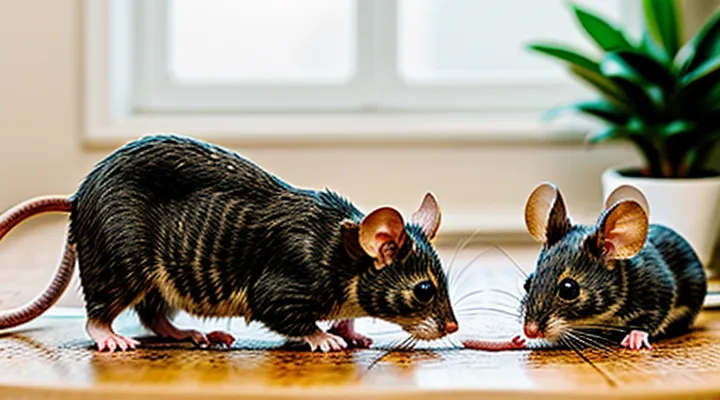
Understanding Pet Mouse Lifespan
Average Lifespan Expectations
Factors Influencing Baseline Lifespan
The average longevity of ornamental rodents maintained as companions depends on a limited set of measurable variables. Understanding these variables enables owners and caretakers to predict and potentially extend the natural life expectancy of these animals.
- Genetic background: Inbred strains exhibit reduced heterozygosity, often resulting in shorter lifespans compared to outbred lines.
- Nutrition quality: Diets formulated with balanced protein, fat, vitamin, and mineral content support optimal physiological function; deficiencies or excesses accelerate age‑related decline.
- Environmental temperature: Ambient temperatures maintained between 18 °C and 24 °C minimize metabolic stress; prolonged exposure to extremes disrupts thermoregulation and organ health.
- Housing density: Overcrowding increases pathogen transmission and stress hormone levels, both of which correlate with higher mortality rates.
- Health monitoring: Regular veterinary examinations detect early signs of disease, allowing timely intervention that can preserve life expectancy.
- Physical activity: Enclosures that provide opportunities for climbing, digging, and exploration promote musculoskeletal integrity and cardiovascular fitness.
Each factor interacts with the others, creating a composite risk profile that determines the baseline lifespan of decorative pet mice. By controlling genetics, diet, climate, space, medical oversight, and exercise, caretakers can align outcomes with the species’ inherent longevity potential.
Enhancing Longevity: Care Practices
Nutritional Requirements
Diet Composition
A balanced diet is a primary factor influencing the longevity of ornamental pet mice. Nutrient requirements must be met through a combination of commercial rodent pellets, fresh produce, protein sources, and micronutrient supplements.
- Commercial pellets: Formulated to provide 18‑20 % protein, 4‑6 % fat, and essential vitamins and minerals. Serve as the staple, offered daily in measured portions to prevent overconsumption.
- Fresh vegetables: Include leafy greens (e.g., kale, spinach), carrots, and broccoli. Supply fiber, antioxidants, and additional vitamins. Offer 1‑2 grams per mouse, refreshed each day.
- Protein treats: Offer boiled egg whites, cooked chicken, or low‑fat tofu in small amounts (0.5‑1 gram) two to three times weekly. Ensure no added salts or seasonings.
- Fruit: Provide limited pieces of apple, berries, or melon (≤0.5 gram) twice weekly for natural sugars and phytonutrients.
- Calcium source: Supply a small block of calcium carbonate or a cuttlebone to support dental health and skeletal development.
- Water: Provide constant access to clean, filtered water. Replace daily to avoid bacterial growth.
Adequate fiber from both pellets and fresh vegetables promotes gastrointestinal motility and prevents impaction. Excess fat or sugary foods accelerate obesity, reducing lifespan. Regular monitoring of body condition allows adjustments to portion sizes and food variety.
Supplementation should be limited to deficiencies identified by veterinary assessment. Over‑supplementation of vitamins A, D, or E can cause toxicity and shorten life expectancy.
Consistent feeding schedules, coupled with a diet meeting macro‑ and micronutrient standards, create the physiological foundation for extended health and vitality in decorative pet mice.
Feeding Schedule and Portion Control
A consistent feeding routine directly influences the health and longevity of ornamental pet mice. Adult mice require two to three meals per day, spaced evenly to maintain stable blood glucose levels. Juvenile mice benefit from more frequent, smaller portions to support rapid growth.
Typical daily schedule
- Morning (07:00‑09:00): ¼ of daily dry mix plus a measured amount of fresh vegetables.
- Midday (12:00‑14:00): ¼ of daily dry mix; optional protein supplement (e.g., boiled egg white, 1 g).
- Evening (18:00‑20:00): Remaining ½ of dry mix and a limited fruit serving (no more than 2 g).
Portion sizes depend on body weight and activity level. A mouse weighing 20 g generally consumes 3‑4 g of dry food per day; larger individuals may require up to 5 g. Overfeeding leads to obesity, reduced mobility, and shortened lifespan, while underfeeding causes malnutrition and weakened immunity.
Nutrient balance must include protein (14‑16 % of diet), fiber (5‑7 %), and low fat (under 5 %). Commercial rodent pellets meeting these ratios provide a reliable baseline. Fresh produce should be rotated daily to prevent nutrient deficiencies and to limit bacterial growth.
Regular monitoring of body condition—checking for a visible waistline and assessing coat quality—allows immediate adjustment of portion sizes. Recording daily intake in a log supports consistent care and contributes to optimal lifespan outcomes for decorative mice.
Housing and Environment
Cage Size and Enrichment
Adequate cage dimensions are fundamental for the health and longevity of ornamental pet mice. Minimum floor space should be 30 × 45 cm for a single adult; each additional mouse requires an extra 15 × 30 cm. Height must allow vertical movement, with a minimum of 20 cm for nesting platforms. Wire mesh should have openings no larger than 1 mm to prevent escape while ensuring ventilation. Solid flooring is preferable; if a wire floor is used, a layer of absorbent bedding such as aspen shavings or paper pulp must be provided to protect foot pads.
Enrichment directly influences physiological resilience and reduces stress‑induced disease. Essential elements include:
- Multiple nesting materials (cotton, shredded paper) for building secure burrows.
- Chewing objects (untreated wooden blocks, mineral chews) to promote dental wear.
- Climbing structures (plastic ladders, ceramic tubes) to encourage exercise and exploratory behavior.
- Foraging opportunities (scatter‑fed seeds, hidden treats) to stimulate natural foraging instincts.
Regular rotation of enrichment items prevents habituation and supports cognitive function. Cleaning schedules should balance hygiene with minimal disruption: spot‑clean daily, replace bedding weekly, and perform full cage sanitation biweekly. Consistent provision of appropriate space and varied stimulation correlates with extended lifespan and improved overall welfare in decorative mouse companions.
Temperature and Humidity Control
Maintaining optimal temperature and humidity is essential for extending the life expectancy of ornamental pet mice. These animals thrive within a narrow climatic envelope; deviations increase stress, suppress immune function, and accelerate age‑related decline.
Recommended environmental parameters:
- Ambient temperature: 68 °F–74 °F (20 °C–23 °C).
- Relative humidity: 40 %–55 %.
- Night‑time temperature drop: no more than 5 °F (3 °C) to mimic natural diurnal variation.
- Air exchange: 5–10 air changes per hour to prevent stale air without causing drafts.
Key physiological impacts:
- Stable temperature supports metabolic efficiency, reducing the caloric burden of thermoregulation.
- Controlled humidity prevents dehydration of mucous membranes and inhibits fungal growth, which can cause respiratory infections.
- Consistent conditions minimize cortisol spikes, preserving organ function and delaying senescence.
Implementation strategies:
- Use a digital thermostat with a programmable schedule to maintain the target temperature range.
- Install a hygrometer and an automated humidifier/dehumidifier system to keep humidity within limits.
- Place the enclosure away from direct sunlight, heating vents, and drafts to avoid rapid fluctuations.
- Conduct weekly checks of temperature and humidity logs; adjust settings promptly if values drift outside the recommended range.
Adhering to these guidelines reduces environmental stressors, thereby promoting a longer, healthier lifespan for decorative mice kept as companions.
Substrate and Bedding Choices
Choosing the right substrate directly influences the health and longevity of ornamental pet mice. Natural fibers such as aspen shavings provide a dry, low‑dust environment that reduces respiratory irritation. They also allow for effective burrowing, supporting natural behaviors that prevent stress‑related ailments. Conversely, pine or cedar contain aromatic oils that can damage nasal passages and compromise immune function, shortening the animals’ lifespan.
Bedding materials serve both insulation and waste management functions. Paper‑based products, including recycled cellulose pellets, absorb moisture quickly, limit ammonia buildup, and are easy to replace, thereby maintaining a hygienic enclosure. Mineral‑based bedding, such as calcium carbonate granules, offers superior odor control but may be abrasive to delicate foot pads if used exclusively.
A balanced approach combines a primary substrate for nesting with a supplemental bedding layer for absorbency. Recommended practice includes:
- 1 inch of aspen shavings on the cage floor for burrowing.
- ½ inch of paper‑based bedding on top for moisture absorption.
- Weekly spot cleaning to remove soiled sections, with full substrate replacement every four weeks.
Monitoring humidity levels and replacing bedding promptly after wetting events prevents bacterial proliferation, which is critical for extending the lifespan of decorative mice kept as companions.
Socialization and Stimulation
Benefits of Companionship
Companionship directly influences the longevity of ornamental pet mice. Studies show that mice housed with a compatible partner experience lower cortisol levels, which correlates with reduced mortality risk.
- Decreased stress hormones improve cardiovascular health.
- Social interaction stimulates natural foraging behavior, supporting weight management.
- Presence of a mate encourages regular exercise, enhancing muscle tone and joint flexibility.
- Mutual grooming lowers parasite load and promotes skin integrity.
- Shared environmental enrichment boosts cognitive function, delaying age‑related decline.
Enhanced physiological stability extends average lifespan by 15‑20 % compared with solitary individuals. The cumulative effect of these factors underscores the practical value of providing compatible companions for decorative mice kept as pets.
Interactive Toys and Activities
Interactive toys provide essential mental stimulation for ornamental pet mice, reducing stress‑induced behaviors that can shorten their lives. Regular engagement with puzzle feeders encourages problem‑solving, which promotes neural activity and maintains cognitive function.
Physical activity devices such as exercise wheels, climbing tubes, and textured tunnels enable mice to perform natural locomotor patterns. Consistent movement improves cardiovascular health, supports healthy weight, and enhances muscle tone, all factors linked to increased longevity.
Safe enrichment items must meet the following criteria:
- Made of non‑toxic materials;
- Free of sharp edges or small detachable parts that could be ingested;
- Sized appropriately for the mouse’s body length to prevent entrapment.
Rotation of toys every two to three weeks prevents habituation, preserving the novelty that drives exploratory behavior. Daily interaction sessions lasting 10–15 minutes, combined with opportunities for solitary play, balance social needs with individual preference.
Adequate stimulation also influences the immune system. Studies on small rodents show that enriched environments increase levels of natural killer cells and reduce cortisol spikes, both of which contribute to disease resistance and a longer, healthier lifespan.
Health Management and Preventive Care
Common Health Issues and Symptoms
Health management directly influences the longevity of ornamental rodents kept as companions. Regular observation of physical condition enables early detection of disorders that commonly shorten life expectancy.
- Respiratory infection: characterized by sneezing, nasal discharge, labored breathing.
- Dental overgrowth: leads to difficulty chewing, weight loss, drooling.
- Gastrointestinal stasis: presents as reduced food intake, abdominal distension, lethargy.
- Skin parasites (mites, fleas): cause itching, hair loss, scabs.
- Metabolic disease (diabetes, obesity): results in excessive thirst, increased urination, sluggish movement.
Symptoms typically appear in a predictable pattern. When sneezing or nasal discharge is observed, assess breathing effort for signs of infection. Visible tooth length exceeding the gum line, combined with reduced feeding, indicates dental overgrowth. A swollen abdomen accompanied by inactivity signals gastrointestinal slowdown. Persistent scratching, bald patches, or crusted skin denote ectoparasite infestation. Excessive water consumption, frequent urination, or pronounced weight gain point to metabolic imbalance.
Prompt veterinary consultation upon noticing any of these indicators improves treatment outcomes and extends the animal’s productive lifespan. Routine cage cleaning, balanced diet, and scheduled health checks constitute the most effective preventive strategy.
Importance of Veterinary Check-ups
Regular veterinary examinations extend the lifespan of ornamental pet mice by detecting health issues before they become severe. Early identification of respiratory infections, dental malocclusion, or parasitic infestations allows prompt treatment, reducing mortality risk.
Professional check-ups provide accurate assessments of growth patterns, body condition, and organ function. Veterinarians can adjust nutrition plans, recommend enrichment items, and advise on optimal cage conditions, all of which contribute to longevity.
Benefits of scheduled visits include:
- Prompt diagnosis of common ailments such as Mycoplasma spp. infections and gastrointestinal disturbances.
- Vaccination and prophylactic parasite control tailored to small‑rodent physiology.
- Guidance on breeding practices that avoid genetic defects and inbreeding depression.
- Documentation of health trends that inform future care decisions.
Neglecting veterinary care often leads to unnoticed chronic conditions, weight loss, and reduced quality of life. Consistent professional monitoring aligns preventive measures with the specific needs of decorative mice, ensuring they remain healthy throughout their natural lifespan.
Stress Reduction Techniques
Effective stress reduction directly influences the longevity of ornamental mice kept as companions. Environmental stability minimizes cortisol spikes, which otherwise accelerate cellular aging. Consistent temperature (20‑24 °C) and humidity (45‑55 %) prevent physiological distress. Regular cleaning of bedding reduces ammonia buildup, a known irritant that elevates stress hormones.
Nutritional strategies support calm behavior. Diets enriched with omega‑3 fatty acids and antioxidants lower inflammatory responses. Providing small, frequent meals mimics natural foraging patterns and prevents hunger‑induced anxiety.
Social enrichment mitigates isolation stress. Pairing compatible individuals or offering visual contact through transparent partitions encourages natural interaction without territorial aggression. When solitary housing is unavoidable, daily brief handling sessions habituate mice to human presence, reducing fear responses.
Physical enrichment enhances mental well‑being. Rotating chewable toys, tunnels, and nesting material stimulates exploratory activity and prevents stereotypic pacing. Gentle background noise, such as soft classical music, has been shown to lower heart rate variability, indicating reduced arousal.
Implementing the following routine yields measurable health benefits:
- Daily temperature and humidity checks.
- Bi‑daily bedding replacement.
- Omega‑3 supplemented feed administered twice daily.
- Structured handling for 3‑5 minutes per mouse.
- Weekly rotation of enrichment items.
Adhering to these techniques creates a low‑stress environment, thereby extending the average lifespan of decorative pet mice.