
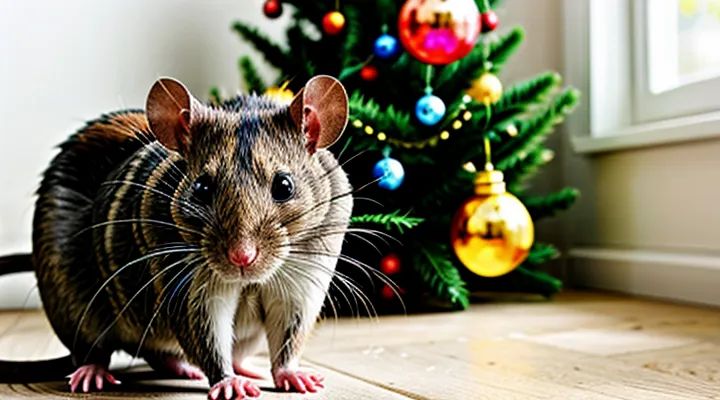
Understanding the Domestic Rat Lifespan
Average Lifespan
The typical lifespan of ornamental pet rats ranges from 2 to 3 years, with most individuals reaching 2.5 years under standard conditions. Rarely, well‑managed specimens survive up to 4 years, while poor environments can reduce longevity to less than 18 months.
Factors that modify average lifespan:
- Genetic line: selective breeding for coloration or size may shorten or extend life expectancy.
- Nutrition: balanced diets rich in protein, fiber, and essential vitamins correlate with longer survival.
- Housing: spacious cages, regular cleaning, and safe bedding lower disease risk.
- Veterinary care: prompt treatment of respiratory infections, tumors, and dental problems prevents premature death.
- Stress levels: minimal handling stress, stable social groups, and enrichment activities support health.
Optimizing these variables aligns actual longevity with the upper range of the average expectancy.
Factors Influencing Longevity
The longevity of ornamental pet rats depends on several measurable variables. Genetics establish the baseline potential for lifespan, with breeds selected for health and vigor typically reaching the upper end of the species’ age range.
Nutrition directly influences survival rates. A diet rich in high‑quality protein, balanced vitamins, and essential fatty acids supports organ function and immune competence. Regular feeding schedules and avoidance of processed or sugary foods reduce metabolic stress.
Environmental conditions shape overall health. Consistent ambient temperature between 18 °C and 24 °C, low humidity fluctuations, and proper ventilation prevent respiratory infections. Clean bedding, routine cage sanitation, and safe enrichment items minimize injury and disease exposure.
Healthcare practices provide critical intervention points. Preventive veterinary examinations, vaccination where available, and prompt treatment of parasites or injuries extend life expectancy. Monitoring weight, grooming behavior, and activity levels enables early detection of health issues.
Key Determinants of Rat Lifespan
Genetics and Breeding
Inherited Conditions
Inherited conditions significantly shape the longevity of ornamental pet rats. Genetic disorders manifest early, often reducing average survival by 20‑30 % compared to healthy cohorts. Breeders who prioritize genetic screening can extend expected life spans by eliminating deleterious alleles from breeding lines.
Common hereditary ailments include:
- Progressive retinal degeneration, leading to blindness and increased predation risk.
- Cardiomyopathy, causing early heart failure.
- Metabolic enzyme deficiencies, resulting in chronic hypoglycemia.
- Skeletal dysplasia, predisposing to fractures and reduced mobility.
- Immune system anomalies, increasing susceptibility to opportunistic infections.
Each condition follows a predictable pattern of onset and progression. Retinal degeneration typically appears by three months, while cardiomyopathy symptoms emerge between six and twelve months. Metabolic deficiencies can be detected through routine blood panels as early as the weaning stage. Skeletal abnormalities are observable in radiographic screenings of juvenile rats. Immune defects are identified by recurrent infections despite standard prophylactic care.
Effective management relies on early diagnosis and selective breeding. Genetic testing kits targeting known mutations enable breeders to exclude carriers from mating programs. When affected individuals are identified, culling or sterile breeding prevents allele propagation. Nutritional adjustments, such as low‑glycemic diets for metabolic disorders, and environmental enrichment to reduce injury risk for skeletal issues, mitigate symptom severity.
Long‑term data from controlled breeding colonies demonstrate that eliminating these inherited disorders raises median lifespan from approximately 1.5 years to over 2.5 years, with some individuals reaching the upper limit of three years. Continuous genetic monitoring remains essential to sustain these gains.
Breeding Practices
Breeding strategies directly influence the longevity of ornamental pet rats. Selecting genetically robust parents reduces the incidence of hereditary disorders that shorten life expectancy. Routine health screening of breeding stock, including dental examinations and respiratory assessments, identifies carriers of common ailments before mating.
Optimal pairings consider age and reproductive history. Females younger than six months and males older than eight months exhibit higher fertility rates while maintaining lower stress levels, which correlates with longer offspring survival. Limiting the number of litters per female to three to four cycles prevents physiological depletion and extends overall health.
Environmental control during gestation and early development supports lifespan extension. Maintaining ambient temperature between 20‑24 °C, humidity at 45‑55 %, and providing nesting material that mimics natural burrows encourage proper thermoregulation and stress reduction. Regular enrichment—such as tunnels, chew toys, and varied foraging opportunities—stimulates mental activity and prevents stereotypic behaviors linked to premature decline.
Nutritional management is critical. Breeding pairs require diets rich in protein (18‑20 % of caloric intake), balanced with essential fatty acids, vitamins, and minerals. Supplementing with omega‑3 fatty acids and antioxidants during pregnancy enhances fetal development and improves immune function in neonates.
Key practices for maximizing lifespan:
- Conduct comprehensive health evaluations of all prospective breeders.
- Pair individuals based on optimal age range and proven reproductive performance.
- Restrict each female to a maximum of four litters before a rest period of at least six weeks.
- Provide stable, species‑appropriate housing conditions throughout gestation and weaning.
- Implement a nutritionally balanced diet with targeted supplements during breeding cycles.
Consistent application of these measures yields measurable increases in average lifespan, reduces mortality rates, and promotes sustained vitality in decorative domestic rats.
Environmental Factors
Cage Environment
A well‑designed cage directly influences the health span of ornamental pet rats. Adequate floor space reduces stress, encourages natural locomotion, and prevents injuries. Minimum dimensions of 24 in × 12 in per adult pair provide sufficient room for movement and social interaction.
Key environmental components include:
- Bedding: Absorbent, dust‑free material (e.g., paper or aspen shavings) maintains dry conditions, limits respiratory irritation, and allows for nesting behavior.
- Ventilation: Continuous airflow prevents ammonia buildup; mesh sides or a vented lid ensure gas exchange without drafts.
- Temperature and humidity: Stable ambient temperature of 68–75 °F (20–24 °C) and relative humidity of 40–60 % minimize thermoregulatory strain.
- Lighting: 12‑hour light/dark cycles replicate natural rhythms; avoid direct glare and excessive illumination.
- Enrichment: Chew‑safe objects, tunnels, and climbing structures promote dental wear, mental stimulation, and muscle development.
- Cleaning schedule: Spot cleaning daily and full substrate replacement weekly remove contaminants, reduce pathogen load, and support immune function.
Material selection for cage construction affects durability and safety. Stainless steel frames resist corrosion, eliminate rust, and are easy to disinfect. Plastic components must be BPA‑free and free of sharp edges to avoid injuries.
Regular monitoring of cage conditions—checking for soiled bedding, odor, and equipment integrity—allows timely intervention before health issues arise. Consistent maintenance, combined with appropriate space and enrichment, extends the functional lifespan of decorative domestic rats and enhances overall welfare.
Enrichment and Stimulation
Enrichment and stimulation are critical determinants of health and longevity in ornamental pet rats. Adequate mental and physical challenges reduce chronic stress, support immune competence, and encourage natural behaviors that contribute to a longer, more robust life.
- Physical enrichment – tunnels, climbing structures, chewable items, and exercise wheels promote muscular development and cardiovascular fitness.
- Cognitive enrichment – puzzle feeders, hidden treats, and object manipulation tasks engage problem‑solving abilities and maintain neural plasticity.
- Social enrichment – compatible conspecifics, supervised group play, and regular handling foster affiliative behaviors and lower anxiety.
- Sensory enrichment – varied textures, safe scents, and auditory stimuli broaden environmental perception and prevent habituation.
Implementation guidelines:
- Rotate items every 1–2 weeks to prevent boredom.
- Introduce new objects gradually, observing for signs of fear or aggression.
- Ensure all materials are non‑toxic, free of sharp edges, and sized appropriately for the rat’s dentition.
- Provide daily interaction sessions of 10–15 minutes to reinforce human‑rat bonding.
Documented physiological effects include:
- Decreased corticosterone levels, indicating reduced stress.
- Enhanced lymphocyte activity, reflecting improved immune response.
- Increased voluntary locomotion, correlating with better cardiovascular health.
- Observable extension of average lifespan compared with rats lacking structured enrichment.
Consistent, varied enrichment thus directly supports the physiological and behavioral parameters that underpin extended vitality in decorative domestic rats.
Nutritional Considerations
Diet Composition
Diet composition directly influences the longevity of ornamental pet rats. Balanced nutrition supports organ function, immune competence, and metabolic stability, thereby extending the adult life span.
Key nutritional elements include:
- Protein: 18–22 % of total calories, sourced from high‑quality animal or plant proteins such as boiled egg, lean meat, or soy isolate. Adequate protein sustains muscle mass and tissue repair.
- Fat: 5–7 % of calories, primarily from unsaturated sources like flaxseed oil or fish oil, providing essential fatty acids that aid neuronal health and coat condition.
- Carbohydrates: 50–55 % of calories, supplied by whole grains, legumes, and limited fruit. Complex carbohydrates ensure steady glucose levels and fiber intake.
- Vitamins and Minerals: Daily provision of vitamin A, D3, E, B‑complex, calcium, phosphorus, magnesium, and trace elements (zinc, selenium) prevents deficiencies that accelerate age‑related decline.
- Water: Continuous access to clean, fresh water is mandatory; dehydration accelerates renal failure and reduces life expectancy.
Supplementary considerations:
- Fiber: Inclusion of 2–3 % insoluble fiber (e.g., shredded wheat, oat bran) promotes gastrointestinal motility and reduces the risk of obstructive colic.
- Caloric Density: Adult rats require approximately 15–20 kcal per 100 g body weight; over‑feeding leads to obesity, insulin resistance, and shortened survival.
- Food Hygiene: Rotating fresh batches weekly and storing dry components in airtight containers limit bacterial growth and mycotoxin exposure, both of which impair organ function.
Implementing a diet that meets these specifications minimizes metabolic stress, curtails disease incidence, and maximizes the lifespan potential of decorative domestic rats.
Feeding Frequency
Feeding frequency directly influences the longevity of ornamental pet rats. Consistent meal intervals stabilize metabolic rate, support immune function, and reduce stress‑related disorders that shorten life expectancy.
- Neonates (0–3 weeks): feed 4–6 times daily with soft, high‑calorie formula.
- Juveniles (3 weeks–3 months): provide 3 meals per day of balanced rodent chow, supplemented with fresh vegetables.
- Adults (3 months–2 years): offer 2 meals daily; maintain portion control to prevent obesity.
- Seniors (2 years+): reduce to 1–2 meals, emphasizing easily digestible protein and moisture‑rich foods.
Adjust frequency based on individual appetite, health status, and activity level. Monitor body condition weekly; deviations from recommended intervals often precede weight loss or gain, signaling potential lifespan reduction.
Healthcare and Veterinary Care
Routine Check-ups
Routine veterinary examinations constitute the primary preventive strategy for extending the life expectancy of ornamental pet rats. Regular assessments identify early-stage health issues that, if untreated, can shorten the animal’s lifespan.
Veterinarians recommend a schedule of examinations at three‑month intervals for young rats, transitioning to biannual visits once the animal reaches adulthood. Adjustments to the interval are warranted for individuals with chronic conditions or advanced age.
A comprehensive check‑up includes the following components:
- Measurement of body weight and calculation of body condition score.
- Inspection of the oral cavity for overgrown incisors, malocclusion, or lesions.
- Evaluation of the coat, skin, and nails for parasites, dermatitis, or injuries.
- Auscultation of heart and lungs to detect murmurs, arrhythmias, or respiratory abnormalities.
- Palpation of the abdomen to assess organ size and detect masses.
- Review of vaccination status and administration of recommended immunizations, such as those against rat coronavirus.
- Laboratory analysis of blood and urine samples when indicated by clinical findings.
Owners must monitor daily behavior, appetite, and grooming habits. Immediate veterinary attention is required if a rat exhibits sudden weight loss, nasal discharge, labored breathing, persistent lethargy, or signs of pain. Maintaining a consistent check‑up regimen, combined with prompt response to abnormal signs, directly supports the longevity of decorative domestic rats.
Common Health Issues
Health conditions significantly influence the longevity of decorative pet rats. Understanding prevalent ailments enables owners to intervene early and extend the animals’ productive years.
- Respiratory infections (Mycoplasma pulmonis, Streptococcus spp.) cause nasal discharge, labored breathing, and rapid weight loss.
- Gastrointestinal disturbances, including diarrhea and gastrointestinal stasis, often stem from dietary imbalances or bacterial overgrowth.
- Skin disorders such as ringworm, mange, and pododermatitis present with hair loss, crusting, or ulcerated foot pads.
- Dental malocclusion leads to overgrown incisors, difficulty eating, and secondary infections.
- Tumors, particularly mammary and adrenal adenomas, appear frequently in mature individuals and may metastasize quickly.
- Metabolic diseases, notably diabetes mellitus and renal insufficiency, manifest through polyuria, polydipsia, and lethargy.
Routine veterinary examinations, proper cage hygiene, balanced nutrition, and prompt treatment of early symptoms reduce morbidity. Monitoring weight, respiratory sounds, and fecal consistency provides immediate indicators of health decline, allowing timely medical intervention.
Preventative Measures
Ensuring a long, healthy life for ornamental pet rats hinges on proactive care. Effective preventative strategies address nutrition, environment, health monitoring, and stress reduction.
- Provide a balanced diet formulated for small rodents, supplemented with fresh vegetables and occasional protein sources. Avoid foods high in fat, sugar, or artificial additives.
- Maintain a clean cage: change bedding weekly, disinfect surfaces monthly, and remove uneaten food promptly to prevent bacterial growth.
- Regulate temperature and humidity within the enclosure, keeping ambient temperature between 18‑24 °C and humidity around 40‑60 %. Use ventilation to reduce ammonia accumulation.
- Schedule routine veterinary examinations at least twice a year. Early detection of respiratory infections, dental overgrowth, or parasites extends lifespan.
- Implement enrichment: tunnels, chew toys, and climbing structures encourage physical activity and mental stimulation, lowering stress‑related illnesses.
- Monitor weight and behavior daily. Sudden changes in appetite, coat condition, or activity level warrant immediate professional assessment.
- Practice strict hygiene when handling: wash hands before and after contact, and limit exposure to other animals that may carry pathogens.
By integrating these measures consistently, owners can significantly increase the longevity and well‑being of decorative domestic rats.
Extending Your Rat's Life
Optimizing Diet and Nutrition
Recommended Foods
Nutrition directly influences the longevity of ornamental pet rats. Balanced diets provide essential vitamins, minerals, and protein that support immune function, organ health, and tissue repair.
- Fresh vegetables (e.g., kale, broccoli, carrots, bell peppers): supply fiber, vitamin C, and antioxidants. Offer 1–2 teaspoons per day, finely chopped to prevent choking.
- Leafy greens (e.g., spinach, romaine lettuce, dandelion greens): rich in calcium and folate. Rotate varieties to avoid excess oxalates.
- Fruits (e.g., apple slices, blueberries, banana bits): deliver natural sugars and phytonutrients. Limit to a few small pieces three times weekly to prevent weight gain.
- Protein sources (e.g., cooked chicken, boiled egg, low‑fat cottage cheese, mealworms): essential for muscle maintenance. Provide 1–2 teaspoons per day, ensuring no added seasoning or salt.
- Whole grains (e.g., rolled oats, quinoa, brown rice): offer complex carbohydrates and B‑vitamins. Serve cooked, unseasoned portions of ½ teaspoon daily.
- Commercial rat blocks: formulated to meet nutritional standards. Use as a staple, supplementing with fresh items for variety.
Avoid foods toxic to rats, such as chocolate, caffeine, raw potatoes, onions, and citrus peels. Eliminate processed snacks high in sugar, salt, or artificial additives, as they accelerate metabolic disorders and reduce life expectancy.
Hydration is critical; provide clean, fresh water at all times, preferably in a bottle with a stainless‑steel spout to prevent contamination.
Regularly monitor body condition and adjust portion sizes to maintain a lean physique. Consistent, diverse feeding regimens contribute to sustained health and extended lifespan in decorative domestic rats.
Supplements
Supplementation can extend the average longevity of ornamental pet rats when nutrients absent from standard chow are provided in appropriate quantities. Essential vitamins such as A, D3, and E support ocular health, calcium metabolism, and antioxidant defenses, each contributing to reduced age‑related degeneration. Minerals including magnesium, zinc, and selenium reinforce enzymatic activity and immune competence, mitigating the incidence of respiratory and gastrointestinal infections that commonly truncate life expectancy.
Key supplements for decorative domestic rats include:
- Vitamin C (ascorbic acid) to counter oxidative stress.
- Omega‑3 fatty acids (EPA/DHA) for cardiovascular stability and anti‑inflammatory effects.
- Probiotic blends containing Lactobacillus spp. to maintain gut flora balance.
- Calcium‑phosphate complexes to prevent skeletal demineralization.
Effective dosing follows these principles:
- Base calculations on body weight (approximately 300 g per adult rat).
- Provide 10 IU of vitamin D3 per kilogram of body weight daily; adjust upward during low‑light periods.
- Administer 5 mg of omega‑3 fatty acids per kilogram of body weight, divided into two feedings.
- Offer probiotic sachets delivering 10⁸ CFU per rat every 48 hours.
Monitoring outcomes requires monthly weight checks, coat condition assessments, and recording any adverse reactions. Consistent supplementation, aligned with veterinary recommendations, correlates with a measurable increase in median survival rates for decorative domestic rats.
Creating an Ideal Habitat
Cage Size and Type
Appropriate cage dimensions and construction directly influence the health and longevity of ornamental pet rats. A spacious enclosure reduces stress, encourages natural behaviors, and lowers the incidence of injuries and respiratory problems.
- Minimum floor area: 2 sq ft (≈0.19 m²) per adult rat; larger groups require proportional increases.
- Height: at least 12 in (30 cm) to allow vertical climbing and nesting platforms.
- Bar spacing: ½ in (13 mm) or less to prevent escape and entrapment.
- Material: powder‑coated steel or stainless steel for durability and resistance to corrosion; avoid painted or galvanized metal that may release toxins.
Solid‑bottom cages provide stability and ease of cleaning, but they must include a removable, washable liner to prevent ammonia buildup. Wire‑bottom designs facilitate drainage but should be paired with a fine mesh overlay to protect paws and prevent foot lesions.
Ventilation is essential; a minimum of three air exchanges per hour maintains air quality and reduces respiratory disease risk. Adjustable panels or screened doors allow airflow while preserving security.
Enrichment items—such as tunnels, ladders, and chewable objects—should be anchored securely to the cage structure. Loose accessories can become hazards if they detach and cause entrapment.
Regular inspection of the cage for sharp edges, rust, or loose fittings prevents injuries that could shorten the animal’s lifespan. Replacing worn components promptly maintains a safe environment throughout the rat’s life expectancy.
Bedding and Substrate
Bedding directly influences the health and life expectancy of ornamental domestic rats by affecting temperature regulation, respiratory comfort, and stress levels. Proper substrate reduces the incidence of dermatological problems, respiratory irritation, and gastrointestinal disturbances, all of which can shorten the animal’s lifespan.
Effective bedding must be absorbent, dust‑free, non‑toxic, and easy to replace. It should retain moisture without becoming soggy, provide a soft surface for nesting, and allow for thorough cleaning without leaving residues that could harbor pathogens.
- Aspen shavings: low dust, moderate absorbency, safe for chewing.
- Paper‑based bedding (e.g., recycled pulp): minimal dust, high absorbency, biodegradable.
- Coconut fiber: excellent moisture control, natural antimicrobial properties, suitable for nesting.
- Untreated hemp: sturdy, low allergenicity, supports natural foraging behavior.
Cleaning regimen should maintain hygiene while preserving beneficial micro‑flora.
- Spot‑clean daily: remove soiled sections, replace with fresh material.
- Full substrate change weekly: discard all bedding, disinfect cage with a rodent‑safe solution, dry thoroughly before adding new material.
- Monitor humidity: keep substrate moisture below 50 % to prevent mold growth.
Inappropriate bedding, such as cedar or pine shavings, releases aromatic oils that irritate the respiratory tract and can lead to chronic pneumonia. Excessively fine particles increase the risk of allergic reactions and eye infections. Non‑absorbent substrates retain urine, fostering bacterial proliferation and urinary tract disease.
Consistent use of low‑dust, absorbent, and safe bedding materials, coupled with regular maintenance, supports optimal physiological function and contributes to a measurable extension of the pet rat’s lifespan.
Promoting Mental and Physical Health
Socialization
Socialization refers to the process by which ornamental pet rats learn to interact with humans, conspecifics, and their environment. Effective socialization establishes predictable behavior patterns and reduces chronic stress, both of which directly affect physiological health.
Early exposure to gentle handling, varied textures, and controlled group interactions calibrates the hypothalamic‑pituitary‑adrenal axis, resulting in lower cortisol levels. Reduced cortisol correlates with enhanced immune surveillance, decreased incidence of respiratory infections, and improved wound healing—all factors that extend the animal’s life expectancy. Conversely, rats that experience isolation or abrupt, negative encounters exhibit heightened anxiety, suppressed immunity, and a statistically shorter lifespan.
Practical measures to promote socialization:
- Begin handling sessions at three weeks of age, lasting 5‑10 minutes, with slow, steady movements.
- Introduce a new rat to the existing group in a neutral cage for 15‑20 minutes before permanent cohabitation.
- Provide a variety of enrichment items (tunnels, chew blocks, climbing structures) to encourage exploratory behavior.
- Maintain a consistent routine of daily interaction to reinforce trust and reduce fear responses.
- Monitor body condition and behavior; adjust interaction intensity if signs of stress (e.g., excessive grooming, aggression) appear.
Consistent, positive social experiences have been linked to measurable gains in average longevity, with well‑socialized ornamental rats living up to 30 % longer than poorly socialized counterparts under comparable husbandry conditions.
Exercise
Regular physical activity is a primary factor influencing the longevity of ornamental pet rats. Adequate movement supports cardiovascular function, maintains optimal body weight, and enhances musculoskeletal strength, all of which correlate with extended life expectancy.
Effective exercise routines combine aerobic and enrichment elements. Common modalities include:
- Running wheels with solid surfaces to prevent injury
- Tunnel systems that encourage exploration and climbing
- Elevated platforms and chew toys that stimulate natural foraging behavior
- Daily supervised play sessions lasting 15–20 minutes per rat
Consistent engagement in these activities reduces the incidence of obesity‑related disorders, lowers stress hormone levels, and promotes healthy immune responses. Rats that receive structured exercise typically exhibit longer survival periods compared with sedentary counterparts.
Monitoring should focus on activity frequency, duration, and intensity. Adjustments are necessary as rats age; older individuals require shorter, low‑impact sessions to prevent joint strain while still receiving the benefits of movement.
In summary, a well‑designed exercise program directly contributes to the increased lifespan of decorative domestic rats by sustaining physiological health and mitigating age‑associated decline.
Recognizing and Addressing Health Concerns
Early Detection of Illness
Early detection of disease markedly extends the longevity of ornamental pet rats. Routine observation of behavior, appetite, and physical condition provides the first alert. Subtle changes—reduced grooming, altered posture, irregular breathing, or diminished activity—often precede overt illness.
Veterinary protocols enhance detection accuracy. Recommended practices include:
- Weekly weight measurement; a loss of 5 % or more signals metabolic disturbance.
- Monthly fecal examinations for parasites and bacterial overgrowth.
- Quarterly blood panels assessing hematocrit, liver enzymes, and renal markers.
- Biannual imaging (ultrasound or radiography) to identify internal tumors or organ enlargement.
Environmental monitoring supports health surveillance. Maintaining stable temperature (20‑22 °C), low humidity, and clean bedding reduces stress‑related immunosuppression, allowing early signs to remain evident.
Prompt intervention following detection—targeted antimicrobial therapy, dietary adjustment, or surgical removal of neoplasms—correlates with a 30‑40 % increase in average lifespan compared with untreated cohorts. Consistent application of these measures maximizes the health span of decorative domestic rats.
Access to Qualified Veterinary Care
Qualified veterinary care directly influences the longevity of ornamental pet rats. Regular examinations enable early detection of respiratory, gastrointestinal, and neoplastic conditions that commonly reduce lifespan. Preventive measures, such as parasite control and dental assessments, mitigate chronic stressors and support overall health.
Key components of professional care include:
- Comprehensive physical exams at six‑month intervals
- Respiratory system evaluation with auscultation and imaging when indicated
- Dental inspection and corrective trimming to prevent malocclusion
- Nutritional counseling tailored to the species‑specific metabolic profile
- Laboratory screening for common pathogens (e.g., Mycoplasma, Sendai virus)
- Access to emergency treatment for acute trauma or sudden illness
Barriers to adequate care often involve limited numbers of veterinarians certified in exotic small mammals, higher service fees, and geographic distance from specialized clinics. These factors can delay intervention and shorten the animal’s expected lifespan.
Owners should prioritize:
- Locating a veterinarian with documented experience in exotic rodent health
- Scheduling routine check‑ups and maintaining detailed medical records
- Establishing an emergency plan that includes a nearby facility capable of rapid response
- Investing in preventive health products recommended by the specialist
Consistent, qualified veterinary oversight maximizes the potential lifespan of decorative domestic rats by addressing health challenges before they become fatal.
Common Health Challenges and Their Impact on Lifespan
Respiratory Infections
Respiratory infections are a leading factor that shortens the lifespan of ornamental pet rats. Pathogens such as Mycoplasma pulmonis, Streptococcus spp., and viral agents cause inflammation of the upper and lower airways, leading to reduced oxygen exchange and systemic stress. The resulting chronic condition accelerates aging processes and increases mortality risk, especially in animals with pre‑existing health issues.
Key characteristics of these infections include:
- Clinical signs: nasal discharge, sneezing, wheezing, labored breathing, and reduced activity levels.
- Diagnostic methods: auscultation, radiography, polymerase chain reaction (PCR) testing, and bacterial culture of nasal swabs.
- Therapeutic approaches: targeted antibiotics (e.g., doxycycline for Mycoplasma), supportive oxygen therapy, humidified environments, and anti‑inflammatory medication.
- Preventive measures: quarantine of new arrivals, regular health screenings, maintenance of low humidity and dust‑free bedding, and vaccination where available.
Effective management of respiratory disease can extend the average longevity of decorative domestic rats by several months, aligning observed lifespans more closely with the species’ genetic potential. Early detection and prompt treatment remain essential for preserving health and maximizing the productive years of these companion animals.
Tumors and Cancers
Tumors significantly affect the longevity of ornamental pet rats, reducing average life expectancy by up to 30 % when malignant lesions develop. Neoplastic disease in these rodents follows patterns observed in laboratory strains, with a high prevalence of endocrine and mesenchymal tumors.
Common neoplasms include:
- Mammary adenocarcinomas – frequent in older females, rapid growth, high metastatic potential.
- Hepatocellular carcinomas – arise from chronic hepatic stress, often asymptomatic until organ failure.
- Fibrosarcomas – dermal or subcutaneous masses, locally invasive, low metastasis rate.
- Lymphomas – diffuse involvement of lymphoid tissue, aggressive progression, short survival.
Risk factors identified in domestic settings are:
- Genetic predisposition – inbreeding lines show increased tumor incidence.
- Dietary imbalances – excess caloric intake and high-fat formulations correlate with hepatic and mammary neoplasia.
- Environmental toxins – exposure to tobacco smoke, pesticides, or contaminated bedding accelerates mutagenic processes.
- Chronic inflammation – persistent infections or irritants promote malignant transformation in glandular tissues.
Early detection relies on regular physical examination and periodic imaging (ultrasound or radiography). Palpable masses, weight loss, or abnormal behavior warrant immediate diagnostic work‑up, including fine‑needle aspiration or biopsy. Histopathology remains the definitive method for tumor classification.
Therapeutic options are limited but include:
- Surgical excision – curative for localized fibrosarcomas and early‑stage mammary tumors.
- Chemotherapy protocols – cisplatin‑based regimens show partial remission in lymphoma cases.
- Palliative care – analgesics and anti‑inflammatory agents improve quality of life when curative treatment is infeasible.
Proactive management—maintaining optimal nutrition, minimizing toxin exposure, and implementing routine health screenings—extends the functional lifespan of decorative rats by reducing the incidence and severity of neoplastic disease.
Cardiovascular Issues
Cardiovascular health significantly influences the longevity of ornamental pet rats, whose average life expectancy ranges from two to three years under optimal conditions. Cardiac and vascular disorders reduce functional capacity, accelerate organ failure, and shorten survival.
Common cardiovascular conditions include:
- Dilated cardiomyopathy, characterized by ventricular enlargement and reduced contractility.
- Hypertrophic cardiomyopathy, marked by thickened myocardial walls and impaired diastolic filling.
- Congenital heart defects such as septal defects or valve malformations.
- Systemic hypertension, often secondary to renal disease or stress.
- Atherosclerotic lesions, rare but reported in aged individuals with lipid metabolism disorders.
Clinical manifestations are subtle. Observable signs consist of lethargy, reduced grooming, tachypnea, audible heart murmurs, peripheral cyanosis, and exercise intolerance. Sudden collapse may indicate acute cardiac decompensation.
Diagnostic protocols rely on non‑invasive and invasive techniques. Auscultation with a pediatric stethoscope detects murmurs and arrhythmias. Transthoracic echocardiography provides measurements of chamber dimensions, wall thickness, and ejection fraction. Electrocardiography identifies rhythm disturbances. Blood pressure assessment uses tail‑cuff plethysmography. Laboratory analysis of serum biomarkers (troponin I, NT‑proBNP) supports diagnosis of myocardial injury.
Therapeutic interventions aim to stabilize hemodynamics and limit disease progression. Pharmacologic options include:
- ACE inhibitors (e.g., enalapril) to reduce afterload.
- Beta‑blockers (e.g., atenolol) for rate control and myocardial oxygen demand reduction.
- Diuretics (e.g., furosemide) to manage fluid overload.
- Anticoagulants (e.g., low‑dose aspirin) when thromboembolic risk is identified.
Surgical correction is rarely feasible due to size constraints; however, minimally invasive catheter techniques have experimental application in severe congenital defects.
Prevention focuses on environmental and nutritional management. Low‑stress housing, enrichment to avoid chronic sympathetic activation, and balanced diets low in saturated fats diminish hypertension and atherosclerotic risk. Regular veterinary screening, beginning at six months of age, facilitates early detection of subclinical lesions, allowing timely intervention and extending overall lifespan.
Dental Problems
Dental health directly influences the overall longevity of ornamental pet rats. Continuous growth of incisors requires regular wear; any disruption can lead to malocclusion, infection, or systemic illness, thereby shortening the animal’s expected lifespan.
Common dental conditions include:
- Malocclusion – uneven tooth wear caused by improper jaw alignment, resulting in difficulty eating and weight loss.
- Incisor overgrowth – excessive length due to inadequate gnawing surfaces, leading to oral trauma and secondary infections.
- Periodontal disease – bacterial inflammation of gums and supporting structures, which can progress to abscesses and septicemia.
- Dental abscesses – localized pus accumulation from tooth decay or trauma, producing pain, reduced food intake, and potential spread of infection.
Each condition compromises nutrition, stress the immune system, and accelerates age‑related decline. Early detection relies on routine oral examinations, observation of chewing behavior, and monitoring of food consumption. Intervention strategies involve:
- Providing appropriate gnawing materials to promote natural tooth wear.
- Conducting regular veterinary dental checks, including radiography when indicated.
- Performing corrective trimming or filing of incisors under anesthesia to restore proper occlusion.
- Treating infections with targeted antibiotics and, if necessary, surgical drainage.
Maintaining optimal dental function is essential for preserving health and extending the lifespan of decorative domestic rats.
Parasites
Parasites constitute a primary health challenge that directly influences the longevity of ornamental pet rats. Infestations can shorten life expectancy by inducing nutritional deficiencies, organ damage, and immune suppression.
Common ectoparasites and endoparasites include:
- Sucking lice (Polyplax spp.) – feed on blood, cause anemia and skin lesions.
- Mites (Myobia spp., Radfordia spp.) – irritate skin, promote secondary infections.
- Fleas (Ctenocephalides felis) – transmit bacterial agents, provoke dermatitis.
- Pinworms (Syphacia muris) – inhabit the intestinal tract, lead to diarrhoea and weight loss.
- Tapeworms (Hymenolepis nana) – compete for nutrients, impair growth.
- Protozoa (Giardia spp., Cystoisospora spp.) – cause enteritis, dehydration, and chronic weakness.
Impact mechanisms:
- Nutrient depletion – parasites consume host resources, reducing energy available for growth and repair.
- Tissue damage – feeding activity creates lesions that can become infected, compromising organ function.
- Immune burden – persistent antigenic stimulation exhausts immune capacity, lowering resistance to secondary pathogens.
- Behavioral changes – discomfort and irritation may lead to reduced activity and altered feeding patterns, further affecting health.
Preventive and therapeutic measures:
- Routine grooming and visual inspection to detect external parasites early.
- Monthly prophylactic ectoparasitic treatments approved for rodents.
- Quarterly fecal examinations using flotation and microscopy to identify internal parasites.
- Targeted anthelmintic regimens (e.g., fenbendazole) administered according to veterinary guidance.
- Environmental sanitation: regular cage cleaning, bedding replacement, and control of stray rodent exposure.
Effective parasite management correlates with measurable extensions in the average lifespan of decorative domestic rats, underscoring the necessity of vigilant health monitoring and prompt intervention.