
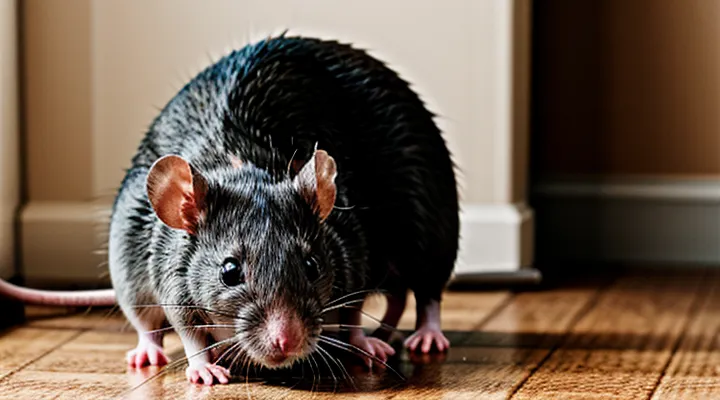
Understanding the Pet Rat Lifespan
Average Lifespan
Natural Range
The domestic fancy rat descends from the brown rat (Rattus norvegicus), a species that originated in the temperate zones of East Asia. Over centuries it expanded through maritime trade, establishing wild populations on every inhabited continent. This broad geographic spread creates a genetic pool adapted to diverse climates, from temperate urban centers to subtropical agricultural regions.
- East Asia (China, Korea, Japan) – original wild habitat, moderate temperature, seasonal food fluctuations.
- Europe (United Kingdom, Germany, France) – urban and rural environments, cooler winters, higher pathogen diversity.
- North America (United States, Canada) – extensive urban colonies, variable humidity, exposure to rodent‑borne diseases.
- South America (Brazil, Argentina) – tropical and subtropical zones, increased parasite load.
- Oceania (Australia, New Zealand) – isolated populations, limited genetic exchange, heightened susceptibility to introduced pathogens.
The environmental pressures of these regions shape lifespan determinants. Populations from cooler climates tend to develop slower metabolisms, which correlate with longer average survival. High pathogen prevalence in densely populated urban areas selects for robust immune responses, yet also raises mortality risk for individuals lacking adequate health support. Temperature extremes, humidity levels, and seasonal food availability influence growth rates and reproductive timing, factors that directly affect longevity. Genetic variation introduced through natural dispersal contributes to differences in disease resistance and stress tolerance among lineages.
For owners, recognizing the species’ natural range informs optimal husbandry. Replicating moderate ambient temperatures (18–22 °C) and stable humidity (45–55 %) mirrors conditions of the rat’s native temperate habitats, reducing metabolic stress. Selecting breeding lines derived from regions with documented disease resilience can enhance health outcomes. Providing a diet that reflects the varied foraging opportunities of wild populations—balanced protein, fiber, and micronutrients—supports physiological functions linked to extended life expectancy.
Variability Factors
Genetic background determines the baseline expectancy for a domestic rat. Inbred strains often display shorter lifespans than outbred varieties, while selective breeding for specific traits can introduce hereditary health issues that reduce longevity.
Environmental conditions exert measurable influence. Consistent ambient temperature between 18 °C and 22 °C prevents thermoregulatory stress. Adequate ventilation reduces respiratory irritation, and a quiet, low‑stress setting minimizes chronic cortisol elevation, which correlates with accelerated aging.
Nutrition directly affects cellular maintenance. Diets rich in high‑quality protein, essential fatty acids, and balanced micronutrients support organ function. Excessive calorie intake leads to obesity, insulin resistance, and cardiovascular strain, all of which shorten life expectancy.
Preventive health care extends survival. Regular veterinary examinations enable early detection of neoplasia, dental disease, and respiratory infections. Immunizations against common pathogens, combined with prompt treatment of symptomatic illnesses, improve overall outcomes.
Housing design influences physical activity and injury risk. Enclosures that provide climbing structures and safe chewable materials encourage exercise, preserving musculoskeletal health. Overcrowding increases aggression and injury rates, which can precipitate premature death.
Reproductive status creates additional variability. Breeding females experience heightened metabolic demands and heightened susceptibility to uterine disease, while neutered males avoid testosterone‑related aggression and related trauma.
Exposure to pathogens determines mortality risk. Contact with wild rodents introduces zoonotic agents such as Hantavirus and Salmonella. Strict quarantine protocols for new arrivals limit disease introduction and protect existing populations.
Stressors unrelated to environment, such as frequent handling by unfamiliar individuals, can trigger immunosuppression. Gradual acclimation to human contact reduces stress‑induced hormonal fluctuations, thereby supporting a longer, healthier life.
Collectively, these factors interact in complex ways; optimizing each parameter yields the most substantial extension of a pet rat’s lifespan.
Key Influencing Factors on Lifespan
Genetics and Breeding
Inbred Lines vs. Outbred Lines
Inbred rat strains are produced through repeated sibling matings, resulting in a homogeneous genetic background. This uniformity simplifies experimental replication but also concentrates deleterious recessive alleles. Consequently, inbred lines often display reduced average longevity, heightened susceptibility to specific diseases such as cardiomyopathy and renal failure, and a narrower range of physiological responses. The limited genetic diversity eliminates heterosis, the vigor observed in genetically mixed populations, which can shorten the expected lifespan of a pet rat derived from these lines.
Outbred rat populations maintain genetic variability through random mating among unrelated individuals. The broader allele pool introduces heterozygosity, which generally enhances immune competence, reduces the incidence of hereditary disorders, and extends median lifespan. Outbred rats typically live longer than their inbred counterparts, with fewer chronic conditions and greater resilience to environmental stressors. The presence of multiple genetic pathways also allows individual rats to adapt more effectively to variations in diet, housing, and handling practices.
Key distinctions relevant to pet owners:
- Genetic health profile: Inbred lines often carry fixed mutations; outbred lines spread risk across the genome.
- Lifespan expectancy: Median survival for inbred rats ranges from 1.5 to 2 years; outbred rats commonly reach 2.5 to 3.5 years under optimal care.
- Disease prevalence: Higher frequency of organ-specific pathologies in inbred strains; lower overall disease burden in outbred populations.
- Behavioral consistency: Inbred rats exhibit predictable temperament, useful for research; outbred rats display greater behavioral variability, which may affect handling and enrichment needs.
When selecting a pet rat, the genetic background should be considered alongside husbandry quality. Breeding programs that prioritize outcrossing tend to produce animals with longer, healthier lives, whereas inbred lines may require more intensive veterinary monitoring to mitigate inherited health issues.
Hereditary Diseases and Predispositions
Hereditary conditions substantially shape the longevity of a domesticated rat. Genetic defects can precipitate early mortality, reduce quality of life, and complicate routine care.
Common inherited disorders include:
- Progressive myoclonus epilepsy, characterized by spontaneous seizures and rapid decline.
- Thymic lymphoma, a neoplastic disease with high penetrance in certain strains.
- Congenital cataracts, leading to visual impairment and secondary complications.
- Autosomal recessive dwarfism, associated with organ malformations and reduced vitality.
Genetic predispositions that do not manifest as distinct diseases also influence lifespan:
- Elevated risk of spontaneous neoplasia, particularly mammary and hepatic tumors.
- Propensity for cardiovascular anomalies such as ventricular septal defects.
- Tendency toward metabolic irregularities, including hyperglycemia and lipid dysregulation.
Practical considerations for caretakers:
- Implement routine health examinations to detect early signs of hereditary pathology.
- Source breeding stock from lines with documented health records and minimal incidence of known disorders.
- Employ genetic testing where available to identify carriers and avoid propagation of deleterious alleles.
- Maintain environmental conditions that mitigate stress, thereby reducing the impact of latent genetic vulnerabilities.
Diet and Nutrition
Essential Nutrients
Essential nutrients directly affect rat longevity. Adequate intake supports organ function, immune competence, and tissue repair, which together extend the animal’s productive years.
-
Protein: Supplies amino acids for muscle maintenance and enzyme synthesis. Quality sources include cooked egg, lean poultry, and commercial rat pellets with ≥18 % protein.
-
Fat: Provides concentrated energy and essential fatty acids for skin and coat health. Balance omega‑6 to omega‑3 ratios; avoid excessive saturated fats.
-
Carbohydrates: Offer readily available glucose for brain activity. Include whole‑grain cereals and vegetables; limit simple sugars that can trigger obesity.
-
Water: Essential for metabolic processes, thermoregulation, and waste elimination. Fresh supply must be available at all times.
-
Vitamin A: Supports vision and epithelial integrity.
-
Vitamin D: Regulates calcium absorption; deficiency leads to bone disorders.
-
Vitamin E: Acts as an antioxidant, protecting cell membranes.
-
Vitamin K: Required for blood clotting mechanisms.
-
B‑Complex (B1, B2, B6, B12, niacin, folate): Involved in energy metabolism and nervous system function.
-
Calcium: Crucial for skeletal strength and neuromuscular signaling.
-
Phosphorus: Works with calcium to form bone matrix.
-
Magnesium: Participates in enzymatic reactions and nerve transmission.
-
Zinc: Influences immune response and wound healing.
-
Selenium: Provides antioxidant protection against oxidative stress.
Dietary formulation must maintain proportional relationships among these nutrients. Over‑supplementation of fat‑soluble vitamins (A, D, E, K) can cause toxicity; water‑soluble vitamins excess is typically excreted but may still disturb gut flora. Commercial rodent diets are designed to meet established nutrient profiles; homemade mixes should be balanced against recognized standards such as the NRC (National Research Council) guidelines.
Consistent provision of complete nutrition reduces incidence of metabolic disease, improves reproductive success, and correlates with increased average lifespan in pet rats. Monitoring body condition, adjusting feed composition with age, and ensuring high‑quality water remain essential practices for maximizing longevity.
Impact of Poor Diet
A diet lacking essential nutrients shortens a pet rat’s life expectancy and compromises health. Deficiencies in protein, vitamins, and minerals impair growth, reduce muscle mass, and weaken the skeletal system. Excessive calories from high‑fat or sugary foods promote obesity, which stresses the cardiovascular system and accelerates the onset of diabetes‑like conditions. Poor nutrition also diminishes immune function, increasing susceptibility to respiratory infections, gastrointestinal disorders, and parasitic infestations. Chronic malnutrition leads to organ degeneration, particularly in the liver and kidneys, resulting in early mortality.
Key consequences of an inadequate diet include:
- Stunted growth and reduced body condition scores
- Elevated risk of obesity‑related heart disease and hypertension
- Impaired immune response and higher infection rates
- Development of liver steatosis and renal insufficiency
- Shortened overall lifespan compared with rats receiving balanced nutrition
Appropriate Feeding Practices
Proper nutrition directly impacts the length and quality of a pet rat’s life. A balanced diet supplies the calories, protein, fiber, vitamins, and minerals required for growth, immune function, and organ maintenance. Inadequate or excessive feeding accelerates metabolic disorders, reduces reproductive capacity, and shortens lifespan.
Key components of an optimal feeding regimen include:
- Base diet: Commercially formulated rat pellets or blocks that meet the Association of Laboratory Animal Science (ALAS) standards for rodent nutrition. These products provide a consistent nutrient profile and minimize the risk of deficiencies.
- Protein source: 14‑18 % protein from animal‑derived or high‑quality plant proteins. Over‑reliance on meat scraps can cause gastrointestinal upset; balanced pellets already contain appropriate levels.
- Fiber: 5‑7 % crude fiber from whole grains, oats, or barley to support digestive motility and prevent constipation.
- Fresh produce: Small portions (10‑15 % of total intake) of leafy greens (e.g., romaine lettuce, kale) and vegetables (e.g., carrot, bell pepper). Rotate varieties to avoid excess oxalates or sugars.
- Treats: Limit high‑fat or sugary items to no more than 5 % of daily calories. Examples include a single piece of dried fruit or a few nuts, offered no more than twice a week.
- Water: Constant access to clean, filtered water. Replace daily and monitor for contamination.
Feeding frequency should reflect the rat’s age and activity level:
- Juveniles (0‑4 weeks): Small, frequent meals (4‑6 times daily) to match rapid growth.
- Adults (4 weeks‑1 year): Two meals per day, spaced 8‑10 hours apart, maintain steady energy intake.
- Seniors (over 1 year): Slightly reduced portions, increased emphasis on easily digestible foods, and optional supplemental omega‑3 fatty acids to support joint health.
Supplementation is rarely required when a high‑quality pellet is the staple. Vitamin D, calcium, and iron should only be added under veterinary guidance, as excess levels can cause toxicity.
Monitoring body condition score, coat appearance, and fecal consistency provides immediate feedback on dietary adequacy. Adjust portions or ingredient ratios promptly if weight gain, loss, or digestive issues arise. Consistent, evidence‑based feeding practices form a cornerstone of longevity for pet rats.
Environment and Housing
Cage Size and Enrichment
Adequate cage dimensions directly influence a rat’s physiological well‑being. Confined spaces restrict movement, elevate stress hormones, and predispose animals to musculoskeletal problems, all of which shorten life expectancy. An enclosure that permits unrestricted exploration reduces these risks and supports natural behaviors.
- Minimum floor area: 2 sq ft per adult rat (approximately 0.19 m²).
- Height: at least 12 in (30 cm) to allow vertical climbing.
- Multi‑level platforms increase usable space without enlarging the footprint.
- Solid base material prevents foot injuries and facilitates cleaning.
Environmental enrichment complements spatial adequacy by providing mental and physical stimulation. Rats are highly inquisitive; deprivation of novel objects leads to repetitive behaviors, weakened immune response, and diminished appetite. Structured enrichment promotes exercise, cognitive engagement, and social interaction, each correlated with improved health markers.
Recommended enrichment items include:
- Natural wood branches for gnawing and climbing.
- Hideouts such as tunnels or PVC tubes to encourage exploration.
- Foraging puzzles that require manipulation to access treats.
- Chewable toys made from untreated, rat‑safe materials.
- Rotating object schedule to maintain novelty.
When cage size meets the minimum standards and enrichment is varied regularly, rats exhibit lower cortisol levels, stronger musculoskeletal development, and higher survival rates. Optimizing these environmental parameters constitutes a foundational strategy for extending the longevity of domestic rats.
Temperature and Humidity Control
Temperature stability directly affects metabolic rate, immune function, and stress levels in domestic rats. Maintaining an ambient range of 68–74 °F (20–23 °C) prevents heat‑induced hyperthermia and cold‑related hypothermia, both of which accelerate tissue degeneration and reduce overall life expectancy.
Relative humidity between 40 % and 60 % sustains proper respiratory mucosa moisture and skin integrity. Humidity below 30 % causes desiccation of nasal passages, increasing susceptibility to bacterial infections; humidity above 70 % promotes fungal growth and aggravates allergic reactions, shortening the animal’s health span.
Effective environmental regulation relies on continuous monitoring and equipment selection:
- Digital thermostat with ±1 °F accuracy; setpoint within the recommended range.
- Hygrometer calibrated to ±2 % relative humidity; display real‑time values.
- Adjustable ventilation fans or air exchangers to prevent stagnant air and to fine‑tune humidity.
- Passive humidifiers (e.g., ceramic) for low‑humidity periods; dehumidifiers or silica gel packs for excess moisture.
- Insulated cage covers to buffer external temperature fluctuations.
Consistent record‑keeping of temperature and humidity readings enables early detection of trends that could compromise health. Prompt corrective actions—adjusting thermostat settings, modifying ventilation, or adding moisture control devices—preserve optimal physiological conditions and support maximal longevity in pet rats.
Substrate and Bedding Materials
Choosing appropriate substrate directly affects a rat’s respiratory health, skin condition, and stress levels, which together shape overall longevity. Moisture‑retaining materials such as wood shavings can become breeding grounds for mold and ammonia if not changed frequently, leading to chronic respiratory irritation. In contrast, low‑dust options like paper‑based bedding or hemp reduce inhalation hazards and support clearer airways.
Nutrient‑rich, absorbent substrates contribute to hygienic living conditions. Paper pulp, recycled cardboard, or aspen shavings offer high absorbency, limiting urine buildup and preventing skin maceration. When moisture accumulates, bacterial growth increases, raising the risk of dermatitis and secondary infections that can shorten life expectancy.
Behavioral enrichment also depends on bedding choice. Soft, manipulable materials encourage natural nesting behavior, reducing anxiety and promoting adequate rest. Nesting fibers such as shredded tissue or untreated cotton provide structure for burrows without introducing harmful chemicals. Conversely, scented or chemically treated bedding may cause allergic reactions or irritate mucous membranes.
Routine maintenance amplifies the benefits of any substrate. A schedule of complete bedding replacement every 3–5 days, combined with spot cleaning of soiled areas, maintains low ammonia levels and prevents pathogen proliferation. Monitoring the substrate’s condition—checking for clumping, odor, or excessive dust—allows early intervention before health issues develop.
Key considerations for optimal bedding selection
- Low dust content (paper, hemp, aspen)
- High absorbency to control urine and moisture
- Absence of fragrances, dyes, or chemicals
- Compatibility with nesting behavior (soft, pliable fibers)
- Ease of cleaning and regular replacement
By aligning substrate properties with respiratory safety, dermatological health, and natural behaviors, caretakers create an environment that supports the rat’s physiological resilience and maximizes lifespan.
Social Structure and Companionship
Rats are inherently social mammals; their natural hierarchy and peer interaction directly affect physiological resilience. Access to compatible conspecifics reduces cortisol spikes, promotes regular grooming, and sustains immune competence, all of which correlate with extended longevity in captive individuals.
Group composition determines stress levels. A stable hierarchy established through gradual introductions minimizes aggressive encounters, while overcrowding can trigger competition for resources and elevate disease transmission. Optimal group size typically ranges from two to three individuals, allowing each rat to maintain a clear rank without excessive crowding.
Isolation disrupts normal behavioral patterns. Solitary rats often exhibit stereotypic pacing, reduced food intake, and weakened cardiac function. These manifestations accelerate age‑related decline and increase mortality risk compared with paired or small‑group housing.
Best practices for fostering healthy social environments:
- Pair rats before breeding age, ensuring similar temperaments.
- Conduct slow, controlled introductions in neutral territory.
- Provide multiple shelters, tunnels, and enrichment items to reduce territorial disputes.
- Monitor weight, activity, and coat condition weekly; intervene promptly if aggression or illness appears.
- Rotate enrichment objects regularly to sustain mental stimulation.
Implementing these measures aligns social welfare with physiological outcomes, thereby contributing to a longer, healthier lifespan for pet rats.
Veterinary Care and Health Management
Regular Check-ups
Regular veterinary examinations are essential for extending the life expectancy of a domestic rat. Early detection of respiratory infections, dental overgrowth, and gastrointestinal disturbances allows prompt treatment, preventing complications that can rapidly become fatal in this species. Consistent health assessments also enable monitoring of weight trends, which correlate closely with overall vitality and survival prospects.
Key components of a routine check‑up include:
- Physical inspection of the skin, eyes, and ears for signs of parasites or infection.
- Dental evaluation to ensure incisors are properly aligned and trimmed.
- Respiratory assessment through auscultation and observation of breathing patterns.
- Weight measurement and body condition scoring to identify under‑ or overweight conditions.
- Blood work when indicated, to screen for metabolic disorders or organ dysfunction.
Implementing these examinations at four‑to‑six‑week intervals during the first year and semi‑annual visits thereafter provides continuous oversight, reducing the risk of undetected disease and supporting a longer, healthier lifespan for pet rats.
Common Rat Ailments
Pet rats commonly encounter health issues that directly affect their longevity. Recognizing these conditions enables timely intervention and improves overall life expectancy.
Respiratory infections, particularly Mycoplasma pulmonis, cause sneezing, nasal discharge, and labored breathing. Untreated cases progress to pneumonia, reducing survival time. Prompt veterinary assessment and appropriate antibiotics mitigate damage.
Skin disorders, such as ringworm and mites, produce hair loss, crusted lesions, and itching. Infestations spread quickly within a cage, compromising the immune system and accelerating decline. Regular cleaning and targeted treatments restore skin integrity.
Gastrointestinal disturbances, including diarrhea and gastric ulcers, manifest as loose stools, weight loss, and reduced appetite. Chronic stress or inappropriate diet often precipitates these problems, leading to dehydration and malnutrition if left unchecked.
Dental malocclusion arises from continuous tooth growth without adequate wear. Overgrown incisors impair eating, cause oral trauma, and may result in secondary infections. Routine dental checks and provision of chewing materials prevent severe outcomes.
Tumors, especially mammary adenomas and sarcomas, appear as palpable masses. Early detection followed by surgical removal improves prognosis; delayed action frequently results in metastasis and shortened lifespan.
Parasitic infestations, exemplified by pinworms and coccidia, produce anal irritation, weight fluctuations, and weakened immunity. Strategic deworming schedules and strict hygiene curtail infestations.
Vaccination‑preventable diseases are rare in rats, yet exposure to pathogens like Sendai virus can cause acute respiratory distress. Isolation of new or ill animals limits transmission.
Effective management of these ailments relies on:
- Regular veterinary examinations
- Balanced nutrition rich in fiber and protein
- Clean, low‑stress housing conditions
- Prompt isolation of symptomatic individuals
- Monitoring of weight, behavior, and physical appearance
Addressing each health concern promptly sustains vitality and extends the lifespan of domestic rats.
Prevention and Treatment Strategies
Preventive care and timely treatment are essential components of extending a pet rat’s lifespan. Consistent application of evidence‑based practices reduces the incidence of common health problems and supports overall vitality.
- Provide a balanced diet formulated for rodents, limiting high‑fat treats and ensuring fresh water at all times.
- Maintain a clean cage with regular substrate changes, disinfection of accessories, and adequate ventilation to prevent respiratory infections.
- Offer environmental enrichment such as tunnels, climbing structures, and chew toys to promote mental stimulation and prevent stress‑related disorders.
- Conduct weekly health checks, observing for changes in weight, coat condition, respiratory sounds, and behavior; record findings for trend analysis.
- Schedule annual veterinary examinations with a small‑animal specialist trained in rat medicine; include baseline blood work and dental assessment.
When illness arises, prompt intervention improves outcomes:
- Identify symptoms early through the routine monitoring protocol and seek veterinary evaluation within 24 hours of onset.
- Apply targeted antimicrobial therapy based on culture and sensitivity results to treat bacterial infections, reducing the risk of resistance.
- Use supportive measures such as warmed humidified chambers for respiratory distress, fluid therapy for dehydration, and analgesics for pain management.
- Implement parasite control programs, administering approved ectoparasitic and endoparasitic agents according to veterinary recommendations.
- For chronic or terminal conditions, provide palliative care that includes nutritional support, gentle handling, and a stress‑free environment to maintain quality of life.
Integrating these preventive and therapeutic strategies creates a systematic approach that directly influences longevity and well‑being in domestic rats.
Spaying and Neutering Benefits
Spaying and neutering significantly extend the average lifespan of domestic rats by eliminating health conditions that commonly lead to premature death. Surgical sterilization removes the ovaries and uterus in females and the testes in males, thereby preventing hormone‑driven diseases such as uterine tumors, ovarian cysts, and testicular cancer. These conditions account for a substantial proportion of mortality in unaltered rats, so their removal directly reduces fatal risk.
The procedure also curtails aggressive and stress‑inducing behaviors linked to breeding cycles. Neutered males display lower territorial aggression, reducing injury from fights. Spayed females no longer experience estrous cycles, eliminating the physiological strain of repeated hormonal fluctuations. Reduced stress translates to more stable immune function and better overall health.
Additional advantages include:
- Decreased likelihood of urinary tract infections caused by hormonal imbalances.
- Lower incidence of reproductive organ inflammation and associated pain.
- Prevention of accidental pregnancies, which can lead to overcrowding and competition for resources.
- Simplified management for owners, allowing consistent diet, housing, and veterinary care without the variables introduced by breeding activities.
Veterinary guidelines recommend sterilization before rats reach sexual maturity, typically between six and eight weeks of age. Early intervention maximizes the protective effect on longevity while minimizing surgical risk. Post‑operative care should include a brief period of monitoring, pain management, and a return to a balanced diet to support recovery.
By eliminating reproductive diseases, reducing stress‑related health threats, and simplifying care, spaying and neutering constitute a core strategy for maximizing the lifespan and well‑being of pet rats.
Stress and Lifestyle
Impact of Stress on Health
Stress accelerates physiological decline in pet rats, shortening their expected lifespan. Chronic activation of the hypothalamic‑pituitary‑adrenal axis elevates corticosterone levels, which suppress immune function, increase susceptibility to infections, and impair wound healing. Persistent hormonal imbalance also disrupts glucose regulation, leading to weight loss and reduced energy reserves.
Elevated stress hormones interfere with gut microbiota composition, fostering dysbiosis that further compromises nutrient absorption. Cardiovascular strain manifests as increased heart rate and blood pressure, heightening the risk of cardiac complications. Neurological effects include heightened anxiety, reduced exploratory behavior, and impaired learning capacity.
Observable indicators of stress include:
- Decreased food and water intake
- Excessive grooming or self‑mutilation
- Aggressive or withdrawn demeanor
- Irregular fecal output
Mitigation measures focus on environmental stability and positive human interaction. Effective practices are:
- Provide a spacious, multi‑level cage with nesting material and chewable objects.
- Maintain a consistent light‑dark cycle and temperature range (18‑24 °C).
- Limit sudden noises, vibrations, and abrupt handling motions.
- Introduce gentle, regular handling sessions to build trust.
- Offer a balanced diet rich in fiber, protein, and essential vitamins.
Implementing these strategies reduces corticosterone spikes, supports immune competence, and promotes healthier growth patterns, thereby extending the overall longevity of the animal.
Handling and Interaction
Proper handling and regular interaction significantly affect a pet rat’s longevity. Gentle, consistent contact reduces stress hormones, which otherwise accelerate cellular aging. Frequent, calm handling also encourages physical activity, supporting cardiovascular health and muscle tone.
Key practices for optimal handling:
- Approach the cage calmly; allow the rat to sniff before lifting.
- Support the body fully with both hands to prevent injury.
- Limit handling sessions to 5‑10 minutes for young rats; extend gradually as confidence grows.
- Rotate handling times throughout the day to maintain routine without overstimulation.
Interaction beyond direct handling contributes equally. Enrichment activities such as maze exploration, foraging toys, and supervised free‑run periods stimulate mental acuity, lowering the risk of depressive behaviors that can weaken immune function. Social bonding with humans and, when appropriate, with other rats, promotes natural grooming and vocal communication, both linked to improved health markers.
Monitoring response during each session is essential. Signs of agitation—rapid breathing, vocalizations, or attempts to escape—indicate the need for a shorter interaction or a calmer environment. Adjusting frequency and technique based on individual temperament directly correlates with extended, healthier life spans in domestic rats.
Enrichment and Mental Stimulation
Enrichment and mental stimulation are critical determinants of a pet rat’s health trajectory and overall lifespan. Adequate stimulation reduces chronic stress, supports immune competence, and preserves cognitive function, all of which correlate with extended longevity.
- Physical enrichment: climbing structures, tunnels, and chewable items that promote exercise and dental wear.
- Sensory enrichment: varied textures, scents, and auditory cues that engage the rat’s perceptual systems.
- Cognitive enrichment: puzzle feeders, foraging toys, and training exercises that require problem‑solving.
Daily interaction should include at least one session of novel activity lasting 10–15 minutes, supplemented by continuous access to safe chew objects and a rotating selection of toys. Consistency in exposure prevents habituation and sustains neural plasticity.
Physiological benefits manifest as lower corticosterone levels, improved cardiovascular markers, and enhanced neurogenesis. Behavioral indicators—such as reduced stereotypies and increased exploration—reflect these internal improvements.
Practical implementation: rotate enrichment items every 2–3 days, introduce new challenges gradually, and monitor individual preferences to tailor the environment. Pair environmental complexity with regular handling to strengthen human‑rat bonds, further mitigating stress and contributing to a longer, healthier life.