
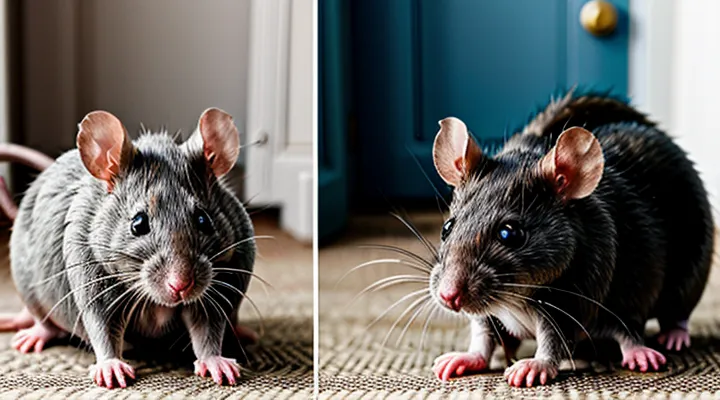
Understanding the Average Pet Rat Lifespan
Typical Lifespan Range
Pet rats usually live between two and three years. The most common lifespan falls within this interval, with the median age around 2.5 years.
- Minimum expected age: 1.5–2.0 years (rare, often due to health complications)
- Typical range: 2.0–3.0 years (most healthy individuals)
- Maximum observed age: up to 4.0 years (exceptional cases, usually with optimal care)
Longevity depends on genetics, diet, housing conditions, and veterinary attention. Proper nutrition, a clean environment, and regular health checks extend life toward the upper end of the typical range.
Factors Influencing Longevity
The length of time a domestic rat remains healthy is shaped by genetics, nutrition, environment, medical care, and stress management.
- Genetic background – Certain strains exhibit longer average life expectancy; selective breeding for vigor can extend survival.
- Dietary quality – Balanced protein, essential fatty acids, vitamins, and minerals support organ function; excess fat and processed foods accelerate age‑related decline.
- Housing conditions – Spacious cages, appropriate bedding, and regular cleaning reduce respiratory infections and injuries.
- Preventive veterinary care – Routine health checks, vaccinations where available, and prompt treatment of parasites or illnesses prevent complications that shorten life.
- Stress reduction – Consistent handling, minimal noise, and social interaction with compatible companions lower cortisol levels, which correlates with slower aging.
- Reproductive status – Females that breed frequently tend to have reduced longevity compared with non‑breeding individuals; limiting litters can improve overall lifespan.
Understanding and optimizing these variables creates the most favorable conditions for a pet rat to reach its full potential years of life.
Key Elements Affecting a Rat’s Lifespan
Genetics and Breeding
Inherited Conditions
Genetic disorders significantly influence the average life expectancy of a domestic rat. Many conditions are transmitted through breeding lines and can reduce vitality, cause chronic illness, or lead to premature death.
Common inherited ailments include:
- Congenital retinal degeneration – progressive loss of vision that begins shortly after birth, impairing navigation and increasing injury risk.
- Hereditary cardiac defects – structural abnormalities such as ventricular septal defects that compromise circulation and may result in heart failure.
- Metabolic enzyme deficiencies – deficiencies in enzymes like glucose‑6‑phosphate dehydrogenase cause hemolytic anemia under stress, limiting stamina and lifespan.
- Skeletal malformations – conditions such as dwarfism or spinal curvature affect mobility, hinder feeding, and predispose to secondary infections.
- Immune system deficiencies – genetic impairments of immune response heighten susceptibility to bacterial and viral agents, accelerating disease progression.
Breeding strategies that minimize the propagation of these traits involve:
- Maintaining detailed pedigree records to identify carriers.
- Conducting health screenings, including ophthalmic exams, cardiac auscultation, and genetic testing where available.
- Selecting breeding pairs without known recessive alleles for targeted conditions.
- Avoiding inbreeding coefficients above 5 % to reduce allele homozygosity.
Early detection of inherited disorders allows veterinary intervention—such as dietary adjustments for metabolic issues or surgical correction of cardiac defects—that can extend the rat’s functional years. Nonetheless, the presence of hereditary conditions remains a primary factor in reducing the typical longevity observed in healthy, well‑cared pet rats.
Reputable Breeders
Reputable rat breeders directly influence the health and longevity of domestic rats. Selecting a responsible source ensures that the animals begin life with a reduced risk of hereditary disease, proper socialization, and verified genetic background.
Key indicators of a trustworthy breeder include:
- Documentation of health screenings for common rat ailments such as respiratory infections, tumors, and metabolic disorders.
- Proof of a clean breeding environment, with regular sanitation and pest control measures.
- Clear records of lineage, allowing prospective owners to trace genetic traits and avoid inbreeding.
- Transparent policies on quarantine periods for new litters and the provision of a veterinary health certificate.
- Willingness to answer detailed questions about diet, enrichment, and early handling practices.
Breeders who meet these criteria typically provide guidance on optimal husbandry, contributing to a higher average life expectancy for pet rats. By obtaining animals from such sources, owners reduce the likelihood of early mortality caused by preventable health issues and benefit from animals that are better adapted to a domestic setting.
Diet and Nutrition
Essential Nutrients
Proper nutrition directly influences the longevity of a domestic rat. Adequate intake of essential nutrients supports growth, immune function, and organ health, thereby extending the animal’s life expectancy.
Key nutrients include:
- Protein – supplies amino acids required for tissue repair and enzyme synthesis; quality sources are mouse or rat pellets formulated with at least 18 % protein.
- Fat – provides concentrated energy and assists in the absorption of fat‑soluble vitamins; include modest amounts of animal or plant oils, keeping total dietary fat below 10 % of calories.
- Carbohydrates – deliver glucose for immediate energy; complex carbohydrates such as whole grains and vegetables are preferable to simple sugars.
- Fiber – promotes gastrointestinal motility and prevents constipation; incorporate high‑fiber vegetables (e.g., carrots, broccoli) and occasional bran.
- Vitamins – vitamin A, D, E, and K support vision, bone metabolism, antioxidant defenses, and blood clotting; a balanced commercial diet should meet these requirements.
- Minerals – calcium and phosphorus maintain skeletal integrity; magnesium, potassium, and sodium regulate nerve transmission and fluid balance; trace elements like zinc and selenium are vital for immune competence.
- Water – constant access to clean, fresh water is essential for hydration, renal function, and nutrient transport.
Supplementation should be limited to cases of diagnosed deficiency; excess vitamins or minerals can cause toxicity. Regular monitoring of body condition, coat quality, and activity level provides practical indicators of nutritional adequacy. Adjustments to the diet, based on veterinary guidance, help sustain optimal health throughout the rat’s life.
Harmful Foods
Diet quality directly impacts the longevity of a pet rat. Certain foods introduce toxins, disrupt digestion, or cause metabolic imbalances that shorten life expectancy. Recognizing and eliminating these items is essential for maintaining optimal health.
- Chocolate and cocoa products: contain theobromine, which rats cannot metabolize efficiently, leading to cardiac arrhythmia and seizures.
- Caffeine‑containing beverages or snacks: stimulate the nervous system excessively, resulting in hyperactivity, tremors, and potential fatal overdose.
- Alcohol: depresses central nervous function, causing respiratory failure and organ damage even at low doses.
- Avocado (especially skin and pit): includes persin, a toxin that can cause respiratory distress and heart damage in rodents.
- Citrus peel and large quantities of acidic fruit: irritate the gastrointestinal lining, leading to ulceration and malabsorption.
- Processed meats with high salt or nitrite content: promote renal strain and hypertension, accelerating cardiovascular decline.
- Raw beans or legumes: contain lectins that interfere with protein absorption and can trigger severe gastrointestinal upset.
- High‑fat junk food (chips, fried snacks): contributes to obesity, hepatic lipidosis, and insulin resistance, all of which reduce overall lifespan.
Avoiding these substances and providing a balanced diet of commercial rodent pellets, fresh vegetables, and limited protein sources supports healthy growth, immune function, and extended longevity for pet rats. Regular monitoring of food intake and prompt removal of hazardous items are critical components of responsible rodent care.
Hydration
Adequate water intake directly influences a domestic rat’s health span. Rats typically consume 5–10 ml of water per 100 g of body weight each day; younger animals require proportionally more fluid to support rapid growth, while seniors need steady access to prevent renal stress. Consistent hydration maintains blood volume, aids nutrient transport, and supports thermoregulation, all of which contribute to longer, healthier lives.
Dehydration manifests quickly: skin loses elasticity, eyes become sunken, and activity levels drop. Urine will appear concentrated and less frequent. Monitoring these signs enables early intervention, reducing the risk of kidney failure and gastrointestinal complications that shorten life expectancy.
Practical measures to ensure optimal fluid balance:
- Provide a stainless‑steel or heavy‑plastic water bottle with a leak‑proof sipper; replace spouts weekly.
- Refresh water daily; rats are sensitive to stale or contaminated sources.
- Offer small amounts of low‑sodium broth or diluted fruit juice as occasional supplements, not as primary hydration.
- Place water bottles at multiple cage levels to accommodate climbing behavior.
- Record daily water consumption for each rat; deviations of more than 20 % from baseline warrant veterinary assessment.
Environment and Enrichment
Cage Size and Layout
Adequate cage dimensions directly affect a pet rat’s health and longevity. A spacious enclosure encourages natural locomotion, reduces stress, and supports musculoskeletal development, all of which contribute to a longer, healthier life.
- Minimum floor area: 2 sq ft (≈0.19 m²) per adult pair.
- Recommended floor area for a single rat: 4 sq ft (≈0.37 m²).
- Height: at least 12 in (30 cm) to allow vertical climbing.
- Materials: solid, non‑toxic base; wire mesh for sides and top with openings no larger than ½ in (12 mm) to prevent escape.
Layout should facilitate exploration and enrichment. Provide multiple levels or platforms connected by safe ramps, allowing rats to climb and observe their environment from different heights. Place chewable items, tunnels, and hideouts throughout the space to stimulate foraging behavior. Keep food and water dispensers on opposite sides of the cage to encourage movement. Use absorbent, dust‑free bedding that can be changed regularly to maintain hygiene.
Regular inspection of cage integrity, bedding condition, and enrichment placement ensures that the environment remains safe and functional. Adjust dimensions or add modules as the rat matures or as additional companions are introduced, maintaining the spatial standards that support optimal well‑being.
Social Interaction
Pet rats are highly social mammals; regular interaction with conspecifics markedly influences their health trajectory. Studies show that rats housed in compatible groups exhibit lower stress hormone levels, reduced incidence of respiratory infections, and extended median survival compared to solitary individuals.
Group composition matters. Stable pairs or trios of same‑sex or compatible mixed‑sex rats develop hierarchical structures that regulate aggression and promote grooming, nesting, and play behaviors. Overcrowding or mismatched temperaments increase fighting, elevate cortisol, and shorten life expectancy.
Isolation produces measurable physiological decline. Chronically solitary rats display decreased body weight, impaired immune response, and accelerated age‑related pathologies, resulting in a lifespan reduction of 20‑30 % relative to socially housed counterparts.
Practical guidelines for owners:
- Provide at least one compatible cage‑mate of similar age and temperament.
- Monitor interactions daily; intervene when persistent aggression occurs.
- Supplement cage enrichment (tunnels, chew toys, climbing apparatus) to facilitate communal activities.
- Offer daily handling sessions for each rat to reinforce human‑rat bonding, which further reduces stress.
- Schedule quarterly veterinary checks to detect early signs of social stress‑related illness.
Implementing these measures aligns rat social welfare with optimal longevity outcomes.
Mental Stimulation
Mental stimulation provides rats with opportunities to solve problems, explore novel objects, and engage in social interaction. These activities activate neural pathways, promote neurogenesis, and reduce chronic stress hormones.
Reduced stress correlates with lower cortisol levels, improved cardiovascular function, and enhanced immune response. In rodents, enriched environments have been shown to increase survival rates compared with barren cages.
Research indicates that rats receiving daily enrichment live several months longer than those without. The extension is attributed to slower age‑related cognitive decline and decreased incidence of disease linked to stress.
Practical enrichment methods:
- Puzzle feeders that require manipulation to release food.
- Rotating toys (tunnels, wheels, chew blocks) every 2–3 days.
- Structured play sessions lasting 10–15 minutes, three times daily.
- Opportunities for safe social contact with compatible conspecifics.
Consistent implementation of these practices supports neural health, mitigates stress, and contributes to a measurable increase in the animal’s overall longevity.
Healthcare and Veterinary Care
Regular Check-ups
Veterinary examinations at defined intervals provide the most reliable means of extending a pet rat’s expected longevity. Early detection of respiratory infections, dental overgrowth, and gastrointestinal disorders reduces mortality risk and supports optimal development.
A practical schedule includes:
- Initial health assessment within the first two weeks after acquisition.
- Follow‑up examinations at one‑month, three‑month, and six‑month marks.
- Semi‑annual visits thereafter, increasing to quarterly appointments for rats older than eighteen months or exhibiting chronic conditions.
- Immediate consultation for any signs of sneezing, nasal discharge, weight loss, or abnormal behavior.
During each visit the veterinarian should:
- Conduct a thorough physical exam, focusing on the eyes, ears, and tail.
- Inspect incisors for proper alignment and length.
- Evaluate respiratory sounds with a stethoscope.
- Perform fecal analysis to identify parasites or bacterial overgrowth.
- Review diet, housing conditions, and enrichment practices.
Adhering to this regimen maximizes health monitoring, enables timely intervention, and directly contributes to a longer, healthier life for the animal.
Common Health Issues
Pet rats commonly encounter health problems that can shorten their overall longevity. Recognizing and addressing these conditions early improves survival rates and quality of life.
- Respiratory infections (e.g., Mycoplasma pulmonis, Streptococcus spp.) cause sneezing, nasal discharge, and labored breathing. Prompt antibiotic therapy and humidified housing reduce mortality.
- Dental overgrowth leads to malocclusion, weight loss, and facial swelling. Regular inspection and periodic trimming prevent severe complications.
- Gastrointestinal disturbances, including dysbiosis and parasitic infestations (e.g., Pinworm, Coccidia), manifest as diarrhea, reduced appetite, and lethargy. Fecal analysis and targeted antiparasitic treatment are essential.
- Skin and fur issues such as dermatitis, fungal infections, and ectoparasite infestations result in hair loss, itching, and secondary infections. Maintaining clean bedding and applying appropriate topical agents control outbreaks.
- Tumors, particularly mammary adenomas and sarcomas, appear frequently in older rats. Surgical removal combined with histopathological evaluation offers the best prognosis.
Routine veterinary examinations, vigilant observation of behavior and physical changes, and a stable environment with proper nutrition collectively mitigate these ailments, thereby extending the rat’s lifespan.
Early Detection and Treatment
Early detection of disease markedly improves the chances of extending a pet rat’s life expectancy. Routine observation of behavior, appetite, and physical condition reveals deviations that often precede serious illness.
Common health concerns identifiable through early monitoring include:
- Respiratory distress (labored breathing, nasal discharge)
- Gastrointestinal upset (diarrhea, reduced food intake)
- Skin lesions or hair loss
- Unexplained weight loss or gain
- Lethargy and reduced activity
Prompt treatment protocols for these conditions are:
- Veterinary assessment within 24 hours of symptom onset.
- Targeted antimicrobial or antifungal therapy based on culture results.
- Fluid therapy for dehydration or electrolyte imbalance.
- Nutritional supplementation with high‑quality protein and essential vitamins.
- Environmental adjustments (temperature, humidity, bedding) to reduce stressors.
Implementing regular health checks and immediate veterinary intervention reduces morbidity and contributes to longer, healthier lives for companion rats.
Stress and Its Impact
Environmental Stressors
Environmental stressors exert measurable influence on a pet rat’s longevity, altering physiological processes and disease susceptibility. Temperature extremes, for example, accelerate metabolic rates at high heat, leading to dehydration and heat‑stroke, while prolonged cold exposure suppresses immune function and can cause hypothermia. Humidity fluctuations affect respiratory health; excessive moisture promotes fungal growth and bacterial proliferation in the enclosure, whereas overly dry air irritates nasal passages and impairs mucociliary clearance.
Noise levels above 70 dB trigger chronic stress responses, elevating cortisol concentrations that suppress growth and impair wound healing. Vibration and sudden loud sounds produce similar hormonal effects, increasing the risk of cardiovascular strain. Light cycles that deviate from a consistent 12‑hour light/dark rhythm disrupt circadian regulation, resulting in hormonal imbalances that can shorten life expectancy.
Chemical agents present significant risk:
- Ammonia accumulation from urine, exceeding 25 ppm, damages lung tissue and predisposes to pneumonia.
- Cleaning products containing phenols, bleach, or strong fragrances cause mucosal irritation and systemic toxicity if inhaled or ingested.
- Pesticides or rodent‑control substances introduced inadvertently into the habitat lead to neurotoxicity and organ failure.
Physical confinement also contributes to reduced survival. Overcrowding raises aggression, limits access to food and water, and facilitates transmission of infectious agents such as Mycoplasma pulmonis. Inadequate substrate depth impedes natural burrowing behavior, increasing stress‑induced hyperthermia and musculoskeletal strain.
Mitigation strategies focus on maintaining stable environmental parameters: temperature 18‑22 °C, relative humidity 45‑55 %, ammonia below 25 ppm, noise under 60 dB, and consistent light cycles. Regular cleaning with mild, non‑toxic agents, proper ventilation, and provision of enrichment items that allow nesting and exploration further support physiological resilience, thereby extending the rat’s overall life expectancy.
Social Stress
Social stress significantly shortens the average life expectancy of a domestic rat. Chronic exposure to aggression, overcrowding, or unstable group composition triggers physiological responses that accelerate aging processes.
Key mechanisms include:
- Elevated cortisol levels, which suppress immune function and increase susceptibility to infections.
- Persistent activation of the hypothalamic‑pituitary‑adrenal axis, leading to metabolic disturbances and cardiovascular strain.
- Disruption of normal grooming and feeding behaviors, resulting in weight loss and nutrient deficiencies.
Environmental factors that heighten social tension:
- Introducing unfamiliar rats without gradual acclimation.
- Maintaining cages at or above the species‑specific density limit (approximately 0.2 m² per animal).
- Allowing dominant individuals to monopolize resources such as food, water, and nesting material.
Preventive measures:
- Establish stable, compatible groups based on age, sex, and temperament.
- Provide multiple feeding stations, water bottles, and nesting sites to reduce competition.
- Monitor interactions daily; separate aggressors promptly to avoid prolonged confrontations.
- Enrich the enclosure with tunnels, hideouts, and chewable objects to disperse activity and lower stress levels.
Research indicates that rats housed in low‑stress social environments can achieve lifespans of 2.5–3 years, whereas those subjected to chronic conflict often live 6–12 months less. Reducing social stress therefore directly contributes to longer, healthier lives for pet rats.
Handling and Interaction
Proper handling directly influences a pet rat’s health and overall longevity. Gentle grip, support of the hindquarters, and avoidance of sudden movements reduce stress and prevent injury. Consistent, calm contact encourages trust, which in turn lowers cortisol levels that can shorten life expectancy.
- Approach the rat from the side, not from above.
- Use cupped hands to cradle the body, allowing the animal to grasp the fingers with its forepaws.
- Maintain a stable posture; avoid jerky motions that could cause whiplash.
- Limit handling sessions to 5–10 minutes for young or timid individuals, extending gradually as confidence builds.
Interaction frequency shapes both physical condition and mental stimulation. Daily short sessions promote muscular tone and circulation, while longer weekly play periods provide opportunities for exploration and problem‑solving. Excessive handling beyond the rat’s tolerance can trigger anxiety, leading to immune suppression and reduced lifespan.
Social enrichment complements direct contact. Pairing compatible individuals, supplying chewable toys, and rotating maze elements prevent boredom and repetitive behaviors that stress the nervous system. Structured play that mimics natural foraging reinforces instinctual activity, supporting cardiovascular health and extending the animal’s viable years.
Maximizing Your Pet Rat's Lifespan
Proactive Care Strategies
Proactive care directly influences the length and quality of a domestic rat’s life. Early intervention, consistent monitoring, and preventive measures reduce the incidence of common health issues and support optimal development.
A balanced diet forms the cornerstone of health maintenance. Provide a commercial rodent mix supplemented with fresh vegetables, limited fruit, and occasional protein sources. Rotate food items weekly to ensure a broad nutrient spectrum and prevent deficiencies. Monitor portion sizes to avoid obesity, a leading cause of cardiac and joint problems.
Environmental management minimizes stress and disease exposure. Keep the cage clean, replace bedding regularly, and maintain a temperature range of 68‑75 °F (20‑24 °C). Ensure ventilation without drafts and provide hiding spots, climbing structures, and chewable objects to encourage natural behaviors.
Preventive veterinary care includes scheduled examinations and vaccinations where available. Establish a baseline health record—weight, coat condition, and dental status—then track changes at monthly intervals. Early detection of respiratory infections, skin lesions, or dental overgrowth allows prompt treatment and reduces complications.
Key proactive strategies:
- Daily health checks: observe activity level, breathing sounds, and grooming habits.
- Weekly cage sanitation: remove waste, replace bedding, and disinfect accessories.
- Monthly weight measurement: compare against growth curves for the specific breed.
- Quarterly veterinary visits: conduct physical exams, blood work, and dental evaluations.
- Seasonal adjustments: modify lighting and temperature to match natural rhythms.
Implementing these measures creates a stable, low‑risk environment that extends a pet rat’s productive years while enhancing overall well‑being.
Recognizing Signs of Illness
Monitoring a pet rat’s health directly influences its longevity. Early detection of disease prevents rapid decline and maximizes the animal’s functional years.
Typical indicators of illness include:
- Reduced activity or reluctance to explore familiar environments.
- Noticeable weight loss or failure to gain weight despite adequate nutrition.
- Abnormal respiratory sounds such as wheezing, clicking, or persistent sneezing.
- Discolored, wet, or malodorous eyes, nose, or ears.
- Diarrhea, loose stools, or blood in feces.
- Changes in coat texture, including excessive shedding, dullness, or bald patches.
- Unusual aggression, lethargy, or sudden hyperactivity.
- Frequent urination or difficulty eliminating waste.
When any of these signs appear, isolate the rat to reduce stress and potential contagion. Conduct a thorough physical examination, noting temperature, heart rate, and respiratory rhythm. Consult a qualified exotic‑animal veterinarian promptly; provide a detailed log of symptoms, diet, and recent environmental changes. Initiate prescribed treatments without delay, and adjust husbandry practices—such as temperature control, cage hygiene, and diet composition—to support recovery.
Consistent observation, swift response, and professional veterinary care together form the most effective strategy for preserving a pet rat’s health and extending its productive lifespan.
End-of-Life Care Considerations
As a pet rat nears the end of its usual two‑to‑three‑year life expectancy, physiological decline demands proactive adjustments in care. Recognizing signs of aging—reduced activity, weight loss, altered grooming, labored breathing—guides timely intervention and prevents unnecessary suffering.
Key considerations for end‑of‑life management include:
- Medical monitoring: Schedule frequent veterinary examinations; conduct blood work, imaging, and pain assessments to identify treatable conditions and gauge discomfort levels.
- Pain control: Administer veterinarian‑approved analgesics (e.g., buprenorphine, meloxicam) at recommended dosages; observe for signs of relief or adverse reactions.
- Nutritional support: Offer easily digestible, high‑calorie foods such as soft pellets, soaked oats, or specialized recovery formulas; supplement with water‑rich fruits to maintain hydration.
- Environmental comfort: Adjust cage temperature to a stable, warm range (22‑24 °C); provide soft bedding, low‑profile shelters, and minimal noise to reduce stress.
- Hygiene management: Increase cleaning frequency to prevent infection; monitor for skin lesions, urinary issues, or respiratory discharge.
- Humane euthanasia: Discuss criteria for quality of life with a veterinarian; consider painless injection protocols when pain becomes unmanageable or organ failure is imminent.
- Emotional support for the owner: Encourage documentation of the rat’s final days, offer resources for grief counseling, and suggest the creation of a memorial to honor the pet’s life.
- Legal and ethical compliance: Follow local regulations regarding animal disposal and euthanasia; ensure all procedures align with veterinary best practices.
Implementing these measures preserves dignity, minimizes distress, and provides a respectful conclusion to the rat’s brief but vibrant existence.