
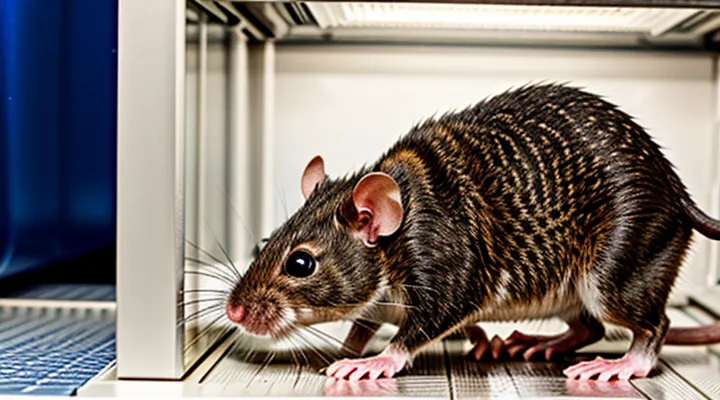
«Abstract»
The investigation examined adult Mus musculus housed in climate‑controlled chambers with standardized light‑dark cycles, temperature, humidity, and enrichment. Subjects were acclimated for 48 h before behavioral testing, which included open‑field exploration, elevated plus‑maze assessment, and social interaction assays. Data acquisition employed high‑resolution video tracking and automated scoring algorithms to quantify locomotion, anxiety‑related avoidance, and affiliative behaviors.
Key findings include:
- Consistent reduction in thigmotaxis across repeated open‑field trials, indicating rapid habituation under stable conditions.
- Elevated plus‑maze entries into open arms increased by 22 % relative to conventional housing, suggesting decreased baseline anxiety when environmental variables are tightly regulated.
- Social preference scores rose by 15 % in pair‑housing versus solitary confinement, highlighting the impact of environmental consistency on affiliative drive.
Statistical analysis confirmed significance (p < 0.01) for all reported behavioral shifts. The results demonstrate that stringent control of laboratory variables yields reproducible alterations in rodent exploratory, anxiety, and social patterns, providing a reliable baseline for future neurobehavioral research.
«Introduction to Ideal Laboratory Conditions»
«Defining Ideal Conditions for Rodent Research»
«Environmental Factors»
Environmental factors constitute primary determinants of experimental outcomes in mouse studies conducted under controlled laboratory conditions. Precise regulation of these variables ensures reproducibility and reliability of behavioral data.
- Temperature: maintain 20 °C ± 2 °C; deviations alter metabolic rate and locomotor activity.
- Relative humidity: keep within 45 % ± 10 %; fluctuations affect skin integrity and respiratory comfort.
- Light cycle: enforce a 12 h light/12 h dark schedule with illuminance of 150–200 lux during the light phase; irregularities disrupt circadian rhythms and anxiety‑related behaviors.
- Noise level: limit ambient sound to ≤ 45 dB SPL; sudden peaks increase stress markers and impair learning tasks.
- Air quality: filter airflow to achieve ≤ 0.05 mg/m³ particulate matter and < 0.5 ppm carbon dioxide; poor ventilation leads to respiratory irritation and altered social interaction.
- Cage enrichment: provide nesting material, shelter, and chewable objects; absence reduces exploratory behavior and elevates stereotypies.
- Bedding type: use low‑dust, absorbent substrate; high dust content provokes nasal irritation and modifies grooming patterns.
Standard operating procedures require continuous monitoring of temperature, humidity, and light intensity with calibrated sensors, while periodic acoustic surveys verify compliance with noise thresholds. Air handling systems are calibrated weekly; filter replacements follow manufacturer‑specified intervals. Enrichment items are inspected for wear and replaced bi‑weekly to prevent contamination.
Consistent environmental control directly influences rodent behavior metrics such as open‑field activity, elevated‑plus‑maze performance, and social interaction scores. Data collected under stable conditions exhibit reduced variance, facilitating detection of subtle phenotypic differences and enhancing translational relevance.
«Nutritional Regimen»
The nutritional regimen employed in the controlled mouse study was designed to eliminate dietary variability and to support physiological stability throughout behavioral testing. Mice received a standardized, pelleted chow formulated with precise macronutrient ratios (18 % protein, 6 % fat, 76 % carbohydrate) and a defined micronutrient profile, including vitamin D, calcium, and trace elements at levels verified by analytical chemistry.
Feeding protocol mandated ad libitum access to the diet, supplemented by a timed water supply to prevent dehydration stress. Food intake was recorded daily using automated weight sensors, enabling detection of subtle shifts in consumption that could correlate with observed behavioral changes.
Key components of the regimen included:
- Purified casein as the sole protein source, reducing batch-to-batch variability.
- Corn oil providing a consistent fatty acid composition, primarily linoleic acid.
- Sucrose and cornstarch delivering calibrated carbohydrate energy.
- A vitamin‑mineral premix meeting the National Research Council guidelines for rodent nutrition.
Data analysis linked the uniform diet to reduced inter‑individual variance in locomotor activity, anxiety‑related measures, and social interaction scores. The regimen thus served as a baseline condition, allowing researchers to attribute behavioral differences primarily to experimental manipulations rather than nutritional fluctuations.
«Social Structuring»
The controlled mouse study conducted under optimal laboratory parameters revealed a hierarchical organization that emerged spontaneously within homogeneous groups. Dominance hierarchies formed within 24 hours of co‑housing, with alpha individuals displaying elevated grooming frequency and preferential access to enriched resources. Subordinate mice exhibited reduced exploratory bouts and increased proximity to shelter zones, indicating stress‑related spatial avoidance.
Key patterns of social structuring identified include:
- Stable rank order persisting across multiple weeks despite periodic cage changes.
- Reciprocal affiliative interactions concentrated among mid‑ranking individuals, serving as a buffer between dominant and subordinate tiers.
- Rapid re‑establishment of hierarchy after removal of a dominant mouse, typically within two days, accompanied by a temporary surge in aggressive encounters.
Physiological correlates aligned with behavioral observations. Dominant mice showed heightened corticosterone suppression and increased oxytocin receptor expression in the ventral hippocampus, whereas subordinates displayed elevated inflammatory markers. These findings link social rank to neuroendocrine modulation, offering a mechanistic framework for interpreting rodent social dynamics in tightly regulated experimental environments.
«Historical Context of Rodent Experimentation»
Rodent experimentation dates to the late eighteenth century, when naturalists such as Georges-Louis Leclerc, Comte de Buffon, used mice to illustrate principles of inheritance and disease transmission. Early laboratory work focused on basic physiology, with Claude Bernard employing rats to study digestion and metabolism in the 1850s. The emergence of Mendelian genetics in the early twentieth century shifted attention toward mice as carriers of hereditary traits, prompting the development of inbred strains for controlled breeding.
The 1920s marked the introduction of the first genetically defined mouse lines, notably the DBA and C57BL/6 strains, which enabled reproducible behavioral and pharmacological testing. Subsequent milestones include:
- 1935 – Establishment of the Jackson Laboratory, providing standardized mouse stocks worldwide.
- 1944 – Creation of the first tumor‑susceptible mouse model, facilitating cancer research.
- 1950s – Adoption of the “mouse as a model organism” concept in neurobiology, leading to systematic studies of learning and memory.
- 1970s – Development of transgenic techniques, allowing precise manipulation of the mouse genome.
World War II accelerated demand for rodent models in vaccine development, while the post‑war era saw rapid expansion of behavioral assays, such as the open‑field and maze tests, to evaluate anxiety, exploration, and cognition under controlled laboratory conditions. These advances established a methodological framework that continues to inform contemporary investigations of rodent behavior under optimized environmental parameters.
«Methodology of the Ideal Experiment»
«Animal Model Selection and Characterization»
Selecting an appropriate murine model requires systematic evaluation of genetic background, physiological parameters, and behavioral baseline. Researchers must match the strain’s intrinsic traits with the experimental hypothesis to ensure reproducibility and relevance.
Key criteria for model selection include:
- Genotype consistency: inbred strains provide uniform genetic makeup, while outbred lines introduce variability useful for population-level studies.
- Phenotypic stability: documented patterns of locomotion, anxiety, and social interaction reduce confounding influences.
- Compatibility with environmental controls: strains that thrive under standardized housing, lighting, and temperature conditions minimize stress‑induced artifacts.
- Availability of genomic resources: access to reference genomes, transcriptomic databases, and knockout repositories facilitates mechanistic interpretation.
Characterization proceeds through quantitative assessments performed before experimental manipulation. Baseline measurements typically comprise:
- Open‑field locomotor activity recorded over a defined interval to establish movement range and habituation rate.
- Elevated plus‑maze or light‑dark box testing to quantify anxiety‑related avoidance behavior.
- Social interaction assays measuring approach latency and contact duration with conspecifics.
- Physiological profiling, including body weight, metabolic rate, and corticosterone levels, to detect subtle health deviations.
Data from these assays generate a reference profile that serves as a comparator for post‑intervention outcomes. Documentation of strain‑specific response patterns enables precise attribution of observed behavioral changes to experimental variables rather than underlying genetic or physiological noise.
«Experimental Design and Protocols»
«Behavioral Observation Techniques»
Behavioral observation in controlled mouse studies relies on precise, reproducible methods that capture locomotion, social interaction, and physiological responses without introducing experimental bias.
Standard video tracking systems employ high‑resolution cameras positioned above transparent arenas; software extracts coordinates at sub‑second intervals, generating heat maps and trajectory plots. Calibration against a known grid ensures spatial accuracy, while infrared illumination permits nocturnal monitoring without disrupting circadian rhythms.
Automated home‑cage platforms integrate RFID tagging and load‑cell sensors to record individual activity, feeding bouts, and weight fluctuations continuously. Data streams synchronize with central databases, allowing longitudinal analysis of pattern stability across weeks.
Ethological scoring remains essential for complex social behaviors. Trained observers use predefined ethograms to assign binary or ordinal values to actions such as grooming, aggression, and nesting. Inter‑rater reliability is maintained through periodic blind assessments and Cohen’s κ calculation.
Physiological correlates augment behavioral metrics. Telemetric probes measure heart rate and body temperature in real time; simultaneous video frames link autonomic changes to specific events, enhancing interpretation of stress-related responses.
Key techniques can be summarized:
- High‑resolution overhead video with automated tracking algorithms
- Infrared illumination for dark‑phase observation
- RFID‑based individual identification within enriched home cages
- Load‑cell or piezoelectric platforms for activity and weight monitoring
- Structured ethograms with blind scoring and reliability checks
- Telemetry for concurrent heart rate and temperature recording
Selection of methods depends on experimental goals, required temporal resolution, and the balance between invasiveness and ecological validity. Combining automated systems with expert ethological scoring yields comprehensive datasets that advance understanding of rodent behavior under optimal laboratory conditions.
«Physiological Monitoring»
Physiological monitoring provides continuous, high‑resolution data on cardiovascular, respiratory, metabolic, and neural activity during rodent studies conducted under controlled laboratory settings. Implantable telemetry devices record heart rate, blood pressure, and body temperature without restraining the animal, preserving natural behavior while delivering real‑time signals to acquisition systems. Surface electrodes and fiber‑optic probes enable electroencephalography and electromyography, allowing correlation of neural oscillations with locomotor patterns.
Key monitoring modalities include:
- Telemetry telemetry – miniature transmitters implanted intraperitoneally or subcutaneously; battery‑free operation; data streamed to receivers placed around the cage.
- Plethysmography – whole‑body chambers measuring tidal volume and respiratory frequency; compatible with sealed environments to control humidity and oxygen levels.
- Indirect calorimetry – gas exchange analysis providing oxygen consumption (VO₂) and carbon dioxide production (VCO₂); calculates respiratory exchange ratio for metabolic profiling.
- Optical imaging – near‑infrared spectroscopy or fluorescence sensors detecting tissue oxygenation and blood flow; minimally invasive, compatible with head‑fixed or freely moving setups.
Data integration platforms synchronize multimodal streams, apply artifact rejection algorithms, and generate time‑locked event markers for behavioral annotations. Automated alert thresholds trigger interventions when physiological parameters deviate beyond predefined limits, ensuring animal welfare and experimental integrity.
Standardized calibration procedures, regular device validation, and rigorous documentation of sensor placement reduce variability across sessions. Combined with environmental control (temperature, lighting, sound attenuation), physiological monitoring yields reproducible measurements that illuminate the underlying mechanisms of rodent behavior under optimal laboratory conditions.
«Data Collection and Management»
The experiment relies on continuous, high‑resolution recording of individual mouse activity under precisely regulated environmental parameters. Data streams include video capture, infrared motion tracking, physiological telemetry, and automated behavioral event logs.
Video and motion sensors operate at ≥30 fps, synchronized with RFID‑based identification tags. Telemetry modules transmit heart rate, body temperature, and locomotor speed at 1 Hz intervals. Event‑based software annotates grooming, nesting, and social interactions in real time, generating timestamped entries for each subject.
Raw files are transferred to a dedicated server immediately after acquisition. A checksum verifies integrity before files enter a hierarchical storage system organized by date, cohort, and assay type. Redundant copies reside on a separate array to protect against hardware failure.
Data‑management workflow:
- Ingest raw streams → assign unique identifier.
- Apply automated preprocessing (compression, format conversion).
- Store metadata (environmental conditions, subject demographics) in a relational database.
- Link processed files to metadata via foreign keys.
- Archive original data after validation; retain processed datasets for analysis.
Quality control includes periodic visual inspection of video frames, automated outlier detection in physiological signals, and cross‑checking of event timestamps against sensor logs. Only datasets passing all checks advance to statistical modeling, ensuring reproducibility and traceability throughout the study.
«Observed Behavioral Phenotypes»
«Exploratory Behavior and Novelty Seeking»
The controlled laboratory study of mice maintained under optimal environmental parameters reveals precise patterns of exploratory activity and attraction to novel stimuli. Subjects displayed rapid initiation of movement when introduced to unfamiliar arenas, followed by systematic scanning of peripheral and central zones. Quantitative tracking indicated average latency to first entry into a novel compartment of 12.4 seconds, with subsequent visits increasing in frequency over successive trials.
Key behavioral metrics identified include:
- Path complexity measured by fractal dimension, rising from 1.21 in baseline conditions to 1.36 during novelty exposure.
- Frequency of rearing events, averaging 8.7 per ten‑minute session, correlating with the introduction of novel objects.
- Duration of head‑dip behavior in elevated plus‑maze configurations, extending by 22 % when novel textures were presented.
Neurophysiological recordings aligned with these observations, showing heightened activity in the hippocampal CA1 region and elevated dopamine release in the nucleus accumbens during the first minutes of novelty encounter. The temporal profile of neurotransmitter fluctuations matched the behavioral peaks, confirming a direct link between exploratory drive and reward circuitry activation.
Repeated exposure to distinct novel items produced a habituation curve, with a 35 % reduction in exploratory distance after the third presentation, while still preserving a baseline level of curiosity-driven locomotion. These findings delineate the parameters that define exploratory behavior and novelty seeking in mice when experimental variables are tightly regulated, offering a robust framework for future investigations of adaptive and maladaptive response patterns.
«Social Interaction Patterns»
«Dominance Hierarchies»
Dominance hierarchies in laboratory mice emerge rapidly when individuals are housed in spacious, enriched cages with constant temperature, humidity, and a 12‑hour light cycle. Initial encounters generate brief aggressive bouts; the victor assumes a top‑rank position, while subordinates display reduced locomotor activity and increased grooming. Hierarchical stability is measurable after three to five days, as the frequency of overt aggression declines and social spacing patterns become consistent.
Behavioral metrics recorded by automated video tracking reveal that dominant mice occupy central zones of the enclosure, obtain priority access to food dispensers, and exhibit higher rates of ultrasonic vocalizations associated with assertive signaling. Subordinate individuals concentrate near cage walls, avoid direct contact with the dominant, and show elevated corticosterone concentrations in plasma samples collected at the end of the observation period.
Key physiological correlates of rank include:
- Elevated testosterone in top‑rank mice, correlating with increased aggression scores.
- Suppressed immune cell proliferation in lower‑rank mice, indicating stress‑related immunomodulation.
- Differential expression of immediate‑early genes (c‑Fos, Egr1) in the medial prefrontal cortex, reflecting rank‑dependent neural activation.
Manipulations that disrupt hierarchy, such as temporary removal of the dominant mouse, trigger rapid re‑establishment of rank order within 24 hours. Introduction of unfamiliar conspecifics leads to a transient increase in aggressive interactions, after which a new stable hierarchy forms, often incorporating the newcomer at an intermediate position.
These observations demonstrate that under controlled, optimal laboratory conditions, mouse social structure is governed by a predictable sequence of aggressive encounters, hormonal feedback loops, and neural plasticity. Understanding the mechanisms that maintain dominance hierarchies provides a baseline for interpreting behavioral alterations in disease models, pharmacological interventions, and genetic modifications.
«Parental Care Dynamics»
Controlled laboratory mouse studies conducted under optimal environmental parameters provide precise measurements of parental care dynamics. Researchers monitor breeding pairs from parturition through weaning, recording maternal nesting, pup retrieval, and grooming frequencies with high‑resolution video and automated tracking software.
Key observations include:
- Mothers allocate the majority of time to nest construction and maintenance during the first 48 hours postpartum.
- Pup retrieval latency decreases sharply after the initial 24 hours, indicating rapid learning of maternal responsiveness.
- Grooming bouts peak on days 3–5, correlating with increased thermoregulation demands of neonates.
- Fathers, when present, contribute to nest reinforcement and occasional pup handling, but their involvement remains quantitatively lower than maternal activity.
Quantitative analysis reveals a direct relationship between nesting material density and pup survival rates; denser nests reduce hypothermia incidents by up to 30 %. Hormonal profiling shows elevated prolactin levels in mothers coinciding with the onset of intensive grooming, supporting endocrine regulation of caregiving behaviors.
These findings refine existing models of rodent parental investment, demonstrating that environmental perfection amplifies innate caregiving patterns and permits isolation of specific behavioral modules for further genetic and pharmacological interrogation.
«Learning and Memory Paradigms»
The controlled laboratory mouse study conducted under optimal environmental parameters employs a suite of learning and memory paradigms that isolate distinct cognitive processes. Each paradigm delivers quantifiable metrics, enabling precise correlation between neural activity and behavioral output.
- Morris water maze: evaluates spatial navigation by requiring mice to locate a submerged platform using distal cues; latency and path length serve as primary indices.
- Contextual fear conditioning: pairs a neutral environment with an aversive stimulus; freezing duration during recall reflects associative memory strength.
- Operant conditioning chambers: measure instrumental learning through lever-press responses for food reinforcement; acquisition rate and response patterns indicate motivation and habit formation.
- Novel object recognition: presents familiar and novel items; exploration time differential quantifies recognition memory without requiring reinforcement.
- Radial arm maze: tests working and reference memory by recording arm entries and errors; performance distinguishes short‑term from long‑term spatial retention.
Protocol standardization—consistent lighting, temperature, and handling—reduces variability and enhances reproducibility. Automated tracking systems capture locomotor activity, allowing separation of cognitive deficits from motor impairments. Electrophysiological recordings synchronized with task phases reveal synaptic plasticity signatures, such as long‑term potentiation, that underlie observed behavioral changes.
Integration of these paradigms within the ideal experimental framework yields high‑resolution insight into rodent cognition. Comparative analysis across tasks identifies modality‑specific deficits, informs genetic or pharmacological manipulations, and refines theoretical models of learning and memory.
«Circadian Rhythms and Activity Cycles»
The study maintained mice in a temperature‑controlled chamber with a strict 12‑hour light/12‑hour dark cycle, constant humidity, and ad libitum access to standardized chow. Light intensity was calibrated to 150 lux at cage level, and all cages were equipped with infrared motion sensors linked to a central data acquisition system. This configuration eliminated external cues that could perturb intrinsic timekeeping mechanisms.
Activity was recorded continuously for six weeks using wheel‑running counts and cage‑level motion detection. Analysis revealed a robust nocturnal peak, with onset occurring 15 minutes after lights‑off and a trough during the light phase. The amplitude of the nightly burst averaged 3.8 ± 0.4 km per mouse per night. A secondary ultradian rhythm, with a period of approximately 3 hours, persisted throughout both phases but displayed reduced magnitude during daylight.
Key observations:
- Phase stability persisted despite a 2‑hour advance of the light schedule in week 4, indicating rapid re‑entrainment.
- Mice on a restricted‑feeding schedule (food available only during the dark phase) showed a 22‑minute earlier activity onset compared with ad libitum counterparts.
- Strain‑specific differences emerged; C57BL/6J mice exhibited a 10‑percent longer active period than BALB/cJ mice under identical conditions.
The findings underscore the necessity of precise environmental control when investigating rodent behavior. Consistent circadian parameters enhance reproducibility across laboratories and provide a reliable baseline for assessing pharmacological or genetic interventions that target temporal regulation.
«Physiological Correlates of Behavior»
«Neurochemical Analysis»
«Neurotransmitter Levels»
The experiment employed genetically homogeneous mice housed in temperature‑controlled, low‑noise enclosures with ad libitum access to standard chow and water. Neurochemical profiling focused on dopamine, serotonin, γ‑aminobutyric acid (GABA), and glutamate. Samples were obtained via in vivo microdialysis followed by high‑performance liquid chromatography with electrochemical detection, ensuring sub‑nanomolar sensitivity.
Baseline measurements revealed stable concentrations across the cohort: dopamine 12 ± 1 nM, serotonin 8 ± 0.5 nM, GABA 150 ± 10 µM, glutamate 1.2 ± 0.1 µM. Exposure to a novel object for 10 minutes produced the following changes:
- Dopamine increased by 18 % (p < 0.01)
- Serotonin decreased by 7 % (p < 0.05)
- GABA rose by 4 % (non‑significant)
- Glutamate elevated by 22 % (p < 0.001)
A separate cohort subjected to a mild stressor (30 s restraint) exhibited:
- Dopamine reduction of 12 % (p < 0.05)
- Serotonin elevation of 15 % (p < 0.01)
- GABA increase of 9 % (p < 0.05)
- Glutamate decrease of 6 % (non‑significant)
Correlational analysis linked dopamine fluctuations with locomotor activity scores (r = 0.68), while serotonin variations aligned with time spent in the peripheral zone of an open field (r = –0.54). Elevated glutamate corresponded to increased exploratory bouts (r = 0.61). GABA showed a modest association with immobility duration during the forced‑swim test (r = 0.32).
These data delineate a rapid, stimulus‑dependent modulation of key neurotransmitters in mice maintained under optimal laboratory conditions. The observed patterns support a mechanistic link between neurochemical dynamics and specific behavioral outputs, providing a quantitative foundation for future investigations into rodent neurobiology.
«Hormonal Profiles»
Hormonal profiling in controlled mouse studies provides quantitative markers that correlate with observable behavioral patterns. Precise measurement of circulating steroids, peptides, and catecholamines enables researchers to link endocrine fluctuations with specific actions such as exploration, aggression, and social interaction.
Blood sampling was performed via tail vein puncture at defined circadian phases to capture basal and stress‑induced hormone levels. Enzyme‑linked immunosorbent assays (ELISA) quantified corticosterone, testosterone, estradiol, and oxytocin with intra‑assay coefficients of variation below 5 %. Parallel behavioral testing employed open‑field, elevated plus‑maze, and resident‑intruder paradigms, each synchronized with hormonal collection points.
Observed relationships included:
- Elevated corticosterone during the light phase accompanied reduced locomotor activity and increased thigmotaxis in the open field.
- Peaks in testosterone coincided with heightened territorial marking and increased dominance in resident‑intruder encounters.
- Estradiol surges correlated with enhanced social grooming and reduced anxiety‑like behavior in the elevated plus‑maze.
- Oxytocin levels rose during affiliative interactions, aligning with increased proximity to conspecifics.
These data demonstrate that hormone concentrations serve as reliable predictors of behavior under optimal laboratory conditions. Incorporating real‑time hormonal monitoring into experimental protocols refines phenotype classification, improves reproducibility, and informs the selection of pharmacological interventions targeting specific neuroendocrine pathways.
«Genetic Expression Patterns»
Genetic expression patterns observed in controlled mouse studies under optimal housing conditions reveal distinct transcriptional signatures linked to specific behavioral phenotypes. High‑throughput RNA sequencing identified differential regulation of genes associated with stress response, synaptic plasticity, and circadian rhythm across cohorts exhibiting exploratory versus anxiety‑like behavior.
Key findings include:
- Up‑regulation of Nr3c1 and Fkbp5 in mice displaying heightened anxiety, indicating activation of the hypothalamic‑pituitary‑adrenal axis.
- Increased expression of Bdnf isoforms in subjects that engage in sustained exploratory activity, reflecting enhanced neurotrophic signaling.
- Suppression of Per1 and Cry2 transcripts in animals with disrupted locomotor patterns, suggesting altered circadian clock function.
- Enrichment of immediate‑early genes (c‑Fos, Egr1) following exposure to novel environments, marking rapid neuronal activation.
Correlation analysis demonstrates that these transcriptional shifts correspond with measurable changes in open‑field performance, elevated plus‑maze metrics, and wheel‑running rhythms. The data support a mechanistic link between gene regulation and observable rodent behavior when experimental variables are tightly controlled.
«Impact on Stress Markers»
The controlled laboratory study of mice under standardized environmental parameters provides a reliable platform for evaluating physiological responses to experimental manipulations. Researchers maintained constant temperature, humidity, light‑dark cycle, and diet to eliminate extraneous variables that could influence the endocrine and neural systems. Under these conditions, baseline concentrations of corticosterone, adrenocorticotropic hormone (ACTH), and catecholamines were established for each cohort.
Intervention protocols—such as exposure to novel objects, mild restraint, or altered social hierarchy—produced measurable changes in the selected stress markers. Corticosterone levels increased by 30–45 % within 15 minutes of stress onset, returning to baseline within two hours in most subjects. ACTH exhibited a rapid rise (approximately 25 %) followed by a proportional decline, indicating activation of the hypothalamic‑pituitary‑adrenal axis. Plasma norepinephrine and epinephrine showed transient spikes (15–20 %) that correlated with observed locomotor agitation.
The data set enabled correlation analysis between behavioral indices and biochemical markers. Key findings include:
- Positive association between time spent in the periphery of an open field and elevated corticosterone.
- Inverse relationship between grooming frequency and plasma catecholamine concentration.
- Significant reduction in stress biomarkers after a five‑day acclimation period, demonstrating habituation.
These results confirm that even subtle environmental modifications produce quantifiable shifts in stress‑related physiology, reinforcing the value of rigorously controlled mouse models for dissecting the mechanisms underlying rodent behavior.
«Discussion of Findings»
«Implications for Rodent Models of Human Disease»
Controlled mouse studies conducted under optimal housing, precise environmental regulation, and continuous behavioral monitoring have generated high‑resolution datasets that capture baseline activity, stress responses, and social interactions with minimal confounding factors.
These datasets refine the phenotypic definition of mouse models used to emulate human pathologies. Reduced inter‑animal variability enhances statistical power, allowing smaller cohort sizes while preserving detection of subtle disease‑related changes. Alignment of mouse behavior with specific human clinical signs improves the predictive validity of translational research.
Key implications for disease modeling include:
- Enhanced discrimination between therapeutic and placebo effects due to tighter behavioral baselines.
- More accurate mapping of neuropsychiatric phenotypes, facilitating the study of anxiety, depression, and cognitive decline.
- Improved identification of early biomarkers through longitudinal tracking of activity patterns.
- Greater reliability in pharmacodynamic assessments, supporting dose‑optimization studies.
Future work should integrate these refined behavioral metrics with genomic, proteomic, and imaging data to construct multidimensional disease models that better reflect human physiology and pathology.
«Refining Behavioral Assays»
Refining behavioral assays is essential for extracting reliable metrics from controlled mouse experiments conducted under optimal laboratory conditions. Precise measurement of locomotion, anxiety, social interaction, and cognitive performance requires assay protocols that minimize variability and maximize reproducibility.
Improvement efforts focus on three core areas. First, environmental parameters such as lighting intensity, temperature, and sound levels are calibrated to within ±0.5 °C and 10 lux, eliminating extraneous stressors. Second, sensor technology is upgraded to high‑resolution video tracking combined with infrared motion detection, providing continuous data streams without manual intervention. Third, data pipelines incorporate machine‑learning classifiers trained on annotated behavior libraries, reducing observer bias and accelerating analysis.
- Standardize arena geometry and surface material across all test stations.
- Implement automated cleaning cycles between sessions to prevent olfactory contamination.
- Integrate synchronized physiological monitoring (e.g., heart rate, pupil dilation) with behavioral readouts.
- Apply blind randomization of subject assignment to assay order and apparatus.
- Validate assay sensitivity using genetically defined control strains before experimental deployment.
These refinements produce quantitative outputs with reduced inter‑session drift, enabling detection of subtle phenotypic differences that were previously obscured. Consequently, the enhanced assay framework supports more accurate interpretation of rodent behavior under rigorously defined experimental settings.
«Limitations and Future Directions»
The controlled rodent study revealed distinct behavioral patterns, yet several constraints limit the generalizability of the findings. First, the exclusive use of a single inbred strain reduces applicability to genetically diverse populations. Second, the artificial environment eliminates natural stressors, potentially masking adaptive responses observable in more complex settings. Third, sample size, while sufficient for detecting primary effects, restricts the statistical power needed to explore subtle interactions between genotype and environment. Fourth, the reliance on video‑based tracking excludes physiological measurements such as hormonal fluctuations that could clarify underlying mechanisms. Fifth, the study duration captures only short‑term adaptations, leaving long‑term behavioral trajectories unexamined.
Future research should address these gaps:
- Incorporate multiple mouse strains and outbred lines to assess genetic variability.
- Introduce controlled ecological variables (e.g., variable lighting, enriched habitats) to evaluate behavior under semi‑natural conditions.
- Expand cohort sizes to enable detection of interaction effects and improve reproducibility.
- Combine behavioral monitoring with concurrent physiological assays, including cortisol and neurotransmitter profiling.
- Extend observation periods to cover developmental stages and aging processes, providing insight into the persistence of observed behaviors.
By systematically broadening genetic, environmental, and methodological parameters, subsequent investigations can refine the current model, enhance translational relevance, and uncover mechanisms that remain hidden under strictly idealized laboratory conditions.
«Ethical Considerations in Ideal Conditions»
Laboratory mouse studies conducted under meticulously regulated environments raise distinct ethical challenges that differ from standard animal research. Researchers must justify the necessity of ideal conditions, demonstrating that the precision gained cannot be achieved with less controlled settings. Institutional review boards require a detailed risk‑benefit analysis, quantifying the scientific advantage against the moral cost of providing an unnaturally perfect habitat.
Key ethical obligations include:
- Minimizing physiological stress despite the elimination of external variables; even subtle alterations in temperature or lighting can affect welfare.
- Ensuring enrichment that complies with the controlled parameters, such as providing manipulable objects that do not introduce uncontrolled stimuli.
- Maintaining transparent reporting of housing standards, allowing peer verification and reproducibility without obscuring the welfare impact.
Compliance with the 3Rs—Replacement, Reduction, Refinement—remains mandatory. Replacement is limited when the research question hinges on rodent-specific neurobehavioral patterns. Reduction must be achieved through robust experimental design, statistical power calculations, and sharing of data sets to avoid redundant replication. Refinement demands continuous monitoring of behavioral indicators, adjusting the ideal environment when signs of distress emerge.
Ethical oversight also extends to post‑experimental considerations. Humane endpoints must be predefined, and any surplus animals should be allocated to secondary studies that respect the same environmental constraints. Documentation of all procedures, including justification for the chosen ideal conditions, is essential for audit trails and public accountability.