
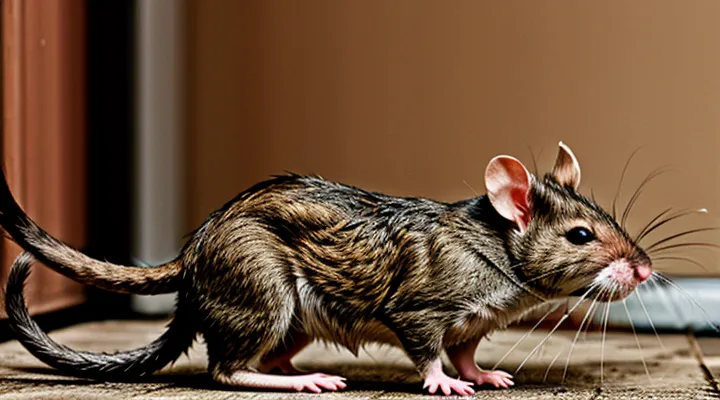
Understanding Itchy Skin in Rats
Common Causes of Itching in Rats
External Parasites
External parasites are a primary source of dermatological irritation in laboratory and pet rodents. Fleas, mites, and lice attach to the skin surface, feed on blood or tissue fluids, and inject saliva containing anticoagulants and irritants. The host’s immune response to these substances produces erythema, papules, and intense scratching, which can lead to secondary bacterial infection and hair loss.
Common external parasites affecting rats include:
- Sarcoptes scabiei (scabies mite) – burrows into the stratum corneum, causing severe pruritus and crusted lesions.
- Radfordia spp. (fur mite) – lives on hair shafts, producing fine scaling and localized itching.
- Xenopsylla cheopis (rat flea) – feeds on blood, introduces pathogens, and induces focal dermatitis.
- Polyplax serrata (rat louse) – clings to fur, causing mechanical irritation and occasional alopecia.
Effective management requires an integrated approach:
- Accurate diagnosis – perform skin scrapings, tape impressions, or flea combing to identify the specific parasite.
- Pharmacological control – apply approved ectoparasiticides such as:
- Topical ivermectin (0.2 mg/kg) for mites.
- Fipronil or selamectin formulations for fleas and lice.
- Oral milbemycin oxime for broad‑spectrum coverage.
Follow label dosing intervals and monitor for adverse reactions.
- Environmental sanitation – clean cages, replace bedding, and disinfect surfaces with a 0.5 % bleach solution or a veterinary‑grade disinfectant.
- Preventive measures – implement routine prophylactic treatments every 30 days, maintain quarantine for new arrivals, and avoid overcrowding.
Rapid elimination of external parasites reduces pruritus, prevents tissue damage, and supports overall health in affected rodents. Continuous monitoring after treatment ensures complete eradication and detects potential reinfestation early.
Allergic Reactions
Allergic reactions in rodents often present as intense pruritus, leading to self‑inflicted skin damage and secondary infections. The immune system mistakenly identifies a harmless substance as a threat, triggering histamine release and inflammation that manifests as persistent scratching.
Typical allergens include:
- Dust mites and mold spores in bedding
- Protein residues in commercial feed or treats
- Pollen or plant material introduced through cage accessories
- Chemical irritants from cleaning agents or cage disinfectants
Veterinarians confirm hypersensitivity through a combination of clinical observation, skin scrapings to exclude parasitic causes, and, when necessary, serum IgE testing or intradermal allergen challenges. A thorough environmental audit accompanies diagnostic work‑up to identify potential trigger sources.
Therapeutic measures focus on symptom control and avoidance of the offending agent. Recommended interventions are:
- Antihistamines (e.g., diphenhydramine) administered at species‑appropriate doses to reduce histamine‑mediated itching.
- Short courses of corticosteroids for severe inflammation, monitored to prevent immunosuppression.
- Topical soothing agents containing aloe or oatmeal to alleviate skin irritation.
- Replacement of contaminated bedding with hypoallergenic alternatives, such as paper‑based products.
- Reformulation of diet to eliminate suspected protein allergens, guided by nutritional analysis.
Implementing these steps promptly curtails the itch–scratch cycle, promotes wound healing, and lowers the risk of opportunistic infections. Continuous monitoring ensures that therapeutic adjustments address any recurrence promptly.
Skin Infections
Skin infections are a frequent source of pruritus in laboratory and pet rats. Bacterial agents such as Staphylococcus aureus, Streptococcus spp., and Pseudomonas aeruginosa infiltrate compromised epidermis, producing erythema, pustules, and intense scratching. Fungal pathogens, most notably Trichophyton spp., generate circular lesions with hair loss and scaling. Parasitic infestations—Sarcoptes scabiei (mange) and Myobia mites—cause secondary bacterial colonization, amplifying itch.
Typical signs include:
- Localized redness or swelling
- Crusty or weeping lesions
- Hair loss around the affected area
- Excessive grooming leading to self‑trauma
Accurate diagnosis combines visual assessment with laboratory confirmation. Cytology or skin scrapings identify bacterial or fungal cells; culture isolates specific organisms; dermoscopy or microscopy detects mites. Histopathology may be required for atypical presentations.
Effective management follows a stepwise protocol:
- Debridement – gentle cleaning with saline or antiseptic solution to remove exudate and reduce bacterial load.
- Antimicrobial therapy – topical mupirocin or fusidic acid for superficial infections; systemic enrofloxacin or trimethoprim‑sulfamethoxazole for deeper involvement.
- Antifungal treatment – topical clotrimazole or terbinafine cream; oral itraconazole for extensive dermatophytosis.
- Anti‑parasitic measures – ivermectin injection (0.2 mg/kg) or selamectin topical application for mites.
- Supportive care – environmental sanitation, humidified housing, and nutritional supplementation with omega‑3 fatty acids to enhance skin barrier function.
Prevention relies on strict biosecurity: quarantine new arrivals, regular cage cleaning, and routine health monitoring. Early detection of lesions and prompt therapeutic intervention limit disease spread and alleviate itching in affected rodents.
Environmental Factors
Rats develop skin irritation when exposed to adverse environmental conditions. Poor ventilation, excessive humidity, and dust accumulation increase the likelihood of dermatitis. Contaminated bedding, harsh cleaning agents, and abrasive cage materials also provoke itching by damaging the epidermis or disrupting the microbiome.
Key environmental contributors include:
- High relative humidity (>70 %) fostering fungal growth and skin maceration.
- Low temperature fluctuations causing dry skin and barrier compromise.
- Dust‑laden wood shavings or straw that contain mite infestations.
- Chemical residues from disinfectants or scented products irritating the dermis.
- Inadequate cage cleaning leading to ammonia buildup and secondary infections.
Mitigation strategies focus on controlling these variables. Maintain humidity between 40‑60 % and keep ambient temperature stable. Choose low‑dust, untreated bedding such as paper pulp. Replace bedding regularly, and clean cages with mild, non‑irritant detergents followed by thorough rinsing. Ensure proper airflow to reduce ammonia concentration. When environmental modifications are insufficient, topical corticosteroids or antihistamines may be prescribed, but only after confirming the absence of parasitic or infectious agents.
Regular monitoring of cage conditions and prompt adjustment of environmental parameters prevent recurrence of pruritic symptoms and support overall rat health.
Nutritional Deficiencies
Nutrient shortages are a frequent source of dermal irritation in laboratory and pet rodents. Deficiencies disrupt skin barrier integrity, provoke inflammation, and trigger relentless scratching.
Common deficiencies linked to pruritus include:
- Vitamin E – antioxidant protection diminishes, leading to oxidative damage of epidermal cells.
- Zinc – essential for keratinocyte proliferation; lack results in hyperkeratosis and scaling.
- Essential fatty acids – omega‑3 and omega‑6 shortages reduce ceramide synthesis, compromising moisture retention.
- Biotin (vitamin B7) – deficiency impairs fatty acid metabolism, causing dry, flaky skin.
- Vitamin A – insufficient levels alter epithelial differentiation, producing rough, itchy coat.
Diagnosis relies on clinical observation of excessive grooming, confirmed by serum analysis or tissue biopsy. Eliminate confounding factors such as parasites before attributing symptoms to nutrition.
Treatment protocol:
- Conduct a comprehensive dietary review; replace generic chow with a formulation meeting AIN‑93G standards or a certified rodent-specific diet.
- Supplement identified lacking nutrients at veterinary‑recommended dosages; avoid megadoses that could induce toxicity.
- Monitor skin condition daily for two weeks; document changes in scratching frequency and coat quality.
- Re‑evaluate blood parameters after the supplementation period; adjust the regimen based on results.
- Maintain environmental humidity between 45‑55 % to support barrier recovery.
Prompt correction of nutrient gaps restores epidermal health, reduces itch-driven trauma, and prevents secondary infections. Continuous provision of a balanced diet eliminates recurrence and sustains overall well‑being.
Systemic Diseases
Pruritus in rats often signals an underlying systemic disorder rather than a localized skin problem. When the animal exhibits persistent scratching, clinicians should evaluate organ function, metabolic status, and immune activity to identify the root cause.
Common systemic conditions associated with itching include:
- Hepatic insufficiency: accumulation of bile acids and toxins irritates cutaneous nerve endings.
- Renal failure: uremic metabolites provoke dermal inflammation.
- Endocrine disturbances: hypothyroidism and hyperadrenocorticism alter skin integrity and trigger pruritic responses.
- Hematologic diseases: anemia or leukocytosis can accompany inflammatory skin signs.
- Parasitic invasions with systemic spread, such as mange caused by Sarcoptes or Demodex species.
Diagnostic work‑up should comprise:
- Complete blood count and serum biochemistry to assess liver, kidney, and thyroid parameters.
- Urinalysis for proteinuria and sediment abnormalities.
- Imaging (ultrasound or radiography) when organ enlargement is suspected.
- Skin scrapings and microscopic examination to rule out ectoparasites.
Treatment focuses on correcting the primary disease:
- Hepatic or renal dysfunction: fluid therapy, dietary modification, and organ‑supportive drugs.
- Thyroid or adrenal disorders: hormone replacement or suppressive medication.
- Hematologic anomalies: transfusion or immunosuppressive agents as indicated.
- Parasite eradication: appropriate acaricides or systemic antiparasitics.
Adjunctive antipruritic measures include:
- Antihistamines (e.g., diphenhydramine) to block histamine‑mediated itch.
- Short‑course corticosteroids for severe inflammation, tapering to avoid immunosuppression.
- Topical soothing agents (e.g., colloidal oatmeal baths) to reduce skin irritation.
Monitoring response through repeated clinical exams and laboratory panels ensures that the systemic condition remains controlled and that pruritus diminishes. Prompt identification and management of internal disease are essential for effective relief of scratching behavior in rats.
Identifying Symptoms and Diagnosis
Recognizing Signs of Itching
Behavioral Changes
Rats suffering from pruritus exhibit distinct alterations in daily activity that can signal underlying pathology and guide therapeutic decisions. Increased grooming frequency, often localized to the affected area, may dominate the animal’s routine and reduce time spent on foraging or social interaction. Restlessness manifests as frequent pacing, heightened alertness, and frequent changes in position, reflecting discomfort. Aggressive or defensive behaviors, such as biting or striking at the skin, may appear when the animal attempts to alleviate irritation. Appetite suppression is common; reduced food intake can exacerbate weight loss and impede recovery. Sleep disturbances, including fragmented rest periods and increased nocturnal activity, further compromise health.
Key behavioral indicators to monitor:
- Persistent, localized scratching or licking
- Excessive grooming that interferes with normal feeding or exploration
- Elevated locomotor activity without a clear purpose
- Signs of irritability or aggression toward cage mates or handlers
- Decline in food and water consumption
- Irregular sleep patterns
Recognizing these patterns enables early intervention, allowing clinicians to adjust antipruritic regimens, environmental enrichment, and supportive care to mitigate discomfort and restore normal behavior.
Visible Skin Issues
Rats suffering from dermatological irritation often display distinct cutaneous signs. Redness, swelling, and flaking of the epidermis are common; lesions may range from isolated patches to extensive areas covering the torso and limbs. Hair loss frequently accompanies these changes, creating bald spots that expose the underlying skin to further damage.
Primary contributors to these manifestations include ectoparasite infestations, such as mites and lice, which feed on blood and provoke inflammatory responses. Secondary bacterial infections arise when compromised skin integrity permits opportunistic pathogens to colonize, leading to purulent discharge and foul odor. Environmental allergens, including dust, bedding fibers, and chemical residues, can trigger hypersensitivity reactions that exacerbate itching and lesion formation.
Effective management requires a systematic approach. First, identify the causative agent through visual examination and, when necessary, microscopic analysis of skin scrapings. Second, apply appropriate antiparasitic agents—topical ivermectin or systemic milbemycin—according to veterinary dosage guidelines. Third, introduce broad‑spectrum antibiotics to control bacterial overgrowth, selecting agents based on culture results whenever possible. Finally, improve husbandry conditions by providing low‑dust bedding, regular cage cleaning, and humidity control to reduce allergen exposure.
Monitoring the animal’s skin condition daily enables early detection of relapse. Adjust treatment protocols promptly if lesions persist or worsen, and consider rotating antiparasitic medications to prevent resistance development. Consistent veterinary oversight ensures optimal recovery and minimizes recurrence of visible dermatological problems.
Diagnostic Procedures
Physical Examination
Physical examination is the primary method for assessing a rat presenting with pruritus. The clinician observes the animal’s demeanor, coat condition, and any overt scratching or grooming behavior.
- Visual inspection of the skin for erythema, papules, crusts, alopecia, or scabs.
- Palpation of affected areas to detect edema, warmth, or tenderness.
- Examination of the ears, tail, and perianal region for mite infestations or dermatitis.
- Assessment of the fur for matted patches or loss indicating secondary infection.
- Evaluation of the mucous membranes and overall body condition to rule out systemic involvement.
Interpretation of findings directs diagnostic testing and therapeutic choices. Localized erythema with papules suggests allergic dermatitis, while widespread alopecia with crusting points to parasitic infestation. Edematous, warm lesions often indicate bacterial infection requiring antimicrobial therapy. Systemic signs such as lethargy or weight loss may necessitate laboratory analysis to identify underlying metabolic or infectious causes. The physical exam therefore informs both the identification of etiologic factors and the selection of appropriate treatment modalities.
Skin Scrapes and Biopsies
Skin scrapes and biopsies provide direct access to cutaneous tissue, allowing precise identification of the agents responsible for persistent itching in laboratory rats.
A skin scrape collects superficial cells from the epidermis and hair follicles. The specimen is stained and examined under a microscope to detect ectoparasites, fungal spores, or bacterial colonies. Scraping is rapid, inexpensive, and can be performed without anesthesia, making it suitable for initial screening when the animal exhibits localized irritation.
A biopsy removes a full-thickness sample of skin, preserving architecture of epidermis, dermis, and subcutaneous tissue. Histopathological analysis reveals inflammatory patterns, neoplastic changes, or immune-mediated disorders that are not apparent on superficial sampling. Biopsies are indicated when:
- Scraping results are negative or inconclusive.
- Lesions are widespread, ulcerated, or atypical.
- Chronic pruritus persists despite empirical therapy.
The procedure involves sedation, aseptic incision, and fixation of the tissue in formalin. Pathologists assess cellular infiltrates, epidermal hyperplasia, and presence of parasites or pathogens. Results guide targeted treatment, such as antiparasitic agents, antifungal medication, or immunosuppressive therapy, and inform environmental control measures to prevent recurrence.
Accurate interpretation of scrape and biopsy findings reduces reliance on trial‑and‑error drug regimens, shortens the duration of discomfort, and improves overall colony health.
Blood Tests
Blood analysis provides objective data essential for identifying underlying factors that provoke pruritus in rats and for tracking therapeutic response.
A complete blood count (CBC) reveals hematologic abnormalities that may signal infection, inflammation, or allergic processes. Elevated white‑cell counts, especially eosinophils, suggest parasitic or hypersensitivity reactions; a left shift indicates bacterial involvement. Anemia or thrombocytopenia can accompany chronic disease or severe dermatitis.
Serum chemistry panels assess organ function and metabolic status. Elevated liver enzymes (ALT, AST) may reflect hepatotoxic exposure to toxins or drugs used for itching control. Increased bilirubin or alkaline phosphatase points to cholestasis, which can manifest with skin irritation. Renal parameters (BUN, creatinine) help detect nephrotoxic effects of certain medications.
Immunologic assays, such as IgE quantification, identify allergic sensitization. High IgE levels support an atopic component and guide the use of antihistamines or immunomodulators.
Specific pathogen detection relies on serology or PCR performed on blood samples. Antibody titers for common rodent parasites (e.g., mites, fleas) or viral agents (e.g., Sendai virus) confirm infectious contributors to itching.
When ordering tests, follow these steps:
- Obtain 0.5–1 mL of blood from the lateral tail vein or saphenous vein under brief restraint.
- Use anticoagulant (EDTA) for CBC; collect serum in clot‑activator tubes for chemistry and serology.
- Process samples within 30 minutes to prevent cell degradation.
- Record reference ranges for the specific strain, age, and sex of the animal.
Interpretation should integrate laboratory findings with clinical signs. For example, eosinophilia combined with elevated IgE directs attention to allergic dermatitis, while leukocytosis with neutrophilia and positive bacterial culture suggests secondary infection requiring antimicrobial therapy.
Regular re‑evaluation—typically every 2–4 weeks during treatment—detects trends, confirms resolution of the underlying cause, and identifies adverse drug effects early.
In summary, targeted blood tests furnish diagnostic clarity, enable personalized treatment plans, and ensure safe, effective management of pruritic conditions in rats.
Allergy Testing
Allergy testing is essential for identifying the immunologic factors that provoke pruritus in rodents. Veterinarians typically begin with a thorough history and physical examination, followed by targeted diagnostic procedures.
Common allergy assessments include:
- Serum IgE quantification: measures specific immunoglobulin levels against known allergens such as dust mites, pollens, and feed components.
- Intradermal skin testing: introduces minute allergen extracts into the dermis; a positive reaction appears as localized swelling within minutes.
- Elimination diet trials: replace the standard diet with a hypoallergenic formulation for 2–4 weeks; symptom resolution suggests food‑borne hypersensitivity.
- Environmental allergen sampling: swabs from cages, bedding, and ventilation systems are analyzed for particulate antigens.
Interpretation of results guides therapeutic decisions. Positive IgE or skin test outcomes justify the use of antihistamines, corticosteroids, or allergen‑specific immunotherapy. Negative findings shift focus to alternative causes, such as parasites or dermatologic infections, and prompt further investigation.
Effective Treatment Strategies
Addressing Underlying Causes
Parasite Control
Rats suffering from persistent itching often harbor ectoparasites that irritate the skin and trigger secondary infections. Effective parasite control reduces discomfort, prevents disease transmission, and supports overall health.
Identification of the offending organisms is the first step. Common culprits include:
- Sucking lice (Polyplax spp.) – attach to fur, feed on blood, cause intense pruritus.
- Mites (Myobia spp., Radfordiella spp.) – burrow into skin, induce inflammation and hair loss.
- Fleas (Xenopsylla cheopis) – bite, transmit pathogens, exacerbate skin irritation.
Once the species is confirmed, treatment follows a structured protocol:
- Topical acaricides or insecticides – apply products containing fipronil, selamectin, or imidacloprid according to label directions.
- Systemic antiparasitic medication – administer oral ivermectin or milbemycin oxime for comprehensive coverage.
- Environmental sanitation – clean cages, replace bedding, and treat surrounding areas with appropriate sprays to eliminate residual stages.
- Repeat dosing – follow a 7‑ to 14‑day interval schedule to target newly emerging parasites.
Monitoring after intervention includes visual inspection for residual lesions, skin scraping to verify eradication, and observation of behavior for reduced grooming or scratching. Persistent symptoms may indicate secondary bacterial infection; in such cases, incorporate a short course of broad‑spectrum antibiotics.
Integrating regular preventive measures—monthly topical applications, routine health checks, and strict hygiene—maintains parasite‑free status and minimizes recurrence of itching in laboratory or pet rat populations.
Allergy Management
Allergic reactions are a frequent cause of dermatological irritation in laboratory and pet rodents. Effective control begins with accurate identification of the allergen, which may include feed components, bedding materials, or environmental dust. Once the trigger is confirmed, removal or substitution of the offending substance reduces exposure and limits symptom recurrence.
Environmental sanitation supports recovery. Regular replacement of bedding, use of low‑dust substrates, and thorough cleaning of cages diminish airborne particles. Ventilation systems should maintain stable humidity and temperature to prevent skin drying, which can exacerbate itching.
Nutritional adjustments contribute to barrier integrity. Diets enriched with omega‑3 fatty acids and vitamin E strengthen epidermal resilience. Monitoring for food‑related hypersensitivity involves rotating protein sources and observing any change in skin condition.
Pharmacologic intervention provides immediate relief. Antihistamines (e.g., diphenhydramine) administered at species‑appropriate doses block histamine receptors, reducing pruritus. Topical corticosteroids applied sparingly to affected areas control local inflammation without systemic effects. For severe cases, immunosuppressive agents may be prescribed under veterinary supervision.
A structured management plan includes:
- Allergen identification through elimination trials and laboratory testing.
- Environmental modifications to eliminate residual irritants.
- Dietary supplementation targeting skin health.
- Short‑term medication for symptom control.
- Ongoing observation to adjust interventions as needed.
Documentation of each step ensures reproducibility and facilitates communication among caretakers, researchers, and veterinary professionals. Consistent application of these measures minimizes recurrence of skin irritation and promotes overall welfare.
Treating Skin Infections
Treating skin infections in rodents that present with intense scratching requires a systematic approach. First, confirm the presence of bacterial, fungal, or parasitic agents through culture or microscopic examination. Accurate identification guides the selection of antimicrobial or antifungal medication.
Apply topical therapy after gentle cleaning of the affected area with a mild antiseptic solution. Suitable agents include:
- 1% chlorhexidine rinse for bacterial contamination
- 2% miconazole cream for fungal involvement
- Diluted ivermectin solution for mite infestations
Topical products should be applied twice daily for a minimum of five days, extending the course if lesions persist.
Systemic treatment becomes necessary when infection spreads beyond the skin surface or when the animal shows signs of systemic illness. Oral antibiotics such as enrofloxacin (5 mg/kg once daily) or doxycycline (10 mg/kg twice daily) are effective against common gram‑negative pathogens. For fungal infections, oral fluconazole (10 mg/kg once daily) provides adequate coverage.
Supportive care includes maintaining a dry, warm environment, providing adequate nutrition, and preventing the animal from self‑traumatizing the lesions. Use an Elizabethan collar or a soft bandage to limit scratching.
Re‑evaluate the animal after 48 hours. If clinical improvement is evident—reduced erythema, swelling, and pruritus—continue the current regimen. Lack of response warrants repeat diagnostics and possible adjustment of the antimicrobial spectrum.
Prevent recurrence by implementing strict hygiene, regular cage cleaning, and routine health checks. Early detection of skin changes allows prompt intervention, minimizing the risk of chronic infection and severe discomfort.
Environmental Modifications
Environmental modifications are essential for managing pruritus in laboratory or pet rats. Adjusting the habitat reduces irritants, limits exposure to allergens, and supports skin health, thereby decreasing the frequency and severity of scratching episodes.
Key adjustments include:
- Bedding: Replace dusty wood shavings with low‑dust, absorbent materials such as paper pulp or aspen. Ensure bedding is changed regularly to prevent accumulation of mold spores and ammonia.
- Humidity: Maintain relative humidity between 40 % and 60 % to keep the skin barrier intact and discourage mite proliferation. Use a hygrometer and a humidifier or dehumidifier as needed.
- Ventilation: Provide continuous airflow without drafts. Install filtered ventilation systems to remove airborne particles and reduce the concentration of volatile compounds.
- Cleaning regimen: Perform weekly deep cleaning of cages, food dishes, and water bottles. Employ mild, fragrance‑free disinfectants and rinse thoroughly to avoid chemical residues.
- Temperature control: Keep ambient temperature within the species‑specific range of 20–24 °C (68–75 °F). Extreme temperatures can exacerbate skin dryness and increase itching.
- Enrichment materials: Select chew toys and tunnels made from untreated natural fibers. Avoid plastic or synthetic items that may shed irritating particles.
Implementing these environmental strategies creates a controlled setting that minimizes external triggers of rat itching. Consistent monitoring and prompt adjustments sustain optimal conditions, complementing any pharmacologic or dietary interventions used to treat the underlying cause.
Dietary Adjustments
Rats develop skin irritation when their diet lacks essential nutrients or contains allergens. Adjusting the feed can reduce itching and support recovery.
- Eliminate raw soy, wheat, and corn, which frequently trigger hypersensitivity. Replace with certified rodent pellets formulated without common allergens.
- Increase omega‑3 fatty acids by adding small amounts of fish oil or flaxseed oil; these fats improve skin barrier function.
- Provide fresh vegetables rich in vitamins A, E, and C, such as carrots, kale, and bell peppers, to promote epidermal health.
- Ensure adequate protein from high‑quality sources like boiled egg white or lean poultry, avoiding processed meat products that may contain additives.
- Supplement with zinc and biotin, either through fortified diets or calibrated mineral mixes, because deficiencies exacerbate dermatitis.
- Offer constant access to clean, fresh water to maintain hydration, which influences skin elasticity.
Monitor the rat’s response for two weeks. If itching persists, reassess the diet for hidden ingredients and consider a rotation to a hypoallergenic formula while maintaining the nutritional balance outlined above.
Managing Systemic Illnesses
Rats experiencing generalized pruritus often suffer from underlying systemic disorders that require targeted management. Identifying the primary disease is essential for effective relief of the itching symptom.
Common systemic contributors include:
- Hepatic insufficiency (elevated bilirubin, cholestasis)
- Renal failure (uremia, electrolyte imbalance)
- Endocrine dysfunction (hyperthyroidism, adrenal insufficiency)
- Hematologic abnormalities (iron‑deficiency anemia, polycythemia)
- Infectious agents (viral hepatitis, systemic bacterial infections)
- Immune‑mediated conditions (autoimmune vasculitis, systemic lupus erythematosus)
Diagnostic workflow should comprise:
- Complete blood count and serum chemistry panel to detect organ dysfunction.
- Urinalysis and renal imaging for kidney evaluation.
- Liver ultrasonography and bile acid measurement for hepatic assessment.
- Hormone panels (thyroid, cortisol) when endocrine disease is suspected.
- Serology or PCR testing for infectious pathogens.
- Histopathology of affected tissues if immune disease is considered.
Therapeutic measures focus on correcting the underlying pathology while providing symptomatic relief:
- Pharmacologic agents: antihistamines (e.g., diphenhydramine), gabapentin, or low‑dose corticosteroids to reduce itch signaling.
- Disease‑specific treatments: dialysis or fluid therapy for renal failure, hepatoprotective drugs for liver disease, levothyroxine or antithyroid medication for thyroid disorders.
- Nutritional support: balanced diet enriched with essential fatty acids and iron supplementation for anemia.
- Environmental modifications: humidity control, bedding changes, and avoidance of irritants to minimize secondary skin trauma.
- Regular monitoring: repeat laboratory testing every 2–4 weeks to assess response and adjust therapy.
Effective management of systemic illnesses in rats reduces pruritus, improves quality of life, and prevents secondary complications such as self‑inflicted wounds or infection. Continuous evaluation and interdisciplinary collaboration between veterinary clinicians, pathologists, and nutritionists ensure comprehensive care.
Symptomatic Relief
Topical Treatments
Topical treatments provide rapid relief for rats suffering from pruritus caused by dermatological disorders, parasites, or allergic reactions.
- Antihistamine creams (e.g., diphenhydramine 1 % gel) reduce histamine-mediated itching; apply a thin layer to affected skin twice daily, avoiding eyes and mucous membranes.
- Corticosteroid ointments (hydrocortisone 0.5 % to 1 %) suppress local inflammation; limit use to three consecutive days to prevent skin thinning, then taper if symptoms persist.
- Antiseptic solutions (chlorhexidine 0.05 % or povidone‑iodine diluted 1:10) disinfect minor abrasions that exacerbate itching; spray or dab gently, allowing air drying.
- Barrier creams (zinc oxide or lanolin) protect compromised epidermis, retain moisture, and lessen irritation; reapply after each cleaning session.
- Natural extracts (aloe vera gel, calendula ointment) offer soothing effects; choose products free of added fragrances or preservatives to avoid secondary irritation.
Correct application technique enhances efficacy: clean the area with lukewarm saline, pat dry, then administer the prescribed amount using a sterile cotton swab. Observe the rat for signs of adverse reactions, such as erythema, swelling, or lethargy, and discontinue the product if they appear.
When selecting a formulation, consider the rat’s age, weight, and any concurrent systemic therapy. Veterinary guidance is essential for dosage adjustments and for integrating topical agents with oral medications, ensuring comprehensive management of the underlying cause of itching.
Oral Medications
Oral pharmacotherapy represents the principal medical strategy for alleviating pruritus in laboratory and pet rodents. Systemic agents reach the skin through circulation, providing rapid symptom control when topical treatments are impractical.
- Antihistamines (e.g., diphenhydramine, cetirizine) reduce histamine‑mediated itching; doses range from 1–2 mg/kg once daily, adjusted for sedation.
- Corticosteroids (e.g., prednisolone) suppress inflammatory pathways; typical regimens start at 0.5 mg/kg every 12 hours, tapered after clinical improvement.
- Antiparasitics (e.g., ivermectin, selamectin) target ectoparasites or internal parasites that trigger scratching; dosing follows manufacturer guidelines, often 0.2 mg/kg as a single oral dose.
- Antibiotics (e.g., enrofloxacin, amoxicillin) treat secondary bacterial infections; standard courses last 5–7 days at 10 mg/kg twice daily.
Dosage calculations must account for the animal’s weight, species‑specific metabolism, and potential drug interactions. Oral solutions or flavored tablets facilitate administration, but ensure the entire dose is ingested to avoid sub‑therapeutic exposure.
Monitoring includes daily observation for changes in scratching intensity, skin lesions, and general behavior. Blood work is advisable after prolonged corticosteroid use to detect hepatic or adrenal effects. Adjustments to the regimen should be based on therapeutic response and adverse‑event profile, with veterinary oversight throughout treatment.
Prevention and Long-Term Care
Proactive Measures
Regular Health Checks
Regular health examinations provide early detection of underlying factors that trigger pruritus in rats. Veterinarians assess skin integrity, parasite load, and systemic conditions during each visit, allowing prompt intervention before symptoms worsen.
Key components of a comprehensive check include:
- Visual inspection of fur and skin for lesions, scabs, or hair loss.
- Microscopic analysis of skin scrapings and fecal samples to identify mites, lice, or intestinal parasites.
- Blood work to evaluate organ function, inflammatory markers, and allergic responses.
- Nutritional assessment to ensure adequate vitamins and fatty acids that support skin health.
- Environmental review of cage hygiene, bedding material, and humidity levels.
Consistent scheduling of examinations, typically every three to six months, reduces the risk of chronic itching by addressing root causes promptly and guiding targeted treatment plans.
Maintaining a Clean Environment
A hygienic cage prevents the most common irritants that trigger skin discomfort in laboratory and pet rats. Regular removal of soiled bedding eliminates fecal residue, urine crystals, and mold spores that can infiltrate fur and skin. Sterile substrate, changed at least twice weekly, reduces bacterial load and minimizes the risk of secondary infections that exacerbate itching.
Effective sanitation includes:
- Daily spot‑cleaning to discard wet bedding and debris.
- Weekly deep cleaning with a mild, non‑irritating disinfectant; rinse thoroughly to avoid chemical residues.
- Inspection of water bottles and food containers for mold or buildup; replace components monthly.
- Use of dust‑free bedding material to prevent mechanical abrasion of the skin.
Environmental control extends to temperature and humidity. Maintaining ambient temperature between 20 °C and 24 °C and relative humidity around 40‑60 % curtails fungal growth and limits skin desiccation, both factors that can provoke pruritus.
When a rat exhibits persistent scratching, the first diagnostic step is to assess cage cleanliness. If the enclosure meets the standards above, proceed to veterinary evaluation for parasites, allergies, or dermatologic disorders. Treatment protocols typically combine topical soothing agents with systemic medication, but success hinges on eliminating environmental sources of irritation.
Balanced Diet
A balanced diet supplies the nutrients required for healthy skin, which directly influences the severity of pruritus in rodents. Adequate protein supports tissue repair, while essential fatty acids maintain skin barrier integrity and reduce inflammation. Vitamins A, E, and C act as antioxidants, protecting cells from oxidative damage that can exacerbate itching. Minerals such as zinc and selenium contribute to immune regulation, limiting allergic reactions that may trigger dermatitis.
Key dietary components for managing rodent itch include:
- High‑quality animal or plant protein (10–15 % of total calories)
- Omega‑3 fatty acids from fish oil or flaxseed (0.5–1 % of diet)
- Vitamin E supplementation (30–50 IU/kg feed)
- Fresh vegetables rich in beta‑carotene and vitamin C
- Low‑sugar, low‑fat base to prevent obesity‑related skin issues
Implementing these nutrients reduces the likelihood of secondary infections by strengthening the skin’s defense mechanisms. When an itchy condition is already present, immediate dietary adjustment can complement pharmacological treatments, accelerate recovery, and lower relapse risk. Regular monitoring of body condition and food intake ensures the diet remains appropriate as the animal’s health status changes.
Stress Reduction
Stress is a recognized aggravator of dermatological irritation in laboratory rodents. Elevated cortisol levels can suppress immune function, intensify skin inflammation, and increase scratching behavior, which worsens lesions and delays recovery.
Effective stress‑reduction measures include:
- Environmental enrichment: nesting material, tunnels, and chewable objects that encourage natural behaviors.
- Consistent lighting cycles: 12‑hour light/dark periods with minimal fluctuations.
- Quiet handling: low‑volume communication, gentle restraint, and limited handling frequency.
- Social housing: pairing compatible individuals when species‑specific aggression is absent.
- Predictable routine: scheduled feeding, cleaning, and health checks to reduce uncertainty.
Implementing these practices lowers physiological stress markers, supports skin barrier integrity, and facilitates therapeutic outcomes for rodents experiencing pruritic conditions. Monitoring cortisol, heart‑rate variability, and behavioral indicators provides feedback on the efficacy of the stress‑management protocol.
Monitoring and Follow-Up
Observing for Recurrence
Monitoring for recurrence is essential after any therapeutic intervention for a pruritic rodent. Systematic observation enables early detection of relapse, guides adjustments in management, and reduces the risk of prolonged discomfort.
Key elements of an effective surveillance routine include:
- Daily visual inspection of the skin, focusing on previously affected regions.
- Recording the frequency and intensity of scratching episodes, using a simple numeric scale (e.g., 0 = none, 5 = severe).
- Noting any new lesions, hair loss, or changes in fur texture.
- Assessing environmental factors such as humidity, bedding material, and cage cleanliness, which can influence skin health.
Veterinarians typically recommend a follow‑up schedule: an initial re‑evaluation within 7 days, a second check at 14 days, and subsequent monthly reviews for at least three months. During each visit, the clinician should compare current findings with baseline data, adjust medication dosages if necessary, and reinforce preventive measures.
Owners play a critical role by maintaining detailed logs, promptly reporting any deviation from the expected pattern, and ensuring that the animal’s habitat remains free of irritants. Consistent documentation creates a clear timeline that supports evidence‑based decisions and improves long‑term outcomes.
Veterinary Consultations
Veterinary consultations are essential for diagnosing and managing pruritus in rodents. During the appointment, the clinician conducts a systematic examination that includes:
- Visual assessment of the skin, fur, and surrounding tissues for lesions, erythema, or parasites.
- Palpation to detect edema, nodules, or discomfort.
- Review of the animal’s environment, diet, and recent changes that could trigger allergic reactions or infestations.
- Collection of samples (skin scrapings, hair plucks, fecal material) for microscopic or laboratory analysis.
- Evaluation of the rat’s medical history, including previous treatments and vaccination status.
Based on the findings, the veterinarian formulates a treatment plan tailored to the identified cause. Typical interventions may involve:
- Antiparasitic medication for mites, lice, or fleas identified in the diagnostic work‑up.
- Topical or systemic anti‑inflammatory agents to reduce itching and skin inflammation.
- Dietary modification when food allergens are suspected, often accompanied by a trial of hypoallergenic feed.
- Environmental adjustments such as improving cage hygiene, controlling humidity, and eliminating potential irritants.
- Follow‑up appointments to monitor response to therapy and adjust dosages or medications as needed.
Effective communication between the pet owner and the veterinary professional ensures adherence to the prescribed regimen and early detection of any adverse reactions. Documentation of each consultation provides a record for longitudinal assessment and facilitates evidence‑based adjustments to the management strategy.