
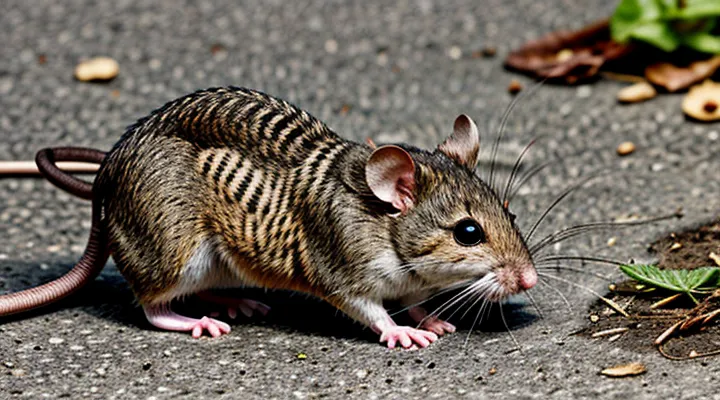
Understanding the Decomposition Process
Stages of Decay
The smell from a deceased mouse often raises concerns about human health because the decomposition process releases volatile compounds. Understanding the sequential changes in a carcass clarifies when odor becomes hazardous.
- Fresh stage (0‑24 hours): Tissue remains intact, bacterial colonization begins, minor ammonia and sulfide traces appear. Odor is faint, unlikely to cause irritation.
- Bloat stage (1‑3 days): Anaerobic bacteria proliferate, producing large volumes of gases such as hydrogen sulfide, methane, and cadaverine. Pressure expands the abdomen, and the odor intensifies, reaching levels that can trigger respiratory discomfort for sensitive individuals.
- Active decay (3‑7 days): Insect activity and enzymatic breakdown accelerate tissue loss. Concentrations of putrescine and indole rise, contributing to a pungent, acrid scent. Exposure may provoke headaches, nausea, or mild mucosal irritation.
- Advanced decay (1‑2 weeks): Moisture diminishes, microbial populations shift toward fungi, and the odor profile becomes less sharp but persists due to lingering sulfide compounds. Prolonged exposure can aggravate asthma or allergic responses.
- Dry remains (2 weeks‑+): Skeletonization and desiccation dominate; residual odor stems mainly from residual keratin and fat oxidation. Risk of acute irritation declines, though allergenic particles may remain airborne.
The primary health threat derives from inhalation of hydrogen sulfide and ammonia at concentrations exceeding occupational safety limits. Short‑term exposure can cause eye irritation, dizziness, and respiratory distress; chronic exposure may impair pulmonary function. Proper ventilation, prompt removal of the carcass, and protective equipment mitigate these risks effectively.
Factors Affecting Odor Intensity
The strength of the smell produced by a dead mouse depends on several measurable variables.
- Stage of decomposition – Early breakdown releases volatile sulfur compounds in low concentrations; later stages generate higher levels of cadaverine, putrescine, and indole, markedly increasing odor.
- Ambient temperature – Higher temperatures accelerate bacterial and enzymatic activity, shortening the time to peak odor emission. Cold environments retard decay, resulting in weaker scent.
- Relative humidity – Moist conditions facilitate microbial growth and the diffusion of odor‑bearing molecules, whereas dry air reduces both.
- Airflow and ventilation – Restricted airflow allows volatile compounds to accumulate, intensifying the scent. Adequate ventilation dilutes concentrations and lowers perceived intensity.
- Size and body composition of the animal – Larger specimens contain more tissue and fat, providing a greater substrate for decomposition and producing stronger odor.
- Presence of external contaminants – Soil, food residues, or chemicals on the carcass can alter the chemical profile of the emitted gases, either enhancing or masking the typical smell.
These factors interact to determine the concentration of hazardous volatile organic compounds in the surrounding air. Elevated concentrations may irritate mucous membranes, trigger respiratory discomfort, or exacerbate allergic reactions. Understanding the variables that control odor intensity helps assess the real risk associated with exposure to a decaying rodent.
Health Risks Associated with Dead Rodent Odor
Bacterial Contamination and Airborne Pathogens
The odor emitted by a decomposing rodent originates from microbial activity that breaks down tissues. This process releases volatile organic compounds (VOCs) detectable by the human nose. While the smell itself is not toxic, the underlying bacterial load can pose health risks if aerosolized.
Microbial proliferation on the carcass includes gram‑negative bacteria such as Pseudomonas spp., Enterobacteriaceae family members, and opportunistic pathogens like Staphylococcus aureus. These organisms multiply rapidly in moist, nutrient‑rich environments and can form biofilms that resist desiccation.
Airborne transmission occurs when:
- Mechanical disturbance (e.g., moving the carcass) releases droplets containing bacteria.
- Natural convection lifts VOC‑laden air, potentially carrying microscopic particles.
- Inadequate ventilation allows accumulation of contaminated air.
Inhalation of aerosolized bacteria may lead to:
- Respiratory infections ranging from mild bronchitis to severe pneumonia, particularly in immunocompromised individuals.
- Allergic reactions triggered by bacterial endotoxins.
- Secondary infections if the host’s mucosal barriers are compromised.
Risk assessment depends on environmental conditions. Warm, humid spaces accelerate bacterial growth and increase aerosol generation. Enclosed areas without filtration heighten exposure probability. Conversely, low‑temperature, dry environments suppress microbial activity and limit airborne spread.
Mitigation strategies include:
- Prompt removal and proper disposal of the carcass.
- Disinfection of surrounding surfaces with EPA‑approved agents.
- Ventilation enhancement or use of HEPA filtration to reduce airborne load.
- Personal protective equipment (gloves, mask) for individuals handling the remains.
Overall, the scent itself does not constitute a direct chemical hazard, but the bacterial contamination associated with a dead mouse can generate airborne pathogens capable of causing respiratory and systemic illnesses under favorable conditions.
Leptospirosis
The smell emitted by a decomposing rodent can indicate the presence of pathogenic bacteria, notably Leptospira species. These spirochetes survive in moist environments and may be released when a mouse dies, especially if the carcass is in contact with soil or water.
Transmission occurs when humans inhale aerosolized bacteria, ingest contaminated fluids, or experience skin contact with infected material. The odor itself does not cause disease, but it signals conditions favorable for bacterial persistence and potential exposure.
Key points about leptospirosis risk from a dead mouse:
- Environmental reservoirs: urine and tissues of the carcass, especially in damp settings.
- Exposure routes: inhalation of contaminated dust, ingestion of water or food tainted by the carcass, direct skin contact with broken skin.
- Clinical presentation: fever, chills, headache, muscle aches, jaundice, renal dysfunction; severe cases may lead to pulmonary hemorrhage or meningitis.
- Incubation period: 5–14 days after exposure.
- Prevention: prompt removal and proper disposal of dead rodents, disinfection of contaminated surfaces, use of protective gloves and masks when handling, avoidance of contact with stagnant water in areas where rodent deaths have occurred.
Diagnosis relies on serologic testing or polymerase chain reaction (PCR) from blood or urine samples. Early antibiotic therapy, typically doxycycline or penicillin, reduces morbidity and mortality.
In summary, the odor of a deceased mouse serves as a warning sign for possible leptospiral contamination. Immediate hygienic measures and awareness of transmission pathways are essential to mitigate human health risk.
Hantavirus
The odor emitted by a decomposing rodent does not contain the virus itself, but the presence of a dead mouse signals a potential source of Hantavirus contamination. Hantavirus is an RNA virus carried primarily by wild rodents; the most common reservoirs in North America are deer mice (Peromyscus maniculatus), while Europe and Asia host species such as the striped field mouse and the bank vole. Virus particles reside in the animal’s saliva, urine, and feces, and become aerosolized when these excreta dry and are disturbed.
Inhalation of aerosolized particles is the principal route of human infection. Direct contact with the odor does not transmit the virus, yet the smell often prompts handling of the carcass or cleaning of contaminated surfaces, actions that increase exposure risk. Once inhaled, the virus can cause Hantavirus Pulmonary Syndrome (HPS) in the United States, characterized by rapid onset of fever, cough, and severe respiratory distress, with a case‑fatality rate of approximately 35 %. In Eurasia, the related Hemorrhagic Fever with Renal Syndrome (HFRS) presents with fever, hemorrhage, and renal impairment, with mortality ranging from 1–15 % depending on the viral strain.
Preventive actions reduce the likelihood of infection:
- Wear disposable gloves and a particulate‑filtering respirator when inspecting or removing dead rodents.
- Avoid sweeping or vacuuming dry rodent droppings; use a damp cloth or disinfectant spray to minimize aerosol generation.
- Seal the carcass in a plastic bag before disposal; clean the area with a bleach solution (1 % sodium hypochlorite) after removal.
- Maintain rodent‑proof housing: seal entry points, store food in airtight containers, and reduce clutter that provides nesting sites.
Prompt medical evaluation is essential if flu‑like symptoms develop after exposure to rodent debris. Early diagnosis and supportive care improve outcomes for Hantavirus infections.
Salmonella
The odor emitted by a decomposing mouse does not itself contain Salmonella, but the bacterial pathogen can be present on the carcass and in surrounding residues. Salmonella survives in moist environments for weeks and can multiply on organic matter, including dead rodents. Contact with contaminated tissue, fur, or dust particles released during decay provides a direct route for human exposure.
Key points concerning human risk:
- Ingestion of contaminated food or water that has contacted the mouse or its fluids can cause salmonellosis.
- Inhalation of aerosolized particles from the decay process may introduce the bacteria into the respiratory tract, though gastrointestinal infection remains the primary concern.
- Skin abrasions or mucous membrane contact with contaminated material can lead to infection if proper hygiene is not observed.
Preventive measures include wearing gloves when handling dead rodents, sealing the carcass in a plastic bag, disinfecting surfaces with an EPA‑approved sanitizer, and washing hands thoroughly after any potential exposure. Prompt removal of the source eliminates the bacterial load and reduces the likelihood of illness.
Allergic Reactions and Respiratory Issues
The decay of a rodent releases volatile organic compounds (VOCs) such as cadaverine, putrescine, and various sulfur‑containing molecules. These substances can act as allergens or irritants for susceptible individuals.
Allergic reactions may arise when proteins from the decomposing tissue become aerosolized and enter the nasal passages or eyes. Sensitized persons can experience:
- Sneezing and nasal congestion
- Itchy, watery eyes
- Skin redness or hives after contact with contaminated surfaces
Respiratory irritation is a separate concern. Inhalation of the VOCs can provoke:
- Coughing and throat tightness
- Shortness of breath, especially in people with asthma or chronic obstructive pulmonary disease (COPD)
- Bronchial hyper‑responsiveness that may lead to an asthma attack
Research indicates that the concentration of these compounds must reach a threshold to trigger symptoms, but confined spaces such as basements or attics can quickly exceed that level. Individuals with known sensitivities should avoid direct exposure, ensure proper ventilation, and use protective masks when cleaning areas where a dead mouse has been present.
Mold and Fungi Growth
The odor emitted by a decomposing mouse creates a microenvironment conducive to mold and fungal proliferation. Decomposition releases nitrogen‑rich compounds and moisture, both of which raise ambient humidity and provide nutrients for opportunistic spores.
Elevated humidity, stagnant air, and organic residues accelerate fungal colonization. Typical indoor conditions that support growth include relative humidity above 60 %, temperatures between 20 °C and 30 °C, and the presence of cellulose‑based materials such as drywall, insulation, or upholstery.
Health implications stem from inhalation of airborne spores and mycotoxins produced by common indoor molds. Risks include:
- Respiratory irritation and coughing
- Allergic sensitization leading to wheezing or nasal congestion
- Exacerbation of asthma symptoms
- Potential immunosuppression in vulnerable individuals
Effective mitigation requires prompt removal of the carcass, thorough cleaning of contaminated surfaces, and restoration of proper ventilation to reduce moisture levels. Continuous monitoring of humidity and regular inspection of hidden areas prevent reestablishment of fungal colonies.
Irritants from Decomposition
The odor emitted by a decaying mouse contains several volatile compounds that act as irritants. These substances arise from the breakdown of proteins, fats, and nucleic acids during decomposition.
- Putrescine and cadaverine, produced by bacterial deamination of amino acids, provoke a sharp, pungent smell and can irritate the eyes, nose, and throat.
- Ammonia results from the hydrolysis of nitrogenous waste, causing mucosal discomfort and, at high concentrations, respiratory irritation.
- Hydrogen sulfide and mercaptans, generated from sulfur‑containing amino acids, produce a rotten‑egg scent and can trigger coughing, headache, and nausea.
- Phenolic compounds, formed from the degradation of aromatic amino acids, contribute to a bitter odor and may cause skin and eye irritation.
Exposure levels typical of a single mouse carcass are insufficient to cause systemic toxicity. However, direct inhalation of concentrated vapors in poorly ventilated spaces can lead to temporary irritation of the respiratory tract and mucous membranes. Individuals with pre‑existing respiratory conditions or heightened sensitivity may experience more pronounced symptoms. Proper removal of the carcass and ventilation reduce the risk to negligible levels.
Indirect Hazards
Attracting Pests
The decay of a mouse releases volatile organic compounds that serve as chemical signals for other organisms. These signals can draw scavengers, insects, and opportunistic predators into the vicinity of the carcass. The resulting increase in pest activity may create secondary health concerns for occupants of the affected area.
Typical pests attracted by mouse decomposition include:
- Carrion beetles (Silphidae) that locate food sources through olfactory cues.
- Flesh flies (Sarcophagidae) that lay eggs on decaying tissue.
- House flies (Muscidae) that feed on fluids released during decomposition.
- Cockroaches (Blattodea) that exploit moist, protein‑rich environments.
- Ant species that scavenge dead animal material.
Elevated pest presence can lead to contamination of food surfaces, spread of bacterial pathogens, and heightened allergen exposure. While the odor itself does not contain toxins harmful to humans, the indirect effects of attracted pests increase the risk of infection and allergic reactions. Prompt removal of the carcass and thorough sanitation are essential to mitigate these hazards.
Insects
The smell that follows a dead mouse originates from bacterial breakdown of tissues, producing volatile compounds such as putrescine and cadaverine. These chemicals attract a specific group of insects that locate carrion for feeding and reproduction.
Blowflies (Calliphoridae) arrive within minutes, laying eggs on the carcass. Their larvae consume soft tissues, accelerating decomposition. Flesh‑eating beetles (Silphidae, Dermestidae) follow, feeding on remaining flesh and dry material. Mites and other scavenger insects may also inhabit the site, exploiting the resources created by the flies and beetles.
Human exposure to the odor itself does not present a direct toxic threat. The primary concern lies in the insects that colonize the carcass:
- Blowfly larvae can carry pathogenic bacteria (e.g., Salmonella, E. coli) from the mouse to surrounding surfaces.
- Dermestid beetles may spread fungal spores or parasites present on the carcass.
- Mites can act as vectors for allergic reactions or secondary infections.
Proper sanitation and removal of the carcass eliminate the insect breeding ground, thereby reducing any indirect health risk associated with the odor.
Other Rodents
The odor released by a deceased mouse can contain volatile organic compounds and bacterial by‑products that may irritate the respiratory system. Similar hazards apply to other small mammals in the rodent family.
Decomposition of rats, squirrels, gerbils, and hamsters produces comparable gases—putrescine, cadaverine, and ammonia. These substances can trigger coughing, sneezing, or throat irritation, especially in individuals with asthma or allergies. In addition, the carcasses often harbor pathogens such as Salmonella, Leptospira, and hantavirus, which survive in the surrounding environment for days.
Key points regarding other rodents:
- Rats: Larger body mass yields higher concentrations of decay gases; they frequently carry Leptospira in urine, which can aerosolize after death.
- Squirrels: Frequently found in attics; their decomposition can produce mold‑friendly moisture, increasing the risk of fungal exposure.
- Gerbils and hamsters: Common in pet settings; confined spaces allow odor to accumulate quickly, raising the chance of respiratory irritation for owners.
Preventive measures include prompt removal of dead rodents, thorough ventilation of affected areas, and disinfection with an EPA‑approved antimicrobial solution. Personal protective equipment—gloves, mask, and eye protection—reduces direct contact with hazardous emissions. If symptoms such as persistent cough or fever develop after exposure, medical evaluation is recommended.
Psychological Impact
The smell of a decomposing mouse can trigger immediate psychological reactions. Encountering the odor often produces intense disgust, nausea, and a sense of threat, even when toxic risk is minimal. The brain interprets the scent as a signal of disease, activating the limbic system and prompting a fight‑or‑flight response.
Short‑term effects include heightened anxiety, rapid heart rate, and intrusive thoughts about contamination. Individuals may experience difficulty concentrating and a temporary aversion to the surrounding environment.
Prolonged exposure can lead to persistent avoidance behavior, development of a specific phobia, or exacerbation of existing anxiety disorders. Repeated encounters may reinforce negative associations, resulting in hypervigilance toward any similar odor cues and reduced quality of life.
In occupational contexts—such as pest‑control technicians, waste‑management staff, or laboratory personnel—continuous exposure can cause chronic stress, emotional fatigue, and reduced job satisfaction. Desensitization may occur, but often at the cost of emotional numbness and burnout.
Mitigation strategies:
- Limit exposure through protective equipment and ventilation.
- Provide training that clarifies actual health risks versus perceived danger.
- Offer counseling or cognitive‑behavioral interventions to reframe emotional responses.
- Implement regular breaks and rotate duties to reduce cumulative psychological load.
Safe Removal and Remediation
Personal Protective Equipment
The odor released by a decomposing rodent can contain bacterial endotoxins, fungal spores, and volatile organic compounds that may irritate the respiratory tract and trigger allergic reactions. Direct exposure is not typically lethal, but prolonged inhalation in confined spaces increases health risk, especially for individuals with compromised immunity or pre‑existing respiratory conditions.
Effective protection relies on equipment that isolates the wearer from airborne particles and vapors. Recommended items include:
- Respiratory protection: N95 or higher‑efficiency particulate respirators for dust and spores; half‑face or full‑face air‑purifying respirators equipped with organic vapor cartridges when volatile compounds are present.
- Protective gloves: Nitrile or latex gloves to prevent skin contact with contaminated surfaces.
- Eye and face shields: Polycarbonate goggles or full face shields to block splashes of bodily fluids or aerosolized debris.
- Disposable coveralls: Tyvek or similar non‑woven garments with sealed seams and elastic cuffs to contain contaminants.
- Foot protection: Closed‑toe, chemical‑resistant boots with disposable shoe covers.
Selection criteria focus on hazard identification, exposure duration, and work environment. Fit testing ensures respirator seal integrity; regular inspection detects tears, degradation, or compromised filters. After use, PPE should be removed following a clean‑room protocol, placed in sealed containers, and either disinfected according to manufacturer guidelines or disposed of as biohazard waste.
Implementing the outlined equipment minimizes inhalation of harmful agents, reduces skin contact, and protects ocular tissues, thereby lowering the overall health impact of rodent decomposition odors in occupational or emergency settings.
Disinfection and Deodorization
The odor emitted by a deceased rodent originates from bacterial breakdown of tissue and the release of volatile organic compounds such as putrescine and cadaverine. These substances are not themselves toxic at typical indoor concentrations, but the decay process can harbor pathogenic microorganisms, including Salmonella, Leptospira, and hantavirus carriers. Direct contact with contaminated surfaces or inhalation of aerosolized particles may pose health risks, especially for immunocompromised individuals.
Effective mitigation requires two distinct actions: elimination of viable pathogens and removal of malodorous compounds.
-
Disinfection
- Isolate the affected area; seal doors and vents to prevent spread of spores.
- Remove the carcass using gloves and a sealed bag; dispose of it according to local regulations.
- Clean all surfaces with a detergent solution to eliminate organic residues.
- Apply an EPA‑registered disinfectant (e.g., a 0.1 % sodium hypochlorite solution) to surfaces for the contact time specified on the label.
- Rinse with clean water and allow to dry completely.
-
Deodorization
- Ventilate the space by opening windows and using exhaust fans for at least 30 minutes.
- Place activated charcoal or zeolite bags in the room to adsorb volatile compounds.
- Use an ozone generator or a neutralizing spray containing cyclodextrin complexes, following safety guidelines to avoid over‑exposure.
- After treatment, re‑check for lingering odor; repeat adsorption step if necessary.
Regular monitoring of humidity and temperature reduces the likelihood of future microbial growth. Personal protective equipment—gloves, masks, and eye protection—should be worn throughout the process to minimize direct exposure.
Professional Pest Control
The decomposition of a mouse releases volatile organic compounds that can irritate the respiratory tract and trigger allergic reactions. In enclosed spaces, the smell may indicate the presence of pathogens such as bacteria, fungi, or parasites that colonize the carcass.
Professional pest‑control services address these risks through systematic removal and site remediation. Trained technicians locate the source, wear protective gear, and follow regulated disposal procedures to prevent cross‑contamination. After extraction, they apply disinfectants and odor‑neutralizing agents to eliminate residual microbes and volatile residues.
Typical actions performed by licensed operators include:
- Inspection of structural voids, insulation, and concealed areas where rodents may hide.
- Safe containment and transport of the carcass to an approved waste facility.
- Application of EPA‑registered sanitizers to surfaces that contacted the dead animal.
- Use of activated‑charcoal filters or enzymatic sprays to reduce lingering odor.
- Installation of exclusion devices (sealants, mesh, door sweeps) to deter future entry.
When a dead mouse is discovered, especially in food‑handling zones or residential units with vulnerable occupants, immediate contact with a certified pest‑control provider minimizes health hazards and ensures compliance with local health regulations.
Preventing Future Infestations
The smell of a deceased rodent signals a potential health hazard, making early detection essential for preventing recurrence. Eliminating the source and disrupting conditions that attract rodents reduce the likelihood of future incidents.
- Seal cracks, gaps, and utility openings with steel wool, caulk, or metal flashing.
- Install door sweeps and repair damaged screens to block entry.
- Store food in airtight containers; clean spills promptly.
- Keep garbage in sealed bins, remove waste regularly, and avoid placing bags near building foundations.
- Maintain a tidy environment: declutter storage areas, remove excess vegetation, and clear debris that offers shelter.
- Conduct monthly visual inspections of attics, basements, and crawl spaces for signs of activity.
- Deploy snap traps or live‑catch devices along known pathways; replace bait as needed.
- Engage licensed pest‑control professionals for comprehensive assessments and treatments, especially in high‑risk structures.
Consistent application of these measures interrupts rodent access, limits food sources, and removes habitats, thereby preventing the reappearance of dead‑mouse odor and associated health concerns.