
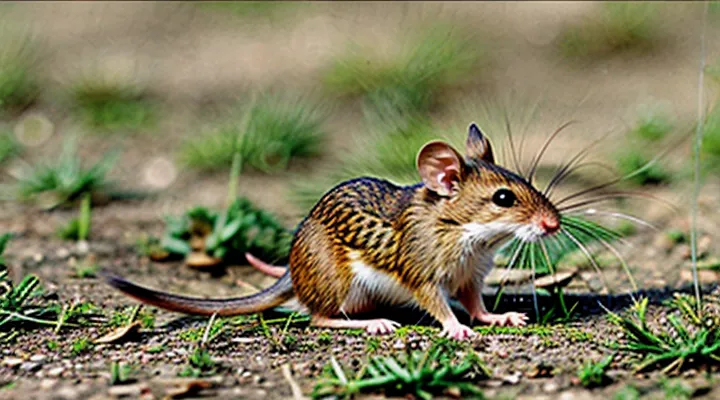
Understanding Field Mice
What are Field Mice?
Habitat and Distribution
Field mice occupy a broad range of environments across temperate regions. They thrive in grasslands, agricultural fields, hedgerows, and the edges of forests where dense vegetation offers cover and food sources. Within urban settings, they are frequently found in parks, gardens, and vacant lots, exploiting human‑derived waste and stored grains.
Geographically, the species extends from western Europe through the Middle East to central Asia. In North America, closely related subspecies inhabit the eastern United States and southern Canada, favoring low‑lying, moist soils. Populations are densest in areas with moderate rainfall, loose soil suitable for burrowing, and abundant seed or insect prey.
Key factors influencing distribution include:
- Soil composition: Sandy or loamy soils facilitate tunnel construction.
- Vegetation density: Dense ground cover reduces predation risk.
- Food availability: Seeds, nuts, and invertebrates sustain reproductive cycles.
- Climate: Mild winters and warm summers support year‑round activity.
These ecological preferences determine where field mice intersect with human habitats, thereby shaping the potential for disease transmission or property damage. Their adaptability to cultivated and suburban landscapes increases contact frequency, although direct aggression toward people remains rare.
Diet and Behavior
Field mice (Microtus spp.) obtain most of their nutrition from plant material. Their diet includes:
- Grasses, seeds, and tender shoots.
- Roots and tubers accessed by digging.
- Occasionally insects, especially during breeding season when protein demand rises.
The preference for vegetation limits direct contact with pathogens that affect humans. When plant resources decline, mice may enter stored grain facilities, increasing the likelihood of contaminating food supplies with droppings and urine. Such contamination can introduce hantavirus, Salmonella, and other microorganisms, but transmission requires ingestion or inhalation of aerosolized particles.
Behaviorally, field mice are crepuscular and nocturnal, emerging at dusk and dawn to forage. They construct shallow burrow systems with multiple entrances, facilitating rapid escape from predators. Social structure is loosely organized; individuals defend small territories but may aggregate in abundant food patches. Aggression toward humans is rare; defensive bites occur only when the animal is handled forcefully.
Reproductive activity peaks in spring and summer, producing several litters per year. High reproductive rates sustain population densities that can reach several hundred individuals per hectare in favorable habitats. Elevated densities increase the probability of human‑mouse encounters, especially in agricultural and suburban settings.
Overall, the dietary reliance on vegetation and shy, non‑aggressive behavior reduce the intrinsic danger of field mice. Human health risks stem primarily from indirect factors—contamination of stored foods and potential exposure to rodent‑borne pathogens—rather than from direct attacks.
Potential Health Risks Associated with Field Mice
Diseases Transmitted by Field Mice
Hantavirus
Field mice can harbor hantavirus, a single‑stranded RNA virus transmitted primarily through inhalation of aerosolized rodent excreta. The virus persists in the urine, feces, and saliva of infected mice, and human infection occurs when contaminated dust is disturbed in homes, barns, or outdoor shelters.
Clinical presentation of hantavirus infection typically follows an incubation period of one to four weeks and includes:
- Fever and chills
- Muscle aches, especially in the lower back and abdomen
- Headache and dizziness
- Nausea, vomiting, or diarrhea
- Rapid onset of respiratory distress (in hantavirus pulmonary syndrome) or acute kidney injury (in hemorrhagic fever with renal syndrome)
Mortality rates vary by viral strain; hantavirus pulmonary syndrome in North America reaches 30‑40 % without timely intensive care, while hemorrhagic fever with renal syndrome in Asia and Europe shows lower but still significant fatality.
Prevention focuses on minimizing rodent exposure:
- Seal entry points to buildings; maintain a rodent‑free perimeter.
- Store food in sealed containers; remove accessible waste.
- Use protective equipment (gloves, masks) when cleaning areas with rodent droppings.
- Disinfect surfaces with bleach solution (1 part bleach to 9 parts water) after removal of debris.
Early recognition of symptoms and prompt medical attention improve outcomes. Public health advisories emphasize rodent control and safe cleaning practices as primary defenses against hantavirus transmission from field mice to humans.
Lyme Disease (Indirectly)
Field mice do not transmit Lyme disease directly, but they play a role in the ecological cycle that sustains the bacterium Borrelia burgdorferi. The pathogen relies on a complex interaction among ticks, small mammals, and the environment. Adult Ixodes ticks acquire infection from larval or nymph stages that have fed on infected hosts; field mice serve as common hosts for these immature stages.
- Field mice host larval and nymphal ticks, providing blood meals necessary for tick development.
- When a larval tick feeds on an infected mouse, it can become a carrier of B. burgdorferi.
- The infected nymph later attaches to humans, delivering the bacterium and causing Lyme disease.
Field mice influence tick population density by offering abundant feeding opportunities, which can increase the number of infected nymphs in a region. Habitat fragmentation and high mouse densities correlate with elevated human Lyme disease risk, as they boost tick survival and infection rates.
Control measures that reduce field mouse abundance or limit their contact with ticks—such as habitat management, rodent-targeted acaricides, and removal of peridomestic vegetation—can lower the prevalence of infected nymphs and consequently diminish human exposure to Lyme disease.
Leptospirosis
Field mice can serve as reservoirs for Leptospira bacteria, the agents of leptospirosis. The pathogen survives in the kidneys of infected rodents and is shed in urine, contaminating soil and water. Human exposure occurs when skin abrasions or mucous membranes contact contaminated sources, or when aerosolized droplets are inhaled.
Typical clinical presentation includes sudden fever, headache, muscle pain, and jaundice; severe cases may progress to renal failure, hemorrhage, or meningitis. Early diagnosis relies on serologic testing or polymerase chain reaction assays; prompt antibiotic therapy, usually doxycycline or penicillin, reduces morbidity.
Risk mitigation measures:
- Avoid direct contact with rodent urine or habitats.
- Use protective gloves and boots when handling soil or standing water in areas with known rodent activity.
- Ensure drinking water is filtered or boiled.
- Implement rodent control programs to reduce population density in residential and agricultural settings.
Veterinary surveillance confirms that field mice frequently test positive for Leptospira spp., underscoring their role in zoonotic transmission. Public health advisories should address rodent‑associated leptospirosis as a tangible threat to human health.
Other Potential Pathogens
Field mice can host a range of microorganisms that pose health risks beyond the commonly cited concerns. These agents are transmitted through direct contact, contaminated food, or aerosolized particles from rodent droppings and urine.
- Hantaviruses – several species, including Sin Nombre virus, are carried in the lungs and excretions of field mice. Inhalation of contaminated dust can lead to hantavirus pulmonary syndrome, a severe respiratory illness with a mortality rate of up to 40 % in untreated cases.
- Leptospira spp. – spirochetes that survive in moist environments contaminated with rodent urine. Human infection may result in leptospirosis, characterized by fever, jaundice, renal failure, and, in severe instances, hemorrhagic complications.
- Salmonella enterica – frequently isolated from the gastrointestinal tracts of field mice. Consumption of food or water tainted with fecal material can cause salmonellosis, presenting with gastroenteritis, dehydration, and occasional bacteremia.
- Bartonella spp. – bacteria transmitted by ectoparasites such as fleas that infest field mice. Bartonellosis can manifest as fever, lymphadenopathy, or, rarely, endocarditis.
- Yersinia pestis – the plague bacterium historically associated with rodents. Although rare, epizootic cycles in wild mouse populations can lead to human exposure through flea bites or handling of infected animals.
These pathogens underscore the need for preventive measures when field mice are encountered in homes, farms, or outdoor settings. Proper sanitation, sealing entry points, and using protective equipment during cleaning reduce the likelihood of transmission.
How Transmission Occurs
Direct Contact
Direct contact with field mice can introduce several health hazards. Bites or scratches may cause local infection because the animals carry bacteria such as Staphylococcus and Streptococcus species. Saliva and urine often contain pathogens that become transmissible when skin is broken.
Key disease agents associated with handling field mice include:
- Hantavirus – inhaled aerosols from dried urine or feces, and occasionally through mucous‑membrane exposure, can lead to hemorrhagic fever with renal syndrome.
- Leptospira spp. – bacteria present in urine; entry through cuts or mucous membranes may result in leptospirosis, characterized by fever, muscle pain, and kidney involvement.
- Salmonella enterica – fecal contamination of hands can cause gastrointestinal illness if food is handled without proper washing.
- Parasites – ectoparasites such as ticks and fleas may transfer Lyme disease or other rickettsial infections during direct handling.
Allergic reactions are possible when individuals are sensitized to rodent dander or urine proteins. Repeated exposure increases the likelihood of respiratory irritation and asthma exacerbation.
Preventive measures for anyone who must touch field mice are straightforward:
- Wear disposable gloves and, when appropriate, a face shield or mask.
- Wash hands with soap and water immediately after removal of protective equipment.
- Disinfect surfaces that have been in contact with the animal using a 10 % bleach solution or an approved virucidal disinfectant.
- Avoid touching the face, eyes, or mouth while handling the rodent.
- Seek medical evaluation promptly if a bite, scratch, or unexplained fever occurs after contact.
When these precautions are observed, the risk of serious illness from direct interaction with field mice remains low.
Contaminated Food and Water
Field mice frequently enter homes, barns, and storage facilities, where they can directly contaminate food and water supplies. Their fur, saliva, and feces introduce bacteria, viruses, and parasites that survive on exposed surfaces for extended periods.
Contamination pathways include:
- Direct contact with grain, canned goods, or fresh produce as mice chew packaging and feed.
- Deposition of urine and droppings on stored food, creating a medium for bacterial growth.
- Introduction of pathogens into water sources through droppings in containers, troughs, or leaks.
Common agents transmitted through mouse‑related contamination are:
- Salmonella spp. – causes gastrointestinal illness, fever, and dehydration.
- Campylobacter jejuni – leads to diarrhea, abdominal cramps, and possible bloodstream infection.
- Hantavirus – primarily spreads via aerosolized rodent excreta; inhalation can result in severe respiratory disease.
- Leptospira interrogans – enters the body through cuts or mucous membranes when water is contaminated; may cause kidney failure and liver damage.
- Toxoplasma gondii – cysts survive in meat and produce infection after ingestion, potentially affecting immune‑compromised individuals.
Preventive measures focus on eliminating access points, maintaining rigorous sanitation, and storing food in sealed containers. Regular inspection of water tanks and immediate removal of droppings reduce the likelihood of pathogen proliferation. When contamination is suspected, discard affected food, disinfect surfaces with an appropriate sanitizer, and replace water supplies with treated or boiled water.
Inhalation of Aerosolized Droppings
Inhalation of aerosolized droppings from field mice can introduce pathogenic microorganisms into the respiratory tract. When droppings dry, they fragment into fine particles that remain suspended in air and become readily inhaled.
The primary health concerns involve:
- Hantavirus, which may cause hemorrhagic fever with renal syndrome or hantavirus pulmonary syndrome; symptoms include fever, muscle aches, and respiratory distress.
- Bacterial agents such as Salmonella and Leptospira, which can trigger gastrointestinal upset or leptospirosis with flu‑like manifestations.
- Fungal spores, notably Aspergillus species, capable of inducing allergic reactions or invasive disease in immunocompromised individuals.
Risk factors increase in enclosed spaces, poorly ventilated barns, sheds, or attics where droppings accumulate. Disturbance of contaminated material—cleaning, renovation, or pest control—amplifies particle release.
Preventive measures:
- Seal entry points to deter mouse ingress.
- Use protective equipment (N95 respirator, gloves, goggles) during removal of droppings.
- Wet the contaminated area with a disinfectant solution before cleaning to suppress dust formation.
- Dispose of waste in sealed containers and disinfect surfaces with bleach (5 % sodium hypochlorite) or comparable agents.
Early recognition of respiratory symptoms following exposure should prompt medical evaluation, with laboratory testing for hantavirus antibodies or bacterial cultures as appropriate. Prompt treatment improves outcomes, particularly for hantavirus pulmonary syndrome, where supportive care in an intensive setting is critical.
Physical Dangers and Property Damage
Bites and Scratches
Field mice rarely inflict serious injuries on people, but their bites and scratches can introduce bacterial contamination and trigger allergic reactions. The animal’s incisors are small, producing puncture wounds that may bleed minimally; nevertheless, the oral flora includes Streptococcus, Pasteurella, and Clostridium species, which can cause localized cellulitis or, in rare cases, systemic infection if left untreated. Immediate cleaning with soap and water, followed by antiseptic application, reduces the risk of bacterial proliferation.
Typical clinical manifestations after a field‑mouse wound include:
- Redness and swelling around the entry site within 24 hours
- Pain that intensifies over the first two days
- Fever or chills if infection spreads
- Itching or rash indicating an allergic response to mouse saliva or dander
Medical evaluation is warranted when symptoms progress beyond mild inflammation, when the wound is deep, or when the individual has compromised immunity. Prophylactic antibiotics, commonly a first‑generation cephalosporin or amoxicillin‑clavulanate, are prescribed based on the severity of the exposure and the patient’s health status. Tetanus immunization should be verified, as rodent bites can introduce Clostridium tetani spores.
Damage to Structures
Chewing Wires
Field mice frequently gnaw on electrical wiring because their incisors grow continuously and require constant wear. The act of chewing creates exposed conductors, short circuits, and increased fire risk. When a wire’s insulation is breached, the resulting arcing can ignite surrounding materials, leading to property damage and potential injury to occupants.
- Direct damage to appliances and circuit breakers reduces system reliability.
- Shorted circuits may trigger power outages, disrupting essential services.
- Heat generated at the bite site can reach temperatures sufficient to ignite wooden framing or insulation.
- Exposed live wires present a physical hazard; a mouse or other animal may bridge contacts, causing electric shock.
Preventive measures include sealing entry points, using rodent‑resistant conduit, and installing steel‑core wiring in vulnerable areas. Regular inspections detect bite marks before failure occurs, allowing timely replacement of compromised sections.
Contamination of Food Storage
Field mice frequently infiltrate pantries, grain bins, and other food‑storage facilities. Their small size and agile movements allow them to breach gaps as narrow as a quarter‑inch, making exclusion difficult without proper sealing.
Contamination occurs through several mechanisms:
- Feces and urine introduce bacteria such as Salmonella spp., E. coli O157:H7, and Listeria monocytogenes into food supplies.
- Hair and skin fragments act as physical contaminants, reducing product quality and shelf life.
- Carcasses provide a nutrient base for mold growth and attract additional pests.
- Bite wounds on stored produce create entry points for opportunistic pathogens.
The presence of these agents can trigger acute gastrointestinal illness, septicemia, or allergic responses in consumers. Foodborne outbreaks linked to rodent contamination often involve symptoms ranging from nausea and vomiting to severe dehydration and organ failure.
Mitigation requires a systematic approach:
- Inspect structures for openings; install steel wool, metal flashing, or cement‑based sealants.
- Implement regular trapping programs, ensuring humane disposal of captured animals.
- Maintain rigorous cleaning schedules: remove debris, vacuum droppings, and disinfect surfaces with EPA‑approved agents.
- Store dry goods in airtight, rodent‑proof containers; rotate inventory to prevent long‑term exposure.
Adhering to these protocols minimizes the risk of field‑mouse‑related food contamination and protects public health.
Prevention and Mitigation
Rodent Control Measures
Trapping
Field mice can transmit pathogens, contaminate food stores, and cause structural damage, creating a legitimate health concern for occupants. Effective control relies on capturing the animals before they establish a persistent presence, making trapping the primary intervention.
Common trap designs include:
- Snap traps: steel spring mechanisms that deliver rapid lethal force; suitable for indoor and outdoor use, require careful bait placement to avoid accidental activation.
- Live‑catch traps: wire cages with a trigger door; allow relocation of captured mice, but demand immediate release or humane euthanasia to prevent suffering.
- Glue boards: adhesive surfaces that immobilize rodents; useful for monitoring activity levels, though not recommended as a sole control method because of animal welfare concerns.
- Electronic traps: battery‑powered devices that administer a high‑voltage shock; provide quick kill and easy disposal, but depend on reliable power sources.
Successful deployment follows these steps:
- Identify activity zones by inspecting for droppings, gnaw marks, and nesting material.
- Position traps along walls, behind appliances, and within 12 inches of known runways; mice prefer concealed pathways.
- Bait traps with high‑protein items such as peanut butter, sunflower seeds, or dried insects; avoid sweet baits that attract non‑target species.
- Check traps daily, record captures, and reset or replace devices as needed.
- Dispose of dead rodents in sealed bags and sanitize trap surfaces with a diluted bleach solution to eliminate residual pathogens.
When trapping is combined with exclusion measures—sealing entry points, maintaining clean storage areas, and reducing vegetation that provides cover—field mouse populations decline sharply, lowering the risk of disease transmission and property damage.
Exclusion Techniques
Field mice pose minimal direct health risk, yet their presence can lead to contamination of food, structural damage, and indirect disease transmission. Effective exclusion prevents these outcomes by sealing entry points and creating an inhospitable indoor environment.
Physical barriers constitute the core of exclusion. Install steel‑wool or copper mesh over vents, utility openings, and cracks larger than ¼ inch. Replace damaged weatherstripping on doors and windows. Fit tight‑lipped door sweeps and ensure that garage doors close fully. Use concrete or metal flashing around foundation seams to block subterranean routes.
Landscape management reduces external pressure. Trim vegetation to at least 12 inches from the building envelope. Remove debris, woodpiles, and dense shrubbery that provide shelter. Maintain a clear zone of gravel or stone around the foundation to deter burrowing.
Structural maintenance eliminates hidden pathways. Repair damaged siding, roofing, and attic insulation. Seal gaps around plumbing, electrical conduits, and HVAC ducts with silicone caulk or expanding foam. Inspect crawl spaces regularly for new openings.
Monitoring and maintenance sustain exclusion. Conduct quarterly inspections of sealed points, especially after severe weather. Reapply barrier materials where wear is evident. Document findings to track trends and adjust strategies promptly.
Sanitation Practices
Field mice can contaminate food, spread pathogens, and cause structural damage, making proper sanitation essential for protecting human health.
Effective sanitation measures include:
- Sealing entry points such as cracks, gaps around pipes, and vent openings to prevent intrusion.
- Storing food in airtight containers and disposing of waste in sealed bins to eliminate attractants.
- Regularly cleaning surfaces with disinfectants that are effective against rodent‑borne bacteria and viruses.
- Maintaining landscaping by trimming vegetation away from building foundations and removing debris that provides shelter.
- Conducting routine inspections for droppings, gnaw marks, and nests; promptly removing any findings with appropriate protective equipment.
Implementing these practices reduces the likelihood of disease transmission and minimizes the risks associated with field mouse activity in residential and commercial settings.
Personal Safety Precautions
Handling Dead Rodents
Handling dead field mice requires strict adherence to safety protocols because the animals can harbor pathogens and parasites that pose health risks. Direct contact with tissues, blood, or urine may transmit bacteria such as Salmonella or Leptospira, and exposure to ectoparasites can lead to secondary infections.
Before touching a carcass, wear disposable gloves, a mask, and eye protection. If gloves become contaminated, remove them without touching the skin and discard them in a sealed bag. Disinfect surfaces with a solution containing at least 0.1 % bleach or an EPA‑registered disinfectant after the carcass is removed.
Disposal procedures vary by jurisdiction, but the safest method follows these steps:
- Place the dead mouse in a puncture‑proof container (e.g., a sturdy plastic bag or sealed box).
- Seal the container tightly and label it as “biological waste.”
- Transfer the sealed container to a municipal hazardous‑waste collection point or use a licensed pest‑control service for incineration.
If the animal is found in a domestic setting, clean the surrounding area with a detergent, then apply a disinfectant and allow a contact time of at least ten minutes before rinsing. Wash hands thoroughly with soap and water after removing gloves, even if gloves were not worn.
Medical attention is warranted if a bite, scratch, or puncture occurs, or if any symptoms such as fever, rash, or respiratory discomfort develop after exposure. Prompt reporting to a healthcare professional enables appropriate testing and treatment.
Cleaning Contaminated Areas
Field mice can introduce pathogens, parasites, and allergens into homes, kitchens, and storage rooms. When their presence is confirmed, the affected spaces must be decontaminated promptly to prevent infection or allergic reactions in occupants.
Effective decontamination follows a systematic process:
- Remove all food, utensils, and bedding from the area.
- Seal waste and debris in disposable bags before disposal.
- Clean surfaces with hot, soapy water to eliminate organic residue.
- Apply an EPA‑registered disinfectant, ensuring contact time meets manufacturer specifications.
- Vacuum or sweep floors, then mop with a bleach solution (1 % sodium hypochlorite) to destroy lingering microbes.
- Inspect and repair structural gaps that may allow re‑entry.
Personnel should wear gloves, disposable gowns, and a N95 respirator to limit exposure to dust, urine, or droppings. Hand hygiene before and after the task is essential. After cleaning, monitor the area for signs of mouse activity and repeat the procedure if contamination recurs.