
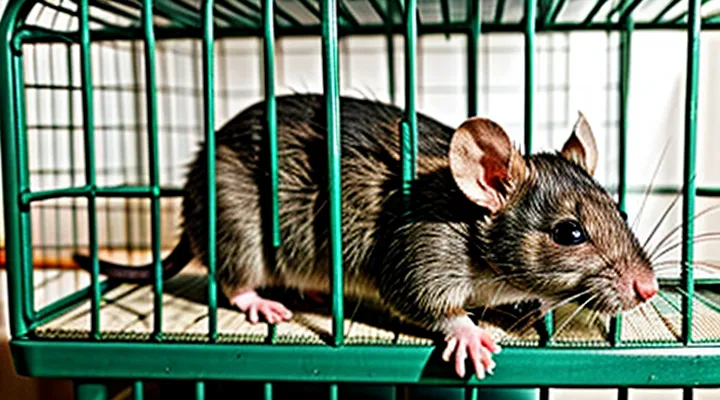
The Social Nature of Rats
Why Rats Need Companionship
The Impact of Isolation on Rat Behavior
Rats are highly social mammals; confinement to an individual cage removes the primary source of conspecific interaction. Absence of social contact triggers measurable changes in behavior and physiology.
- Elevated anxiety manifested by reduced exploration of novel environments.
- Emergence of repetitive movements such as bar‑gnawing or pacing.
- Decline in affiliative behaviors, including grooming and play.
- Decreased response to reward cues, indicating diminished motivation.
Physiological markers reflect the behavioral shift. Isolated individuals exhibit increased corticosterone concentrations, altered heart‑rate variability, and suppressed immune cell activity. These changes correlate with heightened susceptibility to disease and slower recovery from injury.
Research consistently demonstrates that short‑term isolation (up to 24 hours) produces transient effects, whereas chronic solitary housing (several weeks) leads to persistent alterations. Mitigation strategies include:
- Housing multiple rats together to preserve natural social structures.
- Providing nesting material, tunnels, and chewable objects to reduce stereotypies.
- Limiting periods of solitary confinement to the minimum required for veterinary procedures.
«Rats housed alone show elevated corticosterone levels and reduced social play», reported a longitudinal study on laboratory rodents. The evidence underscores the necessity of group housing for maintaining normal rat behavior and health.
Understanding Rat Communication
Rat communication shapes behavioral health, especially when an individual is confined alone. Understanding the channels through which rats exchange information clarifies the consequences of solitary housing.
- Vocalizations: audible chirps and squeaks convey alarm, aggression, or contentment.
- Ultrasonic calls: frequencies above human hearing range signal social status and mating intent.
- Body language: ear position, whisker orientation, and tail posture encode dominance and stress levels.
- Scent marking: glandular secretions left on surfaces inform conspecifics about identity and reproductive condition.
Isolation eliminates reciprocal feedback, leading to reduced vocal activity and altered body posture. Deprived of scent cues, a lone rat may exhibit heightened anxiety, diminished exploratory behavior, and abnormal grooming patterns. Physiological stress markers, such as elevated corticosterone, often rise under these conditions.
To mitigate adverse effects, provide environmental enrichment that mimics social stimuli. Options include:
- Mirrors or reflective surfaces that generate visual feedback.
- Audio playback of recorded ultrasonic calls, delivered through specialized speakers.
- Regular handling sessions that supply tactile interaction and scent exchange.
Implementing these measures supports communication pathways, enhancing welfare for a rat kept without cage mates.
The Risks of Single Rat Ownership
Psychological Effects of Solitude
Stress and Anxiety in Isolated Rats
Research on solitary confinement of laboratory rats demonstrates consistent elevation of stress biomarkers. Corticosterone concentrations rise markedly when an animal is housed alone, indicating activation of the hypothalamic‑pituitary‑adrenal axis. Heart‑rate variability decreases, reflecting reduced autonomic flexibility. These physiological changes correlate with observable behavioral alterations.
Isolated individuals display heightened anxiety‑like responses in standard tests. In the elevated plus‑maze, single‑housed rats spend less time in open arms and exhibit increased freezing. The open‑field test shows reduced central exploration and increased thigmotaxis. Social interaction assays reveal diminished approach behavior toward conspecifics, suggesting impaired social motivation.
Key implications for animal welfare and experimental validity include:
- Increased baseline stress may confound pharmacological or behavioral outcomes.
- Anxiety‑related behaviors can mask true effects of experimental manipulations.
- Long‑term solitary housing can lead to neuroplastic changes that alter learning and memory performance.
Mitigation strategies prioritize environmental enrichment, visual or olfactory contact with peers, and periodic group housing. When solitary confinement is unavoidable, providing nesting material, chewable objects, and regular handling reduces stress markers. Continuous monitoring of corticosterone and behavioral indices ensures early detection of adverse effects.
Development of Stereotypical Behaviors
Keeping a rat alone in an isolated enclosure often leads to the emergence of stereotypical behaviors. These repetitive actions—such as excessive grooming, circling, or bar‑biting—signal a maladaptive response to environmental deprivation. The lack of conspecific interaction removes social stimulation that normally regulates activity patterns, while the absence of varied enrichment restricts opportunities for natural foraging and exploration.
Key factors influencing the development of such behaviors include:
- Limited space that prevents the expression of normal locomotor ranges.
- Absence of manipulable objects, reducing tactile and problem‑solving engagement.
- Inconsistent lighting cycles, disrupting circadian rhythms.
- Minimal auditory and olfactory cues from other rodents, weakening social communication channels.
Physiological stress markers rise in isolated rats, correlating with heightened cortisol levels and altered neurochemical pathways. Persistent stereotypies may progress to self‑injurious actions, compromising welfare and increasing the risk of injury.
Mitigation strategies focus on environmental enhancement rather than group housing. Effective measures comprise:
- Introducing nesting material, tunnels, and chewable items to promote exploratory behavior.
- Implementing a predictable light‑dark schedule to stabilize circadian patterns.
- Providing periodic auditory playback of conspecific vocalizations to simulate social presence.
- Rotating enrichment objects to maintain novelty and prevent habituation.
When these interventions are consistently applied, the frequency and intensity of stereotypical behaviors decrease, indicating improved psychological resilience despite solitary confinement.
Physical Health Consequences
Suppressed Immune System
Keeping a rat alone in an isolated enclosure introduces factors that can diminish immune competence. Absence of conspecific interaction elevates corticosterone levels, which interfere with lymphocyte proliferation and cytokine production. Reduced social stimulation also modifies gut microbiota, further weakening mucosal defenses.
Elevated stress hormones suppress both innate and adaptive responses. Consequences include higher infection rates, delayed tissue repair, and greater variability in experimental outcomes that rely on immune parameters.
Practical measures to mitigate immunosuppression:
- Provide nesting material, chew toys, and climbing structures to encourage natural behaviors.
- Ensure visual or olfactory contact with other rats through perforated walls or adjacent cages.
- Conduct regular health assessments, focusing on weight, coat condition, and signs of illness.
- Adjust diet to include immunomodulatory nutrients such as vitamin C, zinc, and probiotics.
Implementing these strategies supports immune function while maintaining the logistical advantages of single‑animal housing.
Lack of Grooming and Social Interaction
Keeping a rat alone in an isolated enclosure eliminates opportunities for mutual grooming, a behavior essential for coat maintenance and parasite control. Without a companion, the animal cannot engage in reciprocal cleaning, leading to increased matting, skin irritations, and higher susceptibility to ectoparasites.
Social interaction deficits manifest in several ways:
- Reduced play and exploration, resulting in diminished motor skill development.
- Heightened stress responses, observable through elevated cortisol levels and repetitive stereotypic movements.
- Impaired communication abilities, as vocalizations and scent marking are rarely practiced in solitude.
The absence of grooming partners also affects immune function. Studies show that solitary rodents exhibit slower wound healing and greater incidence of respiratory infections, linked to chronic stress and poor coat condition.
Mitigation strategies include:
- Daily handling with soft brushes to simulate grooming actions.
- Provision of enrichment items that encourage self‑grooming, such as textured tunnels and chewable materials.
- Regular health checks to detect early signs of dermatological or respiratory issues.
Overall, the lack of mutual grooming and social contact presents significant welfare concerns for a rat housed alone, undermining both physical health and behavioral well‑being.
Ethical Considerations for Rat Ownership
Providing an Enriched Environment
Space and Cage Requirements
A solitary rat requires a cage that provides sufficient floor area to support natural locomotion and exploratory behavior. The minimum recommended dimensions are 45 cm × 30 cm × 30 cm (length × width × height), with larger enclosures offering increased opportunity for exercise and enrichment. Vertical space should accommodate climbing structures, as rats are arboreal by nature.
Key spatial considerations include:
- Multiple levels or platforms connected by sturdy ladders to promote vertical movement.
- A solid base of at least 2 cm depth filled with absorbent bedding to allow digging and nesting.
- Clearance of at least 5 cm between the cage roof and the highest climbing element to prevent injury.
Ventilation must ensure continuous airflow without drafts. Mesh panels covering at least two sides of the enclosure provide adequate exchange while protecting the animal from external hazards. The cage material should be non‑toxic, chew‑resistant, and easy to clean to maintain hygiene.
Enrichment items such as tunnels, chew toys, and hideouts should be arranged to create distinct zones for foraging, resting, and social interaction, even in the absence of conspecifics. Proper spacing between these elements prevents overcrowding and facilitates the rat’s natural exploratory patterns.
Overall, a well‑designed cage that meets the outlined spatial and environmental criteria supports the health and welfare of an isolated rat, making solitary housing feasible when these standards are strictly observed.
Toys and Stimulation
Providing appropriate enrichment is essential for a rat kept alone in an individual cage. Without companions, the animal relies on environmental stimuli to prevent boredom, reduce stress, and maintain natural foraging behaviors.
Effective enrichment includes:
- Chewable items such as untreated wood blocks, cardboard tubes, and natural branches; they satisfy dental health needs and encourage exploratory activity.
- Puzzle feeders that hide food rewards; they mimic the search for insects and seeds, promoting problem‑solving skills.
- Climbing structures like ladders, ropes, and hammocks; they allow vertical movement, reflecting the species’ instinct to navigate complex terrains.
- Sensory toys featuring varied textures, scents, and sounds; they engage tactile and olfactory senses, essential for mental stimulation.
Rotation of toys every few days prevents habituation. Items should be inspected regularly for wear, and any damaged pieces must be removed to avoid injury. Properly chosen and maintained enrichment supports the well‑being of a solitary rat and contributes to a stable, healthy environment.
The Importance of Social Bonds
Introducing New Cagemates
When a rat has lived alone, adding companions requires careful planning to avoid stress, aggression, or disease transmission.
Health screening is the first safeguard. All potential mates must undergo veterinary examination, parasite checks, and observation for respiratory symptoms. Quarantine each newcomer for a minimum of two weeks, providing separate housing, identical diet, and environmental enrichment.
Compatibility factors include gender, age, and temperament. Same‑sex pairings reduce breeding concerns; however, a male‑female duo may be acceptable if breeding is not desired and neutering is performed. Age differences greater than six months can create dominance hierarchies, increasing the risk of injury. Observe individual behavior during short, supervised interactions before permanent cohabitation.
Procedure for introducing new cage mates
- Place the established rat’s cage and the newcomer’s cage side by side, allowing scent exchange through a solid barrier for several days.
- Swap bedding between cages to familiarize each animal with the other’s odor.
- Conduct a neutral‑ground meeting in a clean, escape‑proof arena for five to ten minutes, monitoring for signs of aggression such as lunging, biting, or excessive vocalization.
- If the encounter remains calm, increase interaction time by 10‑15 minutes daily, gradually reducing the distance between cages.
- Once consistent peaceful behavior is observed, relocate the newcomer into the original cage, ensuring sufficient space, multiple hideouts, and additional chew objects.
Post‑introduction monitoring continues for at least two weeks. Record feeding patterns, grooming, and social play. Immediate separation is required if persistent fighting, weight loss, or respiratory distress appears. Successful integration results in a stable group that exhibits shared nesting, mutual grooming, and reduced solitary stress.
Monitoring Rat Dynamics
Monitoring rat dynamics provides objective insight into the welfare of an isolated individual. Precise observation of locomotion, feeding, grooming, and vocalization reveals how a solitary environment influences physiological and behavioral patterns.
When assessing the feasibility of housing a single rat alone, continuous data collection distinguishes normal adaptation from stress‑related anomalies. Elevated inactivity, excessive grooming, or repetitive movements signal compromised well‑being, guiding adjustments to enclosure design or social enrichment.
Typical monitoring techniques include:
- Video‑based tracking systems that quantify distance traveled and time spent in specific zones;
- Radio‑frequency identification tags linked to weight scales for real‑time mass changes;
- Environmental sensors measuring temperature, humidity, and ammonia levels;
- Acoustic microphones detecting ultrasonic calls associated with distress.
Interpretation of collected metrics focuses on deviations from established baseline ranges for healthy conspecifics. Reduced nocturnal activity, flattened circadian peaks, or increased occurrence of stereotypic bouts suggest that solitary confinement may exceed the species’ social threshold.
Consequent analysis informs management decisions: evidence of chronic stress recommends group housing or structured interaction, whereas stable patterns support limited solitary accommodation under enriched conditions. The systematic approach embodied in «monitoring rat dynamics» thus underpins evidence‑based conclusions about the practicality of maintaining a lone rat in an individual cage.
When Single Rat Ownership Might Be Considered
Medical Reasons for Temporary Isolation
Illness and Recovery
A solitary rat housed in an individual enclosure faces specific health challenges that differ from those of a socially grouped population. Limited interaction can increase stress, suppress immune function, and elevate the risk of respiratory and gastrointestinal disorders. Early detection of disease is essential to prevent rapid deterioration.
Common clinical indicators include:
- Nasal discharge or sneezing
- Reduced food and water intake
- Lethargy or abnormal grooming
- Diarrhea or abnormal stool consistency
- Weight loss exceeding 10 % of body mass
When any of these signs appear, immediate veterinary assessment is required. Diagnostic procedures typically involve physical examination, radiography, and laboratory analysis of blood or fecal samples. Prompt initiation of appropriate antimicrobial, anti‑inflammatory, or supportive therapy improves the likelihood of a full return to health.
Recovery protocols focus on stabilizing physiological functions and restoring a conducive environment:
- Administer prescribed medication according to dosage schedule.
- Maintain optimal temperature (20‑24 °C) and humidity (45‑55 %) to reduce respiratory strain.
- Provide a nutritionally balanced diet enriched with protein and vitamins; consider soft foods if chewing is impaired.
- Ensure constant access to clean, fresh water; supplemental electrolytes may be beneficial.
- Minimize handling stress by limiting cage disturbances and using gentle transfer techniques.
- Monitor weight, appetite, and behavior daily; adjust care plan based on progress.
Long‑term preventive measures include regular cleaning of the cage, routine health checks, and enrichment items that encourage natural foraging behavior without compromising isolation requirements. By addressing illness promptly and adhering to structured recovery steps, a single rat can regain health and maintain a stable condition within its dedicated enclosure.
Quarantine Protocols
Quarantine protocols for an individual rat housed alone must address health monitoring, environmental sanitation, and controlled exposure. Immediate separation from other rodents prevents pathogen transmission. Regular health checks, including visual inspection for lesions, respiratory signs, and abnormal behavior, should occur daily for the first two weeks. Documentation of observations supports early detection of disease.
Key components of the protocol:
- Isolation period – minimum fourteen days, extendable if symptoms appear.
- Cage hygiene – replace bedding, clean surfaces with a diluted bleach solution (1 % sodium hypochlorite) every 48 hours.
- Personal protective equipment – wear disposable gloves and a lab coat when handling the cage; disinfect hands before and after contact.
- Airflow control – position the cage in a dedicated ventilated enclosure to limit aerosol spread.
- Record keeping – log temperature, humidity, and any health notes in a secure notebook.
Upon completion of the quarantine phase, a veterinarian‑approved health assessment confirms the rat’s suitability for integration with other animals or continued solitary housing. Failure to adhere to these measures increases the risk of introducing infectious agents into a broader colony.«»
Behavioral Challenges
Aggression Towards Other Rats
Aggression among rats is primarily a social behavior that emerges when individuals compete for resources, hierarchy, or territory. In a mixed‑sex or multi‑male group, dominance disputes often result in biting, chasing, or prolonged vocalizations that signal stress. Isolating a rat eliminates direct contact with conspecifics, thereby removing the immediate trigger for these confrontations. However, isolation can also provoke frustration‑related aggression directed toward objects, cage furnishings, or caretakers, especially in highly social strains.
Key considerations for solitary housing:
- Absence of peer‑initiated aggression reduces risk of injuries and skin lesions.
- Lack of social interaction may increase stereotypic behaviors, such as bar‑climbing or excessive grooming, which can evolve into self‑directed aggression.
- Environmental enrichment (toys, tunnels, nesting material) mitigates stress and diminishes the likelihood of redirected aggression.
- Regular handling and positive reinforcement establish a calm relationship with humans, decreasing defensive aggression during care.
When evaluating the feasibility of a single‑rat enclosure, the primary advantage lies in preventing inter‑rat conflict. The potential drawback involves the animal’s innate need for companionship, which, if unmet, can manifest as heightened irritability toward non‑rat stimuli. Proper cage design, enrichment, and consistent human interaction are essential to balance the benefits of reduced conspecific aggression with the risks of isolation‑induced stress.
Special Needs and Individual Care
Rats possess complex physiological and behavioral requirements that influence the feasibility of solitary housing. Individual health monitoring becomes essential when a rat is isolated, because stress‑related ailments such as respiratory infections and gastrointestinal disturbances appear more frequently in lone individuals. Regular veterinary examinations, weight tracking, and observation of grooming habits provide early detection of problems that might otherwise be masked by group dynamics.
Enrichment strategies must compensate for the loss of social interaction. Structured play sessions, puzzle feeders, and varied substrate layers stimulate exploratory behavior and reduce stereotypic pacing. Daily handling sessions, lasting several minutes, establish a reliable human–rat bond, which can mitigate anxiety stemming from isolation.
Key components of individualized care include:
- Precise diet adjustment: monitor caloric intake and supplement with vitamin C if the rat shows signs of scurvy‑like symptoms.
- Environmental control: maintain temperature between 20 °C and 24 °C, humidity below 60 %, and ensure ventilation without drafts.
- Hygiene protocol: clean the cage weekly, replace bedding bi‑weekly, and disinfect feeding equipment to prevent bacterial overgrowth.
- Mental stimulation: rotate toys every 3–4 days, introduce new scents, and provide climbing structures of varying heights.
«Rats thrive on social contact; without it, they exhibit heightened cortisol levels» – a finding reported by veterinary behavior specialists. Consequently, any decision to keep a single rat must incorporate rigorous monitoring, enriched surroundings, and proactive health management to meet the animal’s special needs.
Alternatives to Single Rat Ownership
Adopting a Bonded Pair or Group
Rats thrive on companionship; isolating an individual often leads to heightened stress, reduced activity, and a propensity for stereotypic behaviors. Adopting a bonded pair or a small group provides constant social interaction, stabilizes emotional health, and encourages natural foraging and grooming routines.
Key considerations when choosing a bonded pair or group:
- Minimum cage dimensions: at least 2 sq ft per rat, with additional vertical space for climbing.
- Enrichment: nesting material, tunnels, chewable objects, and platforms to support group dynamics.
- Health screening: quarantine new arrivals for a minimum of 30 days, observe for signs of illness before integration.
- Compatibility assessment: match rats of similar age and temperament; avoid mixing aggressive individuals.
- Gender composition: same‑sex groups reduce breeding risk, while mixed‑sex groups require monitoring for pregnancy.
- Introduction protocol: place rats in a neutral enclosure for a short observation period, then gradually expand shared space.
Providing a bonded pair or group eliminates many welfare concerns associated with solitary housing and aligns with the species’ innate social structure.
Seeking Expert Advice and Resources
Professional guidance is essential when evaluating the feasibility of housing a solitary rat in an isolated enclosure. Veterinarians with experience in small‑animal behavior can assess health risks, social needs, and environmental enrichment requirements. Certified rodent specialists provide evidence‑based recommendations that address stress indicators, dietary adequacy, and cage design standards.
Key resources for reliable information include:
- Veterinary clinics that publish rat‑care protocols, often available on their websites.
- Academic journals such as Laboratory Animal Science that feature peer‑reviewed studies on solitary housing effects.
- Organizations like the American Association of Laboratory Animal Science (AALAS) that offer certification courses and reference manuals.
- Online databases (e.g., PubMed) where specific research articles can be located using keywords such as «single rat housing» and «behavioral welfare».
When consulting experts, follow these steps:
- Schedule a consultation with a licensed small‑animal veterinarian; request a written assessment of the rat’s health status.
- Obtain a copy of the latest species‑specific housing guidelines from a recognized professional body.
- Review peer‑reviewed literature that examines physiological and psychological outcomes of solitary confinement.
- Compile a checklist of enclosure specifications (size, ventilation, enrichment) derived from the gathered references.
Implementing advice from qualified professionals and adhering to documented standards maximizes the likelihood of maintaining a healthy, stress‑free environment for an individually housed rat.