
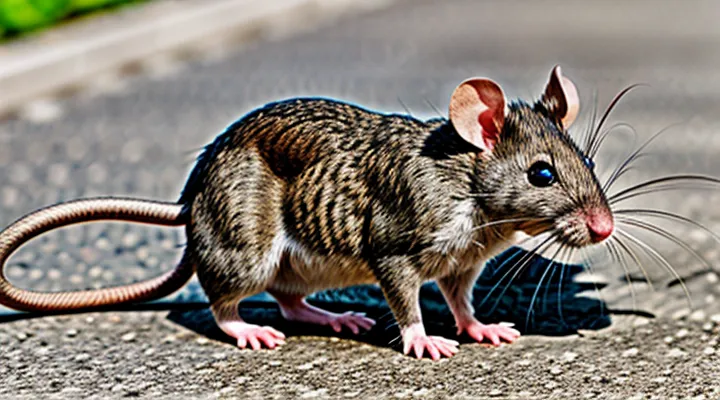
Understanding Rodent Genetics
Chromosome Numbers and Karyotypes
Mouse (Mus musculus) Karyotype
The Mus musculus karyotype consists of 40 chromosomes arranged in 20 homologous pairs. Autosomes are divided into three size categories: a group of six large metacentric chromosomes, a group of eight medium‑sized submetacentric chromosomes, and six small acrocentric chromosomes. The sex chromosomes are a large metacentric X and a small telocentric Y, together forming the XY pair in males and XX in females. Conventional G‑banding reveals a characteristic pattern of light and dark regions that permits precise identification of each chromosome and facilitates detection of structural variants.
Key cytogenetic features include:
- Diploid number (2n) = 40
- Fundamental number (FN) ≈ 68, reflecting the total count of chromosome arms
- Presence of a single pair of large metacentric autosomes (chromosomes 1 and 2) that differ markedly from the rat’s largest chromosomes
- Distinct centromere positions that separate mouse acrocentrics from rat telocentrics
Comparative analysis with Rattus norvegicus, which carries 42 chromosomes (2n = 42) and a different distribution of metacentric and telocentric chromosomes, highlights the chromosomal disparity that underlies the failure of successful mouse‑rat hybrids. The mismatch in chromosome number, arm composition, and centromere morphology produces meiotic arrest in any attempted interspecies fertilization, preventing viable offspring.
Understanding the mouse karyotype therefore provides a genetic basis for assessing the feasibility of crossing Mus musculus with Rattus species. Chromosomal incompatibility, as demonstrated by the described structural differences, constitutes the primary barrier to producing a stable hybrid.
Rat (Rattus norvegicus) Karyotype
The laboratory rat (Rattus norvegicus) possesses a diploid chromosome complement of 2 n = 42, organized into 21 pairs. Autosomes form 20 pairs of metacentric or submetacentric chromosomes, while the sex chromosomes consist of one large X and a small, largely heterochromatic Y. The karyotype is characterized by:
- Total length of approximately 23 µm per haploid set.
- Centromeric positions: metacentric chromosomes dominate the larger pairs (1–5), transitioning to submetacentric forms in mid‑size pairs (6–12).
- Distinctive G‑banding pattern that facilitates identification of each chromosome and detection of structural variations.
- Presence of several constitutive heterochromatin blocks on the Y chromosome and pericentromeric regions of autosomes.
The common house mouse (Mus musculus) displays a markedly different karyotype: 2 n = 40, with 19 autosomal pairs and a similar XY sex chromosome system. Mouse chromosomes are generally smaller, with a higher proportion of acrocentric arms. The disparity in chromosome number, size, and centromere morphology creates fundamental obstacles for meiotic pairing between rat and mouse gametes. Successful synapsis requires homologous chromosomes to align and recombine; mismatched pairs typically fail to form stable bivalents, leading to meiotic arrest or aneuploid gametes.
Consequences for attempts to produce a rodent hybrid include:
- Incompatibility of chromosomal architecture prevents the formation of viable zygotes.
- Even if fertilization occurs, the resulting embryos exhibit high rates of developmental failure due to missegregation.
- Genetic divergence, reflected in distinct gene content and regulatory elements, further reduces the likelihood of functional offspring.
The rat’s well‑characterized karyotype, combined with the mouse’s divergent chromosomal profile, confirms that interspecific breeding between these species is genetically unfeasible.
Genetic Compatibility and Species Barriers
Reproductive Isolation Mechanisms
Mice and rats belong to different genera within the family Muridae, and multiple reproductive barriers prevent successful interspecific breeding. Pre‑zygotic mechanisms act before fertilization:
- Mating rituals differ; mice and rats display distinct courtship signals that are not mutually recognized.
- Seasonal and daily activity patterns diverge, reducing opportunities for contact.
- Genital morphology is incompatible; the size and shape of copulatory organs prevent effective sperm transfer.
- Sperm‑egg recognition proteins are species‑specific, so mouse sperm cannot bind rat ova, and vice versa.
Post‑zygotic mechanisms operate after fertilization, should an embryo form. Hybrid embryos exhibit severe developmental arrest due to mismatched chromosome numbers (mouse 2n = 40, rat 2n = 42) and divergent gene regulation. Resulting hybrids, if they survive to term, display reduced viability and sterility, reflecting disrupted meiosis and hormonal incompatibility. Collectively, these isolation mechanisms maintain genetic separation between the two species, rendering breeding attempts biologically unfeasible.
Hybrid Inviability and Infertility
Crossing a mouse and a rat produces hybrids that rarely survive to term and, when development proceeds, result in sterile individuals. The failure stems from profound genetic incompatibilities that manifest at several biological levels.
Embryonic development of mouse‑rat hybrids is disrupted by mismatched chromosomal architecture. Mice possess 40 chromosomes, rats 42; pairing during meiosis is incomplete, leading to aneuploid cells and early embryonic arrest. Gene regulatory networks, which evolved separately in each species, cannot synchronize, causing misexpression of essential developmental genes. Imprinted loci, which depend on parent‑specific epigenetic marks, are often incorrectly patterned, further compromising viability.
Even when embryos reach birth, reproductive capacity remains absent. Hybrid males exhibit malformed testes, reduced sperm count, and defective spermatogenesis, while hybrid females display ovarian dysgenesis and anovulation. The underlying cause is the inability of divergent sex chromosomes to undergo proper recombination, producing sterility despite normal somatic appearance.
Key factors contributing to hybrid inviability and infertility include:
- Chromosome number disparity and structural differences
- Incompatible gene expression profiles during early embryogenesis
- Erroneous imprinting of parental alleles
- Failure of meiotic pairing in gonadal tissue
- Absence of functional gamete production in mature hybrids
Experimental attempts using in vitro fertilization, embryo transfer, or genome editing have achieved limited success in generating early‑stage hybrids, yet none have overcome the fundamental barriers that prevent viable, fertile offspring. Consequently, the biological distance between mice and rats precludes the creation of a stable, reproducing hybrid lineage.
Scientific Perspectives on Interspecies Breeding
The Concept of Hybridization
Natural Hybridization in Rodents
Natural hybridization among rodents occurs primarily within closely related species that share the same genus. Documented cases include hybrids between Mus musculus and Mus spretus, as well as between Peromyscus maniculatus and Peromyscus leucopus. These hybrids often display reduced fertility but can survive to adulthood under laboratory conditions.
Key factors that enable hybridization:
- Overlapping geographic ranges
- Similar chromosome numbers
- Compatible mating behaviors
- Limited genetic divergence
Barriers preventing a mouse‑rat cross are substantial. Mice belong to the genus Mus (2n = 40 chromosomes), while rats belong to Rattus (2n = 42). Divergence of approximately 12 million years has produced distinct reproductive proteins, differing gestation periods, and incompatible placental development. Experimental attempts using in vitro fertilization or embryo transfer have yielded embryos that arrest early or result in non‑viable offspring.
Consequently, natural intergeneric hybrids between these two genera have never been observed in the wild, and current evidence indicates that successful reproduction between a mouse and a rat is biologically implausible.
Artificial Insemination and Genetic Engineering Considerations
Artificial insemination between a mouse and a rat confronts fundamental reproductive incompatibilities. Mice (Mus musculus) possess 20 chromosomes, whereas rats (Rattus norvegicus) have 22; homologous pairing during meiosis fails, preventing viable zygote formation. Sperm‑egg recognition proteins differ sufficiently to block fertilization even when gametes are manually combined.
Genetic engineering offers alternative routes, yet each presents technical hurdles:
- Hybrid embryonic stem cell creation – fusion of mouse and rat blastomeres can generate chimeric lines, but resulting cells often display abnormal karyotypes and limited developmental potential.
- CRISPR‑mediated gene insertion – inserting rat‑specific alleles into mouse embryos circumvents species barriers but yields only partial phenotypic conversion, not a true interspecies hybrid.
- Somatic cell nuclear transfer – reprogramming a rat nucleus in a mouse oocyte has produced embryonic development to early stages, yet full-term gestation remains unachieved.
Ethical and regulatory considerations restrict experimental scaling. Institutional review boards typically require justification that the research advances understanding of developmental biology or disease modeling, and compliance with animal welfare statutes is mandatory.
Overall, direct cross‑species breeding through artificial insemination is biologically untenable; engineered approaches can produce limited cellular mosaics but do not generate a complete mouse‑rat hybrid.
Documented Cases of Interspecies Rodent Breeding
Known Hybrids within Muridae
Hybridization within the family Muridae occurs primarily among closely related species that share the same genus. Documented viable hybrids include:
- Mus musculus × Mus domesticus – fertile offspring used in genetic mapping.
- Mus musculus × Mus spretus – fertile first‑generation hybrids, with reduced fertility in later generations.
- Mus spicilegus × Mus musculus – limited fertility, useful for studying speciation.
- Rattus norvegicus × Rattus rattus – fertile hybrids reported in laboratory colonies, though reproductive success varies with strain.
Cross‑genus attempts between the house mouse (Mus) and the Norway rat (Rattus) have consistently failed to produce viable embryos. Experimental insemination of Rattus females with Mus sperm yields no implantation, and reciprocal matings result in early embryonic arrest. Genetic distance, divergent chromosome numbers (Mus = 20, Rattus = 42), and incompatible gamete recognition mechanisms account for these outcomes.
Hybridization in Muridae therefore remains confined to intra‑genus pairings where chromosomal architecture and reproductive biology align sufficiently to permit embryonic development and fertility.
Absence of Mouse-Rat Hybrids
Mice and rats belong to different genera within the family Muridae, and their genomes have diverged enough to prevent successful fertilization and embryonic development. The primary obstacles are:
- Chromosome number mismatch: Mus musculus possesses 40 chromosomes, while Rattus norvegicus has 42. During meiosis, pairing of homologous chromosomes fails, leading to aneuploid gametes.
- Genetic incompatibility: Divergent alleles regulate key developmental pathways. Hybrid embryos exhibit arrest at early cleavage stages because essential regulatory proteins cannot interact across species lines.
- Reproductive isolation mechanisms: Mating behaviors, pheromonal cues, and copulatory anatomy differ markedly, reducing the likelihood of successful copulation even under controlled conditions.
Experimental attempts using in‑vitro fertilization and embryo transfer have consistently resulted in non‑viable embryos or early miscarriage. The absence of viable mouse‑rat hybrids therefore reflects deep evolutionary separation, not merely a lack of experimental effort.
Biological Reasons for Impossibility
Fundamental Genetic Differences
Divergence in Gene Sequences
Genetic divergence between Mus musculus and Rattus norvegicus establishes a robust reproductive barrier. The two species differ by more than 10 % in nucleotide identity across orthologous protein‑coding regions, a gap that translates into substantial functional incompatibilities. Divergent promoter architectures and regulatory element landscapes further diminish the likelihood that hybrid embryos could coordinate essential developmental pathways.
Chromosomal incompatibility reinforces the barrier. Mice possess 40 chromosomes (20 pairs) while rats have 42 (21 pairs). During meiosis, mismatched pairing leads to unpaired chromosomes, triggering checkpoint‑mediated arrest or aneuploidy. Even if fertilization were achieved, the resulting zygote would encounter severe mitotic errors, preventing viable development.
Key genetic distinctions include:
- Divergent gene families governing immune recognition (e.g., MHC loci) with limited cross‑species compatibility.
- Species‑specific imprinting patterns that regulate embryonic growth; mismatched imprinting often results in growth retardation or lethality.
- Disparate microRNA repertoires that modulate post‑transcriptional control; cross‑expression disrupts gene networks essential for organogenesis.
Collectively, the magnitude of sequence divergence, chromosomal mismatches, and regulatory incompatibilities make the production of a mouse‑rat hybrid biologically untenable.
Regulatory Gene Discrepancies
Cross‑species breeding between a house mouse and a Norway rat confronts fundamental incompatibilities in regulatory gene networks. These networks dictate timing, location, and intensity of gene expression during embryogenesis, and even minor divergence can derail development.
Regulatory genes encode transcription factors, enhancers, silencers, and epigenetic modifiers that coordinate cell‑type specification. In mice and rats, orthologous proteins often retain similar amino‑acid sequences, yet the surrounding control elements have diverged sufficiently to produce distinct expression patterns. Consequently, a genome contributed by one species may be misinterpreted by the partner’s regulatory circuitry, leading to aberrant developmental cues.
Key discrepancies include:
- Promoter composition – mouse promoters contain clusters of binding sites absent in rat promoters, altering transcriptional initiation rates.
- Enhancer architecture – species‑specific enhancer clusters drive tissue‑restricted expression; mismatched enhancers fail to activate essential genes at critical stages.
- Transcription‑factor affinity – subtle amino‑acid changes modify DNA‑binding preferences, reducing cross‑species compatibility.
- Epigenetic landscapes – divergent DNA‑methylation patterns and histone modifications affect chromatin accessibility, impeding proper gene activation.
- Non‑coding RNA repertoires – microRNA families and long non‑coding RNAs differ in target specificity, disrupting post‑transcriptional regulation.
These regulatory mismatches generate cascading failures: ectopic gene activation, insufficient dosage of developmental signals, and premature cell‑lineage decisions. Experimental attempts to produce viable mouse‑rat hybrids consistently encounter embryonic lethality or severe malformations, directly attributable to the outlined regulatory gene discrepancies.
Physical and Physiological Obstacles
Differences in Reproductive Anatomy
Mice (Mus musculus) and rats (Rattus norvegicus) belong to the same family but possess distinct reproductive structures that impede direct hybridization. Female mice have a comparatively short estrous cycle of four to five days, whereas rats exhibit a longer cycle of four to five days with a pronounced diestrus phase, affecting timing of ovulation. The oviductal length in mice averages 10 mm, while rats possess an oviduct of approximately 15 mm, creating mismatched sperm transport distances.
Male mice produce sperm with a head length of 4–5 µm and a tail of 60 µm; rat sperm are larger, with heads of 6–7 µm and tails extending beyond 70 µm. These dimensional differences alter motility patterns and capacitation requirements. Additionally, the seminal vesicle secretions differ: mice secrete high concentrations of specific proteins (e.g., BSP1) that facilitate mouse sperm binding, whereas rat secretions contain distinct enzymatic profiles unsuitable for mouse gametes.
Key anatomical divergences:
- Chromosomal count: mouse 2n = 40, rat 2n = 42, leading to meiotic incompatibility.
- Gonadal hormone cycles: mouse estradiol peaks during proestrus; rat peaks occur later, disrupting synchronized gamete maturation.
- Placental architecture: mouse placenta is labyrinthine with a thin trophoblast layer; rat placenta is more complex, featuring a thicker labyrinth and distinct giant cell layer, preventing successful implantation of mixed embryos.
These reproductive disparities establish physiological barriers that render a viable mouse‑rat hybrid biologically unattainable.
Incompatible Gamete Recognition
Cross‑species breeding between Mus and Rattus encounters a primary barrier at the level of gamete recognition. Sperm and oocyte surfaces display species‑specific ligands that must engage precisely for fertilization. In mice, the zona pellucida protein ZP3 carries glycan patterns recognized by murine sperm receptors; rat zona pellucida presents a distinct glycosylation profile that mouse sperm cannot bind. Conversely, rat sperm lack the receptors required to interact with murine zona components.
Experimental attempts using in vitro fertilization confirm this incompatibility. When mouse oocytes are exposed to rat sperm, no acrosomal reaction or zona penetration occurs. Reciprocal trials with rat oocytes and mouse sperm yield identical outcomes. Molecular analyses reveal:
- Divergent ZP glycoprotein sequences between the two genera.
- Absence of cross‑reactive sperm surface proteins (e.g., ADAM family members).
- Species‑specific sperm‑egg adhesion molecules (e.g., Izumo1–Juno) that fail to interact across the genus boundary.
These findings indicate that the gamete recognition system enforces reproductive isolation, preventing the formation of viable hybrids. Consequently, the prospect of generating a mouse‑rat hybrid through conventional breeding or assisted reproductive techniques is nullified by fundamental molecular incompatibility.
Broader Implications and Research
Conservation Biology and Species Delimitation
The prospect of producing offspring between a house mouse (Mus spp.) and a rat (Rattus spp.) raises questions that intersect conservation biology and the science of species delimitation. The two genera diverge by more than 10 million years, exhibit distinct karyotypes, and fail to produce viable embryos under experimental conditions. This reproductive barrier aligns with the biological species concept, which defines species by the inability to generate fertile progeny.
Species delimitation relies on multiple lines of evidence:
- Morphological disparity: skull shape, dentition, and pelage differ markedly between Mus and Rattus.
- Genetic divergence: mitochondrial and nuclear markers show sequence differences exceeding 15 % in conserved genes.
- Reproductive isolation: laboratory cross‑breeding attempts result in embryonic arrest or sterility.
Conservation biology interprets such barriers as safeguards of genetic integrity. Hybridization, when it occurs, can blur taxonomic boundaries, threaten endemic lineages, and complicate legal protection frameworks. Management strategies therefore prioritize the preservation of distinct gene pools, especially for threatened rodent species whose habitats overlap with invasive Mus or Rattus populations.
In summary, the combined weight of morphological, genetic, and reproductive data supports the classification of mice and rats as separate species, rendering intentional hybridization biologically implausible and ecologically undesirable.
Ethical Considerations in Genetic Manipulation
Genetic engineering aimed at producing a rodent hybrid raises several ethical questions. The procedure involves altering the genome of two distinct species, which may cause pain, stress, or long‑term health problems for the animals involved. Assessing the justification for such manipulation requires a clear comparison between anticipated scientific gains and the direct impact on animal well‑being.
- Potential for severe physiological abnormalities
- Uncertainty about the offspring’s capacity to experience suffering
- Disruption of natural species boundaries that could affect ecological balance if the hybrid escapes containment
- Risk of creating a model that could be misused for non‑therapeutic purposes
- Lack of informed consent, inherent to all animal research
Ethical assessment frameworks commonly applied to laboratory animal work remain relevant. The three‑principle approach—replace animals with alternative methods when possible, reduce the number of subjects, and refine procedures to minimize distress—provides concrete criteria for evaluating the proposed experiment. Institutional review boards must verify that the study complies with these principles and that robust containment measures are in place to prevent accidental release.
Regulatory oversight should include mandatory post‑experiment monitoring of the hybrid’s health and behavior, as well as a transparent reporting system for any adverse outcomes. Only when the projected benefits, such as insights into developmental biology or disease mechanisms, clearly outweigh the identified harms should the experiment proceed.
Future Research Avenues in Rodent Genetics
Hybridization experiments between Mus and Rattus species reveal fundamental barriers that motivate deeper genetic investigation. Overcoming these obstacles requires precise manipulation of developmental pathways, chromosomal compatibility, and epigenetic regulation.
- Deploy CRISPR‑Cas systems to edit orthologous genes governing early embryogenesis, testing whether targeted modifications restore interspecies viability.
- Generate synthetic chromosomes that merge essential mouse and rat loci, enabling assessment of dosage balance and meiotic pairing.
- Apply single‑cell multi‑omics to map transcriptional and epigenetic landscapes of hybrid embryos, identifying mismatches that trigger developmental arrest.
- Engineer inducible transgenes for species‑specific imprinting factors, evaluating their role in placental formation and fetal growth.
- Conduct comparative analyses of telomere dynamics and centromere architecture to determine structural incompatibilities that impede chromosome segregation.
Integrating these approaches will clarify mechanisms that limit cross‑species breeding and expand the toolkit for rodent model development. Successful resolution of genetic incompatibilities could produce novel hybrid lines for biomedical research, evolutionary studies, and translational applications.