
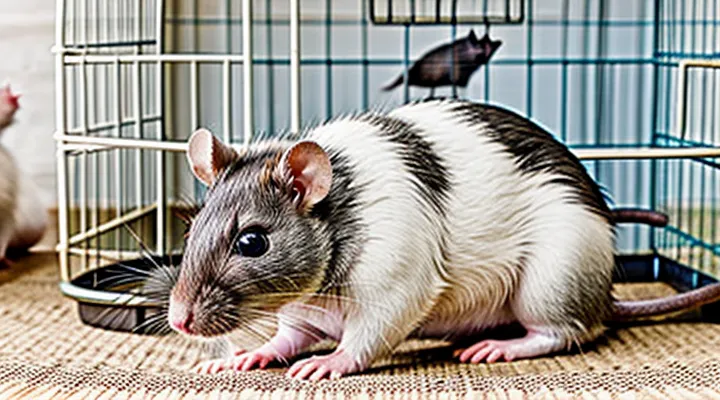
Why Bedding is Crucial for Rat Health and Well-being
Providing Comfort and Warmth
Rats maintain body temperature through rapid metabolism, yet ambient conditions in a cage can drop below their comfort range. A substrate that retains heat reduces the energy rats must expend to stay warm, supporting normal activity and health.
Insulating material forms a layer between the cage floor and the animal’s paws, limiting heat loss through conduction. The layer also allows the animal to create nests, which further concentrates warmth in a confined space.
Materials such as shredded paper, aspen shavings, and cotton fleece exhibit low thermal conductivity and absorb moisture without becoming cold. They are free of aromatic oils that could irritate the respiratory system, and they can be replaced regularly to prevent bacterial buildup.
- High loft to trap air, which acts as an insulating barrier.
- Soft texture to prevent pressure points on delicate skin.
- Low moisture retention after cleaning to avoid chilling.
- Non‑toxic composition to eliminate health risks.
Providing a suitable substrate therefore supplies both physical comfort and thermal stability, directly influencing the well‑being of rats housed in confined environments.
Absorbing Urine and Odors
Bedding material placed on the cage floor captures urine as it is released, preventing liquid from pooling on the base. The absorbent fibers retain moisture, reducing the amount of liquid that contacts the cage’s plastic or metal surfaces.
By holding urine within its structure, bedding limits the spread of ammonia, the primary odor produced when urine breaks down. The trapped moisture slows bacterial activity, which in turn diminishes the intensity of the smell.
Effective bedding choices include:
- Paper pulp: high absorbency, low dust, quick drying.
- Aspen shavings: moderate absorbency, natural scent, minimal splintering.
- Coconut coir: excellent moisture retention, biodegradable, low odor.
Regular replacement of soiled bedding maintains a dry environment, controls odor, and supports the health of the rodents. Cleaning the cage floor after each bedding change removes residual ammonia and prevents buildup.
Encouraging Natural Behaviors
Bedding provides a substrate that mimics the underground environment rats naturally explore, dig, and nest in. Soft material enables them to construct burrows, arrange nesting sites, and manipulate the environment, which satisfies innate urges to create shelter and conceal food.
- Digging: Rats instinctively excavate tunnels; loose bedding reduces effort and encourages regular digging activity.
- Nesting: Fibrous bedding allows them to gather and compress material, forming comfortable nests for rest and breeding.
- Foraging: Scattering food crumbs within the substrate replicates natural foraging conditions, prompting search and retrieval behaviors.
- Scent marking: Absorbent bedding retains urine and scent glands, facilitating territorial communication without excessive odor buildup.
Without an appropriate substrate, rats may resort to chewing cage bars, exhibit stress‑related aggression, or display reduced activity levels. Providing suitable bedding directly supports these fundamental behaviors, promoting physical health and psychological well‑being.
Types of Bedding Materials: Pros and Cons
Absorbent and Safe Options
Absorbent and safe bedding choices are essential for maintaining hygiene and comfort in a rat enclosure. Effective bedding must control moisture, limit ammonia buildup, and present minimal health hazards.
- Paper‑based bedding (recycled or kiln‑dry): high absorbency, low dust, non‑allergenic, inexpensive; suitable for short‑term and long‑term use.
- Aspen shavings: moderate absorbency, low aromatic oils, reduced respiratory irritation compared with pine; requires regular replacement to prevent compaction.
- Hemp pellets: excellent moisture retention, biodegradable, low dust; cost higher than paper but provides long‑lasting performance.
- Coconut fiber (coir): good wicking capacity, natural antimicrobial properties, minimal dust; may become compacted if not fluffed regularly.
- Corn cob bedding: strong absorbency, low dust, inexpensive; can become hard when dry, necessitating frequent refreshes.
Each option should be evaluated for compatibility with cage size, cleaning schedule, and the specific health sensitivities of the rats. Selecting a material that balances moisture control with low respiratory risk ensures a stable environment and reduces the need for frequent deep cleaning.
Paper-Based Bedding
Paper‑based bedding provides a dry, absorbent substrate that helps control moisture and odor within a rodent enclosure. Its cellulose fibers create a soft surface that reduces pressure on a rat’s paws, supporting joint health during prolonged periods of activity. The material’s low dust content minimizes respiratory irritation, a common concern with some alternative substrates.
Key characteristics of paper bedding include:
- High absorbency, allowing rapid capture of urine and spills.
- Simple disposal: the entire layer can be removed and replaced without extensive cleaning of the cage interior.
- Compatibility with standard cage filters and ventilation systems, preventing blockage.
- Cost‑effectiveness; bulk rolls often cost less per square foot than specialized wood or hemp products.
Potential drawbacks must be considered. Paper bedding can compact over time, reducing its ability to wick moisture and potentially creating damp zones if not refreshed regularly. Some brands contain additives for scent or antimicrobial action; these chemicals may affect sensitive individuals, so selecting a plain, unbleached product is advisable. Additionally, while the material is biodegradable, it does not provide the chewing enrichment offered by natural fibers, so supplemental toys or gnawing blocks remain necessary.
Best practices for implementation:
- Line the cage floor with a uniform layer 1–2 cm thick, ensuring coverage of corners and corners of the water bottle holder.
- Replace the bedding entirely every 5–7 days, or sooner if visible wet spots appear.
- Spot‑clean daily by removing soiled sections and adding fresh paper to maintain consistent depth.
- Monitor the rats for signs of respiratory distress or skin irritation after introducing a new batch, adjusting the product choice if adverse reactions occur.
Overall, paper‑based bedding satisfies the primary functional requirements for caged rats: moisture control, hygiene, and comfort, while offering a straightforward maintenance routine and predictable cost profile.
Aspen Shavings
Aspen shavings are a viable option for providing substrate in a rat enclosure. The material is soft, absorbent, and low‑dust, which reduces respiratory irritation for both rats and caretakers. Its neutral pH prevents skin irritation and does not react with urine, helping to maintain a stable environment.
Key characteristics of aspen shavings:
- Absorbency: Captures moisture quickly, limiting wet spots that can foster bacterial growth.
- Dust level: Minimal particulate release compared to pine or cedar, decreasing inhalation risks.
- Safety: Lacks aromatic oils that can be toxic; the wood fibers are not sharp, reducing injury risk.
- Odor control: Natural scent is mild; frequent cleaning further mitigates odor accumulation.
Potential drawbacks include higher cost relative to other wood shavings and the need for regular replacement to prevent compaction. Over‑saturation can lead to clumping, which should be monitored and removed promptly.
When evaluating whether a rat cage requires substrate, consider the animal’s need for nesting material, hygiene, and respiratory health. Aspen shavings satisfy these requirements while offering a clean, comfortable surface for burrowing and nesting. Regular spot cleaning combined with a full substrate change every two weeks supports optimal cage conditions.
Hemp Bedding
Hemp bedding provides a practical solution for maintaining a healthy environment in a rat cage. Its natural fibers absorb moisture, control odor, and create a soft substrate that encourages natural digging behavior. The material’s high absorbency reduces the frequency of complete substrate changes, which minimizes disturbance to the animals.
Key characteristics of hemp bedding include:
- Absorbency: Retains liquid waste efficiently, preventing soggy spots.
- Odor control: Contains lignin and other compounds that neutralize ammonia.
- Dust level: Low particulate content lowers respiratory risk compared to wood shavings.
- Biodegradability: Breaks down naturally, allowing composting after use.
When selecting hemp bedding, consider the following guidelines:
- Depth: Provide a 2‑3 cm layer to support nesting and burrowing without excess bulk.
- Replacement schedule: Change the entire substrate weekly or sooner if heavily soiled; spot‑clean daily to remove clumped waste.
- Compatibility: Ensure the cage’s ventilation system can handle the modest amount of dust produced.
- Cost: Hemp generally costs more per kilogram than traditional options; evaluate budget against long‑term health benefits.
Potential drawbacks include higher initial expense and occasional availability issues in certain regions. Overall, hemp bedding meets the functional requirements for caged rats, offering moisture management, odor reduction, and a safe, comfortable surface for daily activity.
Materials to Avoid
When selecting a substrate for a rodent enclosure, certain materials must be excluded because they compromise health and safety.
- Cedar and pine shavings: contain aromatic oils that irritate the respiratory tract and can cause chronic lung inflammation.
- Scented or perfumed bedding: masks odor cues, interferes with natural behaviors, and may contain chemicals that trigger allergic reactions.
- Dust‑heavy fibers such as untreated hay or straw: generate airborne particles that settle in the nasal passages, leading to sneezing, nasal discharge, and increased risk of pneumonia.
- Soft, highly absorbent substrates like cotton fluff or shredded paper towels: retain moisture, promote bacterial growth, and can be ingested, causing gastrointestinal blockage.
- Plastic or rubber matting without a proper absorbent layer: creates a slippery surface, offers no insulation, and can retain urine, fostering ammonia buildup.
These substances either introduce toxic compounds, create an unsuitable micro‑environment, or present a physical hazard. Opt for low‑dust, non‑aromatic, absorbent materials such as paper‑based bedding, aspen shavings, or specially formulated rodent substrates that meet these safety criteria.
Cedar and Pine Shavings
Cedar and pine shavings are frequently offered as cage substrate for laboratory and pet rats. Their aromatic oils provide a pleasant scent but also contain compounds that can irritate the respiratory tract. Rats exposed to volatile phenols from cedar experience increased nasal discharge, sneezing, and a higher incidence of respiratory infections. Pine, especially untreated softwood, releases similar irritants, though the concentration is generally lower than cedar.
Advantages of using these softwoods include:
- Rapid absorption of urine, reducing visible moisture
- Natural deodorizing effect from aromatic oils
- Readily available and inexpensive
Disadvantages outweigh the benefits for most rat owners:
- Phenolic compounds damage nasal epithelium, leading to chronic respiratory disease
- Fine particles become airborne, increasing inhalation risk
- Potential for allergic reactions in both animals and handlers
For optimal health, a bedding material that is absorbent, low‑dust, and free of volatile oils is recommended. Paper‑based products, aspen shavings, or hemp fibers meet these criteria without the respiratory hazards associated with cedar and pine.
Scented Bedding
Rats require a substrate that absorbs waste, provides insulation, and allows for natural digging behavior. The material must be safe, low‑dust, and easy to replace to maintain hygiene and prevent respiratory issues.
Scented bedding introduces fragrance compounds to the substrate. These compounds can mask odors but also pose risks:
- Potential respiratory irritation from volatile organic compounds (VOCs)
- Possible disruption of rats’ olfactory communication, affecting social interaction and stress levels
- Limited durability; scent may fade quickly, reducing effectiveness over time
- Higher cost compared to unscented, plain substrates
Unscented options such as paper‑based, aspen shavings, or coconut fiber eliminate the chemical exposure while still offering absorbency and nesting material. When selecting bedding, prioritize low dust content, absorbency rating, and ease of cleaning. If a fragrance is desired for human comfort, apply a mild, rat‑safe essential oil to a small area of the cage rather than using pre‑scented substrate. This approach preserves the rats’ environment while reducing the likelihood of adverse health effects.
Dusty Materials
Dusty bedding substances pose respiratory risks for rats kept in enclosures. Fine particles remain suspended in the air, are inhaled during normal activity, and can irritate nasal passages and lungs. Chronic exposure may lead to sneezing, nasal discharge, and increased susceptibility to respiratory infections.
When evaluating the necessity of cage substrate, consider the following points:
- Particle size: Materials producing particles smaller than 10 µm remain airborne longer and penetrate deeper into the respiratory tract.
- Absorbency: Highly absorbent substrates reduce the need for frequent cleaning, limiting disturbance of dust.
- Chemical composition: Some wood‑based litters release volatile organic compounds that compound irritation.
Alternative options that minimize dust include:
- Paper‑based bedding – low‑particle, high‑absorbency, biodegradable.
- Compressed wood chips – larger granules, minimal airborne dust when handled gently.
- Corncob pellets – dense, low‑dust, but monitor for mold growth in humid conditions.
If a dust‑free environment is unattainable, regular ventilation, daily spot cleaning, and periodic substrate replacement become essential to preserve respiratory health. The decision to use bedding should balance comfort, hygiene, and the potential for dust‑related complications.
Quantity and Placement of Bedding
Recommended Depth and Frequency of Changes
A suitable substrate layer for laboratory or pet rats should be thick enough to allow natural digging behavior while preventing waste from contacting the cage floor. Research and professional guidelines indicate a depth of 2–3 cm (approximately 0.8–1.2 in) for fine‑textured materials such as paper pulp, wood shavings, or processed cellulose. Coarser substrates, which provide greater structural support, may require a depth of up to 4 cm (1.6 in) to maintain stability.
The frequency of substrate replacement depends on the volume of waste produced and the type of material used. General recommendations are:
- Daily spot cleaning: Remove soiled clumps, urine droplets, and food debris each day to limit ammonia buildup.
- Full change: Replace the entire bedding every 5–7 days for absorbent, low‑dust options; increase to every 3–4 days when using less absorbent or higher‑dust substrates.
- Health monitoring: Adjust the schedule if visible odor, excessive dampness, or respiratory signs appear in the rats.
Adhering to these depth and turnover parameters maintains a hygienic environment, reduces pathogen risk, and supports the rodents’ natural behaviors.
Creating Burrowing Opportunities
Providing rats with material that permits digging satisfies a natural behavior and promotes physical health. A substrate that is loose, non‑abrasive, and absorbent allows the animals to construct tunnels, hideouts, and nesting chambers. When evaluating the need for such material, consider the following points.
- Loose, chew‑safe fibers (e.g., paper‑based or aspen shavings) enable the formation of stable burrows.
- Depth of at least 2–3 inches prevents compaction and encourages repeated excavation.
- Regular replacement of soiled sections maintains hygiene and prevents odor buildup.
- Monitoring for excess moisture avoids mold growth, which can compromise respiratory health.
Implementation steps:
- Place a uniform layer of chosen substrate on the cage floor, ensuring even coverage.
- Add cylindrical objects (e.g., PVC pipes or rolled paper tubes) to guide initial tunnel formation.
- Observe the rats for signs of engagement; adjust depth or material texture if digging activity is low.
- Perform weekly spot‑cleaning of heavily soiled areas while preserving the overall burrowing structure.
Providing a suitable digging medium fulfills an innate need, reduces stress, and supports the development of strong muscles and healthy claws. The practice also offers a straightforward method for maintaining a clean, stimulating environment for pet rats.
Designated Potty Areas
Providing a specific area for waste elimination improves hygiene and reduces stress for cage‑bound rats. When a distinct potty zone is established, rodents learn to use it consistently, which simplifies cleaning and lowers the risk of ammonia buildup.
Bedding material serves as a natural substrate for the designated area. It absorbs moisture, masks odor, and offers a tactile surface that encourages rats to dig and deposit waste. A shallow tray filled with absorbent bedding placed in one corner creates a clear visual cue without restricting movement.
If bedding is omitted, alternative solutions must replicate its functional properties. Options include:
- A paper‑based litter pad that wicks moisture away.
- A ceramic tile lined with a thin layer of corn cob granules.
- A stainless‑steel tray filled with wood shavings that are changed frequently.
Each alternative requires more frequent replacement to maintain dryness and odor control because they lack the inherent absorbency of typical bedding.
Effective implementation follows these steps:
- Position the potty zone away from food and water sources.
- Use a material that retains moisture and is easy to replace.
- Clean the area daily; perform a full change weekly.
- Observe rat behavior; adjust location if avoidance occurs.
Designating a dedicated waste area, whether with bedding or a suitable substitute, is essential for maintaining a healthy environment in a rat cage.
Addressing Common Bedding Concerns
Allergy Considerations
Bedding materials can release particles that trigger respiratory or skin reactions in people who are sensitive to allergens. Common sources include wood shavings, paper pulp, and corn‑based products. Each material presents a distinct risk profile:
- Wood shavings – contain volatile organic compounds such as phenols; some individuals develop irritation or asthma symptoms after prolonged exposure.
- Paper‑based bedding – generally low in dust, yet may contain recycled fibers that harbor mold spores, which can provoke allergic responses.
- Corn‑derived substrates – high in protein residues; can attract dust mites and promote fungal growth, increasing allergen load.
Allergy‑prone owners should select low‑dust, hypoallergenic options and maintain regular cage cleaning to limit particle accumulation. Ventilation of the room housing the cage further reduces airborne irritants. If symptoms persist despite material changes, consultation with a medical professional is advisable to confirm specific sensitivities.
Cost-Effectiveness of Different Bedding Types
Bedding choice directly influences the overall expense of maintaining a rodent habitat. Evaluating cost‑effectiveness requires comparing purchase price, absorption capacity, frequency of replacement, and impact on animal health.
Wood shavings such as aspen and pine are widely available. Aspen shavings cost approximately $1.20 per pound, absorb moisture for 5–7 days, and need replacement every 2 weeks. Pine shavings are slightly cheaper at $1.00 per pound but contain aromatic oils that can irritate respiratory tracts, potentially increasing veterinary costs.
Paper‑based bedding, including recycled newspaper and compressed paper pellets, ranges from $1.30 to $1.80 per pound. Absorption lasts 7–10 days, extending the interval between changes to 3 weeks. The low dust level reduces respiratory issues, contributing to lower long‑term health expenditures.
Hemp bedding commands a higher price, around $2.50 per pound, but offers superior absorbency for up to 14 days and minimal dust. The extended change interval and reduced health risks can offset the initial cost, especially in larger colonies.
Corn cob bedding is the most economical, priced near $0.80 per pound. Its absorbency supports 4–5 days of use, requiring more frequent changes. The higher turnover may increase labor and cleaning supplies, diminishing the apparent savings.
Straw is inexpensive, typically $0.70 per pound, but provides limited moisture control, necessitating changes every 3–4 days. Frequent replacement and higher waste volume raise overall expenses despite the low purchase price.
Summary of cost‑effectiveness factors
- Purchase price per pound
- Absorption duration (days)
- Replacement interval (weeks)
- Health implications (dust, irritants)
- Labor and waste disposal requirements
Selecting bedding that balances lower purchase cost with longer usable life and minimal health impact yields the most economical solution for a rat enclosure.
Environmental Impact
Providing substrate for rats in captivity introduces several environmental considerations. The material’s extraction often involves deforestation, mining, or agricultural cultivation, each contributing to habitat loss and carbon emissions. Manufacturing processes consume energy and generate pollutants, increasing the overall ecological footprint of the product.
- Raw‑material sourcing: wood shavings, paper, corn cob, or hemp require land use, water, and fertilizer inputs.
- Production phase: electricity and heat for processing emit greenhouse gases; chemical treatments add toxic waste.
- Transportation: shipping from factories to suppliers adds fuel consumption and associated emissions.
- End‑of‑life disposal: used bedding becomes organic waste, which may release methane in landfills or require composting facilities.
Alternative substrates such as recycled paper or biodegradable plant fibers reduce reliance on virgin resources and lower waste volume. Composting spent bedding returns nutrients to soil, decreasing landfill pressure, but demands proper management to avoid pathogen spread.
Lifecycle assessments consistently show that choosing locally sourced, minimally processed, and compostable bedding minimizes environmental impact compared with imported, heavily treated alternatives. Selecting materials with certified sustainable production and implementing a recycling or composting program represent the most effective strategies for reducing the ecological burden of rat cage bedding.