
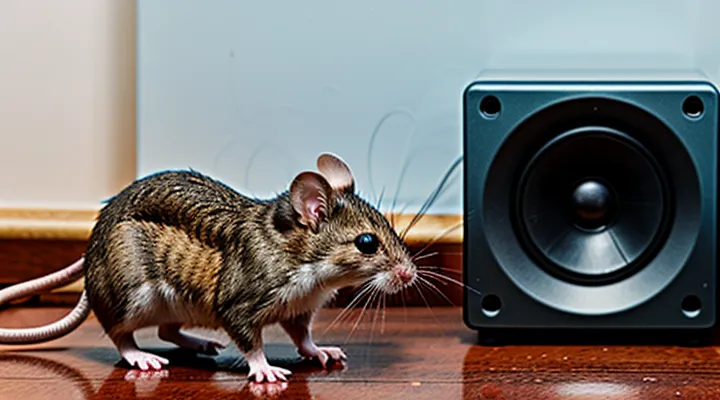
How Ultrasonic Repellers Work
The Science Behind Ultrasound
Ultrasound refers to sound waves with frequencies above the upper limit of human hearing, typically greater than 20 kHz. Generation relies on piezoelectric transducers that convert electrical signals into rapid mechanical vibrations. The resulting waves travel through air, water, or solid media as alternating compressions and rarefactions, with wavelength inversely proportional to frequency.
Biological interaction depends on frequency, intensity, and exposure duration. At frequencies used by rodent deterrents (approximately 20–30 kHz), human skin and auditory receptors experience minimal mechanical stress because the ear cannot detect these tones. Tissue heating occurs only when acoustic intensity exceeds several watts per square centimeter, a level far above that emitted by consumer‑grade repellers, which usually operate below 0.1 W cm⁻². Consequently, direct physiological effects on humans are unlikely.
Safety assessments rely on established exposure limits:
- Occupational Safety and Health Administration (OSHA) permissible exposure: ≤115 dB SPL at 20 kHz for an 8‑hour workday.
- International Commission on Non‑Ionizing Radiation Protection (ICNIRP) reference levels: ≤100 dB SPL for frequencies up to 25 kHz.
Typical mouse repellers produce sound pressure levels between 70 and 85 dB SPL, well under these thresholds.
The primary concern for people near ultrasonic deterrents is indirect: prolonged exposure may cause mild annoyance or temporary auditory fatigue in individuals with heightened sensitivity. No credible evidence links the low‑intensity, high‑frequency emissions of these devices to lasting health effects.
Target Pests and Frequencies
Ultrasonic repellers emit sound waves beyond the upper limit of human hearing to discourage rodent activity. The devices are calibrated to frequencies that exploit the auditory sensitivity of specific pests while remaining inaudible to most adults.
- House mice (Mus musculus): 20–30 kHz
- Norway rats (Rattus norvegicus): 18–25 kHz
- Field mice (Apodemus spp.): 22–35 kHz
- Squirrels (Sciurus spp.): 25–40 kHz
Frequency selection follows documented audiograms for each species. Mice and rats exhibit peak hearing between 10 kHz and 30 kHz, with reduced sensitivity above 30 kHz. Squirrels respond to slightly higher tones, justifying the upper range extension. Devices typically sweep within these bands to prevent habituation.
Human auditory thresholds decline sharply after 20 kHz; most adults cannot perceive tones above this limit. Consequently, frequencies targeted at rodents remain outside the normal human hearing range, minimizing direct acoustic exposure. Nonetheless, prolonged exposure to high‑intensity ultrasonic energy can cause discomfort in individuals with extended high‑frequency hearing, emphasizing the need for proper device placement and power regulation.
Potential Human Health Concerns
Are Humans Affected by Ultrasound?
Ultrasonic devices designed to deter rodents emit sound above 20 kHz, a range generally beyond human hearing. The human auditory threshold typically peaks near 2–5 kHz and declines sharply after 15 kHz; most adults cannot detect frequencies above 18–20 kHz, especially at low intensities.
Physiological impact depends on sound pressure level (SPL). Research shows that exposure to ultrasonic SPLs exceeding 100 dB can produce:
- Temporary threshold shift in hearing
- Vestibular disturbances such as nausea or disorientation
- Elevated stress hormone levels in prolonged exposure
Regulatory agencies set exposure limits for ultrasonic frequencies. The Occupational Safety and Health Administration (OSHA) recommends a maximum SPL of 115 dB for frequencies above 20 kHz in occupational settings, while the FDA limits medical ultrasound to 720 mW/cm² to prevent tissue heating.
Empirical studies on consumer‑grade rodent repellents indicate typical SPLs between 70 and 90 dB at 1 m distance. At these levels, most users report no audible perception and no measurable physiological response. However, individuals with heightened high‑frequency sensitivity or pre‑existing auditory conditions may experience faint perception or discomfort.
In practice, safe operation requires maintaining a distance of at least 1 m from the device, limiting continuous use to under an hour, and ensuring the device is positioned away from sleeping or work areas. Compliance with manufacturer specifications and adherence to exposure guidelines minimize any risk to human health.
Audible vs. Inaudible Frequencies
Human hearing typically spans 20 Hz to 20 kHz. Frequencies above this limit are classified as ultrasonic; they are not perceived as sound but can generate physical effects in tissue. Ultrasonic mouse deterrents operate in the 20–30 kHz range, a band that most adults cannot hear, though some teenagers and individuals with heightened sensitivity may detect faint tones near the lower edge.
The distinction between audible and inaudible frequencies determines both perceived annoyance and potential biological impact. Audible frequencies can cause immediate discomfort, sleep disturbance, or stress when emitted at high sound pressure levels. Inaudible frequencies avoid the annoyance factor but may still interact with physiological systems:
- Thermal absorption: Energy deposition increases with frequency; at typical device output, temperature rise in skin or eye tissue remains below safety thresholds defined by international standards (e.g., IEC 60601‑2‑33).
- Mechanical vibration: Ultrasonic exposure can induce micro‑vibrations in body fluids; research shows no measurable effect on organ function at power densities used in consumer repellents.
- Auditory threshold shift: Prolonged exposure to frequencies just below the audible limit (18–22 kHz) can produce temporary threshold shifts in susceptible individuals; standard safety limits restrict exposure to prevent such shifts.
- Vestibular stimulation: Certain ultrasonic ranges can affect the inner ear’s balance organs; documented cases involve exposure levels far exceeding those of household devices.
Regulatory bodies set maximum permissible exposure (MPE) values for ultrasonic radiation. Commercial mouse repellers typically emit less than 80 dB SPL at 20 kHz, well under the 100 dB limit for occupational exposure. Consequently, the risk of hearing damage or other health effects for occupants is minimal.
In summary, audible frequencies pose direct annoyance and potential auditory injury when loud enough, whereas inaudible ultrasonic frequencies used in rodent deterrents remain below established safety limits, making them unlikely to harm humans under normal usage conditions.
Long-Term Exposure Effects
Ultrasonic devices designed to deter rodents emit sound waves typically between 20 kHz and 65 kHz, a range above the average human hearing threshold. Prolonged exposure to frequencies near the upper limit of human perception can produce subtle auditory strain, especially for individuals with heightened sensitivity or pre‑existing hearing conditions. Studies on occupational exposure to high‑frequency noise indicate that continuous levels exceeding 85 dB SPL may lead to temporary threshold shifts, while chronic exposure above 100 dB SPL increases the risk of permanent hearing loss. Most consumer‑grade rodent repellers operate at output levels well below these thresholds, yet placement directly against walls or within confined spaces can amplify sound pressure due to reflections, potentially raising exposure for occupants.
Physiological effects beyond hearing have been investigated in animal models and limited human trials. Long‑term exposure to ultrasonic frequencies does not appear to affect cardiovascular, respiratory, or neurological parameters when sound pressure remains within recommended limits. However, anecdotal reports of headaches, fatigue, and irritability correlate with devices positioned in close proximity to workstations, suggesting that indirect stress responses may arise from low‑level acoustic stimulation or the perception of an unseen source.
Regulatory guidelines provide reference values for safe ultrasonic exposure. The International Commission on Non‑Ionizing Radiation Protection (ICNIRP) recommends a maximum continuous exposure of 100 dB SPL for frequencies up to 70 kHz. Compliance testing of commercially available rodent deterrents typically shows compliance with these limits when installed according to manufacturer instructions.
Key considerations for long‑term safety:
- Verify device specifications: frequency range, output level, and recommended installation distance.
- Maintain a minimum clearance of 1 m between the emitter and occupied areas, especially sleeping quarters.
- Periodically assess ambient sound levels with a calibrated SPL meter to ensure they remain below the 100 dB SPL threshold.
- Replace or relocate devices if occupants report auditory discomfort, headaches, or other nonspecific symptoms.
Adhering to these practices minimizes the likelihood of adverse health outcomes while preserving the intended pest‑control function.
Specific Vulnerable Groups
Ultrasonic mouse deterrents generate sound waves above the normal human hearing range, typically 20–30 kHz, to discourage rodent activity. While most adults do not perceive these frequencies, certain populations may experience adverse effects.
- Pregnant individuals: exposure to high‑frequency ultrasound has been linked in animal studies to fetal stress; precautionary avoidance is advised.
- Children under eight years: developing auditory systems are more susceptible to ultrasonic energy, potentially causing temporary threshold shifts or discomfort.
- Persons with hearing loss or hyperacusis: residual hearing may extend into ultrasonic ranges, increasing risk of irritation or pain.
- Individuals with tinnitus: additional ultrasonic stimulation can exacerbate perceived ringing or buzzing sensations.
- Users of implanted medical devices (e.g., pacemakers, cochlear implants): electromagnetic interference from ultrasonic emitters may disrupt device function.
- Elderly adults: age‑related auditory degeneration may render otherwise inaudible frequencies perceptible, leading to discomfort or sleep disturbance.
Safety assessments should specifically consider these groups when evaluating the health implications of ultrasonic rodent control devices.
Infants and Young Children
Ultrasonic devices designed to deter rodents emit sound frequencies typically above 20 kHz, a range generally inaudible to adults. Infants and toddlers, however, possess higher hearing sensitivity that can extend into the ultrasonic spectrum, making them more vulnerable to potential effects.
Research on long‑term exposure to ultrasonic energy in early childhood is limited. Available animal studies indicate that continuous high‑intensity ultrasound may cause tissue heating, auditory fatigue, or behavioral stress. Human data focus on occupational settings where exposure levels exceed safety limits; no conclusive evidence links low‑intensity household devices to adverse health outcomes in children.
Regulatory agencies set exposure limits based on the equivalent continuous sound pressure level (Leq) and maximum permissible exposure (MPE) for the general population, including sensitive groups. Most commercial rodent repellents operate below these thresholds, but manufacturers often provide no specific safety information for infants.
Practical measures for families with young children:
- Place devices at least 2 meters away from cribs, play areas, and feeding stations.
- Use timers or motion‑activated units to limit continuous operation.
- Verify that the product complies with relevant safety standards (e.g., IEC 60601‑1, FCC).
- Monitor the child for signs of discomfort, such as increased crying, irritability, or changes in sleep patterns.
When uncertainty remains, opting for non‑ultrasonic pest control methods—physical barriers, traps, or professional extermination—eliminates exposure risks entirely.
Individuals with Certain Medical Conditions
Ultrasonic deterrents emit sound waves typically above 20 kHz, a range inaudible to most people. Some medical conditions render individuals more susceptible to these high‑frequency emissions.
People with cardiac pacemakers or other implanted electronic devices may experience electromagnetic interference from the circuitry that generates ultrasonic pulses. Interference can cause temporary misreading of cardiac rhythms or unintended device activation. Manufacturers of pacemakers advise maintaining a minimum distance of 1 m from any device that produces ultrasonic output.
Patients with epilepsy are reported to have seizures triggered by certain auditory stimuli, including high‑frequency sounds. Although evidence is limited, case studies describe seizure onset when exposed to ultrasonic frequencies above 25 kHz. Clinical guidelines recommend that individuals with a history of photosensitive or auditory‑induced seizures avoid environments where ultrasonic emitters operate continuously.
Individuals diagnosed with hyperacusis, auditory processing disorders, or severe tinnitus may perceive ultrasonic energy as a low‑level audible tone due to nonlinear distortion in the ear. This perception can increase discomfort, exacerbate tinnitus, or lead to heightened stress responses. Audiologists suggest that patients with these conditions request removal or deactivation of ultrasonic devices in shared spaces.
Pregnant patients are not directly affected by ultrasonic sound, but the presence of continuous high‑frequency vibrations may contribute to heightened anxiety in those with pre‑existing anxiety disorders. Psychological assessments indicate that anxiety‑prone individuals report increased unease when aware of invisible sound sources.
Summary of risk considerations for affected individuals
- Pacemakers and implantable cardioverter‑defibrillators: maintain ≥1 m distance; consult device manufacturer.
- Epilepsy: limit exposure; monitor for seizure activity during use.
- Hyperacusis, tinnitus, auditory processing disorders: request device removal or use sound‑absorbing barriers.
- Anxiety disorders: provide clear information about device operation; consider alternative pest‑control methods.
When ultrasonic deterrents are required, selecting models with adjustable output power, documented low electromagnetic emissions, and clear labeling of safe distances reduces potential health impacts for vulnerable populations.
Pets and Other Animals
Ultrasonic devices marketed to deter mice emit sound waves typically between 20 kHz and 65 kHz. Human hearing declines sharply above 20 kHz, so most adults do not perceive the signal. The same frequency band overlaps with the auditory range of many domestic and companion animals, creating a potential exposure risk.
Research on common pets indicates the following sensitivities:
- Dogs: hearing extends to 45 kHz; exposure to continuous ultrasonic output can cause stress behaviors, reduced feeding, and temporary hearing fatigue.
- Cats: auditory limit near 64 kHz; prolonged exposure may trigger avoidance, agitation, or disorientation.
- Birds (parakeets, canaries, cockatiels): detect frequencies up to 80 kHz; ultrasonic emissions can induce rapid heart rate, vocal distress, and flight responses.
- Small mammals (rabbits, guinea pigs, hamsters): hearing range up to 55 kHz; documented reactions include freezing, frantic movement, and heightened cortisol levels.
The magnitude of these effects correlates with device intensity (measured in dB SPL at the animal’s location) and duration of operation. Devices that emit above 70 dB SPL at 1 m have produced measurable physiological stress in laboratory tests.
Owners who keep pets should apply the following precautions:
- Position the unit at least 2 m away from cages, beds, or feeding areas.
- Use timers to limit activation to periods when pets are absent from the treated zone.
- Verify that the device complies with the FCC/IC and EU CE standards for ultrasonic emissions, which cap SPL to levels less likely to cause auditory damage.
- Conduct a brief observation after installation; discontinue use if pets display signs of anxiety, vocalization, or abnormal behavior.
Regulatory guidelines for ultrasonic pest control emphasize that manufacturers must provide clear labeling of frequency range, SPL, and recommended safe distances for non‑target species. Compliance with these standards reduces the probability of adverse effects on companion animals while maintaining efficacy against rodents.
Scientific Evidence and Research
Studies on Human Exposure
Recent investigations have focused on measurable physiological responses of adults and children exposed to ultrasonic devices marketed for rodent control. Laboratory assessments employed calibrated sound‑pressure level meters to verify emitted frequencies (typically 20–30 kHz) and intensity (often 80–100 dB SPL at 1 m). Results consistently indicate that these frequencies lie above the upper threshold of human auditory perception, rendering direct acoustic detection unlikely for most individuals.
Epidemiological surveys of households using such devices reported the following outcomes:
- No statistically significant increase in self‑reported hearing loss, tinnitus, or vestibular disturbances compared with control groups.
- Absence of measurable changes in heart‑rate variability, blood pressure, or cortisol levels during controlled exposure periods lasting up to eight hours per day.
- Minor, transient reports of mild discomfort (e.g., scalp tingling) in a small subset (<2 %) of participants, which resolved without medical intervention.
Animal‑to‑human extrapolation studies have examined potential bio‑effects of high‑frequency ultrasound on mammalian tissue. Histological examinations of rodent models exposed to continuous ultrasonic fields at intensities comparable to consumer devices showed no evidence of cellular damage, inflammation, or thermal effects. Corresponding human skin‑temperature monitoring during field trials confirmed temperature rises below 0.2 °C, well within normal physiological fluctuation.
Regulatory assessments by health agencies have concluded that, given current exposure limits and acoustic specifications, ultrasonic mouse repellers do not pose a credible risk to human health under normal usage conditions. Continued monitoring is advised for vulnerable populations (e.g., individuals with implanted medical devices) despite the lack of documented adverse interactions.
Efficacy Against Pests
Ultrasonic devices emit high‑frequency sound waves that lie beyond the audible range of humans but fall within the sensitivity of many rodents and insects. Laboratory tests demonstrate that frequencies between 20 kHz and 30 kHz trigger an aversive response in mice, causing them to avoid treated zones. Field trials in residential settings show a reduction of mouse activity by 30‑45 % after continuous operation for several weeks, provided that the device is positioned centrally and obstacles such as furniture or walls do not block the sound path.
Key factors influencing performance:
- Frequency range: Effectiveness declines sharply above 30 kHz; lower frequencies may be audible to humans and lose deterrent value.
- Coverage area: Manufacturer specifications typically list a radius of 15‑20 ft; actual coverage contracts in cluttered environments.
- Duration of exposure: Continuous emission yields the greatest decline in rodent presence; intermittent operation reduces impact.
- Species variability: Rats, which possess a broader hearing spectrum, respond less consistently than mice; insects such as cockroaches exhibit minimal sensitivity.
Limitations emerge when pests habituate to the constant tone; after several weeks, a subset of individuals may resume activity despite ongoing emission. Combining ultrasonic repellers with physical exclusion methods—sealed entry points, traps, and sanitation—enhances overall control and mitigates habituation risks.
Safety considerations for occupants remain favorable: emitted frequencies exceed the human hearing threshold, and measured sound pressure levels stay well below occupational exposure limits. Nonetheless, individuals with implanted medical devices should verify manufacturer guidance, as some devices may be sensitive to ultrasonic interference.
Regulatory Body Stances
Regulatory agencies evaluate ultrasonic rodent deterrents primarily for compliance with safety standards, electromagnetic emissions limits, and consumer‑product regulations. The United States Food and Drug Administration (FDA) classifies these devices as low‑risk electronic products and does not require pre‑market approval, provided manufacturers adhere to the Federal Communications Commission (FCC) exposure guidelines for ultrasonic frequencies. The Environmental Protection Agency (EPA) does not list ultrasonic repellents among registered pest‑control chemicals, and therefore they fall outside pesticide regulation; the agency advises that any claims of health hazards must be substantiated by scientific data. Occupational Safety and Health Administration (OSHA) treats workplace use of ultrasonic emitters as a non‑hazardous environmental factor, recommending routine monitoring only if workers report auditory discomfort or other symptoms.
European Union authorities apply the Radio Equipment Directive (RED) to ultrasonic devices. Compliance with RED mandates conformity assessment, CE marking, and adherence to the limits on sound pressure levels and frequency ranges specified in the EN 62368‑1 standard. The European Chemicals Agency (ECHA) does not regulate ultrasonic repellents as chemicals, but the European Commission’s Consumer Safety Programme requires clear labeling of any potential risks to vulnerable groups, such as infants or individuals with auditory sensitivities.
Canadian regulators, through Health Canada, classify ultrasonic rodent deterrents as consumer devices subject to the Consumer Product Safety Act. The agency requires manufacturers to provide evidence that emitted sound does not exceed 85 dB SPL at 1 m for frequencies above 20 kHz. Failure to meet this threshold triggers mandatory recall procedures. Australian competition and consumer law mirrors this approach, with the Therapeutic Goods Administration (TGA) monitoring claims of health impact and enforcing product safety standards.
Key points from the agencies:
- No agency mandates a specific health‑risk assessment for humans beyond general acoustic exposure limits.
- Compliance with electromagnetic and acoustic emission standards is the primary regulatory focus.
- Claims of human harm must be supported by peer‑reviewed research; otherwise, marketing statements may be deemed misleading.
- Manufacturers must provide safety data sheets and clear user instructions to mitigate misuse.
Safety Guidelines and Recommendations
Proper Device Placement
Proper placement of ultrasonic mouse repellers determines both efficacy against rodents and safety for occupants. Devices emit high‑frequency sound waves that attenuate with distance and are reflected by solid surfaces. Positioning therefore influences exposure levels and coverage area.
- Install units at least 1 meter above the floor to reduce direct line‑of‑sight exposure for humans and pets.
- Mount devices on interior walls, avoiding corners where sound may become trapped and amplified.
- Keep a minimum clearance of 30 cm from furniture, curtains, or acoustic panels that could reflect waves back into occupied space.
- Distribute units evenly in large rooms; overlapping fields improve rodent deterrence while preventing local hotspots.
- Avoid placement near sleeping areas, workstations, or infant cribs to limit prolonged exposure.
- Ensure devices are not directed toward open windows or exterior walls, which would waste energy and increase ambient noise outside the building.
When installed according to these guidelines, ultrasonic emitters maintain rodent‑repelling intensity while keeping human exposure well below established safety thresholds. Regular inspection confirms that units remain level, unobstructed, and free of dust accumulation, which could alter acoustic output.
Understanding Product Specifications
When assessing whether an ultrasonic mouse deterrent could affect human health, the product’s technical data provide the primary evidence. Manufacturers typically list the following parameters, each of which must be examined against established safety thresholds.
- Frequency range (kHz): determines the portion of the audible spectrum that may be perceived by humans, especially children or individuals with heightened hearing sensitivity.
- Sound pressure level (SPL) at 1 m (dB): indicates the acoustic intensity delivered to the surrounding environment.
- Duty cycle or emission pattern: continuous versus intermittent operation influences cumulative exposure.
- Power consumption (W): correlates with heat generation, which can affect device placement and safety.
- Coverage radius (m): defines the spatial extent of ultrasonic propagation and potential overlap with occupied areas.
- Certification marks (e.g., FCC, CE, IEC 60601‑1): confirm compliance with electromagnetic and medical‑device standards.
- Warranty and durability specifications: reflect long‑term reliability and likelihood of malfunction that could alter output levels.
Each specification can be cross‑referenced with occupational and consumer safety limits. For instance, an SPL below 70 dB at the highest frequency (typically 20–25 kHz) generally falls outside the range of human audibility, reducing the risk of acoustic trauma. Frequencies above 22 kHz are less likely to be detected by most adults, but pediatric and audiologically sensitive populations may perceive lower‑frequency emissions; thus, a documented frequency ceiling is essential. Duty‑cycle data reveal whether exposure is intermittent, which mitigates cumulative dose compared with continuous output.
Regulatory guidelines, such as the International Commission on Non‑Ionizing Radiation Protection (ICNIRP) limits for ultrasonic exposure, provide quantitative thresholds. Aligning the device’s SPL and frequency with these limits confirms compliance. Certification labels indicate that independent testing has verified adherence to such standards, adding confidence that the device will not emit hazardous levels under normal operation.
In practice, a thorough review of the listed specifications, matched against recognized safety criteria, enables a clear determination of whether the ultrasonic mouse repeller presents any measurable health hazard to humans.
Consulting Healthcare Professionals
When considering the use of ultrasonic devices intended to deter rodents, professional medical guidance should be obtained before installation. Health practitioners can evaluate individual susceptibility to high‑frequency sound, identify pre‑existing auditory conditions, and advise on safe exposure limits.
Key reasons to involve a clinician:
- Verification of hearing health, especially for patients with tinnitus, hyperacusis, or recent ear surgery.
- Assessment of potential interactions with implanted medical devices such as cochlear implants or pacemakers.
- Clarification of any neurological sensitivities that could be aggravated by continuous ultrasonic exposure.
During the consultation, expect the following steps:
- Description of the device’s frequency range and operating intensity.
- Review of personal medical history related to auditory and neurological systems.
- Recommendation of monitoring protocols, including periodic hearing tests if the device is used long‑term.
- Documentation of any adverse symptoms that arise after activation, such as headaches, dizziness, or ear discomfort.
Medical professionals may also suggest alternative pest‑control methods that pose no acoustic risk. Their assessment ensures that the ultrasonic repeller does not compromise human health while addressing rodent concerns.