
Understanding Mammals
Defining Mammalian Characteristics
Hair or Fur
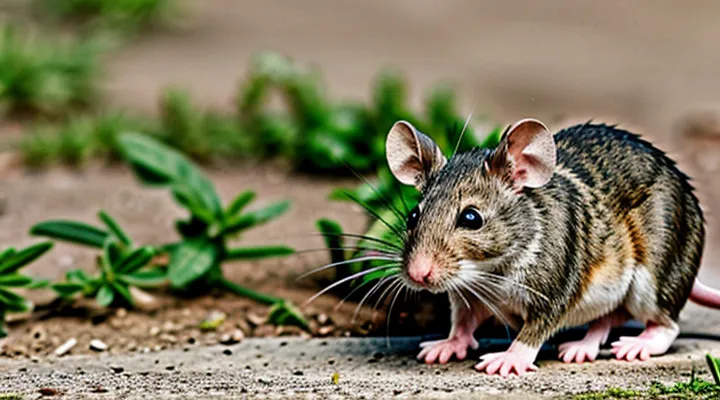
Mice possess a covering of fine keratinous strands that are technically hair, though the term “fur” is commonly applied to the dense coat seen on many rodents. The strands arise from specialized skin follicles and exhibit the same basic structure as hair in other mammals: a medulla core, a cortex of pigment‑containing cells, and an outer cuticle of overlapping cells. This uniformity of integument is a diagnostic feature of the class Mammalia, distinguishing mammals from reptiles, amphibians, and fish, which lack true hair follicles.
The density and length of the coat vary among mouse species and between body regions. Ventral areas typically display shorter, sparser hair, while dorsal regions bear longer, denser fibers that provide thermal insulation. The hair surface is coated with sebaceous secretions that reduce water loss and enhance waterproofing. Sensory hairs, known as vibrissae, are longer, heavily innervated structures located around the muzzle and whisker pads; they function as tactile receptors, enabling precise navigation in low‑light environments.
Key functional attributes of mouse hair include:
- Thermoregulation: Traps a layer of still air, decreasing heat exchange with the environment.
- Protection: Shields skin from abrasions, parasites, and ultraviolet radiation.
- Communication: Contributes to visual signaling during social interactions, such as grooming displays.
Evolutionary records indicate that hair first appeared in early synapsid lineages, later refined into the diverse pelage observed in modern rodents. The presence of hair follicles, the production of keratinized fibers, and the associated dermal glands together satisfy the morphological criteria used by taxonomists to confirm mammalian status. Consequently, the hair coat of mice serves as a primary anatomical evidence supporting their classification as mammals.
Mammary Glands
Mammary glands are a defining characteristic of the class Mammalia, distinguishing mammals from other vertebrates. These paired exocrine organs develop from the embryonic ectoderm and produce milk to nourish offspring during the early post‑natal period.
In mice, mammary glands appear as five pairs of rudimentary buds along the ventral surface of the embryo. Hormonal cues—primarily estrogen, progesterone, and prolactin—trigger ductal elongation, branching morphogenesis, and alveolar differentiation during puberty and pregnancy. The resulting glandular architecture consists of a ductal tree terminating in secretory alveoli surrounded by myoepithelial cells that contract to expel milk.
Key functional attributes include:
- Lactogenesis – synthesis of lactose, lipids, and proteins regulated by prolactin and insulin.
- Milk ejection – oxytocin‑mediated contraction of myoepithelial cells.
- Immunological protection – secretion of antibodies (IgA) and antimicrobial peptides that support neonatal immunity.
Comparative analysis shows that while the number and placement of mammary glands vary across species, the underlying molecular pathways (e.g., Wnt, Notch, and Hedgehog signaling) are conserved. In rodents, the limited number of glands and rapid reproductive cycle make them a primary model for studying mammary development, tumorigenesis, and lactation physiology.
Consequently, the presence and functional maturity of mammary glands provide unequivocal evidence that mice belong to the mammalian clade, aligning with other morphological and genetic criteria used to classify vertebrate groups.
Warm-Blooded (Endothermic)
Mice, like all mammals, are endothermic organisms that maintain a stable internal temperature independent of ambient conditions. This physiological trait relies on high metabolic rates that generate heat through cellular respiration, enabling continuous activity in diverse environments.
Key characteristics of endothermy in rodents include:
- Metabolic heat production: Elevated basal metabolic rate fuels heat generation, compensating for heat loss.
- Insulation: Dense fur and subcutaneous fat reduce thermal conductivity.
- Thermoregulatory control: Hypothalamic centers detect temperature deviations and trigger responses such as shivering, vasoconstriction, or panting.
- Behavioral adjustments: Nest building, huddling, and burrow selection modify exposure to external temperatures.
These mechanisms distinguish mammals from ectothermic vertebrates, whose body temperature fluctuates with the environment. The presence of endothermy confirms the classification of mice within the mammalian clade and informs experimental design in biomedical research, where temperature regulation affects physiological outcomes.
Live Birth (Viviparous)
Mice belong to the class Mammalia, a group defined by the presence of live birth in the majority of its members. Viviparity in mammals involves internal fertilization, development of an embryo attached to a maternal placenta, and delivery of fully formed offspring. The mouse’s reproductive system exemplifies this pattern: fertilized eggs implant in the uterine lining, the placenta supplies nutrients and removes waste, and gestation lasts approximately 19–21 days before parturition.
Key characteristics of mammalian viviparity illustrated by mice:
- Placental connection: a chorioallantoic placenta that mediates exchange of gases, nutrients, and hormones.
- Extended embryonic development: embryos progress through defined stages (blastocyst, gastrulation, organogenesis) within the uterus.
- Maternal immune modulation: the mother’s immune system tolerates the semi‑foreign embryo, preventing rejection.
- Post‑natal care: newborns receive nourishment through lactation, reinforcing the live‑birth strategy.
Compared with oviparous vertebrates, which lay eggs that develop externally, viviparous mammals retain embryos, allowing precise physiological regulation of temperature, oxygen supply, and growth rate. This internal gestation reduces exposure to predators and environmental fluctuations, contributing to higher survival rates of the young.
Monotremes such as the platypus and echidna represent an exception within mammals, laying eggs despite sharing other mammalian traits. The presence of viviparity in mice therefore confirms their classification as placental mammals and supports the broader conclusion that live birth is a defining feature of most mammals.
Four-Chambered Heart
Mammals are characterized by a heart divided into two atria and two ventricles, a structure that separates oxygen‑rich and oxygen‑poor blood. This four‑chambered configuration enables efficient circulation, supporting high metabolic rates typical of endothermic organisms. The presence of this cardiac design in a mouse confirms its placement within the mammalian class, reinforcing the answer to the question of its taxonomic status.
Key anatomical features of the four‑chambered heart include:
- Two atria that receive blood from the systemic and pulmonary circuits.
- Two ventricles that pump blood to the lungs and the rest of the body.
- Complete separation of oxygenated and deoxygenated streams, preventing mixing.
- Thick ventricular walls, especially in the left ventricle, to generate the pressure needed for systemic circulation.
These characteristics differentiate mammals from reptiles and amphibians, which possess partially divided hearts. The mouse’s heart conforms to the mammalian pattern, providing direct physiological evidence supporting its classification as a mammal.
Evolutionary Origins of Mammals
Mammals originated from a lineage of synapsid reptiles that diverged from other amniotes during the late Carboniferous period, roughly 300 million years ago. Early synapsids, known as pelycosaurs, gave rise to more derived therapsids in the Permian, which displayed progressive changes in skull morphology, jaw articulation, and dentition that foreshadowed mammalian characteristics.
Therapsids evolved several key features that define modern mammals:
- Differentiated teeth (incisors, canines, molars) for specialized feeding.
- Expansion of the temporal fenestra, allowing stronger jaw muscles.
- Development of a secondary palate, separating the nasal passage from the oral cavity.
- Gradual reduction of jaw bones, ultimately forming the three middle ear ossicles.
These adaptations culminated in the emergence of the first true mammals in the early Jurassic, approximately 200 million years ago. Early mammals were small, nocturnal, and possessed fur, which provided thermal insulation and facilitated sensory perception. The appearance of mammary glands enabled nourishment of altricial young, reinforcing reproductive success.
The Cretaceous–Paleogene extinction event, about 66 million years ago, eliminated dominant dinosaur clades and opened ecological niches. Mammals rapidly diversified, producing the major groups observed today: monotremes, marsupials, and placentals. Within placentals, the order Rodentia, which includes the mouse, represents one of the most successful lineages, characterized by continuously growing incisors and a high reproductive rate.
Consequently, the mouse inherits the defining mammalian traits—hair, three‑bone middle ear, and lactation—directly from this deep evolutionary history. Its classification as a mammal reflects the cumulative morphological and physiological transformations that began with early synapsids and were refined through successive geological epochs.
The Mouse: A Case Study
Rodentia: The Order of Mice
Shared Traits with Other Rodents
Mice belong to the order Rodentia, a group defined by several anatomical and physiological characteristics that they share with other members such as rats, hamsters, and beavers. All rodents possess a single pair of continuously growing incisors in each jaw, which are self‑sharpening through the action of the opposing teeth. The enamel on the front surface of these incisors is markedly thicker than on the back, creating a chisel‑like edge that enables efficient gnawing.
The skeletal structure of mice reflects typical rodent morphology: a robust skull with a well‑developed zygomatic arch, a short rostrum, and a highly mobile mandible. The auditory bullae are enlarged, enhancing low‑frequency hearing—a common adaptation among nocturnal rodents. Muscular and metabolic traits include a high basal metabolic rate and the ability to sustain rapid locomotion over short distances.
Reproductive strategies also align with rodent norms. Key shared traits are:
- Short gestation periods (approximately 19–21 days)
- Large litter sizes relative to body mass
- Early sexual maturity, often within six weeks
- Seasonal breeding cycles that can be suppressed by environmental cues
These commonalities reinforce the classification of mice as true rodents and illustrate the evolutionary continuity within the order.
Applying Mammalian Criteria to Mice
Presence of Fur
Mice possess a dense covering of hair that meets the mammalian criterion of a pelage. The fur consists of two primary layers: a soft, insulating undercoat and a coarser, protective guard hair. This dual‑layer structure regulates body temperature, shields the skin from environmental hazards, and facilitates tactile sensing through specialized mechanoreceptors embedded in the hair follicles.
The composition of mouse fur includes keratinized fibers, a hallmark of mammalian integument. Keratinization provides durability and resistance to abrasion, distinguishing mammalian skin from that of reptiles or amphibians, which lack true hair.
Key characteristics of mouse fur that align with mammalian traits:
- Presence of hair follicles with associated sebaceous glands.
- Growth cycles featuring anagen (active growth), catagen (transition), and telogen (rest) phases.
- Uniform distribution across the body, except for specialized regions such as the tail, where hair density decreases.
These attributes confirm that the presence of fur in mice satisfies a fundamental diagnostic feature used to classify vertebrates within the class Mammalia.
Lactation and Offspring Rearing
Mice belong to the class Mammalia, which obliges females to produce milk for their young. Lactation begins shortly after parturition when prolactin stimulates mammary alveoli to synthesize a protein‑rich, carbohydrate‑laden secretion. The milk contains immunoglobulins, lipids, and growth factors essential for rapid tissue development in neonates.
The rearing strategy of mice reflects their altricial condition. Females construct nests from soft material, maintain a stable microenvironment, and provide continuous thermoregulation through body contact. Off‑spring receive nourishment exclusively from milk for the first three weeks, after which they transition to solid food during the weaning period.
Key aspects of mouse lactation and offspring care:
- Hormonal regulation: prolactin initiates milk synthesis; oxytocin triggers milk ejection.
- Milk composition: high casein and whey protein, lactose, essential fatty acids, and antibodies.
- Developmental timeline: birth → blind, hairless pups; day 7 → eye opening; day 14 → weaning initiation; day 21 → independence.
- Maternal behavior: nest building, pup retrieval, grooming, and defensive aggression toward threats.
These physiological and behavioral traits confirm that mice meet the defining criteria of mammals, reinforcing their placement within the broader discussion of vertebrate classification.
Metabolic Regulation
Metabolic regulation in the house mouse illustrates fundamental mammalian physiology. Mice maintain body temperature, support rapid growth, and sustain high reproductive rates through tightly controlled energy pathways. These processes provide clear evidence that the species conforms to the metabolic characteristics defining mammals.
Glucose homeostasis in mice relies on insulin secretion from pancreatic β‑cells and glucagon release from α‑cells, mirroring the endocrine feedback loops observed in larger mammals. Hepatic glycogen synthesis and breakdown adjust to feeding cycles, while skeletal muscle uptake of glucose responds to catecholamine signals during activity. These mechanisms operate within a narrow range of blood glucose concentrations, preventing hypoglycemia and hyperglycemia.
Key metabolic processes in mice include:
- Aerobic oxidation of fatty acids in mitochondria, generating ATP for basal metabolism.
- Adaptive thermogenesis in brown adipose tissue, producing heat via uncoupling protein 1.
- Amino acid catabolism for nitrogen balance, with urea synthesis occurring in the liver.
- Regulation of the hypothalamic–pituitary–adrenal axis, influencing cortisol levels that modulate gluconeogenesis.
The presence of these integrated systems confirms that the mouse’s metabolic regulation aligns with the defining traits of mammalian biology, providing a concrete answer to the broader question of its classification.
Reproductive Strategy
Mice belong to the order Rodentia, a mammalian group characterized by specific reproductive features. Female mice reach sexual maturity within six weeks and can produce a new litter roughly every three weeks under favorable conditions. Gestation lasts 19–21 days, after which the dam gives birth to altricial offspring that are blind, hairless, and dependent on maternal care.
Litter size typically ranges from three to twelve pups, with larger litters common in environments that provide abundant food and shelter. Neonates gain weight rapidly; by the third post‑natal week they develop fur and open their eyes, enabling weaning. Weaning occurs around 21 days, after which juveniles become independent and may enter the breeding cycle themselves.
Reproductive output is further enhanced by the ability of females to become pregnant shortly after weaning a previous litter, a phenomenon known as postpartum estrus. This capacity allows mouse populations to expand swiftly when resources are plentiful.
Key aspects of the mouse reproductive strategy include:
- Short gestation period facilitating rapid turnover.
- High fecundity with multiple litters per year.
- Altricial young requiring intensive maternal investment during early development.
- Postpartum estrus enabling near‑continuous breeding cycles.
- Flexibility in breeding timing, with activity peaks linked to photoperiod and food availability.
These characteristics align mice with the broader mammalian pattern of viviparity, internal fertilization, and parental care, confirming their classification within Mammalia while illustrating a reproductive system optimized for fast population growth.
Common Misconceptions About Mice
Mice are frequently mischaracterized, leading to confusion about their biological status and behavior. Clarifying these errors supports accurate understanding of rodent biology and informs research, veterinary practice, and public perception.
- Mice are not insects; they belong to the class Mammalia, possess hair, and nurse their young with milk.
- The label “rodent” does not exclude mammalian classification; rodents are a mammalian order distinguished by continuously growing incisors.
- Mice are not exclusively pests; laboratory strains serve as indispensable models for genetics, neurobiology, and disease research.
- The lifespan of a mouse exceeds a few months in optimal conditions; many strains live two to three years, comparable to other small mammals.
- Genetic similarity to humans is significant; over 90 % of mouse genes have human counterparts, enabling translational studies.
- Memory capacity is not negligible; mice demonstrate spatial learning, habituation, and conditioned responses in controlled experiments.
Addressing these misconceptions resolves the debate over mouse taxonomy and underscores their role as true mammals with complex physiology and broad scientific relevance.
Broader Zoological Context
Classification of Vertebrates
Distinguishing Mammals from Other Classes
Mammals are set apart from other animal classes by a combination of anatomical, physiological, and developmental features. The defining traits include:
- Presence of hair or fur covering at some stage of life.
- Production of milk by specialized mammary glands to nourish offspring.
- Three ossicles (malleus, incus, stapes) in the middle ear, enabling precise sound transmission.
- A neocortex region in the brain responsible for higher-order processing.
- Predominantly live birth, with embryos developing inside the mother; exceptions such as monotremes lay eggs but still possess mammary glands.
These characteristics contrast sharply with those of reptiles, which exhibit scaly skin, lay soft‑shelled eggs, and possess a single middle ear bone. Birds share the presence of feathers and egg‑laying but lack mammary glands and a neocortex. Amphibians typically undergo metamorphosis, have permeable skin, and lack hair and three ear bones. Fish, whether cartilaginous or bony, breathe through gills, have scales, and do not produce milk.
Taxonomically, mammals belong to the class Mammalia within the phylum Chordata. This class is further divided into monotremes, marsupials, and placental mammals, each retaining the core mammalian criteria while displaying divergent reproductive strategies. The distinction is reinforced by genetic markers: mammals share specific DNA sequences linked to hair keratin, lactation proteins, and inner ear development, absent in other vertebrate classes.
Understanding these criteria resolves the question of whether a mouse qualifies as a mammal: the organism exhibits fur, lactates its young, possesses three middle ear bones, and demonstrates the characteristic brain architecture, meeting all diagnostic requirements of class Mammalia.
Why Biological Classification Matters
Understanding Biodiversity
A mouse belongs to the class Mammalia, characterized by hair, three‑middle ear bones, and live birth. Its taxonomic placement confirms that the animal shares fundamental mammalian features with rodents, primates, and carnivores. This classification provides a concrete example for addressing biological queries about vertebrate groups.
Understanding biodiversity requires recognition of three interrelated levels: species variety, genetic variation within species, and the range of ecosystems that support them. Each level contributes to the resilience of biological communities and influences evolutionary processes.
The mouse illustrates biodiversity at all three levels. Different mouse species occupy distinct habitats, from forests to arid regions, displaying adaptive traits such as fur coloration and metabolic rates. Within a single species, genetic polymorphisms affect disease resistance and reproductive success. The habitats that sustain mouse populations—soil, vegetation, predator networks—represent ecosystem diversity that maintains ecological balance.
- Species diversity: multiple mouse species coexist with other mammals, insects, and plants.
- Genetic diversity: allelic differences shape physiological responses.
- Ecosystem diversity: habitats ranging from grasslands to wetlands provide varied ecological niches.
By examining a familiar organism through the lens of mammalian classification, one gains insight into the broader patterns that define life’s variety on Earth.
Conservation Efforts
Mice, as members of the mammalian class, are subject to conservation policies that differ from those applied to non‑mammalian taxa. Recognizing their mammalian status determines eligibility for protection under wildlife legislation, influences funding allocations, and shapes habitat management priorities.
Legal frameworks often categorize mammals for listing under endangered species acts. This categorization grants mice access to recovery plans, habitat restoration projects, and regulated trade restrictions. Conservation programs therefore incorporate mouse populations when assessing ecosystem health and biodiversity metrics.
Key conservation actions include:
- Protection of native grassland and forest patches that support wild mouse communities.
- Installation of predator‑exclusion devices in agricultural areas to reduce incidental mortality.
- Implementation of captive‑breeding initiatives for threatened mouse species, followed by reintroduction into restored habitats.
- Monitoring of population trends through live‑trapping surveys and genetic sampling.
- Public outreach campaigns that educate landowners on the ecological role of mice and promote coexistence strategies.
Continual data collection informs adaptive management. Researchers track reproductive rates, disease prevalence, and habitat use to refine conservation objectives. Integration of mouse-specific data into broader mammalian monitoring programs enhances the effectiveness of biodiversity preservation efforts.