
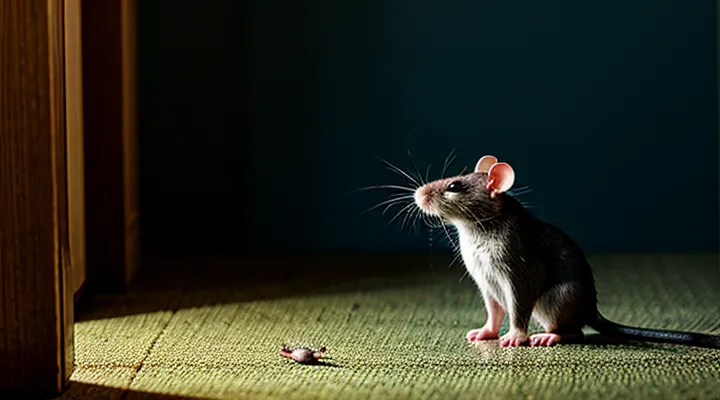
General Interpretations of Rat Dreams
Common Symbolism of Rats
Rats appear in dreams as versatile symbols that convey both positive and negative messages. Their presence often reflects underlying concerns about survival, adaptability, and hidden aspects of life.
In many cultural traditions, rats represent resourcefulness. Dreamers may interpret this as an invitation to use limited resources efficiently, especially when faced with financial or emotional constraints. The animal’s ability to thrive in adverse environments can also signal personal resilience, suggesting that the dreamer possesses the capacity to navigate difficult circumstances.
Conversely, rats are linked to contamination and disease. Their appearance may highlight fears of infection—physical, psychological, or relational. This symbolism can serve as a warning to address unhealthy habits or toxic relationships before they spread.
A second common theme involves secrecy and hidden threats. Rats move silently and often remain unseen until they emerge. In a dream, this quality can point to concealed problems, undisclosed motives, or information that requires careful investigation.
Additional symbolic layers include:
- Fertility and abundance – rodents reproduce rapidly; the dream may suggest creative potential, new projects, or an increase in responsibilities.
- Transformation – the animal’s nocturnal activity and ability to navigate darkness can denote personal growth through confronting shadow aspects.
- Wealth – historical associations with stored grain and treasure imply that the dreamer may be on the brink of financial gain or must safeguard existing assets.
When the dreamer is a woman, the rat’s symbolism often intersects with themes of domestic life and relational dynamics. The creature’s tendency to inhabit homes can mirror concerns about household stability, motherhood, or partnership fidelity. It may also reflect a woman’s intuitive awareness of subtle shifts in her environment, urging proactive attention to detail.
Overall, the rat in a dream functions as a multifaceted emblem that balances messages of caution with encouragement to harness inner strength and ingenuity.
Negative Connotations in Dreams
Dreams featuring rats often carry adverse meanings for women, reflecting underlying anxieties and unresolved conflicts. The presence of a rat may signal personal insecurity, indicating that the dreamer feels vulnerable or threatened in a specific area of life. It can also denote a sense of contamination, suggesting emotional or physical impurity that the individual perceives as affecting her well‑being.
Common negative themes linked to rat imagery include:
- Betrayal – the animal’s reputation for stealth aligns with fears of deceit from close relationships.
- Loss of control – frantic movement of rats may mirror feelings of chaos or inability to manage circumstances.
- Health concerns – historical association of rats with disease translates into subconscious worries about illness.
- Financial strain – the creature’s scavenging behavior can symbolize scarcity or fear of poverty.
Psychological analysis interprets these symbols as projections of stressors that the conscious mind avoids. When a rat appears in a night vision, the brain may be processing threats that the waking self dismisses or represses. Recognizing the negative connotation enables the dreamer to address the source of distress directly, reducing the recurrence of unsettling dream content.
Positive or Neutral Symbolism
Dreams featuring rats can convey constructive meanings for women, indicating inner strengths and life‑affirming forces rather than fear alone.
Rats often symbolize resourcefulness. Their presence suggests the dreamer possesses the ability to navigate complex situations, locate solutions, and make efficient use of limited resources. This interpretation aligns with the animal’s reputation for thriving in challenging environments.
Rats may represent intelligence and curiosity. Seeing a rat in a dream can reflect a heightened desire for knowledge, a willingness to explore hidden aspects of oneself, and an aptitude for uncovering details that others overlook.
In many cultural narratives, rats are linked to fertility and abundance. A dream of a healthy, active rat can signal forthcoming growth, whether in personal projects, creative endeavors, or family life. The animal’s prolific nature serves as a metaphor for productive cycles.
The communal nature of rats highlights social connectivity. Dream imagery that includes multiple rats can point to strong support networks, collaborative opportunities, and the value of teamwork in achieving goals.
A rat’s nocturnal activity can denote inner guidance. The dream may be urging the woman to trust intuition, especially when navigating unfamiliar emotional terrain. The animal’s comfort in darkness symbolizes confidence in one’s inner compass.
Positive or neutral rat symbolism may also involve transformation. The creature’s ability to adapt quickly suggests the dreamer is undergoing a phase of personal evolution, shedding outdated habits and embracing new identities.
Key aspects of constructive rat symbolism for women:
- Adaptability and problem‑solving capacity
- Intellectual curiosity and insight
- Fertility, growth, and material prosperity
- Community bonds and collaborative potential
- Intuitive guidance in uncertain contexts
- Ongoing personal transformation
When interpreting such dreams, focus on the specific context of the rat’s behavior, setting, and interaction with the dreamer. These details refine the meaning and reveal how the positive symbolism applies to the individual’s current life circumstances.
Specific Interpretations for Women
Rats as Symbols of Personal Fears and Anxieties
Rats appearing in a woman’s dream frequently indicate unresolved personal fears. The animal’s association with disease, infestation, and nocturnal activity translates directly into sensations of contamination, loss of control, and hidden danger.
Typical anxieties symbolized by rats include:
- Fear of being overwhelmed by minor problems that multiply unnoticed.
- Concern about personal or professional reputation being tarnished.
- Anxiety over intimate relationships that feel invasive or suffocating.
- Worries about health, especially regarding hidden or chronic conditions.
The specific meaning depends on the dreamer’s life history. Traumatic experiences involving neglect or betrayal often intensify the rat’s threat image. Health scares sharpen the focus on bodily contamination. Unstable financial or familial situations can shift the symbolism toward scarcity and survival.
Effective interpretation requires attention to three elements: the emotional intensity felt during the dream, the rat’s behavior (aggressive, fleeing, or passive), and the surrounding environment (clean room, dark alley, crowded space). Matching these details with current stressors reveals the underlying fear structure.
Practical steps for integration include recording the dream immediately, identifying parallel waking‑life concerns, and discussing the pattern with a therapist or using cognitive‑behavioral techniques to reframe the fear response. Regular reflection reduces the rat’s power to trigger anxiety and promotes clearer insight into personal triggers.
Rats and Relationships: Betrayal or Deceit
Dreams featuring rats often surface when a woman’s subconscious processes feelings of mistrust within personal connections. The animal’s reputation for stealth and infestation translates into symbolic warnings about hidden agendas, secret betrayals, or manipulative behavior from partners, friends, or family members.
When the rat appears actively moving or scurrying, the mind may be flagging a present threat of deceit. When the rat is dead or trapped, the image can suggest that a harmful dynamic has been exposed and is being neutralized. The emotional tone of the dream—fear, disgust, curiosity—refines the interpretation, indicating whether the betrayal is perceived as imminent, ongoing, or resolved.
Typical meanings include:
- Unfaithful partner – signals suspicion of infidelity or emotional cheating.
- Manipulative colleague – reflects concerns about covert sabotage or back‑channel politics.
- Family secret – points to concealed information that could disrupt relational harmony.
- Self‑deception – suggests the dreamer is ignoring personal instincts about a dishonest situation.
Addressing the symbolism involves confronting the source of distrust, clarifying ambiguous interactions, and establishing clear boundaries. Recognizing the rat as a metaphor for betrayal empowers a woman to transform vague anxiety into concrete actions that protect relational integrity.
Rats Representing Fertility and Motherhood
Rats appearing in a woman’s dream often convey messages about fertility and the maternal instinct. In many cultural traditions, the rodent’s prolific breeding capacity symbolizes the potential for new life and the nurturing responsibilities that accompany it. The dream image therefore can be read as an unconscious cue toward embracing or acknowledging reproductive possibilities.
The symbolism operates on several levels:
- Reproductive potential – The rat’s rapid gestation and large litters mirror a woman’s latent capacity for conception or the desire to expand her family.
- Maternal care – Observations of a rat caring for its young highlight themes of protection, provision, and emotional investment in offspring.
- Cycle awareness – The animal’s instinctual rhythms reflect the dreamer’s own bodily cycles, prompting attention to hormonal or fertility-related changes.
Psychological frameworks, such as Jungian archetype analysis, classify the rat as an embodiment of the “Great Mother” motif, representing both creative fertility and the shadow aspects of overprotectiveness. When the dream presents the rat in a nurturing context—feeding, sheltering, or grooming—it reinforces the association with constructive motherhood. Conversely, a hostile or invasive rat may signal anxieties about the responsibilities of caring for a new life.
Interpretation should consider the dreamer’s personal circumstances. Women who are actively planning pregnancy may experience these images as affirmation of readiness. Those who are not seeking children might encounter the symbol as an invitation to explore nurturing roles beyond biological motherhood, such as mentorship or caregiving within a community.
In clinical practice, discussing the rat’s behavior, emotional tone, and surrounding environment provides insight into how the subconscious processes fertility themes. The imagery encourages reflection on the balance between creation and caretaking, guiding the dreamer toward conscious decisions about motherhood.
Rats as a Reflection of Self-Perception
Dreams featuring rats often serve as a mirror of how a woman perceives herself. The animal’s characteristics—stealth, adaptability, and survival instinct—trigger internal evaluations of personal traits that may be hidden or undervalued.
- Self‑evaluation of resilience: A rat navigating a cramped space can symbolize the dreamer’s capacity to endure stressors that appear confining in waking life.
- Perception of social standing: Observing a rat in a crowd may reflect feelings of being overlooked or dismissed, prompting reassessment of one’s influence within a community.
- Assessment of resourcefulness: Scavenging behavior in the dream highlights the dreamer’s ability to locate opportunities amid scarcity, encouraging acknowledgment of ingenuity.
- Confrontation with unwanted aspects: Encountering a rat in a clean environment can indicate suppressed anxieties about personal hygiene, order, or moral standards, urging integration of these concerns into self‑image.
Psychological frameworks interpret these motifs as projections of the subconscious, where the rat embodies qualities the dreamer either disowns or admires. Recognizing the symbolic link between the animal’s behavior and personal attributes enables a clearer, more balanced self‑perception.
Rats and Professional Life: Challenges or Opportunities
Dreams featuring rats often surface in the professional narratives of women, signaling underlying anxieties or hidden potentials that influence career trajectories. The presence of a rat can mirror feelings of vulnerability, competition, or resource scarcity within the workplace, prompting a reassessment of strategies and interpersonal dynamics.
Challenges indicated by rat imagery
- Perceived threat from colleagues who may undermine progress.
- Fear of being overlooked or dismissed, reflecting low self‑confidence.
- Concerns about ethical compromises or “dirty work” that could tarnish reputation.
Opportunities revealed through the same symbol
- Recognition of untapped resilience, as rats survive in harsh environments.
- Insight into networking abilities; rats navigate complex tunnels, analogous to building strategic alliances.
- Prompt to develop meticulous attention to detail, a trait that can enhance project execution.
Interpreting these nocturnal symbols provides a diagnostic tool for women to identify stress points and leverage innate strengths. By translating rat motifs into actionable professional insights, individuals can transform perceived obstacles into avenues for advancement.
Factors Influencing Dream Interpretation
Color of the Rats
The hue of rats appearing in a woman’s dream conveys distinct symbolic information that complements other dream elements. Color functions as a visual cue, directing attention toward specific emotional states, life circumstances, or subconscious concerns.
- Black rats: Often signal hidden anxieties, unresolved conflicts, or feelings of entrapment. The darkness suggests concealment and may indicate the dreamer’s reluctance to confront a threatening situation.
- White rats: Typically represent purity, new beginnings, or a desire for cleansing. The brightness can point to a transition phase where the dreamer seeks renewal or moral clarity.
- Gray rats: Reflect ambiguity, indecision, or a neutral assessment of current challenges. The muted tone suggests that the issue at hand lacks clear resolution and may require balanced judgment.
- Red rats: Associate with intense emotions such as anger, passion, or urgency. The vivid color warns of heightened stress levels or a pressing need for decisive action.
- Brown or earth‑toned rats: Relate to practicality, grounding, and material concerns. The natural palette indicates focus on financial matters, health, or day‑to‑day responsibilities.
Interpretation varies according to the dreamer’s personal context. For instance, a black rat observed during a period of career uncertainty may emphasize fear of failure, while the same color in a stable environment could highlight suppressed personal grievances. Conversely, a red rat appearing amid relationship turmoil intensifies the signal of emotional volatility, whereas the same hue in a creative project may simply denote strong motivation.
To apply color insight effectively, the dreamer should document the rat’s shade, note accompanying emotions, and correlate these details with recent life events. Cross‑referencing the color symbolism with current stressors or aspirations refines the overall reading and supports informed self‑reflection.
Number of Rats
The quantity of rats that appear in a woman’s dream conveys distinct symbolic messages. Each increment often reflects the intensity of underlying emotions, the scope of a perceived threat, or the scale of a personal challenge. Interpreting the exact number helps pinpoint the focus of the subconscious narrative.
- One rat: Signals a solitary concern, such as an isolated fear or a single unresolved issue that requires attention.
- Two rats: Suggests a partnership or conflict involving another person, often indicating relational tension or collaboration.
- Three rats: Represents a triangular dynamic, commonly associated with a situation where choices, responsibilities, or pressures intersect.
- Four or more rats: Denotes a pervasive problem, a sense of being overwhelmed, or a collective anxiety that may affect several areas of life.
The specific count should be correlated with the dreamer’s current circumstances to derive a precise interpretation. Larger numbers typically amplify the urgency of addressing the identified stressors.
Behavior of the Rats
Rats appear in women’s nocturnal imagery as active agents, and their conduct directs the symbolic message. Observers of dream content note that the animal’s specific actions reflect distinct psychological cues.
Common rat behaviors and their interpretive implications include:
- Scurrying across a floor or wall – indicates a sense of urgency or an unresolved issue rapidly moving through consciousness.
- Gnawing objects – suggests persistent mental irritation, a lingering thought that erodes confidence or stability.
- Building or repairing a nest – signals a drive to reorganize personal foundations, often linked to caretaking responsibilities.
- Biting or attacking – denotes perceived threats, either external pressures or internal self‑criticism.
- Carrying food or hoarding – represents attempts to secure resources, hinting at anxiety about scarcity or future provision.
- Appearing in large numbers – reflects feelings of being overwhelmed by minor concerns that collectively become burdensome.
When rats exhibit calm or passive behavior, the dream may convey acceptance of previously disruptive emotions. Conversely, frantic or aggressive actions typically point to heightened stress levels that require acknowledgment. The precise context—location, interaction with other figures, and emotional tone—modulates the meaning, but the rat’s conduct remains the primary analytical anchor.
Emotional Response in the Dream
Women who encounter rats in their dreams often experience a distinct set of emotions that shape the symbolic meaning of the vision. The immediate affective reaction serves as the primary entry point for interpretation, directing attention toward underlying personal concerns.
Typical emotional responses include:
- Fear or terror – signals perceived threat, loss of control, or anxiety about hidden dangers in waking life.
- Disgust or revulsion – indicates rejection of aspects of the self deemed unclean, undesirable, or socially stigmatized.
- Curiosity or fascination – reflects an unconscious desire to explore suppressed material, suggesting potential growth through confronting the taboo.
- Empowerment or triumph – emerges when the dreamer overcomes the rat, representing mastery over fear and integration of shadow elements.
The intensity and context of these feelings refine the interpretive outcome. A fleeting sense of unease may point to minor stressors, whereas persistent dread often correlates with chronic insecurity or unresolved trauma. Conversely, a calm curiosity can reveal readiness to examine repressed memories, while a victorious emotion indicates successful assimilation of previously rejected traits. Analyzing the emotional tone therefore provides a precise diagnostic tool for decoding rat symbolism in women's nocturnal narratives.
Life Context of the Dreamer
Women who encounter rats in their nocturnal visions often reflect personal circumstances that shape the symbol’s meaning. Age, marital status, and parental responsibilities create distinct emotional landscapes, influencing whether the animal appears as a threat, a warning, or a catalyst for change. For a single professional, the rat may signal competitive pressures at work; for a mother, it may point to concerns about household hygiene or child safety. These demographic variables provide the initial framework for interpreting the dream’s content.
Health considerations also affect the dream’s tone. Chronic fatigue, hormonal fluctuations, or recent illness can generate vivid, unsettling imagery, with rats embodying feelings of contamination or vulnerability. Conversely, a period of physical recovery may produce dreams where the rat is subdued or disappears, suggesting restoration of control over one’s bodily environment.
Cultural background and personal history modify the rat’s symbolic weight. Women raised in societies that associate rodents with disease may perceive the dream as a direct warning, while those from cultures that view rats as clever survivors might interpret the image as encouragement to adopt resourceful strategies. Past experiences with rodents—whether as pets, pests, or research subjects—add another layer, turning the dream into a reflection of specific memories rather than a generic omen.
Key elements of the dreamer’s life context include:
- Relationship dynamics (partner support, family tensions, friendship networks).
- Occupational environment (job security, workplace competition, career transitions).
- Financial status (budget constraints, debt concerns, recent gains).
- Psychological stressors (anxiety levels, recent trauma, coping mechanisms).
Evaluating these factors alongside the rat imagery yields a nuanced reading that aligns the dream with the dreamer’s lived reality.