
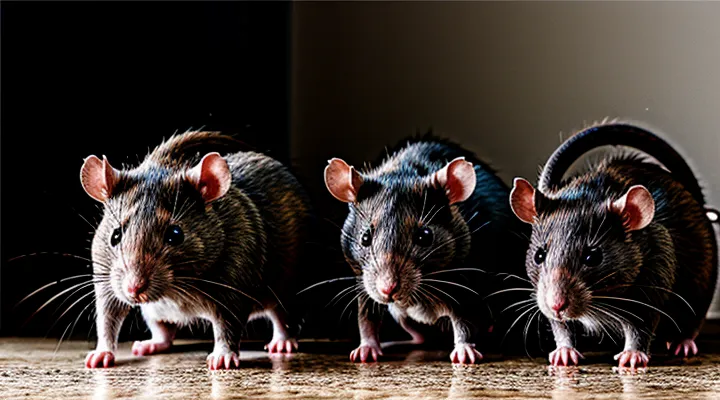
Introduction to Rat Anatomy
General Overview
Size and Weight
Rats exhibit considerable variation in body dimensions, reflecting species, age, and sex. Adult brown rats (Rattus norvegicus) typically measure 20–25 cm from nose to the base of the tail, with tail lengths ranging from 15 to 21 cm. Head width averages 2.5 cm, while hindfoot length falls between 1.5 and 2.0 cm. Laboratory strains such as Sprague‑Dawley or Wistar display similar ranges, with minor differences attributable to selective breeding.
Weight data for mature individuals align closely with size measurements. Common values include:
- 250–300 g for average adult males
- 200–250 g for average adult females
- 150–200 g for juvenile rats approaching maturity
- 350–500 g for exceptionally large specimens, often observed in well‑nourished or genetically selected lines
These figures provide a baseline for comparative anatomical studies and experimental design, ensuring accurate scaling of physiological parameters.
Lifespan and Habitat
Rats typically live between two and three years in the wild, with laboratory strains reaching up to four years under controlled conditions. Longevity correlates with body size, metabolic rate, and exposure to predators or disease; smaller individuals mature quickly and experience higher mortality rates.
Habitat selection reflects the species’ adaptability and influences physiological development:
- Urban environments: sewers, basements, and garbage sites provide shelter, abundant food, and limited competition.
- Rural settings: fields, grain stores, and burrows offer soil-based nesting opportunities and exposure to seasonal temperature fluctuations.
- Forested areas: leaf litter and hollow logs serve as temporary refuges, supporting a diet rich in seeds and insects.
Habitat characteristics determine stress levels, immune function, and organ development, affecting overall health and lifespan. Access to clean water, stable temperatures, and low pathogen loads generally extend survival, while overcrowding and contaminated resources accelerate decline.
Skeletal System
Axial Skeleton
Skull
The rat skull provides protection for the brain, anchors masticatory muscles, and supports sensory organs. It consists of two fused cranial bones forming a rigid vault and a distinct facial region housing the nasal, oral, and auditory structures.
- Neurocranium: Comprises the frontal, parietal, occipital, and temporal bones; forms the dorsal enclosure of the brain; contains the foramen magnum for spinal cord passage.
- Splanchnocranium: Includes the maxilla, mandible, and nasal bones; supports the upper and lower dentition; provides attachment points for the masseter, temporalis, and pterygoid muscles.
- Orbit: Bony socket formed by the frontal, zygomatic, and sphenoid bones; encloses the eye and associated nerves.
- Auditory bullae: Expanded lateral extensions of the temporal bone; house the middle and inner ear structures; contribute to acoustic sensitivity.
- Sutures: Fibrous joints such as the coronal, sagittal, and lambdoid sutures; allow limited growth and absorb mechanical stress.
The mandible articulates with the temporal bone via the temporomandibular joint, enabling precise gnawing motions. Dental formula includes continuously erupting incisors, a single pair of molars, and vestigial premolars, reflecting the rodent’s gnawing specialization.
Vascular supply enters through the carotid arteries, branching into the cerebral and facial circulations. Cranial nerves traverse specific foramina, linking the central nervous system with sensory and motor functions.
Overall, the rat skull integrates structural rigidity, muscular leverage, and sensory accommodation to meet the species’ ecological demands.
Vertebral Column
The vertebral column of the laboratory rat provides structural support, protects the spinal cord, and serves as attachment for muscles and ligaments. It consists of 26 to 27 articulating elements arranged in distinct regions.
- Cervical region – seven vertebrae (C1–C7). The first two are specialized: the atlas (C1) lacks a body and the axis (C2) bears the odontoid process, allowing head rotation. Remaining cervical vertebrae possess transverse foramina for vertebral arteries.
- Thoracic region – thirteen vertebrae (T1–T13). Each bears a pair of ribs; facets on the transverse processes accommodate rib articulation. The neural spines increase in height posteriorly.
- Lumbar region – six vertebrae (L1–L6). These are the largest, with robust bodies and short transverse processes, reflecting the load‑bearing function of the lower back.
- Sacral region – one fused sacrum formed by four sacral vertebrae (S1–S4). The sacrum articulates with the pelvis, contributing to the hip joint.
- Caudal region – variable, typically 14 to 16 caudal vertebrae (Co1–CoN). They form the tail, with decreasing size toward the tip.
Vertebral bodies are composed of cancellous bone surrounded by a thin cortical shell, providing strength while reducing weight. Intervertebral discs consist of a gelatinous nucleus pulposus and a fibrous annulus fibrosus, permitting limited flexion, extension, and rotation. Ligamentous structures—anterior and posterior longitudinal ligaments, ligamentum flavum, interspinous and supraspinous ligaments—stabilize the column and limit excessive motion.
The spinal cord runs within the vertebral canal, ending at the level of the second lumbar vertebra. Dorsal and ventral roots exit through intervertebral foramina, aligning with the corresponding vertebral level. Segmental spinal nerves innervate axial and limb musculature, reflecting the column’s role as a conduit for neurovascular elements.
Overall, the rat vertebral column exhibits a compact yet flexible design, optimized for quadrupedal locomotion, rapid maneuvering, and protection of central nervous tissue.
Rib Cage
The rib cage of the laboratory rat consists of fourteen pairs of ribs attached to the thoracic vertebrae. The first seven pairs are true ribs, each connecting directly to the sternum via costal cartilage. The remaining seven pairs are false ribs; the eighth, ninth, and tenth ribs terminate in cartilage that blends with the sternum, while the eleventh and twelfth pairs are floating ribs that end in the musculature of the abdominal wall without sternal attachment.
Key structural elements include:
- Vertebral articulation: Each rib articulates with the corresponding thoracic vertebra at the costovertebral joint, allowing limited rotational movement.
- Costal cartilage: Hyaline cartilage provides flexibility, enabling expansion of the thoracic cavity during respiration.
- Sternum: A single, elongated bone composed of the manubrium, body, and xiphoid process, serving as the anterior anchor for the true ribs.
- Intercostal muscles: Layers of external, internal, and innermost intercostal muscles occupy the spaces between ribs, facilitating ventilatory mechanics.
The rib cage encloses the heart, lungs, and major blood vessels, protecting them from external trauma while permitting the volumetric changes required for breathing. In rats, the rib cage exhibits a high degree of compliance; the thin cortical bone and extensive cartilaginous connections allow rapid thoracic expansion and contraction, supporting the species’ elevated metabolic rate.
Morphometric data indicate an average rib length of 12–14 mm in adult Sprague‑Dawley rats, with a rib curvature that follows a slight dorsal arch. Ossification begins prenatally, and by four weeks of age the ribs display a mature cortical thickness of approximately 0.5 mm, sufficient for structural integrity yet maintaining flexibility.
Overall, the rat rib cage integrates skeletal and muscular components to secure vital thoracic organs while accommodating the respiratory demands characteristic of small mammals.
Appendicular Skeleton
Pectoral Girdle and Forelimbs
The pectoral girdle of the rat consists of a single scapula on each side, a well‑developed coracoid process, and a small, vestigial clavicle that does not contribute to the shoulder joint. The scapular blade is elongated anteroposteriorly, with a pronounced supraspinous fossa that accommodates the supraspinatus muscle. The glenoid cavity faces laterally, forming the articulation with the humeral head.
The forelimb includes the following skeletal elements:
- Humerus: cylindrical shaft, distal condyles forming the elbow joint.
- Radius and ulna: parallel shafts, radius bearing the carpal articulation, ulna providing attachment for the flexor muscles.
- Carpals: eight small bones arranged in two rows, enabling wrist flexion and extension.
- Metacarpals: five bones, the first elongated to support the opposable digit.
- Phalanges: proximal, middle, and distal segments in digits 2‑5; digit 1 (thumb) lacks a middle phalanx.
Muscular organization follows a tripartite pattern:
- Anterior compartment – brachialis, biceps brachii, and flexor digitorum superficialis, responsible for elbow flexion and digit flexion.
- Posterior compartment – triceps brachii, extensor carpi radialis, and extensor digitorum, producing elbow extension and wrist extension.
- Shoulder girdle – pectoralis major, deltoid, and supraspinatus, controlling protraction, abduction, and rotation of the forelimb.
Innervation derives from the brachial plexus, formed by the ventral rami of cervical spinal nerves C5–C8 and thoracic nerve T1. Primary motor nerves include the musculocutaneous, radial, and median nerves, each supplying the corresponding muscle groups. Sensory input is conveyed through the dorsal root ganglia associated with these spinal segments.
The joints permit a range of motion suited to the rat’s locomotor and manipulative activities. The shoulder joint allows flexion, extension, adduction, and abduction; the elbow joint provides flexion and extension; the wrist and digit joints enable flexion, extension, and limited rotation. This configuration supports rapid forelimb movements during foraging, grooming, and climbing.
Pelvic Girdle and Hindlimbs
The pelvic girdle of the laboratory rat consists of paired innominate bones that fuse with the sacrum at the sacroiliac joint. Each innominate bone comprises three fused elements—ilium, ischium, and pubis—forming a robust, weight‑bearing platform for the hindlimb musculature. The sacroiliac articulation is a synovial joint reinforced by strong ligaments that limit rotational movement while permitting slight flexion during locomotion. The acetabulum, a deep socket on the lateral aspect of the innominate, receives the femoral head and is lined with hyaline cartilage, providing a low‑friction surface for articulation.
Key structures of the rat hindlimb include:
- Femur: elongated, slightly curved bone with a prominent greater trochanter for gluteal muscle attachment and a distal condylar region forming the knee joint.
- Patella: sesamoid bone embedded within the quadriceps tendon, enhancing leverage of the extensor mechanism.
- Tibia and Fibula: tibia bears the majority of axial load; fibula is slender, serving as an attachment site for peroneal muscles.
- Ankle (tarsus): comprises seven tarsal bones (talus, calcaneus, navicular, and four distal tarsals) that articulate with the tibia and fibula, forming a flexible hinge.
- Metatarsals and Phalanges: five metatarsals support the distal phalanges, ending in claws used for digging and substrate interaction.
Muscular organization follows a tripartite pattern: extensors (gluteus, quadriceps femoris, gastrocnemius), flexors (hamstrings, tibialis anterior), and adductors (adductor magnus, gracilis). Tendinous insertions on the pelvis and distal limb bones translate contractile force into locomotor propulsion and stabilization during weight bearing. Vascular supply derives primarily from the internal iliac artery branches (internal pudendal, obturator) for the pelvis and the femoral artery for the limb, while venous drainage mirrors arterial pathways through the femoral and iliac veins. Innervation is provided by the lumbar and sacral plexuses, with the sciatic nerve delivering motor and sensory fibers to the hindlimb musculature and skin.
Overall, the rat pelvic girdle and hindlimbs form an integrated biomechanical system that supports rapid quadrupedal movement, precise foot placement, and the ability to generate substantial ground reaction forces despite the animal’s small size.
Muscular System
Types of Muscles
Skeletal Muscles
Rats possess a well‑developed skeletal musculature that enables rapid locomotion, precise manipulation of objects, and complex feeding behaviors. All skeletal muscles arise from mesodermal somites and attach to bones via tendons, generating force through contraction of contractile fibers.
The muscular system can be divided into functional regions. The most prominent groups include:
- Forelimb muscles – biceps brachii, triceps brachii, flexor digitorum profundus, extensor digitorum communis, and deltoid; responsible for reaching, grasping, and climbing.
- Hindlimb muscles – quadriceps femoris, gastrocnemius, tibialis anterior, gluteus maximus, and adductor magnus; provide propulsion, jumping, and balance.
- Axial muscles – erector spinae, transversus abdominis, and intercostals; maintain posture, support respiration, and protect internal organs.
- Masticatory muscles – masseter, temporalis, and pterygoid; generate the powerful bite required for gnawing.
Each muscle consists of parallel bundles of myofibers, which are classified by contractile protein isoforms into slow‑oxidative (type I) and fast‑glycolytic (type II) fibers. In rats, type II fibers dominate in limb muscles that demand high speed, whereas type I fibers are more abundant in postural muscles of the back and diaphragm.
Innervation follows a segmental pattern: spinal nerves exit the vertebral column, join peripheral nerves, and form motor endplates on myofiber membranes. The primary motor nerves include the brachial plexus for forelimbs and the sciatic nerve for hindlimbs. Sensory afferents accompany these pathways, providing proprioceptive feedback essential for coordinated movement.
Blood supply is delivered through a dense network of arterial branches originating from the aorta and its major offshoots. The femoral artery serves the hindlimb musculature, while the brachial artery supplies the forelimb. Venous drainage mirrors arterial routes, returning deoxygenated blood to the heart for systemic circulation.
Muscle growth and regeneration rely on satellite cells located beneath the basal lamina of each fiber. These cells activate after injury, proliferate, and differentiate to replace damaged myofibrils, ensuring the maintenance of functional capacity throughout the rat’s lifespan.
Smooth Muscles
Smooth muscle in rats consists of elongated, spindle‑shaped cells lacking striations. Each cell contains a single, centrally located nucleus, abundant mitochondria, and a network of dense bodies that anchor actin filaments. Cytoplasmic intermediate filaments provide structural support. The contractile apparatus is organized in a non‑striated pattern, allowing gradual, sustained tension.
Innervation is primarily autonomic. Sympathetic and parasympathetic fibers release norepinephrine or acetylcholine, modulating tone via G‑protein‑coupled receptors. Hormonal influences include vasoactive intestinal peptide, oxytocin, and angiotensin II. Local factors such as nitric oxide and endothelin adjust contractility without neural input.
Key locations of smooth muscle in the rat include:
- Walls of arteries, arterioles, and veins, regulating vascular resistance and blood flow.
- Gastrointestinal tract (esophagus, stomach, small and large intestines), driving peristalsis and segmental mixing.
- Urinary bladder detrusor muscle, controlling storage and voiding phases.
- Uterus, facilitating gestational changes and parturition.
- Respiratory bronchioles, adjusting airway caliber.
- Iris sphincter, modulating pupil size.
Two functional classifications apply. Single‑unit (visceral) smooth muscle exhibits electrical coupling via gap junctions, producing coordinated waves of contraction. Multi‑unit smooth muscle displays independent cells with sparse coupling, allowing fine‑tuned responses, as seen in the iris and arrector pili.
Metabolic profile is oxidative, reflecting reliance on aerobic respiration for sustained activity. Calcium entry occurs through voltage‑gated L‑type channels and receptor‑operated pathways; intracellular stores release calcium via IP₃ receptors, activating myosin light‑chain kinase and initiating contraction.
Regeneration capacity is limited; injury triggers fibroblast infiltration and scar formation rather than muscle cell proliferation. Experimental studies often employ isolated organ baths to assess contractile responses, providing quantitative data on pharmacological agents and neural inputs.
Overall, rat smooth muscle exhibits specialized morphology, regulated by neural, hormonal, and local mechanisms, and is integral to the function of multiple organ systems.
Cardiac Muscle
The rat heart consists of a single layer of cardiac muscle (myocardium) that encircles the ventricular chambers. Myocardial fibers are arranged in a helical pattern, allowing torsional contraction that maximizes stroke volume. Each fiber is a multinucleated, branched cardiomyocyte linked by intercalated discs, which contain gap junctions for rapid electrical coupling and desmosomes for mechanical stability.
Cellular composition includes:
- Sarcomeres: repeating units of actin (thin) and myosin (thick) filaments that generate force through cross‑bridge cycling.
- Mitochondria: densely packed, occupying up to 40 % of cytoplasmic volume, providing the ATP required for continuous activity.
- T-tubules: invaginations of the sarcolemma that align with the sarcoplasmic reticulum, facilitating synchronized calcium release.
Blood supply is delivered by the coronary arteries, which branch from the aorta and penetrate the epicardial surface. Venous drainage follows the coronary veins into the right atrium. The myocardium receives oxygen at a rate proportional to heart rate and contractile demand, regulated by autonomic innervation and circulating catecholamines.
Physiological characteristics:
- Automaticity: pacemaker cells in the sinoatrial node generate spontaneous depolarizations, setting the cardiac rhythm.
- Conductivity: action potentials propagate through the atrioventricular node, bundle of His, and Purkinje network, ensuring coordinated ventricular contraction.
- Contractility: calcium influx through L‑type channels triggers sarcoplasmic reticulum release, initiating sarcomere shortening; reuptake by SERCA pumps restores relaxation.
Histological sections reveal a dense, eosinophilic tissue with striated appearance, surrounded by a thin connective tissue layer (epicardium) and a fibroelastic outer coating (pericardium). The structural organization of rat cardiac muscle provides a model for comparative studies of mammalian myocardial physiology and pathology.
Major Muscle Groups
Head and Neck Muscles
The rat’s head and neck region contains a compact set of muscles that control mastication, facial expression, and head positioning. These muscles are organized into superficial and deep layers, each with distinct origins, insertions, and innervation patterns.
Mastication muscles include the masseter, temporalis, and medial and lateral pterygoids. The masseter originates from the zygomatic arch and inserts on the mandible’s lateral surface, generating powerful closing forces. The temporalis arises from the temporal fossa and attaches to the coronoid process, contributing to vertical closure. The medial pterygoid originates on the medial surface of the lateral pterygoid plate and inserts on the mandibular angle, while the lateral pterygoid, arising from the lateral pterygoid plate, inserts on the condylar neck, facilitating protrusion and lateral movements.
Facial muscles responsible for whisker and ear movement comprise the mystacial pad muscles (e.g., intrinsic vibrissal muscles), the auricular muscles, and the orbicularis oculi. The intrinsic vibrissal muscles lie within the mystacial pad and contract to adjust whisker angle. The auricular muscles, attached to the ear cartilage, enable subtle ear positioning. The orbicularis oculi encircles the orbit, contributing to eyelid closure.
Neck musculature is divided into suprahyoid, infrahyoid, and dorsal groups:
- Suprahyoid group: digastric (anterior and posterior bellies), mylohyoid, and geniohyoid; these elevate the hyoid bone and assist in swallowing.
- Infrahyoid group: sternohyoid, sternothyroid, omohyoid, and thyroarytenoid; these depress the hyoid and stabilize the larynx.
- Dorsal neck muscles: splenius, semispinalis, and trapezius; they originate from cervical vertebrae and insert on the skull or scapula, providing head extension, rotation, and lateral flexion.
Innervation follows standard cranial and spinal patterns. Mastication muscles receive motor fibers from the trigeminal nerve (CN V), specifically the mandibular division. Facial muscles are innervated by the facial nerve (CN VII). Suprahyoid and infrahyoid muscles are supplied by branches of the hypoglossal (CN XII) and cervical spinal nerves (C1‑C3). Dorsal neck muscles are innervated by the dorsal rami of cervical spinal nerves.
Blood supply is delivered primarily by branches of the external carotid artery, including the maxillary, facial, and occipital arteries, which form an extensive vascular network ensuring metabolic support for rapid muscle activity.
Understanding the precise arrangement of these muscles provides a foundation for experimental procedures, surgical interventions, and comparative anatomical studies involving rodent models.
Torso and Limb Muscles
The rat torso contains a layered muscular arrangement that supports respiration, posture, and locomotion. The epaxial group, located dorsal to the vertebral column, includes the longissimus and iliocostalis muscles, which extend the spine and stabilize the back. Beneath these, the hypaxial muscles—primarily the abdominal wall—comprise the external oblique, internal oblique, and transversus abdominis, providing compression of the abdominal cavity and assisting in forced expiration. Intercostal muscles run between ribs, facilitating rib elevation and depression during breathing cycles.
Limb musculature is organized into functional compartments that generate precise movements. In the forelimb, the major muscle groups are:
- Shoulder and upper arm: deltoid, supraspinatus, infraspinatus, and teres major, responsible for shoulder elevation and rotation.
- Elbow flexors: biceps brachii and brachialis, producing forearm flexion.
- Elbow extensors: triceps brachii, effecting forearm extension.
- Wrist and digit flexors/extensors: flexor carpi radialis, flexor digitorum superficialis, extensor carpi radialis, and extensor digitorum, controlling hand grip and release.
The hindlimb exhibits a similar compartmentalization:
- Hip and thigh: gluteus, iliopsoas, and adductor groups, governing hip extension, flexion, and adduction.
- Knee extensors: quadriceps femoris, delivering powerful extension for propulsion.
- Knee flexors: hamstring complex (biceps femoris, semitendinosus, semimembranosus), enabling knee flexion.
- Ankle and digit movers: gastrocnemius and soleus (plantarflexors), tibialis anterior (dorsiflexor), and flexor/extensor digitorum longus, coordinating foot placement and digit manipulation.
These muscle systems integrate through tendinous attachments to the skeletal framework, delivering the force and control required for the rat’s rapid and agile movements.
Cardiovascular System
Heart
Chambers and Valves
The rat cardiovascular system contains two atria and two ventricles that function as distinct chambers. The right atrium receives deoxygenated blood from the vena cava, passes it through the tricuspid valve, and delivers it to the right ventricle. The left atrium collects oxygen-rich blood from the pulmonary veins, channels it across the mitral valve, and fills the left ventricle, which ejects blood into the aorta.
Valves regulate unidirectional flow and prevent backflow. Each atrioventricular valve (tricuspid and mitral) consists of three leaflets anchored by chordae tendineae to papillary muscles, ensuring closure during ventricular contraction. The semilunar valves (pulmonary and aortic) open when ventricular pressure exceeds arterial pressure and close promptly to seal the outflow tracts.
- Right atrium → tricuspid valve → right ventricle → pulmonary valve → pulmonary artery
- Left atrium → mitral valve → left ventricle → aortic valve → systemic circulation
These structures maintain pressure gradients essential for effective circulation in the rat.
Blood Circulation
The rat cardiovascular system consists of a four‑chambered heart, a systemic arterial network, a pulmonary circuit, and a venous return pathway that together maintain continuous blood flow. The left ventricle generates pressure sufficient to propel blood through the aorta and peripheral arteries, delivering oxygen and nutrients to tissues. The right ventricle pumps deoxygenated blood into the pulmonary artery, where it passes through the lungs for gas exchange before returning via the pulmonary veins to the left atrium.
Key components of the circulation include:
- Aorta and major branches (brachiocephalic trunk, carotid arteries, subclavian arteries) supplying the head, neck, and forelimbs.
- Descending aorta delivering blood to the thoracic and abdominal cavities, with renal, mesenteric, and iliac arteries providing organ perfusion.
- Pulmonary artery and veins forming the lung circuit.
- Superior and inferior vena cava collecting systemic venous blood, merging into the right atrium.
- Portal vein channeling gastrointestinal blood to the liver for metabolic processing.
Heart rate in adult rats averages 300–400 beats per minute, producing a cardiac output of approximately 15–20 ml min⁻¹ g⁻¹. Stroke volume ranges from 0.2 to 0.4 ml kg⁻¹, reflecting the small ventricular cavity and high contractile frequency. Blood pressure typically measures 110–130 mm Hg systolic and 70–80 mm Hg diastolic, values that support rapid tissue perfusion required for the animal’s high metabolic rate.
Regulatory mechanisms involve autonomic innervation, baroreceptor reflexes, and hormonal influences such as angiotensin II and atrial natriuretic peptide. Vascular smooth muscle adjusts tone in response to neural signals and circulating factors, ensuring stable flow despite fluctuations in activity or environmental temperature.
Overall, rat blood circulation demonstrates a compact yet efficient design, with structural adaptations that accommodate the species’ elevated heart rate and metabolic demands.
Blood Vessels
Arteries
Arterial circulation in the rat provides the primary conduit for oxygen‑rich blood from the heart to peripheral tissues. The system originates at the left ventricle, where the ascending aorta distributes blood to the systemic network.
Key vessels include:
- Ascending aorta and thoracic aorta
- Abdominal aorta, giving rise to the celiac trunk, superior mesenteric artery, and renal arteries
- Common carotid arteries supplying the head and brain
- Femoral arteries delivering blood to the hind limbs
- Pulmonary arteries transporting deoxygenated blood to the lungs
Each artery consists of three concentric layers. The innermost tunica intima features a continuous endothelial lining. The tunica media contains concentric smooth‑muscle sheets, whose thickness varies according to vessel size and functional demand. The outer tunica adventitia comprises connective tissue and vasa vasorum that nourish the arterial wall.
Blood pressure regulation relies on sympathetic innervation of the tunica media, which modulates vessel diameter through vasoconstriction and vasodilation. Autonomic input, local metabolic cues, and endothelial-derived factors together maintain tissue perfusion under varying physiological conditions.
In laboratory settings, rat arteries serve as standard models for cardiovascular research. Techniques such as wire myography, pressure myography, and intravital microscopy enable precise assessment of vascular reactivity, structural remodeling, and endothelial function. Data derived from rat arterial studies inform translational investigations of hypertension, atherosclerosis, and pharmacological interventions.
Veins
Veins constitute the primary conduit for deoxygenated blood returning from peripheral tissues to the rat heart. The venous network mirrors the arterial layout but features thinner walls, reduced smooth‑muscle content, and larger luminal diameters, facilitating low‑pressure flow.
The principal veins include:
- Vena cava (superior and inferior) delivering blood to the right atrium.
- Portal vein channeling nutrient‑rich blood from the gastrointestinal tract to the liver.
- Renal veins draining each kidney into the inferior vena cava.
- Hepatic veins emptying hepatic sinusoids into the inferior vena cava.
- Femoral and iliac veins collecting blood from the hind limbs.
Vein walls consist of three layers: the tunica intima (endothelium), tunica media (sparse smooth muscle), and tunica adventitia (connective tissue). Valves, predominantly located in limb veins, prevent retrograde flow and are composed of endothelial folds supported by collagen.
Microscopic examination reveals endothelial cells forming a continuous monolayer, maintaining barrier integrity and regulating trans‑vascular exchange. The adventitial layer contains vasa vasorum, supplying nutrients to the venous wall itself.
Physiological regulation relies on autonomic innervation and local factors such as nitric oxide, which modulate venous tone and capacitance. During increased intra‑abdominal pressure, the portal vein adapts by expanding its lumen, preserving hepatic perfusion.
Comparative analysis shows that rat veins possess a higher density of valves than larger mammals, reflecting the species’ reliance on rapid venous return during locomotion. Understanding these structural attributes provides a foundation for experimental studies involving vascular access, hemodynamic monitoring, and disease models affecting the circulatory system.
Capillaries
Capillaries in the rat vascular system form an extensive network that links arterioles and venules, allowing direct exchange of gases, nutrients, and metabolic waste between blood and surrounding tissues. Their walls consist of a single layer of endothelial cells supported by a basal lamina, providing minimal diffusion distance.
The endothelial lining exhibits continuous, fenestrated, or sinusoidal configurations depending on the organ. Continuous capillaries, prevalent in skeletal muscle and brain, possess tight junctions that restrict large molecules. Fenestrated capillaries, found in endocrine glands and intestinal mucosa, contain transcellular pores ranging from 60 nm to 80 nm, facilitating rapid solute movement. Sinusoidal capillaries, characteristic of liver and spleen, display discontinuous endothelium and an expanded basal lamina, permitting passage of cells and large proteins. Typical rat capillary diameter measures 5–8 µm, with a length of 0.5–1 mm per segment, and a total surface area approximating 1 m² per kilogram of body weight.
Key functional attributes:
- Rapid diffusion of oxygen, carbon dioxide, and small metabolites across the endothelial barrier.
- Regulation of plasma protein leakage via selective permeability of fenestrations.
- Participation in thermoregulation through vasomotor adjustments that alter capillary recruitment.
- Contribution to immune surveillance by allowing leukocyte transmigration in response to inflammatory signals.
- Maintenance of tissue fluid balance through Starling forces governed by capillary hydrostatic and oncotic pressures.
Respiratory System
Upper Respiratory Tract
Nasal Cavity
The rat nasal cavity is a complex air‑conducting chamber that links the external nares to the nasopharynx. It occupies the rostral portion of the skull and is divided longitudinally by a septum into left and right passages. Each passage contains a series of bony ridges called turbinates that increase surface area and create turbulent airflow.
Key structural elements include:
- Nasal septum: thin bony and cartilaginous plate separating the two passages; supports the nasal cartilage and provides attachment for the turbinates.
- Turbinates (nasal conchae): three pairs—rostral, middle, and caudal—composed of lamina propria and covered by respiratory epithelium; each turbinate bears a network of blood vessels that regulate temperature and humidity.
- Mucosal lining: pseudostratified ciliated columnar epithelium with goblet cells; mucus traps particles while ciliary motion transports them toward the nasopharynx.
- Olfactory epithelium: located in the dorsal roof of the nasal cavity; contains olfactory receptor neurons, supporting cells, and basal cells; directly exposed to inhaled air for odor detection.
- Vascular supply: branches of the internal carotid artery form a dense plexus within the turbinates; venous drainage follows the same route to the cavernous sinus.
- Innervation: trigeminal nerve provides general sensory input; olfactory nerve fibers penetrate the cribriform plate to reach the olfactory bulb.
The nasal cavity also houses the nasolacrimal duct, which drains tears from the orbit into the nasal passage, and the vomeronasal organ situated on the medial wall of the septum, detecting pheromonal cues. Air entering the nares passes through the vestibule, where coarse hairs filter large particles, then proceeds over the turbinates where temperature, humidity, and chemical composition are modified before reaching the lower respiratory tract. This arrangement supports both respiratory function and the highly developed olfactory system characteristic of rodents.
Pharynx and Larynx
The rat pharynx is a muscular tube that links the oral cavity to the esophagus and larynx. It consists of three regions—nasopharynx, oropharynx, and laryngopharynx—each bounded by distinct mucosal and muscular layers. The nasopharynx lies posterior to the nasal passages, the oropharynx surrounds the palatine tonsils, and the laryngopharynx descends to the entrance of the laryngeal inlet. Skeletal muscle fibers, primarily the constrictor muscles, provide peristaltic motion that directs food and liquid toward the esophagus while preventing entry into the airway.
Key anatomical features of the rat pharynx include:
- Superior, middle, and inferior constrictor muscles
- Mucosal lining with numerous seromucous glands
- Palatine and lingual tonsils composed of lymphoid tissue
- Pharyngeal plexus of nerves supplying motor and sensory innervation
The rat larynx is positioned ventrally to the cricoid cartilage and functions as a valve for air passage and a resonator for vocalization. Its cartilaginous framework comprises the thyroid, cricoid, arytenoid, and epiglottic cartilages. Paired vocal folds (true cords) and vestibular folds (false cords) extend from the arytenoid cartilages to the thyroid cartilage, forming a glottal opening that regulates airflow. Intrinsic laryngeal muscles—such as the cricothyroid, posterior cricoarytenoid, and lateral cricoarytenoid—adjust tension and position of the vocal folds, while extrinsic muscles stabilize the larynx during swallowing.
Essential components of the rat larynx are:
- Thyroid cartilage (large, shield‑shaped)
- Cricoid cartilage (complete ring)
- Paired arytenoid cartilages (mobile, articulate with the cricoid)
- Epiglottis (leaf‑shaped, protects the airway)
- Vocal folds (elastic, covered by stratified squamous epithelium)
- Intrinsic laryngeal muscles controlling glottal aperture
Both structures share a common innervation via the vagus nerve (cranial nerve X) and receive sensory input from the glossopharyngeal nerve (cranial nerve IX). Their coordinated activity ensures efficient transport of food, protection of the respiratory tract, and production of ultrasonic vocalizations characteristic of rodent communication.
Lower Respiratory Tract
Trachea
The trachea in rats is a cylindrical conduit that connects the larynx to the primary bronchi, forming the central component of the respiratory passage. It lies ventrally within the neck and thoracic cavity, positioned anterior to the esophagus and posterior to the sternum.
Structurally, the trachea consists of several distinct layers:
- Cartilaginous rings: C-shaped hyaline cartilage segments that provide rigidity while allowing lateral expansion; each ring is incomplete dorsally, leaving a gap for the trachealis muscle.
- Trachealis muscle: Smooth muscle fibers spanning the posterior gap, capable of adjusting lumen diameter during respiration.
- Mucosal lining: Pseudostratified ciliated columnar epithelium equipped with goblet cells that secrete mucus, facilitating particle removal.
- Submucosa: Connective tissue containing blood vessels, nerves, and lymphatics that supply the airway wall.
- Adventitia: Fibrous tissue that anchors the trachea to surrounding structures.
Functionally, the trachea conducts inhaled air to the bronchi, maintains airway patency through the combined action of cartilaginous support and muscular tone, and participates in mucociliary clearance by moving mucus-laden particles toward the larynx. The epithelial cilia beat rhythmically, while mucus traps debris and pathogens, protecting lower respiratory regions.
Morphologically, the rat trachea measures approximately 2.5–3.0 cm in length, proportionate to the animal’s body size. The average internal diameter ranges from 2–3 mm, and the number of cartilage rings typically falls between 15 and 18. These dimensions provide a balance between structural stability and flexibility required for the species’ rapid breathing patterns.
Bronchi and Lungs
The rat respiratory system consists of a trachea that divides into two primary bronchi, each entering a lung. The bronchi are reinforced with C‑shaped cartilage rings and contain smooth‑muscle layers that regulate airway caliber.
The bronchial tree follows a hierarchical pattern:
- Primary bronchi branch into secondary bronchi, each supplying a distinct lung lobe.
- Secondary bronchi give rise to tertiary bronchi, which further subdivide into segmental bronchi.
- Segmental bronchi terminate in bronchioles that lack cartilage and possess a thin smooth‑muscle wall.
Rats possess three lobes in the right lung (cranial, middle, and caudal) and a single lobe in the left lung. The lung parenchyma is composed of numerous alveolar sacs surrounded by a dense capillary network. Alveoli are lined by type I and type II pneumocytes; surfactant production by type II cells reduces surface tension and stabilizes alveolar architecture.
Blood reaches the lungs through the pulmonary artery, which follows the bronchial branches and branches alongside them. Venous return occurs via pulmonary veins that drain oxygenated blood to the left atrium. Autonomic innervation includes sympathetic fibers that induce bronchodilation and parasympathetic fibers that promote bronchoconstriction; both pathways terminate in the smooth‑muscle layer of the bronchi and bronchioles.
Key anatomical characteristics of rat bronchi and lungs:
- Cartilaginous support in bronchi, absent in bronchioles.
- Three right lung lobes, one left lung lobe.
- High alveolar density relative to body size, facilitating efficient gas exchange.
- Rich capillary plexus enveloping alveolar walls.
- Dual vascular supply: bronchial arteries (systemic) and pulmonary arteries (venous).
These features define the functional morphology of the rat airway and pulmonary apparatus, providing a basis for comparative studies and experimental modeling.
Digestive System
Oral Cavity and Esophagus
Teeth
Rats possess a single pair of continuously growing incisors in each jaw, characterized by a chisel‑shaped crown and a pronounced enamel ridge on the labial surface. The enamel on the lingual side is thin, exposing dentin and creating a self‑sharpening edge as the softer dentin wears faster than the enamel.
Posterior teeth consist of three molars per quadrant, lacking enamel on the occlusal surface. These molars are brachydont, designed for grinding plant material and processed food. The dental formula for the adult rat is 2/1, 0/0, 3/3, 0/0 (incisors, canines, premolars, molars).
Key anatomical features include:
- Rootless incisors: Open apices allow perpetual eruption to compensate for wear.
- Periodontal ligament: Anchors incisors while permitting movement during gnawing.
- Pulp cavity: Extends the full length of the incisor, supplying nutrients for growth.
- Alveolar bone: Thin and flexible, supporting rapid tooth displacement.
Dental health depends on a diet that promotes adequate abrasion; excessive softness leads to overgrowth, malocclusion, and potential injury. Pathological conditions such as incisor fractures, pulpitis, and periodontal disease are common in captive populations, requiring regular monitoring and appropriate dietary management.
Salivary Glands
The rat salivary system consists of three paired glands: the parotid, the submandibular, and the sublingual. Each gland occupies a distinct anatomical region and contributes specific secretory products.
The parotid glands lie lateral to the mandibular ramus, encapsulated by a thin connective tissue layer. Their acini are predominantly serous, producing a watery secretion rich in α‑amylase and electrolytes. The submandibular glands reside beneath the mandible, comprising mixed serous‑mucous acini. Their output combines enzyme‑rich serous fluid with mucin‑laden mucous secretion, facilitating lubrication and initial carbohydrate digestion. The sublingual glands are situated on the floor of the mouth, consist mainly of mucous acini, and secrete a viscous mucinous fluid that protects oral tissues.
Key structural features include:
- Acinar organization: Serous cells possess abundant rough endoplasmic reticulum and secretory granules; mucous cells contain large Golgi complexes and produce glycoprotein-rich granules.
- Ductal network: Intercalated ducts receive acinar output, transition to striated ducts that modify ionic composition via active transport, and converge into excretory ducts opening into the oral cavity.
- Innervation: Parasympathetic fibers from the facial (parotid) and glossopharyngeal (submandibular and sublingual) nerves stimulate secretion through acetylcholine and vasoactive intestinal peptide; sympathetic fibers modulate protein content via norepinephrine release.
- Blood supply: The external carotid artery branches (e.g., facial, lingual) deliver oxygenated blood; venous drainage follows the corresponding veins into the internal jugular system.
Developmentally, salivary gland primordia appear in the embryonic oral epithelium around gestational day 12, undergo branching morphogenesis, and achieve functional maturity by postnatal day 14. Histological studies frequently employ rat salivary glands as models for epithelial regeneration, secretory protein synthesis, and neurovascular regulation.
Research applications exploit the glandular response to pharmacological agents, dietary manipulations, and disease models such as Sjögren’s syndrome. Quantitative measurements of amylase activity, mucin concentration, and ductal ion transport provide reliable indicators of glandular health and systemic physiological status.
Stomach and Intestines
Small Intestine
The small intestine of the laboratory rat occupies the central portion of the gastrointestinal tract, extending from the pyloric sphincter of the stomach to the ileocecal valve. It is divided into three morphologically distinct regions: duodenum, jejunum, and ileum. The duodenum measures approximately 2 cm, the jejunum 10–12 cm, and the ileum 15–18 cm, together forming a tube of roughly 27–32 cm in adult specimens.
Histologically, the organ presents the classic four‑layer wall: mucosa, submucosa, muscularis externa, and serosa. The mucosa contains villi lined by enterocytes, interspersed with goblet cells that secrete mucus. Crypts of Lieberkühn house stem cells and Paneth cells, contributing to epithelial turnover and innate immunity. The submucosal layer houses dense vascular and lymphatic networks, while the muscularis externa consists of inner circular and outer longitudinal smooth‑muscle layers that generate peristaltic contractions.
Blood supply derives from branches of the superior mesenteric artery, which form a capillary plexus within the villi. Venous drainage proceeds to the portal vein. Innervation includes parasympathetic fibers from the vagus nerve and sympathetic fibers from the mesenteric plexus, regulating motility and secretory activity.
Key anatomical characteristics:
- Total length: 27–32 cm (adult rat)
- Wall thickness: 0.5–0.8 mm, varying along the tract
- Surface area: amplified by villi and microvilli, exceeding 2 m²
- Lumen diameter: 1–2 mm, expanding distally
- Lymphatic drainage: lacteals within villi, converging into mesenteric lymph nodes
These features enable efficient digestion, nutrient absorption, and immunological surveillance within the rat’s internal anatomy.
Large Intestine
The large intestine occupies the posterior segment of the rat gastrointestinal tract, extending from the ileocecal junction to the anus and measuring approximately 12–15 cm in adult specimens.
Key anatomical sections include:
- Cecum: blind‑pouch attached to the ileum, lined with a thin mucosa and abundant lymphoid tissue.
- Colon: divided into ascending, transverse, and descending portions, each surrounded by a complete muscular coat.
- Rectum: terminal portion leading to the anal canal, equipped with a sphincter musculature.
The wall consists of four concentric layers. The innermost mucosa features a simple columnar epithelium with goblet cells that secrete mucus. Beneath lies the submucosa containing blood vessels, nerves, and connective tissue. The muscularis comprises an inner circular and an outer longitudinal layer, providing peristaltic movement. The outermost serosa is a thin serosal membrane.
Primary physiological activities are:
- Reabsorption of water and electrolytes, reducing luminal volume.
- Concentration of fecal matter through progressive dehydration.
- Fermentation of residual carbohydrates by a dense microbial population, producing short‑chain fatty acids.
- Regulation of colonic pH via bicarbonate secretion.
Compared with other rodents, rats display a proportionally larger cecum, reflecting a diet rich in fibrous material and a reliance on microbial fermentation for nutrient extraction.
Accessory Organs
Liver
The rat liver is a large, multilobed organ situated in the ventral abdominal cavity, extending from the diaphragm to the caudal pole of the rib cage. It occupies approximately 5 % of total body mass, with an average weight of 10–12 g in adult laboratory rats.
Blood reaches the liver through two distinct vascular systems. The portal vein delivers nutrient‑rich blood from the gastrointestinal tract, while the hepatic artery supplies oxygenated blood. Both vessels converge in the hepatic sinusoids, where exchange with hepatocytes occurs. Venous drainage proceeds via the hepatic veins into the caudal vena cava.
Hepatic tissue consists of hexagonal lobules bounded by connective tissue septa. Each lobule contains a central vein, radiating hepatic cords, and a portal triad composed of a branch of the portal vein, hepatic artery, and bile duct. Hepatocytes line the cords, performing metabolic, synthetic, and detoxification functions.
Key physiological activities of the rat liver include:
- Gluconeogenesis and glycogen storage
- Synthesis of plasma proteins such as albumin and clotting factors
- Bile production for lipid emulsification
- Biotransformation of xenobiotics via cytochrome P450 enzymes
- Regulation of cholesterol and lipid metabolism
The organ’s regenerative capacity is demonstrated by rapid restoration of mass after partial hepatectomy, typically achieving full size within 7–10 days. This property underlies its frequent use as a model for studying hepatic repair mechanisms.
Pancreas
The rat pancreas is a compact, elongated organ situated retroperitoneally, extending from the duodenum toward the spleen. Its length averages 4–5 cm in adult specimens, with a maximum thickness of approximately 2 mm. The organ is divided into a head, body, and tail, each containing a mixture of exocrine and endocrine tissue.
Exocrine tissue forms the majority of the gland and is organized into acini that secrete digestive enzymes into a branching duct system. The ductal network converges into interlobular ducts, which join the main pancreatic duct draining into the duodenum. Endocrine tissue is concentrated in islets of Langerhans, scattered among the acini. The main cellular components are:
- Acinar cells – produce and release proteases, lipases, and amylase.
- Ductal cells – secrete bicarbonate-rich fluid, line the duct system.
- β‑cells – synthesize insulin.
- α‑cells – produce glucagon.
- δ‑cells – release somatostatin.
- PP cells – secrete pancreatic polypeptide.
Blood supply derives from branches of the celiac and superior mesenteric arteries, forming a rich capillary network that supports both exocrine secretion and hormone delivery. Sympathetic and parasympathetic fibers innervate the pancreas, modulating enzyme output and hormone release. Histologically, the exocrine portion displays tightly packed acini surrounded by a thin fibrous capsule, while the endocrine islets are demarcated by a dense vascular sheath. This structural arrangement underlies the organ’s dual functional capacity in digestion and metabolic regulation.
Urinary System
Kidneys
Structure and Function
Rats possess a compact body plan in which each organ system exhibits a distinct architecture that supports specific physiological tasks. The skeletal framework consists of a vertebral column, rib cage, and limb bones that provide attachment sites for muscles and protect internal cavities. Muscular tissue arranges into axial and appendicular groups, generating movement through coordinated contraction of skeletal fibers.
The cardiovascular system comprises a four‑chambered heart, aortic arches, and an extensive network of arteries, veins, and capillaries. The heart’s ventricles pump oxygenated blood from the lungs to peripheral tissues while deoxygenated blood returns to the right atrium for pulmonary circulation. Vascular walls consist of tunica intima, media, and adventitia layers that regulate pressure and flow.
The respiratory apparatus includes bilateral lungs divided into lobes, bronchi, bronchioles, and alveolar sacs. Air enters via the nasal passages, passes through the trachea, and reaches alveoli where gas exchange occurs across a thin epithelial surface supported by capillary networks. The diaphragm and intercostal muscles drive ventilation by altering thoracic volume.
Digestive structures follow a linear progression: oral cavity, esophagus, stomach, small intestine (duodenum, jejunum, ileum), cecum, and large intestine. Enzymatic secretion in the stomach initiates protein breakdown; the small intestine’s villi increase absorptive surface area for nutrients; the cecum hosts microbial fermentation of fiber; the colon reabsorbs water and forms feces.
The urinary system consists of paired kidneys, ureters, bladder, and urethra. Nephrons filter plasma, reabsorb essential solutes, and excrete waste as urine, maintaining fluid and electrolyte balance. The bladder stores urine before controlled elimination through the urethra.
The nervous system integrates central and peripheral components. The brain, housed within the cranium, processes sensory input and coordinates motor output. The spinal cord transmits signals between the brain and peripheral nerves, which innervate muscles and organs, enabling reflexes and voluntary actions.
Key functional relationships include:
- Musculoskeletal contraction generates locomotion and supports posture.
- Cardiovascular pressure gradients drive blood distribution to meet metabolic demand.
- Pulmonary ventilation supplies oxygen for cellular respiration and removes carbon dioxide.
- Digestive absorption provides energy substrates for all tissues.
- Renal filtration regulates internal chemistry and fluid volume.
- Neural signaling orchestrates the activity of all other systems.
Collectively, the organized structures of rats ensure efficient execution of vital processes such as locomotion, nutrient acquisition, waste elimination, and environmental responsiveness.
Nephrons
Nephrons are the fundamental filtration units of the rat kidney, each comprising a glomerulus, proximal tubule, loop of Henle, distal tubule, and collecting duct segment. The glomerulus, a dense capillary network within Bowman's capsule, generates the primary filtrate by applying hydrostatic pressure to blood plasma. The proximal tubule reabsorbs the majority of filtered solutes, including glucose, amino acids, and sodium, through active and passive transport mechanisms. The loop of Henle establishes a counter‑current multiplier system that creates an osmotic gradient essential for urine concentration. The distal tubule fine‑tunes electrolyte balance and acid–base status, while the final segment of the collecting duct adjusts water reabsorption under hormonal control.
Key quantitative features:
- Approximately 30,000 nephrons per rat kidney.
- Glomerular filtration rate averages 1.2 mL min⁻¹ kg⁻¹ body weight.
- Each nephron processes roughly 0.4 µL of filtrate per minute.
Morphological characteristics:
- Glomerular capillaries possess fenestrated endothelium and a basement membrane that restricts macromolecules.
- Proximal tubule cells exhibit a brush border of microvilli, increasing surface area for solute uptake.
- The thin descending limb of the loop of Henle is permeable to water but not solutes; the thick ascending limb is impermeable to water and actively transports Na⁺, K⁺, and Cl⁻.
- Distal tubule cells contain fewer microvilli and respond to aldosterone and parathyroid hormone to modulate ion transport.
Functional integration ensures that plasma ultrafiltrate is transformed into urine with precise control over volume, electrolyte composition, and pH, reflecting the nephron’s central role in rat renal physiology.
Ureters, Bladder, and Urethra
The rat urinary system comprises paired ureters that convey urine from each kidney to the bladder, a single muscular bladder that stores urine, and a short urethra that expels urine from the body.
-
Ureters: Approximately 3–4 cm in length, the ureters are lined with transitional epithelium and surrounded by smooth muscle layers that generate peristaltic waves. The proximal segment originates at the renal papilla, descends retroperitoneally, and enters the bladder at the trigone region.
-
Bladder: The bladder is a distensible organ with a capacity of 0.5–1.0 ml in adult rats. Its wall consists of an inner urothelium, a lamina propria rich in blood vessels, and an outer detrusor muscle composed of longitudinal and circular smooth‑muscle fibers. The trigone forms a triangular zone defined by the ureteral orifices and the internal urethral orifice.
-
Urethra: Measuring roughly 1 cm, the urethra extends from the bladder neck to the external urethral orifice at the ventral surface of the penis in males and near the vestibule in females. It is lined with stratified columnar epithelium in males and transitional epithelium in females, and is encircled by a sphincter composed of striated muscle fibers that regulate urinary outflow.
Together, these structures ensure efficient transport, storage, and elimination of urine, supporting the rat’s fluid balance and waste excretion.
Nervous System
Central Nervous System
Brain
The rat brain occupies the cranial cavity, weighing approximately 2 g in adult specimens. It consists of a forebrain, midbrain, and hindbrain, each composed of distinct nuclei and fiber tracts that coordinate sensory processing, motor control, and autonomic regulation.
Forebrain structures include the cerebral cortex, which is divided into six layers of pyramidal and interneuronal cells. The cortex is organized into somatosensory, motor, visual, and auditory regions, each mapped onto a corresponding cortical area. Subcortical components comprise the basal ganglia (striatum, globus pallidus), the thalamus, and the limbic system (hippocampus, amygdala, septal nuclei).
Midbrain elements consist of the tectum (superior and inferior colliculi) and the tegmentum, which contains the red nucleus and the periaqueductal gray. These nuclei integrate visual and auditory reflexes and mediate pain modulation.
Hindbrain components are listed below:
- Cerebellum: lateral hemispheres and vermis, responsible for balance and fine motor timing.
- Pons: relay center for corticospinal and corticobulbar pathways, also houses nuclei for facial and vagus nerves.
- Medulla oblongata: contains the dorsal motor nucleus of the vagus, the nucleus ambiguus, and respiratory centers that regulate heart rate and breathing.
Neurovascular architecture features the circle of Willis, supplying the brain via the internal carotid and vertebral arteries. The blood–brain barrier, formed by endothelial tight junctions, restricts molecular passage and maintains ionic homeostasis.
Collectively, these anatomical features underpin the rat’s suitability as a model for neurophysiological and pharmacological research, providing a detailed framework for experimental manipulation and comparative analysis.
Spinal Cord
The spinal cord of the laboratory rat extends from the medulla oblongata to the level of the first lumbar vertebra, occupying the central canal of the vertebral column. It is protected by vertebral arches and encased in meninges (dura mater, arachnoid mater, pia mater), which maintain a cerebrospinal fluid environment essential for neuronal viability.
Structurally, the cord is divided into cervical, thoracic, lumbar, sacral, and caudal regions. Each region contains:
- Paired dorsal (sensory) and ventral (motor) horns.
- An intermediate zone housing interneurons and autonomic nuclei.
- A central canal lined with ependymal cells, continuous with the brain’s ventricular system.
The gray matter, composed of neuronal cell bodies, forms a butterfly-shaped core surrounded by white matter, which consists of myelinated axonal tracts. Major ascending pathways (e.g., dorsal column‑medial lemniscal system, spinothalamic tract) transmit somatosensory information to supraspinal centers, while descending tracts (e.g., corticospinal, rubrospinal) convey motor commands from the cortex and brainstem to peripheral effectors.
Blood supply is provided by the anterior spinal artery, supplemented by paired posterior spinal arteries. Segmental radicular arteries reinforce perfusion, particularly at thoracolumbar levels where metabolic demand peaks. Venous drainage follows the anterior and posterior spinal veins into the epidural venous plexus.
At the caudal end, the spinal cord tapers into the conus medullaris, giving rise to the terminal ventral and dorsal root ganglia. These ganglia contain the cell bodies of primary afferent neurons that innervate cutaneous and visceral tissues throughout the rat’s body.
Developmentally, the spinal cord originates from the neural tube, with regional patterning governed by gradients of morphogens such as Sonic hedgehog and bone morphogenetic proteins. This embryonic signaling establishes the dorsal‑ventral polarity that later defines sensory and motor domains.
In experimental contexts, the rat spinal cord serves as a model for neurophysiological recordings, injury studies, and regenerative therapies. Its size permits precise microsurgical manipulation, while its anatomical organization mirrors that of larger mammals, enabling extrapolation of findings to broader vertebrate systems.
Peripheral Nervous System
Cranial Nerves
The rat cranial nerve system consists of twelve paired nerves that emerge directly from the brainstem and serve sensory, motor, or mixed functions. Each nerve is designated by a Roman numeral and a specific name, reflecting its primary role.
- I – Olfactory: transmits odorant information from the nasal epithelium to the olfactory bulb.
- II – Optic: conveys visual signals from the retina to the lateral geniculate nucleus.
- III – Oculomotor: controls most extra‑ocular muscles, pupil constriction, and lens accommodation.
- IV – Trochlear: innervates the superior oblique muscle, enabling downward and outward eye movement.
- V – Trigeminal: provides facial somatosensation and motor innervation to the masseter, temporalis, and pterygoid muscles.
- VI – Abducens: drives the lateral rectus muscle for abduction of the eye.
- VII – Facial: mediates taste from the anterior two‑thirds of the tongue, facial expression, and salivary secretion.
- VIII – Vestibulocochlear: splits into vestibular and cochlear branches for balance and auditory perception.
- IX – Glossopharyngeal: conveys taste from the posterior tongue, monitors carotid body pressure, and supplies muscles of the pharynx.
- X – Vagus: regulates visceral functions, including heart rate, gastrointestinal motility, and respiratory reflexes.
- XI – Accessory: innervates the sternocleidomastoid and trapezius equivalents, facilitating head rotation and shoulder elevation.
- XII – Hypoglossal: controls tongue protrusion and retraction, essential for feeding and vocalization.
Morphologically, each nerve is encapsulated by connective tissue layers (endoneurium, perineurium, epineurium) and contains myelinated and unmyelinated axons. In rats, the cranial nerves are proportionally sized to accommodate the species’ olfactory dominance and nocturnal activity, with the olfactory and optic nerves exhibiting extensive peripheral branching. Histological examinations reveal tightly packed fascicles within the cranial nerve trunks, and electron microscopy confirms the presence of Schwann cells that sustain axonal health and facilitate rapid signal conduction.
Functionally, the cranial nerves integrate sensory input and motor output to coordinate behaviors such as foraging, predator avoidance, and social communication. Disruption of any nerve—through lesion, disease, or experimental manipulation—produces predictable deficits that are routinely used as benchmarks in neurophysiological research on rodent models.
Spinal Nerves
The rat spinal nerve system consists of thirty‑two paired peripheral nerves that emerge from the spinal cord at each segmental level. Each spinal nerve forms a dorsal (sensory) root and a ventral (motor) root, which fuse to create a mixed peripheral nerve. Dorsal roots carry afferent fibers from cutaneous receptors, deep tissue mechanoreceptors, and proprioceptors, while ventral roots transmit efferent fibers to skeletal muscles and autonomic ganglia.
Key anatomical characteristics include:
- Segmental distribution: Cervical (8 pairs), thoracic (13 pairs), lumbar (6 pairs), sacral (4 pairs), and coccygeal (1 pair).
- Root composition: Dorsal roots contain large-diameter, myelinated A‑β fibers and smaller unmyelinated C fibers; ventral roots comprise primarily α‑motor neurons with occasional γ‑motor fibers.
- Peripheral branching: After exiting the intervertebral foramen, each spinal nerve divides into dorsal and ventral rami, which further split into muscular, cutaneous, and visceral branches.
- Ganglionic association: Dorsal root ganglia (DRG) house the cell bodies of sensory neurons, positioned within the intervertebral foramina.
Functionally, spinal nerves mediate reflex arcs, coordinate locomotor patterns, and transmit visceral information. The lumbar enlargement exhibits a high density of motor neurons innervating hind‑limb musculature, whereas the cervical enlargement supplies forelimb muscles. In experimental models, selective lesioning of specific spinal nerves provides insight into sensorimotor integration and neuropathic pain mechanisms.
Endocrine System
Major Endocrine Glands
Pituitary Gland
The pituitary gland of the rat resides in the sella turcica, attached to the hypothalamus by the infundibular stalk. It comprises two distinct regions: the adenohypophysis (anterior lobe) and the neurohypophysis (posterior lobe), each with specialized cellular architecture and vascular connections.
The anterior lobe consists of three cell types—corticotrophs, thyrotrophs, and gonadotrophs—organized in cords and surrounded by a dense capillary network that permits rapid hormone exchange. Primary hormones released include adrenocorticotropic hormone (ACTH), thyroid‑stimulating hormone (TSH), luteinizing hormone (LH), and follicle‑stimulating hormone (FSH). Additional secretory cells produce prolactin and growth hormone, contributing to metabolic regulation and growth.
The posterior lobe contains axonal terminals of hypothalamic neurons that store and release vasopressin and oxytocin. These neurohormones are transported along the infundibular stalk and released directly into the systemic circulation via the posterior pituitary’s sinusoidal vascular plexus.
Key structural features:
- Capsular sheath: fibroelastic tissue separating the anterior and posterior lobes.
- Pars intermedia: a thin intermediate zone, often reduced in adult rats.
- Vascular supply: superior hypophyseal arteries feed the anterior lobe; inferior hypophyseal arteries service the posterior lobe.
- Innervation: autonomic fibers from the hypothalamus modulate hormone discharge.
Developmentally, the adenohypophysis originates from oral ectoderm (Rathke’s pouch), while the neurohypophysis derives from neural ectoderm, reflecting its dual embryonic lineage. In adult rats, the gland’s weight averages 0.05–0.07 g, representing approximately 0.2 % of total body mass, a proportion comparable to other small mammals.
Thyroid Gland
The thyroid gland of the laboratory rat is a bilobed organ situated ventrally to the trachea, between the fourth and fifth cervical vertebrae. Each lobe consists of densely packed follicles surrounded by a thin connective‑tissue capsule. Follicles contain colloid rich in thyroglobulin, the precursor of thyroid hormones. The follicular epithelium is a single layer of cuboidal cells that alternate between a resting state (producing colloid) and a secretory state (releasing thyroxine and triiodothyronine). Interspersed parafollicular cells (C cells) synthesize calcitonin, contributing to calcium homeostasis.
Key anatomical features include:
- Blood supply from the superior and inferior thyroid arteries, branches of the carotid and subclavian arteries, respectively; venous drainage follows the thyroid veins into the brachiocephalic veins.
- Innervation by sympathetic fibers from the superior cervical ganglion; parasympathetic input is minimal.
- Lymphatic drainage to the deep cervical lymph nodes.
Developmentally, the thyroid originates from an endodermal outpouching of the pharyngeal floor, descending to its final cervical position by embryonic day 14. Morphogenesis proceeds through folliculogenesis, with follicle size and colloid density increasing during postnatal growth. Adult rats possess relatively small thyroids, averaging 10–12 mg in weight, reflecting the species’ high metabolic rate and reliance on brown adipose tissue for thermogenesis.
Pathological assessment commonly involves histological examination of follicular architecture, colloid density, and C‑cell distribution. Alterations such as follicular hyperplasia, colloid depletion, or C‑cell hyperplasia indicate endocrine disruption, often used as biomarkers in toxicological studies.
Adrenal Glands
The adrenal glands of the laboratory rat are paired endocrine organs situated cranial to the kidneys, embedded in retroperitoneal fat. Each gland measures approximately 3–4 mm in length, 2 mm in width, and 1 mm in thickness, enclosed by a thin fibrous capsule that demarcates the organ from surrounding tissues.
Internally the gland is divided into two distinct regions. The outer cortex consists of three concentric zones:
- Zona glomerulosa – thin outermost layer composed of cuboidal cells; primary source of corticosterone.
- Zona fasciculata – middle band of elongated cells arranged in fascicles; synthesizes glucocorticoids.
- Zona reticularis – innermost cortical layer of compact cells; contributes to androgen production.
Beneath the cortex lies the medulla, a central core of chromaffin cells that secrete catecholamines, principally epinephrine and norepinephrine, in response to sympathetic stimulation. The medulla receives direct preganglionic sympathetic innervation via the splanchnic nerves, while its vascular supply originates from the aortic branches that also feed the cortex.
Blood flow follows a centrifugal pattern: arterial blood enters the cortex, traverses the three cortical zones, and exits through the medullary sinusoids, ensuring efficient hormone delivery to the systemic circulation. Venous drainage proceeds via the central adrenal vein into the caudal vena cava.
Developmentally, the adrenal cortex derives from the intermediate mesoderm, whereas the medulla originates from neural crest cells that migrate into the developing gland. In rats, the relative proportion of cortical to medullary tissue is greater than in larger mammals, reflecting the species’ reliance on glucocorticoid-mediated metabolic regulation.
Key physiological outputs of the rat adrenal glands include:
- Corticosterone – dominant glucocorticoid, regulates glucose metabolism and stress response.
- Androgens – minor output, contributes to reproductive physiology.
- Catecholamines – epinephrine and norepinephrine, mediate acute stress and cardiovascular control.
These secretory products are released into the bloodstream in a pulsatile manner, modulated by hypothalamic-pituitary-adrenal axis signals and autonomic input, maintaining homeostatic balance across multiple organ systems.
Hormones and Their Functions
Rats possess a hormonal system that regulates growth, metabolism, stress response, reproduction, and fluid balance. The endocrine glands secrete specific molecules that bind to receptors in target tissues, initiating precise cellular pathways.
- Growth hormone (GH) – stimulates protein synthesis, increases muscle mass, and promotes longitudinal bone growth.
- Prolactin – enhances mammary gland development and initiates lactogenesis; modulates immune function.
- Adrenocorticotropic hormone (ACTH) – triggers adrenal cortex secretion of corticosterone, the primary glucocorticoid in rodents, which mobilizes glucose and suppresses inflammation.
- Thyroid‑stimulating hormone (TSH) – induces thyroid follicular cells to produce triiodothyronine (T3) and thyroxine (T4), hormones that accelerate basal metabolic rate and regulate thermogenesis.
- Luteinizing hormone (LH) and follicle‑stimulating hormone (FSH) – together control gonadal steroidogenesis; LH promotes testosterone synthesis in males and ovulation in females, while FSH supports spermatogenesis and follicular development.
- Oxytocin – facilitates parturition and milk ejection; also influences social bonding and stress modulation.
The adrenal medulla releases catecholamines, chiefly epinephrine and norepinephrine, which prepare the organism for acute stress by increasing heart rate, contractility, and glycogenolysis. Pancreatic islets produce insulin, reducing blood glucose by stimulating cellular uptake, and glucagon, which elevates glucose through hepatic glycogen breakdown. Hypothalamic releasing factors—corticotropin‑releasing hormone (CRH), thyrotropin‑releasing hormone (TRH), and gonadotropin‑releasing hormone (GnRH)—coordinate pituitary output, ensuring rapid adaptation to internal and external cues.
Collectively, these hormones form an integrated network that maintains physiological stability in the rat, allowing precise control over development, energy balance, and reproductive competence.
Reproductive System
Male Reproductive System
Testes
The testes of the laboratory rat are paired, external gonads situated within the scrotum, each measuring approximately 1.5 cm in length and 0.5 cm in diameter. Their external surface is covered by a thin tunica albuginea that encloses multiple lobules separated by interlobular septa.
Inside each lobule, seminiferous tubules form a tightly coiled network where spermatogenesis occurs. The tubules are lined by a stratified epithelium composed of Sertoli cells and germ cells at successive developmental stages. Leydig cells reside in the interstitial tissue between tubules and synthesize testosterone, influencing the maturation of spermatozoa.
Blood supply derives from the testicular artery, a branch of the abdominal aorta, which enters the organ at the mediastinum testis. Venous drainage proceeds via the pampiniform plexus, providing counter‑current heat exchange essential for temperature regulation. Autonomic innervation is supplied by sympathetic fibers from the lumbar plexus, modulating blood flow and contractile activity of the smooth muscle surrounding the tubules.
Key anatomical features can be summarized:
- Tunica albuginea: dense connective tissue capsule.
- Seminiferous tubules: coiled structures for germ cell development.
- Sertoli cells: support and nourish developing sperm.
- Leydig cells: endocrine cells producing androgens.
- Vascular network: testicular artery, pampiniform plexus, and venous drainage.
- Innervation: sympathetic fibers controlling vasomotor tone.
During postnatal development, the testes descend from the abdominal cavity to the scrotum between days 15 and 20, a process essential for normal spermatogenic function. Histological maturation proceeds rapidly, with the appearance of mature spermatozoa by eight weeks of age.
Understanding the rat testis architecture provides a reliable model for reproductive physiology, toxicology assessments, and endocrine studies.
Accessory Glands
Accessory glands in the rat complement the primary reproductive organs by producing secretions that modify seminal plasma and support sperm viability. The male accessory gland complex includes the seminal vesicles, prostate gland, and bulbourethral (Cowper’s) glands. Each gland exhibits distinct morphology, histological organization, and secretory profile.
- Seminal vesicles: Paired, elongated structures situated dorsal to the bladder. The mucosal epithelium consists of columnar cells forming secretory alveoli that release fructose‑rich fluid, providing an energy source for spermatozoa. Dense connective tissue capsules surround the gland, contributing to its contractile function during ejaculation.
- Prostate gland: A single, lobulated organ positioned ventrally to the urethra. Its glandular epithelium is composed of both secretory and basal cells, producing a milky fluid rich in zinc, citrate, and enzymes that stabilize sperm membranes. The surrounding smooth muscle layer contracts under sympathetic stimulation to expel prostate secretions.
- Bulbourethral glands: Small, pea‑shaped glands located at the base of the penis. Their simple cuboidal epithelium secretes a clear, mucous‑laden fluid that lubricates the urethra and neutralizes residual acidity, facilitating sperm passage.
Hormonal regulation of these glands is primarily mediated by androgens, particularly testosterone, which maintains glandular growth and secretory activity. Estrogenic influence is minimal but can modulate glandular size during developmental stages. Neural inputs, especially from the autonomic nervous system, coordinate rhythmic contractions that synchronize glandular discharge with ejaculatory events.
In experimental research, the rat accessory gland system serves as a model for studying endocrine disruption, fertility pharmacology, and comparative reproductive physiology. Quantitative measurements of gland weight, histopathology, and secretory protein composition provide reliable endpoints for assessing toxicological and therapeutic interventions.
Female Reproductive System
Ovaries
The ovaries of the laboratory rat are paired, almond‑shaped organs situated in the dorsal pelvic cavity, adjacent to the uterine horns and the caudal portion of the kidneys. Each ovary measures approximately 6–8 mm in length, 3–4 mm in width, and 2–3 mm in thickness, with a total mass of 30–45 mg. The external surface is covered by a thin peritoneal layer that blends with the mesovarium, providing attachment to the suspensory ligament.
Internally, the ovary consists of three distinct zones:
- Cortex: Contains follicles at various developmental stages, from primordial to pre‑ovulatory, embedded in a dense stromal matrix. Granulosa cells line each follicle, while theca cells form an outer layer that contributes to steroidogenesis.
- Medulla: Composed of vascular sinusoids, lymphatic vessels, and a network of autonomic nerve fibers. The medullary blood supply derives primarily from the ovarian artery, a branch of the abdominal aorta, and drains into the ovarian vein, which empties into the caudal vena cava.
- Hilum: Serves as the entry point for vessels and nerves and the exit for the ovarian duct (oviduct) that connects to the uterine tube.
The estrous cycle in rats spans 4–5 days, during which follicular growth, ovulation, and luteal formation occur in a predictable sequence. Ovulation releases a single oocyte from the dominant pre‑ovulatory follicle, after which the residual follicular cells reorganize into the corpus luteum, which secretes progesterone to support potential implantation.
Key histological characteristics include:
- Follicular epithelium: Cuboidal granulosa cells with abundant cytoplasmic organelles for hormone synthesis.
- Thecal layer: Spindle‑shaped cells rich in lipid droplets, contributing to androgen production.
- Luteal cells: Large, eosinophilic cells with prominent mitochondria, indicative of high steroidogenic activity.
The rat ovary serves as a model for reproductive toxicology, endocrine disruption studies, and comparative gonadal physiology. Its compact size permits precise dissection, while the rapid estrous cycle enables longitudinal investigations within short experimental timelines.
Uterus and Vagina
The rat female reproductive tract consists of a bicornuate uterus and a relatively short vagina that together support gestation and parturition.
The uterus is composed of two symmetrical horns that diverge from the uterine body. Each horn contains a thick muscular wall (myometrium) surrounded by an outer serosal layer (perimetrium). The inner lining (endometrium) undergoes cyclic proliferation and regression in response to hormonal cycles, providing a receptive environment for embryo implantation. The uterine lumen is lined with a simple columnar epithelium, and the cervical canal connects the uterine body to the vagina, featuring mucus-secreting glands that regulate sperm passage.
The vagina is a tubular structure extending from the cervix to the external genitalia. Its wall comprises three layers:
- Mucosa: stratified squamous epithelium with abundant glycogen, supporting microbial flora.
- Muscularis: smooth muscle fibers arranged longitudinally and circularly, allowing distension during copulation and parturition.
- Adventitia: connective tissue anchoring the vagina to surrounding pelvic structures.
Key anatomical features include:
- A well‑developed vestibular glandular complex that secretes lubricating fluids.
- A prominent vaginal closure membrane in immature females, which ruptures at sexual maturity.
- A richly vascularized submucosa that facilitates rapid tissue repair after mating.
Overall, the rat uterus and vagina exhibit specialized adaptations for efficient fertilization, embryo development, and delivery, reflecting the species’ reproductive strategy.
Integumentary System
Skin Layers
Epidermis
The rat epidermis forms the outermost barrier of the integumentary system, protecting underlying tissues from mechanical injury, dehydration, and pathogen entry. It consists of a stratified squamous epithelium organized into distinct layers, each with specific cellular composition and functional attributes.
- Stratum basale – single cell layer of proliferative keratinocytes attached to the basement membrane; contains melanocytes that supply pigment and a few Merkel cells for tactile perception.
- Stratum spinosum – several cell rows where keratinocytes develop desmosomal connections, acquire intermediate keratin filaments, and begin synthesis of structural proteins.
- Stratum granulosum – cells accumulate keratohyalin granules and lamellar bodies, initiating lipid secretion that contributes to the water‑impermeable barrier.
- Stratum corneum – outermost layer composed of anucleate, flattened keratinocytes (corneocytes) embedded in a lipid matrix; thickness varies across body regions, reaching up to 30–40 cell layers on the dorsal skin.
Langerhans cells, dendritic immune cells, reside primarily in the stratum spinosum and serve as antigen‑presenting cells, linking the epidermis to systemic immunity. The epidermal turnover in rats averages 10–14 days, faster than in larger mammals, which facilitates rapid wound closure but also influences experimental outcomes in dermatological studies.
Histologically, rat epidermis displays a relatively thin stratum corneum compared with human skin, reflecting adaptation to a higher surface‑to‑volume ratio and differing environmental exposures. The presence of a well‑developed granular layer distinguishes it from certain rodent species that lack this feature, underscoring its relevance for comparative anatomical research.
Overall, the rat epidermis integrates proliferative, protective, and immunological functions within a compact, multilayered structure that is essential for maintaining homeostasis and for interpreting experimental models of skin physiology and pathology.
Dermis
The dermis of the rat lies beneath the epidermis and forms the bulk of the skin, providing structural support and housing vascular, neural, and immune elements. It consists of two distinct layers: a superficial papillary region and a deeper reticular region.
- Papillary layer: thin, composed of loose connective tissue, contains capillary loops and sensory nerve endings that penetrate the epidermis.
- Reticular layer: thicker, composed of dense irregular connective tissue, contains larger blood vessels, lymphatic vessels, and a network of collagen and elastin fibers.
Fibroblasts dominate the cellular population, synthesizing collagen types I and III, elastin, and ground substance. Mast cells, macrophages, and dendritic cells contribute to immune surveillance. The extracellular matrix is organized into parallel bundles of collagen that confer tensile strength, while elastin fibers allow limited stretch and recoil.
The dermis provides mechanical protection, regulates body temperature through vasomotor control, and serves as a conduit for sensory information. Its vascular network supplies nutrients to the epidermis and underlying musculature, while its nerve fibers transmit tactile and nociceptive signals to the central nervous system.
Hypodermis
The hypodermis, situated beneath the dermis, forms the outermost layer of the rat’s integumentary system. It consists primarily of loose connective tissue interspersed with adipocytes, providing a reservoir of lipid stores.
Cellular composition includes:
- Mature adipocytes arranged in lobules;
- Fibroblasts producing collagen and elastin fibers;
- A dense network of capillaries and lymphatic vessels;
- Sensory nerve endings that penetrate from deeper tissues.
Functionally, the hypodermis:
- Insulates the body against temperature fluctuations;
- Supplies metabolic energy through lipid mobilization;
- Cushions underlying musculature and organs against mechanical stress;
- Serves as a conduit for vascular and neural structures reaching the skin surface.
Thickness varies across anatomical regions, reaching maximal depth on the dorsal and ventral abdominal surfaces, while remaining thin on the limbs. This regional variability correlates with the animal’s need for thermal regulation and protective padding.
Hair and Claws
Rats possess a dense coat composed of two primary hair types: guard hairs and underfur. Guard hairs are longer, coarse, and provide protection against abrasion, while the fine underfur supplies insulation and aids thermoregulation. Hair follicles are distributed across the entire body, with higher density on the dorsal surface. Each follicle cycles through anagen (growth), catagen (regression), and telogen (rest) phases, allowing continuous renewal. The coat is innervated, enabling tactile perception and facilitating grooming behavior that maintains hygiene and removes parasites.
Claws are keratinized structures located at the distal ends of each digit on the fore- and hindlimbs. They consist of a hard outer sheath and a softer inner core, both derived from the epidermal matrix. Growth originates from a nail matrix beneath the proximal nail fold, pushing the claw outward as new keratin is deposited. Claws serve multiple functions: they provide traction on various substrates, assist in burrowing, and act as tools for food manipulation. The curvature and length of each claw are adapted to the rat’s locomotor and foraging habits, with forelimb claws slightly longer to enhance grasping ability. Regular wear balances growth, preventing overextension that could impair mobility.