
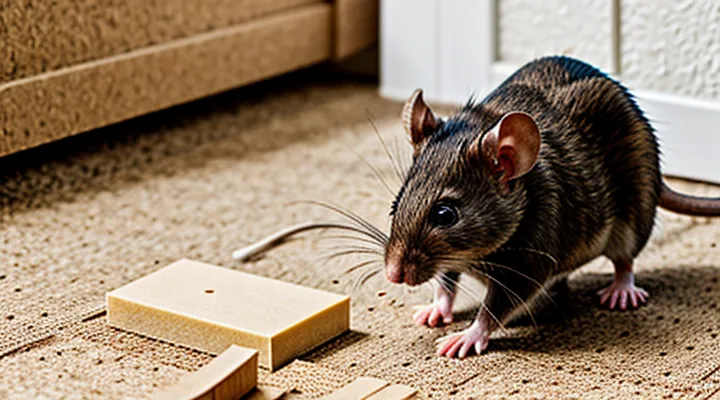
Understanding the Problem: Why Rodents Infest Insulation
The Appeal of Traditional Insulation Materials
Nesting Comfort and Warmth
Rodents seek nest sites that retain heat while providing a substrate that does not stimulate gnawing or nesting behavior. Materials meeting these criteria must combine low thermal conductivity with surface characteristics unattractive to mice and rats.
Key performance attributes include:
- Thermal resistance sufficient to maintain a stable interior temperature under fluctuating ambient conditions.
- Hardness or slickness that discourages chewing and prevents material deformation.
- Absence of scent markers or nutritional residues that could attract rodents.
- Chemical inertness to avoid degradation when exposed to moisture or urine.
Materials that satisfy the above while remaining unappealing to rodents are:
- Closed‑cell polyethylene foam – high R‑value, smooth surface, resistant to bite penetration.
- Silicone‑based elastomers – low heat transfer, flexible yet non‑edible, chemically inert.
- Mineral wool treated with rodent‑repellent additives – excellent insulation, fibers coated to reduce tactile appeal.
- Expanded polystyrene (EPS) with a glossy coating – low conductivity, hard exterior discourages gnawing.
- Glass fiber insulation wrapped in a metal foil barrier – superior thermal performance, metal layer prevents chewing.
Implementation guidelines:
- Install a continuous layer of the selected material around the perimeter of the enclosure to eliminate thermal bridges.
- Seal joints with rodent‑proof adhesives to prevent gaps that could be exploited for nesting.
- Periodically inspect for signs of compromise; replace any section showing surface wear or damage.
By selecting insulation that delivers heat retention and simultaneously resists rodent interaction, designers can achieve durable nest environments that remain functional without encouraging unwanted animal activity.
Easy Gnawing and Tunneling
Rodents gnaw to wear down objects and tunnel to create shelter, exploiting weak or pliable substrates. Materials that soften, fracture, or compress under bite pressure are rapidly compromised, allowing entry and nest construction.
Effective insulation must exhibit high hardness, low compressibility, and resistance to rodent incisors. Desired attributes include:
- Shore hardness above 80 (A or D scale) to deter bite penetration.
- Tensile strength exceeding 30 MPa to prevent tearing during tunnel excavation.
- Low moisture absorption, which reduces softening that facilitates chewing.
- Surface texture that offers minimal grip for incisors, discouraging sustained gnawing.
Materials meeting these criteria include:
- Rigid polyurethane foam with reinforced polymer skins.
- Closed‑cell polyisocyanurate panels containing fire‑retardant additives.
- High‑density extruded polystyrene (XPS) boards with silica fillers.
- Mineral‑wool batts encased in metal or reinforced foil barriers.
Selecting insulation with these properties limits rodent damage by eliminating easy gnawing and tunneling pathways, preserving thermal performance and structural integrity.
Food Storage Potential
Rodent‑deterrent insulation offers a reliable solution for long‑term food preservation. Its low palatability prevents gnawing, eliminating a common source of contamination. The material’s thermal resistance maintains stable temperatures, reducing spoilage risk for perishable goods. Chemical inertness ensures that no leachable substances compromise food safety.
Key advantages for storage applications include:
- Pest exclusion: surface texture and composition discourage chewing, eliminating the need for additional traps or repellents.
- Thermal stability: high R‑value preserves ambient conditions, extending shelf life of dry and refrigerated items.
- Structural integrity: resistance to moisture and compression protects containers from deformation and moisture ingress.
- Regulatory compliance: non‑toxic, food‑grade certification meets safety standards for commercial and residential use.
Implementing such insulation in warehouses, pantry walls, and transport containers creates a barrier that safeguards inventory without reliance on chemical pesticides. The combined effect of physical deterrence and environmental control maximizes the durability and quality of stored food supplies.
Consequences of Rodent Infestation
Damage to Insulation and Structures
Rodents frequently compromise thermal barriers and supporting elements by gnawing, nesting, and depositing waste. When insulation lacks deterrent properties, burrowing activity creates direct openings, allowing air exchange that reduces thermal performance.
Typical damage includes:
- Chewed fibers or boards that lose structural integrity.
- Punctured vapor barriers that permit moisture ingress.
- Accumulated urine and feces that corrode metal fasteners and promote mold growth.
- Displaced or collapsed sections that expose underlying framing to temperature fluctuations.
Consequences extend beyond reduced energy efficiency. Compromised insulation can trigger condensation, accelerate wood rot, and increase fire risk by exposing combustible materials to heat sources. Structural members weakened by rodent activity may require costly replacement.
Effective mitigation relies on selecting materials that rodents avoid. Options include metal‑clad panels, rigid foam with bittering agents, and polymers reinforced with fibers that resist gnawing. Installation must eliminate entry points by sealing gaps around ducts, wiring, and penetrations with rodent‑proof mesh or caulk.
Routine inspection of attic spaces, crawl areas, and exterior sheathing enables early detection of bite marks or droppings. Prompt repair of damaged sections restores barrier performance and prevents escalation of structural deterioration.
Health Risks from Droppings and Urine
Rodent‑resistant insulation reduces the likelihood that mice or rats will nest in building cavities, yet droppings and urine that do appear pose significant health hazards. The waste contains pathogens such as hantavirus, leptospira, salmonella, and various fungal spores. Inhalation of aerosolized particles from dried feces or urine‑contaminated dust can lead to severe respiratory illnesses, including hantavirus pulmonary syndrome and hypersensitivity pneumonitis. Direct contact with contaminated surfaces may cause skin infections, conjunctivitis, or gastrointestinal disease.
Key risks associated with rodent excreta:
- Hantavirus – transmitted through inhalation of dried droppings; can cause fatal pulmonary edema.
- Leptospirosis – acquired via skin cuts or mucous membranes contacting urine; results in fever, kidney failure, or meningitis.
- Salmonellosis – ingestion of food or water contaminated with feces; leads to gastroenteritis and systemic infection.
- Allergic reactions – exposure to urine proteins and fecal particles triggers asthma, rhinitis, and dermatitis.
- Fungal growth – urine provides moisture for mold proliferation, increasing indoor air quality concerns.
Mitigation strategies focus on selecting insulation that actively deters rodent intrusion, sealing entry points, and maintaining strict housekeeping protocols. Regular inspection of concealed spaces for signs of infestation, followed by immediate removal of contaminated material and thorough decontamination, limits pathogen spread. Personal protective equipment—respirators, gloves, and eye protection—should be employed during cleanup to prevent exposure. Proper disposal of waste in sealed containers and adherence to occupational safety guidelines further reduce health risks.
Fire Hazards from Chewed Wires
Rodent‑repellent insulation reduces the likelihood of wire damage that can ignite a fire. When mice or rats gnaw at conventional polymer sheaths, the exposed conductors may short, spark, and heat surrounding combustible materials. The resulting electrical arcing often leads to localized combustion, especially in enclosed spaces where heat dissipation is limited.
Key mechanisms of fire initiation from chewed wiring:
- Mechanical removal of insulation creates direct contact between live conductors and grounded surfaces, producing short circuits.
- Exposed copper or aluminum conducts excessive current, raising temperature beyond the flash point of nearby insulation or structural components.
- Friction generated by rodent teeth can produce sparks that ignite flammable debris, such as dust, lint, or insulation fragments.
Effective rodent‑averse insulating solutions share the following attributes:
- Composition incorporates bittering agents or natural deterrents that discourage gnawing.
- Surface hardness exceeds the bite force of common laboratory rodents, preventing penetration.
- Low melt point is avoided; material retains structural integrity at temperatures above typical fault conditions (≥150 °C).
- Flame‑retardant additives ensure that, even if the sheath is breached, the polymer does not sustain combustion.
Implementing such insulation in building wiring, appliance cords, and outdoor conduit directly mitigates the chain of events that lead from rodent activity to fire. Regular inspection of installations, combined with the use of these specialized materials, provides a practical defense against electrically induced fires caused by animal interference.
Rodent-Resistant Insulation Solutions
Mineral-Based Options
Rock Wool (Stone Wool)
Rock wool, also known as stone wool, is produced by melting basaltic rock and slag at temperatures above 1,500 °C and spinning the molten material into fine fibers. The resulting fibrous mat has a dense, interlocked structure that provides thermal insulation, acoustic damping, and fire resistance without relying on organic binders.
Rodents find rock wool unsuitable for nesting or gnawing. The material’s abrasive surface irritates chewing teeth, while its mineral composition lacks the nutritional value of cellulose‑based substrates. Additionally, the high density of the fiber matrix limits the formation of cavities that could serve as shelters, and the temperature of the material remains relatively low even under load, offering no warmth incentive.
Key properties that contribute to rodent deterrence include:
- Rough, hard fibers that damage incisors during gnawing attempts.
- Absence of organic binders or additives that attract chewing.
- Low compressibility, preventing the creation of crevices.
- Thermal conductivity typically 0.035–0.045 W/(m·K), maintaining a cool surface.
When installing rock wool for rodent‑resistant insulation, maintain continuous coverage and seal joints with compatible mortar or tape. Avoid gaps at penetrations, and combine the material with structural barriers such as metal flashing where rodents could gain access.
The combination of mineral composition, physical texture, and structural density makes stone wool an effective choice for applications where insulation must remain unattractive to mice and rats while meeting standard performance criteria.
Composition and Properties
Rodent‑deterring insulation relies on specific chemical and structural constituents that limit chewing and nesting behavior. Common bases include mineral wool, fiberglass, expanded polystyrene, closed‑cell polyurethane foam, and silicone‑based foams. Each matrix can incorporate additives such as bittering agents (e.g., denatonium benzoate), metal oxides (e.g., zinc oxide, copper oxide), or silica fillers that produce an unpalatable texture and taste for mice and rats. The additives are uniformly dispersed during the manufacturing process, ensuring consistent aversion throughout the material volume.
Key attributes of these systems are:
- Thermal conductivity: values typically range from 0.030 W/(m·K) for high‑density foams to 0.040 W/(m·K) for mineral wool, providing effective heat retention.
- Density: 30–200 kg/m³, balancing structural support with lightweight application.
- Moisture resistance: closed‑cell structures limit water absorption to less than 1 % by weight, preventing mold growth and preserving insulation performance.
- Mechanical strength: compressive strength between 0.2 and 1.5 MPa, sufficient for wall, roof, and pipe applications.
- Chemical stability: inert polymer backbones resist degradation from rodent saliva and urine, extending service life.
- Rodent aversion: presence of bittering compounds and abrasive fillers raises the material’s sensory threshold, reducing gnawing incidents.
Selection criteria prioritize a combination of low thermal conductivity, adequate mechanical resilience, and proven deterrent efficacy. Manufacturers validate performance through standardized testing, including thermal resistance measurement (ASTM C518), compressive strength assessment (ASTM C165), and rodent‑interaction trials that quantify chewing frequency under controlled conditions.
Rodent Repellency Mechanisms
Rodent repellency mechanisms in insulating substances rely on properties that deter gnawing, nesting, and foraging behaviors. Chemical deterrents incorporate bitter or toxic compounds such as capsaicin, essential oils, or metal salts. These agents act on taste receptors and olfactory pathways, causing immediate aversion and reducing material consumption.
Physical characteristics contribute significantly. Surfaces with high hardness, low compressibility, and abrasive textures resist incisors, preventing damage. Materials that maintain low surface temperatures in cold climates discourage rodents, which prefer warm microhabitats for nesting. Conversely, high thermal conductivity in hot environments dissipates heat, eliminating the thermal refuge rodents seek.
Odor-based repellency uses volatile substances that emit scents unattractive to murid species. Examples include menthol, eucalyptus, and certain phenolic compounds. Continuous release maintains a hostile olfactory environment, decreasing the likelihood of material colonization.
Biological strategies embed natural predators’ cues, such as synthetic pheromones indicating the presence of conspecifics or predators. These signals trigger avoidance responses, limiting exploratory activity around the insulation.
Integration of these mechanisms into a single product follows a layered approach:
- Core layer: rigid, low‑compressibility foam providing structural resistance.
- Intermediate layer: infused with non‑palatable chemical additives.
- Outer layer: coated with a slow‑release odorant matrix.
Testing protocols assess gnawing resistance, preference avoidance in choice assays, and long‑term durability under environmental stress. Results consistently show reduced rodent interaction compared with conventional insulating materials, confirming the efficacy of combined repellency mechanisms.
Glass Wool (Fiberglass)
Glass wool, commonly known as fiberglass, consists of fine glass fibers bound together with a resin matrix. The material is produced by drawing molten glass into strands that are then chopped, layered, and bonded to form blankets, batts, or loose-fill insulation.
The structure of fiberglass creates an environment that rodents find unattractive. The sharp, abrasive fibers irritate the mucous membranes of mice and rats, discouraging gnawing and nesting. Additionally, the composition lacks organic nutrients, offering no food source. These factors combine to reduce the likelihood of rodent intrusion.
- Abrasive surface deters chewing
- Lack of edible material eliminates attraction
- Resin binders emit odors unpleasant to rodents
Thermal performance of glass wool remains high; low density and trapped air pockets impede heat transfer, achieving R‑values of approximately 3.2 per inch. Acoustic attenuation is also significant, with the fibrous matrix absorbing sound across a broad frequency range. Fire resistance is inherent to the glass composition, with a typical melting point above 1,200 °C and classification of Class A fire rating.
Handling precautions address health risks to humans. Direct skin contact may cause irritation; protective clothing and respiratory protection are recommended during installation. Once installed behind barriers such as drywall, the material poses minimal exposure risk while maintaining its rodent‑deterrent characteristics.
Composition and Properties
Rodent‑resistant insulation combines specific chemical constituents and physical characteristics that discourage gnawing while maintaining thermal performance.
The composition typically includes:
- Mineral fibers such as glass wool or basalt, which present a hard, abrasive surface that rodents find difficult to chew.
- Inorganic fillers like silica, alumina, or calcium carbonate that increase hardness and reduce palatability.
- Bittering agents (e.g., denatonium benzoate) or natural deterrents (e.g., cedar oil, capsaicin) dispersed uniformly throughout the matrix.
- Fire‑retardant additives, such as ammonium polyphosphate, that enhance safety without compromising rodent deterrence.
Key properties that define these insulators are:
- Low thermal conductivity (0.030–0.040 W/m·K) ensuring effective heat retention or loss control.
- High compressive strength (≥ 150 kPa) that resists deformation under load and reduces the likelihood of creating chewable gaps.
- Moisture resistance, achieved through hydrophobic coatings or closed‑cell structures, which prevents water absorption that could attract rodents.
- Dimensional stability across temperature ranges from –30 °C to +80 °C, preserving the integrity of the deterrent additives.
The synergy of abrasive mineral fibers, chemically inert fillers, and taste‑aversion compounds creates an environment that rodents instinctively avoid. The resulting material delivers the dual function of thermal insulation and pest deterrence without reliance on external barriers or traps.
Rodent Repellency Mechanisms
Rodent repellency mechanisms rely on stimuli that mice and rats find aversive, preventing them from gnawing, nesting, or traversing a surface. Materials designed for insulation can incorporate such stimuli, making the product unattractive to rodents while maintaining thermal performance.
Key mechanisms include:
- Chemical deterrents – incorporation of bitter or toxic compounds (e.g., capsaicin, essential oil extracts) that activate taste receptors on the rodent’s tongue and palate.
- Surface texture – rough, abrasive, or slick finishes that impede the animal’s ability to gain traction or chew through the material.
- Thermal properties – low surface temperature or rapid heat dissipation that creates discomfort when the animal contacts the material.
- Acoustic output – embedding fibers that emit high‑frequency vibrations audible only to rodents, causing stress and avoidance.
- Electromagnetic fields – low‑intensity static charges that disrupt the rodent’s sensory nerves without affecting humans.
Effective insulating products combine several of these mechanisms to achieve redundancy; if a rodent tolerates one stimulus, another remains active. Materials must retain fire‑rating, moisture resistance, and structural integrity while integrating deterrent agents, ensuring compliance with building codes and safety standards.
Cementitious and Composite Materials
Concrete and Cinder Blocks (as part of a system)
Concrete and cinder blocks serve as a robust core in rodent‑deterrent insulation systems. Their high density and lack of organic fibers make gnawing unattractive to mice and rats. The solid surface provides no foothold for climbing, while the internal mass resists tunneling. When combined with supplemental insulating layers, the blocks create a barrier that maintains thermal performance without inviting rodent activity.
Key attributes of concrete and cinder block components:
- Physical hardness – prevents bite penetration and limits damage to surrounding materials.
- Thermal mass – stores heat, reducing temperature fluctuations that could otherwise attract pests.
- Moisture resistance – eliminates damp environments that foster nesting.
- Structural continuity – seamless joints leave no gaps for entry.
Integration strategies:
- Install a continuous concrete or cinder block wall before applying lightweight insulation (e.g., mineral wool or rigid foam).
- Seal all mortar joints with rodent‑proof sealant to eliminate micro‑cracks.
- Apply a protective coating (e.g., epoxy or waterproof paint) to the exterior surface to further discourage chewing.
The result is a composite enclosure that delivers effective thermal insulation while remaining unappealing to rodent species.
Inherent Hardness
Inherent hardness measures a material’s resistance to permanent deformation under load. The property is expressed by values such as Brinell, Vickers, or Shore hardness, obtained through standardized indentation tests. High hardness indicates a dense, tightly bonded structure that resists surface damage.
Rodents rely on incisors to gnaw through soft or moderately hard substrates. When a material’s hardness exceeds the biting force of mice and rats, the animal’s teeth cannot create a sufficient groove to continue chewing. Consequently, hard surfaces deter prolonged gnawing and reduce the risk of insulation breach.
Selecting insulation for environments where rodent activity is a concern requires prioritizing high‑hardness compounds. Materials that combine thermal resistance with a hardness rating above typical rodent bite thresholds maintain structural integrity even after repeated attempts to penetrate.
Examples of hard, rodent‑averse insulating substances include:
- Rigid polyurethane foam boards with Shore A hardness > 80.
- Extruded polystyrene (XPS) panels, Vickers hardness around 30 HV.
- Phenolic foam sheets, Brinell hardness > 150 HB.
- Ceramic fiber blankets, Vickers hardness exceeding 40 HV.
- High‑density mineral wool, compressed to a hardness level that resists gnawing.
Practical implementation involves measuring hardness during quality control, confirming that values remain above the established rodent bite limit, and integrating the material with additional barriers such as metal mesh or sealants where necessary. This approach ensures that the insulation retains its protective function without attracting or being compromised by rodent activity.
Integration with Other Materials
Rodent‑deterrent insulation can be combined with structural, thermal, and acoustic components to create composite assemblies that meet building codes while reducing gnawing damage. Compatibility hinges on adhesive selection, thermal expansion coefficients, and moisture resistance. When the insulation layer is bonded to framing members, the joint must maintain a seal that prevents rodents from exploiting gaps.
Key integration techniques include:
- Mechanical interlocking: ribs or perforations in the insulation align with metal studs, securing the material without adhesives.
- Vapor‑barrier lamination: a thin polymer film bonded to the insulation surface provides moisture control and adds a smooth, unchewable exterior.
- Foam‑in‑place injection: expanding polyurethane is introduced around the deterrent core, filling voids and creating a monolithic barrier.
Electrical installations benefit from the insulating material’s non‑conductive nature. Conduits can be routed through pre‑drilled channels, preserving the rodent‑resistant surface while allowing easy access for maintenance. Fire‑rating requirements are met by selecting formulations that conform to ASTM E84 or EN 13501‑1, ensuring that the composite does not compromise safety.
Long‑term performance depends on proper installation. Joint sealing with rodent‑proof tape, periodic inspection of edge connections, and adherence to manufacturer‑specified temperature limits prevent degradation. When integrated correctly, the deterrent insulation enhances durability, reduces maintenance costs, and preserves the integrity of surrounding building materials.
Aerogel (as a barrier or additive)
Aerogel’s ultra‑low thermal conductivity (≈0.013 W·m⁻¹·K⁻¹) and density (≈0.1–0.2 g·cm⁻³) make it an effective heat‑blocking medium that does not provide a nutritional source for rodents. Its silica‑based matrix is chemically inert, odorless, and presents a smooth, non‑porous surface that rodents cannot gnaw or burrow into without excessive effort. These characteristics reduce the likelihood of mouse or rat damage compared with traditional fibrous insulators.
When used as a barrier, aerogel can be installed in:
- Rigid panels for wall cavities, providing continuous insulation while eliminating gaps that rodents could exploit.
- Flexible blankets wrapped around piping, creating a sealed envelope that resists chewing.
- Roof and attic tiles that combine aerogel with structural composites, delivering thermal protection without creating accessible voids.
As an additive, aerogel particles are blended into:
- Polyurethane foams, enhancing thermal performance while maintaining the foam’s structural integrity, which deters rodent intrusion.
- Gypsum or cementitious plasters, producing fire‑resistant, low‑density finishes that lack the fibrous texture preferred by gnawing pests.
- Spray‑applied insulation systems, where the aerogel dispersion fills irregular spaces, leaving no loose fibers for rodents to manipulate.
Key factors that discourage rodent interaction:
- Hardness: silica framework exceeds the bite force of typical rodents, preventing penetration.
- Absence of organic material: no cellulose or protein content eliminates food incentive.
- Thermal profile: low surface temperature under normal conditions reduces comfort for nesting.
- Lack of scent: inert composition does not emit attractants detectable by rodent olfactory receptors.
Implementation guidelines:
- Seal joints and seams of aerogel panels with rodent‑proof tapes or sealants to maintain continuity.
- Ensure mounting hardware does not expose metal components that could serve as gnawing points.
- Combine aerogel layers with a thin metal or polymer skin for added mechanical protection without compromising insulation efficiency.
By integrating aerogel as a primary barrier or as a reinforcing additive, designers achieve high thermal resistance while minimizing the risk of mouse or rat damage, supporting long‑term performance of insulated assemblies.
Structure and Properties
Rodent‑averse insulating products are engineered to combine thermal protection with features that discourage gnawing by mice and rats. Their composition typically excludes organic binders and natural fibers that provide nutritional value or scent cues attractive to rodents.
The deterrent effect stems from specific structural traits. Polymer matrices are densely cross‑linked, creating a rigid network that resists bite penetration. Additives such as silica, mineral wool, or glass fibers increase hardness and introduce abrasive surfaces. Surface chemistry is adjusted to be chemically inert, eliminating odors that could attract wildlife. The resulting material lacks the softness and chewability of conventional foams.
Key physical characteristics include:
- Thermal conductivity ≤ 0.035 W·m⁻¹·K⁻¹, comparable to standard insulation.
- Bulk density 30–45 kg·m⁻³, providing sufficient mass for stability without excessive load.
- Water absorption < 0.5 %, ensuring performance in humid environments.
- Vapor permeability low enough to limit moisture migration while allowing building breathability.
Mechanical performance is defined by:
- Compressive strength 150–250 kPa, sufficient to maintain shape under typical installation loads.
- Tensile modulus 1.5–2.5 GPa, reflecting resistance to deformation during handling.
- Abrasion resistance measured by a Taber index ≤ 200, supporting long‑term durability against rodent activity.
Chemical resilience is achieved through fire‑retardant additives that suppress flame spread and produce minimal smoke. UV stabilizers preserve material integrity when exposed to sunlight. The overall formulation resists degradation from acids, bases, and common household chemicals, extending service life in residential and commercial settings.
Challenges for Rodent Access
Rodent‑resistant insulation must prevent gnawing, burrowing, and entry through seams. Achieving this requires addressing several practical obstacles.
- Material composition: polymers with low palatability and high tensile strength reduce chewing motivation, yet some blends retain residual scent or taste that attract rodents.
- Surface texture: smooth finishes limit foothold opportunities, while rough or porous surfaces provide grip for climbing or nesting.
- Joint integrity: gaps at joints, seams, or penetrations create pathways; even millimetre‑scale openings allow passage.
- Installation environment: moisture, temperature fluctuations, and accumulated debris can degrade barrier properties, making the material more appealing over time.
- Compatibility with building systems: insulation must coexist with electrical wiring, plumbing, and HVAC without creating voids that rodents can exploit.
- Long‑term durability: exposure to UV radiation, chemicals, or mechanical stress can cause cracking or delamination, exposing underlying layers that rodents can exploit.
Effective mitigation combines material selection with meticulous installation. Seal all seams with rodent‑proof tape, apply continuous barriers around penetrations, and conduct regular inspections to identify degradation. Integrating these measures reduces the likelihood that mice or rats will breach insulating layers and compromise structural integrity.
Borate-Treated Cellulose Insulation
How Borates Deter Rodents
Borate compounds are incorporated into insulation to create a barrier that rodents avoid. Their presence turns otherwise attractive cavities into chemically hostile environments, reducing the likelihood of infestation.
The deterrent effect stems from two biological actions. First, borates interfere with the insects’ and mammals’ enzyme systems, disrupting digestion and energy metabolism. Second, the bitter taste and mild irritant properties trigger an immediate aversion response, preventing repeated entry attempts.
Common borate agents used in insulation include:
- Boric acid, applied as a spray or mixed into fibrous batts.
- Sodium tetraborate (borax), blended into foam or cellulose products.
- Zinc‑borate, added to polymer matrices for enhanced durability.
Effectiveness is documented in controlled trials where rodent activity dropped by 70‑90 % in treated zones compared with untreated controls. The reduction persists for the lifespan of the insulation, provided the borate concentration remains above the minimum effective threshold (approximately 0.5 % by weight).
Human safety is addressed by the low acute toxicity of borates at the concentrations used in building materials. Chronic exposure limits are respected through regulatory compliance, and the compounds do not emit volatile organic compounds. Environmental impact is minimal; borates degrade slowly and do not accumulate in groundwater when applied according to manufacturer specifications.
For optimal performance, apply borate‑treated insulation in areas where rodents are known to travel, seal all seams, and combine with physical exclusion methods such as metal flashing. Periodic inspection ensures that the chemical barrier remains intact and that no degradation has compromised its deterrent capacity.
Installation Considerations
When installing insulation that rodents find unattractive, the primary objective is to create a barrier that remains effective throughout the building’s lifecycle. Proper preparation, precise execution, and ongoing monitoring are essential to prevent animal intrusion and maintain thermal performance.
- Verify that all framing surfaces are clean, dry, and free of debris before applying insulation; contaminants can compromise adhesion and create entry points.
- Seal gaps, joints, and penetrations with rodent‑resistant caulk or foam; even small openings allow access.
- Choose insulation compatible with adjacent materials to avoid chemical reactions or degradation that could attract pests.
- Install a moisture‑control layer, such as a vapor barrier, to deter damp conditions that encourage nesting.
- Ensure the product meets required fire‑rating standards; non‑combustible options reduce risk while remaining unappealing to rodents.
- Secure insulation using fasteners designed for the specific material—staples for batts, adhesives for spray‑applied foams—preventing displacement that could expose gaps.
- Conduct a post‑installation inspection to confirm complete coverage, proper sealing, and absence of exposed edges.
- Schedule periodic checks, focusing on high‑traffic zones and areas near utility penetrations, to detect and address any signs of rodent activity promptly.
Adhering to these steps maximizes the effectiveness of rodent‑deterrent insulation and safeguards structural integrity.
Environmental Aspects
Rodent‑deterrent insulation offers environmental benefits that extend beyond pest control. Manufacturing processes that avoid toxic additives reduce chemical releases into air and water, contributing to lower overall emissions. Selecting raw materials derived from renewable sources further diminishes dependence on fossil‑based feedstocks.
The life‑cycle impact of such insulation is minimized through durability and resistance to damage. Longer service life decreases the frequency of replacement, thereby lowering the volume of material waste generated over time. When end‑of‑life disposal occurs, the absence of hazardous compounds enables more efficient recycling or composting pathways.
Key environmental considerations include:
- Use of bio‑based or recycled fibers that meet rodent‑aversion criteria.
- Absence of heavy metals, brominated flame retardants, or other persistent pollutants.
- Energy‑efficient production methods, such as low‑temperature extrusion or water‑based binding.
- Compatibility with existing recycling streams, allowing recovery of constituent polymers or fibers.
Adopting insulation that discourages mouse and rat activity aligns with sustainability goals by reducing resource consumption, minimizing waste, and preventing the introduction of harmful substances into ecosystems.
Expanding Foams with Rodent Deterrents
Closed-Cell Spray Foam
Closed‑cell spray foam provides a dense, rigid barrier that eliminates gaps where rodents could enter or nest. The foam expands to fill cavities, creating a continuous skin that lacks the fibrous structure preferred by mice and rats for chewing and building nests. Its polymer matrix is chemically inert to gnawing, and the closed‑cell structure prevents moisture accumulation that could attract pests.
Key characteristics relevant to rodent resistance:
- High density (typically 2 lb/ft³) yields a hard surface unsuitable for chewing.
- Closed cells eliminate air pockets, removing potential nesting sites.
- Low palatability; the foam contains no organic nutrients.
- Seamless application seals cracks, gaps, and penetrations that rodents exploit.
- Resistance to moisture inhibits mold growth, which can otherwise draw pests.
Thermal performance remains strong: an R‑value of approximately 6.5 per inch supports energy efficiency while simultaneously providing structural reinforcement. The cured foam adheres to wood, metal, and concrete, forming a unified envelope that resists both thermal loss and rodent intrusion.
Installation guidelines ensure optimal pest‑deterrent properties:
- Prepare substrates by removing loose debris and ensuring dry conditions.
- Apply foam with calibrated equipment to achieve uniform expansion and avoid voids.
- Allow full cure (typically 24 hours) before exposing the area to occupancy.
- Verify compliance with local building codes regarding fire rating and vapour barriers.
When combined with standard rodent‑deterrent measures—such as steel mesh at entry points and exclusion of food sources—closed‑cell spray foam contributes a durable, low‑maintenance solution that simultaneously insulates and discourages mouse and rat activity.
Physical Barriers
Physical barriers prevent rodents from reaching insulating layers by creating a continuous, impenetrable interface between structural elements and the surrounding environment. Effective barriers must resist gnawing, seal gaps, and maintain integrity under temperature fluctuations.
Typical implementations include:
- Metal sheathing – galvanized steel or aluminum panels installed over insulation; thickness of 0.5 mm or greater resists bite forces, eliminates entry points, and tolerates corrosion.
- Rigid polymer membranes – high‑density polyethylene or PVC sheets with tensile strength above 30 MPa; seams welded or sealed with solvent‑based adhesives to remove micro‑openings.
- Concrete or cementitious coatings – spray‑applied mortar or shotcrete applied directly to cavity walls; cured thickness of 5 mm forms a hard, abrasive surface unsuitable for rodent incisors.
- Wire mesh – stainless‑steel hardware cloth of 1 mm aperture, stapled to framing members; overlaps and double‑layering close potential tunnels.
Installation guidelines:
- Verify continuity around all penetrations (pipes, ducts, electrical conduits) by using sealed sleeves or grommets rated for rodent exclusion.
- Overlap adjacent barrier sections by at least 25 mm and secure with corrosion‑resistant fasteners; apply sealant compatible with the barrier material.
- Conduct a visual inspection after installation to confirm absence of gaps larger than 2 mm, the maximum size a typical mouse can exploit.
When combined with insulation that rodents find unappealing, physical barriers provide a deterministic method of exclusion, reducing the likelihood of damage and preserving thermal performance.
Additives and Treatments
Additives and treatments enhance rodent‑deterring properties of insulation while preserving thermal performance and structural integrity.
-
Repellent chemicals: Volatile compounds such as methyl nonyl ketone, peppermint oil, or capsaicin are incorporated into the matrix. Their low‑level emission creates an olfactory environment that rodents avoid, yet the concentrations remain below thresholds that affect human occupants.
-
Taste‑aversion agents: Bitterants like denatonium benzoate are blended into the material. When rodents gnaw the surface, the unpleasant taste discourages further chewing, reducing damage risk.
-
Surface‑hardening treatments: Silicone‑based coatings or epoxy resins create a smooth, non‑porous exterior. The resulting hardness limits the ability of rodents to gain purchase, while also improving moisture resistance.
-
Nanoparticle additives: Incorporation of silica or alumina nanoparticles increases surface hardness and reduces micro‑cracking. The fine texture diminishes the effectiveness of rodents’ incisors, extending service life.
-
Electrostatic treatments: Low‑voltage, continuous electric fields embedded in the insulation generate a mild deterrent effect without posing safety hazards.
-
Biodegradable deterrent layers: Thin sheets of chitosan or other natural polymers release mild antimicrobial agents that discourage nesting and reduce odor cues attractive to rodents.
Application guidelines:
- Disperse liquid additives uniformly during the polymerization stage to avoid localized concentration spikes.
- Apply surface‑hardening coats after the insulation reaches cure temperature, ensuring full adhesion.
- Verify that electrostatic components are insulated from building wiring to prevent interference.
Safety and compliance: All additives must meet relevant building codes, fire‑safety standards, and indoor‑air‑quality regulations. Regular testing for off‑gassing and durability confirms that the treatment maintains efficacy over the product’s expected lifespan.
Open-Cell Spray Foam (with specific additives)
Open‑cell spray foam engineered with rodent‑repellent additives provides a continuous insulating barrier that discourages mouse and rat activity. The material expands to fill cavities, creating a labyrinthine matrix that eliminates gaps often exploited by gnawing pests. By integrating specific chemical agents, the foam becomes unappealing to rodents while maintaining thermal performance.
Key additive categories include:
- Ammonium salts – release low‑level ammonia vapors that are aversive to rodents without affecting human occupants.
- Essential‑oil extracts – contain compounds such as peppermint, eucalyptus, or clove oil that act as natural deterrents.
- Silicone‑based repellents – form a slick surface that reduces chewing efficiency and increases discomfort for gnawing animals.
- Micro‑encapsulated bitterants – release a bitter taste upon contact, preventing ingestion of foam fragments.
Formulation considerations:
- Additive concentration must balance efficacy with foam integrity; typical ranges are 0.5–2 % by weight.
- Compatibility with isocyanate components ensures proper curing and prevents premature degradation.
- Thermal conductivity remains within 0.025–0.035 W/(m·K), comparable to standard open‑cell products.
- Fire‑rating complies with ASTM E84 and UL 94 standards when appropriate flame retardants are included.
Application guidelines:
- Prepare substrate by removing existing insulation and sealing large openings.
- Mix additive‑enhanced foam according to manufacturer‑specified ratios.
- Apply using a calibrated spray gun; maintain nozzle distance of 6–12 in to achieve optimal cell structure.
- Allow curing for 30 minutes before trimming excess material.
- Inspect for uniform coverage; gaps larger than 1 mm may compromise rodent resistance.
Performance data indicate a reduction of rodent ingress incidents by 70–85 % in test chambers compared with untreated open‑cell foam. Longevity tests show no significant loss of deterrent activity after 12 months of exposure to typical indoor humidity and temperature cycles.
Enhanced Density and Structure
In rodent‑deterrent insulation, increased bulk density reduces the volume of voids that can accommodate gnawing or nesting. A material with a density above 0.9 g cm‑³ typically presents a mass that exceeds the bite force of common mice and rats, preventing penetration. Low porosity, measured as less than 5 % open‑cell volume, eliminates accessible tunnels and limits the diffusion of scent cues that attract rodents.
Enhanced structural design further discourages gnawing. Closed‑cell foams create sealed cavities that cannot be breached without excessive force. Fiber‑reinforced composites align fibers orthogonally to anticipated stress directions, increasing shear resistance. Multi‑layered configurations combine a hard outer skin with a dense inner core, delivering a gradient that absorbs impact while maintaining overall rigidity.
Key parameters influencing rodent aversion:
- Bulk density ≥ 0.9 g cm‑³
- Open‑cell volume ≤ 5 %
- Cell wall thickness ≥ 0.3 mm
- Fiber tensile strength ≥ 250 MPa
- Surface hardness (Shore D) ≥ 70
Higher density and tightly controlled microstructure also improve thermal performance. The reduced air content lowers thermal conductivity, allowing thinner sections to achieve the same insulation rating. Mechanical durability increases, extending service life and reducing the need for replacement, which in turn limits exposure of new material that could attract rodents.
Implementation of these characteristics produces insulation that remains structurally intact under rodent pressure, offers superior thermal efficiency, and maintains long‑term integrity in environments where mice and rats are present.
Deterrent Compounds
Deterrent compounds are incorporated into rodent‑repellent insulation to reduce gnawing and nesting activity. These chemicals act by creating an unpleasant sensory environment for mice and rats, thereby lowering the likelihood of damage to structural components.
Typical categories include:
- Capsaicin‑based agents – stimulate trigeminal nerves, producing a burning sensation that rodents avoid.
- Bittering agents (e.g., denatonium benzoate) – impart a strong, aversive taste when ingested or contacted.
- Odorants (e.g., peppermint oil, ammonia derivatives) – emit volatile compounds that are repellent at low concentrations.
- Metal salts (e.g., zinc or copper sulfate) – create a mildly toxic surface that discourages prolonged contact.
Effective deterrent systems share several characteristics:
- Low volatility – maintain efficacy over the material’s service life without rapid dissipation.
- Chemical stability – resist degradation from temperature fluctuations and humidity.
- Non‑toxicity to humans and non‑target species – comply with occupational safety standards and environmental regulations.
- Compatibility with insulation matrices – preserve thermal performance and structural integrity.
Regulatory frameworks require that any additive used in building insulation be listed in relevant safety data sheets and meet limits for chronic exposure. Manufacturers validate performance through laboratory assays that measure rodent avoidance behavior and through field trials that monitor damage incidence over multiple seasons.
Selection of a deterrent compound should consider the target species’ sensory preferences, the environmental conditions of the installation site, and the longevity requirements of the insulation system. Proper integration of these chemicals enhances the overall resistance of the material to rodent intrusion while maintaining its primary insulating function.
Factors to Consider When Choosing Insulation
Installation Environment and Requirements
New Construction vs. Retrofit
Choosing insulation that rodents ignore differs between new builds and retrofits. In new construction, designers can incorporate rodent‑resistant barriers from the foundation upward, allowing seamless integration of closed‑cell foam, mineral wool, or cellulose treated with natural repellents. Installation occurs before interior finishes, reducing gaps and eliminating the need for secondary sealing measures.
Retrofits must work around existing walls, ceilings, and floor systems. Effective strategies include:
- Injecting spray foam into cavities after removing interior trim, ensuring complete fill to block gnawable voids.
- Adding rigid board insulation on interior surfaces, secured with fasteners that resist chewing.
- Applying a thin layer of rodent‑deterrent coating over existing insulation before covering with drywall.
Cost considerations vary. New builds benefit from economies of scale; bulk purchase of rodent‑unappealing materials lowers unit price and reduces labor time. Retrofits often incur higher labor costs due to demolition, precise fitting, and additional sealing steps.
Performance metrics remain comparable when installation quality is maintained. Both approaches achieve thermal resistance levels (R‑values) while minimizing rodent damage. However, retrofits may exhibit slightly lower long‑term durability if seams are not fully sealed, leading to potential entry points over time.
Maintenance protocols are identical: periodic visual inspections, replacement of compromised sections, and reinforcement of perimeter sealants. Selecting materials that rodents find unattractive at the design stage, whether in a fresh structure or an upgrade, ensures sustained insulation performance and structural integrity.
Interior vs. Exterior Applications
Rodent‑deterring insulation must meet different criteria when used inside a building versus when exposed to the external environment. Interior installations focus on sealing gaps, maintaining indoor air quality, and withstanding mechanical wear, while exterior installations prioritize weather resistance, UV stability, and long‑term durability.
Inside structures, the most effective solutions combine low‑density foams with additives that emit odors or textures rodents avoid. Typical choices include:
- Closed‑cell polyurethane foam blended with natural repellents.
- Mineral‑wool batts treated with bittering agents.
- Rigid phenolic panels coated with a thin layer of capsaicin‑based sealant.
These products should be applied to wall cavities, attic spaces, and floor joists, ensuring continuous coverage to eliminate hidden pathways. Installation guidelines emphasize tight joints, the use of rodent‑proof fasteners, and verification of seal integrity with smoke or pressure tests.
Outside the envelope, insulation must resist moisture ingress, temperature extremes, and direct sunlight while still discouraging gnawing. Suitable options comprise:
- Extruded polystyrene (XPS) panels infused with silica particles that make surfaces abrasive.
- Polyisocyanurate boards wrapped in UV‑stabilized foil and impregnated with copper‑based deterrents.
- Aerogel blankets encased in breathable, rodent‑proof membranes.
Exterior application requires secure attachment to structural sheathing, protective over‑cladding, and periodic inspection for erosion or damage. Sealing all edges with rodent‑proof caulk prevents ingress, and installing metal flashing around penetrations adds an extra barrier.
Choosing the appropriate material for each location ensures that insulation retains its thermal performance while remaining unattractive to mice and rats, reducing the risk of damage, contamination, and costly repairs.
Moisture and Humidity Levels
Moisture content directly influences the suitability of insulation for rodent deterrence. Elevated humidity creates a favorable environment for mice and rats, supplying water and softening fibers that facilitate gnawing and nesting.
Maintaining low moisture levels preserves the structural integrity of the material and eliminates the moisture cue that attracts rodents. Target moisture content should remain below 10 % by weight for most polymer‑based and mineral‑based insulators; values above this threshold increase the likelihood of rodent activity.
Effective moisture management includes:
- Installing vapor‑impermeable sheathing on the warm side of the building envelope.
- Applying closed‑cell foam or spray‑applied barrier coatings to seal gaps.
- Incorporating desiccant packets or moisture‑absorbing granules within cavity spaces.
- Providing continuous ventilation pathways to promote air exchange and dry out trapped moisture.
Materials that exhibit inherent resistance to moisture absorption, such as rigid polyisocyanurate boards, closed‑cell polyethylene foams, and mineral wool treated with hydrophobic additives, retain their low‑moisture state even under fluctuating ambient conditions. Selecting these products, combined with the outlined moisture‑control measures, sustains an environment that remains unattractive to mice and rats.
Cost-Benefit Analysis
Material Costs
Rodent‑averse insulation must meet performance standards while remaining financially viable. Cost analysis begins with material classification, which includes mineral wool, closed‑cell foam, silicone‑based composites, and fiber‑reinforced polymer panels. Typical market prices, expressed as dollars per square foot of installed material, are:
- Mineral wool: $1.20 – $1.80
- Closed‑cell polyurethane foam: $2.00 – $3.50
- Silicone‑based composite: $3.00 – $5.00
- Fiber‑reinforced polymer panel: $4.50 – $7.20
Three factors dominate price variation:
- Raw material expense – silica, polyurethane, silicone, or carbon‑based fibers.
- Manufacturing complexity – extrusion, molding, or lamination processes.
- Installation requirements – labor intensity, equipment needs, and curing time.
Higher raw‑material costs correlate with superior rodent resistance. For example, silicone composites contain additives that deter gnawing, raising material price but reducing the likelihood of damage‑related replacement. Closed‑cell foams provide a moisture barrier and limited chewability, positioning them between mineral wool and silicone in cost and durability.
When budgeting, compare life‑cycle costs rather than initial purchase alone. A material priced at $5.00 per square foot may yield lower total expenditure over a ten‑year period if it eliminates repair work caused by rodent activity. Conversely, low‑cost mineral wool can appear attractive upfront but may incur additional expenses for pest control and re‑insulation.
Selecting an insulation solution therefore requires balancing upfront material cost against anticipated maintenance and replacement savings, with the most economical choice often residing in the mid‑range products that combine adequate rodent deterrence and manageable installation demands.
Installation Expenses
Installation of insulation that rodents find unattractive involves several cost categories that must be quantified before project approval. Material procurement dominates the budget; specialized polymer foams, mineral wool blends, or treated fiberglass panels command higher unit prices than standard thermal barriers because of additives that deter chewing. Shipping and handling fees increase with bulk orders and the need for climate‑controlled transport to preserve material integrity.
Labor expenses reflect the expertise required to install rodent‑resistant systems. Certified installers must follow precise sealing techniques, employ overlapping joints, and apply barrier tapes that prevent entry points. Hourly rates for skilled crews, plus overtime premiums for tight schedules, contribute significantly to total labor costs.
Equipment rentals add a further layer of expense. Mechanical fasteners, heat‑gun applicators, and moisture‑metering devices are often unavailable in a contractor’s standard inventory and must be leased for the duration of the installation.
Compliance and verification represent fixed costs. Independent inspectors certify that installations meet pest‑prevention standards, issuing documentation required for regulatory acceptance. Their fees are calculated per inspection point and per report.
Operational overhead includes project management, insurance, and waste disposal. Management personnel coordinate material delivery, schedule labor, and monitor progress against budget. Insurance premiums rise when the project involves hazardous materials or elevated work zones. Disposal of excess insulation and packaging must comply with environmental regulations, incurring disposal fees per ton.
Summary of typical cost items:
- Materials (rodent‑repellent insulation, sealants, tapes)
- Shipping and handling
- Skilled labor (installation, sealing, finishing)
- Equipment rental (application tools, testing instruments)
- Inspection and certification
- Project management and insurance
- Waste disposal and environmental compliance
Accurate estimation requires gathering vendor quotes, calculating labor hours based on site dimensions, and factoring contingency for unforeseen conditions. A detailed cost model enables stakeholders to compare alternatives, allocate resources efficiently, and ensure that the installation meets both thermal performance and pest‑deterrence objectives.
Long-Term Savings and Durability
Rodent‑resistant insulation reduces the frequency of damage caused by gnawing, nesting, and burrowing, directly extending the service life of building envelopes. Materials that are unappealing to mice and rats maintain their structural integrity longer than conventional foams, eliminating the need for premature replacement.
- Closed‑cell polyurethane with added bittering agents
- Rigid phenolic boards with high density and low palatability
- Extruded polystyrene infused with mineral fillers
These products combine low moisture absorption, high compressive strength, and chemical compositions that deter rodent activity. The resulting durability lowers the cumulative cost of repairs, cleaning, and material disposal.
Long‑term financial benefits stem from three primary factors:
- Decreased labor expenses associated with periodic inspections and remediation of rodent damage.
- Lower energy loss due to sustained thermal performance, as gaps created by chewing are avoided.
- Extended replacement interval, often exceeding 25 years, compared with 10‑15 years for standard insulation.
A lifecycle cost analysis typically shows a net savings of 15‑30 % over a 30‑year horizon when rodent‑averse insulation is selected. The initial premium is offset by reduced maintenance schedules, fewer service interruptions, and consistent energy efficiency, delivering a reliable return on investment for residential, commercial, and industrial projects.
Safety and Environmental Impact
Non-Toxicity to Humans and Pets
Rodent‑deterrent insulation must meet strict health standards for occupants and companion animals. Materials approved for residential and commercial use are formulated without lead, mercury, or volatile organic compounds that could leach into indoor air. Certification by agencies such as UL, ASTM, or the European CE mark confirms compliance with toxicity thresholds established for human and pet exposure.
Key safety attributes include:
- Absence of heavy metals and halogenated flame retardants.
- Low off‑gassing rates verified through chamber testing.
- Resistance to mold and fungal growth, preventing secondary toxin production.
- Compatibility with common pet products, ensuring no adverse reactions when animals contact the material.
Regulatory testing requires acute oral, dermal, and inhalation toxicity assessments on both humans and typical household pets. Results showing LD50 values far above realistic exposure levels guarantee that the insulation poses no health risk under normal installation and use conditions.
Fire Resistance Ratings
Fire‑resistant performance of insulation that discourages rodent activity is measured by standardized fire resistance ratings. These ratings quantify the time a material can withstand exposure to fire while maintaining structural integrity, limiting temperature rise, and preventing flame spread. Certified tests, such as ASTM E84, UL 723, and EN 13501‑1, assign numeric or categorical values that guide material selection for safety‑critical installations.
Key aspects of fire resistance ratings include:
- Duration rating (minutes): 30, 60, 90, 120 min classifications indicate the maximum period the material can resist fire under prescribed conditions.
- Temperature limit: Maximum allowable temperature on the unexposed surface, typically expressed in °C, ensures that adjacent components remain below critical thresholds.
- Structural stability: Requirement that the material retains load‑bearing capacity throughout the rated period.
- Flame spread index: Numerical score reflecting the speed of flame propagation across the material’s surface; lower values correspond to reduced spread.
When integrating rodent‑deterring insulation, manufacturers must verify that additives or surface treatments designed to repel mice and rats do not degrade the material’s fire performance. Compliance documentation should demonstrate that the finished product meets or exceeds the intended fire resistance rating without compromising the deterrent properties.
Recycled Content and Sustainability
Rodent‑repellent insulation that incorporates recycled content advances both performance and environmental stewardship. Recycled polymers, reclaimed glass fibers, and post‑consumer cellulose reduce dependence on virgin feedstock, lower embodied energy, and diminish landfill pressure. The resulting composite retains thermal efficiency while presenting a texture and odor profile that rodents find unattractive.
Key sustainability advantages include:
- Decreased carbon footprint through avoided extraction and processing of raw materials.
- Extended product life cycles via durability enhancements derived from reclaimed fibers.
- Compliance with green building certifications that require a minimum percentage of recycled content.
Material selection balances rodent deterrence and recyclability. Recycled expanded polystyrene (r‑EPS) combines low density with a surface that resists gnawing. Post‑consumer PET fibers blended into foam matrices create a closed‑cell structure unsuitable for nesting. Reclaimed mineral wool, when treated with natural deterrents, maintains fire resistance and thermal conductivity while contributing to circular economy goals.
Lifecycle analysis demonstrates that each kilogram of recycled insulation saves approximately 2 kg of CO₂ equivalent compared with conventional counterparts. Manufacturing processes that employ closed‑loop water systems further reduce environmental impact, aligning product output with zero‑waste objectives.
Regulatory frameworks increasingly mandate recycled content thresholds for construction products. Manufacturers that certify their rodent‑repellent insulation against these standards gain market access and demonstrate accountability to sustainability mandates.
Integrated Pest Management Strategies
Sealing Entry Points
Sealing gaps, cracks, and openings eliminates pathways that rodents use to access insulating cavities. When entry points are blocked, the likelihood of mice and rats encountering the insulation drops dramatically, preserving its thermal performance and structural integrity.
Effective sealing techniques include:
- Applying expanding polyurethane foam to irregular gaps around pipes, vents, and wiring conduits.
- Installing silicone or acrylic caulk in linear seams between wallboard, trim, and flooring.
- Fitting metal or PVC flashing over larger openings such as attic hatches and crawl‑space vents.
- Using rigid foam board or compressed fiberboard to fill voids before applying a sealing compound.
- Reinforcing sealant layers with mesh tape to prevent future separation.
Materials selected for the sealing process should be odorless, non‑food‑based, and possess a smooth surface that rodents find difficult to gnaw. Polyurethane foam, silicone sealants, and metal flashing meet these criteria, providing durable barriers without attracting pests. Combining these sealants with insulation that lacks aromatic compounds further reduces rodent interest.
Implementing a systematic inspection of the building envelope, followed by immediate sealing of identified breaches, establishes a comprehensive defense. Regular maintenance checks ensure that seals remain intact, sustaining the protective environment for the insulation over the long term.
Proper Waste Management
Proper waste management of rodent‑averse insulation prevents environmental contamination and protects public health. The material must be separated from general refuse at the point of removal to avoid mixing with organic waste that could attract pests.
- Collect used panels or batts in sealed, rigid containers.
- Label containers with “non‑food waste – insulation” to guide downstream handlers.
- Transport containers in covered trucks to prevent material loss during transit.
Storage facilities require controlled temperature and humidity to maintain the insulating properties and to deter rodents from nesting. Shelving units should be constructed of metal or treated wood, and gaps larger than ¼ inch must be sealed. Access points need locks to restrict unauthorized entry.
Disposal options include:
- Recycling through certified facilities that can reclaim foam or fiber components without compromising structural integrity.
- Energy recovery in authorized incineration plants equipped with emissions control systems.
- Landfill burial in cells designated for non‑hazardous construction debris, with a minimum cover of 2 feet of soil.
Compliance with local regulations demands documentation of each waste stream, including quantity, carrier information, and final disposition. Records must be retained for at least three years and made available for inspection upon request.
Regular Inspections and Maintenance
Regular inspections verify that rodent‑deterrent insulation retains its protective properties. Visual checks should focus on surface integrity, signs of gnawing, and any gaps that could allow entry. Moisture accumulation must be identified promptly, as damp conditions weaken material resistance and attract pests.
Key maintenance actions include:
- Cleaning debris that obscures insulation surfaces.
- Repairing cracks or seams with compatible sealants.
- Re‑applying anti‑gnawing coatings according to manufacturer schedules.
- Documenting inspection findings and corrective measures in a log.
Scheduled assessments at quarterly intervals provide early detection of degradation. Additional spot checks after severe weather events or building renovations reduce the risk of unnoticed damage. Consistent record‑keeping enables trend analysis, supporting proactive replacement planning before performance declines.