
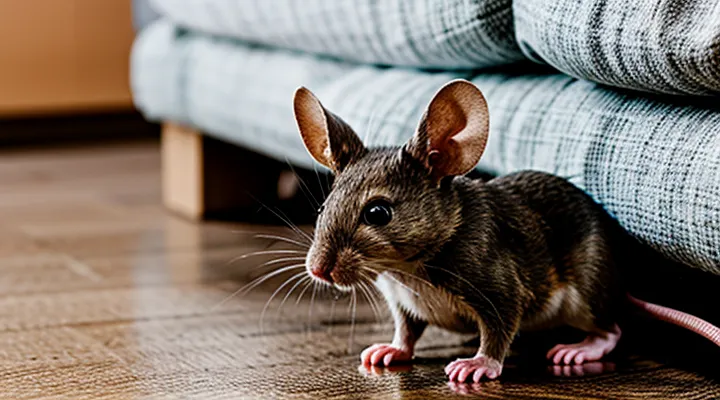
Immediate First-Aid Steps
Cleaning the Wound
Washing the Bite Area
Washing the bite area is the first critical action after a mouse bite because it removes saliva, debris, and potential pathogens that could initiate infection. Prompt cleansing reduces bacterial load and prepares the wound for further treatment.
- Rinse the wound under running clean, lukewarm water for at least 30 seconds.
- Apply a mild, fragrance‑free soap around the bite; avoid direct contact with the wound to prevent irritation.
- Gently agitate the soap‑covered skin with clean fingertips or a soft gauze pad.
- Rinse thoroughly to eliminate all soap residues.
- Pat the area dry with a sterile gauze pad; do not rub.
After washing, cover the bite with a sterile, non‑adhesive dressing to maintain a moist environment that promotes healing while preventing external contamination. Re‑apply the dressing if it becomes wet or dislodged.
Observe the wound for redness, swelling, increased pain, pus, or fever. Any of these signs warrants immediate medical evaluation, as they may indicate infection or a need for tetanus prophylaxis. Continuous monitoring ensures early detection of complications and supports successful recovery.
Disinfection
A mouse bite introduces oral flora and environmental microbes into the skin; prompt disinfection reduces the risk of cellulitis, abscess formation, and systemic infection.
Begin by washing hands with soap and water, then irrigate the wound with clean, lukewarm running water for at least 30 seconds. Remove visible debris with sterile tweezers; avoid squeezing the puncture site.
- Apply a broad‑spectrum antiseptic (e.g., 0.5 % chlorhexidine gluconate or 70 % isopropyl alcohol) directly to the wound.
- Allow the antiseptic to remain in contact for a minimum of 2 minutes before gently blotting excess with a sterile gauze pad.
- Cover the area with a sterile, non‑adhesive dressing; replace the dressing once daily or when it becomes wet or contaminated.
Effective agents include:
- Chlorhexidine gluconate 0.5 % – maintains activity in the presence of blood.
- Povidone‑iodine 10 % – broad antimicrobial spectrum, requires thorough rinsing after 1 minute to prevent tissue irritation.
- Hydrogen peroxide 3 % – useful for initial debridement, limited to a single application due to cytotoxicity.
After disinfection, observe the site for increasing redness, swelling, or drainage. Seek medical evaluation if these signs develop, if the bite is deep, or if the individual has compromised immunity.
Proper disinfection, combined with wound monitoring, forms a critical component of early management and helps prevent serious complications following a mouse bite.
Assessing the Wound
Bleeding Control
When a mouse bite creates an open wound, immediate bleeding control is critical to reduce blood loss and lower infection risk.
First, place a sterile gauze or clean cloth directly on the wound. Apply steady pressure with the palm of the hand for at least five minutes, maintaining pressure without interruption. If bleeding persists, add another layer of gauze and continue pressure.
Second, elevate the injured area above heart level whenever possible. Elevation diminishes arterial pressure at the site, assisting clot formation.
Third, once bleeding stops, secure the dressing with a bandage that is snug but not constrictive. A pressure bandage helps maintain hemostasis while allowing circulation.
Fourth, inspect the wound for signs of continued bleeding, expanding hematoma, or arterial spurting. If any of these occur, repeat the pressure technique and seek professional medical assistance without delay.
Fifth, monitor the patient for systemic symptoms such as dizziness, rapid pulse, or fainting, which may indicate significant blood loss. Immediate medical evaluation is required if these signs appear.
Additional considerations:
- Clean the surrounding skin with mild antiseptic before dressing to reduce bacterial load.
- Record the time of the bite and the first‑aid measures taken; this information assists healthcare providers.
- Verify tetanus immunization status; administer a booster if the patient’s last dose was over five years ago or if the wound is deep.
Effective bleeding control, combined with prompt professional care, minimizes complications associated with mouse bites.
Depth and Severity Evaluation
When a mouse bite occurs, the first clinical priority is to determine how deep the puncture is and how severe the tissue damage is. Precise assessment guides immediate care and reduces the risk of infection, nerve injury, or tendon involvement.
Physical inspection reveals the wound’s dimensions. Measure the length of the entry point with a sterile ruler; a puncture under 2 mm usually indicates superficial skin involvement, while a wound exceeding 5 mm suggests penetration into subcutaneous tissue or muscle. Palpate surrounding areas for induration, swelling, or crepitus, which may signal deeper tissue compromise.
Visual cues indicate severity. Observe for:
- Active bleeding or profuse oozing, implying vascular injury.
- Visible muscle fibers or tendon exposure, indicating deep penetration.
- Signs of necrosis, discoloration, or foul odor, suggesting advanced tissue damage or infection.
Neurological assessment is essential when the bite is near joints or extremities. Test sensation and motor function distal to the wound; loss of feeling or weakness points to nerve involvement, necessitating urgent specialist referral.
Laboratory evaluation supports the clinical picture. Obtain a wound swab for culture if infection is suspected; order a complete blood count to detect systemic response. In cases of suspected deep tissue involvement, imaging—ultrasound or MRI—provides detailed visualization of the wound tract and any foreign material.
Document findings systematically: wound size, depth estimate, bleeding intensity, tissue involvement, neurovascular status, and any laboratory or imaging results. This record informs treatment decisions, such as the need for suturing, debridement, antibiotic selection, or tetanus prophylaxis, and establishes a baseline for monitoring progression.
Complication Prevention and Further Actions
Recognizing Potential Risks
Rabies
A mouse bite can transmit the rabies virus, although such cases are rare. Immediate wound care reduces the risk of infection and limits viral entry.
- Wash the bite thoroughly with soap and running water for at least 15 seconds.
- Apply an antiseptic solution (e.g., povidone‑iodine) to the area.
- Cover the wound with a sterile dressing to prevent contamination.
After initial cleaning, seek medical evaluation promptly. Health‑care providers will assess the need for post‑exposure prophylaxis (PEP), which may include rabies immunoglobulin and a vaccine series. The decision is based on factors such as the animal’s health status, local rabies prevalence, and the depth of the wound.
Key points for complication prevention:
- Initiate wound cleaning within minutes; delay increases viral load.
- Report the incident to local animal‑control authorities to determine the mouse’s rabies risk.
- Complete the full PEP schedule if prescribed; missing doses compromises immunity.
- Monitor the bite site for signs of infection (redness, swelling, pus) and report any changes immediately.
Long‑term vigilance involves documenting the exposure, maintaining vaccination records, and following up with health‑care professionals until the risk period has passed.
Tetanus
Tetanus is an acute neurotoxic disease caused by the anaerobic bacterium Clostridium tetani. The organism thrives in low‑oxygen environments such as deep puncture wounds, making mouse bites a potential portal for infection if the animal’s claws or teeth have contacted soil, feces, or other contaminated material.
Risk increases when the bite penetrates skin and muscle, when the victim’s tetanus immunization status is outdated, or when the wound is left untreated. Immediate response reduces bacterial colonization and toxin production.
- Wash the area thoroughly with soap and running water.
- Irrigate with sterile saline to remove debris.
- Debride necrotic tissue if present; seek professional care for thorough cleaning.
- Assess vaccination history: administer a tetanus toxoid booster if the last dose was more than ten years ago, or within five years for a dirty wound.
- Consider tetanus immune globulin for individuals with unknown or incomplete immunization.
Early signs include muscle stiffness beginning near the jaw (trismus), followed by generalized rigidity and painful spasms. Progression can lead to respiratory compromise, autonomic instability, and, without treatment, a mortality rate exceeding 30 %.
Therapeutic management comprises:
- Passive immunization with human tetanus immune globulin to neutralize circulating toxin.
- Active immunization with tetanus toxoid to stimulate antibody production.
- Antibiotics (e.g., metronidazole) to eradicate the organism.
- Supportive measures: airway protection, sedation, muscle relaxants, and intensive monitoring.
Preventing tetanus after a mouse bite hinges on maintaining current vaccination, applying prompt wound care, and ensuring follow‑up evaluation. Documentation of immunization status and rapid access to medical facilities are essential components of complication avoidance.
Bacterial Infections
Mouse bites introduce a variety of bacteria capable of causing serious infection. The most common pathogens include Streptococcus spp., Staphylococcus aureus, Pasteurella multocida, and Leptospira spp. These organisms can invade skin and soft tissue, leading to cellulitis, abscess formation, or systemic illness if untreated.
Typical signs of bacterial involvement appear within 24–48 hours: redness, swelling, warmth, pain, and pus discharge. Fever, chills, or lymph node enlargement indicate possible spread beyond the bite site. Prompt medical evaluation is required when any of these symptoms develop.
Effective management consists of three steps:
- Immediate wound cleaning with sterile saline; gentle debridement of visible debris.
- Empirical antibiotic therapy targeting both gram‑positive and gram‑negative organisms; options include amoxicillin‑clavulanate or doxycycline for suspected Leptospira.
- Follow‑up assessment to confirm resolution; adjust antibiotics based on culture results if available.
Preventing infection begins with proper first‑aid measures. After cleaning, apply a sterile dressing and avoid squeezing or exposing the wound to contaminants. Tetanus status should be verified, and booster administration provided when indicated. Maintaining personal hygiene and limiting contact with wild rodents further reduces exposure risk.
When to Seek Medical Attention
Signs of Infection
After a rodent bite, the wound must be examined regularly for early indications of bacterial invasion. Prompt recognition allows timely medical intervention and reduces the risk of systemic complications.
Typical signs of infection include:
- Redness spreading beyond the wound margins
- Swelling that increases in size or becomes firm
- Warmth localized to the injured area
- Pain that intensifies rather than diminishes
- Purulent discharge or foul odor from the site
- Fever, chills, or general malaise
- Enlarged regional lymph nodes
If any of these symptoms appear, seek professional care without delay. Early antibiotic therapy and wound management are critical to prevent deeper tissue involvement and systemic illness.
Deep or Punctured Wounds
A mouse bite that penetrates deeply or creates a puncture channel requires immediate, thorough care to prevent infection and tissue damage. First, apply firm pressure with a clean gauze pad to stop bleeding. Once hemorrhage subsides, irrigate the wound with sterile saline or clean water for at least one minute, using a syringe if available to force fluid into the tract. Remove obvious debris; do not probe the wound with fingers or instruments, as this can push contaminants deeper.
After cleaning, cover the site with a sterile, non‑adhesive dressing. Administer a tetanus booster if the patient’s immunization status is uncertain or if more than five years have passed since the last dose. Oral or topical broad‑spectrum antibiotics targeting common rodent‑borne bacteria (e.g., Staphylococcus aureus, Pasteurella spp.) should be started promptly, especially for wounds larger than 1 cm, those located near joints, or in immunocompromised individuals.
Monitor the wound for signs of complication:
- Increasing redness, swelling, or warmth extending beyond the margins
- Purulent discharge or foul odor
- Fever, chills, or malaise
- Pain that worsens despite analgesia
- Limited movement when the bite is near a joint
If any of these symptoms appear, seek professional medical evaluation without delay. Early intervention reduces the risk of cellulitis, abscess formation, septic arthritis, and systemic infection.
Immunocompromised Individuals
Immunocompromised patients face heightened risk of infection after a mouse bite. Prompt, thorough care reduces the chance of severe complications such as sepsis, tetanus, or rodent‑borne diseases.
Immediate actions:
- Wash the wound with running water and mild soap for at least 30 seconds.
- Apply a sterile pressure dressing to control bleeding.
- Use an antiseptic solution (e.g., povidone‑iodine) on the cleaned area.
- Cover with a sterile bandage and keep the site dry.
Medical evaluation must occur within 4–6 hours. Professionals should:
- Verify tetanus immunization status; administer tetanus toxoid if the last dose exceeds five years or is unknown.
- Order a complete blood count and inflammatory markers to detect early infection.
- Consider empirical antibiotics covering Staphylococcus aureus, Streptococcus spp., and potential rodent‑associated pathogens (e.g., Leptospira, Hantavirus).
- Request serologic testing for hantavirus, leptospirosis, or other endemic infections when exposure history suggests risk.
Follow‑up care includes:
- Inspecting the wound daily for signs of erythema, increased pain, or discharge.
- Adjusting antibiotics based on culture results or clinical response.
- Monitoring for systemic symptoms such as fever, chills, or malaise, which may indicate spreading infection.
Patients with compromised immunity should avoid self‑medication and seek specialist advice promptly. Documentation of the bite event, including location, time, and mouse species if known, assists clinicians in tailoring prophylaxis and treatment.
Unvaccinated Individuals
When a rodent bite happens, individuals who have not received tetanus immunization face a higher likelihood of severe infection. Prompt cleaning, wound assessment, and medical consultation reduce the risk of complications.
First‑aid measures:
- Wash the wound with running water and mild soap for at least one minute.
- Apply gentle pressure to stop bleeding.
- Cover with a sterile dressing.
- Avoid squeezing or probing the puncture site.
After initial care, seek professional evaluation without delay. A healthcare provider will:
- Determine the need for tetanus prophylaxis based on immunization history.
- Consider rabies post‑exposure therapy if the animal’s status is unknown or the bite occurred in a high‑risk area.
- Prescribe antibiotics when signs of bacterial infection appear or when the wound is deep.
Unvaccinated persons should receive tetanus toxoid as soon as possible, ideally within 24 hours of injury. If the last dose was administered more than ten years ago, a booster is recommended. In addition, monitor the wound for redness, swelling, increased pain, or purulent discharge; report any changes immediately.
Long‑term prevention includes:
- Updating tetanus vaccination according to recommended schedules.
- Reducing exposure to wild or feral rodents through pest control and safe handling practices.
- Educating household members about the risks associated with untreated bites.
Medical Treatment Options
Wound Debridement
Wound debridement removes devitalized tissue, foreign material, and bacterial load from a mouse‑bite injury, reducing the risk of infection and promoting healing. Immediate cleaning with sterile saline or clean water eliminates surface contaminants; then assess the depth of the puncture. If the wound is superficial, gentle mechanical debridement using sterile gauze or a soft brush suffices. For deeper lesions, sharp debridement with sterile scissors or a scalpel may be required, cutting away necrotic skin and muscle until healthy, bleeding tissue is visible.
Key steps:
- Irrigate thoroughly to flush out saliva and debris.
- Trim loose edges with sterile instruments.
- Apply mild antiseptic (e.g., povidone‑iodine) after debridement.
- Cover with a non‑adhesive dressing that maintains a moist environment.
Timing influences outcomes; debridement should occur within the first hour after the bite, before bacterial proliferation escalates. Delayed removal of necrotic tissue increases the likelihood of cellulitis, abscess formation, and tetanus or rabies complications. If the wound is extensive, heavily contaminated, or the patient shows signs of systemic infection (fever, expanding redness, increasing pain), professional medical evaluation is mandatory.
Proper debridement, combined with tetanus prophylaxis and appropriate antibiotic therapy, forms the core of effective first‑aid management for mouse‑bite wounds and minimizes long‑term sequelae.
Antibiotics
A mouse bite introduces oral flora and environmental bacteria directly into skin and subcutaneous tissue, creating a high risk of cellulitis, abscess formation, and systemic infection. Prompt antimicrobial therapy reduces the likelihood of these complications and supports wound healing.
Antibiotic treatment is indicated when any of the following conditions are present: penetration beyond the superficial dermis, signs of local infection (erythema, warmth, swelling, pain, purulent discharge), fever, immunosuppression, or exposure to high‑risk pathogens such as Staphylococcus aureus or Pasteurella multocida. Prophylactic use is reasonable for deep puncture wounds, bites on hands, or in patients with diabetes, chronic liver disease, or splenectomy.
Preferred agents
- Amoxicillin‑clavulanate 875 mg/125 mg orally twice daily for 5–7 days (covers Pasteurella, Staphylococcus, anaerobes).
- Doxycycline 100 mg orally twice daily for 7 days (alternative for penicillin‑allergic patients, effective against Pasteurella and atypical organisms).
- Ceftriaxone 1–2 g intravenously once daily plus metronidazole 500 mg orally three times daily for severe infections requiring hospitalization.
For patients with confirmed methicillin‑resistant Staphylococcus aureus (MRSA), add linezolid 600 mg orally twice daily or trimethoprim‑sulfamethoxazole 160/800 mg orally twice daily, adjusting duration to clinical response.
Therapy duration should reflect infection severity: uncomplicated cellulitis generally resolves within 5 days, whereas deep tissue infection or osteomyelitis may require 10–14 days or longer. Clinical response is assessed by reduction in pain, swelling, and fever; laboratory markers (CRP, WBC) support objective evaluation. Early discontinuation is appropriate when signs resolve and cultures are negative.
When the wound is clean, superficial, and shows no infection, observation without antibiotics is acceptable. Routine tetanus prophylaxis remains essential, and wound irrigation with sterile saline followed by proper dressing constitutes the primary first‑aid measure.
Tetanus Booster
A mouse bite can introduce Clostridium tetani spores into the wound, creating a risk of tetanus infection. The tetanus booster, a dose of tetanus toxoid given after the injury, restores protective antibody levels that may have waned since the last immunization. Prompt administration reduces the likelihood of toxin production and subsequent muscle rigidity, which can be life‑threatening if untreated.
Key considerations for the booster:
- Verify the patient’s vaccination history; if the last dose was administered more than ten years ago, a booster is required.
- If the wound is dirty, deep, or puncture‑type, give the booster even if the previous dose was within the past five years.
- The standard adult dose is 0.5 mL intramuscularly, typically in the deltoid muscle.
- Record the date of administration and advise the patient to complete the full tetanus series if they are not up to date.
Administering the booster as part of the immediate first‑aid protocol aligns with evidence‑based guidelines for preventing tetanus complications after rodent‑related injuries. It complements wound cleaning, antiseptic application, and, when indicated, rabies prophylaxis, forming a comprehensive strategy to minimize infection risk.
Rabies Post-Exposure Prophylaxis (PEP)
When a mouse bite occurs, wash the wound thoroughly with soap and running water for at least 15 seconds. Apply a clean, non‑adhesive dressing and seek medical evaluation without delay.
Assess rabies exposure based on the animal’s health status, locality, and known rabies prevalence. In regions where rodent‑borne rabies is documented, or when the mouse cannot be captured for observation, initiate post‑exposure prophylaxis (PEP).
PEP consists of two components:
- Rabies immunoglobulin (RIG): Infiltrate the calculated dose (20 IU/kg) into and around the wound site; any remaining volume is administered intramuscularly at a distant site.
- Rabies vaccine: Administer a series of intramuscular injections on days 0, 3, 7, and 14. An additional dose on day 28 is recommended for immunocompromised individuals.
Observe the injection site for signs of inflammation. Record the vaccine lot numbers and dates administered. Complete the full schedule even if the animal later tests negative, because rabies incubation can exceed several weeks.
Schedule a follow‑up appointment within 7 days to verify wound healing and confirm adherence to the vaccine timetable. Document any adverse reactions and report them to the local public‑health authority. Continuous monitoring ensures early detection of complications and confirms the effectiveness of the prophylactic regimen.
Long-Term Monitoring
Observing for Symptoms
After a mouse bite, immediate observation is essential to detect early warning signs that may indicate infection, allergic response, or disease transmission. The victim should remain still, keep the wound uncovered, and monitor the following indicators continuously for at least 24 hours.
Critical symptoms to watch for
- Redness spreading beyond the bite margin, especially if accompanied by warmth.
- Swelling that increases in size or becomes painful to touch.
- Purulent discharge, foul odor, or any fluid oozing from the site.
- Fever exceeding 38 °C (100.4 °F) or chills.
- Rapid heart rate or low blood pressure, suggesting systemic involvement.
- Shortness of breath, hives, swelling of the face or throat, indicating anaphylaxis.
- Unusual fatigue, joint pain, or muscle aches that develop days after the incident, which may signal bacterial infection such as septicemia.
- Neurological changes—numbness, tingling, or weakness—in the area surrounding the bite.
Observation protocol
- Record the time of the bite and note any immediate pain intensity.
- Inspect the wound every 2–4 hours during the first day; document changes in size, color, and exudate.
- Measure temperature twice daily; any rise above normal warrants medical evaluation.
- Assess vital signs (pulse, blood pressure) if systemic symptoms appear.
- Contact a healthcare professional promptly if any listed symptom emerges, even if mild.
Consistent monitoring enables early intervention, reduces the risk of complications, and supports effective treatment decisions.
Follow-up Appointments
After a mouse bite, the initial medical visit should be followed by scheduled re‑evaluations to verify healing and to detect early signs of infection or systemic involvement. The first follow‑up typically occurs within 48–72 hours, allowing clinicians to assess wound closure, drainage, and the patient’s response to antibiotics. A second appointment, usually 7–10 days post‑injury, focuses on reviewing laboratory results, confirming tetanus immunization status, and ensuring that any prescribed antimicrobial therapy remains effective. A final review, often scheduled at 2–3 weeks, confirms complete resolution of local symptoms and excludes delayed complications such as cellulitis, abscess formation, or atypical infections.
Key elements of each visit include:
- Visual inspection of the wound for erythema, swelling, or purulent discharge.
- Measurement of temperature and assessment of systemic signs (fever, malaise).
- Evaluation of pain intensity and comparison with baseline levels.
- Review of medication adherence and side‑effect profile.
- Verification of tetanus booster administration if indicated.
- Laboratory testing when indicated: complete blood count, C‑reactive protein, or wound cultures.
- Documentation of any changes in the patient’s health status that may require referral to infectious‑disease specialists.
Patients who are immunocompromised, have diabetes, or present with extensive tissue damage should receive additional appointments at 5‑day intervals until the wound demonstrates stable improvement. Failure to attend scheduled visits increases the risk of unnoticed infection progression and may necessitate more aggressive interventions, including surgical debridement or intravenous antibiotics. Prompt, structured follow‑up therefore serves as a critical component of comprehensive care after a mouse bite.
Preventing Future Bites
Rodent Control in Homes
Sealing Entry Points
Sealing entry points is a critical component of preventing mouse bites and the infections they can cause. Effective exclusion reduces the likelihood of rodents entering living spaces, thereby lowering exposure risk.
Identify all potential openings. Conduct a systematic inspection of the building envelope, focusing on gaps around pipes, vents, windows, doors, and foundation cracks. Record each location for remediation.
Apply appropriate sealing materials. Use steel wool combined with expanding polyurethane foam for small holes, and install cement‑based caulk or metal flashing for larger gaps. Ensure the sealant adheres firmly to the surrounding surface and remains durable under temperature fluctuations.
Install physical barriers. Fit door sweeps on exterior doors, attach mesh screens to ventilation openings, and secure chimney caps. Verify that all barriers are tightly fitted and free of tears.
Maintain the seal. Perform quarterly checks to detect new cracks or wear in existing seals. Replace damaged material promptly to preserve the integrity of the exclusion system.
By systematically locating, sealing, and reinforcing entry points, the environment becomes inhospitable to mice, substantially decreasing the chance of bite incidents and subsequent health complications.
Proper Food Storage
Proper food storage is a critical element in preventing secondary infections after a rodent bite. Contaminated food can harbor pathogens that may enter the wound through contact, increasing the risk of cellulitis, tetanus, or bacterial gastroenteritis. Secure storage eliminates this vector and supports overall wound management.
Key practices for safe food handling include:
- Store perishable items at temperatures below 4 °C (40 °F) in sealed containers to inhibit bacterial growth.
- Keep dry goods in airtight, rodent‑proof containers; use metal or heavy‑wall plastic with tight‑locking lids.
- Position all food storage units off the floor and away from walls to reduce gnawing access points.
- Inspect packaging regularly for holes, tears, or signs of chewing; discard compromised items immediately.
- Rotate stock according to the “first‑in, first‑out” principle, ensuring older products are used before newer ones.
Additional measures reinforce protection:
- Maintain a clean pantry environment; wipe shelves with a mild disinfectant weekly.
- Install door sweeps and seal gaps around cabinets to block entry.
- Use traps or humane deterrents around storage areas to control rodent activity.
By adhering to these protocols, the likelihood of contaminating a bite wound with food‑borne microbes diminishes, facilitating faster recovery and reducing the need for additional medical intervention.
Trapping and Extermination
After a mouse bite, eliminating the source of exposure reduces the risk of repeat injuries and infection. Effective control focuses on capturing existing rodents and eradicating hidden colonies.
- Snap traps: quick‑acting, reusable, positioned along walls, behind appliances, and near known runways.
- Live‑catch traps: humane capture, requires immediate release or disposal in a sealed container.
- Glue boards: inexpensive, placed in concealed areas; monitor frequently to prevent prolonged suffering.
Extermination measures complement trapping by targeting unseen nests and breeding sites.
- Rodenticides: baited pellets placed in tamper‑proof stations; follow label instructions to avoid secondary poisoning.
- Fumigation: professional-grade gases applied to sealed structures; suitable for severe infestations.
- Integrated pest management: combines sanitation, exclusion (sealing entry points), and regular monitoring to sustain low rodent activity.
Implementing these strategies promptly after an incident curtails further bites and supports overall health preservation.
Safe Handling of Animals
Avoiding Wild Mice
Avoiding wild mice reduces the risk of bites and the subsequent health complications that can arise from rodent exposure. Effective prevention relies on controlling habitat, limiting access to food sources, and implementing physical barriers.
Secure food storage by sealing containers, promptly cleaning crumbs, and disposing of waste in sealed bins. Eliminate water sources such as leaky pipes or standing containers. Maintain a tidy environment: remove clutter, trim vegetation away from building foundations, and seal cracks, gaps, and openings larger than ¼ inch. Install door sweeps and weather stripping to block entry points.
Regular inspection and maintenance are essential. Conduct weekly checks for signs of mouse activity—droppings, gnaw marks, or nesting material—and address any findings immediately. Use traps or humane catch‑and‑release devices in areas where activity is confirmed, positioning them along walls and near suspected pathways.
Key preventive actions:
- Store all food, pet feed, and grains in metal or heavy‑plastic containers with tight lids.
- Keep countertops, floors, and appliances free of food residues.
- Repair leaks and remove standing water.
- Seal foundation cracks, utility openings, and vent covers.
- Install fine‑mesh screens on vents and chimneys.
- Conduct routine inspections and clean up any evidence of infestation.
By integrating these measures, the likelihood of encountering wild mice diminishes, thereby lowering the chance of bites and the associated medical concerns.
Supervising Children and Pets
Supervision of children and pets is a primary defense against mouse bites and the health risks that follow. Constant visual oversight eliminates opportunities for unsupervised contact with rodents, especially in environments where mice may hide, such as basements, attics, or cluttered play areas. Adults should keep doors to these spaces closed, install barriers that restrict pet access, and regularly inspect potential entry points.
When supervision is in place, the response to a bite can be immediate and effective. The following steps reduce infection risk and prevent serious complications:
- Clean the wound with running water and mild soap for at least 30 seconds.
- Apply gentle pressure with a sterile gauze pad to stop bleeding.
- Cover the site with a clean, non‑adhesive dressing.
- Seek professional medical evaluation within 24 hours, especially for children, immunocompromised individuals, or bites on the face, hands, or feet.
- Follow the clinician’s vaccination and antibiotic recommendations without delay.
Long‑term prevention relies on routine checks of the home environment. Seal cracks in walls, install mouse‑proof containers for food, and maintain tidy storage areas. Train pets to avoid chasing small animals and discourage hunting behavior through positive reinforcement. Educate children about the dangers of handling unknown rodents and establish clear rules for interaction with household pets. Consistent supervision, combined with prompt first‑aid measures, minimizes both immediate injury and the likelihood of infection, allergic reaction, or disease transmission.