
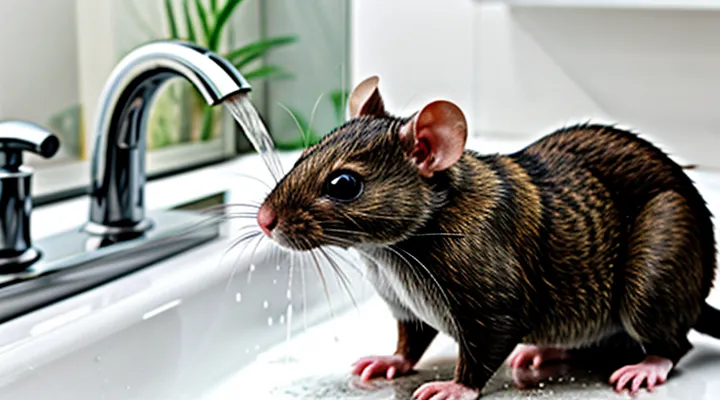
Preparing for the Bath
Is Bathing Necessary?
When to Bathe Your Rat
Bathing a decorative rat should be limited to situations where the animal’s coat is visibly dirty, has an unpleasant odor, or is affected by a health condition such as a skin infection. Routine weekly baths are unnecessary and can strip natural oils, leading to dry skin and increased susceptibility to parasites.
Key indicators for a bath:
- Coat coated with food residue, dust, or mud that cannot be removed by brushing.
- Strong, atypical odor suggesting bacterial growth.
- Visible skin irritation, redness, or scabs requiring medical cleaning.
- Veterinarian recommendation after a health assessment.
If none of these signs are present, regular grooming with a soft brush and spot cleaning using a damp cloth is sufficient. When a bath is required, use lukewarm water (around 30 °C), a mild, rodent‑safe shampoo, and limit exposure to five minutes. Dry the rat thoroughly with a low‑heat hair dryer or a warm towel before returning it to its enclosure.
Signs Your Rat Needs a Bath
Rats that appear unclean or exhibit discomfort often require a bath. Recognize the following indicators to determine when a grooming session is necessary.
- Oily or greasy fur that clings to the body, reducing the animal’s natural sheen.
- Strong, unpleasant odor that persists despite regular cage cleaning.
- Visible dirt, debris, or mold growing on the coat, especially around the tail and hindquarters.
- Excessive scratching or grooming behavior, suggesting the rat is trying to remove irritants.
- Skin irritation, redness, or small lesions that may result from accumulated waste or fungal growth.
- Lethargy or reduced activity, which can be a response to overheating or discomfort caused by a dirty coat.
When any of these signs appear, prepare a gentle, lukewarm water bath with a rat‑safe shampoo, ensuring the environment remains calm and the animal is handled securely. Prompt bathing under these conditions helps maintain health, prevents skin problems, and supports the overall well‑being of decorative pet rats.
Gathering Your Supplies
Essential Items
When preparing to clean ornamental rodents in a domestic setting, the following tools and supplies are indispensable.
- Soft‑bristled brush or a clean, unused toothbrush for gentle surface agitation.
- Mild detergent formulated for delicate fabrics, such as a baby‑shampoo or wool wash.
- Small basin or sink filled with lukewarm water, ensuring the temperature does not exceed 30 °C (86 °F).
- Clean, lint‑free towels for blotting excess moisture without leaving fibers.
- Optional: a spray bottle containing a diluted vinegar solution (1 part vinegar to 10 parts water) for odor neutralization.
- Protective gloves to prevent skin irritation and maintain hygiene.
Each item serves a specific function: the brush loosens debris without damaging fine fur; the detergent removes oils while preserving color; the basin provides a controlled environment; towels absorb water efficiently; the vinegar spray eliminates lingering smells; and gloves safeguard both the handler and the decorative piece. Using only these recommended supplies ensures a thorough yet safe cleaning process for decorative rats at home.
Optional Comforts
When washing decorative rodents, optional comforts enhance the process without altering the essential cleaning steps.
- Soft, natural‑fiber brush to loosen surface dust without damaging fur.
- Warm water (approximately 35 °C) to improve soap solubility and reduce animal stress.
- Mild, fragrance‑free detergent formulated for delicate fabrics; a few drops suffice.
- Small, insulated basin to maintain temperature stability throughout the wash.
- Low‑speed spin cycle on a gentle dryer or a padded drying rack to prevent matting.
- Light, breathable cover (e.g., muslin cloth) placed over the item while it dries to protect against airborne particles.
Applying these comforts requires minimal effort: pre‑soak the piece in warm, soapy water for two minutes, gently brush, rinse in the same temperature water, then transfer to the chosen drying method. The optional measures do not replace the core washing routine but provide a smoother, less abrasive experience for the decorative animal.
Creating a Safe Environment
Choosing the Right Location
When preparing to clean ornamental rodents, the location where the washing takes place determines safety, efficiency, and preservation of the pieces. Choose a surface that is stable, level, and resistant to moisture; a sturdy countertop or a dedicated workbench meets these criteria. Ensure the area is well‑ventilated to disperse any cleaning agents or odors, and keep it free from drafts that could cause rapid drying or accidental damage.
Consider the following factors when selecting the spot:
- Material compatibility – the surface must not react with soaps, detergents, or disinfectants used on the figurines.
- Space availability – allocate enough room for the items, a basin, and auxiliary tools such as soft brushes and lint‑free cloths.
- Protection from contaminants – avoid areas near food preparation, open flames, or pet zones to prevent cross‑contamination.
- Ease of cleanup – a location with a nearby sink or drain simplifies water disposal and reduces the risk of spills spreading to surrounding objects.
Position the decorative rats on a non‑slipping mat or tray to prevent movement during rinsing. Verify that the chosen spot allows quick access to clean water, drying racks, and storage for the cleaned pieces, thereby streamlining the entire washing process.
Temperature Considerations
When cleaning ornamental rodent figurines, water temperature directly affects detergent efficacy and the integrity of the material. Hot water accelerates grease removal but can soften adhesives, warp polymer components, or cause paint to fade. Cold water preserves delicate finishes but may leave residues if the soap is not fully activated.
- Cold rinse (15‑20 °C / 59‑68 °F): Suitable for fragile, hand‑painted pieces. Rinse gently to prevent stress on fragile joints.
- Warm wash (35‑40 °C / 95‑104 °F): Optimal for sturdy plastic or resin models. Detergent dissolves efficiently, and the temperature remains low enough to avoid damage to most paints.
- Hot soak (50‑55 °C / 122‑131 °F): Reserved for heavily soiled items with robust construction. Limit exposure to 5‑10 minutes; monitor for softening of glued parts.
- Drying environment (20‑25 °C / 68‑77 °F): Air‑dry on a lint‑free surface. Avoid direct sunlight or heaters that exceed 30 °C / 86 °F, which can cause shrinkage or discoloration.
Select the temperature that matches the figurine’s material and finish, then follow the recommended time limits to achieve a clean result without compromising structural or aesthetic qualities.
The Bathing Process
Acclimating Your Rat
Gentle Introduction to Water
Introducing water to ornamental rodents requires a calm, controlled approach. The animal’s skin and fur are sensitive; sudden immersion can cause stress and damage. Begin with a shallow basin of lukewarm water, no deeper than the animal’s belly, to allow the rat to stand without full submersion.
Prepare the workspace by removing sharp objects, securing a non‑slippery mat, and gathering soft brushes and mild, pet‑safe cleanser. Keep towels within reach for immediate drying. Test the water temperature with a fingertip; it should feel comfortably warm, not hot.
Steps for a gentle water introduction:
- Place the decorative rat on the mat beside the basin. Allow it to sniff the water, observing its reaction.
- If the rat appears calm, gently lower the front paws into the water, supporting the body with one hand.
- Slowly increase the depth, ensuring the animal’s head remains above water at all times.
- Apply a thin layer of cleanser using a soft brush, moving in the direction of hair growth.
- Rinse by pouring a small stream of lukewarm water over the fur, avoiding the face and ears.
After washing, lift the rat onto a dry towel, pat the fur gently to remove excess moisture, and place the animal in a warm, draft‑free area until completely dry. Avoid using hair dryers or direct heat sources. Regular, careful cleaning maintains the decorative rat’s appearance without compromising its wellbeing.
Positive Reinforcement
Positive reinforcement can turn a potentially stressful cleaning session into a cooperative experience for ornamental rodents. Rewarding calm behavior encourages the animal to repeat that response, reducing resistance during washing.
Begin each cleaning cycle with a brief interaction that includes a favorite treat. Offer the treat immediately after the rat steps onto a stable surface, such as a grooming table. Pair the treat with a gentle verbal cue, for example, “good,” so the animal associates the cue with the reward.
When the rat tolerates water application, deliver a second reward within a few seconds. The timing must be consistent; delayed reinforcement weakens the association. Use small, easily consumable treats to avoid overfeeding. If the rat shows hesitation, pause, provide a treat, then resume the process.
A concise reinforcement schedule may look like this:
- Place rat on a secure platform; give treat and verbal cue.
- Apply lukewarm water gently; pause after each brief splash.
- Offer a treat for each tolerated splash.
- After rinsing, dry the rat with a soft towel; reward calm posture.
- Conclude with a larger treat and a brief petting session.
Gradually increase the duration of water exposure while maintaining the reward pattern. Over several sessions the rat learns that remaining still during washing results in consistent positive outcomes, leading to smoother, faster cleaning procedures.
Washing Techniques
Using Rat-Safe Shampoo
Choosing a shampoo formulated specifically for rodents eliminates the risk of skin irritation and respiratory distress. Look for products labeled “rat‑safe” or “small‑animal” that contain mild, non‑soap surfactants, no added fragrances, and a neutral pH (around 7). Ingredients such as aloe vera, oatmeal, and chamomile provide soothing properties without compromising the animal’s coat.
Before bathing, prepare a shallow basin with lukewarm water (approximately 30 °C). Wet the rat’s fur gently, avoiding the face and ears. Apply a small amount of shampoo—about the size of a pea—for each animal. Work the lather into the coat using fingertips, ensuring coverage of the dorsal and ventral areas while keeping the head dry.
Rinse thoroughly with a separate container of clean, lukewarm water. Remove all residue to prevent skin dryness. Pat the fur dry with a soft, lint‑free towel; avoid vigorous rubbing that could damage delicate hair. Allow the rat to recover in a warm, draft‑free environment until the coat is completely dry.
Recommended frequency: one full wash per month, with spot cleaning using a damp cloth as needed. Store the shampoo in a cool, dry place and discard after the manufacturer’s expiration date to maintain efficacy.
Proper Rinsing Methods
When cleaning ornamental rats, rinsing removes detergent residue and prevents staining of the fur. Use lukewarm water (35‑40 °C) to maintain fiber integrity; hot water can cause shrinkage, while cold water leaves soap traces.
Begin by positioning the rat on a clean, non‑slippery surface. Direct a gentle stream from a faucet, keeping the flow steady but not forceful. A spray nozzle set to a low‑pressure setting provides uniform coverage without damaging delicate features.
Key steps for effective rinsing:
- Hold the rat upright, allowing water to flow from head to tail.
- Rotate the figure slowly to expose all sides to the stream.
- Inspect the fur for remaining suds; repeat the flow if any soap is visible.
- After the final rinse, gently shake excess water off, then pat dry with a lint‑free cloth.
Avoid submerging the entire piece in a basin, as prolonged immersion can loosen glue joints. If a basin is necessary for larger models, limit immersion to 30 seconds and immediately follow with the controlled stream described above.
Complete the process by air‑drying the rat in a well‑ventilated area, keeping it upright to prevent moisture pooling in the eyes or ears. This method ensures a clean finish without compromising structural or aesthetic qualities.
Drying Your Rat
Towel Drying Best Practices
After washing decorative rodents, immediate towel drying removes excess moisture and reduces the risk of mold, fur distortion, and component degradation.
- Select a lint‑free, highly absorbent towel; cotton or microfiber works best.
- Gently press the towel against the animal’s body, avoiding any rubbing motion that could fray fur or damage delicate accessories.
- Support the torso and limbs while patting; do not let the creature hang unsupported, which could stress joints.
- Rotate the rat periodically to ensure even moisture removal from all areas, including ears and tail.
- Replace the towel as soon as it feels damp; a saturated towel re‑introduces moisture and prolongs drying time.
- Allow a brief period of ambient air exposure (no more than five minutes) before placing the rat in a storage container, ensuring any remaining surface moisture evaporates.
Maintain a room temperature between 18 °C and 22 °C and relative humidity below 50 % during the drying phase. Do not use hair dryers, radiators, or direct sunlight, as excessive heat can shrink fur and warp decorative elements.
Following these procedures yields a dry, intact decorative rat ready for display or further handling.
Avoiding Drafts
When cleaning ornamental rodents, uncontrolled airflow can disturb the washing process. A draft may carry dust onto wet surfaces, accelerate uneven drying, and introduce temperature fluctuations that affect delicate finishes.
Identify sources of airflow before starting. Check windows, doors, ceiling vents, and gaps around baseboards. Feel for moving air with the back of your hand or use a lightweight ribbon to visualize flow.
To prevent drafts during the wash:
- Close all windows and doors; lock them if possible.
- Seal gaps with temporary tape or weather‑stripping.
- Turn off ceiling fans and air‑conditioning units that create circulation.
- Position the work area away from HVAC vents; use a portable fan on low speed to provide gentle, controlled airflow only when needed.
- Cover nearby furniture and floor sections with plastic sheeting to block stray breezes.
Maintain a stable environment throughout the cleaning cycle. Monitor humidity with a hygrometer; aim for 40‑50 % relative humidity to ensure even drying without excessive evaporation caused by residual drafts. Once the wash is complete, allow the decorative rats to dry in the same sealed space before returning them to display.
Post-Bath Care and Considerations
Post-Bath Grooming
Brushing and Nail Trimming
Proper grooming before a bath prevents matting and reduces stress. Begin with a soft, stainless‑steel brush designed for small rodents. Hold the rat gently but securely, supporting its hindquarters with one hand while the other hand guides the brush through the coat. Brush in the direction of hair growth, starting at the neck and moving toward the tail. For dense fur, work in short sections, applying light pressure to avoid skin irritation.
After brushing, inspect the paws and tail for overgrown nails. Use a rat‑size nail clipper with a sharp, curved blade. Position the clipper at a 45‑degree angle to the nail, cutting only the clear portion and avoiding the pink “quick.” If the quick is visible, trim a small tip to prevent bleeding. Apply a tiny amount of styptic powder to any accidental cuts.
Maintain a grooming schedule of two to three sessions per week for short‑haired varieties and daily brushing for long‑haired rats. Regular nail checks should occur at least once weekly. Consistent care ensures the animal remains comfortable during the washing process and promotes overall health.
Checking for Skin Irritation
After a wash, examine the decorative rat’s coat and underlying skin before returning it to display. A thorough visual and tactile assessment prevents damage and maintains the piece’s longevity.
Inspect the animal in a well‑lit area. Look for the following indicators of irritation:
- Red or pink patches on the fur or skin surface.
- Swelling or raised areas around ears, paws, or tail.
- Flaking, dry spots, or excessive shedding.
- Unusual odor suggesting bacterial growth.
- Discomfort signs when gently touching the skin, such as resistance or twitching.
If any of these signs appear, take immediate corrective steps. Rinse the affected area with lukewarm water, apply a mild, pet‑safe antiseptic solution, and pat dry with a soft, absorbent cloth. Allow the coat to air‑dry completely before handling further. For persistent irritation, consult a professional conservator or veterinarian experienced with ornamental small mammals.
Maintaining Hygiene Between Baths
Spot Cleaning
Spot cleaning targets isolated stains without immersing the entire decorative rat. Use a soft, lint‑free cloth dampened with mild soap solution (a few drops of neutral detergent in lukewarm water). Gently press the cloth onto the affected area, avoiding vigorous rubbing that could damage delicate fur or paint. Immediately blot with a dry portion of the cloth to remove excess moisture.
- Prepare a clean container with lukewarm water and a mild detergent.
- Dampen a cotton swab or small brush for tight spots.
- Apply the damp tool to the stain, moving in short, controlled strokes.
- Wipe away soap residue with a separate damp cloth.
- Dry the treated area with a soft towel and allow it to air‑dry completely before handling.
Avoid submerging the figure, using harsh chemicals, or exposing the piece to direct heat. Regular spot cleaning preserves color fidelity and structural integrity while minimizing the risk of damage.
Cage Maintenance
Proper cage upkeep is essential when cleaning ornamental rodents in a domestic setting. A well‑maintained enclosure reduces stress on the animals, prevents disease, and simplifies the washing process.
- Remove all bedding, toys, and food dishes before beginning any cleaning.
- Discard soiled substrate and replace it with fresh, absorbent material.
- Wash water bottles, food containers, and climbing accessories with warm, soapy water; rinse thoroughly.
- Wipe interior walls and bars using a non‑abrasive sponge and a rodent‑safe disinfectant; avoid harsh chemicals such as bleach.
- Rinse all surfaces with clean water and allow them to air‑dry completely before reassembly.
After the cage is restored, inspect structural components for cracks, rust, or loose fittings. Replace damaged parts promptly to maintain a secure environment. Regularly schedule deep cleaning—once a month for heavily used cages, weekly for lighter use—to keep contaminants at a minimum and ensure that each wash of the decorative rats proceeds without additional hygiene concerns.
Common Bathing Mistakes to Avoid
Over-Bathing
Over‑bathing occurs when decorative rodents receive more washes than their skin and fur can tolerate. Excess moisture strips natural oils, leading to dryness, brittleness, and increased susceptibility to parasites.
Signs that a decorative rat has been over‑bathed include:
- Dull, flaky coat
- Irritated skin or redness
- Persistent odor despite drying
- Frequent shedding or broken hairs
To prevent over‑bathing, follow these guidelines:
- Limit washes to once every two to three weeks, unless the animal is visibly soiled.
- Use lukewarm water and a mild, fragrance‑free cleanser designed for small mammals.
- Rinse thoroughly to remove all soap residues.
- Pat dry with a soft towel; avoid vigorous rubbing.
- Allow the rat to air‑dry in a warm, draft‑free area for at least 30 minutes before returning it to its enclosure.
If a wash is necessary sooner, replace the cleanser with a damp cloth to spot‑clean the affected area. Maintaining a regular grooming routine—brushing, nail trimming, and cage cleaning—reduces the need for full baths and preserves the health of ornamental rats.
Using Incorrect Products
When ornamental rodents are cleaned with unsuitable agents, the fabric, paint, or fur coating can deteriorate, leading to discoloration, stiffening, or loss of detail. Harsh chemicals, bleach, and oil‑based solvents penetrate fibers, break down adhesives, and may cause irreversible damage.
- Household bleach: removes color, weakens seams.
- Ammonia‑based cleaners: reacts with dyes, creates spots.
- Dishwashing liquid with added fragrances: leaves residue, attracts pests.
- Alcohol or acetone: strips protective finishes, dries out fur.
- Laundry powder containing enzymes: breaks down synthetic fibers, creates holes.
Safe alternatives include mild, pH‑balanced detergents without additives, distilled water, and specialized textile cleaners formulated for delicate decorative items. Apply a small amount to a soft cloth, test on an inconspicuous area, then gently wipe the surface. Rinse with clean water, blot excess moisture, and air‑dry away from direct heat or sunlight. These practices preserve color integrity, maintain structural stability, and extend the lifespan of decorative rats used for display.