
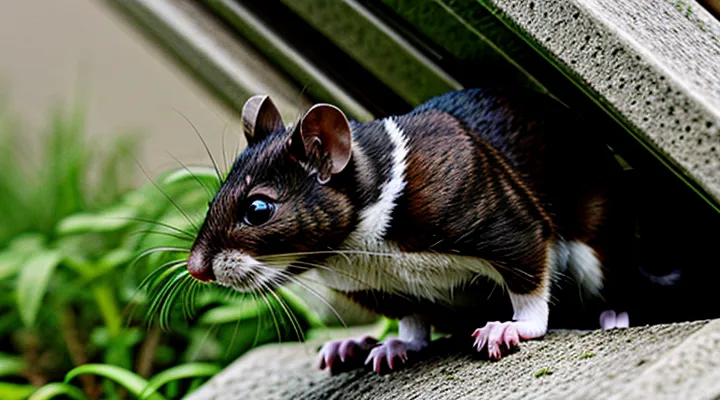
Understanding Mouse Hearing and Behavior
The Auditory Range of Mice
Mice hear frequencies from roughly 1 kHz to 100 kHz, with peak sensitivity between 10 kHz and 30 kHz. Their auditory threshold falls below 10 dB SPL at these mid‑range frequencies, allowing detection of faint sounds that are inaudible to humans. Above 30 kHz, sensitivity declines but remains sufficient to perceive ultrasonic emissions down to 20 dB SPL. Below 1 kHz, hearing efficiency drops sharply, and signals under 30 dB SPL are often missed.
Key parameters for acoustic deterrence:
- Frequency band: 10–30 kHz (optimal); 30–50 kHz (secondary)
- Minimum effective SPL: 40–50 dB for consistent aversion
- Duration: continuous tones or intermittent bursts of 1–5 seconds
- Modulation: rapid frequency sweeps increase perceived discomfort
Understanding these limits enables precise selection of devices that generate sounds within the mouse auditory sweet spot while remaining silent to occupants.
How Mice React to Sounds
Mice possess an acute auditory system tuned to frequencies between 1 kHz and 80 kHz, with peak sensitivity around 10–20 kHz. Sounds within this range can trigger immediate behavioral responses, while frequencies outside the optimal band often produce negligible effects.
When exposed to sudden, high‑intensity noises, mice exhibit a startle reflex characterized by rapid movement, freezing, or escape attempts. This reaction is mediated by the cochlear nucleus and brainstem circuits that process abrupt acoustic cues associated with predator threats. Repeated exposure to the same sound reduces the response as neural adaptation occurs, leading to habituation and diminished avoidance.
Key factors influencing auditory deterrence:
- Frequency: Ultrasonic tones (above 20 kHz) are detectable but may be less disturbing than mid‑range frequencies that align with mouse hearing peaks.
- Amplitude: Levels above 85 dB SPL generate a strong aversive response; lower intensities may be ignored.
- Temporal pattern: Irregular or pulsed sounds prevent habituation more effectively than continuous tones.
- Duration: Short bursts (1–5 seconds) produce immediate startle without allowing acclimation; prolonged exposure encourages tolerance.
Mice also respond to broadband noise that masks environmental sounds, disrupting communication and foraging cues. This acoustic interference can reduce activity levels and discourage entry into treated zones.
Understanding these auditory sensitivities enables the design of sound‑based deterrent strategies that maximize initial aversion while minimizing the risk of habituation.
Natural Predators and Their Sounds
Acoustic deterrence against rodents relies on mimicking the auditory signals of their natural enemies. Predatory sounds trigger instinctive avoidance behaviors, reducing the likelihood of mice entering treated areas.
Key predators and the specific vocalizations that can be reproduced include:
- Barn owl – high‑frequency screeches and rapid wingbeats; frequencies around 2–4 kHz are most disruptive.
- Red‑tailed hawk – sharp, soaring calls with distinct sibilant tones; peak energy near 3 kHz.
- Domestic cat – low growls and hisses; broadband noise spanning 0.5–2 kHz.
- Eastern garter snake – subtle rattling of scales; low‑frequency vibrations below 1 kHz.
- Red fox – yipping bursts with rapid pitch changes; dominant frequencies between 1.5–3 kHz.
Deploying recorded versions of these sounds on a timed playback system creates an environment that mice perceive as hostile, leading to sustained avoidance without chemical agents.
Ultrasonic Pest Repellers: Do They Work?
The Science Behind Ultrasonic Devices
Ultrasonic pest‑control units operate by emitting sound waves above 20 kHz, a range beyond human hearing but well within the auditory spectrum of mice. Laboratory measurements show that Mus musculus detects frequencies up to 90 kHz, with peak sensitivity between 30 and 50 kHz. When an ultrasonic emitter produces a continuous tone or a patterned sweep within this band, the animal’s auditory system receives a stimulus that it cannot habituate to, triggering stress responses and avoidance behavior.
The effectiveness of these devices depends on three physical parameters: frequency, intensity, and propagation distance. Frequency determines whether the signal aligns with the mouse’s most responsive hearing range. Intensity, expressed in decibels SPL, must exceed the auditory threshold (approximately 40 dB at 30 kHz) but remain below levels that could damage surrounding electronics or pets. Propagation distance is limited by air absorption, which increases sharply with frequency; for example, a 40 kHz tone loses roughly 3 dB per meter in typical indoor conditions, restricting the useful radius to 1–2 m from the source.
Device design incorporates these constraints through the following features:
- Piezoelectric transducers that generate stable high‑frequency vibrations.
- Frequency modulation (e.g., chirps or random sweeps) to prevent auditory adaptation.
- Amplifier circuits calibrated to maintain output between 70 and 85 dB SPL at the device’s edge.
- Housing materials selected for minimal acoustic dampening and heat dissipation.
Scientific studies confirm that mice exposed to properly calibrated ultrasonic emissions exhibit reduced foraging activity and increased time spent in quieter zones. However, efficacy diminishes when obstacles block line‑of‑sight paths, when ambient noise masks the ultrasonic signal, or when rodents become desensitized after prolonged exposure. Integrating ultrasonic units with complementary methods—such as exclusion sealing and bait placement—maximizes repellent performance.
Common Types of Ultrasonic Repellers
Plug-in Devices
Plug‑in ultrasonic devices emit high‑frequency sound waves that are uncomfortable for mice but inaudible to humans. The technology relies on frequencies typically between 20 kHz and 65 kHz, a range that interferes with rodent hearing and disrupts communication.
Effective deployment requires attention to power source, coverage area, and installation height. Devices must be connected to a stable electrical outlet; fluctuations in voltage can reduce output intensity and shorten lifespan. Most models specify a coverage radius of 30–45 feet; overlapping zones ensure continuous protection in larger spaces. Placement at 12–18 inches above the floor targets the primary travel paths of mice while avoiding obstruction by furniture.
Key specifications often include:
- Frequency range: 20 kHz–65 kHz
- Adjustable timer: 2 h, 4 h, 8 h, continuous operation
- Integrated safety shut‑off for power surges
- Low‑energy consumption (≤ 2 W)
Maintenance consists of periodic cleaning of the speaker grille to prevent dust accumulation, which can attenuate signal strength. Replacement cycles vary by manufacturer but generally span 12–24 months for optimal performance.
When selecting a plug‑in solution, verify compliance with local safety standards (e.g., UL, CE) and confirm that the device provides a documented frequency spectrum. Properly configured units create an acoustic barrier that deters rodent activity without chemical agents or traps.
Battery-Powered Units
Battery‑powered ultrasonic devices provide a portable method for delivering rodent‑repelling sound without reliance on household electricity. The units emit frequencies above 20 kHz, a range inaudible to humans but uncomfortable for mice, creating a hostile acoustic environment that discourages nesting and foraging.
Effective deployment requires positioning the device near entry points, along walls, and within concealed spaces where mice travel. Direct line‑of‑sight between the emitter and the target area maximizes coverage; obstacles such as furniture or thick insulation diminish sound propagation.
Power sources typically include alkaline, lithium, or rechargeable NiMH cells. Battery life varies with capacity and emission intensity, ranging from 30 hours for low‑output models to over 200 hours for high‑efficiency units. Regular inspection of voltage levels prevents premature shutdown. Rechargeable options reduce long‑term cost but demand a compatible charger and periodic cycle testing.
Advantages:
- Mobility enables placement in garages, sheds, and temporary structures.
- Absence of wiring eliminates fire risk and simplifies installation.
- Quick replacement minimizes downtime during pest control campaigns.
Limitations:
- Coverage radius generally limited to 10–15 feet; multiple units may be necessary for larger spaces.
- Performance declines as batteries deplete, requiring monitoring.
- Ultrasonic sound does not affect mature infestations; integration with sanitation measures improves results.
Key factors when selecting a battery‑operated ultrasonic repellent:
- Frequency range (≥ 20 kHz, preferably 25–30 kHz for optimal rodent sensitivity).
- Specified coverage area and directional pattern.
- Battery type, capacity, and replace‑or‑recharge cycle.
- Built‑in safety features, such as automatic shutoff at low voltage.
- Manufacturer warranty and documented efficacy testing.
Properly chosen and maintained, battery‑driven ultrasonic units contribute an effective, flexible component to acoustic rodent deterrence strategies.
Efficacy and Limitations
Factors Affecting Performance
Acoustic deterrents rely on specific sound characteristics, and their effectiveness varies according to several measurable factors.
- Frequency: Ultrasonic ranges above 20 kHz target the auditory sensitivity of mice, while lower frequencies may be audible and less disruptive.
- Amplitude: Higher sound pressure levels increase penetration through obstacles, but excessive volume can cause equipment wear.
- Signal pattern: Continuous tones, intermittent bursts, and frequency-modulated sweeps each produce different habituation rates in rodents.
- Exposure duration: Sustained operation over days or weeks maintains deterrent pressure; short intervals allow rapid acclimation.
Environmental conditions also influence performance. Ambient temperature and humidity affect sound propagation; warmer, moist air reduces ultrasonic attenuation, extending coverage. Physical barriers such as insulation, furniture, and flooring absorb or reflect waves, creating dead zones that diminish efficacy.
Device placement determines coverage geometry. Positioning emitters near entry points, along walls, and at ceiling height maximizes overlap of sound fields. Power stability ensures consistent output; voltage fluctuations can lower amplitude and alter frequency stability.
Background noise levels compete with deterrent signals. High ambient ultrasonic noise from other equipment can mask the intended frequencies, reducing the perceived intensity by mice.
Species-specific behavior shapes response. Different rodent strains exhibit variable sensitivity thresholds and learning capacities, influencing how quickly they ignore repeated exposure.
Overall, optimal performance results from aligning frequency, amplitude, and pattern with environmental acoustics, strategic placement, reliable power, and awareness of the target population’s auditory profile.
Potential for Mouse Acclimatization
Acoustic deterrents rely on frequencies that rodents find uncomfortable, yet repeated exposure can diminish their impact. Mice quickly learn to ignore sounds that lack immediate threat, especially when the stimulus is constant and predictable.
Key factors influencing habituation include:
- Frequency stability – narrow‑band tones allow mice to recognize and filter the signal.
- Amplitude consistency – low‑level output fails to maintain aversive response.
- Duration of exposure – continuous operation gives mice time to adapt.
- Environmental context – abundant food sources reduce motivation to flee.
Observable signs of reduced efficacy are:
- Increased foraging activity despite active devices.
- Presence of droppings or gnaw marks near previously protected zones.
- Lack of avoidance behavior when the device is switched on.
Mitigation strategies focus on disrupting learned patterns:
- Rotate frequencies within the ultrasonic range every few days.
- Introduce intermittent operation cycles (e.g., 15 minutes on, 30 minutes off).
- Combine sound with physical barriers or scent repellents to create multimodal deterrence.
- Periodically recalibrate devices to ensure output remains above the threshold that triggers discomfort.
Implementing these adjustments limits the likelihood that rodents will become desensitized, preserving the long‑term effectiveness of sound‑based repellent systems.
Other Sound-Based Repellent Methods
Audible Sounds for Mouse Repulsion
High-Frequency Audio
High‑frequency audio devices emit ultrasonic waves typically between 20 kHz and 65 kHz, a range beyond human hearing but within the auditory sensitivity of mice. Mice detect these frequencies through specialized cochlear hair cells, which trigger a startle response and induce avoidance behavior.
Effective deployment requires:
- Placement of emitters near entry points, nesting sites, and food storage areas.
- Continuous operation for at least 24 hours to maintain a persistent deterrent field.
- Overlap of coverage zones to eliminate acoustic blind spots.
Research shows that frequencies around 30 kHz produce the strongest aversive effect, while higher tones (>50 kHz) may cause rapid habituation. Adjusting the output level to 90–100 dB SPL at the source ensures sufficient intensity after attenuation through walls and furniture.
Safety considerations:
- Verify that the device complies with IEC 60601‑2‑33 or equivalent standards to prevent unintended exposure to pets or livestock.
- Position units away from human workstations to avoid potential discomfort for individuals with heightened ultrasonic sensitivity.
Limitations include:
- Diminished efficacy in open outdoor environments where sound dissipates quickly.
- Reduced impact on mouse populations that have previously adapted to ultrasonic exposure.
Regular monitoring of rodent activity, combined with complementary control measures such as sealing entry gaps and removing food sources, maximizes the overall success of acoustic deterrence.
Predator Calls
Predator calls mimic the vocalizations of natural enemies such as owls, hawks, and cats, creating a perceived threat that triggers avoidance behavior in mice. The recordings typically emphasize frequencies between 2 kHz and 8 kHz, matching the auditory range most sensitive to rodents. When mice detect these sounds, they exhibit reduced foraging activity, increased sheltering, and a tendency to vacate the area.
Effective deployment requires continuous or intermittent playback, depending on the environment. In confined spaces like storage rooms, a looped recording with a 2‑minute sound burst followed by a 5‑minute silence interval maintains the illusion of an active predator without causing habituation. In larger, open areas, multiple speakers positioned at 3‑meter intervals ensure coverage and prevent acoustic dead zones.
Key considerations:
- Source quality: Use high‑fidelity recordings free of background noise; low‑quality audio can be ignored or misinterpreted.
- Volume level: Set output to 70–80 dB SPL at ear height; lower levels fail to elicit response, while excessively loud playback may stress non‑target species.
- Duration: Rotate different predator calls every 24 hours to avoid desensitization; alternating owl hoots with hawk screeches preserves effectiveness.
- Power supply: Battery‑operated units with auto‑shutdown after 30 minutes conserve energy while providing sufficient exposure.
- Safety: Verify that the sound does not exceed occupational noise limits for humans working nearby; use directional speakers to focus the field.
Integrating predator call devices with complementary tactics—such as sealing entry points and eliminating food sources—produces a comprehensive acoustic deterrent system that reliably reduces mouse presence.
DIY Sound Solutions
Household Noises
Household sounds can create an acoustic environment that discourages mouse activity. Rodents possess acute hearing; frequencies between 1 kHz and 20 kHz trigger discomfort, especially when presented intermittently.
Common domestic sources generate suitable frequencies:
- Radio or television static when tuned to unused channels, producing broadband noise.
- Vacuum cleaners operating on high speed, emitting a continuous low‑to‑mid‑range hum.
- Kitchen appliances such as blenders or food processors, delivering irregular high‑frequency bursts.
- Mechanical timers or alarm clocks set to emit periodic beeps in the 2–5 kHz range.
- Doorbell chimes or intercom alerts, offering short, sharp tones.
Effective deployment requires strategic placement of noise‑emitting devices near known entry points, nesting sites, or travel corridors. Operate devices for 10–15 minutes several times daily; alternating periods of silence prevents habituation. Ensure that volume levels remain within safe limits for human occupants.
Continuous observation of mouse signs—droppings, gnaw marks, or activity trails—verifies efficacy. If signs persist, augment acoustic measures with physical barriers or traps, as sound alone may not eradicate established populations.
Music and Radio
Acoustic deterrence relies on frequencies that mice find uncomfortable. Music and broadcast signals can generate such frequencies when delivered continuously at sufficient intensity. Research indicates that tones above 20 kHz, though beyond human hearing, can be produced by certain audio equipment and remain effective for several hours without habituation. Low‑frequency static from AM radio, especially when modulated irregularly, creates a disruptive acoustic environment that reduces nesting activity.
Implementing music‑based repellent systems involves three steps:
- Choose sources capable of emitting ultrasonic ranges (e.g., specialized speakers or ultrasonic pet deterrent devices). Verify output with a calibrated meter to ensure at least 70 dB SPL at the target zone.
- Position emitters near entry points, food storage areas, and known burrow sites. Overlap coverage zones to avoid silent gaps.
- Maintain playback for a minimum of 8 hours daily. Alternate playlists or radio stations every 30 minutes to prevent desensitization.
Radio broadcasts provide an alternative when ultrasonic hardware is unavailable. Continuous transmission of high‑pitch carrier waves, combined with occasional frequency sweeps, creates a variable sound field that discourages rodent exploration. Adjust volume to a level audible to mice (approximately 55–60 dB) while remaining tolerable for occupants.
Effectiveness diminishes if devices are turned off for extended periods or if rodents adapt to a static pattern. Regularly rotate frequencies, vary content, and inspect equipment for degradation. Monitoring activity with motion sensors or trap counts helps assess impact and refine the acoustic strategy.
Best Practices for Sound Repellent Use
Placement and Coverage Considerations
Effective ultrasonic or audible deterrent systems require strategic positioning to ensure continuous exposure across the target area. Place devices near entry points such as gaps under doors, cracks in walls, and utility openings; these locations are primary routes for rodent ingress. Install units at ceiling height or on elevated surfaces to maximize the propagation of sound waves, which travel more efficiently through open air than along floor-level obstacles.
Coverage must overlap to prevent safe zones where mice could avoid the acoustic field. Calculate the advertised radius of each emitter, then arrange devices so that adjacent zones intersect by at least 20 %. Overlapping zones create a uniform pressure gradient, discouraging rodents from navigating between gaps.
Consider environmental factors that attenuate sound:
- Dense insulation, thick drywall, or stacked furniture absorb ultrasonic frequencies.
- Open stairwells and ventilation shafts amplify propagation; place emitters there to reach multiple levels.
- Outdoor installations require weather‑proof housing and may need higher power output due to wind and temperature variations.
Regular verification is essential. Use a calibrated sound level meter to confirm that measured intensity remains above the species‑specific deterrent threshold (typically 70‑80 dB for ultrasonic devices) throughout the covered space. Adjust device placement or add supplementary units if measurements fall short.
Combining Sound with Other Repellent Strategies
Trapping Methods
Acoustic deterrence reduces mouse activity, yet occasional intrusions require physical capture. Effective trapping integrates sound with proven capture devices to maintain low populations.
- Snap traps positioned near ultrasonic emitters capture rodents that ignore the noise. Place traps along walls where mice travel, ensuring the trigger is sensitive enough to react to brief contact.
- Live‑catch cages combined with a constant tone attract mice into the enclosure. Use a bait station inside the cage; the sound discourages escape once the animal is inside.
- Glue boards set adjacent to speaker outlets provide a passive solution. The boards should be replaced regularly to prevent odor buildup that could diminish the acoustic field.
- Electronic traps that deliver a high‑frequency pulse upon entry complement the ambient sound, delivering a swift, humane kill. Align the sensor with the speaker’s coverage area for maximum overlap.
When deploying traps, calibrate the sound source to the specific frequency range (20–50 kHz) that mice find aversive. Verify that the acoustic device operates continuously; intermittent operation allows rodents to acclimate and reduces trap efficacy. Regular inspection of traps ensures functionality and prevents secondary infestations.
Exclusion Techniques
Effective exclusion prevents rodents from entering an area where acoustic deterrents are deployed. The first step is to identify all possible ingress routes. Conduct a thorough inspection of walls, floors, ceilings, and utility openings. Look for gaps larger than ¼ inch, as even small openings provide access.
- Seal cracks with silicone caulk or expanding foam.
- Install metal flashing around door frames, windows, and vent openings.
- Fit tight-fitting door sweeps on all exterior doors.
- Cover utility penetrations (pipes, cables) with steel wool followed by a layer of cement or mesh.
- Use concrete or mortar to fill larger holes in foundations and exterior walls.
Next, reinforce structural barriers. Install rodent-proof screens on vents, chimney flues, and basement crawl spaces. Ensure that screens have mesh size no larger than ¼ inch and are secured with stainless‑steel staples or screws to prevent sagging.
Finally, maintain the exclusion system. Perform regular visual checks for wear, damage, or new openings caused by settling or renovation work. Reapply sealants and replace compromised hardware promptly. By keeping the physical envelope intact, acoustic devices can operate at full efficiency, directing rodents toward the sound field without providing alternative escape routes.
Sanitation Practices
Keeping the area free of food residues, water sources, and nesting material directly enhances the efficiency of acoustic deterrents against rodents. When attractants are eliminated, the sound devices operate without competing stimuli, leading to faster and more consistent repulsion.
- Remove spilled grain, crumbs, and pet food daily.
- Store dry goods in airtight containers.
- Clean under appliances, behind cabinets, and in pantry corners weekly.
- Repair leaky pipes and eliminate standing water.
- Dispose of garbage in sealed bins and empty them regularly.
- Trim vegetation and clear debris around the building perimeter.
Schedule inspections every two weeks to verify that surfaces remain spotless and that no new food sources have appeared. Document findings, note any breaches, and remediate immediately to prevent re‑infestation.
Integrate sanitation checks with the sound system’s maintenance plan. Align cleaning cycles with device battery replacements or firmware updates, ensuring that both environmental and technological controls function simultaneously for optimal rodent deterrence.
Monitoring and Evaluation of Effectiveness
Effective monitoring of acoustic rodent deterrent systems requires systematic data collection, objective performance metrics, and periodic analysis. Begin with baseline observations: count mouse activity signs (droppings, gnaw marks, live captures) for at least one week before device installation. Record environmental variables such as temperature, humidity, and ambient noise levels, as they can influence acoustic propagation.
Implement a structured logging protocol after deployment. Log entries should include:
- Date and time of each observation period
- Number of mouse activity indicators detected
- Device operational status (on/off, power source, battery voltage)
- Measured sound pressure level at key locations (decibels)
- Any anomalies (e.g., equipment interference, unexpected wildlife presence)
Analyze the collected data using statistical methods. Compare post‑installation activity counts with baseline figures to calculate reduction percentages. Apply confidence intervals or hypothesis testing to determine whether observed declines exceed random variation. Trend analysis over multiple weeks reveals whether efficacy persists, declines, or improves with habituation.
Validate acoustic performance through periodic field measurements. Use calibrated sound meters to verify that emitted frequencies remain within the target ultrasonic range (typically 20–50 kHz) and that sound pressure levels exceed the threshold known to disrupt rodent hearing (generally >80 dB SPL at the source). Adjust device placement or power settings if measurements fall short.
Integrate feedback loops. If reduction metrics drop below a predefined efficacy threshold (e.g., <50 % activity decrease), schedule maintenance, reposition speakers, or supplement with additional deterrent modalities. Document all corrective actions and re‑evaluate outcomes using the same monitoring framework.
Finally, compile comprehensive reports summarizing methodology, raw data, statistical findings, and recommendations. Ensure reports are accessible to stakeholders, support reproducibility, and provide a clear basis for decision‑making regarding continued use or modification of the sound‑based repellent strategy.