
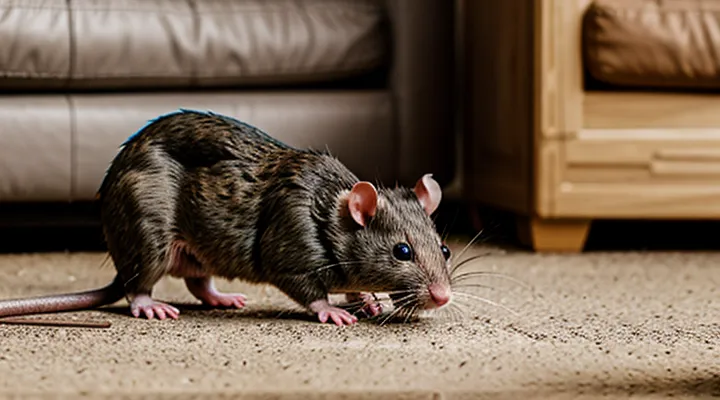
The Nuances of Rat Behavior
Understanding Play in Animals
Rats display specific behaviors that signal playful intent toward a human companion. Recognizing these signals helps prevent misinterpretation of aggression or stress.
Typical play cues include:
- Rapid, intermittent darting movements followed by pauses.
- Gentle nibbling or mouthing without deep pressure.
- Vocalizations that are higher‑pitched than alarm calls.
- Repetitive chasing that ends with the rat returning to the person’s hand or lap.
- Relaxed body posture, such as flattened ears and a loose tail.
When these elements appear together, the rat is likely engaging in a social game rather than expressing fear. Observers should respond with calm, slow motions, avoiding sudden grabs or restraint, which can shift the interaction to defensive behavior.
Scientific studies on rodent play emphasize the role of reciprocal actions. If a human mirrors the rat’s gentle motions—lightly tapping the cage floor or offering a small, movable object—the animal often prolongs the activity. This exchange reinforces the perception of safety and mutual enjoyment.
In practical terms, assess the combination of movement patterns, vocal tone, and body tension. Consistent presence of the listed cues indicates that the rat is actively seeking interaction for pleasure, not merely exploring or reacting to a threat.
Distinguishing Play from Other Behaviors
Rats display distinct cues when they engage in play rather than exhibiting aggression, fear, or territorial behavior. Observers can rely on posture, movement patterns, and vocal signals to make an accurate assessment.
Playful rats often assume a relaxed stance, with the body lowered and limbs loosely extended. They may perform gentle chases, mock wrestling, or brief bouts of nudging that cease without escalation. In contrast, aggressive encounters feature stiff bodies, raised fur, and rapid, forceful bites. Fearful reactions are marked by rapid retreat, crouching, and high‑pitched squeaks, while territorial displays involve sustained dominance postures and prolonged staring.
Key indicators of a playful interaction include:
- Soft, intermittent squeaks or chirps rather than sharp, alarm calls.
- Light, intermittent biting that stops when pressure is released.
- Alternating roles, where each participant both initiates and receives contact.
- Absence of prolonged eye contact or fixed stares.
- Quick, erratic movements that resemble a game of tag rather than a chase for dominance.
When a rat repeatedly initiates gentle contact, responds positively to human handling, and quickly returns to a neutral posture after interaction, the behavior can be classified as play. Any deviation toward sustained tension, defensive positioning, or hostile biting signals a different motivational state that requires separate handling.
Key Indicators of Playful Interaction
Body Language Cues
«Popcorning» and Leaping
Rats display two distinct aerial motions that signal playful interaction with people.
The first motion, often called “popcorning,” consists of a series of quick, vertical hops. Each hop lasts less than a second, with the animal’s body lifted only a few centimeters off the floor. The pattern is rhythmic: the rat repeats the jumps in rapid succession, sometimes alternating between left and right forepaws. Popcorning typically follows a period of calm exploration or after receiving a treat, indicating excitement rather than aggression.
The second motion, leaping, involves a single, longer-distance jump. A rat may launch itself from one surface to another—such as from a cage bar to a tabletop—or over a short gap toward a human hand. Leaps are slower than popcorning hops, with a more pronounced arc and a clear intent to reach a target. The rat’s forepaws extend forward, and the tail often remains straight to aid balance.
Key differences between the two behaviors:
- Duration: popcorning – continuous series; leaping – isolated event.
- Height: popcorning – low, repetitive; leaping – higher, purposeful.
- Direction: popcorning – vertical, in place; leaping – horizontal, toward an object or person.
- Context: popcorning – after stimulation, during play bursts; leaping – when the rat attempts to close distance or explore new terrain.
Recognizing these motions helps differentiate casual play from attempts to engage physically. Consistent popcorning suggests a rat is enjoying the interaction, while frequent leaping may indicate curiosity about reaching the human or a desire for a specific reward. Observing the frequency, height, and direction of each motion provides reliable insight into the animal’s playful state.
«Tackling» and Gentle Biting
Rats display “tackling” when they repeatedly push, nudge, or lift a person’s hand or foot with their forepaws. The motion resembles a brief, controlled shove rather than a defensive strike. During tackling, the rat’s body remains relaxed, ears are forward, and whiskers vibrate lightly, indicating excitement rather than aggression. The animal often pauses to sniff the human’s skin before resuming the push, a pattern that distinguishes play from territorial behavior.
Gentle biting accompanies tackling in many playful interactions. The bite pressure is low enough to leave only a faint, temporary indentation without breaking the skin. Rats usually bite on soft, exposed areas such as fingertips, knuckles, or the back of the hand, then release immediately. A soft, rapid bite followed by licking or grooming of the bitten spot signals a social cue rather than a threat.
Key indicators that both behaviors constitute play:
- Repetitive, rhythmic pushes or lifts without sustained force
- Forward‑facing ears and relaxed posture
- Light, brief bites that cause no tissue damage
- Immediate release of the bite and subsequent grooming
- Alternating between tackling and gentle biting within a short time frame
When these signs appear together, the rat is engaging in affectionate play rather than asserting dominance or defending territory. Recognizing the pattern allows humans to respond appropriately, reinforcing positive interaction and preventing misinterpretation of the rat’s intent.
«Grooming» as a Playful Act
Rats often extend grooming actions toward a person when they treat the interaction as a game. The behavior differs from routine cleaning; it is marked by a relaxed posture, frequent pauses, and a willingness to be touched.
During playful grooming a rat may:
- Gently nibble the skin or hair, alternating with soft licking.
- Alternate between grooming and chasing the hand or finger.
- Exhibit a loose, wavy tail rather than a tight, erect one.
- Remain in a crouched stance, ready to hop or dart away at any moment.
These cues signal that the animal perceives the human as a partner rather than a source of hygiene. When the rat continues the activity after brief interruptions, it reinforces the play loop.
To respond appropriately, maintain a steady hand, avoid sudden movements, and match the rat’s tempo. Offering a small treat after a grooming bout can reinforce the positive association, while abrupt pulling away may terminate the playful exchange.
Vocalizations and Sounds
Ultrasonic Chirps
Rats emit ultrasonic chirps during social interaction, especially when they perceive a human as a play partner. These sounds fall above 20 kHz, beyond human hearing, but they accompany observable body language such as rapid darting, playful nipping, and exaggerated grooming motions. Detecting chirps requires a recorder capable of capturing high‑frequency audio; many pet‑owner devices operate up to 100 kHz and provide real‑time spectrograms.
Key indicators that chirps signal play:
- Frequency range between 30 kHz and 80 kHz, often short bursts lasting 0.1–0.5 seconds.
- Repetition synchronized with tail flicks, hopping, or forward lunges.
- Absence of aggressive postures (raised fur, stiff posture) that accompany warning vocalizations.
- Increase in chirp rate when the human initiates gentle tactile stimulation, such as light tapping or offering a small treat.
Interpretation steps:
- Equip a suitable ultrasonic microphone and start recording before interaction begins.
- Observe the rat’s visual cues; match chirp bursts to specific movements.
- Compare chirp patterns with baseline recordings taken during solitary exploration; play‑related chirps show higher frequency modulation and tighter temporal clustering.
- Confirm the context by noting the human’s behavior: slow, playful gestures correspond to positive chirp activity, whereas sudden movements trigger silence or low‑frequency alarm calls.
Understanding these ultrasonic signals refines assessment of rat‑human play dynamics, allowing owners and researchers to differentiate genuine play from stress‑related communication.
Squeaks and Giggles
Rats communicate through a range of high‑frequency sounds that often accompany playful interaction with people. When a rat emits short, rapid squeaks while approaching, nudging, or climbing onto a hand, the vocalization usually signals excitement rather than distress. The pitch rises as the animal becomes more engaged, and the duration shortens when the play session ends.
Typical auditory cues indicating a lighthearted mood include:
- Repetitive, chirp‑like squeaks that increase in tempo during active chasing or object manipulation.
- Soft, intermittent giggles—low‑volume, repetitive clicks—produced when the rat is being petted or gently restrained.
- A sudden pause in vocalization followed by a brief, contented squeak after the human initiates a treat or a new toy.
Observing these sounds alongside body language—such as relaxed posture, upright ears, and exploratory whisker movements—provides a reliable method for distinguishing genuine play from agitation. Recognizing the pattern of squeaks and giggles enables owners to respond appropriately, reinforcing positive interaction and preventing unintended stress.
Contextual Clues
Repeated Actions
Rats demonstrate play through patterns that occur repeatedly over short intervals. When a rat repeatedly nudges, darts, or circles a person, it signals an intention to engage rather than to forage or hide. Consistent repetition distinguishes playful intent from occasional curiosity.
Key repeated actions include:
- Light bites followed by immediate release, occurring several times in a row.
- Rapid foot‑tapping against the hand or arm, repeated at intervals of a few seconds.
- Small jumps onto the forearm, followed by quick retreats and subsequent jumps.
- Persistent whisker brushing against the skin, repeated with rhythmic motion.
These behaviors are often paired with vocalizations such as high‑pitched squeaks that recur throughout the interaction. The rat’s body language remains relaxed; ears are forward, tail is loosely curled, and the animal does not display signs of aggression such as teeth clenching or stiff posture.
Observation of repeated actions allows an observer to differentiate genuine play from fleeting exploration. Repetition, frequency, and the absence of defensive signals together form a reliable indicator that the rat is actively playing with a human companion.
Mutual Engagement
When a rat interacts with a person in a playful manner, the relationship is built on reciprocal signals that both parties recognize and respond to. Mutual engagement appears as a two‑way exchange: the rat initiates actions, the human mirrors or acknowledges them, and the cycle repeats, creating a shared rhythm.
Key indicators of this exchange include:
- The rat approaches the hand or arm with a relaxed posture, tail held low, and ears forward.
- It alternates between gentle nudges, light bites, and quick retreats, prompting the human to pause, pet, or mimic the motion.
- The animal’s vocalizations shift to soft chirps or squeaks that accompany each contact, while the person responds with calm voice tones or light taps.
- Eye contact is maintained without sudden darting, signaling trust and anticipation of continued interaction.
Effective participation requires the human to match the rat’s tempo. Responding with slow, steady strokes, brief pauses, and occasional playful squeaks reinforces the rat’s confidence. Overly abrupt movements or excessive force break the feedback loop, causing the rat to withdraw.
Sustaining this bidirectional dynamic enhances the rat’s willingness to initiate future play, strengthens the bond, and provides clear behavioral cues for observers to differentiate genuine play from stress‑related actions.
Absence of Aggression
Rats that engage in play with a person exhibit a distinct lack of hostile signals. Recognizing this absence of aggression allows owners to differentiate genuine interaction from potential danger.
- Body relaxed, spine slightly arched, limbs loose rather than tense.
- Ears held forward or slightly angled, not flattened against the head.
- Tail extended, gently swaying, never stiffened or flicked sharply.
- Soft, high‑frequency chirps or quiet squeaks, not harsh chattering or growls.
- Frequent grooming of the rat’s own fur, indicating comfort.
- Gentle nudges or light bites directed toward the hand, accompanied by a quick release.
- No lunging, charging, or attempts to bite with force.
These indicators signal that the rat perceives the human as a play partner rather than a threat. The animal’s physiological state remains calm; cortisol spikes are absent, and heart rate stays within normal resting ranges.
When all listed cues appear concurrently, interaction can be continued safely. If any aggressive marker—such as rigid posture, ear flattening, rapid tail thumping, or forceful bites—emerges, the encounter should be halted immediately to prevent injury.
Factors Influencing Play Behavior
Rat Personality Differences
Rats display consistent personality traits that influence how they interact with people. Recognizing these traits clarifies whether a rat’s behavior represents play rather than fear, aggression, or curiosity alone.
- Boldness – Rats that approach unfamiliar objects or humans without hesitation often initiate playful actions such as nudging, climbing, or gentle biting.
- Sociability – Highly social individuals seek close physical contact, position themselves on a person’s lap, and respond positively to vocal cues.
- Curiosity – Curious rats explore hand movements, investigate textures, and may engage in rapid, repetitive motions that resemble games.
- Aggressiveness – Aggressive rats display stiff posture, rapid lunges, and teeth baring; these signals differ from the relaxed posture of play.
Playful behavior typically includes a combination of relaxed body posture, open ears, a “purring” sound produced by rapid breathing, and alternating bouts of gentle tugging followed by pauses. The rat may repeatedly chase a fingertip, perform small jumps, or present its back for a light rub. Absence of defensive postures—such as crouching, tail whipping, or sudden retreats—supports a playful interpretation.
When assessing a rat’s actions, observe the following indicators:
- Body tension – Loose muscles and a soft belly suggest enjoyment; tension indicates stress or aggression.
- Vocalization – Soft chirps or trills accompany play; harsh squeals signal distress.
- Movement pattern – Alternating between active pursuit and calm contact reflects game-like interaction.
- Facial expression – Slightly open mouth and relaxed whiskers are typical of play; narrowed eyes and flattened ears denote fear.
Matching interaction style to the rat’s personality enhances the likelihood of genuine play. For bold, exploratory rats, provide varied toys and encourage gentle chase games. Sociable individuals respond best to extended hand‑holding sessions and lap time. Curious rats benefit from puzzle feeders and interactive objects that stimulate investigative behavior. Recognize aggressive tendencies early; redirect energy toward structured activities rather than direct human contact to prevent injury.
Environmental Stimuli
Rats display play through a combination of sensory cues that arise from their surroundings. Recognizing these cues allows a person to differentiate playful interaction from aggression or stress.
- Auditory cues: high‑frequency chirps, rapid squeaks, and soft rustling indicate excitement. Sudden loud noises or low‑frequency growls usually signal alarm rather than play.
- Visual cues: bright, wide‑open spaces encourage exploratory movement; rats will dart, spin, and perform mock‑chasing in such environments. Dim lighting or cluttered areas tend to suppress playful displays.
- Tactile cues: gentle nudges, light bites, and rhythmic pawing on a human hand are typical of play. Firm pressure, clawing, or persistent biting points to defensive behavior.
- Olfactory cues: scent marks from familiar humans, especially those containing neutral or pleasant odors, facilitate approach and interaction. Strong or unfamiliar smells can inhibit play.
- Contextual cues: temperature within the rat’s comfort range (20‑24 °C) and a stable, quiet enclosure promote active engagement. Sudden temperature shifts or frequent disturbances reduce playfulness.
Observation of these stimuli should follow a systematic approach: note the sound pattern, watch the rat’s movement trajectory, feel the nature of contact, and assess any odors present. When all listed cues align positively, the rat is most likely engaging in play.
For effective human‑rat interaction, maintain a quiet room, provide ample lighting, keep the enclosure clean and temperature‑controlled, and use neutral‑scented hands. Offer small, soft objects for the rat to manipulate; this reinforces the play signal without introducing stressors.
Owner Interaction Styles
Understanding a rat’s playful signals often depends on how the caretaker engages with the animal. Direct eye contact, gentle hand movements, and predictable timing reinforce the rat’s perception of a safe, interactive environment. When the owner’s behavior is erratic or overly invasive, the rat may withdraw or display defensive postures, obscuring the playful intent.
Consistent interaction patterns shape the rat’s willingness to initiate games. Repeating the same gestures—such as offering a small treat while lightly tapping the cage floor—creates an association between the owner’s actions and positive outcomes. Variability in speed, pressure, or proximity can confuse the rat, leading to hesitation or misinterpretation of the owner’s cues.
Effective owner styles include:
- Calm approach: slow hand entry, minimal sudden movements.
- Positive reinforcement: brief rewards paired with gentle petting.
- Predictable routine: same time of day and sequence of actions.
- Respect for boundaries: pause when the rat retreats or signals discomfort.
Encouraging Playful Engagement
Creating a Stimulating Environment
A rat that engages in play with a person shows curiosity, agility, and a willingness to explore. Providing a habitat that encourages these traits enhances the ability to recognize genuine play behavior. Enrich the enclosure with varied textures, climbing structures, and safe chewable items; these elements prompt the animal to initiate interactive activities that can be mistaken for mere wandering.
Key components of an enriching setting include:
- Multiple levels of platforms and ramps to promote vertical movement.
- Nesting materials such as shredded paper or soft fabrics for tactile stimulation.
- Puzzle feeders that require manipulation, fostering problem‑solving skills.
- Regular rotation of toys and objects to prevent habituation.
When the environment offers constant novelty and physical challenges, a rat is more likely to display intentional, playful gestures toward a human—such as gentle nudges, darting runs, or offering objects. Observing these actions in a well‑stimulated context provides reliable indicators that the animal is actively engaging in play rather than exhibiting stress or simple foraging behavior.
Interactive Toys and Games
Interactive toys provide a reliable means of gauging a rat’s engagement level. Simple objects such as chewable tunnels, treat‑dispensing balls, and lightweight puzzle cubes stimulate natural foraging instincts while inviting direct contact. When a rat repeatedly approaches these items in the presence of a person, it signals confidence and a willingness to share the activity.
Key indicators observed during play with these devices include:
- Rapid, rhythmic pawing that alternates with gentle nudges toward the handler’s hand.
- Vocalizations ranging from soft squeaks to brief chirps, emitted while the rat manipulates the toy.
- Body posture that remains relaxed, with ears forward and tail loosely curled around the toy.
Structured games amplify these signals. A common approach involves a timed hide‑and‑seek routine: the rat hides a treat inside a small maze, then retrieves it while the human observes. Successful completion demonstrates problem‑solving ability and reinforces the perception that the rat views the human as a cooperative partner.
Advanced interactive equipment, such as programmable feeder wheels or sensor‑activated tunnels, records interaction frequency and duration. Data from these devices enable precise assessment of a rat’s willingness to initiate play, differentiate between exploratory curiosity and genuine social enjoyment, and track changes over time.
In practice, selecting toys that match a rat’s size and natural behaviors, presenting them consistently, and noting the described responses yields a clear picture of the animal’s playful intent toward humans.
Safe and Gentle Handling Techniques
Rats display playful behavior through rapid movements, gentle nibbles, and vocalizations that differ from aggression. Recognizing these signals allows a caregiver to engage without causing stress, provided that handling follows established safety standards.
Maintain a low‑stress environment before contact. Clean hands with unscented soap, avoid strong odors, and ensure the enclosure is quiet and free of sudden disturbances. Use a well‑ventilated, temperature‑controlled space to prevent overheating or chilling.
- Approach the rat from the side, not from above, to reduce perceived threat.
- Extend a finger slowly, allowing the animal to sniff and become familiar with the scent.
- When the rat shows relaxed posture (e.g., ears back, tail low), gently cup the forepaws with the palm, supporting the body’s weight across both hands.
- Keep the grip light yet secure; avoid squeezing, which can trigger a defensive bite.
- Allow the rat to climb onto a gloved hand or a soft cloth, giving it control over the ascent and descent.
After each session, return the rat to its habitat promptly, check for signs of injury, and provide fresh water and a calm area for recovery. Regularly inspect nails and teeth for overgrowth, as these can affect handling comfort. Consistent application of these methods builds trust, clarifies play cues, and safeguards both animal and handler.