
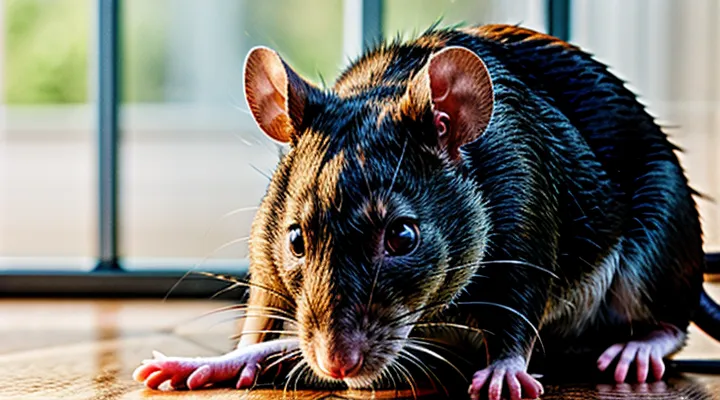
«Understanding Rat Neck Wounds»
«Common Causes of Neck Wounds»
«Fighting Among Cagemates»
Neck injuries in laboratory rats frequently arise from aggressive interactions between cage mates. Recognizing the behavioral triggers that lead to such wounds is essential for effective management. Aggressive bouts typically involve biting, neck wrestling, and forced displacement, which generate puncture or laceration sites on the cervical region. These injuries predispose to infection, hemorrhage, and impaired feeding, demanding prompt veterinary attention.
Assessment should include:
- Visual inspection for open wounds, swelling, or hematoma.
- Palpation to detect underlying tissue damage.
- Monitoring for signs of distress, reduced food intake, and altered grooming.
Immediate care protocol:
- Restrain the animal using a humane tube or hand‑held technique to minimize stress.
- Clean the wound with sterile saline; avoid antiseptic solutions that may irritate delicate tissue.
- Apply a sterile absorbent pad and secure with a light adhesive dressing; ensure the pad does not impede breathing.
- Administer appropriate analgesia (e.g., buprenorphine) and prophylactic antibiotics based on susceptibility patterns.
- Re‑evaluate the cage environment to reduce aggression: provide enrichment, increase space, and consider single housing for severely injured individuals.
Long‑term prevention relies on observing social hierarchy, rotating cage composition, and maintaining optimal lighting and temperature. Early identification of dominant individuals and prompt separation of combative pairs can substantially lower the incidence of cervical trauma.
«Cage Furniture Accidents»
Cage furniture accidents frequently result in cervical injuries in laboratory rats, requiring prompt and systematic intervention. The trauma commonly involves lacerations, punctures, or contusions caused by broken bars, protruding edges, or shifting platforms. Immediate assessment should include visual inspection, palpation of the neck region, and evaluation of respiratory function to determine the severity of the wound.
Effective management proceeds through the following steps:
- Stabilization: Apply a lightweight restraining device to limit neck movement while avoiding additional stress.
- Analgesia: Administer an appropriate dose of a non‑steroidal anti‑inflammatory drug or an opioid analgesic according to institutional guidelines.
- Wound cleaning: Irrigate the lesion with sterile isotonic saline, followed by gentle debridement of necrotic tissue using sterile instruments.
- Antiseptic application: Apply a topical antiseptic solution compatible with rodent skin, such as chlorhexidine gluconate, ensuring thorough coverage.
- Suturing: Use fine, absorbable monofilament sutures (e.g., 6‑0 poliglecaprone) for deep lacerations; employ simple interrupted or cruciate patterns to approximate tissue without tension.
- Bandaging: If required, place a semi‑elastic bandage that permits ventilation and does not obstruct the animal’s ability to groom.
- Monitoring: Observe the rat for signs of infection, swelling, or impaired feeding for at least 72 hours, adjusting analgesic dosing as needed.
Prevention of future incidents relies on routine inspection of cage components, replacement of damaged furniture, and securing all movable elements to eliminate protruding hazards. Implementing a schedule for weekly equipment checks reduces the likelihood of neck injuries associated with cage furnishings.
«Self-Inflicted Injuries»
Rats may cause neck lesions through aggressive grooming, cage‑mate conflicts, or improper handling. Recognizing «Self‑Inflicted Injuries» requires careful observation of wound morphology, location, and surrounding tissue. Typical signs include clean‑cut edges, minimal contamination, and repetitive trauma patterns.
Accurate assessment includes:
- Visual inspection for bleeding, swelling, and necrosis.
- Palpation to evaluate tissue integrity and depth.
- Documentation of wound dimensions and progression over time.
Effective management follows a structured protocol:
- Stabilize the animal with minimal restraint to reduce stress‑induced aggravation.
- Administer analgesia appropriate for rodents, such as buprenorphine, before any manipulation.
- Clean the wound using sterile saline; avoid harsh antiseptics that may damage delicate cervical tissue.
- Apply a suitable wound‑closure method, for example, absorbable sutures for superficial cuts or tissue adhesive for small punctures.
- Cover the site with a breathable, non‑adhesive dressing to protect against self‑biting.
- Monitor for signs of infection, adjusting antibiotic therapy if purulent discharge or erythema appears.
- Re‑evaluate daily; remove sutures when tissue strength is adequate, typically after 7–10 days.
Prevention strategies reduce recurrence:
- Enrich the environment to diminish stress‑related grooming.
- Ensure compatible cage‑mate pairing to limit aggressive encounters.
- Conduct regular health checks to identify early signs of self‑trauma.
Adhering to this concise approach optimizes recovery of cervical lesions in rats and minimizes the risk of further self‑inflicted damage.
«Recognizing Symptoms»
«Visible Lacerations and Punctures»
Visible lacerations and punctures on the cervical region of rats demand immediate attention to prevent infection and ensure optimal recovery. These injuries typically present as linear cuts or circular perforations, often accompanied by hemorrhage and tissue loss.
Assessment includes visual inspection, measurement of wound length and depth, and evaluation of surrounding tissue viability. Palpation determines tension and presence of foreign material. Documentation of lesion dimensions guides therapeutic decisions.
Treatment protocol:
- Irrigate wound with sterile isotonic saline using a low‑pressure catheter to remove debris.
- Apply a mild antiseptic solution (e.g., chlorhexidine 0.05 %) to reduce microbial load.
- Debride necrotic tissue with fine scissors or micro‑scalpel, preserving healthy margins.
- Approximate wound edges with 5‑0 or 6‑0 absorbable sutures for lacerations; for punctures, insert a single‑point suture or employ tissue adhesive if closure is feasible.
- Cover with a semi‑permeable dressing to maintain moisture while preventing contamination.
Post‑operative care mandates regular inspection for signs of infection, daily dressing changes, and administration of analgesics (e.g., buprenorphine 0.05 mg/kg subcutaneously) to alleviate pain. Antibiotic therapy (e.g., enrofloxacin 10 mg/kg intraperitoneally) is recommended for high‑risk cases. Monitoring continues for at least seven days, after which sutures are removed if non‑absorbable material was used.
«Swelling and Redness»
Swelling and redness are primary indicators of inflammatory response following cervical trauma in rodents. Rapid assessment of these signs guides therapeutic decisions and prevents progression to tissue necrosis.
Measurement of edema should be performed with calibrated calipers at the wound margins, recording the greatest width in millimeters. Color change is evaluated visually, noting the intensity of erythema compared to surrounding tissue. Persistent or worsening parameters signal inadequate circulation or infection.
Intervention protocol:
- Apply a cold compress for 10 minutes, three times daily, to reduce vascular dilation and limit fluid accumulation.
- Administer a non‑steroidal anti‑inflammatory agent (e.g., meloxicam, 1 mg kg⁻¹ subcutaneously) every 24 hours for the first 48 hours, then reassess.
- Clean the wound with sterile saline, followed by a thin layer of a biocompatible antiseptic ointment to control microbial colonization.
- Monitor temperature of the affected area; a rise above baseline warrants culture and targeted antibiotic therapy.
Documentation of swelling dimensions and erythema severity at each observation point enables objective evaluation of treatment efficacy and informs adjustments to the care regimen.
«Behavioral Changes»
Rats recovering from cervical injuries exhibit distinct alterations in activity patterns, grooming, and social interaction. Monitoring these modifications provides essential feedback on therapeutic efficacy and animal welfare.
Pain‑related behaviors increase shortly after wound induction. Typical signs include reduced voluntary movement, heightened sensitivity to tactile stimulation, and prolonged periods of immobility. Observation of weight‑bearing asymmetry on the forelimbs often reveals discomfort localized to the neck region.
Grooming activity declines, with fewer bouts of self‑cleaning and reduced time spent on facial and dorsal surfaces. When grooming resumes, it frequently appears fragmented and limited to accessible body parts.
Feeding behavior changes markedly. Initial intake drops, accompanied by slower chewing and prolonged pauses between bites. Gradual restoration of normal consumption rates correlates with wound closure and analgesic management.
Social dynamics are affected. Aggressive encounters decrease, while affiliative contact, such as huddling, may become less frequent. Isolation tendencies emerge, particularly during the acute phase of recovery.
Key observations can be organized as follows:
- Decreased locomotor activity and increased immobility
- Attenuated grooming frequency and duration
- Reduced food intake and altered chewing rhythm
- Modified social engagement and heightened isolation
Quantitative scoring systems, such as the Rat Grimace Scale and standardized open‑field assessments, enable objective measurement of these «Behavioral Changes». Consistent documentation supports refinement of wound‑care protocols and informs adjustments to analgesic regimens.
«Immediate First Aid for Neck Wounds»
«Safety Precautions for Handlers»
«Using Gloves»
When managing cervical injuries in laboratory rats, a sterile barrier between the animal’s tissue and the operator is mandatory. The barrier prevents microbial transfer and protects the handler from exposure to blood‑borne agents.
Selection of appropriate gloves directly influences procedural safety. Disposable nitrile gloves offer chemical resistance and tactile sensitivity; latex provides superior elasticity but may trigger allergic reactions. Gloves must be powder‑free, sterile, and sized to fit the hand without excess material that could impede fine motor tasks.
Correct glove handling minimizes contamination risk. The following sequence ensures optimal protection:
- Verify sterility of the glove package before opening.
- Perform hand hygiene with an alcohol‑based solution.
- Don the glove using a closed‑fist motion to avoid touching the outer surface.
- Inspect the glove for tears or punctures before each use.
- Remove the glove by turning it inside out, grasping the cuff, and pulling it away from the skin.
- Discard the glove in a biohazard container without touching the exterior.
Routine replacement of gloves between animals eliminates cross‑contamination. Documentation of glove type, lot number, and expiration date supports traceability and compliance with laboratory standards.
The practice of «Using Gloves» constitutes a fundamental component of aseptic technique during rat neck wound management, ensuring both animal welfare and researcher safety.
«Securing the Rat»
Effective immobilization of a rodent is a prerequisite for reliable cervical wound management. Proper restraint minimizes stress, prevents accidental injury, and facilitates precise surgical access.
Techniques for «Securing the Rat» include:
- Administration of an appropriate anesthetic regimen to achieve a stable plane of unconsciousness; inhalational agents or injectable combinations may be selected based on experimental requirements.
- Placement in a dedicated restraining apparatus such as a padded plexiglass tube, a soft‑foam cradle, or a custom‑designed stereotaxic frame; the device should allow unobstructed exposure of the neck while restricting limb movement.
- Adjustment of the animal’s head to a neutral or slightly extended position using a gentle support bar or a bite plate; this alignment provides optimal visualization of the wound edges.
- Continuous monitoring of respiratory rate, heart rhythm, and body temperature throughout the procedure; a heated surgical platform helps maintain normothermia.
- Application of a sterile drape around the operative field after the rat is immobilized; the drape isolates the wound area and reduces contamination risk.
Implementation of these measures ensures that cervical injury treatment proceeds with maximal precision and minimal adverse events.
«Cleaning the Wound»
«Gentle Flushing with Saline»
Gentle flushing with sterile saline is a fundamental step in the management of cervical injuries in laboratory rats. The procedure removes debris, dilutes bacterial load, and promotes tissue viability without causing additional trauma.
A typical protocol includes:
- Preparation of isotonic saline at room temperature, filtered through a 0.22 µm membrane.
- Use of a 1 mL syringe fitted with a 27‑gauge blunt cannula to ensure low‑pressure delivery.
- Placement of the rat in a supine position on a heated platform to maintain body temperature.
- Insertion of the cannula at the wound margin, directing the flow parallel to the wound surface.
- Administration of 0.5–1 mL of saline per centimeter of wound length, allowing the fluid to run off the wound bed rather than pooling.
- Repetition of the flush until the effluent appears clear, typically requiring two to three cycles.
Key considerations:
- Maintain a steady, gentle pressure; rapid jets may disrupt fragile granulation tissue.
- Avoid excessive volume, which can increase edema and compromise perfusion.
- Monitor for signs of hemorrhage or leakage from deeper structures; discontinue flushing if these occur.
- Following the final flush, apply a sterile, non‑adherent dressing and consider topical antimicrobial agents as appropriate.
Documentation of the volume used, pressure applied, and visual assessment of wound cleanliness supports reproducibility and aids in evaluating therapeutic outcomes.
«Antiseptic Solutions to Avoid»
Choosing an appropriate antiseptic is critical when managing cervical injuries in laboratory rodents. Certain solutions, despite common use, exhibit properties that compromise wound healing and animal welfare.
- «hydrogen peroxide» – releases oxygen radicals that damage fibroblasts and delay granulation tissue formation.
- «iodine tincture» – high iodine concentration causes cytotoxicity, leading to necrosis of surrounding skin and muscle.
- «phenol» – penetrates cell membranes, induces protein coagulation, and produces severe pain.
- «chlorhexidine gluconate» at concentrations above 0.05 % – exhibits marked irritation of mucous membranes and can provoke systemic toxicity.
- «ethanol» (≥70 %) – denatures proteins, resulting in rapid cell death and impaired re‑epithelialization.
These agents are unsuitable because they either destroy viable tissue, provoke inflammatory responses, or introduce systemic risks. Selection of milder, evidence‑based antiseptics—such as dilute povidone‑iodine or sterile saline—reduces adverse effects while maintaining microbial control.
«Stopping Bleeding»
«Applying Gentle Pressure»
Applying gentle pressure is a fundamental step in the management of cervical injuries in laboratory rodents. The technique minimizes active bleeding, promotes clot formation, and stabilizes wound edges, thereby facilitating subsequent suturing or dressing.
To implement the method, follow a precise sequence:
- Select a sterile, non‑adherent gauze pad sized to cover the entire wound area.
- Position the gauze directly over the incision or laceration, ensuring full contact with the tissue.
- Exert uniform pressure using a calibrated forceps or a fingertip wrapped in a gloved finger, maintaining a force of approximately 5–10 g. The pressure should be steady, not intermittent.
- Hold the pressure for 30–60 seconds, monitoring the wound for reduction in visible bleeding.
- Release pressure gradually, assess hemostasis, and proceed with closure or dressing as required.
Cautionary measures include avoiding excessive force that could compress underlying structures such as the trachea or major vessels. Observe the tissue for signs of blanching or necrosis; if these appear, reduce pressure immediately. Documentation of the applied force and duration enhances reproducibility across studies.
«Applying Gentle Pressure» integrates seamlessly with antiseptic irrigation and topical hemostatic agents, creating a comprehensive approach to rodent neck wound care.
«When to Seek Emergency Vet Care»
Neck injuries in laboratory rats can progress rapidly to life‑threatening conditions; prompt professional intervention prevents severe complications. Recognizing situations that demand immediate veterinary attention is essential for effective management.
Key indicators for emergency care include:
- Profuse bleeding or uncontrolled hemorrhage from the wound
- Visible airway obstruction or difficulty breathing
- Sudden loss of consciousness or unresponsiveness
- Severe swelling that impedes swallowing or respiration
- Rapid deterioration of vital signs, such as a marked drop in heart rate or temperature
- Signs of systemic infection, including high fever, pus formation, or foul odor from the wound
When any of these signs appear, transport the animal to an emergency clinic without delay. While en route, maintain the rat’s body temperature, minimize handling to reduce stress, and keep the wound covered with sterile gauze to control bleeding. Avoid administering oral fluids or medications unless specifically instructed by a veterinarian, as these actions may exacerbate airway compromise.
Early recognition of critical symptoms and swift referral to emergency veterinary services markedly improve outcomes for cervical injuries in rats.
«Veterinary Consultation and Treatment»
«When to Visit the Vet»
«Deep or Large Wounds»
Deep cervical injuries in rats require rapid assessment and precise intervention. Initial evaluation includes visual inspection, palpation, and measurement of wound depth and length. Anesthesia must be induced with an injectable agent such as ketamine‑xylazine to ensure immobility and analgesia throughout the procedure.
Hemostasis is achieved by applying gentle pressure with sterile gauze followed by cauterization or ligature of bleeding vessels. After bleeding control, thorough debridement removes necrotic tissue and foreign material; sterile scissors and forceps are used to excise only non‑viable tissue, preserving healthy margins.
Closure of large defects follows a layered approach. Deep musculature is approximated with absorbable sutures (e.g., 5‑0 Vicryl) using simple interrupted or mattress stitches. The skin is then closed with non‑absorbable monofilament (e.g., 5‑0 Nylon) in a cruciate pattern to distribute tension evenly. In cases where primary closure is impossible, a sterile silicone or polyurethane dressing provides temporary coverage while a skin graft or flap is prepared.
Post‑operative care includes administration of broad‑spectrum antibiotics (e.g., enrofloxacin 10 mg/kg subcutaneously daily for five days) and analgesics (e.g., buprenorphine 0.05 mg/kg every 12 h). The animal is monitored for signs of infection, dehiscence, or respiratory compromise. Daily wound inspection and dressing changes maintain a sterile environment and promote granulation tissue formation.
Key steps for managing deep or extensive cervical wounds in rats:
- Ensure adequate anesthesia and analgesia before any manipulation.
- Achieve hemostasis through pressure, cautery, or vessel ligation.
- Perform meticulous debridement to eliminate necrotic tissue.
- Apply layered suturing; consider tension‑relieving techniques for large gaps.
- Use appropriate antimicrobial therapy and pain control post‑operatively.
- Conduct regular wound assessments and adjust care as needed.
«Signs of Infection»
In rodents with cervical lesions, infection manifests rapidly and compromises healing. Early recognition allows prompt intervention and reduces systemic spread.
Typical clinical indicators include:
- Redness extending beyond the wound margins, often accompanied by a warm sensation on palpation.
- Swelling that progresses despite routine cleaning, suggesting exudate accumulation.
- Purulent discharge, characterized by a thick, yellow‑white or greenish fluid.
- Increased pain response, evident as heightened resistance to handling or grooming of the neck area.
- Fever, detected by rectal temperature exceeding the normal range for the species (approximately 38.5 °C).
- Lethargy and reduced food or water intake, reflecting systemic involvement.
Laboratory confirmation may involve bacterial culture of wound exudate, elevated white blood cell count, and increased C‑reactive protein levels. Prompt antimicrobial therapy, combined with regular debridement and sterile dressing changes, addresses these signs and supports recovery.
«Wounds Not Improving»
The persistent failure of cervical lesions to close in laboratory rats requires systematic evaluation. When observations indicate «Wounds Not Improving», immediate reassessment of the treatment protocol is essential.
Potential contributors include:
- Bacterial contamination resistant to the current antibiotic regimen.
- Incomplete removal of necrotic tissue during initial debridement.
- Excessive motion of the neck region compromising stability of sutures or wound clips.
- Suboptimal moisture balance, either desiccation or maceration of the wound bed.
- Systemic factors such as malnutrition, immunosuppression, or underlying disease.
Diagnostic actions should follow a logical sequence:
- Collect wound swabs for culture and sensitivity testing; adjust antimicrobial therapy based on results.
- Perform a thorough visual inspection under magnification; identify residual devitalized tissue.
- Assess fixation devices for loosening or displacement; reinforce or replace as needed.
- Measure local temperature and humidity; modify the environment to maintain a moist, protected wound surface.
- Evaluate the animal’s overall health status, including weight, blood glucose, and immune markers.
Management adjustments may involve:
- Re‑debridement to eliminate remaining necrotic material.
- Switching to a broader‑spectrum antibiotic or adding a topical antimicrobial agent.
- Applying advanced dressings that provide sustained moisture and antimicrobial protection.
- Implementing gentle immobilization techniques, such as a customized collar, to reduce neck movement.
- Considering adjunctive therapies, for example, low‑dose hyperbaric oxygen or platelet‑rich plasma, when conventional measures fail.
Monitoring should be conducted daily for the first 72 hours, then every 12 hours until observable granulation tissue appears. Documentation of wound dimensions, exudate characteristics, and animal behavior will guide further interventions and ensure timely resolution of the non‑healing condition.
«Veterinary Procedures»
«Wound Debridement»
«Wound Debridement» removes necrotic tissue, bacterial biofilm, and debris from cervical lesions in laboratory rodents. The procedure reduces infection risk and promotes granulation formation.
Indications include visible necrosis, exudate accumulation, and delayed healing. Debridement should occur promptly after injury assessment, preferably within the first 24 hours, to prevent secondary complications.
Common techniques:
- Sharp surgical excision with sterile scissors or scalpel.
- Mechanical abrasion using sterile gauze pads.
- Enzymatic application of collagenase or bromelain solutions.
- Ultrasonic debridement devices calibrated for small animal use.
Standard protocol:
- Anesthetize the animal with an appropriate inhalation or injectable agent; confirm adequate depth of anesthesia.
- Position the rat supine, extend the neck, and expose the wound with sterile retractors.
- Disinfect the surrounding skin with a non‑cytotoxic antiseptic (e.g., chlorhexidine solution, 0.05 %).
- Excise necrotic tissue until viable, bleeding edges are visible; maintain a margin of 1–2 mm from healthy tissue.
- Irrigate the cavity with sterile isotonic saline; apply enzymatic agents only if sharp debridement is insufficient.
- Achieve hemostasis with gentle pressure or cautery; avoid excessive thermal damage.
- Cover the site with a semi‑permeable dressing impregnated with an antimicrobial ointment.
Post‑debridement monitoring includes daily inspection for signs of infection, measurement of wound dimensions, and documentation of granulation progress. Adjust analgesic regimens according to observed pain behaviors, and replace dressings every 24–48 hours under aseptic conditions.
«Suturing or Staples»
When closing cervical lesions in laboratory rodents, the choice between «Suturing or Staples» hinges on wound dimensions, tissue characteristics, and procedural constraints.
Suturing provides precise edge approximation and minimal foreign material. Recommended materials include monofilament absorbable sutures (e.g., 5‑0 poliglecaprone) or non‑absorbable monofilament (e.g., 6‑0 polypropylene). Technique options comprise simple interrupted or continuous patterns. Advantages: adjustable tension, compatibility with delicate musculature, reduced risk of staple‑induced tissue tearing. Limitations: increased operative time, requirement for microsurgical skill, potential for suture line contamination if handling is inadequate.
Stapling delivers rapid closure with uniform compression. Commercially available skin staplers equipped with 5‑mm staples are appropriate for superficial neck incisions up to 1 cm in length. Advantages: shortened anesthesia duration, consistent spacing, ease of removal. Limitations: larger foreign body presence, reduced suitability for deep muscular layers, possible interference with underlying vasculature.
Decision criteria:
- Wound length < 5 mm → suturing preferred.
- Depth involving muscle or fascia → suturing recommended.
- Superficial skin incision ≥ 5 mm → staples acceptable.
- Requirement for minimal anesthesia time → staples advantageous.
- Availability of microsurgical expertise → suturing feasible.
Select the closure method that aligns with the specific anatomical and experimental parameters to ensure optimal healing and minimize postoperative complications.
«Antibiotic Prescriptions»
Effective antimicrobial therapy is essential for preventing infection in cervical lesions of laboratory rodents. Selection of agents should reflect the typical bacterial flora of the oral cavity and skin, which includes aerobic gram‑negative rods, gram‑positive cocci, and anaerobes. Broad‑spectrum β‑lactams, such as ampicillin‑sulbactam, provide coverage of most isolates and are administered intraperitoneally at 100 mg kg⁻¹ twice daily. For facilities with documented resistance to β‑lactams, a combination of enrofloxacin (10 mg kg⁻¹ once daily, subcutaneous) and metronidazole (50 mg kg⁻¹ twice daily, oral) offers an alternative regimen targeting both aerobic and anaerobic pathogens.
Dosage adjustments are required for animals with compromised renal function; reduction by 25 % of the standard dose is recommended. Duration of therapy depends on wound severity: superficial lesions resolve after 5–7 days, whereas deep or contaminated wounds may require 10–14 days of continuous treatment. Monitoring of clinical signs, including erythema, swelling, and discharge, guides the decision to extend or discontinue antibiotics.
When selecting agents, consider the following criteria:
- Spectrum of activity matches expected microbial flora.
- Pharmacokinetic profile permits adequate tissue penetration of the cervical region.
- Minimal impact on experimental outcomes, avoiding agents known to interfere with immunological assays.
- Compatibility with other medications used peri‑operatively, such as analgesics and anti‑inflammatories.
Prophylactic administration immediately after wound creation reduces bacterial colonisation. A single dose of a long‑acting cephalosporin (e.g., ceftriaxone 30 mg kg⁻¹, intramuscular) can be employed when immediate postoperative coverage is required and subsequent oral therapy is planned.
«Pain Management»
«Vet-Prescribed Pain Relievers»
Effective analgesia is essential for managing cervical injuries in laboratory rats. Veterinary‑prescribed agents provide reliable pain control, facilitate wound healing, and reduce stress‑induced complications.
Commonly used analgesics include:
- Buprenorphine: 0.05 mg/kg subcutaneously every 8–12 hours.
- Meloxicam: 1–2 mg/kg orally or subcutaneously once daily.
- Carprofen: 5 mg/kg orally or subcutaneously once daily.
- Fentanyl patch: 25 µg/hr delivering approximately 0.1 mg/kg per day; replace every 72 hours.
Selection criteria focus on drug half‑life, route of administration, and potential interactions with other therapies. Short‑acting agents such as buprenorphine are appropriate for acute postoperative periods, while longer‑acting formulations like meloxicam support extended recovery phases.
Monitoring protocols require assessment of locomotor activity, grooming behavior, and physiological parameters every 4 hours during the first 24 hours, then at least twice daily thereafter. Adjustments to dosage should consider individual variability in metabolism and any signs of adverse effects, including gastrointestinal ulceration or respiratory depression.
Integrating analgesic regimens with sterile wound care, proper restraint techniques, and environmental enrichment maximizes recovery outcomes for cervical lesions in rats.
«Monitoring for Discomfort»
Effective assessment of discomfort in rodents with cervical injuries requires systematic observation and objective measurement. Behavioral indicators include reduced grooming, altered locomotion, vocalization, and abnormal postural positioning. Physiological parameters such as heart rate, respiratory rate, and body temperature provide additional insight into pain levels. Implementing a validated scoring system, for example the Rat Grimace Scale, enables quantifiable evaluation and facilitates consistent documentation.
Monitoring protocol should be applied at regular intervals: baseline assessment before intervention, followed by checks at 1 hour, 4 hours, 12 hours, and every 24 hours thereafter. Adjustments to analgesic regimens are based on score thresholds; a rise above mild discomfort warrants immediate administration of an appropriate analgesic. Documentation of each observation supports ethical compliance and enhances reproducibility of experimental outcomes.
- Observe spontaneous activity and response to gentle handling.
- Record changes in facial expression using the Rat Grimace Scale.
- Measure physiological signs with non‑invasive devices.
- Apply analgesic intervention when scores indicate moderate or higher discomfort.
- Maintain detailed logs for each time point to track trends over the recovery period.
«Post-Treatment Care and Recovery»
«Creating a Healing Environment»
«Clean Bedding and Cage»
Proper sanitation of the animal housing directly reduces the risk of infection for rodents with cervical injuries. Maintaining a sterile environment supports wound healing and prevents secondary complications.
The protocol for «Clean Bedding and Cage» includes:
- Remove all soiled bedding and debris from the cage.
- Disassemble cage components that contact the animal (elevated platforms, water bottles, feeding trays).
- Immerse removable parts in a disinfectant solution (e.g., 10 % bleach or an approved veterinary sanitizer) for at least 10 minutes.
- Rinse components thoroughly with sterile water to eliminate residual chemicals.
- Dry all parts with sterile gauze or allow them to air‑dry in a clean area.
- Reassemble the cage and add fresh, autoclaved or irradiated bedding material.
- Place the rat back into the cage, ensuring the bedding depth provides comfort without obstructing movement.
Regular replacement of bedding (minimum daily for animals with open wounds) and weekly deep cleaning of the cage structure are essential. Monitoring the cage for moisture accumulation, droppings, or signs of contamination should be performed during each animal‑care check.
«Reducing Stressors»
Reducing stressors is a critical component of effective management of cervical injuries in laboratory rats. Elevated stress levels trigger physiological responses that impair wound healing, increase infection risk, and compromise experimental reliability.
Key measures to minimize stress:
- Maintain a stable temperature (22 °C ± 2 °C) and humidity (50 % ± 10 %).
- Ensure low ambient noise; avoid sudden loud sounds.
- Provide consistent lighting cycles (12 h light/12 h dark) without abrupt changes.
- Use gentle handling techniques: scoop the animal with both hands, avoid tail‑pulling.
- Apply appropriate anesthesia and analgesia protocols; select agents with rapid onset and short recovery times.
- Acclimate rats to the procedure area for several days before intervention.
- Offer enrichment items (nesting material, shelters) to promote a sense of security.
These practices lower circulating corticosterone, enhance immune function, and accelerate tissue regeneration. Studies demonstrate that rats subjected to a controlled environment recover faster, exhibit reduced wound dehiscence, and show more consistent histological outcomes.
Implementation guidelines:
- Schedule procedures during the animal’s active phase to align with natural circadian rhythms.
- Clean cages daily; replace bedding with low‑dust material.
- Limit the number of personnel involved in each session to reduce handling frequency.
- Record environmental parameters and stress‑reduction interventions in the experimental log for reproducibility.
«Administering Medications»
«Antibiotics Schedule»
Effective antimicrobial management is critical for preventing infection after cervical trauma in rodents. The «Antibiotics Schedule» should be applied consistently to ensure therapeutic coverage and minimize bacterial proliferation.
- Pre‑procedural administration: a single dose of a broad‑spectrum agent (e.g., enrofloxacin 10 mg/kg subcutaneously) given 30 minutes before incision.
- Immediate postoperative dose: repeat the same agent at the time of wound closure.
- Continuation phase: administer the selected antibiotic every 24 hours for a total of five days, adjusting the dose to 10 mg/kg for enrofloxacin or 20 mg/kg for ampicillin, based on susceptibility data.
- Extension criteria: prolong treatment to seven days if signs of erythema, swelling, or purulent discharge appear, and consider adding a second agent such as metronidazole 15 mg/kg to address anaerobic flora.
Monitoring of clinical parameters, including body temperature and wound appearance, should accompany the regimen. Adjustments to the schedule must be guided by culture results and observed therapeutic response.
«Pain Medication Dosing»
Effective analgesic dosing for rodents with cervical injuries requires precise calculation, appropriate selection of agents, and strict adherence to administration intervals.
Buprenorphine provides potent opioid analgesia. Recommended dose ranges from 0.01 mg/kg to 0.05 mg/kg subcutaneously every 8–12 hours. For a 250 g rat, the calculated dose is 2.5 µg to 12.5 µg per injection. Use preservative‑free formulation to avoid local irritation.
Meloxicam offers non‑steroidal anti‑inflammatory coverage. Standard dose is 1 mg/kg subcutaneously once daily. A 250 g animal receives 0.25 mg per administration. Maintain injection volume below 0.3 ml to prevent tissue distension.
Carprofen serves as an alternative NSAID. Dose of 5 mg/kg orally or subcutaneously every 24 hours is typical. For a 250 g rat, administer 1.25 mg per dose. Ensure suspension is well mixed to achieve uniform dosing.
Key considerations:
- Calculate dosage based on exact body weight measured before treatment.
- Adjust intervals if signs of inadequate analgesia persist, but do not exceed recommended maximum daily totals.
- Monitor for adverse effects such as sedation, gastrointestinal upset, or renal impairment; modify regimen accordingly.
- Document each administration time, dose, and route to ensure compliance with humane research standards.
«Monitoring for Complications»
«Signs of Infection Recurrence»
In assessing cervical injuries in laboratory rats, early detection of infection recurrence is essential for successful outcomes. Reappearance of pathogenic activity manifests through observable clinical alterations that differ from normal postoperative recovery.
Typical indicators include:
- Localized swelling or edema around the wound site, often accompanied by a palpable, firm mass.
- Redness extending beyond the original incision margins, suggesting inflammatory spread.
- Purulent discharge, either serous or foul‑smelling, emerging from the wound or surrounding tissue.
- Increased temperature of the affected area, detectable with a calibrated infrared thermometer.
- Diminished grooming behavior and reduced food intake, reflecting systemic discomfort.
- Elevated respiratory rate or irregular breathing patterns, potentially linked to pain or systemic infection.
- Weight loss exceeding 5 % of baseline body mass within a short interval.
Concurrent laboratory parameters reinforce visual observations. Rising leukocyte counts, heightened neutrophil percentages, and increased C‑reactive protein levels signal an inflammatory response. Positive bacterial cultures from wound swabs confirm microbial resurgence.
Prompt intervention—antibiotic adjustment, wound debridement, and supportive care—mitigates progression and preserves tissue integrity. Continuous monitoring, employing the listed criteria, ensures timely recognition of infection recurrence in rat neck wound management.
«Delayed Healing»
The phenomenon of «Delayed Healing» significantly impacts the outcome of therapeutic protocols for cervical injuries in laboratory rodents. When tissue repair proceeds slower than expected, infection risk rises, granulation tissue quality declines, and experimental variability increases.
Key physiological and experimental contributors to prolonged recovery include:
- Inadequate perfusion due to arterial constriction or venous stasis in the neck region.
- Persistent inflammation driven by bacterial contamination or excessive cytokine release.
- Insufficient immobilization, allowing mechanical stress on the wound edges.
- Suboptimal nutritional status, particularly low protein or vitamin C levels.
- Use of anesthetic agents that impair fibroblast activity or collagen synthesis.
Effective mitigation strategies focus on optimizing the wound environment and supporting cellular processes:
- Ensure hemostasis and restore adequate blood flow through careful surgical technique and, when necessary, pharmacologic vasodilators.
- Apply broad‑spectrum antimicrobial agents promptly, guided by culture results, to control bacterial load.
- Implement gentle neck restraints or custom‑made splints to limit motion without causing additional trauma.
- Provide a balanced diet enriched with protein, essential amino acids, and antioxidants to promote matrix formation.
- Select anesthetic regimens with minimal impact on fibroblast proliferation, such as short‑acting agents combined with analgesics that do not suppress inflammation.
Monitoring protocols should include daily assessment of wound size, exudate characteristics, and temperature of the surrounding tissue. Histological sampling at predetermined intervals offers quantitative data on granulation thickness, collagen deposition, and angiogenesis, enabling precise adjustment of therapeutic measures.
By addressing the identified factors and applying targeted interventions, researchers can reduce the incidence of prolonged repair phases, thereby enhancing the reliability of experimental outcomes involving cervical wound management in rats.
«Preventing Future Wounds»
«Evaluating Cagemate Dynamics»
Evaluating cagemate dynamics is essential when addressing cervical injuries in laboratory rodents. Social hierarchy, territorial behavior, and grooming patterns directly influence wound exposure, infection risk, and recovery speed. Accurate assessment of these interactions allows researchers to tailor post‑operative care, minimize stress, and prevent secondary trauma.
Critical parameters include:
- Dominance rank determined by frequency of aggressive encounters.
- Proximity preferences measured during resting periods.
- Grooming reciprocity assessed through observation of mutual cleaning bouts.
- Resource competition evaluated by monitoring access to food and water stations.
Data collection should occur before surgery, during the acute phase, and throughout convalescence. Continuous video monitoring combined with periodic ethograms provides reliable quantification of each parameter. Adjustments such as temporary single housing, enrichment redistribution, or targeted analgesic administration are implemented based on observed changes.
Integrating «Evaluating Cagemate Dynamics» into the treatment protocol enhances wound protection, reduces contamination, and promotes uniform healing across the cohort. Empirical evidence links stable social environments with decreased inflammatory markers and shorter epithelialization periods, supporting its routine inclusion in experimental designs.
«Cage Enrichment and Safety Checks»
Effective management of cervical injuries in laboratory rats requires a controlled environment that minimizes additional stress and prevents secondary trauma. Proper cage enrichment and systematic safety inspections create conditions that support healing and reduce the risk of complications.
Enrichment devices must be selected for low‑impact interaction with the neck region. Soft nesting material, chewable blocks with smooth edges, and elevated platforms with gentle ramps provide stimulation without encouraging excessive neck movement. Items should be positioned to allow easy access while keeping cords and sharp objects away from the wound site. Regular rotation of enrichment objects prevents habituation and maintains engagement.
Safety checks performed each shift include:
- Visual examination of cage integrity; replace cracked bars or damaged panels immediately.
- Verification that water bottles and food dispensers are securely attached and free of leaks that could cause slipping.
- Inspection of bedding for clumping or moisture that could adhere to the wound.
- Confirmation that all enrichment pieces are intact, free of splinters, and positioned to avoid accidental pulling.
- Monitoring of temperature and humidity levels within the recommended range for rodent housing.
Documentation of each inspection ensures traceability and rapid response to any deviation. Consistent application of these protocols supports optimal recovery outcomes for rats with neck wounds.