
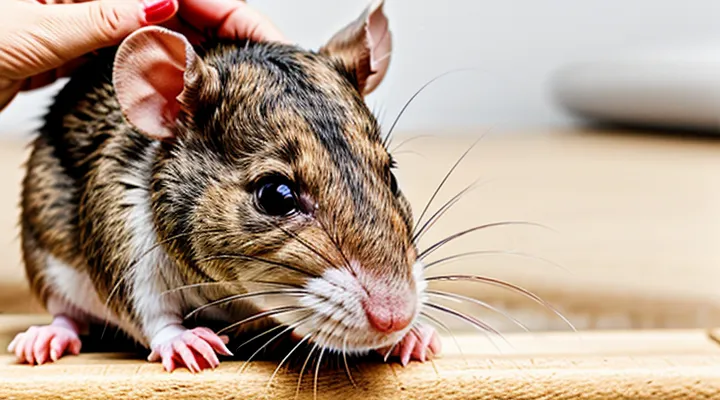
Understanding Rat Abscesses
What is a Rat Abscess?
A rat abscess is a localized collection of pus that forms within the subcutaneous tissue, often near the facial region. It results from bacterial invasion after tissue injury, dental disease, or foreign material penetration. The bacterial load triggers an inflammatory response, leading to encapsulation of the purulent material by fibrous tissue.
Typical clinical signs include:
- Swelling or a firm nodule on the cheek
- Redness and warmth over the affected area
- Pain on palpation, causing the animal to flinch or avoid chewing
- Possible discharge of serous or purulent fluid if the capsule ruptures
- General signs of discomfort, such as reduced activity or loss of appetite
Histologically, the abscess cavity contains neutrophils, necrotic debris, and bacterial colonies, surrounded by a granulation tissue capsule. The capsule limits spread but may also impede natural drainage, necessitating veterinary intervention.
Causes of Abscesses in Rats
Bacterial Infections
Bacterial infection is the primary cause of cheek abscesses in laboratory rats. Pathogens infiltrate subcutaneous tissue after oral trauma, dental disease, or skin breach, leading to localized pus accumulation.
Common agents include:
- Streptococcus spp.
- Staphylococcus aureus
- Pasteurella multocida
- Pseudomonas aeruginosa
- Anaerobic Bacteroides spp.
Clinical signs consist of swelling, erythema, heat, and reduced grooming of the affected side. Palpation often reveals fluctuance indicating fluid collection.
Diagnostic protocol:
- Aspirate pus under aseptic conditions.
- Perform Gram stain and culture on selective media.
- Conduct antimicrobial susceptibility testing to guide drug choice.
Therapeutic regimen:
- Choose a bactericidal agent with proven efficacy against the isolated organism; examples are enrofloxacin (10 mg/kg, subcutaneously, every 12 h) or ampicillin‑sulbactam (30 mg/kg, intramuscularly, every 8 h).
- Initiate therapy promptly after culture results are available; adjust dose based on renal and hepatic function.
- Maintain treatment for a minimum of 7 days, extending if clinical resolution is incomplete.
Adjunctive measures:
- Incise and drain the abscess to evacuate purulent material.
- Irrigate the cavity with sterile saline, then apply a topical antiseptic.
- Provide analgesia, such as meloxicam (0.2 mg/kg, subcutaneously, once daily), to alleviate pain and prevent secondary infection.
Preventive actions:
- Enforce strict cage sanitation and regular bedding changes.
- Isolate new arrivals for at least two weeks, monitoring for oral lesions.
- Implement routine health screening to detect carrier states of Pasteurella and Streptococcus.
- Limit handling stress, which can compromise immune defenses and predispose to infection.
Injuries and Punctures
Treating a cheek abscess in a rat requires precise handling of tissue damage and puncture sites. The initial step is to confirm the presence of a localized swelling, redness, and possible discharge. Palpation should reveal a firm, tender mass distinct from surrounding tissue.
- Restrain the animal securely using a gentle but firm grip or a dedicated small‑animal restrainer.
- Administer a suitable anesthetic (e.g., isoflurane inhalation) to eliminate pain and movement.
- Disinfect the area with a 70 % isopropyl solution, taking care not to spread contamination.
- Using a sterile scalpel or fine needle, create a small incision at the point of maximal tension to allow pus to escape.
- Employ a sterile syringe to aspirate remaining fluid, ensuring the cavity is fully drained.
- Irrigate the cavity with warm sterile saline, repeating until effluent is clear.
- Apply a broad‑spectrum antibiotic ointment inside the wound and cover with a sterile gauze pad.
- Prescribe systemic antibiotics (e.g., enrofloxacin) for 5–7 days, adjusting dosage to the animal’s weight.
- Monitor daily for swelling reduction, normal feeding behavior, and absence of secondary infection.
If the abscess recurs, reassess for underlying dental disease or foreign body introduction. Regular cage cleaning and prompt treatment of minor injuries diminish the risk of puncture‑related infections. Maintaining a clean environment, providing appropriate chew objects, and conducting routine health checks are essential components of long‑term management.
Dental Issues
Dental problems frequently precede facial infections in laboratory rats. Overgrown incisors, malocclusion, or periodontal disease generate pressure on the surrounding bone, creating a pathway for bacterial invasion that manifests as a cheek abscess. Recognizing the dental origin is essential for effective resolution because treating only the swelling without addressing the underlying tooth condition results in recurrence.
Initial assessment requires gentle restraint, visual inspection of the oral cavity, and palpation of the cheek to locate the fluctuant mass. Radiographic imaging confirms the presence of a dental lesion and delineates the extent of the abscess cavity. Once confirmed, the treatment protocol includes:
- Administration of a broad‑spectrum antibiotic suitable for rodents (e.g., enrofloxacin) at a dosage calibrated to the animal’s weight.
- Analgesic provision (e.g., meloxicam) to alleviate pain and reduce stress.
- Surgical drainage through a sterile incision, followed by thorough irrigation with sterile saline.
- Extraction or trimming of the offending tooth to eliminate the source of infection; use a high‑speed micro‑drill with appropriate cooling to prevent thermal damage.
- Placement of a biodegradable packing material to maintain cavity patency and promote drainage.
Post‑procedure care involves daily monitoring of the wound, continuation of antimicrobial therapy for at least five days, and a soft‑food diet to minimize mechanical stress on the repaired dentition. Environmental enrichment that encourages natural gnawing on appropriate materials helps maintain proper incisor wear, reducing the risk of future dental complications and associated facial infections.
Recognizing the Symptoms
Visual Identification
Accurate visual assessment is the first step in managing a cheek abscess in a rat. The observer must focus on external changes that differentiate a healthy facial region from an infected one.
- Localized swelling that creates a palpable bulge on one side of the face.
- Redness or hyperemia surrounding the swollen area, often extending to adjacent skin.
- Visible pus or serous discharge from a puncture or fistula.
- Distortion of normal facial symmetry, such as a drooping whisker pad.
- Altered grooming behavior, including reduced facial cleaning or excessive licking of the affected side.
In addition to external appearance, tactile examination and behavioral cues provide confirmation.
- Firm, tender mass detectable when gently pressed with gloved fingers.
- Increased sensitivity causing the animal to flinch or withdraw the head during handling.
- Reduced food intake or weight loss linked to discomfort while chewing.
- Changes in posture, such as head tilting toward the unaffected side.
Distinguishing an abscess from other conditions—such as tumor, cellulitis, or traumatic swelling—requires noting the presence of purulent material, rapid onset, and localized pain. Consistent documentation of these visual and tactile indicators enables timely intervention and improves treatment outcomes.
Behavioral Changes
Rats with a cheek infection exhibit distinct behavioral alterations that signal discomfort and impaired function. Recognizing these changes is essential for evaluating disease severity and treatment efficacy.
- Decreased food consumption; rats may favor the uninjured side of the mouth or avoid solid food altogether.
- Reduced grooming activity; the affected area is often left untouched, leading to visible fur loss or discoloration.
- Altered social interaction; affected individuals withdraw from cage mates, show less exploratory behavior, and emit fewer ultrasonic vocalizations.
- Modified locomotion; rats may move more slowly, favor the opposite side of the body, or display a hunched posture.
- Facial grimace; tightening of facial muscles and squinting indicate ongoing pain.
Effective management—antibiotic therapy, analgesia, and aseptic drainage—produces rapid behavioral normalization. Within 24–48 hours of analgesic administration, food intake typically returns to baseline. Grooming resumes after inflammation subsides, and social engagement recovers as pain diminishes. Full locomotor recovery aligns with wound healing, generally observed within 5–7 days.
Monitoring protocol: record food intake, grooming frequency, and social contacts twice daily during the first week of treatment; document locomotor speed and facial expression weekly. Persistent deviations beyond expected recovery timelines warrant reassessment of therapeutic regimen.
Initial Steps and First Aid
Assessing the Abscess
Visual inspection is the first step. Look for swelling, discoloration, and any ruptured skin. Note the location on the cheek, the size of the lesion, and the presence of pus or necrotic tissue. Record the animal’s behavior; reduced grooming or facial tension may indicate pain.
Palpation follows inspection. Gently press around the mass to assess firmness, fluctuation, and attachment to underlying structures. A fluctuant center suggests a fluid‑filled cavity, while a hard, irregular border may indicate fibrosis or invasion.
Measurement provides objective data. Use a sterile caliper or ruler to record the greatest diameter in millimeters. Repeat measurements daily to track changes. Document any increase in size, which may signal progression.
Temperature and systemic signs help determine infection severity. Measure rectal temperature; fever (>38.5 °C) often accompanies bacterial infection. Observe respiratory rate, heart rate, and appetite. Weight loss or lethargy warrants immediate veterinary intervention.
If uncertainty remains, diagnostic imaging clarifies depth and extent. Ultrasonography can differentiate between abscess and tumor, while radiographs reveal bone involvement. Cytology of aspirated material confirms bacterial presence and guides antimicrobial choice.
Assessment checklist
- Visual signs: swelling, redness, discharge
- Palpation findings: firmness, fluctuation, mobility
- Size measurement (mm)
- Body temperature and systemic parameters
- Imaging results (if performed)
- Cytology/ culture outcomes (if obtained)
Accurate assessment creates a baseline for treatment decisions and monitors therapeutic response.
Cleaning the Area
Effective cleaning of a rat’s cheek abscess is critical for infection control and tissue recovery. Use sterile instruments and maintain aseptic technique throughout the procedure.
- Prepare a clean work surface; lay out sterile gauze, cotton swabs, and a small syringe.
- Restrain the animal gently but securely to prevent movement and stress.
- Apply a warm, sterile saline solution to the skin to soften the overlying tissue.
- Disinfect the surrounding area with a 0.05% chlorhexidine solution, avoiding direct contact with the abscess cavity.
- Using a fine sterile needle, puncture the abscess wall to release pus; allow drainage into a sterile container.
- Irrigate the cavity repeatedly with sterile saline, flushing until the outflow is clear.
- Pat the surrounding skin dry with sterile gauze; do not rub, as this may disrupt healing tissue.
- Apply a thin layer of a veterinary-approved topical antiseptic to the cleaned surface.
- Cover the site with a breathable, non‑adhesive dressing if the rat will be handled frequently.
Complete the cleaning within a single session, monitor the rat for signs of pain or swelling, and repeat the irrigation process daily until discharge ceases and the tissue appears healthy. Regular assessment ensures the wound remains free of secondary infection and promotes optimal recovery.
Warm Compresses
Warm compresses increase local blood flow, reduce pus accumulation, and promote drainage in a cheek abscess of a laboratory rat. Apply the technique promptly after diagnosing the swelling to accelerate healing and minimize tissue damage.
- Prepare a sterile gauze pad or small cloth. Soak it in warm (not hot) saline solution at approximately 38‑40 °C; temperature should be tolerable to the animal’s skin.
- Wring out excess liquid to prevent dripping. Place the pad gently over the affected area, ensuring full coverage of the swelling.
- Maintain contact for 5–10 minutes, monitoring the rat for signs of distress. Adjust pressure to keep the pad snug but not compressive.
- Remove the compress, allow the skin to dry, and observe for increased drainage or reduction in swelling.
- Repeat the procedure 2–3 times daily until the abscess shows marked decrease in size or ruptures spontaneously, then continue with standard wound care.
Consistent use of warm compresses supports natural immune response, facilitates pus evacuation, and prepares the site for any additional interventions such as incision or antibiotic administration.
Veterinary Consultation and Treatment
When to Seek Professional Help
If the swelling on a rat’s facial tissue shows any of the following, immediate veterinary attention is required:
- Rapid increase in size within hours
- Pus or foul odor emanating from the lesion
- Fever, lethargy, or loss of appetite
- Bleeding that does not stop after gentle pressure
- Signs of systemic infection such as labored breathing or discoloration of the ears and tail
Even when the abscess appears small, contact a professional if the animal exhibits pain behaviors (e.g., excessive grooming of the area, vocalization when touched) or if the condition persists despite home care for more than 24 hours.
Veterinary evaluation provides diagnostic imaging, culture of the infectious material, and appropriate antimicrobial therapy, preventing complications such as tissue necrosis or spread to internal organs. Prompt consultation reduces the risk of permanent damage and improves recovery outcomes.
Diagnostic Procedures
Physical Examination
A thorough physical examination is essential before any intervention on a facial abscess in a laboratory rat. The clinician should begin with a visual assessment, noting the location, skin color, and any discharge. Swelling should be measured with a ruler or calipers to record dimensions in millimeters, allowing comparison over time.
Palpation follows the visual inspection. Gently press around the lesion to determine:
- Consistency (soft, fluctuant, firm)
- Temperature difference compared to adjacent tissue
- Pain response, indicated by vocalization or rapid movement
- Presence of a defined capsule or induration
Next, evaluate the surrounding oral cavity. Open the rat’s mouth carefully to inspect the mucosa for secondary infection, ulceration, or involvement of the incisors. Check for signs of systemic involvement: respiratory rate, heart rate, and body temperature. Record any abnormal findings such as tachypnea, tachycardia, or hypothermia, which may suggest sepsis.
Finally, document the animal’s general condition, including weight, grooming behavior, and activity level. These observations provide baseline data for monitoring treatment efficacy and detecting complications.
Aspiration and Culture
Aspiration provides a direct sample of the purulent material, allowing precise microbial identification and susceptibility testing. Perform the procedure under general anesthesia using isoflurane or injectable ketamine‑xylazine to minimize movement and stress. Disinfect the facial region with 70 % ethanol followed by a brief iodine scrub; maintain a sterile field with gauze and sterile drapes.
- Select a 22‑ to 25‑gauge needle attached to a 1‑ml syringe.
- Position the needle at a 30‑45° angle to the skin, targeting the most fluctuant area of the swelling.
- Apply gentle negative pressure while advancing the needle; expect immediate return of viscous pus.
- Release suction before withdrawing the needle to prevent loss of material.
- Transfer the aspirated fluid into a sterile microcentrifuge tube without exposing it to air.
Culture begins immediately after collection. Inoculate a portion of the sample onto blood agar, MacConkey agar, and chocolate agar plates; streak the remainder onto a transport medium such as Amies or Stuart for delayed processing. Incubate plates at 35‑37 °C in aerobic and, when indicated, anaerobic chambers for 24‑48 hours. Observe colony morphology, perform Gram staining, and apply biochemical panels or MALDI‑TOF mass spectrometry for species identification. Conduct antimicrobial susceptibility testing according to CLSI guidelines to guide subsequent therapy.
Medical Treatment Options
Antibiotics
Antibiotic therapy is a critical component of managing a cheek abscess in a laboratory rat. Selection should be based on the likely pathogens, which commonly include Staphylococcus spp., Streptococcus spp., and opportunistic Gram‑negative bacteria. Empirical treatment may begin with a broad‑spectrum agent, followed by adjustment according to culture and sensitivity results.
- First‑line options:
- Enrofloxacin, 10 mg/kg subcutaneously once daily.
- Trimethoprim‑sulfamethoxazole, 20 mg/kg orally twice daily.
- Alternative agents:
- Amoxicillin‑clavulanic acid, 30 mg/kg intraperitoneally twice daily.
- Gentamicin, 5 mg/kg intramuscularly once daily (reserve for Gram‑negative infections).
Dosage calculations must consider the rat’s weight and the drug’s pharmacokinetic profile. Administer the chosen antibiotic for a minimum of five to seven days, extending the course if clinical signs persist or if repeat cultures indicate resistant organisms.
Monitoring includes daily assessment of swelling, pain behavior, and appetite. Record body temperature and weight to detect systemic involvement. Adjust therapy promptly if adverse reactions such as gastrointestinal upset or nephrotoxicity appear.
When possible, obtain a sample from the abscess for microbiological analysis before initiating treatment. This practice enables targeted therapy, reduces unnecessary broad‑spectrum exposure, and supports antimicrobial stewardship in the research environment.
Pain Management
Effective pain control is essential when addressing a facial abscess in a laboratory rat. Analgesic selection must consider the animal’s size, metabolic rate, and the procedure’s invasiveness.
-
Non‑steroidal anti‑inflammatory drugs (NSAIDs):
Meloxicam – 1–2 mg/kg subcutaneously every 24 hours; provides anti‑inflammatory and analgesic effects for up to 24 hours.
Carprofen – 5 mg/kg orally or subcutaneously every 12 hours; suitable for longer treatment courses. -
Opioids:
Buprenorphine – 0.05 mg/kg subcutaneously every 8–12 hours; high potency with minimal respiratory depression.
Fentanyl patch – 0.018 mg/kg transdermal, replaced every 72 hours for continuous analgesia. -
Local anesthetics:
Lidocaine 2% – 0.1 ml injected around the abscess cavity before incision; blocks nociceptive transmission during drainage.
Administration should begin pre‑emptively, ideally 30 minutes before any incision or drainage. Monitor the rat for signs of discomfort—reduced grooming, altered posture, or decreased food intake—and adjust dosing accordingly. Record analgesic intervals to avoid accumulation, especially with NSAIDs, which can impair renal function if overdosed. Rotate drug classes when prolonged therapy exceeds three days to minimize tolerance and side‑effect risk.
Post‑procedure, maintain a comfortable environment: stable temperature, soft bedding, and easy access to food and water. Combined systemic and local analgesia, timely dosing, and vigilant observation ensure pain is effectively managed while the infection resolves.
Surgical Intervention
Draining the Abscess
Draining the abscess is a critical component of managing a facial infection in a laboratory rat. The goal is to evacuate purulent material, reduce pressure, and prevent systemic spread.
Preparation requires sterile instruments, a fine‑gauge needle or scalpel, a 1 ml syringe, antiseptic solution, and a suitable anesthetic—typically isoflurane inhalation or injectable ketamine/xylazine. The animal’s head is positioned to expose the cheek, and the area is scrubbed with povidone‑iodine or chlorhexidine. Gloves, a mask, and a sterile drape maintain asepsis.
Procedure steps:
- Induce and confirm adequate anesthesia.
- Apply a small amount of local anesthetic (e.g., lidocaine 2 %) around the swelling.
- Insert the needle at the most fluctuant point, angled toward the center of the collection.
- Aspirate pus until resistance ceases; if necessary, make a shallow incision to improve drainage.
- Gently compress surrounding tissue to express remaining fluid.
- Irrigate the cavity with sterile saline, then suction excess fluid.
- Place a tiny absorbable gauze strip or leave the site open for continuous drainage, depending on size.
After drainage, clean the wound with antiseptic, apply a thin layer of topical antibiotic ointment, and monitor the rat for signs of pain, swelling recurrence, or fever. Systemic antibiotics (e.g., enrofloxacin) are administered according to veterinary protocol. Record volume of pus, microbial culture results, and any complications for future reference. Regular inspection and supportive care promote rapid resolution and minimize scarring.
Wound Care Post-Surgery
After surgical drainage of a cheek abscess in a laboratory rat, immediate wound management is critical for recovery. Apply a sterile saline rinse to remove debris and blood clots; repeat the irrigation every 4‑6 hours for the first 24 hours. Follow each rinse with a thin layer of a non‑adhesive, antimicrobial ointment (e.g., bacitracin or a veterinary‑approved triple‑antibiotic cream) to reduce bacterial colonisation.
Maintain a clean, dry environment. Place the animal in a cage with soft bedding that does not adhere to the wound, and change bedding daily. Monitor the incision site at least twice daily for signs of swelling, discharge, or discoloration. If any of these indicators appear, increase the frequency of irrigation and consider systemic antibiotics based on culture results.
Key post‑operative actions
- Sterile saline irrigation every 4–6 hours (first day)
- Apply thin antimicrobial ointment after each rinse
- Provide soft, non‑abrasive bedding; replace daily
- Inspect wound twice daily for inflammation or exudate
- Adjust antimicrobial therapy promptly if infection signs emerge
Record observations in a log, noting temperature, appetite, and activity level. Consistent documentation supports timely intervention and enhances overall study reliability.
Home Care and Recovery
Maintaining Hygiene
Maintaining strict hygiene is a prerequisite for successful management of a cheek abscess in a rat. Contamination can introduce additional pathogens, impede healing, and increase the risk of systemic infection.
- Wash hands with antimicrobial soap before and after each handling session.
- Wear disposable gloves; replace them between animals or when visibly soiled.
- Disinfect all instruments (scalpel, forceps, syringes) with 70 % isopropanol or autoclave when possible.
- Clean the cage daily: remove bedding, wash surfaces with a mild bleach solution (1 % sodium hypochlorite), rinse thoroughly, and replace with fresh, sterile bedding.
- Provide a low‑dust, paper‑based bedding to reduce respiratory irritants that may compromise immune response.
- Ensure water bottles and food dishes are sterilized weekly and inspected for biofilm formation.
After the procedure, keep the animal in a separate, sanitized enclosure. Monitor the wound twice daily, wiping the area with sterile saline and re‑applying any prescribed topical antiseptic. Replace soiled bedding immediately, and document any signs of increased discharge or swelling. Consistent application of these hygiene measures supports tissue regeneration and minimizes the likelihood of secondary infection.
Administering Medications
Treating a cheek abscess in a rat requires precise medication delivery. Select an antibiotic with proven efficacy against common rodent pathogens, such as enrofloxacin or ampicillin, and verify susceptibility through culture when possible. Determine the dose based on body weight (approximately 10 g for an adult rat) using established veterinary guidelines: enrofloxacin 5 mg/kg subcutaneously every 24 hours, ampicillin 30 mg/kg intramuscularly every 12 hours.
Prepare the injection under sterile conditions. Draw the calculated volume into a 1‑ml syringe fitted with a 27‑30 gauge needle. For subcutaneous administration, lift a fold of skin on the dorsal flank and insert the needle at a shallow angle, releasing the solution slowly to minimize tissue trauma. For intramuscular injection, locate the hind‑limb quadriceps, insert the needle perpendicular to the muscle, and inject steadily.
Monitor the rat for clinical response. Record temperature, appetite, and swelling reduction at 12‑hour intervals. Adjust the antibiotic regimen if signs of deterioration appear, consulting a veterinary professional for alternative agents or dosage modifications. Complete the full course, typically 7‑10 days, to prevent relapse.
Monitoring for Complications
Re-infection
Re‑infection of a facial abscess in a laboratory rat compromises recovery and may spread to adjacent tissues. Primary causes include incomplete drainage, residual necrotic material, and contamination from bedding or handling equipment. Persistent bacterial load can re‑colonize the wound within 24–48 hours if aseptic protocols are breached.
Signs of a secondary infection appear as renewed swelling, erythema, purulent discharge, or increased temperature at the site. Behavioral indicators—reduced grooming, hunched posture, and diminished food intake—signal systemic involvement. Prompt identification relies on daily visual inspection and, when needed, microbiological sampling of exudate.
Preventive measures focus on maintaining sterility and supporting immune function:
- Perform thorough irrigation with sterile saline before and after incision; ensure all debris is removed.
- Apply a broad‑spectrum topical antibiotic formulated for rodents, covering common gram‑negative and gram‑positive organisms.
- Replace contaminated bedding daily; use autoclaved or irradiated materials.
- Limit handling to essential procedures; wear gloves and change them between cages.
- Monitor body weight and temperature; record deviations to trigger early intervention.
If re‑infection occurs, adjust therapy by enlarging the drainage tract, extending the antibiotic course, and considering systemic agents based on culture results. Regular wound reassessment every 12 hours during the acute phase reduces the likelihood of recurrence and promotes full resolution.
Spread of Infection
The spread of infection from a cheek abscess in a laboratory rat proceeds through three primary pathways: direct extension into surrounding musculature, migration via the facial and mandibular lymph nodes, and entry into the systemic circulation. Direct extension produces tissue edema, necrosis, and may compromise the oral cavity, allowing bacterial colonies to invade adjacent muscles. Lymphatic spread manifests as enlarged, tender lymph nodes that can be palpated along the mandibular margin; bacterial dissemination through this route often precedes systemic involvement. Hematogenous dissemination appears as fever, lethargy, and weight loss, indicating that pathogens have breached local barriers and entered the bloodstream.
Effective management requires early identification of these routes. Monitoring should include:
- Palpation of facial and mandibular lymph nodes twice daily.
- Observation for increased swelling, erythema, or ulceration around the abscess.
- Measurement of body temperature and weight to detect systemic signs.
Intervention strategies aim to block each pathway. Surgical drainage limits direct tissue invasion by removing purulent material. Broad‑spectrum antibiotics, administered intraperitoneally or subcutaneously, target both aerobic and anaerobic organisms that could travel through lymphatics or blood. Antimicrobial therapy should begin within 12 hours of abscess detection to reduce bacterial load and prevent further spread.
Adjunctive measures reinforce containment. Sterile wound dressings maintain a barrier against external contaminants, while a warm, humid environment enhances local circulation and supports immune response. Regular cleaning of the cage and strict quarantine of affected animals minimize cross‑contamination to co‑habiting rats.
In summary, controlling infection spread from a facial abscess in a rat involves vigilant assessment of local and systemic signs, prompt drainage, timely antimicrobial coverage, and strict environmental hygiene. These actions collectively restrict bacterial propagation and promote rapid recovery.
Nutritional Support
Nutritional support accelerates tissue repair and bolsters immune function during recovery from a cheek abscess in a rat. Adequate intake of protein, essential vitamins, minerals, and fluids provides the substrates required for collagen synthesis, leukocyte activity, and wound contraction.
Key dietary components:
- Protein: 20‑25 % of total calories from high‑quality sources such as casein, soy isolate, or cooked egg whites. Protein supplies amino acids for new tissue formation.
- Vitamin C: 50‑100 mg/kg body weight per day, delivered via fortified pelleted feed or fresh citrus slices, to enhance collagen cross‑linking and antioxidant capacity.
- Vitamin A: 5‑10 IU/g of feed, supplied through liver paste or beta‑carotene‑enriched diet, to promote epithelial regeneration.
- Zinc: 30‑50 mg/kg diet, incorporated as zinc sulfate or zinc‑methionine, supports enzymatic processes in immune cells.
- Omega‑3 fatty acids: 1‑2 % of diet from fish oil or algal oil, reducing inflammatory mediators and improving vascular flow.
- Hydration: Continuous access to clean water; consider adding electrolyte solution (0.9 % NaCl) if oral intake declines.
Feeding strategy:
- Offer soft, palatable food (e.g., soaked pellets or gelatin‑based mash) to minimize chewing stress on the affected area.
- Provide small, frequent meals to ensure steady nutrient absorption.
- Monitor body weight daily; a loss exceeding 5 % signals inadequate intake and warrants supplemental feeding via oral gavage or syringe.
By implementing these targeted nutritional measures, the rat’s healing trajectory shortens, infection risk diminishes, and overall recovery improves.
Prevention Strategies
Environmental Enrichment
Environmental enrichment directly influences recovery from a facial infection in laboratory rats. Providing stimulating objects reduces physiological stress, which in turn moderates cortisol release and supports immune function. Lower stress levels correlate with accelerated tissue repair and decreased risk of secondary infection.
Enrichment improves motor activity, encourages natural foraging behavior, and enhances social interaction when multiple animals are housed together. These factors collectively promote circulation, elevate body temperature, and maintain gut microbiota balance, all of which contribute to efficient wound healing.
- Nesting material (e.g., shredded paper, cotton) for burrowing and comfort.
- Chewable items (e.g., wooden blocks, mineral rods) to satisfy gnawing instinct.
- Transparent tunnels or PVC pipes for exploration without excessive movement near the wound site.
- Foraging puzzles that hide small food pellets, encouraging problem‑solving and gentle activity.
- Auditory enrichment such as low‑volume natural sounds to reduce isolation stress.
When implementing enrichment during treatment, follow these practices: place items away from the abscess to prevent accidental contact; sterilize reusable objects before each use; monitor the wound daily for signs of contamination; adjust the complexity of puzzles as the animal’s mobility improves; and ensure that enrichment does not interfere with administered medication or dressing changes.
Consistent provision of appropriate enrichment sustains normal behavior patterns, minimizes stress‑induced immunosuppression, and enhances the overall success of therapeutic protocols for cheek infections in rats.
Proper Diet
A rat recovering from a facial abscess requires a diet that supports immune function, tissue repair, and maintains hydration. Protein levels should be elevated to supply amino acids for collagen synthesis; a 20–25 % protein pellet or supplement is appropriate. Fat content may be modestly increased (5–7 %) to provide additional calories without promoting obesity, which can impede wound healing.
Key dietary components include:
- Vitamin C – essential for collagen cross‑linking; add a citrus‑based supplement or fortified feed.
- B‑complex vitamins – support metabolic processes; ensure the feed contains adequate riboflavin, niacin, and pyridoxine.
- Zinc and selenium – trace minerals that enhance immune response; incorporate a mineral mix at recommended concentrations.
- Probiotics – maintain gut flora balance, reducing systemic inflammation; provide a live‑culture supplement daily.
- Fresh water – guarantee constant access; consider adding electrolytes if intake drops.
Avoid foods high in simple sugars or excessive starch, as they can elevate blood glucose and suppress leukocyte activity. Limit raw vegetables with high fiber that may cause gastrointestinal distress. Monitor body weight and adjust portion size to prevent weight loss or gain beyond a 5 % range of baseline. Consistent dietary management, combined with appropriate medical treatment, accelerates recovery from a cheek abscess in rats.
Regular Health Checks
Regular health examinations are essential for early identification of cheek infections in laboratory and pet rats. During each check, examine the oral cavity and surrounding facial tissue for swelling, discoloration, or discharge. Palpate the area gently to detect any firmness that may indicate a developing abscess.
Key components of a systematic assessment include:
- Visual inspection of the cheek region under adequate lighting.
- Manual palpation to assess consistency and pain response.
- Observation of the rat’s eating behavior and weight trends.
- Recording of any abnormal nasal or oral secretions.
Documentation should capture the date, observed findings, and any deviations from baseline health parameters. Consistent records enable swift intervention when an abscess emerges, reducing the risk of tissue necrosis and systemic infection.
If an abscess is suspected, immediate veterinary evaluation is warranted. Prompt drainage, antimicrobial therapy, and supportive care improve recovery outcomes. Regular monitoring after treatment confirms resolution and prevents recurrence.
Common Misconceptions
"Abscesses Heal on Their Own"
Abscesses are localized collections of pus that can sometimes resolve without external intervention. In rodents, spontaneous resolution depends on immune strength, abscess size, and tissue involvement. Small, superficial pockets may rupture naturally, allowing drainage and bacterial clearance. Larger or deep-seated lesions retain pus, maintain bacterial growth, and risk tissue damage; they rarely close without assistance.
Veterinary reports indicate that:
- Abscesses under 2 mm in diameter on the facial skin of rats often drain on their own within 3–5 days.
- Lesions exceeding 5 mm, or those located near bone or cartilage, persist beyond a week and show limited reduction in size.
- Immunocompromised individuals display delayed or absent self‑resolution, irrespective of abscess dimensions.
Practical management based on these observations:
- Inspect the site daily; note swelling, discharge, and animal behavior.
- Measure the lesion; if diameter ≤ 2 mm and no signs of systemic illness, continue observation.
- If size > 2 mm, or if the rat exhibits fever, lethargy, or reduced food intake, proceed to sterile drainage.
- After drainage, apply a topical antiseptic and monitor for re‑accumulation.
- Administer systemic antibiotics only when bacterial culture confirms infection or when clinical signs suggest spread.
The claim that abscesses heal on their own holds true only for minimal, uncomplicated pockets. Effective care for a rat’s cheek abscess requires assessment of lesion characteristics and timely intervention when spontaneous resolution is unlikely.
"Natural Remedies are Sufficient"
A facial abscess in a laboratory rat can resolve with properly applied natural agents, eliminating the need for synthetic antibiotics when the infection is localized and the animal’s immune response remains intact.
- Warm compresses: Apply a sterile, heated (≈38 °C) gauze pad for 5 minutes, three times daily. Heat promotes circulation and facilitates pus drainage.
- Manuka honey: Spread a thin layer (≈0.5 g) over the exposed area after cleaning. Its high osmolarity and methylglyoxal content inhibit bacterial growth and support tissue regeneration.
- Chamomile tea rinse: Soak a clean cloth in cooled chamomile infusion (2 % concentration) and gently dab the lesion twice daily. Anti‑inflammatory flavonoids reduce swelling.
- Diluted apple cider vinegar: Mix one part vinegar with three parts water, apply with a sterile swab once daily. Acidity creates an unfavorable environment for pathogenic microbes.
Procedure: Clean the site with sterile saline, apply the chosen remedy, and cover with a loose gauze to prevent contamination. Observe the rat for reduced swelling, diminished discharge, and normal grooming behavior. If symptoms persist beyond 72 hours or systemic signs appear, escalation to conventional therapy is warranted.