
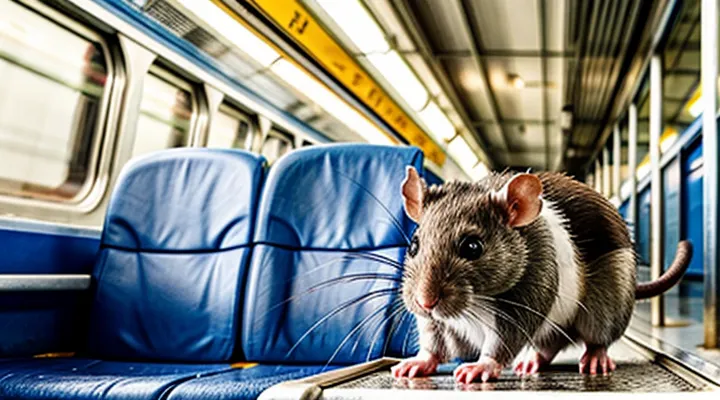
Pre-Travel Preparations for Your Rat
Understanding Train Carrier Regulations
Researching Specific Train Line Policies
When planning rail travel with a rodent, the first step is to verify the policies of the chosen railway. Begin by locating the official website or passenger handbook for the line; these sources list accepted animal categories, cage dimensions, and weight limits.
- Identify whether the carrier must be hard‑sided, ventilated, and leak‑proof.
- Record the maximum length, width, and height permitted for the enclosure.
- Note any required labeling, such as “Live Animal – Do Not Disturb.”
Next, determine reservation requirements. Some operators demand a separate ticket for the animal, others include it in the passenger’s fare. Record the fee structure, payment methods, and deadline for submitting the reservation request.
Contact the customer‑service department to confirm ambiguous points. Ask for written confirmation of the animal policy, any seasonal restrictions, and procedures for boarding and disembarking. Retain this documentation in a folder with the travel itinerary.
Finally, compare the line’s regulations with local animal‑transport statutes. Ensure that the carrier meets both railway and jurisdictional standards, and that any required health certificates or vaccination records are prepared in advance.
By systematically gathering and cross‑checking these details, the traveler eliminates surprise restrictions and secures a compliant, stress‑free journey for the rat.
Requirements for Pet Carriers
A compliant carrier is the foundation of safe rail travel for a rat. It must meet regulatory standards, protect the animal, and facilitate handling by staff.
- Sturdy, escape‑proof construction; welded seams, secure latches, and a lockable door prevent breaches.
- Interior dimensions that allow the rat to turn around, stand, and lie flat without crowding; minimum internal height equals the animal’s length plus 2 cm.
- Ventilation covering at least 30 % of the carrier’s surface area, with mesh that restricts escape but permits airflow.
- Non‑toxic, easy‑to‑clean materials; smooth surfaces eliminate injury risks and simplify disinfection.
- Labeling that displays the animal’s identification, owner contact information, and any special handling instructions; labels must be visible externally.
- Compatibility with train‑provided carrier racks or under‑seat storage; dimensions should not exceed 45 cm × 30 cm × 30 cm.
- Ability to secure the carrier to a fixed point using a strap or hook, preventing movement during acceleration or braking.
Additional considerations include a removable bedding tray for waste management, a clear water bottle that can be sealed to avoid spills, and a sturdy base to support the carrier’s weight when lifted. Selecting a carrier that fulfills these criteria ensures compliance with railway policies and minimizes stress for the rat throughout the journey.
Choosing the Right Carrier
Size and Ventilation Considerations
When moving a rat on a train, the container’s dimensions must allow the animal to stand, turn, and lie down without restriction. A minimum internal height of 6 inches (15 cm) and width of 8 inches (20 cm) provides adequate space for most adult specimens; larger breeds may require up to 10 inches (25 cm) in each direction. The enclosure should be lightweight yet sturdy, with a total weight under 5 lb (2.3 kg) to simplify handling and comply with most railway baggage limits.
Ventilation directly affects the rat’s temperature regulation and respiratory health. Continuous airflow must replace at least 30 % of the container’s internal volume per hour. Practical measures include:
- Mesh panels covering at least two opposite sides, with openings no larger than 1 mm to prevent escape while permitting air exchange.
- Small, battery‑operated fans positioned to create gentle circulation without causing drafts.
- Placement of the container in a location free from direct sunlight, strong wind, or proximity to heating vents on the carriage.
Materials should be non‑toxic and free of strong odors; avoid scented liners or chemicals that could compromise air quality. Regularly inspect the enclosure during travel to ensure that vents remain unobstructed and that the rat exhibits normal breathing patterns.
Security Features of the Carrier
A reliable carrier must protect the animal from accidental release, external pressure, and environmental hazards while the train is in motion.
Secure locking mechanisms are essential. Double‑latch clasps made of rust‑resistant metal prevent accidental opening even when the carrier is jostled. Each latch should include a tamper‑evident seal that changes color if disturbed, allowing quick verification that the enclosure remained sealed throughout the journey.
Ventilation panels must be reinforced with fine mesh that blocks escape but permits airflow. Mesh size should be no larger than 1 mm to keep the rodent contained while preventing overheating.
Structural integrity relies on a rigid frame, preferably aluminum or reinforced polymer, that resists compression from luggage stacks and sudden stops. Shock‑absorbing inserts made of foam or silicone cushion the carrier, reducing the impact of vibrations and bumps.
Identification and traceability enhance security. Attach a durable, legible label with the owner’s contact information, a unique carrier ID, and a QR code linked to a digital record. This enables staff to confirm ownership and report any irregularities.
Real‑time monitoring adds an extra layer of protection. A small, battery‑powered GPS tracker placed inside the carrier transmits location data to a mobile app, allowing the owner to verify that the carrier stays within the train’s designated carriage.
Key security features
- Double‑latch locks with tamper‑evident seals
- Fine‑mesh ventilation panels (≤1 mm)
- Reinforced aluminum or polymer frame
- Shock‑absorbing interior inserts
- Permanent identification label with QR code
- Integrated GPS tracking device
Implementing these measures ensures that the rat remains secure, comfortable, and protected from accidental exposure during rail transport.
Comfort and Enrichment within the Carrier
Providing a comfortable carrier is essential for a rat’s well‑being during rail travel. Soft, absorbent bedding such as shredded paper or fleece should line the bottom, offering warmth and a surface that reduces pressure on joints. The material must be replaceable and free of loose fibers that could be inhaled.
Enrichment items keep the animal mentally engaged and reduce stress. Include a small, chew‑safe wooden block or untreated cardboard tube that fits within the carrier without restricting movement. A folded paper towel can serve as a temporary hideaway, mimicking a nest and allowing the rat to retreat when the environment becomes noisy.
Ventilation must remain unobstructed. Ensure that all mesh panels are clean and that airflow is not blocked by bedding or toys. Position enrichment objects away from vents to maintain a steady supply of fresh air.
Temperature regulation is critical. Place the carrier in a shaded area of the luggage compartment, away from direct sunlight or drafty sections. If the journey exceeds two hours, consider a lightweight, reusable heat pack wrapped in a cloth to provide gentle warmth, monitoring the rat for signs of overheating.
A checklist for carrier preparation:
- Line bottom with suitable bedding, replace before departure.
- Add one chew‑safe toy and a hideaway.
- Verify that all ventilation openings are clear.
- Position carrier in a temperature‑stable zone of the train.
- Include a brief health record and emergency contact information.
Following these steps creates a stable, stimulating environment that supports the rat’s physical comfort and psychological health throughout the train journey.
Health Check and Veterinary Consultation
Ensuring Your Rat is Fit for Travel
Before boarding a train, verify that the rat is in good health. Schedule a veterinary exam to confirm the absence of contagious diseases, assess weight, and ensure the animal tolerates handling. Obtain a health certificate if required by the railway operator.
Maintain the rat’s normal diet and hydration schedule for at least 24 hours before departure. Offer fresh water and a small portion of familiar food to prevent stress‑induced appetite loss.
Acclimate the pet to its travel carrier. Place bedding, a chew toy, and a hideaway inside the cage for several days, allowing the rat to explore voluntarily. Check that the carrier is escape‑proof, ventilated, and fits within the train’s luggage dimensions.
Implement a brief exercise routine on the day of travel. Allow the rat to run on a wheel or explore a safe enclosure for 15–20 minutes to expend excess energy and reduce anxiety.
Prepare documentation. Carry the health certificate, vaccination records, and a written note from the veterinarian outlining any special care instructions. Keep these papers accessible for railway staff inspection.
During the journey, monitor the rat for signs of distress: rapid breathing, excessive grooming, or vocalizations. If symptoms appear, contact a veterinarian or railway personnel immediately.
Necessary Vaccinations and Health Certificates
A veterinary health certificate is mandatory for rail transport of a rat. The document must be signed by a licensed veterinarian, include the animal’s identification details, and be dated no more than seven days before departure. The certificate confirms that the rat is free of infectious diseases and meets the carrier’s health standards.
Required vaccinations typically include:
- Rabies vaccine (if mandated by the destination jurisdiction)
- Leptospirosis vaccine (to prevent bacterial infection)
- Distemper or parvovirus vaccine (when specified by the railway operator)
Additional health documentation may be requested:
- Recent fecal examination confirming absence of parasites
- Blood test results indicating normal hematology and serology
- Proof of deworming administered within the past month
Compliance with these requirements ensures the rat can travel without quarantine delays and satisfies the safety policies of train services.
Packing Essentials for the Journey
Food and Water Supplies
When a rat travels by rail, a reliable supply of nourishment and hydration prevents stress and health decline. Prepare a compact kit that fits within the carrier and complies with railway regulations.
- Use a sealed, lightweight water bottle with a sipper valve to avoid spills. Fill the bottle no more than 24 hours before departure; replace any remaining water after the journey.
- Offer a small portion of dry rodent pellets, measured to last the entire trip plus a 10 % margin for delays. Store pellets in a zip‑locked pouch to maintain freshness and prevent contamination.
Include a few fresh vegetable pieces (e.g., carrot, cucumber) for enrichment, but limit them to a single serving to reduce waste. Pack all items in a rigid, insulated container that resists temperature fluctuations typical of train compartments.
During travel, check the water valve every two hours; refill if the bottle empties. Replace any uneaten fresh food at each stop to avoid spoilage. After arrival, provide a brief fasting period of 30 minutes before offering the full daily ration, allowing the rat’s digestive system to readjust.
Bedding and Comfort Items
When moving a rat by train, the choice of bedding directly affects the animal’s stress level and health. Select a material that is absorbent, low‑dust, and non‑toxic. Paper‑based bedding, such as shredded paper or cellulose pellets, meets these criteria and fits easily into a travel cage. Aspen shavings provide excellent absorbency but must be free of aromatic oils; avoid cedar or pine, which contain harmful compounds.
Secure the bedding in a thin layer (approximately one inch) at the bottom of the cage. This depth prevents waste from contacting the cage floor while allowing the rat to burrow, a natural behavior that promotes calmness. Over‑filling creates bulk, increasing the risk of displacement during train motion.
Add comfort items that are sturdy and cannot become loose projectiles. Provide a solid chew block made from untreated wood or mineral chews; these satisfy gnawing urges without shedding particles. Include a small, washable cotton nest pad that can be folded flat and replaced after the journey. Avoid plush toys with loose stuffing, as they may disintegrate and pose inhalation hazards.
To maintain hygiene, place a disposable liner over the bedding. The liner should be cut to fit the cage interior, sealed with tape, and removed immediately upon arrival. This prevents the spread of waste and simplifies cleaning.
Consider temperature regulation. A thin layer of insulated material, such as a low‑profile thermal pad, can be positioned beneath the bedding. It protects the rat from drafts in the train carriage without overheating the enclosure.
Finally, ensure all items are secured with non‑slip mats or silicone grips at the cage base. This prevents movement when the train accelerates or brakes, keeping the environment stable throughout transit.
Cleaning Supplies
Transporting a rat by train demands a clean environment to prevent disease and reduce stress. Proper cleaning supplies ensure the carrier, bedding, and surrounding area remain hygienic throughout the journey.
- Disinfectant spray approved for small animals
- Unscented paper towels or disposable wipes
- Non‑abrasive cleaning cloths
- Small brush for cage corners
- Biodegradable waste bags
- Mild, fragrance‑free soap
Apply disinfectant spray to the interior of the carrier after each use, allowing the recommended contact time before wiping with paper towels. Use the brush and cloth together to remove debris from seams and ventilation slots. Wash reusable bedding with mild soap, rinse thoroughly, and dry completely before replacement. Dispose of used wipes and waste bags in sealed containers to contain odors and contaminants.
Maintain a schedule: clean the carrier before departure, inspect for residue during stops, and perform a final sanitization upon arrival. Consistent use of the listed supplies minimizes bacterial growth and creates a stable environment for the rodent during rail travel.
During the Train Journey
Settling Your Rat into the Carrier
Minimizing Stress During Boarding
Transporting a small rodent by rail requires careful handling at the station to prevent anxiety and physiological distress. The animal’s reaction to unfamiliar sounds, crowds, and movement can be mitigated through preparation and controlled procedures.
- Use a well‑ventilated carrier that fits snugly, preventing excessive motion while allowing the rat to turn around. Place a familiar bedding strip inside to provide scent cues.
- Keep the carrier upright and covered with a breathable cloth to reduce visual stimuli without restricting airflow.
- Approach the boarding area calmly; avoid sudden gestures that could startle the animal.
- Position the carrier on a stable surface, such as a low‑height cart, to keep it level while staff load luggage onto the train.
- Offer a small amount of water a few minutes before boarding; do not feed immediately prior to travel to prevent gastrointestinal upset.
Maintain a quiet environment around the carrier. Speak in low tones, limit the number of people handling the cage, and ensure the carrier remains at a consistent temperature. These actions collectively lower cortisol release, preserving the rat’s health throughout the boarding process.
Proper Placement of the Carrier
When moving a rat by train, the carrier’s position inside the luggage compartment determines the animal’s safety and comfort. Place the carrier on a flat, stable surface away from heavy luggage that could shift during travel. Ensure the carrier rests directly on the floor or a solid tray, not on top of other bags, to prevent wobbling.
Key placement guidelines:
- Center the carrier within the compartment, leaving at least one foot of clearance on each side for airflow.
- Align the carrier’s vent openings toward the aisle, allowing fresh air from the train’s ventilation system.
- Secure the carrier with a strap or tie‑down provided by the railway staff; the strap should run under the carrier’s base, not around the animal.
- Avoid proximity to doors that open frequently, as drafts and sudden movements can stress the rat.
After loading, verify that the carrier remains level and does not tilt when the train accelerates or brakes. A stable, well‑ventilated position minimizes the risk of injury and reduces stress throughout the journey.
Monitoring Your Rat's Well-being
Recognizing Signs of Stress or Discomfort
When moving a rat by rail, continuous observation of the animal’s condition is essential. Early detection of stress or discomfort prevents escalation and protects the animal’s health.
Typical indicators include:
- Rapid, shallow breathing or audible wheezing.
- Excessive grooming, hair loss, or bite marks on the skin.
- Vocalizations such as high‑pitched squeaks or prolonged chattering.
- Flattened or tense posture, hunched back, or stiff limbs.
- Dilated pupils and glazed eyes.
- Sudden aggression toward handlers or other rats.
- Lethargy, reduced movement, or refusal to eat and drink.
If any of these signs appear, take immediate corrective actions:
- Verify that the carrier is well‑ventilated, stable, and free from drafts.
- Adjust temperature to maintain a comfortable range (approximately 18‑24 °C).
- Provide familiar bedding and a hideaway to reduce anxiety.
- Offer fresh water and a small portion of the regular diet.
- Limit handling to essential checks; use gentle, calm movements.
- If symptoms persist for more than 30 minutes, contact a veterinarian experienced with small mammals.
Consistent monitoring and prompt response to these cues ensure the rat remains stable throughout the journey.
Providing Hydration and Snacks
When moving a rat on a train, maintaining proper hydration and nutrition is essential for the animal’s stability and comfort throughout the journey.
First, select a water source that can be accessed without opening the carrier. Small, leak‑proof droppers or sealed water bottles with a straw tip allow the rat to sip without risking spills. Attach the bottle to the carrier’s exterior using a secure clip so the animal can reach it while the carrier remains closed.
Second, provide a balanced snack that supplies both energy and moisture. Suitable options include:
- Fresh vegetable pieces (e.g., carrot or cucumber) cut into bite‑size cubes.
- Small portions of high‑protein rat pellets.
- A few drops of unsweetened fruit puree on a piece of soft fruit leather.
Offer snacks in a shallow, reusable dish that fits inside the carrier without compromising ventilation. Replace any uneaten food at each stop to prevent spoilage.
Monitor consumption every 30–45 minutes. If the rat shows signs of dehydration—dry mouth, lethargy, or sunken eyes—administer additional water using a sterile syringe with a fine tip, delivering small amounts directly to the mouth.
Finally, keep the carrier in a stable, temperature‑controlled area of the train, away from direct drafts and sunlight, to reduce the risk of overheating or excessive cooling, both of which affect fluid needs.
By securing a reliable water delivery system, providing nutritionally appropriate snacks, and regularly checking intake, you ensure the rat remains hydrated and energized for the entire rail trip.
Addressing Potential Issues
Handling Unforeseen Delays
When a train schedule changes unexpectedly, the safety of a pet rat depends on immediate, organized actions.
- Keep the rat’s carrier sealed and insulated; a stable temperature prevents stress.
- Carry a portable water bottle with a drip tip; small, frequent sips sustain hydration without spills.
- Store a copy of the rat’s health record and emergency contact numbers in a waterproof pouch.
If a delay occurs, follow these steps:
- Notify railway staff promptly. Provide the carrier’s dimensions and request a quiet, temperature‑controlled waiting area.
- Inspect the carrier for any signs of damage or loosening straps; reinforce if necessary.
- Monitor the rat’s behavior. Signs of agitation or overheating require immediate relocation to a cooler or warmer spot, as appropriate.
Maintain communication with the train’s operations center. Request updates on the revised departure time and any platform changes. If the delay exceeds three hours, arrange alternative transport, such as a scheduled bus or a private vehicle, ensuring the carrier remains upright and secure.
Prepare a contingency kit before travel: extra bedding, a small heat pack, a cooling gel pack, and a battery‑operated fan. Having these items on hand allows rapid response to temperature fluctuations caused by prolonged waiting periods.
Document each action taken during the delay. Detailed records support future planning and provide evidence of responsible care should any inquiry arise.
Emergency Contact Information
When moving a rat by rail, having reliable emergency contacts can prevent delays and protect the animal’s health. Compile the information before departure and keep a printed copy and a digital version accessible at all times.
- Veterinarian: name, clinic address, phone (including after‑hours line), email. Choose a vet located near the departure station, the destination city, and any major stops.
- Pet‑transport specialist: company name, representative, phone, email, and 24‑hour support number. Verify that the service is licensed to handle small mammals on trains.
- Railway customer service: national rail operator hotline, station‑specific assistance number, and online chat link. Include the ticket reference and carriage number for quick identification.
- Personal emergency contact: trusted friend or family member, relationship, phone (mobile and landline), and email. Provide them with a copy of the travel itinerary.
- Local animal‑control office: address and phone for the city where the rat will be disembarked. This contact is useful if the animal is found unattended or requires immediate shelter.
Store the list in a waterproof folder inside the carrier and also in a secure note on a smartphone. Review the contacts before each leg of the journey to confirm availability and update any changed details.
Post-Journey Care
Safe Disembarkation
Careful Handling of the Carrier
When traveling by rail with a pet rat, the carrier is the primary barrier between the animal and the environment. Choose a cage made of sturdy plastic or metal, with a secure lock that cannot be opened by the rodent. Verify that the dimensions comply with the railway’s regulations for small animals; the carrier must fit under the seat or in the luggage compartment without obstructing aisles.
Inspect the carrier before departure. Ensure that all hinges, latches, and mesh panels are intact. Replace any cracked components. Clean the interior with a mild, non‑toxic disinfectant, rinse thoroughly, and allow it to dry completely. Place a soft, absorbent liner that can be changed if the rat urinates or defecates during the journey.
During handling, follow a consistent routine:
- Grasp the carrier with both hands, supporting the bottom and one side to prevent tipping.
- Keep the enclosure upright; avoid sudden rotations that could disorient the rat.
- Position the carrier close to your body to reduce the chance of accidental drops.
- When moving through stations, use a sturdy trolley or backpack strap designed for pet carriers to free your hands for navigating crowds.
Ventilation must remain unobstructed. Do not cover mesh openings with towels or clothing. If additional airflow is needed, attach a small, battery‑powered fan that operates quietly and does not create drafts directly on the animal.
Finally, monitor the carrier throughout the trip. Check that the lock remains engaged, that the liner is dry, and that the rat shows no signs of stress such as excessive grooming or vocalization. Promptly address any issues to maintain a safe and stable environment until the train reaches its destination.
Acclimating Your Rat to the New Environment
Providing a Quiet and Secure Space
A quiet and secure compartment is the foundation of successful rail travel with a rat. Choose a sturdy, well‑ventilated carrier that locks securely and fits within the luggage area. Line the interior with soft, absorbent material such as fleece or shredded paper; replace it if it becomes damp to prevent odor buildup. Position the carrier away from doors and high‑traffic aisles to minimize exposure to sudden noises and foot traffic.
Key measures to reduce disturbance:
- Place the carrier on a padded surface (e.g., a folded towel) to dampen vibrations from the train’s motion.
- Cover the carrier with a breathable, dark fabric to block visual stimuli while allowing airflow.
- Keep the carrier upright; avoid placing it on its side, which can cause stress and impede breathing.
- Monitor temperature within the carriage; if the environment becomes too warm, provide a small ice pack wrapped in cloth at a safe distance from the rat.
During the journey, check the carrier every two to three hours. Verify that the lining remains dry, the ventilation holes are unobstructed, and the rat shows no signs of distress. Adjust the carrier’s position only if necessary, ensuring it remains stable and insulated from sudden movements. By maintaining a calm, protected space, the rat remains comfortable throughout the trip, reducing the risk of injury or illness.
Gradual Reintroduction to Routine
After a rail journey, restore the animal’s normal schedule gradually to prevent stress. Begin with a brief period of quiet observation in the home cage; allow the rat to explore without immediate handling. Offer familiar food and water within the enclosure to reinforce the sense of safety.
Implement a step‑by‑step routine over several days:
- Day 1: Keep lighting and temperature identical to pre‑trip conditions; limit interaction to short, gentle petting sessions lasting no more than two minutes.
- Day 2–3: Extend handling time by one minute each day; reintroduce favorite enrichment items such as tunnels or chew blocks.
- Day 4 onward: Resume the standard feeding and cleaning timetable; monitor for signs of anxiety, such as excessive grooming or reduced activity, and adjust exposure accordingly.
Consistent timing, unchanged environmental cues, and incremental increases in human contact facilitate a smooth transition back to the rat’s everyday pattern.
Post-Travel Health Assessment
Observing for Any Stress-Related Symptoms
When a rat travels by rail, continuous monitoring for stress indicators is essential to prevent health complications. The animal’s behavior and physical condition reveal the level of discomfort experienced during the journey.
- Rapid breathing or panting
- Excessive grooming or self‑biting
- Aggressive lunging or freezing in place
- Loss of appetite or refusal to drink
- Diarrhea, loose stools, or abnormal urination
- Tremors, shaking, or uncontrolled movements
- Dull coat, hair loss, or visible wounds
Observe the rat at each station stop and during any prolonged periods of motion. Record changes in posture, vocalizations, and activity level every 30–45 minutes. Use a calm voice and gentle handling to minimize additional stress while checking pulse or temperature if necessary.
If any listed symptom appears, halt the journey at the nearest safe location. Provide a quiet enclosure with familiar bedding, fresh water, and a small amount of food. Contact a veterinarian experienced with small rodents immediately. Maintain a log of observed signs, time of occurrence, and remedial actions taken for future reference.
Follow-up Veterinary Check-up if Needed
After a rail journey, observe the rat for abnormal behavior, loss of appetite, respiratory distress, or visible injuries. If any of these signs appear, schedule a veterinary examination within 24 hours. Even in the absence of obvious symptoms, a brief health assessment is advisable when the animal has been confined for extended periods, experienced temperature fluctuations, or endured stressful handling during boarding and unloading.
Key actions for a follow‑up check‑up:
- Contact a veterinarian experienced with small rodents before the trip; keep the clinic’s contact information readily accessible.
- Bring the rat’s health records, including vaccination history and any pre‑travel medications.
- Provide details about the journey: duration, temperature conditions inside the carriage, and any incidents that occurred.
- Allow the vet to perform a physical exam, check for dehydration, and, if necessary, conduct diagnostic tests such as blood work or radiographs.
- Follow the veterinarian’s treatment plan, which may include fluid therapy, analgesics, or antibiotics, and adhere to prescribed monitoring instructions at home.