
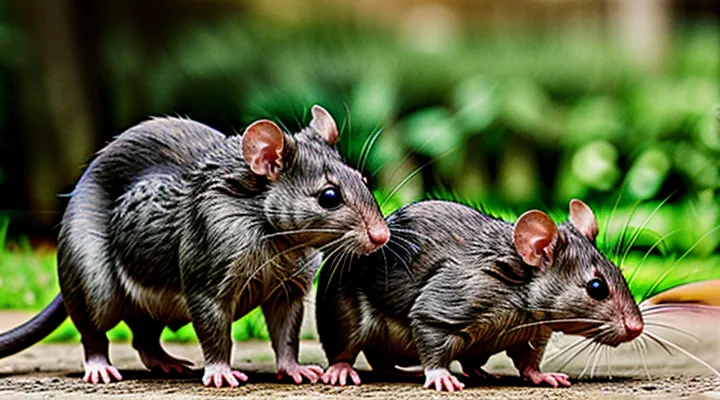
Understanding Rat Behavior and Motivation
Why Train Rats?
Enrichment and Mental Stimulation
Enrichment and mental stimulation are essential components of effective rat training. Providing a varied environment prevents boredom, encourages problem‑solving, and supports the development of desired behaviours.
Practical enrichment strategies include:
- Rotating toys every few days to maintain novelty; simple items such as cardboard tubes, wooden blocks, and plastic tunnels work well.
- Introducing puzzle feeders that require manipulation to release food, thereby linking effort with reward.
- Offering foraging opportunities by scattering small portions of kibble among bedding or nesting material.
- Incorporating scent trails using safe herbs (e.g., rosemary, mint) to stimulate olfactory exploration.
- Scheduling short, daily “play sessions” where the rat can interact with handheld objects under supervision.
Mental challenges can be built into training routines:
- Use clicker or marker signals to indicate successful completion of a task, reinforcing precision.
- Teach a sequence of actions (e.g., “step up,” “hold,” “release”) by breaking each step into discrete, repeatable units.
- Vary the location of target cues (platforms, boxes) to generalise learned responses across contexts.
- Employ “delay” drills that require the rat to wait a few seconds before receiving a reward, strengthening impulse control.
Monitoring progress involves observing engagement levels, latency to interact with new items, and the consistency of performed behaviours. Adjust the difficulty of puzzles and the frequency of novelty to match the rat’s evolving capabilities. Consistent application of these enrichment and mental stimulation techniques yields a more responsive, confident animal and enhances overall training outcomes.
Strengthening Your Bond
Establishing a reliable connection with a rat enhances responsiveness during training sessions. Consistent interaction builds trust, reduces stress, and encourages voluntary participation in learned tasks.
- Offer fresh food as a reward immediately after desired behavior; timing reinforces the association.
- Handle the rat daily using gentle, slow movements; repeated exposure to the hand increases comfort.
- Provide enrichment items such as tunnels, chew toys, and climbing structures; exploration promotes confidence.
- Speak softly while the rat is present; a calm voice signals safety and helps the animal recognize the handler’s presence.
- Conduct short training bouts (5‑10 minutes) several times a day; brief, frequent practice prevents fatigue and sustains attention.
Observe the rat’s body language: relaxed posture, whisker forward motion, and steady breathing indicate a positive bond. When these signals appear, increase the complexity of tasks gradually. Maintaining a predictable routine and respecting the animal’s limits ensures the relationship remains strong and the training progresses efficiently. «A rat that trusts its caretaker learns faster and enjoys the process.»
Basic Principles of Rat Training
Positive Reinforcement
Positive reinforcement is a learning principle that strengthens desired behavior by delivering a rewarding consequence immediately after the action. In rat training, this method replaces punishment with incentives, encouraging the animal to repeat the targeted response.
Effective application of positive reinforcement involves several precise steps:
- Identify a clear, observable behavior to shape (e.g., approaching a target, pressing a lever).
- Select a highly motivating reward, such as a small piece of fruit, seed, or a preferred chew toy.
- Deliver the reward within a fraction of a second after the behavior occurs, ensuring the temporal link is unmistakable.
- Use a consistent cue (verbal or tactile) before presenting the opportunity to perform the behavior, allowing the rat to associate the cue with the forthcoming reward.
- Gradually increase the criteria for reward delivery, requiring more precise or complex actions before the incentive is given.
- Maintain a variable‑ratio schedule once the behavior is stable, providing rewards intermittently to preserve high response rates.
Monitoring the rat’s motivation levels is essential; excessive feeding can reduce the reward’s effectiveness, while insufficient reinforcement may slow progress. Adjust reward size and frequency based on the animal’s weight and engagement.
Documenting each training session, including cue used, behavior exhibited, and reward provided, creates a data set that facilitates systematic refinement of the training protocol.
Short and Frequent Sessions
Training rats effectively relies on brief, regularly scheduled sessions. Short periods prevent stress, maintain attention, and reinforce learning pathways without overwhelming the animal.
Optimal parameters include sessions lasting three to five minutes, repeated two to three times daily. This cadence balances exposure to cues with sufficient recovery time, allowing the rat to process information between intervals.
Practical recommendations:
- Begin each session with a clear, consistent signal such as a clicker or verbal cue.
- Focus on a single behavior per session; introduce new tasks only after mastery is evident.
- Provide immediate, high‑value reward (e.g., a piece of seed or a favorite treat) following correct performance.
- Keep the training environment quiet and free of distractions to preserve focus.
- Record progress in a simple log to identify patterns and adjust frequency as needed.
Consistent application of short, frequent training builds reliable behavior chains while preserving the rat’s natural curiosity and willingness to engage. «Consistency improves learning».
Patience and Consistency
Patience requires allowing sufficient time for a rat to process each cue. Short, frequent sessions prevent frustration and encourage gradual improvement. The trainer must observe the animal’s response, pause when hesitation appears, and resume only after clear acceptance of the command.
Consistency demands a fixed schedule, identical signals, and uniform reinforcement. Repeating the same hand gesture, vocal tone, and reward pattern each day builds a reliable association between action and outcome. Deviations in timing or signal strength disrupt learning and extend the training period.
Practical actions that combine these principles:
- Schedule training at the same hour daily; maintain a 5‑10 minute window.
- Use a single word or sound for each behavior; avoid alternative cues.
- Deliver the reward immediately after the correct response; repeat the same food item.
- Record progress in a simple log; note any missed cues and adjust only the timing, not the signal.
- End each session with a calm interaction; refrain from abrupt termination.
Applying steady timing and uniform signals leads to reliable performance without reliance on rapid conditioning. The result is a well‑behaved rat capable of responding predictably to the trainer’s instructions.
Using Treats Effectively
Treats serve as primary reinforcement in rodent conditioning. Choosing appropriate rewards requires attention to size, nutritional value, and palatability. Small, low‑calorie morsels such as dried peas, bits of cheese, or commercial rodent treats prevent excess weight while maintaining interest.
Effective timing strengthens the association between behavior and reward. Deliver the treat within one second of the target action; delayed delivery weakens the connection. Limit sessions to five‑minute intervals, offering no more than ten treats per minute to avoid habituation.
Shaping complex tasks relies on progressive reinforcement. Begin with simple cues, reward any approximation, then gradually require more precise execution before delivering the treat. This stepwise approach builds a clear chain of expectations.
To sustain motivation, rotate treat types every few sessions. Alternating flavors prevents predictability and encourages continued engagement. Store treats in airtight containers to preserve freshness and avoid contamination.
Consistent record‑keeping supports progress monitoring. Log each session, noting cue presented, response observed, and treat administered. Review data weekly to adjust reward size, frequency, or variety as needed.
Getting Started with Training
Essential Training Supplies
Training Area Setup
Creating an effective training environment for rats requires careful attention to space, safety, and enrichment. The area must be isolated from other rodents to prevent distraction and contamination, yet accessible for routine observation and maintenance.
Key components of the setup include:
- Enclosure dimensions of at least 60 × 40 × 30 cm, providing sufficient room for movement and obstacle placement.
- Transparent, sturdy walls to allow visual monitoring without disturbing the animal.
- Non‑toxic bedding such as aspen shavings, replaced regularly to maintain hygiene.
- Adjustable lighting that mimics a natural light‑dark cycle, with dimmable sources to reduce stress during training sessions.
- Adequate ventilation ensuring airflow without drafts, achieved through mesh panels or filtered vents.
- Secure latch mechanisms preventing escape while permitting quick entry for handling.
- Enrichment items (tunnels, platforms, climbing ropes) positioned to create a varied pathway that encourages problem‑solving behavior.
Routine checks of structural integrity, cleanliness, and environmental parameters sustain a consistent training context and support reliable performance outcomes.
Appropriate Treats
Choosing treats that motivate rats without compromising health is essential for effective conditioning. Ideal rewards combine palatability, nutritional balance, and appropriate portion size.
- Small pieces of fresh fruit such as apple or banana, cut to bite‑size dimensions.
- Cooked lean protein, for example shredded chicken or boiled egg white, offered in minimal amounts.
- Commercial rodent treats formulated with low sugar and high protein, verified by reputable manufacturers.
- Occasional seeds or nuts, limited to a few kernels to prevent excess fat intake.
Treats should be presented immediately after the desired behavior to reinforce the association. Consistency in timing enhances learning speed. Limit daily treat calories to no more than 5 % of the rat’s total energy requirement; otherwise, weight gain and health issues may arise. Rotate flavors regularly to maintain interest and prevent habituation. Store perishable items in the refrigerator and keep dry treats in airtight containers to preserve freshness.
Clicker or Verbal Marker
Effective communication with rats relies on a clear, consistent signal that indicates a desired behavior has been performed. Two primary options are a mechanical clicker and a spoken cue.
The clicker produces a brief, high‑frequency sound that is easily distinguished from ambient noise. Its advantages include:
- Immediate, unambiguous feedback;
- Consistency across sessions, regardless of the trainer’s voice quality;
- Minimal risk of accidental reinforcement when the trainer is absent.
A spoken cue, or «verbal marker», uses a specific word or phrase, such as «good». Its benefits are:
- No additional equipment required;
- Ability to transition seamlessly to natural language commands;
- Simultaneous reinforcement of auditory discrimination and verbal association.
When choosing between the two, consider the following criteria:
- Training environment: noisy settings favor the clicker; quiet environments allow reliable use of a verbal cue.
- Rat’s auditory sensitivity: some individuals respond more readily to the clicker’s distinct tone.
- Long‑term goals: verbal markers facilitate later communication without external devices.
Implementation steps are identical for both signals:
- Introduce the signal immediately after the rat completes the target action.
- Pair the signal with a small food reward within one second.
- Repeat the pairing consistently until the rat anticipates the reward upon hearing the signal alone.
- Gradually phase out the food reward while maintaining the signal to solidify the behavior.
Both methods achieve reliable conditioning when applied with precision and regularity. The choice depends on practical constraints and the trainer’s preference for equipment versus verbal simplicity.
Foundation Skills
Name Recognition
Name recognition refers to a rat’s ability to associate a specific verbal label with an individual animal. Consistent use of a unique word or short phrase enables the rodent to differentiate the handler from other humans and to anticipate particular interactions.
Effective name recognition improves response accuracy during cue-based training, reduces stress when multiple caregivers are present, and facilitates individualized care such as targeted enrichment or health monitoring.
Practical steps for establishing name recognition:
- Choose a short, distinct word containing a clear vowel sound; avoid homophones with common commands.
- Pair the chosen word with a brief visual cue, such as a hand raise, each time the rat receives a positive reinforcement (e.g., a small food treat).
- Deliver the cue at a consistent distance of 20–30 cm, maintaining the same tone and volume.
- Repeat the pairing 5–7 times per session, limiting sessions to 3 minutes to prevent habituation.
- After several sessions, test recognition by calling the name from a different location; reward only when the rat approaches or exhibits a focused orientation toward the caller.
If the rat shows little response, evaluate potential confounding factors: overlapping sounds, inconsistent timing, or insufficient reward value. Adjust the verbal cue length, increase reward salience, or reduce background noise. Consistent application of these procedures yields reliable name recognition, supporting precise and humane training outcomes.
Coming When Called («Recall»)
«Coming When Called (Recall)» is a fundamental behavior for domestic rats, enabling safe handling and efficient interaction. Successful recall relies on consistent cues, timely rewards, and clear expectations.
Training steps:
- Choose a short, distinct sound or word as the recall signal; keep it identical in every session.
- Pair the signal with a high‑value treat immediately after the rat approaches the trainer.
- Begin in a confined area free of distractions; release the rat a short distance away, then issue the signal.
- Reward the first approach to the trainer, regardless of speed, to reinforce the association.
- Gradually increase distance and introduce mild background noise, maintaining the same cue‑reward pattern.
- Once reliable response occurs across varied distances, practice in larger enclosures and gradually reduce treat frequency, substituting occasional praise or a favorite snack.
Key indicators of progress include prompt orientation toward the trainer, swift movement in the cue direction, and reduced latency over successive trials. Common setbacks stem from inconsistent cue delivery, delayed rewards, or excessive ambient stimuli. Address issues by shortening the interval between signal and reward, reinforcing with a more enticing treat, or simplifying the environment until reliability improves.
Maintenance involves brief, irregular recall drills to prevent extinction. Incorporating the cue into routine activities—such as cage cleaning or feeding times—strengthens the behavior without additional training sessions.
Target Training
Target training provides rats with a clear, repeatable cue that directs behavior toward a specific object or location. The method relies on shaping, reinforcement, and consistent cue presentation to establish a reliable response.
The process begins with cue selection. Choose a distinct auditory or tactile signal that can be delivered without startling the animal. Pair the cue with a highly valued food reward while the rat interacts with the intended target. Repeat the pairing until the animal anticipates the reward upon hearing or feeling the cue.
Implementation steps:
- Present the cue while the rat approaches the target.
- Deliver the reward immediately after contact with the target.
- Gradually increase the distance between cue and target to strengthen the association.
- Introduce brief delays between cue and reward to encourage persistence.
- Test the response in varied environments to ensure generalization.
Progress monitoring involves recording latency from cue onset to target contact and noting any deviations. Adjust reinforcement schedules if latency increases, returning to shorter intervals and more frequent rewards until performance stabilizes.
Advanced applications include chaining multiple targets, using the cue to trigger complex sequences, and integrating target training with obstacle navigation. Consistent practice, precise timing, and high‑value rewards maintain the behavior’s reliability across different contexts.
Advanced Tricks and Behaviors
Agility and Obstacle Courses
Tunnels and Jumps
Training rats to navigate tunnels and perform jumps enhances agility, confidence, and problem‑solving ability. Begin with a simple PVC or cardboard tunnel that is wide enough for the animal to move without restriction. Place the entrance at ground level and ensure the interior is smooth to prevent injuries. Introduce the tunnel gradually: allow the rat to explore the opening, then reward entry with a small piece of preferred food. Repeat the process until the animal moves through without hesitation.
After tunnel familiarity, incorporate jumps to develop coordination. Use low, stable platforms such as wooden blocks or stacked books, spaced no more than three centimeters apart. Position a treat on the far platform to motivate the leap. Observe the rat’s approach, then gently guide it with a hand‑held cue if necessary. Once the jump is successful, increase the distance incrementally, never exceeding the animal’s natural range.
Key considerations for safe and effective practice:
- Verify that all materials are non‑toxic and free of sharp edges.
- Keep sessions short (five to ten minutes) to maintain focus and prevent fatigue.
- Record progress daily to adjust difficulty appropriately.
- Provide ample rest periods and hydration between attempts.
Consistent, controlled exposure to tunnels and jumps creates a reliable foundation for advanced training tasks, reinforcing both physical prowess and mental resilience.
Weave Poles
Weave poles provide a dynamic obstacle that encourages agility, coordination, and confidence in rats. The structure consists of a series of vertical rods spaced closely enough to require careful navigation. When introduced gradually, the apparatus stimulates natural exploratory behavior and reinforces focus.
Key considerations for effective use:
- Pole spacing – maintain a distance of 2–3 cm between rods; adjust according to the animal’s size and skill level.
- Height – start with a low configuration (approximately 5 cm) and increase as proficiency improves.
- Material – select smooth, non‑toxic wood or PVC; avoid splintered surfaces that could cause injury.
- Stability – secure the base on a firm platform to prevent wobbling during movement.
Training sequence:
- Place the weave poles on a familiar floor surface to reduce anxiety.
- Allow the rat to observe the setup from a short distance, encouraging curiosity.
- Guide the animal through the first gap using a gentle hand cue or a favored treat.
- Repeat the passage several times, rewarding successful navigation each attempt.
- Incrementally increase the number of gaps and the overall length of the course.
Safety guidelines:
- Inspect poles before each session for cracks or loose fittings.
- Limit training bouts to 5–10 minutes to prevent fatigue.
- Provide a clear escape route and a calm environment to minimize stress.
Regular maintenance extends the lifespan of the equipment. Clean the rods with a mild, pet‑safe disinfectant and dry thoroughly. Replace any damaged sections promptly to preserve a consistent training experience.
Object Manipulation
Fetch
Training rats to retrieve objects expands mental stimulation and strengthens the bond between animal and handler. The behavior relies on natural curiosity and the ability to grasp small items with forepaws.
A safe, enclosed area prevents escape and limits distractions. Select lightweight, non‑toxic items that fit comfortably in a rat’s mouth, such as wooden blocks or plastic beads. Place the object on the floor to encourage contact.
- Introduce the object by allowing the rat to explore it without pressure.
- Attach a short, unobtrusive tether to the item; gently pull the tether a short distance while the rat holds the object.
- Release the tug, prompting the rat to return the object to the handler’s hand.
- Reward immediately with a high‑value treat and brief verbal praise, using the same tone for each successful return.
- Repeat the sequence, gradually increasing the distance between release point and handler.
Consistency reinforces the association between the act of bringing the object and the reward. Sessions should last no longer than ten minutes to avoid fatigue. Gradual variation of objects maintains interest and prevents habituation.
Monitoring progress through a simple log—date, object type, distance achieved—provides objective data for adjusting difficulty. Over time, the rat learns to anticipate the request and performs the «fetch» task reliably.
Pushing a Small Ball
Pushing a small ball offers a clear target for shaping locomotor precision and problem‑solving behavior in rats. The activity engages forelimb coordination while encouraging forward movement toward a visible goal.
The essential equipment consists of a lightweight ball no larger than 3 cm in diameter, a flat training surface, and a consistent food reward such as a piece of seed. The ball should roll smoothly on the chosen surface; a textured mat can increase friction if the rat tends to slip.
Shaping proceeds through successive approximations. Initially, reward any interaction with the ball, including sniffing or touching with a paw. Gradually restrict reinforcement to instances where the rat contacts the ball with enough force to cause movement. Once displacement occurs, reinforce the direction of movement toward a predetermined zone, such as a corner marked with a visual cue. Use the command «push» only when the rat is positioned correctly, pairing the spoken cue with the observed action to build an associative link.
Training sequence
- Place the ball within arm’s reach of the rat; deliver a reward for any contact.
- Increase the required force: reward only when the ball shifts at least 2 cm.
- Introduce a target zone; reward only when the ball rolls into that zone.
- Add the verbal cue «push»; reward the combination of cue and successful roll.
- Extend the distance between the starting point and the target zone; maintain reinforcement for successful pushes.
Common obstacles include hesitation to engage the ball and excessive digging around it. Counteract hesitation by reducing the distance between the rat and the ball, then gradually increase once contact is consistent. For digging, place a thin barrier around the ball to limit lateral movement, focusing the rat’s effort on forward propulsion.
Consistent session length—5 to 10 minutes, three times daily—prevents fatigue while reinforcing the behavior. Over weeks, the rat typically develops reliable ball‑pushing performance, providing a foundation for more complex tasks such as navigating mazes while transporting the ball.
Problem-Solving Tasks
Opening Small Containers
Training rats to manipulate small containers enhances problem‑solving abilities and prepares them for more complex tasks. Begin with containers that have loose-fitting lids, allowing the animal to grasp the edge with its forepaws. Place the container on a stable surface to prevent tipping, and ensure the interior holds a high‑value food reward that the rat readily seeks.
Gradual shaping encourages independent opening. Initially, demonstrate the action by moving the lid slightly, then withdraw and let the rat attempt. Reward any contact with the lid, then progressively require a full lift before delivering the treat. Consistency in timing reinforces the behavior without unnecessary delay.
Key considerations for safe and effective practice:
- Use containers made of transparent plastic to allow visual monitoring of the rat’s progress.
- Limit session length to five minutes to prevent fatigue and maintain motivation.
- Inspect lids for sharp edges or cracks that could injure the animal.
- Rotate container positions daily to avoid location bias.
By applying these steps, rats learn to open small containers reliably, supporting broader training objectives.
Mazes
Mazes provide a controlled environment for shaping navigation skills and problem‑solving abilities in rats. The structure forces the animal to make choices, which can be linked to specific cues or reward patterns.
Key design elements include:
- Size appropriate to the subject’s body length and locomotor capacity;
- Transparent or opaque walls depending on the desired visual feedback;
- Modular sections that allow rapid alteration of pathways;
- Non‑toxic, easy‑to‑clean materials such as acrylic or polycarbonate.
Begin with a simple linear track ending in a food source, then introduce branches, dead ends, and varying turn angles. Incremental complexity encourages the rat to develop spatial memory without inducing excessive stress. Consistency in cue placement, such as scent markers or tactile strips, supports learning transfer between sessions.
Reward timing influences motivation. Deliver a small, high‑value treat immediately upon reaching the goal zone; avoid delayed reinforcement, which can weaken the association. Alternate reward types to prevent satiation and maintain engagement.
Record performance metrics—latency to goal, number of errors, and path efficiency—using video tracking or sensor‑based systems. Analyzing trends over successive trials reveals learning curves and identifies when adjustments to maze difficulty are warranted. Continuous data collection ensures objective assessment of progress and informs future training protocols.
Addressing Common Challenges
Lack of Motivation
Varying Rewards
Varying rewards enhance learning speed and maintain motivation in rodent conditioning. Presenting different incentives prevents habituation and encourages flexible responses to cues.
Typical reward categories include:
- Food items of varying palatability (e.g., sunflower seeds, fruit pieces, commercial pellets)
- Tactile stimulation such as gentle brushing or a brief nest‑material offering
- Auditory signals paired with a treat, creating a secondary reinforcement
- Social interaction, including brief handling or a moment of eye contact
Effective implementation follows three principles:
- Randomized schedule – deliver rewards on an intermittent basis rather than after every correct response; this pattern sustains engagement.
- Graduated value – start with highly preferred treats, then gradually introduce lower‑value incentives as the behavior becomes reliable.
- Contextual pairing – associate each reward type with distinct cues (e.g., a specific tone for food, a light flash for tactile contact) to reinforce discrimination.
Continuous observation of response latency and error rate informs adjustments. If a rat shows reduced interest, replace the current reward with a more preferred option or increase the interval between deliveries. Documenting these changes ensures reproducibility and supports progressive skill acquisition.
Shorter Sessions
Short training periods keep rats engaged and reduce stress. Sessions lasting three to five minutes allow the animal to maintain focus without fatigue. Frequent, brief repetitions reinforce learning more effectively than extended bouts that lead to disengagement.
Key practices for implementing concise training:
- Begin each session with a clear cue, such as a click or verbal marker, to signal the start of the activity.
- Deliver one specific behavior or command per session; avoid mixing multiple tasks.
- Observe the rat’s posture and movement; signs of restlessness, excessive grooming, or loss of interest indicate the need to end the session promptly.
- Schedule multiple sessions throughout the day, spacing them by at least one hour to allow recovery and consolidation of the learned response.
- Gradually increase the number of repetitions within each short session as the rat demonstrates consistent performance.
Monitoring progress involves recording the number of successful attempts per session and noting any decline in response rate. When performance plateaus, maintain the short duration while adjusting the interval between sessions to sustain motivation. Consistency in brief, focused training builds reliable behavior patterns without overwhelming the animal.
Distractions
Training in Quiet Environments
Training rats in a quiet environment maximizes focus and accelerates learning. Excessive noise triggers stress responses, reduces attention span, and interferes with cue recognition. A controlled acoustic setting therefore constitutes a fundamental condition for successful conditioning.
Choose a room isolated from street traffic, household appliances, and intermittent human activity. Close windows, turn off televisions and radios, and schedule sessions during periods of minimal external disturbance. Sound‑absorbing materials—foam panels, curtains, or carpets—dampen reverberation and prevent sudden acoustic spikes.
During each «training session», eliminate unpredictable sounds. Use soft‑spoken commands rather than shouted cues. Replace abrupt clicks with gentle taps or low‑volume clickers calibrated to a frequency audible to rats but unobtrusive to humans. Consistency in volume prevents habituation and maintains the animal’s responsiveness.
Maintain a regular timetable. Conduct sessions at the same hour each day, allowing the rat to anticipate the activity and develop a routine. Limit each session to 10–15 minutes to avoid fatigue; pause briefly if the animal shows signs of agitation.
Implement practical measures to reduce ambient noise:
- Install rubber door seals to block hallway sounds.
- Place a white‑noise generator set to a low, steady level; the uniform background masks sporadic noises without distracting the rat.
- Use hand‑held feeders with silent mechanisms rather than noisy dispensers.
By adhering to these guidelines, trainers create an environment where rats can concentrate on learned tasks, resulting in faster acquisition of desired behaviors.
Gradual Introduction of Distractions
Introducing distractions gradually enhances a rat’s ability to maintain focus on trained cues. Sudden exposure to loud noises, moving objects, or unfamiliar scents often disrupts performance and can create stress. Controlled escalation builds resilience while preserving learned behaviours.
- Identify baseline performance in a quiet, familiar environment.
- Select a single distraction type (e.g., a low‑volume fan).
- Present the distraction at minimal intensity for 10–15 seconds while the rat executes the target behaviour.
- Increase duration by 5‑second increments each session, monitoring success rate.
- Once stable, raise intensity (e.g., louder fan) and repeat steps 3–4.
- Introduce an additional distraction only after the previous one is reliably tolerated.
Continuous observation is essential. If the success rate falls below 80 % for two consecutive sessions, reduce intensity or revert to the previous level. Document each adjustment to track progress and avoid regression. Consistent, incremental exposure ensures that the rat adapts without compromising the training objectives. «Gradual exposure prevents overload and consolidates learned responses».
Aggression or Fear
Desensitization and Counter-Conditioning
Desensitization involves presenting a rat with a mild version of a feared stimulus repeatedly until the animal’s fear response diminishes. The exposure must be gradual, beginning with a level of intensity that elicits only a slight reaction and increasing only after the rat shows calm behavior. Consistency in timing and environment reinforces the learning process.
Counter‑conditioning pairs the previously aversive stimulus with a highly valued reward, such as a favorite treat or gentle petting. By linking the stimulus to a positive outcome, the rat learns to associate the once‑negative cue with pleasure rather than anxiety. The reward should follow the stimulus immediately to create a clear connection.
Practical implementation:
- Identify the specific trigger (e.g., handling, a particular sound, a new enclosure).
- Start exposure at the lowest observable intensity; pause if the rat exhibits signs of stress.
- Deliver a small, high‑value food reward the moment the rat remains calm during exposure.
- Increase stimulus intensity incrementally after several calm responses, maintaining the reward schedule.
- Record observations daily to track reduction in fear indicators and adjust the progression rate accordingly.
Progress assessment relies on measurable signs: reduced freezing, quicker approach to the stimulus, and increased willingness to explore. When the rat consistently shows calm behavior at the highest exposure level, the desensitization and counter‑conditioning program can be considered successful, and the learned tolerance can be reinforced periodically to prevent regression.
Seeking Professional Help
Professional assistance becomes advisable when a rat exhibits persistent behavioral problems, health‑related limitations, or when advanced training objectives exceed typical owner capabilities. Engaging a specialist reduces trial‑and‑error, safeguards animal welfare, and accelerates skill acquisition.
Key factors for selecting a qualified trainer include:
- Verified certification or formal education in rodent behavior.
- Documented experience with domestic rats.
- Adherence to humane handling standards.
- Positive client testimonials or references.
Typical engagement proceeds through distinct stages. An initial consultation gathers information on the rat’s age, temperament, and any medical history. The specialist conducts a brief behavioral assessment, then proposes a structured training plan outlining objectives, methods, and expected timelines. Regular follow‑up sessions monitor progress, adjust techniques, and address emerging challenges.
Outcomes of professional guidance often manifest as quicker mastery of target behaviors, reduced stress for both animal and caretaker, and a clearer understanding of optimal reinforcement strategies.
Maintaining Training and Ongoing Enrichment
Regular Practice
Integrating Training into Daily Routines
Integrating rat training into everyday activities maximizes learning while minimizing disruption. Short, consistent sessions fit naturally into feeding, cleaning, and play periods, allowing the animal to associate routine cues with specific behaviors.
- Schedule micro‑sessions of 2–5 minutes during each daily interaction.
- Pair command cues with predictable events, such as offering a treat before cage cleaning.
- Use a designated word or sound, repeated at the same time each day, to signal the start of training.
- Incorporate target practice into playtime by placing objects that require the rat to navigate or retrieve.
- Record progress in a simple log, noting date, cue, response, and reinforcement.
Consistent timing reinforces memory pathways; variability undermines them. Align training with the rat’s natural activity peaks—typically early evening and after meals—to capture heightened motivation. Gradually increase task complexity while maintaining the same cue structure, ensuring the animal perceives continuity despite evolving challenges.
Introducing New Challenges
Preventing Boredom
Rats quickly lose interest when routine lacks variety. Introducing novel stimuli and rotating activities keeps engagement high and supports learning progress.
- Change maze configuration weekly; alter pathways, obstacles, and reward locations.
- Offer a selection of chew toys, tunnels, and climbing structures; replace items after several sessions.
- Incorporate scent puzzles by placing aromatic herbs or food extracts on problem‑solving devices.
- Schedule short, unpredictable training bursts; limit each session to five‑ten minutes to prevent fatigue.
- Use auditory enrichment such as soft music or natural sounds during idle periods.
Consistent monitoring of exploratory behavior reveals signs of disengagement. If a rat repeatedly ignores a task, replace the task or modify its parameters within 24‑48 hours. Maintaining a dynamic environment prevents boredom and enhances the effectiveness of conditioning protocols.
Health and Well-being
Importance of a Balanced Diet
A rat’s ability to learn new commands, perform tricks, and maintain stamina is directly linked to the quality of its nutrition. A diet that supplies adequate protein, essential fatty acids, fiber, vitamins, and minerals supports muscle development, neural function, and overall health, creating conditions favorable for consistent training outcomes.
Key nutrient groups include:
- Protein sources such as boiled egg, cooked lean meat, or commercial rodent feed provide amino acids necessary for tissue repair and neurotransmitter synthesis.
- Healthy fats from small amounts of unsalted nuts or seed oils contribute to brain cell membrane integrity.
- Fiber from fresh vegetables and whole‑grain products promotes digestive regularity and prevents gastrointestinal distress.
- Vitamins A, D, E, and the B‑complex facilitate vision, calcium metabolism, antioxidant defense, and energy conversion.
- Minerals, particularly calcium, phosphorus, and magnesium, maintain bone strength and nerve transmission.
- Clean, fresh water must be available at all times to sustain hydration and metabolic processes.
Consistent feeding schedules reinforce routine, reduce stress, and improve focus during training sessions. Recommended practices are:
- Offer measured portions two to three times daily, adjusting quantities to maintain a lean body condition.
- Rotate fresh produce to prevent nutrient deficiencies and encourage exploratory behavior.
- Monitor body weight weekly; modify caloric intake if rapid gain or loss occurs.
- Eliminate sugary treats and high‑fat snacks that can impair cognition and lead to obesity.
By adhering to these nutritional principles, trainers create a physiological foundation that enhances learning speed, response reliability, and long‑term well‑being in rats.
Regular Vet Check-ups
Regular veterinary examinations form a cornerstone of successful rat training programs. Healthy rats demonstrate consistent behavior, respond reliably to cues, and recover quickly from training sessions.
A typical check‑up schedule includes:
- Initial assessment within two weeks of acquisition.
- Follow‑up visits every three to four months.
- Additional appointments after any illness, injury, or noticeable change in behavior.
During each appointment, the veterinarian evaluates weight, dental condition, coat quality, and respiratory health. The professional also reviews vaccination status, parasite control, and nutrition plans tailored to the rat’s activity level.
Key discussion points for owners:
- Signs of stress or pain that may affect learning.
- Appropriate enrichment items that do not compromise health.
- Adjustments to diet to support stamina and cognitive function.
- Preventive measures against common ailments such as respiratory infections and dental overgrowth.
Prompt veterinary attention is warranted when a rat exhibits:
- Sudden weight loss or gain.
- Nasal discharge, sneezing, or labored breathing.
- Excessive scratching, hair loss, or skin lesions.
- Changes in appetite or water consumption.
«Regular veterinary care ensures early detection of health issues, maintaining the rat’s capacity for training.»