
Understanding Rat Behavior and Hygiene
Do Rats Need to Bathe?
Natural Grooming Habits
Rats devote a significant portion of each day to self‑maintenance, alternating between facial, body and foot grooming. They employ their forepaws to sweep fur, their tongues to clean hard‑to‑reach areas, and rapid whisker motions to remove debris. This routine occurs in short cycles, typically lasting 30–60 seconds, and is triggered by tactile cues such as dust or moisture on the coat.
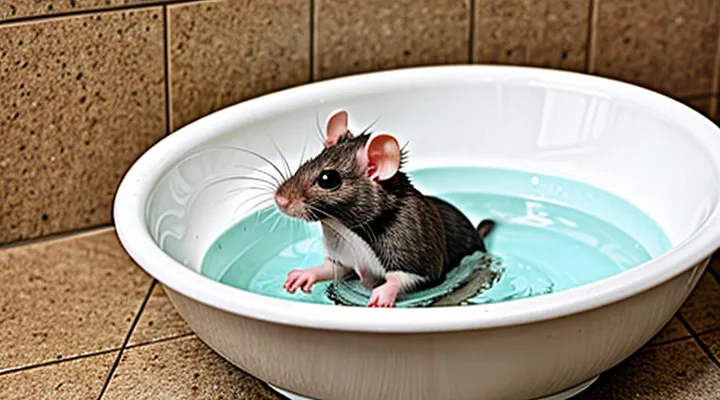
When a rat encounters water, the instinct to dry and re‑groom activates. By presenting a shallow, lukewarm basin and allowing the animal to explore the surface, the natural urge to clean can be redirected toward a controlled bathing session. Consistent exposure reduces fear, while immediate reinforcement—e.g., a preferred treat—strengthens the association between water and positive outcome.
Practical steps:
- Place a shallow tray of lukewarm water on the cage floor; ensure the water depth does not exceed the rat’s shoulder height.
- Allow the rat to investigate the tray for 1–2 minutes without pressure; observe spontaneous paw‑splashing or fur‑wetting.
- Introduce a small amount of safe, unscented soap on a fingertip; gently rub the forepaws, mimicking the animal’s own grooming motion.
- Rinse promptly with fresh lukewarm water, letting the rat shake off excess liquid—a behavior it performs naturally.
- Reward the rat immediately with a high‑value food item; repeat the sequence daily, extending exposure time by 30 seconds each session.
By aligning training methods with the rat’s intrinsic grooming pattern, the bathing process becomes a predictable extension of its daily routine rather than an external imposition.
When Human Intervention is Needed
Training a rat to accept regular bathing requires careful observation. Human assistance becomes necessary when the animal’s behavior or health prevents successful self‑cleaning.
- The rat refuses to enter the bathing area after repeated exposure attempts.
- The animal shows signs of stress such as excessive vocalization, frantic movement, or prolonged avoidance.
- The rat displays physical impairments (e.g., injuries, arthritis) that limit mobility or balance.
- Water temperature or humidity causes discomfort, leading to panic or refusal.
- The rat’s coat becomes heavily soiled, increasing the risk of skin infection or parasite infestation.
When any of these conditions arise, intervene with a structured approach:
- Gently guide the rat into the shallow water using a soft, familiar object (e.g., a piece of fabric previously associated with food).
- Support the animal’s body to maintain stability, preventing slipping or drowning.
- Limit exposure time to the minimum required for cleaning, typically 30–60 seconds.
- Immediately dry the rat with a low‑heat towel or a warm, low‑velocity air flow to avoid hypothermia.
- Observe post‑bath behavior for signs of lingering stress; provide a quiet, safe space for recovery.
Safety measures include wearing gloves to protect against bites, ensuring the bathing container has a non‑slip surface, and maintaining water at 30–32 °C to match the rat’s body temperature. Documentation of each intervention helps refine the training process and reduces the need for future assistance.
Preparing for Rat Bathing Training
Gathering Your Supplies
Appropriate Soaps and Shampoos
Choosing the right cleansing agents is critical for a rat’s skin and fur health. Use only products formulated for small mammals or other sensitive pets. Preferred options include:
- Unscented, hypoallergenic liquid shampoos with a neutral pH (6.5‑7.0).
- Mild, soap‑free cleansers that rely on gentle surfactants such as coco‑betaine.
- Veterinary‑approved ointment‑type washes for rats with dermatological issues.
Avoid human personal care items, antibacterial soaps, and any formula containing parabens, sulfates, or strong fragrances. These substances can disrupt the rat’s natural oil balance and cause irritation.
When applying the cleanser, dilute it to a ratio of 1 part product to 4 parts lukewarm water. Wet the animal’s coat, lather lightly, and rinse thoroughly to remove all residue. Pat the fur dry with a soft towel; do not use hair dryers or excessive heat. Consistent use of the recommended products supports a clean, healthy coat and reinforces the bathing routine.
Towels and Drying Options
When a rat finishes its bath, the drying phase determines comfort and prevents chill. Choose a towel that is soft, absorbent, and sized to cover the animal without excess bulk. A single‑layer cotton hand towel works well; it holds moisture, dries quickly, and can be laundered at high temperatures to eliminate odors.
Effective drying methods include:
- Gentle patting: Hold the rat securely, press the towel against its back and sides, and lightly press to remove water. Avoid vigorous rubbing, which can damage the fur and skin.
- Warm air circulation: Place the rat in a draft‑free enclosure equipped with a low‑speed fan set to a temperature no higher than 28 °C (82 °F). Continuous airflow speeds evaporation while maintaining a safe thermal environment.
- Heat‑controlled heating pad: Set a small, thermostatically regulated pad to a low temperature (30–32 °C). Lay the towel on the pad, then position the rat on top, allowing residual warmth to aid drying without overheating.
After the towel is removed, inspect the rat for damp spots, especially around the tail and hindquarters. If moisture remains, repeat the patting step or extend the low‑speed airflow for a few minutes. Consistent application of these drying practices reinforces the rat’s tolerance for post‑bath handling and minimizes stress.
A Safe Bathing Environment
Create a dedicated bathing station that isolates the rat from hazards and minimizes stress. Use a shallow, non‑slippery container such as a plastic pet dish no deeper than 1–2 cm; this prevents the animal from becoming submerged while allowing enough water for a brief soak. Fill the dish with lukewarm water (approximately 30–32 °C) to match the rat’s body temperature and avoid shock. Add a few drops of a pet‑safe, unscented soap only when gradual acclimation requires it; rinse thoroughly afterward to eliminate residue.
Maintain a stable, quiet location away from drafts, loud noises, and other pets. Position the container on a rubber‑mat or textured surface to prevent slipping. Provide a dry, absorbent towel within arm’s reach for immediate drying, and ensure the surrounding floor is non‑porous for easy cleaning. Keep the area free of cords, chemicals, and sharp objects that could injure the rat during the session.
Key elements of a secure bathing environment:
- Shallow, stable container with non‑slippery base
- Lukewarm, filtered water at 30–32 °C
- Pet‑safe, unscented cleaning agents (optional)
- Quiet, draft‑free space on a non‑porous surface
- Immediate access to a dry towel and a clean, dry area for post‑bath drying
- Absence of hazardous objects, cords, or other animals
Supervise the rat at all times. Gradually increase exposure time, starting with a few seconds and extending to a minute as the animal becomes comfortable. After each session, dry the rat thoroughly and return it to its enclosure promptly to prevent hypothermia. Regularly disinfect the bathing station with a mild, animal‑safe solution to maintain hygiene and reduce the risk of infection.
Acclimating Your Rat to Water
Positive Reinforcement Techniques
Positive reinforcement shapes a rat’s willingness to enter a water source and remain calm during cleaning sessions. Pairing the bathing experience with immediate, desirable rewards conditions the animal to associate water with safety and pleasure.
Key elements include timing, consistency, and reward relevance. Deliver the reward within seconds of the desired behavior to strengthen the connection. Use the same type of treat each session to maintain predictability. Keep reinforcement intervals short to prevent frustration and ensure the rat remains focused on the task.
Effective techniques:
- Treat delivery – Offer a small piece of favorite food (e.g., sunflower seed) the moment the rat steps onto the bathing platform.
- Clicker cue – Pair a brief, distinct sound with the treat; the click signals that the behavior was correct.
- Target training – Teach the rat to touch a stick or fingertip; guide the target toward the water bowl, rewarding each touch.
- Gradual immersion – Begin with shallow water, reward the rat for staying wet for a few seconds, then slowly increase depth over multiple sessions.
- Calm handling – Gently support the rat’s body while it is in water; reward relaxed posture and lack of frantic movements.
If the rat shows avoidance, revert to the previous successful step, reinforce with higher-value treats, and reduce water depth. Re‑establish confidence before progressing, ensuring each session ends with a positive outcome. Consistent application of these methods results in reliable participation in bathing routines without stress.
Gradual Introduction to Water
Acclimating a rat to water requires a patient, step‑by‑step approach that minimizes stress and builds confidence. Begin with a calm environment: a quiet room, low lighting, and a shallow container that allows the animal to stand without fully submerging.
Prepare the container with a few centimeters of lukewarm water. Place a towel or silicone mat at the bottom to give the rat secure footing. Allow the rat to explore the dry surface for several minutes before any contact with liquid.
- Introduce a single droplet of water onto the rat’s paws; observe the reaction and withdraw if signs of alarm appear.
- Increase the amount of water gradually, letting the rat splash at its own pace.
- Add a second droplet to the tail or hindquarters after the paws accept the first contact.
- Once the rat tolerates multiple droplets, raise the water level to cover only the lower body, keeping the head above the surface.
- Extend the duration of exposure by a few seconds each session, never exceeding the rat’s comfort threshold.
Monitor breathing, vocalizations, and body posture throughout each session. If the rat displays rapid breathing, excessive grooming, or attempts to escape, pause the process and resume after a rest period. Consistent, brief exposures over several days typically result in a rat that tolerates shallow baths without panic.
The Bathing Process
The First Bath: A Gentle Approach
Step-by-Step Guide
Training a rat to accept regular bathing requires consistency, safety, and patience. Begin with a calm environment and a shallow container of lukewarm water.
- Place the rat in the container for no more than 30 seconds. Offer a treat immediately after removal to create a positive association.
- Gradually increase immersion time by 10‑second increments each session, maintaining a calm voice and gentle handling.
- Introduce a soft brush or sponge in the second week. Lightly stroke the fur while the rat is in the water, rewarding cooperation with a small food item.
- After the rat tolerates brushing, add a mild, pet‑safe cleanser diluted to one part soap to nine parts water. Apply a thin layer, avoid the face and ears, then rinse thoroughly with clean lukewarm water.
- Dry the animal using a low‑speed, low‑heat hair dryer held at a safe distance, or towel‑dry gently. Ensure the rat is warm and comfortable before returning it to its cage.
Repeat the routine three times weekly. Monitor the rat for stress signals—excessive vocalization, frantic movement, or refusal to enter the water—and adjust exposure accordingly. Consistent reinforcement and gradual progression lead to reliable bathing habits without compromising the animal’s well‑being.
Maintaining a Calm Demeanor
When teaching a rat to accept a bathing routine, the trainer’s emotional state directly influences the animal’s response. A steady, relaxed presence reduces stress signals that the rat can perceive through scent and body language. Maintain a quiet environment, limit sudden movements, and keep voice volume low and even.
Key practices for sustaining composure:
- Breathe slowly; match inhalation and exhalation to a comfortable rhythm.
- Position yourself at the tank’s edge, avoiding direct eye contact that may appear threatening.
- Prepare all supplies before the session; eliminate the need to reach for objects mid‑process.
- Use consistent, gentle cues to signal each step, reinforcing predictability.
Apply these habits each time the rat approaches the water. Consistency builds trust, allowing the animal to associate bathing with safety rather than alarm. Over repeated sessions, the rat’s willingness to enter the tub increases, and the trainer’s calm demeanor becomes a reliable component of successful training.
Advanced Bathing Techniques
Targeted Cleaning
Targeted cleaning focuses on the specific body areas a rat is most likely to neglect during a bath, ensuring thorough hygiene without overwhelming the animal. Concentrating on the fur around the tail base, the hind limbs, and the underbelly reduces stress and accelerates the learning process.
Effective implementation requires a step‑by‑step approach:
- Prepare a shallow container with lukewarm water no deeper than two centimeters.
- Place the rat gently in the water, allowing it to become accustomed to the temperature.
- Use a soft, damp cotton swab to massage the tail‑base region for five seconds, then move to each hind paw for three seconds per foot.
- Apply a small amount of rat‑safe shampoo to the underbelly, rub lightly, and rinse with a cup of water.
- Dry the animal with a low‑heat hair dryer set on the lowest setting, keeping the nozzle at least ten centimeters away.
Repeating this routine daily for one week conditions the rat to accept handling of the identified zones, after which full‑body baths become smoother and faster.
Dealing with Reluctant Rats
Rats that avoid the bathing area require a systematic approach that reduces fear and builds confidence. Begin by assessing the animal’s temperament; aggressive or highly skittish individuals need a slower progression than calm subjects.
- Introduce the water container without liquid. Allow the rat to explore the rim and interior for several minutes, rewarding any contact with a treat.
- Add a shallow layer of lukewarm water (no deeper than 1 cm). Keep the temperature consistent, and place a favorite chew toy to distract attention from the wet surface.
- Gradually increase water depth by 0.5 cm each session, maintaining short exposure periods (30‑45 seconds). Observe body language; pause progression if the rat exhibits frantic attempts to escape.
- Use a gentle scent, such as a few drops of unscented baby shampoo diluted in the water, to condition the rat to the bathing environment. Apply only a thin film to the fur, avoiding the face and ears.
- End each session with a dry, warm towel and a high‑value treat. Consistency over multiple days reinforces the behavior.
If the rat continues to resist, consider a temporary alternative: a damp cloth wipe to clean the fur while maintaining the conditioning schedule. Reintroduce the water bath once the animal shows reduced stress signals. Consistent, low‑stress exposure ultimately transforms reluctance into routine compliance.
Post-Bathing Care and Maintenance
Drying Your Rat Safely
Importance of Thorough Drying
After a rat finishes its bath, immediate and complete drying prevents rapid heat loss and safeguards skin health. Moisture retained in the dense coat can lower body temperature, especially in cooler environments, leading to hypothermia.
- Retained water creates a humid microclimate that encourages bacterial and fungal growth, increasing infection risk.
- Damp fur clumps, making grooming difficult and promoting skin irritation.
- Excess moisture attracts parasites, which thrive in moist conditions.
- A wet coat reduces the animal’s mobility, causing stress and potentially discouraging future bathing sessions.
Effective drying combines tactile and environmental techniques. Gently pat the rat with a soft, absorbent towel, focusing on the head, paws, and tail where water accumulates. Follow with a brief exposure to a low‑temperature, low‑velocity airflow—such as a pet‑safe hair dryer set to cool or warm without heat—to evaporate residual dampness. Monitor the coat until it feels dry to the touch; any lingering cold spots indicate insufficient drying. Conduct the process in a warm, draft‑free room to maintain ambient temperature and reduce the rat’s need to generate body heat. This systematic approach ensures the animal remains healthy, comfortable, and receptive to continued bathing training.
Avoiding Chilling
When introducing a rat to regular bathing, preventing the animal from becoming cold is critical for health and compliance. Cold stress triggers shivering, reduced circulation, and a heightened risk of respiratory infection, which can cause the rat to resist future sessions. Maintaining a stable, warm environment encourages relaxation and cooperation.
Key practices for temperature control include:
- Set water temperature between 30 °C and 35 °C (86 °F‑95 °F); use a thermometer to verify accuracy before each session.
- Pre‑warm the bathing container by filling it with warm water and allowing the vessel to sit for a few minutes, eliminating residual coolness from the surrounding air.
- Position the bath in a draft‑free area, away from open windows, air conditioners, or vents.
- Limit exposure time to the minimum required for cleaning, typically no longer than 3‑5 minutes per session.
- Immediately dry the rat with a low‑heat hair dryer on the lowest setting or a soft towel, focusing on the head, ears, and paws where heat loss is greatest.
Monitoring the rat’s behavior provides early warning of chilling. Signs such as rapid breathing, trembling, or lingering in the water indicate that temperature adjustments are needed. Adjust water warmth, shorten the soak, or increase post‑bath heating until the animal shows calm, steady breathing and normal activity. By consistently applying these measures, the rat remains comfortable, learns to associate bathing with safety, and avoids the adverse effects of cold exposure.
Establishing a Bathing Routine
Frequency of Baths
When establishing a bathing routine for a pet rat, the interval between washes should reflect the animal’s age, activity level, and health status. Over‑bathing can strip natural oils, while infrequent cleaning may lead to odor and skin irritation.
- Juvenile rats (under 3 months): one bath every 2–3 weeks, unless they become excessively dirty.
- Adult rats (3 months to 1 year): one bath every 4–6 weeks, adjusted for housing conditions.
- Senior rats (over 1 year) or those with skin sensitivities: extend intervals to 6–8 weeks, monitoring for signs of matting or odor.
Additional factors influencing frequency:
- Caged versus free‑roaming environments; heavily soiled cages require more regular baths.
- Seasonal changes; higher humidity or heat may increase sweating and need for cleaning.
- Health issues such as dermatitis; veterinary guidance may dictate a specific schedule.
Consistent observation of coat condition, scent, and behavior will confirm whether the chosen interval maintains hygiene without compromising the rat’s natural skin barrier.
Observing Your Rat's Needs
Understanding a rat’s behavior is the first step toward successful hygiene training. Rats communicate discomfort, curiosity, and readiness through subtle cues; recognizing these signals prevents stress and encourages cooperation.
Key indicators to monitor include:
- Body posture: A relaxed, stretched posture signals confidence; a hunched or curled stance suggests anxiety.
- Vocalizations: Soft squeaks often accompany curiosity, while high‑pitched chirps may indicate fear.
- Grooming habits: Frequent self‑grooming shows the animal is comfortable with touch; excessive licking can be a stress response.
- Movement patterns: Approaching the bathing area calmly indicates acceptance; sudden retreats or frantic scurrying denote hesitation.
Adjust the training environment based on observations. If a rat displays signs of stress, lower water temperature, reduce bath duration, or introduce a familiar object to the water. Gradual exposure—starting with a shallow dish of lukewarm water and brief sessions—helps the animal associate bathing with safety.
Consistent monitoring ensures that each session aligns with the rat’s physical and emotional state, fostering a reliable routine that culminates in confident, voluntary bathing.
Health Considerations
Skin and Fur Health
Maintaining optimal skin and coat condition is essential when teaching a rat to accept regular bathing. Healthy fur reduces resistance to water, while supple skin prevents irritation that could undermine training progress.
Adequate nutrition supplies the fatty acids and proteins required for epidermal regeneration. Fresh water should be available at all times to sustain hydration, which directly influences dermal elasticity. A stable, low‑stress environment minimizes cortisol spikes that can lead to dry patches and hair loss.
Practical steps to support skin and fur health:
- Provide a balanced diet rich in omega‑3 and omega‑6 fatty acids (e.g., flaxseed oil, fish meal).
- Offer a daily source of fresh, clean water; replace it at least once every 12 hours.
- Use a humidifier or mist the enclosure lightly during dry seasons to maintain ambient moisture.
- Schedule gentle grooming sessions twice weekly: brush with a soft bristle brush to remove loose hair and distribute natural oils.
- Choose a mild, rodent‑safe shampoo formulated without harsh detergents; rinse thoroughly to avoid residue buildup.
Observe the rat for signs of dermatological distress: excessive scratching, bald spots, redness, or a greasy coat. Promptly address any abnormalities by adjusting diet, improving enclosure humidity, or consulting a veterinarian familiar with small‑animal dermatology. Consistent attention to these factors creates a resilient integumentary system, facilitating smoother acceptance of bathing routines.
Recognizing Signs of Discomfort
Observing a rat during bath training requires immediate attention to physical and behavioral cues that indicate discomfort. Prompt identification prevents stress escalation and supports successful conditioning.
Physical indicators include:
- Rigid posture or hunched back
- Rapid breathing or panting
- Excessive grooming or biting at fur
- Visible shaking or trembling
- Redness or swelling around paws and ears
Behavioral signals encompass:
- Sudden attempts to escape the water source
- Vocalizations such as squeaks or high‑pitched cries
- Refusal to move, remaining motionless for extended periods
- Aggressive lunges toward handlers or objects in the environment
When any of these signs appear, pause the session, dry the animal gently, and assess the situation. Adjust water temperature, reduce exposure time, or modify handling techniques before resuming. Consistent monitoring ensures the rat remains comfortable and receptive to the training process.