
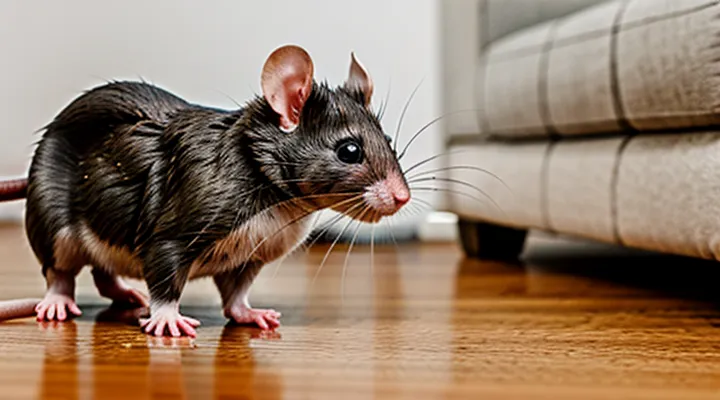
Understanding Rat Behavior and Motivation
Why Train a Rat«Benefits of Training»
The discussion focuses on Why Train a Rat«Benefits of Training». Training a rat enhances cognitive abilities, allowing the animal to solve puzzles, navigate mazes, and respond to cues. These mental challenges stimulate neural pathways, resulting in improved learning capacity and memory retention.
Physical health improves through regular training sessions. Structured activity promotes muscle tone, cardiovascular function, and coordination. Consistent movement reduces obesity risk and supports overall vitality.
Behavioral outcomes become more predictable. A trained rat exhibits reduced stress responses, lower aggression levels, and increased social tolerance. Predictable behavior simplifies handling, minimizes accidental bites, and creates a safer environment for both animal and caretaker.
From a research perspective, trained rats provide reliable data. Consistency in task performance ensures reproducibility of experimental results, enhancing the validity of scientific conclusions.
Key benefits
- Strengthened cognition and memory
- Enhanced physical condition
- Stabilized temperament and reduced stress
- Greater safety during interaction
- Increased reliability for scientific studies
Basic Rat Psychology«What Drives Them»
Rats operate on a hierarchy of primary motivations that shape their responses to training situations. Food rewards trigger dopamine release, creating a strong reinforcement loop that encourages repeat performance. Social interaction drives rats to seek companionship, establish dominance, and follow the behavior of more experienced conspecifics; these dynamics can be harnessed by pairing a novice with a confident peer. Curiosity propels exploration of novel objects and environments, making new training tools effective when introduced gradually. Fear responses, activated by sudden noises or unfamiliar scents, can interrupt learning; minimizing stressors stabilizes focus and improves retention. Territorial instincts cause rats to defend familiar nesting areas, so consistent cage placement supports a sense of security during practice sessions.
Key drivers can be summarized as follows:
- Nutritional incentive: immediate access to preferred foods.
- Social hierarchy: observation of dominant individuals.
- Exploratory urge: attraction to new stimuli.
- Threat avoidance: reduction of unpredictable disturbances.
- Territorial comfort: maintenance of a stable environment.
Understanding these psychological components enables the design of training protocols that align with natural drives, thereby increasing efficiency and reliability of desired behaviors.
Essential Tools and Supplies
Choosing the Right Treats«High-Value Rewards»
Selecting appropriate treats is essential for effective rat training. Treats must be small enough to consume quickly, highly palatable, and distinct from the animal’s regular diet. Preference should be given to foods that trigger a strong motivational response without causing digestive upset. Consistency in treat size and texture helps maintain a clear association between the desired behavior and the reward.
Recommended high‑value rewards include:
- Small pieces of fresh fruit such as banana or apple, cut to bite‑size dimensions.
- Unsalted nuts, for example peanuts or almonds, offered in minimal quantities.
- Commercially available rodent treats formulated with strong flavor enhancers.
- Tiny portions of cooked lean protein, like chicken or turkey breast.
- Low‑fat cheese cubes, limited to a few milligrams per training session.
Clicker Training«Introduction and Usage»
Clicker training provides a clear, operant conditioning method that links a distinct sound with a food reward. The sound serves as a precise marker of the exact moment a desired behavior occurs, allowing the animal to associate the action with a positive outcome.
Essential equipment includes a handheld clicker, a supply of high‑value treats, and a quiet environment free of distractions. The clicker must produce a consistent, sharp click that the rat can hear without ambiguity.
Steps to introduce the device:
- Present the clicker and immediately follow each click with a treat; repeat until the rat shows anticipatory behavior at the sound.
- Choose a simple target behavior (e.g., approaching a hand) and click the moment the rat performs it, then reward.
- Gradually increase the complexity of the behavior, maintaining the click‑reward sequence for each successful attempt.
- Reduce treat frequency while preserving the click as the primary signal of reinforcement.
Effective usage relies on precise timing; the click must occur within a fraction of a second after the behavior. Consistency across training sessions strengthens the association. Once the behavior is reliable, begin phasing out the treat, using intermittent reinforcement to maintain performance.
Typical issues include delayed clicks, inconsistent treat delivery, and excessive reliance on treats. Correct timing, uniform reward size, and gradual reduction of food incentives resolve these problems, preserving the integrity of the conditioning process.
Training Area Setup«Safety and Distraction-Free»
Creating a training environment that prioritises rat safety and eliminates distractions maximises learning efficiency. The area must be enclosed with smooth, non‑toxic barriers to prevent escape or injury. All objects within reach should be free of sharp edges, loose wires, or small parts that could be swallowed.
Key safety measures include:
- Installing a secure lid or mesh that allows ventilation while restricting access to external hazards.
- Using a solid, non‑slippery base such as a rubber mat to reduce the risk of falls.
- Ensuring the floor and walls are easy to clean, preventing buildup of waste or allergens.
To achieve a distraction‑free zone, follow these steps:
- Remove extraneous noises by placing the enclosure in a quiet room or using sound‑absorbing panels.
- Dim ambient lighting; employ a consistent, low‑intensity light source to avoid startling the rat.
- Limit visual stimuli by covering windows and covering any moving objects outside the training space.
- Schedule sessions during periods when household activity is minimal, reducing sudden interruptions.
Maintaining these conditions consistently supports focused behavior, accelerates skill acquisition, and safeguards the animal throughout the training process.
Starting the Training Process
Building Trust and Rapport
Hand-Feeding and Gentle Interaction
Hand‑feeding establishes a reliable source of nutrition while reinforcing a positive association with the caretaker. Offer small pieces of fresh fruit, vegetable, or a nutritionally balanced pellet directly from the fingertips. Maintain a steady rhythm; pause between bites to allow the rat to swallow comfortably. Consistency in timing and portion size reduces anxiety and encourages the animal to approach willingly.
Gentle interaction complements feeding by creating a predictable environment for learning. Begin with brief sessions of calm hand placement near the cage, allowing the rat to explore the palm voluntarily. Progress to light stroking along the back and sides, avoiding sudden movements. Reward calm behavior with a brief pause and a soft verbal cue, such as «good», spoken in a low, steady tone.
Practical steps for effective hand‑feeding and interaction:
- Prepare a clean hand, free of strong scents or residues.
- Present food at a height that aligns with the rat’s natural foraging posture.
- Observe the rat’s body language; retreat if signs of stress appear.
- After each feeding, engage in a short period of gentle petting for 10‑15 seconds.
- Record the duration and response of each session to track progress.
Regular application of these techniques builds trust, reduces fear, and lays a solid foundation for more advanced training tasks.
Desensitization to Touch
Desensitization to touch forms a critical phase in conditioning a rat for reliable performance. The process reduces fear responses, allowing the animal to tolerate handling, harnesses, and equipment without compromising welfare.
The protocol proceeds in incremental stages:
- Initial contact – Begin with brief, light strokes on the back of the neck while the rat remains in its cage. Limit each session to 5–10 seconds.
- Progressive exposure – Extend the duration by 5 seconds each day, gradually incorporating the forepaws and sides of the body.
- Varied pressure – Introduce gentle pressure using a soft cloth, then a fingertip, ensuring the rat remains calm. Pause if signs of distress appear.
- Simulated handling – Mimic the motion of lifting by supporting the tail and hindquarters for a few seconds before returning the rat to the cage.
- Full handling – Combine all previous steps, lifting the rat completely, holding for 15–20 seconds, then releasing.
Key indicators of successful desensitization include steady breathing, absence of vocalizations, and normal grooming behavior. Persistent squeaking, frantic movements, or prolonged freezing signal the need to revert to the previous step and proceed more slowly.
Consistency matters: conduct sessions at the same time each day, maintain a calm environment, and avoid abrupt movements. Documentation of each session’s duration and observed reactions supports objective assessment and adjustment of the training plan.
«Gentle handling reduces fear» serves as a guiding principle; applying it systematically accelerates the rat’s adaptation to tactile stimuli, laying a foundation for subsequent training tasks.
Teaching Basic Commands«Foundation Skills»
«Come» Command«Recall Training»
Effective recall training for rats begins with a distinct auditory cue. The cue «Come» should be short, consistent, and easily distinguishable from ambient sounds. Pairing the cue with a high‑value treat creates a clear association, prompting the animal to return to the handler when the signal is heard.
Training proceeds through incremental stages:
- Present the cue «Come» while the rat is within a few centimeters of the hand, immediately offering a treat upon approach.
- Increase the distance by a few inches after each successful response, maintaining the same reward timing.
- Introduce mild distractions such as a moving toy or a low‑level background noise, ensuring the rat still responds to «Come».
- Randomize the interval between cue presentations to prevent anticipatory behavior and reinforce genuine recall.
Consistent reinforcement solidifies the behavior. Periodic “maintenance” sessions, spaced several days apart, keep the response reliable without over‑feeding. If the rat hesitates, briefly lower the cue volume and re‑establish the reward connection before resuming distance increments. Regular practice in varied environments guarantees that the «Recall Training» remains effective across different settings.
«Target» Command«Nose Touch»
The «Target» Command«Nose Touch» directs a rat to make contact with a specific object using its nose, providing a reliable cue for precise positioning during experiments and enrichment activities. Mastery of this cue enables consistent data collection and facilitates complex behavioral sequences.
Training proceeds through clearly defined stages:
- Selection of target – Choose a distinct, easily identifiable object (e.g., a small wooden block). Place the object on a stable surface within the rat’s reach.
- Shaping contact – Present a highly valued food reward directly on the target. Allow the rat to investigate and receive the reward only when its nose contacts the object.
- Cue introduction – Pair a short verbal or clicker cue with the reward. Consistently deliver the cue immediately before the rat touches the target, reinforcing the association.
- Gradual distancing – Increase the distance between the rat’s starting position and the target while maintaining the cue‑reward pairing. Ensure success on each distance before advancing.
- Generalization – Replace the original object with alternative shapes or colors, using the same cue. Reward only nose contacts on the new items to broaden the command’s applicability.
- Fading reinforcement – Reduce the frequency of food rewards, substituting occasional treats with praise or a gentle tap. Maintain high accuracy by delivering the cue consistently.
Key considerations:
- Conduct sessions in a low‑distraction environment to prevent competing stimuli.
- Keep training periods brief (5–10 minutes) to sustain motivation.
- Record response latency after each cue to monitor progress and adjust difficulty.
When the rat reliably performs the «Target» Command«Nose Touch», integrate the cue into larger training protocols, such as maze navigation or apparatus manipulation, to achieve complex, reproducible behaviors.
«Spin» Command«Turning in Place»
The «Spin» Command«Turning in Place» teaches a rat to rotate on its vertical axis without changing location, providing a clear indicator of directional control. Mastery of this maneuver enhances precision in obstacle navigation and cue responsiveness.
Required items include a small, low‑profile platform, a distinct auditory cue (clicker or beep), and a high‑value treat. The training area should be free of distractions and maintain consistent lighting to prevent visual interference.
- Introduce the platform and allow the rat to explore freely for several minutes.
- Present the auditory cue while gently guiding the rat’s head to face the opposite direction, using a hand‑held target or a brief tap on the side of the cage.
- Immediately reward the rat when it completes a 180° turn without relocating.
- Increase the required rotation angle by 45° increments, maintaining the same cue‑reward sequence.
- Once a full 360° spin is achieved consistently, randomize cue timing to reinforce independent execution.
Typical errors involve premature movement away from the platform or incomplete rotation. Correct by reducing cue intensity, shortening the distance before the cue, and reinforcing partial turns with incremental rewards. Consistent timing and immediate reinforcement solidify the «Spin» Command«Turning in Place» within the rat’s behavioral repertoire.
Advanced Training Techniques
Leash Training«Safe Exploration»
Leash training provides rats with controlled exposure to new environments while maintaining safety. The method relies on a lightweight harness, a short leash, and a calm, consistent routine.
Key components:
- Harness selection: choose a snug, breathable design that prevents escape but does not restrict movement.
- Leash length: start with 15–20 cm to limit range; extend gradually as confidence grows.
- Initial indoor sessions: attach the leash, allow the rat to move freely in a confined area, rewarding calm steps with small treats.
- Cue introduction: use a distinct word such as «safe exploration» to signal the start of a leash‑guided walk.
- Gradual outdoor exposure: begin on a secure patio, keep the leash short, monitor for stress signals, and increase distance only after the rat shows steady footing.
- Reinforcement: deliver a treat immediately after each successful step beyond the comfort zone, reinforcing the association between the cue and safe movement.
Safety considerations:
- Supervise at all times; never leave the rat unattended while on the leash.
- Inspect the harness for wear before each session.
- Avoid sudden noises or movements that could startle the animal.
- Limit sessions to 5–10 minutes initially, extending as the rat’s stamina improves.
Consistent practice builds confidence, enabling the rat to explore new spaces securely while remaining under the owner’s control.
Agility Courses«Building Obstacles»
Constructing effective agility obstacles enhances a rat’s physical coordination and mental engagement. Proper design balances challenge with safety, encouraging exploration while minimizing injury risk.
Select materials that are sturdy, non‑toxic, and easy to clean. Preferred options include untreated hardwood, acrylic tubing, and natural rope. Avoid painted surfaces, adhesives with strong fumes, and metal components with sharp edges.
Design principles focus on variety, scalability, and stability. Include tunnels, low platforms, vertical ladders, and movable bridges. Ensure each element can be adjusted to accommodate growth and skill progression. Anchor structures securely to a base platform to prevent wobbling.
Installation steps:
- Measure the training area; allocate a minimum of 4 ft × 4 ft for free movement.
- Cut wooden beams to the required lengths for frames; sand edges smooth.
- Assemble frame using dowel joints and non‑slip clamps; verify right‑angle alignment.
- Attach acrylic tubes to create tunnels; secure with silicone‑free brackets.
- Fasten rope ladders between vertical posts; test tension for consistent grip.
- Position movable bridges on low‑profile rollers; ensure smooth sliding motion.
- Apply a thin layer of pet‑safe sealant to exposed wood surfaces; allow to dry completely.
Conduct a safety audit before each session. Check for loose fasteners, splintered wood, and frayed rope. Replace compromised components immediately. Maintain a clean environment by wiping surfaces after use.
Regularly rotate obstacle configurations to sustain interest and promote adaptive learning. Consistent updates prevent habituation and support progressive skill development.
Problem Solving Games«Mental Stimulation»
Problem‑solving games provide targeted mental stimulation that accelerates learning in pet rodents. Structured challenges engage the animal’s natural curiosity, reinforcing the association between effort and reward.
Benefits include heightened problem‑solving ability, reduced stereotypic behavior, and improved response to cue training. Consistent exposure to puzzles conditions the rat to persist through difficulty, a prerequisite for mastering advanced commands.
Implementation steps:
- Select a puzzle appropriate for the rat’s size and dexterity, such as a feeder tube with removable caps.
- Introduce the device in a neutral area, allowing free exploration for several minutes.
- Place a high‑value treat inside the puzzle, ensuring the reward is visible but inaccessible without manipulation.
- Observe the animal’s interaction; intervene only if safety concerns arise.
- Once the rat retrieves the treat, repeat the task with increased complexity: add extra barriers, adjust lock mechanisms, or vary treat placement.
- Record success rate and latency for each trial; adjust difficulty to maintain a success window of 70‑80 % to prevent frustration.
- Integrate completed puzzles into regular training sessions, alternating with obedience drills to reinforce the link between mental effort and command compliance.
Regular rotation of game types—maze boards, sliding doors, and lever‑activated dispensers—prevents habituation and sustains engagement. Monitoring progress through brief performance logs ensures the mental stimulation regimen remains aligned with overall training objectives.
Addressing Common Challenges
Dealing with Frustration«Patience is Key»
Frustration frequently arises when a rat fails to respond to cues; maintaining composure prevents regression and reinforces learning. Recognizing that progress occurs in incremental stages eliminates pressure and sustains motivation.
Effective techniques for managing irritation include:
- Establish a consistent schedule; predictable sessions reduce uncertainty and calm the animal.
- Record each attempt; objective data replace emotional judgments and highlight patterns.
- Apply brief pauses after unsuccessful trials; short breaks reset both trainer and rat, preventing escalation.
- Reinforce successes immediately; clear rewards create a positive feedback loop that outweighs occasional setbacks.
- Adopt the principle «Patience is Key»; deliberate pacing aligns expectations with the rat’s natural learning curve.
Continuous evaluation of performance metrics informs adjustments to timing, cue clarity, and reward value. Aligning training intensity with the rat’s receptivity preserves engagement and minimizes emotional strain.
What to Do if Your Rat Isn't Responding
If a rat shows little or no reaction during training sessions, first verify the animal’s health. Check for signs of illness, injury, or stress such as lethargy, loss of appetite, or abnormal grooming. If any symptoms appear, consult a veterinarian before proceeding.
Next, assess the training environment. Ensure the space is quiet, free of sudden noises, and temperature‑controlled. Remove distractions like loud appliances or unfamiliar scents that could inhibit focus.
Then, evaluate the training methods used:
- Confirm that commands or cues are consistent in tone, timing, and gesture.
- Use high‑value treats (e.g., small pieces of fruit or specialized rodent rewards) to increase motivation.
- Keep sessions short, aiming for 5‑10 minutes, and end on a positive note.
If the rat still does not respond, adjust the reinforcement schedule. Begin with a continuous reward for every correct response, then gradually introduce a variable schedule to maintain interest.
Finally, document progress. Record the date, cue, reward type, and the rat’s reaction. Patterns in the data reveal whether specific cues, times of day, or treat choices affect responsiveness, allowing targeted refinements.
Maintaining Training«Consistency and Reinforcement»
Consistent schedules form the backbone of successful rat conditioning. Sessions should occur at the same time each day, in the same location, and with identical cues. Predictable routines reduce stress, allowing the animal to focus on the desired behavior rather than on environmental uncertainty.
Reinforcement must be immediate, specific, and proportionate. Deliver the reward within seconds of the target action, using a treat or a brief pause of attention that the rat associates with success. Over time, gradually decrease the frequency of rewards while maintaining the same timing, encouraging the animal to perform the behavior without constant incentives.
Key practices for preserving «Consistency and Reinforcement»:
- Establish a fixed daily timetable for training.
- Use identical commands or signals for each task.
- Provide a tangible reward immediately after the correct response.
- Record each session’s outcomes to monitor progress.
- Adjust reward magnitude only after the behavior is reliably performed.
Monitoring progress through written logs enables swift identification of deviations. When inconsistencies appear, revert to the original schedule and reward pattern until stability returns. This disciplined approach ensures that the rat internalizes the learned tasks and maintains high performance across varying contexts.