
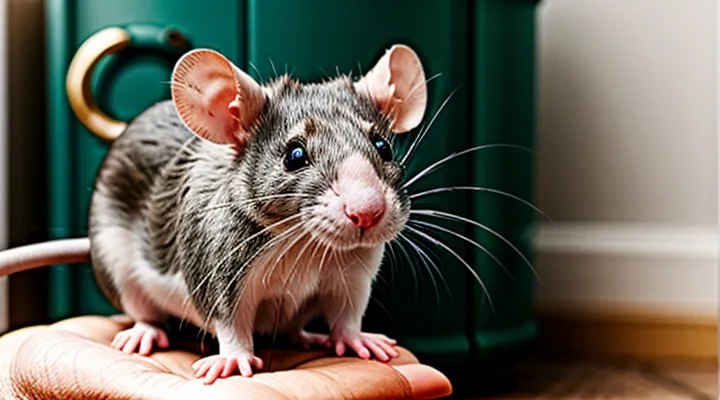
«Understanding Your Pet Rat's Needs»
«Typical Rat Behavior and Temperament»
Pet rats exhibit a highly social nature, forming strong bonds with conspecifics and humans alike. Their hierarchy-driven interactions involve frequent grooming, communal nesting, and vocal exchanges that signal emotional states such as curiosity, contentment, or alarm.
Typical behavioral patterns include:
- Exploratory activity: Rats investigate new environments by sniffing, whisker probing, and rapid locomotion; this instinct drives their willingness to approach a handler’s hand.
- Playfulness: Young rats engage in chase, wrestling, and object manipulation, demonstrating agility and problem‑solving capacity.
- Burrowing and nesting: Instinctive construction of secure nests reflects a need for safety and can be leveraged to encourage calmness during handling sessions.
- Food motivation: Strong drive toward nutritious items makes positive reinforcement with treats an effective conditioning tool.
Temperamentally, rats are:
- Intelligent: Capable of learning simple commands and recognizing individual humans after repeated exposure.
- Docile when secure: A stable, low‑stress environment reduces aggression and promotes cooperative behavior.
- Responsive to scent and sound: Sensitive olfactory and auditory cues allow handlers to anticipate reactions and adjust handling techniques accordingly.
Understanding these innate traits enables the design of a structured hand‑handling program that aligns with the rat’s natural tendencies, fostering confidence and reducing stress during training.
«Importance of Early Socialization»
Early interaction with humans shapes a rat’s willingness to accept touch. When pups experience gentle handling during the first weeks of life, they develop reduced fear responses and increased confidence in the presence of people. This foundation accelerates the conditioning process needed for reliable hand‑handling later on.
Consistent exposure to varied tactile stimuli teaches the animal to differentiate between benign contact and potential threats. By presenting soft brushes, fingertips, and brief restraint in a calm environment, caregivers teach the rat to remain still and relaxed, which minimizes stress‑induced injuries during training sessions.
Key outcomes of early socialization:
- Faster acquisition of handling skills
- Lower incidence of defensive biting or scratching
- Enhanced trust, leading to smoother routine health checks
- Greater adaptability to new environments and caretakers
Implementing daily, brief handling routines from weaning onward establishes a predictable pattern that the rat learns to anticipate, thereby reinforcing cooperative behavior throughout its lifespan.
«Creating a Safe and Stimulating Environment»
A secure, enriched habitat forms the foundation for successful hand interaction with a pet rat. The enclosure must prevent escape, protect against injury, and provide opportunities for natural behaviors that keep the animal engaged and receptive to handling.
- Choose a solid‑bottom cage with a secure latch; wire floors cause foot injuries.
- Size the enclosure at least 2 ft × 2 ft × 2 ft for a single rat, larger for multiple occupants.
- Line the bottom with a thin layer of paper bedding, avoiding dusty or scented varieties that can irritate respiratory passages.
- Install a latch that closes quietly to reduce stress during entry and exit.
Enrichment items stimulate curiosity and reduce fear of human contact. Rotate objects regularly to maintain interest and prevent habituation.
- Provide chew‑safe tunnels, wooden blocks, and PVC pipes of varying diameters.
- Offer climbing structures such as rope ladders or sturdy branches anchored securely.
- Place hideaways (ceramic huts, fabric pouches) in corners to allow retreat when the rat feels threatened.
- Supply a small dish of fresh vegetables, fruits, or nuts each day to encourage foraging behavior.
Maintain a consistent cleaning schedule to preserve hygiene without disrupting the rat’s routine. Spot‑clean daily, replace all bedding weekly, and disinfect the cage with a mild, rat‑safe solution monthly. Ensure that food and water containers are stable, spill‑proof, and positioned away from the cage’s entry point to avoid contamination.
By integrating robust safety measures with varied, species‑appropriate enrichment, the environment supports both physical health and the confidence needed for gentle hand handling.
«Preparing for Hand Training»
«Establishing Trust and Positive Associations»
«Scent Recognition»
Scent recognition underpins successful hand‑handling of a pet rat. Rats rely on olfactory cues to assess safety; a familiar scent reduces fear and encourages voluntary interaction.
Rats detect a handler’s odor through whisker‑linked nasal receptors. Consistent exposure to the same scent creates a mental association between the handler and a non‑threatening environment. This association accelerates acceptance of direct contact and shortens the acclimation period.
Practical implementation:
- Begin each session by rubbing a small amount of unscented, food‑grade oil on the hands; this neutral scent becomes the baseline cue.
- Place a piece of cloth scented with the same oil near the cage for several days; the rat will investigate the cloth and transfer the scent to its surroundings.
- Gradually introduce the hand into the cage while the rat is engaged with the scented cloth; allow the rat to approach voluntarily.
- Reward the rat with a treat immediately after any tactile contact, reinforcing the positive link between scent and handling.
- Rotate the scented cloth weekly to maintain novelty while preserving the core odor profile, preventing habituation fatigue.
If a rat shows reluctance, re‑evaluate the scent’s consistency. Residual odors from cleaning agents or food can interfere; replace contaminated items and repeat the exposure cycle. Consistent scent pairing, paired with timely reinforcement, yields reliable hand‑handling performance.
«Voice Familiarity»
Voice familiarity accelerates a rat’s acceptance of human contact. Consistent vocal exposure creates a predictable auditory environment, reducing stress when the animal is lifted or held. Rats associate a calm, familiar tone with safety, which translates into smoother transitions during hand‑handling sessions.
Effective implementation requires deliberate practice:
- Choose a short, soothing phrase (e.g., “Good rat”) and repeat it at a steady volume each time you approach the cage.
- Begin with the phrase spoken from a distance, then gradually decrease the gap while maintaining the same tone.
- Pair the voice with gentle tactile cues such as a light hand movement or a soft touch to reinforce the association.
- Limit sessions to five minutes, repeating daily until the rat exhibits relaxed behavior upon hearing the phrase alone.
Monitoring progress involves observing ear pinna position, whisker orientation, and movement speed. A relaxed rat will keep ears forward, whiskers relaxed, and move without sudden bursts. When these indicators appear consistently after vocal exposure, the rat is ready for extended hand‑handling without additional auditory cues.
«Choosing the Right Time and Location»
Select a moment when the rat is naturally calm. Rats are most relaxed after a brief period of activity, typically in the early evening or after a short play session. Avoid handling during feeding, grooming, or when the animal shows signs of agitation such as rapid breathing or frantic movement.
Choose a location that minimizes external stimuli. Ideal spaces are:
- a quiet room with closed doors,
- a flat, non‑slippery surface (e.g., a wooden table or a low‑profile tray),
- a well‑ventilated area free of strong odors, drafts, or loud noises,
- a surface that can be easily cleaned in case of spills.
Prepare the area in advance: remove clutter, secure any cords, and place a soft, washable mat if the floor is hard. Ensure the space is large enough to allow gentle movement without forcing the rat into a corner.
Timing and setting together create a predictable environment, reducing stress and encouraging the rat to accept gentle hand contact. Consistency in both aspects accelerates the habituation process and builds trust between handler and pet.
«Essential Supplies for Training»
«Appropriate Treats»
When conditioning a pet rat for hand handling, the choice of rewards directly influences the speed of acceptance. Select treats that are small, nutritionally balanced, and highly appealing to the individual rat. Preferred options include:
- Fresh fruit pieces (e.g., banana, apple) cut to ¼‑inch cubes.
- Cooked lean protein such as shredded chicken or boiled egg white.
- Commercial rat treats formulated without added sugars or artificial flavors.
- Small amounts of unsalted, plain popcorn or whole‑grain cereal.
Treat size must be consistent with the rat’s mouth capacity; a bite should be no larger than the tip of the nose to prevent choking and to allow rapid consumption during training sessions. Limit each reward to a single bite and deliver it immediately after the rat exhibits the desired behavior, reinforcing the association between the hand and a positive outcome.
Nutritional considerations prevent health issues that could interfere with handling practice. Avoid sugary snacks, high‑fat foods, and any items containing chocolate, caffeine, or citrus oils, as these can cause digestive upset or toxicity. Rotate treat types to maintain interest and to provide a varied nutrient profile.
Frequency of reward delivery should align with the rat’s learning curve. Begin with multiple short sessions per day, offering a treat after each successful hand contact. As the rat becomes accustomed to being held, reduce the number of treats while maintaining occasional high‑value rewards to preserve motivation without overfeeding.
«Comfortable Training Space»
A comfortable training space maximizes a rat’s willingness to approach and remain in the handler’s hand. Choose a quiet area away from loud appliances, predators, and heavy foot traffic. The space should be enclosed with a low‑profile barrier—such as a plastic tray with raised edges—to prevent escape while allowing easy observation.
The surface inside the enclosure must be soft yet non‑absorbent. Use a thin layer of paper towels or a reusable microfiber mat; avoid loose bedding that can conceal waste and cause slipping. Maintain ambient temperature between 20 °C and 24 °C (68 °F‑75 °F) and keep humidity moderate to prevent respiratory irritation.
Lighting should be steady and dim, replicating the rat’s natural environment. A single, low‑intensity LED panel provides sufficient illumination without overstimulation. Ensure the enclosure is easy to clean: removable walls or a hinged lid allow rapid removal of waste and quick disinfection with a diluted, rat‑safe sanitizer.
Essential accessories:
- Small, stable perch or platform for the rat to climb before hand contact.
- A shallow water dish to keep the animal hydrated during longer sessions.
- A few favorite treats placed near the handler’s hand to encourage voluntary approach.
Position the handler’s hand at the edge of the enclosure, allowing the rat to explore voluntarily. Gradually increase contact duration, monitoring stress signals such as rapid breathing or excessive grooming. A well‑prepared environment reduces anxiety, shortens acclimation time, and supports consistent progress in hand‑handling training.
«Step-by-Step Hand Training Guide»
«Initial Contact and Acclimation»
«Offering Treats Through Bars»
Offering treats through the bars of a cage creates a positive association with the hand and reduces fear during handling. The rat learns to anticipate a reward when it reaches through the mesh, which encourages voluntary movement toward the handler’s fingers.
Begin by selecting small, high‑value foods such as pieces of raisin, bits of cooked egg, or commercial rodent treats. Place a single morsel on the opposite side of the cage wall, just beyond the rat’s reach. Allow the animal to sniff the scent and attempt to retrieve the treat through the mesh. When the rat successfully pulls the food through, immediately pause the interaction and let it eat the reward without any hand contact. Repeat this sequence several times per session, limiting each session to five minutes to prevent stress.
Progress to a two‑step approach:
- Offer the treat through the bars while the handler’s hand remains outside the cage.
- Once the rat reliably reaches for the treat, gently introduce a fingertip into the opening while the treat is still present, allowing the rat to take the food directly from the hand.
Consistency in timing and reward size reinforces the behavior. Gradually increase the duration of hand exposure and reduce the reliance on the treat, eventually using praise and gentle petting as the primary reinforcement. This method establishes a clear link between the cage’s barrier and the handler’s hand, facilitating smoother transitions to full hand‑over‑hand handling.
«Open Cage Door Introduction»
Begin the process by leaving the cage door ajar for several minutes each day. The open entry point allows the rat to explore the threshold voluntarily, reducing fear of the hand‑held environment.
Prepare the cage so that the floor is clean and any climbing structures are stable. Place food or a treat near the doorway to encourage movement toward the opening. Ensure the surrounding area is quiet and free of sudden noises.
- Open the door fully and step back a short distance.
- Remain still, allowing the rat to approach at its own pace.
- When the rat reaches the opening, offer a treat from the palm.
- Gently rest the palm on the cage edge, letting the rat step onto it without pressure.
- Return the rat to the cage after a brief pause, then close the door.
Observe the rat’s body language. Ears flattened, rapid breathing, or attempts to retreat indicate stress; pause the session and resume only when the animal appears relaxed. Consistent, brief exposures build confidence and lay the foundation for later hand handling.
«Encouraging Climbing onto Your Hand»
«Luring with Treats»
Using food rewards to motivate a rat to approach the hand creates a reliable pathway to comfortable handling. The animal learns to associate the presence of a human hand with a positive outcome, reducing fear and increasing willingness to be touched.
- Offer a small, high‑value treat (e.g., a piece of fruit, a pea, or a commercial rodent bite) directly in the palm.
- Keep the treat visible while placing the hand near the cage opening; allow the rat to sniff and decide to step onto the palm.
- Once the rat’s front paws rest on the hand, give a second treat to reinforce the behavior.
- Gradually increase the duration the rat remains on the hand before delivering the reward.
- Introduce gentle lifting motions after the rat consistently steps onto the palm, rewarding each successful lift.
Select treats that are easy to grasp, low in fat, and familiar to the rat. Limit each session to a few minutes to prevent satiation, and maintain a consistent schedule to strengthen the association. Replace the treat with a verbal cue after the rat reliably approaches the hand, then phase out food rewards while preserving the handling behavior.
«Gentle Scooping Technique»
The gentle scooping technique is essential for introducing a pet rat to hand handling without triggering a flight response. Position your hand palm‑up, fingers relaxed, and keep the wrist straight. Approach the rat from the side rather than from above to reduce perceived threat. Allow the animal to sniff your fingers before any contact.
Steps for executing the technique:
- Place a soft, non‑slip surface (e.g., a folded towel) on a low table.
- Slide the hand under the rat’s torso, supporting the chest and hindquarters simultaneously.
- Lift the rat a few centimeters, maintaining even pressure to avoid squeezing.
- Hold the rat close to the palm, allowing its feet to rest on the hand while its head remains free to move.
- Release gently onto a secure surface or continue the handling session as needed.
Consistent practice with these motions builds confidence in the rat and reinforces calm behavior during subsequent handling exercises.
«Handling and Short Interactions»
«Supportive Grip»
A supportive grip is the foundation of safe, calm hand handling for a pet rat. It involves encircling the animal’s body with one hand while the other hand stabilizes the head and shoulders, preventing the rat from slipping or feeling threatened.
When applying the grip, follow these steps:
- Approach the rat slowly, allowing it to sniff your hand.
- Place the dominant hand gently around the rat’s torso, thumb and fingers forming a loose “C” shape.
- Use the opposite hand to cup the head, supporting the neck without applying pressure.
- Lift the rat just enough to free its hind legs from the cage floor, keeping the body level.
- Hold for a few seconds, then release by lowering the rat back onto a secure surface.
Key considerations:
- Keep the grip relaxed; excessive tension can cause stress.
- Maintain eye contact with the rat’s face to monitor its comfort.
- Practice the motion repeatedly in short sessions to build trust.
- Adjust hand size and pressure based on the rat’s weight and temperament.
Consistent use of a supportive grip reduces escape attempts and encourages the rat to associate handling with safety, accelerating the overall training process.
«Brief Holding Periods»
When introducing a pet rat to hand handling, limit each initial hold to a few seconds. A short duration prevents the animal from perceiving the interaction as a threat and reduces the likelihood of defensive behavior.
Begin by offering a treat in the palm, allowing the rat to climb voluntarily. Once the rat is settled, gently cup the hands around its torso for 2–3 seconds, then release and reward. Observe the rat’s posture: relaxed limbs and a steady breathing pattern indicate acceptance; rapid breathing, vocalizations, or attempts to escape signal distress.
Gradually extend the holding time by 1–2 seconds per session, never exceeding 10 seconds until the rat demonstrates consistent calmness. Maintain a consistent schedule, offering brief holds several times daily, to reinforce a predictable routine.
Key practices for effective brief holds:
- Keep the grip light, supporting the body without restricting movement.
- Use a calm, steady voice to reassure the animal.
- End each session with a high‑value treat to associate handling with positive outcomes.
- Record the duration and the rat’s response to track progress and adjust timing.
If signs of stress appear, revert to the previous comfortable duration and proceed more slowly. Consistent, brief interactions build trust and lay the foundation for longer, more involved handling sessions.
«Increasing Duration and Confidence»
«Gradual Extension of Handling Time»
Gradual extension of handling time builds a rat’s tolerance for human contact and reduces stress during routine care. Begin with brief sessions of one to two minutes, allowing the animal to explore the hand without restraint. Observe body language; calm posture and relaxed whiskers indicate readiness to increase duration.
- Increase each session by 30‑45 seconds only after the rat remains still for the entire previous period.
- Maintain a consistent schedule, offering handling at the same time each day to create predictability.
- Use a soft, warm palm and support the hindquarters to prevent slipping, which can trigger defensive reactions.
- Incorporate brief pauses during longer sessions: release the rat for a few seconds, then resume contact to reinforce tolerance.
Progression should continue until the rat comfortably tolerates 10‑15 minutes of uninterrupted handling. If signs of agitation appear—rapid breathing, teeth chattering, or attempts to flee—reduce the time to the previous comfortable length and resume gradual increases after a rest day. Consistent, measured extensions develop a reliable partnership between owner and pet, facilitating health checks, grooming, and enrichment activities.
«Moving to New Locations»
Moving a pet rat to a new environment is an essential step in the process of teaching it to accept gentle hand contact. The transition should be planned to minimize stress and to reinforce the animal’s confidence in human interaction.
First, select a temporary enclosure that matches the size and material of the rat’s regular cage. Place familiar bedding, toys, and food items inside to provide recognizable cues. Keep the enclosure in a quiet area away from sudden noises and heavy foot traffic.
Second, transport the rat in a secure, ventilated carrier. Avoid abrupt movements; a smooth, steady motion reduces the likelihood of panic. Upon arrival, open the carrier directly into the prepared enclosure and allow the rat to exit at its own pace. Do not reach for the animal immediately.
Third, observe the rat’s behavior for several minutes. Signs of calm exploration—such as sniffing, gentle grooming, and slow movement—indicate a successful adjustment. If the rat appears agitated, pause the session, dim the lights, and give additional time before proceeding.
Fourth, introduce hand handling gradually. Follow these actions:
- Place a hand inside the enclosure without touching the rat; keep the palm flat and fingers relaxed.
- Remain still for 30–60 seconds while the rat investigates the hand.
- Offer a small treat on the palm; allow the rat to climb onto the hand voluntarily.
- Gently lift the rat a few centimeters, then set it back down. Repeat the lift‑and‑release cycle several times, increasing duration each session.
- Return the rat to its original cage after a short handling period; maintain consistency in timing and technique.
Finally, repeat the relocation and handling routine daily for a week, then transition the rat back to its permanent cage. Consistent exposure to new locations, coupled with patient hand interaction, builds the trust needed for reliable, gentle handling.
«Addressing Common Challenges»
«Dealing with Nipping or Biting»
«Understanding the Cause»
Rats that resist being held often react to specific stimuli that signal danger or discomfort. Identifying those stimuli allows owners to adjust their approach and reduce stress during hand‑handling sessions.
Typical triggers include:
- Sudden movements or loud noises that startle the animal.
- Direct pressure on the neck or tail, which the rat perceives as a threat.
- Inadequate acclimation to human scent and touch, especially in newly adopted individuals.
- Inconsistent handling routines that prevent the rat from forming reliable expectations.
Addressing each trigger requires targeted action. Move slowly, keep the environment quiet, and support the rat’s body without gripping sensitive areas. Introduce handling gradually, starting with brief, gentle contacts and extending the duration as the rat shows signs of relaxation. Consistency in timing and technique reinforces a predictable pattern, encouraging the rat to associate hand contact with safety rather than danger.
«Corrective Measures and Prevention»
Effective hand‑handling training for a pet rat requires prompt correction of undesirable behaviors and proactive prevention of future issues. Immediate response to resistance, such as biting or rapid retreat, prevents reinforcement of fear. Consistency in timing and method ensures the rat associates the correction with the specific action.
Corrective measures:
- Gentle, brief restraint followed by release when the rat remains calm.
- Soft verbal cue (e.g., “no”) paired with a light tap on the forearm.
- Immediate redirection to a neutral activity, such as offering a treat, when the rat attempts to escape.
- Temporary pause in handling sessions if the rat shows heightened stress signals (flattened ears, rapid breathing).
Prevention strategies:
- Gradual exposure: start with short, positive interactions and increase duration incrementally.
- Routine handling schedule: same time each day builds predictability and reduces anxiety.
- Positive reinforcement: reward calm behavior with favorite food items or gentle petting.
- Environmental enrichment: provide tunnels, chew toys, and climbing structures to lower overall stress levels, making the rat more receptive to handling.
Monitoring progress through observation of body language and response latency enables adjustment of corrective and preventive tactics, fostering reliable, stress‑free hand handling.
«Fearful or Shy Rats»
«Patience and Positive Reinforcement»
Patience means allowing the rat to progress at its own speed, avoiding rushed movements or forced contact. Observe the animal’s body language; pause when signs of stress appear, and resume only after the rat relaxes. Consistent timing of sessions—short, regular intervals rather than occasional long attempts—reinforces a calm learning environment.
Positive reinforcement involves rewarding desired behavior with a stimulus the rat finds valuable, such as a favorite treat or gentle petting. Deliver the reward immediately after the target action, ensuring the rat links the behavior with the positive outcome. Over time, the rat repeats the action to obtain the reward, reducing fear of human touch.
Practical application for hand‑handling training:
- Begin each session with a calm environment; limit distractions and keep lighting soft.
- Offer a treat from the open palm, allowing the rat to approach voluntarily.
- When the rat places a paw or snout on the hand, provide an additional treat and gentle praise.
- Gradually increase contact duration, rewarding every few seconds of sustained calmness.
- If the rat withdraws, stop the interaction, wait for a reset of calm behavior, then retry without pressure.
- Track progress by noting the longest uninterrupted handling period each week; adjust session length accordingly.
By maintaining a patient pace and consistently applying positive reinforcement, the rat learns to associate human hands with safety and reward, resulting in reliable, stress‑free hand handling.
«Building Confidence Slowly»
Begin each session with a neutral environment: a quiet room, low lighting, and a stable surface. Place the rat’s cage near the work area so the animal can observe the handler without feeling threatened.
Introduce the handler’s hand gradually. Start by keeping the hand stationary at the cage opening for a few minutes, allowing the rat to sniff and investigate at its own pace. Reward any approach with a small treat placed on the palm.
Progress to brief, gentle contact. Touch the rat’s whiskers or back lightly for one to two seconds, then withdraw the hand. Immediately follow the contact with a treat and a calm verbal cue such as “good.” Repeat this pattern several times in a single session, never exceeding the rat’s willingness to engage.
Increase the duration of handling incrementally. Extend each touch by a few seconds only after the rat consistently accepts the previous length. Maintain a steady rhythm; avoid sudden movements or loud noises that could reset confidence.
Schedule multiple short sessions each day rather than one long session. Five‑minute interactions, spaced several hours apart, reinforce trust while preventing fatigue. Record the rat’s responses to identify the optimal time of day for handling.
Conclude each session with a positive experience. Return the rat to its cage, provide a favorite food item, and allow a few minutes of undisturbed rest. Consistent positive endings solidify the association between hand contact and safety.
By adhering to these incremental steps, the rat gradually perceives the handler’s hand as a predictable, non‑threatening presence, leading to sustained confidence in hand handling.
«Overcoming Rat Agitation or Resistance»
«Recognizing Stress Signals»
Recognizing stress signals is essential when conditioning a pet rat for hand‑handling. Rats exhibit subtle cues that precede aggression or escape attempts; early detection prevents injury and maintains trust.
Common indicators include:
- Ears flattened against the head
- Rapid, shallow breathing or audible panting
- Tail twitching or whipping
- Rigid posture with a tense back
- Vocalizations such as high‑pitched squeaks
- Sudden freezing or avoidance of eye contact
When any of these signs appear, cease handling immediately. Allow the rat to retreat to its enclosure, provide a quiet environment, and observe for a return to normal behavior—relaxed ears, steady breathing, and a calm tail. Re‑attempt handling only after the animal demonstrates a relaxed state for several minutes.
Consistent monitoring of these signals during each session builds a reliable assessment framework. Over time, the handler learns to predict stress thresholds, reducing the frequency of negative reactions and fostering a smoother hand‑handling process.
«Taking Breaks and Resetting»
Training a pet rat for hand handling requires regular pauses to prevent stress buildup and to reinforce learning. When a rat shows signs of agitation—frequent grooming, rapid breathing, or attempts to escape—immediately stop the session. A brief pause of one to two minutes allows the animal to calm, and a longer reset after 10‑15 minutes of work helps maintain a positive association with handling.
Implement breaks with a clear routine:
- Observe behavior; end the session at the first indication of discomfort.
- Place the rat in a familiar enclosure with food and water.
- Wait at least 60 seconds before resuming contact; extend to five minutes if the rat remains tense.
- After three successful handling intervals, conclude the session and provide a quiet environment for at least 30 minutes.
Consistent use of these pauses improves tolerance, accelerates progress, and reduces the risk of fear conditioning. By treating each break as an integral part of the training cycle, the rat learns that handling is safe and predictable.
«Maintaining a Strong Bond»
«Consistent Daily Interaction»
Consistent daily interaction builds the rat’s confidence in human contact and reduces stress during handling. Repeated, brief sessions teach the animal that hands are safe and predictable, which speeds the development of calm acceptance when lifted.
A practical routine includes three short encounters each day, each lasting five to ten minutes. Begin with the cage lid open, allowing the rat to approach voluntarily. Offer a small piece of favorite food, then gently stroke the back and sides while maintaining a steady, low voice. After a few minutes, pause, let the rat retreat, and repeat the sequence later in the day.
Key practices for effective daily contact:
- Use the same hand and voice tone throughout the week to create a recognizable pattern.
- Keep movements slow; sudden gestures trigger flight responses.
- Limit sessions to the rat’s attention span—stop before signs of agitation appear.
- Reward calm behavior immediately with a treat, reinforcing the desired response.
- Record the time of each interaction to ensure the schedule remains consistent.
Maintaining this schedule for at least two weeks typically results in a rat that allows gentle lifting without resistance, facilitating further training steps and improving overall pet‑owner rapport.
«Enrichment Activities Together»
Enrichment activities performed jointly with a rat reinforce confidence in human contact and accelerate the hand‑handling process. Routine sessions should combine tactile exploration, problem‑solving tasks, and positive reinforcement.
- Offer a small, sturdy tunnel that the rat can navigate while you gently guide its head into your palm. The tunnel provides a familiar environment, reducing stress during the transition to direct handling.
- Place a puzzle feeder on a low platform within reach of your hand. Allow the rat to manipulate the feeder while you lightly touch its whiskers or forepaws, creating a direct association between the activity and human touch.
- Use a textured ball or chew toy that fits comfortably in the rat’s mouth. While the rat gnaws, hold the toy with your fingers and let the animal pull it toward you, encouraging voluntary contact.
- Introduce a shallow water dish for brief splash play. Position your hand near the edge; the rat’s natural curiosity leads it to investigate, providing opportunities for gentle hand contact.
Each activity should last no longer than five minutes per session, with multiple short sessions throughout the day. Observe the rat’s body language; pause if signs of agitation appear, then resume once calm behavior returns. Consistent, low‑stress enrichment paired with hand contact builds the trust necessary for reliable hand handling.
«Recognizing Your Rat's Progress»
Observing a rat’s behavior provides clear evidence of advancement in hand‑handling training. A rat that consistently approaches the hand, remains still while being lifted, and shows relaxed posture indicates growing confidence. When the animal voluntarily climbs onto a palm or accepts gentle petting without vocalizing distress, the handler can confirm that the conditioning process is effective.
Key indicators of progress include:
- Frequent, unsolicited approaches to the handler’s hand.
- Calm body language: smooth fur, lowered ears, and a relaxed tail.
- Extended tolerance of being held, measured by the duration the rat stays in the hand without attempting to escape.
- Reduced vocalizations such as high‑pitched squeaks that typically accompany fear.
- Willingness to explore new textures or objects presented by the handler while being handled.
Quantifying these signs helps refine training schedules. For example, if a rat maintains a calm hold for more than two minutes, the handler may increase session length or introduce mild distractions to test adaptability. Conversely, a sudden increase in escape attempts signals the need to reduce handling intensity temporarily.
Consistent documentation of each session—recording approach frequency, handling time, and specific behaviors—creates a measurable progress curve. This data enables the handler to adjust techniques promptly, ensuring the rat’s comfort and reinforcing positive associations with hand interaction.