
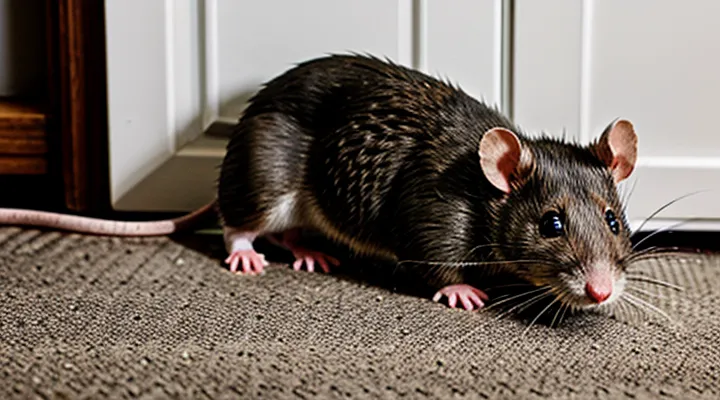
Understanding the Signs of a Deceased Rat
Initial Visual Cues
Lack of Movement
When a rat shows no movement, the most reliable conclusion is death. Absence of locomotion eliminates the possibility of normal activity and requires verification through additional observations.
Key indicators accompanying immobility:
- No reaction to gentle tactile stimulation (e.g., light touch on the snout or paw).
- Absence of spontaneous breathing movements; the chest remains still.
- Lack of heartbeat detectable by a stethoscope or a trained fingertip pulse.
- No vocalizations or audible sounds when handled.
These signs together confirm that the animal is no longer alive. If any response is observed, further assessment is necessary before reaching a final determination.
Unnatural Body Position
Observing a rat’s posture provides a reliable indicator of mortality. When a rat is alive, muscle tone keeps the body upright, limbs coordinated, and the spine flexible. After death, the body often assumes a position that contradicts normal locomotion and balance.
Typical signs of an unnatural body position include:
- Limbs splayed outward or folded backward, creating a spread‑footed stance that a live rat cannot sustain.
- The torso twisted or arched dramatically, with the head tilted at an angle inconsistent with conscious movement.
- Rigid extension of the tail away from the body, rather than the relaxed curl seen in living rodents.
- Collapse of the chest and abdomen, causing the belly to flatten against the surface.
These postures arise from loss of muscular control and the onset of rigor mortis, which fixes joints in atypical angles. The combination of extreme limb spread, abnormal spinal curvature, and tail displacement distinguishes a deceased rat from one that is merely stunned or injured. Recognizing these patterns enables accurate assessment of rat mortality without reliance on behavioral cues.
Open or Glazed Eyes
Open or glazed eyes are one of the most reliable external indicators that a rat has ceased breathing. In a living animal the cornea remains moist, the pupil reacts to light, and the eyelids close naturally when the animal is relaxed. After death, the tear film evaporates, causing the surface to appear dry and reflective; the eyes may remain partially open or become fully glazed with a milky sheen. This change occurs within minutes and does not reverse without intervention.
Key visual cues to assess the condition of the eyes:
- Lack of corneal reflex: Touching the cornea with a blunt instrument does not elicit a blink response.
- Fixed, dilated pupils: Pupils stay enlarged and unresponsive to light sources.
- Glossy or cloudy appearance: The cornea looks hazy, often described as “glazed,” indicating dehydration of the ocular surface.
- Absence of tear production: No wetness around the eye corners, even when the animal is handled.
When these ocular signs accompany other mortality indicators—such as absence of heartbeat, no respiratory movements, and limp limbs—they confirm that the rat is no longer alive. Immediate visual inspection of the eyes provides a quick, non‑invasive method for confirming death.
Physical Examination (with Caution)
Absence of Breathing
The absence of breathing is the most reliable indicator that a rat has ceased living. When a rat is unresponsive, observe the thoracic region for any rise and fall. Even minimal movement should be detectable with close attention; lack of any expansion confirms that respiratory activity has stopped.
Key observations for confirming no breath:
- Chest remains motionless for at least 30 seconds while the animal is placed on a flat surface.
- No audible inhalation or exhalation can be heard when the nostrils are held near the ear.
- The nasal passages do not emit a gentle airflow when a fingertip is lightly placed at the nostrils.
- The body temperature gradually declines, indicating the loss of metabolic heat generated by respiration.
If all listed signs are present, the rat can be considered deceased. Additional verification, such as checking for a heartbeat with a stethoscope, is unnecessary when breathing is unequivocally absent.
Rigor Mortis
Rigor mortis is the post‑mortem stiffening of skeletal muscles caused by chemical changes in muscle fibers. In a rat, this process begins within 30‑45 minutes after cardiac arrest and reaches full rigidity after 2‑3 hours. The onset and progression of rigor provide a reliable indicator that the animal has ceased breathing and circulation.
During the early stage, the rat’s limbs become resistant to passive movement; the jaw may lock, preventing the animal from opening its mouth. As rigor advances, the entire body, including the tail and whisker pads, feels firm to the touch. After 12‑24 hours, enzymatic breakdown of muscle proteins leads to relaxation, and the body gradually returns to a flaccid state.
Key observations for confirming death through rigor mortis:
- Resistance when gently flexing the fore‑ or hind‑limbs
- Inability to open the mouth without applying force
- Uniform firmness across the torso and tail
- Absence of spontaneous twitching or reflexes
The timing of these signs correlates with ambient temperature; warmer environments accelerate rigor, while cooler conditions delay it. Recognizing the characteristic stiffening pattern eliminates uncertainty when assessing a rat’s vital status.
Cold Body Temperature
A living rat maintains a core temperature of approximately 37 °C (98.6 °F). After death, the body loses heat to the environment, a process known as algor mortis. The rate of cooling depends on ambient temperature, humidity, and the rat’s size, but a noticeable drop to near‑room temperature typically occurs within 30 minutes to two hours.
To assess whether a rat has died by evaluating body temperature:
- Gently touch the torso or hind limbs; a cold, unresponsive surface suggests loss of circulation.
- Use a digital rectal thermometer; readings below 30 °C (86 °F) indicate that metabolic heat production has ceased.
- Compare the rat’s temperature with that of a live control animal kept under identical conditions; a difference of more than 5 °C (9 °F) is a reliable indicator of mortality.
Additional observations support the temperature assessment:
- Absence of breathing sounds and lack of heartbeats on a stethoscope.
- Rigor mortis development within a few hours, coinciding with continued cooling.
- No response to tactile stimuli.
When temperature alone is ambiguous—such as in a cold environment—combine the measurement with the above signs to confirm death. Accurate, prompt evaluation prevents misinterpretation of a temporarily hypothermic but still living rat.
Swelling or Bloating
Swelling or bloating is a reliable indicator that a rat has passed away. After death, the body’s muscles relax and blood settles, allowing gases produced by intestinal bacteria to accumulate in the abdomen. The resulting distension is typically visible within a few hours and becomes more pronounced over the next day.
Key characteristics of post‑mortem abdominal enlargement include:
- Uniform expansion of the belly, often extending beyond the rib cage.
- A shiny, taut skin surface that does not retract when gently pressed.
- Absence of normal peristaltic movements; any slight movement is a reflex rather than a purposeful contraction.
- A foul odor that intensifies as decomposition progresses.
Distinguishing bloating from living conditions is straightforward:
- Living rats with gastrointestinal issues may show localized swelling, but the skin remains pliable and the animal retains normal activity levels.
- In a deceased rat, the abdomen remains rigid, and the animal shows no response to tactile stimulation.
Observation of these signs, combined with the lack of breathing, heartbeat, and reflexes, confirms death without the need for further testing.
Behavioral Changes in Other Rats (if applicable)
Avoidance of the Deceased Rat
Detecting that a rat is no longer alive triggers the need to keep distance from the carcass. Immediate separation prevents exposure to pathogens, reduces odor spread, and avoids attracting predators or scavengers.
Health hazards originate from bacterial contamination, parasitic eggs, and potential toxins released during decomposition. Contact with bodily fluids or tissue can transmit diseases such as leptospirosis, salmonellosis, or hantavirus. Environmental contamination occurs when fluids seep into flooring, walls, or ventilation systems.
Practical steps for avoiding the dead animal:
- Seal the area: close doors, windows, and ventilation ducts that lead to the location.
- Wear protective gear: gloves, mask, and disposable coveralls before approaching the site.
- Contain the carcass: place it in a double‑sealed, puncture‑resistant bag.
- Remove the bag promptly: transport it to an outdoor trash receptacle designated for biohazard waste.
- Disinfect the surroundings: apply an EPA‑approved disinfectant to surfaces that may have been touched.
After removal, clean the area thoroughly with a detergent, then apply a disinfectant solution. Allow the surface to air‑dry before reopening the space. Regular monitoring for lingering odor or signs of infestation ensures that the risk remains eliminated.
Changes in Pack Dynamics
The loss of a rat within a social group triggers immediate restructuring of dominance hierarchies. Surviving members reassess status cues, leading to rapid contests for vacant positions. These contests manifest as increased aggression, scent marking, and altered grooming patterns, which stabilize the hierarchy within hours.
Behavioral shifts extend to collective foraging and nesting activities. The group reduces exploratory excursions while concentrating on essential resources, reflecting heightened vigilance. Cohesion strengthens as individuals maintain closer proximity, reducing the risk of further mortality.
Observable changes in pack dynamics include:
- Escalated territorial displays among remaining members.
- Redistribution of caregiving duties, with subordinate rats assuming parental roles.
- Modification of vocalizations; frequencies become lower and more frequent, signaling uncertainty.
Monitoring these indicators provides reliable evidence of a rat’s death without relying on necropsy or external confirmation. The pattern of social reorganization offers a practical proxy for assessing mortality in laboratory or field settings.
Odor and Decomposition
Unpleasant Smell
The presence of a strong, sour odor often indicates that a rat has died. Decomposition releases volatile compounds such as putrescine and cadaverine, which produce a sharp, ammonia‑like scent that quickly fills the surrounding area.
Key observations:
- The smell is persistent and does not dissipate with normal ventilation.
- It intensifies when the source is warmed, for example by sunlight or nearby heating.
- The odor may be accompanied by a faint oily film on nearby surfaces, a byproduct of tissue breakdown.
Practical steps to confirm the source:
- Locate the area where the odor is strongest by moving slowly and inhaling briefly at each point.
- Inspect walls, ceilings, and hidden spaces (e.g., behind appliances, under flooring) for signs of decay, such as discoloration or fluid stains.
- Use a flashlight to examine crevices; a dead rat may be partially hidden, and the odor will be most concentrated near the body.
- If the suspected spot is inaccessible, consider drilling a small opening or using a flexible inspection camera to verify the presence of a carcass.
When the source is identified, remove the remains promptly, seal them in a plastic bag, and clean the area with a disinfectant solution to eliminate residual odor compounds. Proper disposal and thorough sanitation prevent lingering smell and potential health hazards.
Visible Signs of Decay
When a rodent carcass is under observation, external deterioration delivers the most immediate proof of death. The body’s appearance changes predictably as decomposition progresses, allowing an accurate assessment without invasive procedures.
- Skin discoloration: Freshly deceased tissue shifts from its natural hue to a pallid, gray‑white tone within hours. Later stages produce a greenish or blackish tint as bacterial activity advances.
- Fur condition: Hair loses its sheen, becomes matted, and may detach in patches. In advanced decay, fur can appear dry, brittle, and may fall away, exposing the underlying skin.
- Odor development: A sharp, ammonia‑like smell emerges shortly after death, intensifying to a strong, putrid odor as gases accumulate. The presence of this scent, especially in confined spaces, signals ongoing breakdown.
- Swelling and bloating: Gases generated by internal microbes cause the abdomen and thorax to expand, creating a visibly distended profile. The swelling is often accompanied by a taut, stretched skin surface.
- Exudate leakage: Clear or yellowish fluids may seep from orifices and wounds. As tissues liquefy, a viscous, foul‑smelling discharge becomes evident on surrounding surfaces.
- Structural collapse: Over time, muscle tone diminishes, leading to sagging limbs and a collapsed spine. The carcass may assume a curled or huddled posture as connective tissue loses integrity.
Recognition of these visual cues enables a swift, reliable conclusion that the rat is no longer alive, facilitating appropriate handling and disposal measures.
When to Suspect a Hidden Deceased Rat
Persistent Foul Odor
A lingering, strong, unpleasant smell often indicates decomposition. The odor originates from bacterial breakdown of tissues, producing gases such as putrescine and cadaverine. These compounds are detectable within hours of death and persist until the body is removed or fully decomposed. In residential or commercial settings, the smell may concentrate near walls, insulation, or hidden cavities where the animal died.
- Identify the source: follow the scent to the deepest point where it intensifies.
- Check for additional signs: dark stains, droppings, or gnaw marks near the odor.
- Remove the carcass promptly: use protective gloves, seal the body in a plastic bag, and dispose of it according to local regulations.
- Clean the area: disinfect surfaces, ventilate the space, and replace contaminated insulation or drywall if necessary.
- Monitor for recurrence: a persistent odor after cleanup suggests a missed carcass or secondary infestation.
Sudden Increase in Pest Activity
A sudden surge in pest activity often signals that a rat has died. When a rat collapses, its body releases organic matter that attracts scavengers such as flies, beetles, and other rodents. The influx of these opportunistic insects and mammals appears abruptly, contrasting with the steady background level of pest presence.
Key observations include:
- A rapid rise in fly populations around the suspected site, especially species known for carrion feeding.
- Increased activity of smaller rodents, which may investigate the new food source.
- Presence of beetles or maggots in areas previously free of such insects.
- Unusual clustering of ants or other insects near the suspected carcass.
These patterns emerge within hours to a few days after death. Monitoring pest counts before and after the event provides a reliable indicator. An abrupt, localized spike, rather than a gradual seasonal increase, points directly to the decomposition process.
In practice, combine pest observations with other signs—such as odor, discoloration, and lack of movement—to confirm the rat’s demise. The convergence of multiple, swiftly appearing pest indicators strengthens the assessment and guides appropriate removal or sanitation measures.
Unusual Pet Behavior
Rats exhibit subtle physiological changes before death, and owners often misinterpret these signals as normal quirks. A sudden loss of coordinated movement, such as stumbling or an inability to cling to cage bars, signals a critical decline. Persistent, uncharacteristic silence—absence of the typical high‑pitched squeaks—indicates that the animal is no longer responsive.
Other household pets frequently react to a rat’s demise in ways that reveal the loss. Cats may cease stalking the cage, instead lingering near it without interest. Dogs might display prolonged sniffing of the enclosure followed by disengagement. These shifts in interspecies interaction provide indirect confirmation of the rat’s status.
Key behavioral indicators to monitor:
- Lethargy lasting more than a few hours, with no attempts to explore or groom.
- Failure to consume food or water despite prior regular intake.
- Absence of breathing sounds or visible chest movement.
- Unusual odor emanating from the cage, distinct from normal bedding scent.
- Noticeable change in other pets’ engagement with the rat’s habitat.
Observing these patterns enables a definitive assessment without reliance on external diagnostics.
Safe Handling and Disposal
Essential Safety Precautions
Wearing Gloves
Wearing gloves protects against disease transmission and preserves the integrity of evidence when confirming a rodent’s death. Proper hand protection prevents contamination of bodily fluids, reduces personal health risks, and maintains the condition of the carcass for accurate assessment.
- Choose disposable nitrile or latex gloves; avoid cracked or reused pairs.
- Don gloves before handling the animal or any surrounding material.
- Inspect the body for indicators such as rigor mortis, loss of muscle tone, and absence of breathing movements.
- Use gloved fingers to feel for a lack of pulse in the femoral artery or to gently press the chest; no response confirms cessation of life.
- After examination, remove gloves by turning them inside out, seal in a biohazard bag, and dispose according to local regulations.
Clean hands thoroughly after glove removal, even if the gloves appear intact. Proper disposal and hygiene complete the verification process and safeguard both the investigator and the environment.
Using a Mask
When a small rodent is suspected to be lifeless, the investigator must protect respiratory health and obtain reliable evidence. A protective face covering serves both purposes.
The mask prevents inhalation of potential pathogens, decay gases, and dust released from the carcass. It also creates a barrier that isolates the examiner’s senses, allowing a focused assessment of physical cues.
Key actions while wearing a mask:
- Observe the body for rigor mortis: stiffening appears within a few hours and persists.
- Check for absence of respiration: no rise and fall of the chest, no airflow through the nostrils.
- Test for pulse: gentle pressure on the femoral artery yields no detectable beat.
- Examine the eyes: lack of corneal reflex and clouded lenses indicate death.
- Smell for decomposition odor: a mask filters harmful vapors while still permitting detection of the characteristic scent.
After confirming these signs, remove the mask according to safety protocols, dispose of it properly, and document findings. This method ensures accurate determination while maintaining hygienic standards.
Handwashing Protocols
When confirming that a laboratory or field rodent is no longer alive, direct contact with bodily fluids, tissue, or carcass material is inevitable. Proper hand hygiene minimizes the risk of pathogen transmission to personnel and prevents cross‑contamination of subsequent samples.
The handwashing procedure consists of the following steps:
- Wet hands with running water at a temperature that encourages thorough cleaning.
- Apply a sufficient amount of antimicrobial soap to create a rich lather.
- Scrub all surfaces—palms, backs of hands, between fingers, and under nails—for at least 20 seconds.
- Rinse completely under running water, ensuring no soap residue remains.
- Dry hands with a disposable paper towel; use the same towel to turn off the faucet.
After washing, wear disposable gloves when handling the carcass, and replace gloves immediately if they become soiled. Dispose of the dead animal according to institutional biosafety guidelines, then repeat the handwashing cycle before leaving the work area. This sequence safeguards health, maintains sample integrity, and complies with standard laboratory safety regulations.
Methods of Disposal
Bagging and Sealing
Bagging and sealing the carcass offers a practical means of confirming rat mortality while protecting the environment from contamination. Once the animal is placed in a rigid, sealable bag, any residual movement can be observed directly; the absence of motion under controlled conditions validates death. The sealed enclosure also prevents the release of odors and biohazards, allowing investigators to handle the specimen safely.
The process minimizes external variables that could obscure the assessment. By isolating the body, investigators eliminate the influence of temperature fluctuations, predator interference, or scavenger activity that might otherwise mask signs of life. The sealed container also preserves the specimen for subsequent examination, ensuring that forensic or health‑related analysis can proceed without degradation.
Procedure
- Select a heavy‑duty, airtight bag large enough to accommodate the whole animal without compression.
- Gently place the rat inside, ensuring no external pressure is applied to the torso.
- Expel excess air from the bag, then seal using a zip lock, heat sealer, or clamp that guarantees a hermetic closure.
- Store the sealed bag in a cool, dark area for a minimum of 30 minutes; observe for any internal movement or sounds.
- If no motion is detected, record the time and condition, then transport the sealed bag to a disposal or laboratory facility following local biohazard protocols.
This method provides a clear, repeatable protocol for establishing that a rat has ceased living, while simultaneously safeguarding health and safety standards.
Local Regulations for Carcass Disposal
After confirming that a rodent is no longer alive, the next responsibility is to handle the remains in accordance with local statutes. Municipal codes treat a dead rat as a potential health hazard, requiring containment and proper disposal to prevent disease transmission and attract pests.
Most jurisdictions mandate that the carcass be placed in a sealed, leak‑proof bag before it enters the regular trash stream. The bag must be labeled as “dead animal” in areas where separate collection exists. Some cities prohibit disposal through curbside services and instead require delivery to a designated landfill or transfer station that accepts animal waste.
Allowed disposal methods typically include:
- Curbside garbage – sealed bag, placed in the trash on the scheduled collection day, provided the municipality permits animal remains.
- Landfill drop‑off – transport the sealed container to a public landfill that lists animal carcasses among accepted items.
- Licensed pest‑control service – hire a certified provider who can remove and incinerate the carcass according to state health regulations.
- Municipal animal‑control facility – submit the specimen for proper processing if the local health department offers this service.
Burial on private property is often restricted. Regulations may require a minimum distance of 10 feet from water sources, wells, and occupied structures, and may limit burial depth to at least 2 feet to deter scavengers. Composting is generally prohibited unless the facility is specifically approved for animal waste.
Compliance steps:
- Review the city or county health department website for the exact code number governing dead‑animal disposal.
- Verify whether the standard trash service accepts the carcass or if a special drop‑off location is required.
- Acquire a sturdy, sealable plastic bag and label it clearly.
- If burial is permitted, select a site that meets distance and depth criteria, then record the location for future reference.
- Retain any receipts or documentation from waste facilities or pest‑control contractors in case of inspection.
Following these procedures ensures that the removal of a deceased rat complies with public‑health regulations and avoids potential fines or environmental penalties.
Disinfection of Affected Areas
Cleaning Surfaces
When a rodent is discovered deceased, surfaces that have been contaminated require immediate disinfection to prevent health hazards. Follow a systematic approach:
- Wear disposable gloves and a mask; avoid direct skin contact.
- Remove visible debris with a disposable paper towel; place the towel in a sealed plastic bag.
- Apply an EPA‑registered disinfectant to all affected areas; ensure the product label specifies a contact time of at least five minutes.
- Scrub surfaces with a non‑abrasive brush or cloth, maintaining the recommended dwell time.
- Rinse with clean water if the disinfectant label permits; dry with disposable wipes.
- Dispose of all cleaning materials in a sealed bag; discard according to local biohazard regulations.
- Wash hands thoroughly with soap and water after removing protective gear.
Adhering to these steps eliminates pathogens and restores sanitary conditions.
Airing Out the Space
Airing out the area where a rat may have died eliminates lingering odors that can mask the presence of decomposition. Fresh air disperses volatile compounds, allowing other indicators—such as stillness, lack of movement, and the absence of fresh droppings—to become more apparent.
Steps to ventilate effectively:
- Open all doors, windows, and any access panels in the room.
- Position a fan near an open window to draw air through the space for at least 30 minutes.
- Ensure the airflow direction moves from the interior toward the outside, preventing stale air from recirculating.
- After ventilation, inspect the environment for visual cues (discoloration, hair loss) and auditory silence.
Proper ventilation clarifies sensory evidence, confirming whether the rodent is alive or deceased without reliance on ambiguous smells.