
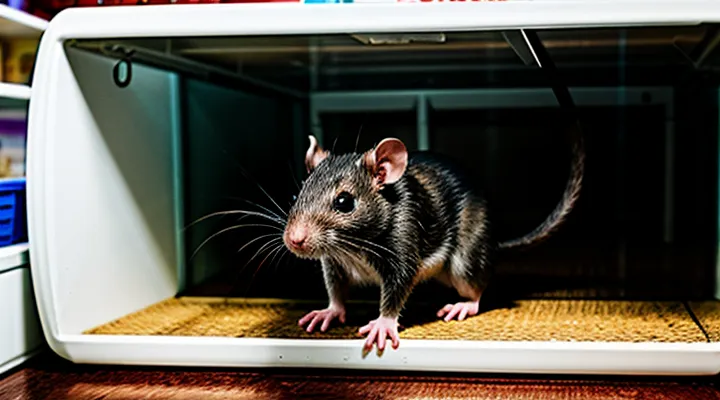
«Understanding the New Rat’s Environment»
«Initial Observation Period»
«Allowing Space and Time to Acclimatize»
When a new rat arrives from a pet shop, the animal’s stress level is often high. Providing a quiet, secure area where the rat can explore without pressure allows the nervous system to settle. The enclosure should be free of sudden noises, bright lights, and other pets for at least 24–48 hours. During this period the rat learns the location of food, water, and shelter, establishing a baseline of safety.
Key practices for granting space and time include:
- Separate housing: Place the rat in a small, covered cage away from high‑traffic zones.
- Minimal handling: Limit contact to brief, gentle observations; avoid picking up the animal until it approaches voluntarily.
- Consistent environment: Keep temperature, lighting, and cage arrangement unchanged to reduce novelty stress.
- Gradual exposure: After the initial acclimation phase, introduce a hand or a soft object for a few seconds each day, extending the duration only when the rat shows calm behavior.
Monitoring the rat’s behavior provides feedback on progress. Signs of comfort—such as relaxed posture, regular grooming, and calm exploration—indicate readiness for increased interaction. If the animal remains withdrawn, extend the quiet period before introducing additional stimuli. This measured approach respects the rat’s natural adjustment timeline and lays the foundation for trust‑based training.
«Avoiding Immediate Interaction»
When a newly purchased rat shows signs of stress, the first priority is to prevent direct contact until the animal feels secure in its surroundings. Immediate handling can trigger a fight‑or‑flight response, reinforcing fear and making later training more difficult.
Create a quiet zone within the cage. Place the enclosure in a low‑traffic area, away from loud noises and sudden movements. Cover part of the cage with a light fabric to provide a dimmer environment, which helps the rat hide and settle.
Limit human presence to brief, passive observations. Sit nearby without reaching into the cage, allowing the rat to become accustomed to your silhouette and scent. Watch for natural behaviors such as grooming or exploring; these indicate growing comfort.
Introduce a gradual habituation routine:
- Visual acclimation – spend a few minutes each day watching the rat from a distance.
- Scent exposure – place a clean cloth with your scent near the cage, then replace it with fresh bedding after a day.
- Passive feeding – leave a small amount of favorite food in the cage without approaching; the rat learns to associate your presence with positive outcomes.
- Controlled entry – after several days of calm observation, open the cage lid slightly and pause, letting the rat decide whether to explore the opening.
Only after the rat demonstrates relaxed posture, steady breathing, and willingness to approach the edge of the enclosure should direct handling commence. This staged approach minimizes stress, builds trust, and lays a solid foundation for subsequent taming techniques.
«Creating a Safe Haven»
«Appropriate Cage Setup»
A proper enclosure is essential for building trust with a nervous pet rat. The cage must provide security, space, and stimulation while minimizing stressors that could reinforce fear.
- Minimum dimensions: 18 × 12 × 12 inches (45 × 30 × 30 cm) for a single adult; larger for multiple rats.
- Bar spacing: no more than ½ inch (12 mm) to prevent escape and injury.
- Flooring: solid base covered with absorbent, dust‑free bedding such as paper pulp or aspen shavings; avoid cedar or pine.
- Hiding spots: at least two enclosed shelters (e.g., wooden houses, PVC tunnels) placed in opposite corners.
- Enrichment: chew‑safe toys, climbing ladders, and a solid platform for exploration; rotate items weekly to maintain interest.
- Water and food: stainless‑steel bottle and heavy ceramic bowl; position away from bedding to keep the area dry.
- Location: quiet room away from direct sunlight, drafts, and loud appliances; maintain ambient temperature between 65‑75 °F (18‑24 °C).
- Cleaning routine: spot‑clean daily, full substrate change weekly; use mild, unscented disinfectant and rinse thoroughly.
Consistent cage conditions reduce anxiety, allowing the rat to focus on positive interactions with its caretaker.
«Providing Hiding Spots»
Providing secure hiding spots is a fundamental step when attempting to calm a nervous rat acquired from a pet shop. Rats instinctively seek enclosed areas when they feel threatened; a well‑placed refuge reduces stress and creates a base for gradual interaction.
Choose containers that mimic natural burrows. Small cardboard boxes, ceramic hideaways, or PVC tubes with smooth interiors work effectively. Ensure each shelter has an entrance no larger than the rat’s head to prevent escape while allowing easy access. Place the hideaway in a quiet corner of the cage, away from direct drafts and bright lights.
Arrange multiple shelters at different heights. Rats explore vertically, and varied locations encourage movement without forcing exposure. Position one shelter near the food dish to associate the safe space with routine feeding, and another near a climbing structure to promote natural behavior.
Maintain cleanliness to prevent odor buildup, which can increase anxiety. Remove waste weekly and sanitize the interior with a dilute, rodent‑safe disinfectant. Replace worn materials promptly; damaged hideouts can become sources of injury.
Integrate the hiding spots into the training routine. Begin by placing treats just inside the entrance, allowing the rat to emerge voluntarily. Gradually extend the distance between the treat and the cage’s open area, rewarding each step with a small food incentive. Over several sessions, the rat learns that the shelter is a trusted refuge and that approaching the owner’s hand does not threaten its safety.
Consistent use of appropriate hideaways, combined with patient reward‑based exposure, accelerates the transition from fear to confidence, laying the groundwork for a calm, sociable pet rat.
«Building Trust Gradually»
«Gentle Introduction of Scent»
«Placing an Unworn Item of Clothing»
When a rat purchased from a pet store exhibits fear, a clean, unused garment can serve as an effective calming aid. The fabric provides a neutral scent and a soft surface that the animal can associate with safety, reducing stress without introducing foreign odors.
The unworn item should be free of detergents, fabric softeners, or any residual chemicals, as these can trigger aversion. Its texture offers a gentle grip for the rat’s paws, allowing it to explore a stable environment while the owner maintains a calm presence.
- Choose a small, lightweight piece such as a cotton handkerchief or a baby bib.
- Wash the garment in plain water, rinse thoroughly, and air‑dry without any additives.
- Lay the fabric flat on the cage floor or a separate containment box before introducing the rat.
- Allow the rat to approach the cloth voluntarily; observe for signs of relaxation, such as reduced rapid breathing or slower movements.
- If the animal shows comfort, keep the garment in place during handling sessions to reinforce a sense of security.
Consistent use of an untreated clothing item creates a predictable tactile cue, encouraging the rat to transition from heightened alertness to a calmer state, thereby facilitating the broader goal of taming a frightened pet store rat.
«Speaking Softly Near the Cage»
Speaking softly near the cage establishes a calm auditory environment that reduces the rat’s stress response. A gentle voice signals safety, allowing the animal to associate human presence with non‑threatening cues.
- Use a low, steady tone; avoid sudden volume changes.
- Limit speech to short, soothing phrases such as “good rat” or “easy”.
- Maintain a consistent speaking rhythm; irregular patterns can startle the animal.
- Position yourself at a slight distance, then gradually decrease the gap as the rat shows signs of relaxation.
Consistent soft speech, combined with minimal abrupt movements, encourages the rat to lower its guard. Over several days, the animal begins to approach the cage opening voluntarily, facilitating handling and further training.
«Hand-Feeding Techniques»
«Offering High-Value Treats»
Offering high‑value treats is a direct way to reduce fear and encourage cooperation in a nervous rat purchased from a pet store. The rat quickly associates the food with safety, which lowers stress levels and creates a foundation for further handling.
High‑value treats are foods the animal finds exceptionally rewarding and will work for brief, positive interactions. Common choices include:
- Small pieces of fresh fruit (e.g., apple, banana)
- Unsalted nuts or seeds (e.g., sunflower seed, pumpkin seed)
- Soft cheese cubes
- Commercial rodent treats formulated with strong aromas
Begin the taming process by placing a single treat within the rat’s enclosure, just out of reach of its immediate hiding spot. Allow the rat to discover the treat on its own; do not reach in or make sudden movements. Once the rat approaches the treat, pause for a few seconds before gently extending a hand to offer another piece. Repeat this sequence two to three times per session, keeping each session under five minutes to avoid overwhelming the animal.
Monitor the rat’s behavior for signs of stress—rapid breathing, excessive grooming, or attempts to escape. If any of these appear, pause the feeding routine and resume after a short rest period. Gradually increase the proximity of hand‑off treats until the rat accepts food directly from your fingers, indicating readiness for gentle handling.
«Patience and Persistence»
Taming a timid rat acquired from a pet shop depends on two fundamental qualities: patience and persistence.
Patience requires allowing the animal to acclimate at its own pace. Avoid abrupt gestures, loud noises, and sudden changes in environment. Provide a quiet, secure cage, keep lighting dim during the first 24‑48 hours, and let the rat explore without pressure. Consistent, gentle observation helps the creature recognize safety cues and reduces stress hormones.
Persistence involves establishing a reliable routine that reinforces trust. Offer fresh food and water at the same times each day, hand‑feed small treats, and spend a few minutes near the cage without attempting contact. Gradually increase interaction duration, moving from hand‑feeding to brief hand‑taps, then to allowing the rat to climb onto a gloved finger. Repeating these steps daily builds a predictable pattern that the rat can rely on.
Practical actions that embody patience and persistence:
- Set a schedule: Feed, clean, and interact at identical times to create stability.
- Use low‑calorie treats: Offer a tiny piece of fruit or a seed once or twice daily, placing it near the hand to encourage approach.
- Maintain calm posture: Sit or kneel near the cage, keep movements slow, and speak softly.
- Track progress: Record each session’s duration and the rat’s response to identify incremental improvements.
- Gradual exposure: After the rat tolerates hand‑feeding, introduce a short, supervised free‑range period in a secure playpen, extending the time each day.
By adhering to a steady timeline and refusing to rush milestones, the caretaker transforms fear into confidence, resulting in a cooperative and content companion.
«Controlled Handling Sessions»
«Short and Positive Interactions»
Brief, rewarding contact accelerates trust with a nervous pet store rat. The animal responds to gentle gestures that last only a few seconds, allowing fear to diminish without overwhelming stress.
- Extend a fingertip slowly, pause 2–3 seconds, then withdraw.
- Offer a small piece of fresh fruit or vegetable within reach; remove it after the rat eats.
- Speak in a calm, low tone while maintaining eye contact at a comfortable distance.
- Repeat the sequence 3–5 times per session, limiting each session to 5 minutes.
Consistency reinforces the association between human presence and positive outcomes. Conduct sessions at the same time each day to establish a predictable routine. Gradually reduce the pause before offering food as the rat becomes more relaxed. Over weeks, the animal will approach voluntarily, indicating successful taming through short, positive interactions.
«Recognizing Stress Signals»
Observing a newly purchased rat for stress cues prevents escalation of fear and facilitates successful acclimation.
Typical stress signals include:
- Rapid, shallow breathing
- Piloerection (hair standing on end)
- Freezing or immobility when approached
- Aggressive bites or lunges without provocation
- Excessive grooming or self‑biting
- Vocalizations such as high‑pitched squeaks
- Tail twitching or constant movement
When any of these behaviors appear, pause interaction, lower voice volume, and avoid direct eye contact. Offer a secure hideaway—such as a closed tunnel or overturned cup—so the animal can retreat. Provide gentle, consistent handling sessions lasting no more than a few minutes, gradually increasing duration as the rat exhibits calmer responses.
Consistent recognition and appropriate reaction to stress signals create a predictable environment, allowing the frightened rat to transition from apprehension to trust.
«Addressing Common Challenges»
«Biting and Nipping Behavior»
«Understanding the Cause»
Rats purchased from a pet shop often exhibit fear because they have been removed from a familiar colony and placed in an unfamiliar setting. The abrupt change triggers physiological stress responses that manifest as skittish behavior, heightened alertness, and avoidance of human contact.
Typical factors that generate this reaction include:
- Confinement in a transport cage that restricts movement.
- Exposure to loud noises and vibrations during delivery.
- Presence of unfamiliar scents, especially from other species or cleaning agents.
- Lack of gradual acclimation to new lighting, temperature, and cage layout.
- Limited handling prior to sale, resulting in unfamiliar human touch.
- Perceived predator cues, such as sudden hand movements or reflections.
Recognizing these drivers allows caretakers to address each source systematically. Reducing noise, providing a quiet enclosure, introducing the rat to gentle handling sessions, and allowing time for environmental adaptation directly diminish fear and lay the groundwork for successful taming.
«Correcting with Positive Reinforcement»
A newly purchased rat often reacts with fear, trembling, and avoidance. Immediate correction through punishment heightens stress and impedes trust. Positive reinforcement offers a humane, efficient alternative that reshapes behavior while preserving the animal’s wellbeing.
Positive reinforcement pairs a desired action with an immediate, valued reward. The rat learns that the specific behavior leads to a pleasant outcome, increasing the likelihood of repetition. Rewards must be small, edible treats the rat finds irresistible, and delivery must occur within seconds of the action.
- Identify a calm moment when the rat explores or approaches a hand.
- Offer a treat the instant the rat makes contact or shows curiosity.
- Mark the behavior with a consistent verbal cue, such as “good,” before giving the treat.
- Repeat the sequence several times per session, keeping each session brief (5‑10 minutes).
- Gradually increase the difficulty: from hand‑touch to brief handling, then to short confinement in a carrier.
Consistency determines success. Conduct sessions daily, using the same cue and reward type. Record progress to detect patterns; if a behavior stalls, adjust the reward’s value or reduce the task’s difficulty. Over time the rat associates human interaction with positive outcomes, reducing fear and enabling reliable handling.
«Fearful Hiding»
«Encouraging Exploration»
Encouraging a timid rat to explore its environment builds confidence and reduces stress. When a rat feels safe moving around, it becomes more receptive to handling and training.
- Place the cage in a quiet, low‑traffic area to limit sudden noises.
- Provide a variety of low‑profile objects (tunnels, chew sticks, small platforms) that the rat can enter without height risk.
- Scatter a few fresh food pieces near each new item to create a positive association.
- Allow the rat unrestricted time to investigate for at least 10‑15 minutes daily before attempting direct contact.
- Observe the rat’s movements; if it hesitates, reposition objects to create a clearer path.
After the rat shows repeated entry into the provided structures, introduce a gloved hand near the cage opening. Maintain a calm posture, keep movements slow, and let the rat approach voluntarily. Consistent exploration sessions gradually replace fear with curiosity, laying the foundation for reliable taming.
«Building Confidence Through Play»
A nervous rat acquired from a pet shop will respond to confidence‑building exercises that incorporate play. Structured interaction reduces fear, encourages exploration, and creates a reliable association between the owner and a safe environment.
Confidence develops when the animal experiences predictable, low‑stress challenges. Begin each session in a quiet area, keep movements calm, and limit the duration to five‑ten minutes until the rat shows relaxed behavior. Gradually increase complexity only after the animal consistently displays calm posture and normal grooming.
- Offer a small tunnel or PVC pipe; encourage the rat to enter by placing a treat at the far end.
- Introduce a lightweight ball that rolls gently; allow the rat to chase or push it across a flat surface.
- Use a soft brush to simulate gentle tactile stimulation; reward the rat with a crumb when it tolerates contact.
- Present a shallow water dish; let the rat explore the edge and sip briefly, reinforcing with a treat.
Observe body language: flattened ears, rapid breathing, or frantic darting indicate the need to revert to a simpler activity. Record successful attempts and adjust the difficulty curve accordingly. Consistent reinforcement of each positive play experience accelerates the transition from timidity to trust, ultimately enabling reliable handling and a cooperative pet.
«Signs of Progress»
«Relaxed Body Language»
A rat that shows signs of fear will relax only when it perceives safety through the owner’s posture. Keep the torso upright, shoulders low, and movements slow. Direct eye contact should be brief; a soft, peripheral glance reduces perceived threat.
When approaching the cage, extend a hand palm‑up at a slight angle, allowing the animal to sniff before any contact. Hold the rat gently but without tightening the grip; a light, supportive hold mimics natural social interaction among rodents.
Key indicators of a calm rat:
- Ears positioned forward or relaxed against the head
- Whiskers spread slightly, not flattened
- Tail loosely draped, not rigid or curled tightly
- Breathing even, without rapid shallow breaths
- Body weight evenly distributed, no hunched posture
Maintain these cues consistently during feeding, handling, and short out‑of‑cage sessions. Repetition reinforces the association between relaxed body language and a secure environment, encouraging the rat to accept further interaction.
«Initiating Interaction»
Begin the encounter by ensuring the cage is quiet, free of sudden noises, and equipped with familiar bedding and shelter. A calm environment reduces stress signals and encourages the rat to focus on the newcomer rather than on potential threats.
Approach the enclosure slowly, keeping the hand low and angled to appear less intimidating. Extend a finger or palm just enough to be visible without entering the cage. This posture signals safety without imposing pressure.
Offer a small, highly palatable treat—such as a piece of fresh fruit or a seed pellet—directly onto the hand. Place the food near the rat’s typical foraging area, allowing the animal to approach voluntarily. Observe the following cues:
- Ear position: ears flattened against the head indicate fear; relaxed ears suggest curiosity.
- Whisker movement: rapid whisker twitching signals alertness; steady whiskers show calm.
- Body posture: a crouched stance with tail tucked signals avoidance; an upright stance with tail extended signals readiness to explore.
If the rat accepts the treat, maintain the hand’s stillness for a few seconds before gently withdrawing. Repeat the offering at regular intervals, gradually reducing the distance between the rat and the hand. Consistency builds trust; each successful interaction reinforces the association between the human presence and a positive reward.
After several sessions, introduce brief, gentle contact by allowing the rat to climb onto the hand while holding the treat. Limit the duration to a few seconds initially, then extend as the rat shows comfort. This progressive exposure cultivates familiarity and reduces the animal’s defensive responses, laying the groundwork for further training and handling.