
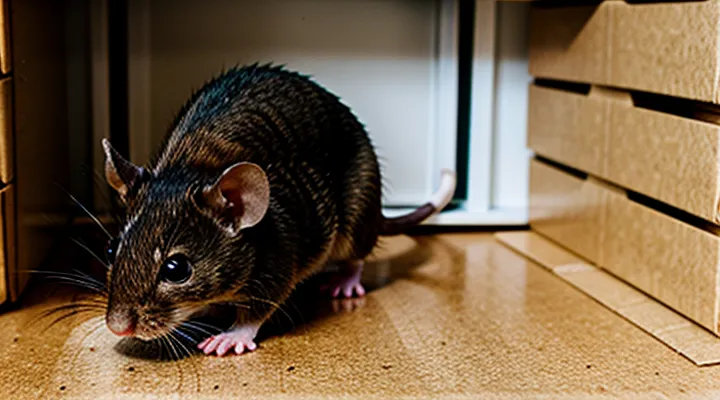
Understanding the Threat: Why Mice are Attracted to Food
The Senses of a Mouse
Keen Sense of Smell
Mice locate food primarily through their highly developed olfactory system. Even small residues or faint aromas can guide them to storage areas, making odor control a critical factor in preventing infestations.
Effective food storage eliminates detectable scents and blocks access. Use airtight containers made of glass, metal, or heavy‑wall plastic; ensure seals are intact after each use. Store dry goods, pet food, and leftovers separately to avoid cross‑contamination of odors. Clean any spills immediately, and wipe surfaces with a mild, unscented disinfectant that does not leave lingering smells.
Practical measures:
- Keep all consumables in containers rated for food safety, with lock‑tight lids.
- Place containers on shelves away from floor level; rodents are less likely to detect odors high above ground.
- Dispose of waste in sealed bags and remove them from the premises regularly.
- Maintain a dry environment; moisture amplifies odor diffusion and attracts pests.
- Rotate stock frequently; older items emit stronger smells that can lure rodents.
By minimizing olfactory cues and securing food in odor‑proof containers, the likelihood of drawing mice to stored provisions is substantially reduced.
Excellent Hearing
Mice possess acute auditory perception; they detect sounds as low as 10 kHz and respond to subtle vibrations. This sensitivity makes them prone to investigate any noise generated by food containers, wrappers, or handling.
Effective food storage must minimize auditory cues that could alert rodents. Recommended practices include:
- Use thick‑walled, airtight containers made of glass or heavy plastic to suppress rustling.
- Seal bags with quiet, low‑noise zip mechanisms; avoid crinkling foil.
- Store containers on soft pads or rubber mats to dampen vibrations transmitted through floors or shelves.
- Keep food supplies away from wall junctions and gaps where sound travels more efficiently.
- Limit opening frequency; retrieve items in a controlled, quiet manner.
By reducing the acoustic footprint of stored food, the likelihood of mouse detection and subsequent attraction declines sharply. This approach aligns directly with the goal of maintaining a rodent‑free pantry.
Common Entry Points for Mice
Cracks and Crevices
Cracks and crevices in walls, floors, cabinets, and appliances provide entry points and hiding spots for rodents seeking food. Even gaps as narrow as a quarter‑inch allow mice to infiltrate storage areas, where they can gnaw packaging and contaminate supplies. Identifying these openings is the first step in preventing contamination.
- Inspect baseboards, window frames, and door thresholds for visible gaps.
- Use a flashlight to reveal fissures behind appliances and inside pantry shelves.
- Apply steel wool or copper mesh to fill openings before sealing with silicone caulk or expanding foam.
- Replace damaged weatherstripping on doors and windows.
- Seal gaps around plumbing, electrical conduits, and ventilation ducts with appropriate sealant.
Regular maintenance, such as re‑checking sealed areas after seasonal temperature changes, ensures that new cracks do not develop. By eliminating these pathways, food can be stored in a manner that discourages rodent activity and preserves safety.
Gaps in Walls and Floors
Gaps in walls and floors create direct pathways for rodents to reach food supplies. Even minute openings—cracks, holes around pipes, or gaps under baseboards—allow mice to enter storage areas, locate crumbs, and contaminate provisions.
- Cracks in drywall or plaster, especially near ceilings or corners
- Openings around electrical wiring, plumbing, or HVAC ducts
- Gaps between floorboards, subfloor and foundation, or at the perimeter of carpet edges
- Spaces under appliances, cabinets, or pantry doors
Seal each opening with appropriate material: use steel wool combined with caulk for small cracks, apply expanding polyurethane foam for larger voids, and install metal flashing or mesh around pipe penetrations. Replace damaged floorboards or install a continuous vapor barrier to eliminate floor-level entry points.
Regular inspection confirms the integrity of seals. Conduct a visual check monthly, focusing on high‑traffic zones and areas where food is stored. Promptly repair any new gaps to maintain an environment that discourages mouse intrusion and protects food quality.
Unsealed Pipes and Vents
Unsealed pipes and ventilation openings create direct pathways for rodents to reach stored provisions. Gaps as small as a quarter‑inch allow mice to travel from utility spaces into kitchens, pantries, and storage rooms, where they can contaminate food with urine, feces, and gnawed packaging.
Regular inspection identifies vulnerable points. Examine all pipe sleeves, vent covers, and wall penetrations for cracks, loose fittings, or missing sealant. Replace deteriorated caulking, install metal flashing around pipe entries, and fit vent grilles with tight, mouse‑proof screens. Verify that the exterior of the building is free of debris that could shield rodents while they approach entry sites.
Maintain barrier integrity through scheduled checks. Reapply sealant after seasonal temperature shifts, tighten fasteners on vent covers, and monitor for new utility installations that might introduce fresh openings.
- Seal pipe sleeves with fire‑rated silicone or expanding foam rated for pest control.
- Fit vent openings with steel mesh no larger than ¼ in.
- Install door sweeps and threshold seals on utility room doors.
- Use metal flashing around all wall penetrations for wiring, plumbing, and HVAC ducts.
A continuous program of sealing, inspection, and repair eliminates the hidden routes that enable mice to access food storage areas, thereby preserving food safety and preventing infestation.
Principles of Mouse-Proof Food Storage
Importance of Airtight Containers
Material Considerations: Glass vs. Plastic vs. Metal
Choosing containers made from glass, plastic, or metal influences the likelihood that mice will detect and infiltrate stored food. Each material presents distinct barriers to scent transmission, chew resistance, and sealing effectiveness, all of which affect rodent deterrence.
Glass provides an impermeable barrier to odors, eliminating scent cues that attract mice. Its rigid structure resists gnawing, and transparent walls allow visual inspection without opening the container. However, glass lids must incorporate a secure, tight‑fitting seal; otherwise, gaps can permit entry. Weight and fragility limit placement on high shelves or in areas prone to impact.
Plastic containers are lightweight and often feature snap‑on or screw‑top lids that create airtight seals. Food‑grade polymers do not release odor, and many designs include reinforced rims to deter chewing. Nevertheless, low‑density plastics can be punctured or chewed through by persistent rodents, and prolonged exposure to heat may cause warping, compromising the seal.
Metal options, such as stainless‑steel or aluminum, combine strength with chew resistance. Tight‑locking lids, especially those with rubber gaskets, block odor escape and prevent entry through seams. Metal does not crack under impact and maintains structural integrity over time. Potential downsides include higher cost and the possibility of rust if lids lack corrosion‑resistant finishes.
Material comparison
- Glass
- Impermeable to scent
- Highly chew‑resistant
- Requires robust sealing mechanism
- Heavy, breakable
- Plastic
- Lightweight, easy to handle
- Airtight designs available
- Vulnerable to gnawing and heat‑induced deformation
- Generally affordable
- Metal
- Strong, chew‑proof
- Seals reliably with gaskets
- Resistant to breakage
- Higher expense, possible corrosion concerns
Selecting the appropriate material depends on storage location, budget, and the expected level of rodent activity. Glass excels where visual monitoring and odor containment are priorities; plastic suits high‑volume, low‑cost needs with moderate rodent pressure; metal offers the most durable protection for long‑term storage in environments with persistent mouse presence.
Proper Sealing Techniques
Rodents locate food through scent and easy access; airtight sealing eliminates both cues and entry points.
- Choose containers with lock‑tight, silicone‑gasket lids; verify that the gasket contacts the rim evenly.
- Employ heavy‑duty zip‑seal bags, pressing out excess air before sealing; double‑seal for bulk items.
- Use vacuum‑sealing equipment for long‑term storage; maintain vacuum levels by checking the seal integrity weekly.
- Store sealed containers on shelves, not on the floor, to reduce contact with potential rodent pathways.
- Label each package with the sealing date; rotate stock to use older items first, preventing spoilage that can compromise seals.
Regularly inspect lids, gaskets, and seals for cracks, warping, or loss of elasticity. Replace damaged components immediately to preserve barrier effectiveness. Keep the storage area clean; remove crumbs and spills that could erode seals over time.
Elevated Storage Solutions
Utilizing Shelving and Racks
Properly organized shelving and racks keep food out of reach of rodents, reduce clutter, and create a dry environment that discourages mouse activity. Elevating storage units at least six inches above the floor prevents direct contact with potential nesting material and makes inspection easier.
Select metal or heavy‑duty plastic shelves that can support sealed containers. Ensure each shelf is level, stable, and spaced to allow air circulation. Use airtight bins with latch closures; the lids must fit tightly without gaps. Position racks away from walls, pipes, and appliances, leaving a clear perimeter for monitoring.
- Install shelves at a height that deters crawling insects and rodents.
- Place all dry goods in containers that lock securely.
- Keep the top of each shelf clear of debris; clean spills immediately.
- Arrange items so that the oldest stock is in front, promoting regular turnover.
- Inspect racks weekly for signs of chew marks or droppings; replace damaged components promptly.
Elevated, well‑maintained shelving eliminates easy food access, limits humidity, and simplifies routine sanitation, thereby reducing the likelihood of mouse attraction.
Avoiding Floor Storage
Storing food directly on the floor creates easy access points for rodents. Crumbs, spills, and moisture accumulate on surfaces that are difficult to clean, providing a constant food source and nesting material. Elevating food items eliminates these hazards and contributes to a more controlled environment.
Benefits of keeping food off the ground include:
- Reduced contact with rodents that travel along baseboards and walls.
- Improved ventilation, which discourages humidity that attracts pests.
- Easier inspection of packaging for damage or infestation.
- Simplified cleaning, as surfaces can be wiped down without debris hidden in floor seams.
Practical steps for avoiding floor storage:
- Install sturdy shelving units at least 12 inches above the floor.
- Use sealed containers made of glass or heavy‑wall plastic; ensure lids close tightly.
- Arrange pantry items so that older stock is placed behind newer purchases, encouraging regular turnover.
- Keep the floor clear of debris; sweep and vacuum regularly to remove any stray particles.
By maintaining food at an elevated level, the risk of attracting mice diminishes significantly, supporting a hygienic and pest‑free kitchen.
Designated Food Storage Areas
Pantry Organization
Effective pantry organization reduces the likelihood of rodent intrusion. Store all dry goods in airtight containers made of glass, metal, or heavy‑wall plastic. Containers should have a secure seal that cannot be easily pried open by mice.
Maintain a clean, orderly shelf system:
- Group items by type (cereals, canned goods, snacks) to simplify inspection.
- Place heavier, less frequently used items on lower shelves; keep newer purchases at the front.
- Label containers with purchase dates and rotate stock using the “first‑in, first‑out” method.
- Remove empty packaging and discard it in a sealed trash bag outside the kitchen.
Regularly inspect the pantry for spills, crumbs, or damaged packaging. Promptly clean any debris with a damp cloth and a mild detergent. Vacuum corners and the underside of shelves to eliminate hidden food particles.
Control external access points. Seal gaps around pantry doors, baseboards, and adjacent walls with steel wool or caulk. Install door sweeps to block entry from the floor. Consistent adherence to these practices creates a hostile environment for mice and safeguards stored food.
Refrigerator and Freezer Storage
Keeping food in the refrigerator and freezer reduces scent that draws rodents. Store items in sealed containers made of glass, hard‑plastic, or metal; airtight lids prevent odor leakage. Place raw meat on the lowest shelf, away from door handles, to limit exposure. Keep the freezer temperature at or below ‑18 °C; this slows bacterial growth and eliminates food odors that mice detect.
- Use containers with lockable seals for leftovers and open packages.
- Label each container with the date of storage; discard items older than recommended periods.
- Organize the interior so that nothing rests directly on the floor; a shelf or tray creates a barrier between food and potential entry points.
- Clean spills immediately; wipe shelves with a mild disinfectant to remove residues that could attract pests.
Regularly inspect door gaskets for cracks and replace damaged seals. A tight seal stops air exchange that could carry food odors outside the appliance. By maintaining sealed storage, low temperatures, and a clean interior, the refrigerator and freezer become ineffective sources of attraction for mice.
Garage and Basement Considerations
Storing consumables in garages and basements demands strict control of access points and airtight containment. Rodents readily exploit gaps in walls, floor joists, and utility openings; unsecured food supplies provide a persistent lure.
- Use containers rated for rodent resistance: heavy‑gauge metal tins, thick‑wall plastic bins with silicone gaskets, or glass jars with locking lids.
- Ensure lids seal completely; test by pressing the container and confirming no air movement.
- Label each container with purchase and expiration dates; arrange items so older stock is in front.
Seal structural vulnerabilities. Inspect walls, foundation cracks, and pipe penetrations weekly; apply steel wool and caulk or install metal flashing where gaps are found. Fit door sweeps on all garage and basement doors, and add weatherstripping to interior doors that lead to storage zones. Keep flooring clean; vacuum debris and mop spills promptly to eliminate scent trails.
Implement a disciplined rotation system. Move newly acquired items to the back of shelves, bring older products forward. Conduct monthly visual checks for signs of gnawing, droppings, or disturbed packaging. Dispose of compromised goods in sealed trash bags and remove them from the premises immediately.
Maintaining a rodent‑free environment in these auxiliary spaces hinges on airtight storage, sealed entry points, and routine inspection. Consistent application of these measures reduces the risk of food contamination and prevents mouse infestations.
Practical Steps for Securing Food
Cleaning and Maintenance Practices
Regular Spills and Crumb Cleanup
Spills and crumbs create a direct food source that encourages mice to enter kitchens and pantries. Even small residues left on countertops, floors, or inside appliances provide the nourishment mice need to establish a presence, undermining any effort to keep stored food secure.
Implement a daily cleaning routine that targets potential feeding sites. Wipe countertops immediately after meal preparation, sweep or vacuum floors before bedtime, and inspect the interior of microwaves, toasters, and refrigerators for debris. Consistency eliminates the buildup that attracts rodents.
Effective cleanup techniques include:
- Use a damp microfiber cloth to capture fine particles rather than sweeping, which can disperse crumbs.
- Deploy a small handheld vacuum with a brush attachment for hard‑to‑reach corners and seams.
- Empty trash bins nightly, sealing lids tightly to prevent odor leakage.
- Clean appliance interiors with a mild detergent, rinsing thoroughly to remove residues.
- Maintain a schedule for deep cleaning under appliances and behind cabinets, where hidden crumbs accumulate.
By removing visible and hidden food traces on a regular basis, the environment becomes inhospitable to mice, reinforcing the overall strategy of secure food storage.
Waste Management and Disposal
Proper waste handling reduces the likelihood that mice will locate and infiltrate food storage areas. Store refuse in containers with tight-fitting lids, and position them away from pantry doors and countertops. Empty containers regularly to prevent accumulation of odor and moisture that can draw rodents.
Separate organic waste, such as fruit peels and leftovers, from dry trash. Compost bins should be sealed and kept outdoors, not inside the kitchen. Dispose of broken packaging and crumbs immediately, wiping down surfaces after each use.
- Use metal or heavy‑plastic bins with snap‑on lids.
- Place bins on a stable surface to avoid tipping.
- Transfer waste to an exterior dumpster no later than once daily.
- Clean bin interiors with a mild disinfectant weekly.
- Keep recycling bins sealed; rinse containers before recycling.
Outdoor Bin Security
Outdoor trash containers that hold food remnants are prime attractants for rodents. When waste is exposed, mice locate the source quickly, compromising the safety of stored food supplies.
Effective bin security relies on physical barriers and routine upkeep. Implement the following measures:
- Heavy‑duty lids with a tight seal; latch or lock to prevent easy opening.
- Hinged or spring‑loaded closures that snap shut after each use.
- Reinforced bin walls resistant to chewing or gnawing.
- Placement of bins on raised platforms to deter burrowing.
- Use of rat‑proof mesh or screening over vent openings.
Regular maintenance supports these barriers. Inspect seals for cracks, replace worn components, and clean the interior to remove residual crumbs. Keep the area around each bin free of vegetation, debris, and standing water, which can provide shelter for pests.
Consistent application of these practices limits mouse access to food waste, thereby protecting stored provisions from contamination and infestation.
Pest-Proofing Your Home
Sealing Entry Points
Sealing entry points eliminates the most common route rodents use to reach stored food. Inspect the interior and exterior of the kitchen, pantry, and storage areas for gaps larger than a quarter‑inch. Typical sources include holes around pipes, gaps under doors, cracks in walls, and openings at the base of cabinets.
Use appropriate materials for each type of opening. Steel wool or copper mesh works for irregular gaps; apply a layer of expanding foam to fill larger voids, then cover with a sheet of metal or cement board. For door and window frames, install weather‑stripping or silicone caulk to close narrow spaces.
Follow a systematic approach:
- Identify all potential openings with a flashlight and a thin piece of cardboard; any movement indicates a gap.
- Clean the area around each opening to remove debris and food residue.
- Insert the chosen filler material, compressing it firmly into the space.
- Secure the filler with screws, nails, or adhesive as required.
- Test the seal by passing a thin rod through the repaired area; no passage should be possible.
Regularly review sealed areas after renovations, pest control treatments, or seasonal changes. Maintaining an airtight barrier prevents rodents from accessing food supplies and reduces the likelihood of infestation.
Maintaining Your Yard and Garden
A tidy yard reduces the likelihood that mice will discover food sources. Regularly remove fallen fruit, vegetable scraps, and pet waste, as these attract rodents. Keep grass trimmed to one‑foot height; short grass limits cover for mice and makes it easier to spot activity.
Store garden produce in sealed containers or a locked pantry. Plastic bins with snap‑tight lids, metal boxes, or glass jars prevent scent diffusion. If outdoor storage is necessary, place containers on a raised platform away from the ground and cover them with a waterproof tarp.
Control compost piles by using a closed, rodent‑proof bin. Turn the compost weekly, keep it at least three feet from the house, and avoid adding meat, dairy, or oily foods that intensify odor.
Maintain the perimeter of the property:
- Install a solid fence with no gaps larger than one inch.
- Seal cracks in foundations, doors, and windows.
- Use metal flashing around utility openings.
Eliminate shelter opportunities. Remove piles of wood, rocks, or debris where mice can nest. Stack firewood off the ground and keep it covered.
By enforcing these practices, food stored in the garden or home remains inaccessible to mice, reducing infestation risk.
Emergency Food Storage
Long-Term Storage Solutions
Long‑term food storage must eliminate any source of scent, moisture, or access points that attract rodents. Choose containers that seal completely, resist chewing, and withstand temperature fluctuations. Metal tins with screw‑on lids, heavy‑wall plastics with locking clamps, and glass jars with rubber gaskets meet these criteria. For bulk items such as grains, legumes, or powdered foods, vacuum‑seal bags inside a rigid outer container provide an additional barrier.
Refrigeration and freezing extend shelf life while preventing rodent activity. Store perishable goods at 0 °F (‑18 °C) or lower; frozen items remain unappealing to mice because they cannot detect odors through the solid state. Label each package with the date of storage and rotate stock according to a first‑in, first‑out schedule to avoid stale inventory that emits stronger aromas.
Maintain a dry environment. Use desiccant packets or a dehumidifier in pantry spaces to keep relative humidity below 60 %. Moisture encourages mold growth, which produces odors that draw rodents. Keep the storage area elevated off the floor and away from exterior walls; a minimum clearance of six inches prevents easy climbing.
Regular inspection reinforces prevention. Conduct a weekly visual check for signs of gnawing, droppings, or compromised seals. Replace damaged containers immediately and clean any spills with a mild bleach solution to eliminate residual scent.
Key practices for durable, rodent‑resistant storage:
- Airtight, chew‑proof containers (metal, thick plastic, glass)
- Vacuum sealing of bulk items inside rigid outer vessels
- Freezing or refrigeration at ≤ 0 °F (‑18 °C)
- Controlled humidity with desiccants or dehumidifiers
- Elevated, wall‑clear storage spaces with at least six inches of clearance
- Systematic inspection and stock rotation
Implementing these measures creates a long‑term storage system that minimizes the risk of rodent attraction while preserving food quality.
Protection from Pests and Moisture
Proper food storage requires eliminating conditions that invite rodents and prevent moisture damage. Use airtight containers made of heavy‑wall plastic, glass, or metal with sealed lids; these materials block scent trails and deny mice access to food sources. Store items on shelves, not directly on the floor, to keep them out of reach and to facilitate cleaning.
Maintain a dry environment. Inspect pantry and storage areas for leaks, condensation, or standing water and repair any sources promptly. Place desiccant packets or moisture‑absorbing sachets inside larger bins to control humidity. Keep the ambient temperature stable; extreme fluctuations encourage condensation and spoilage.
Implement routine sanitation and inspection:
- Remove crumbs and food residues after each use.
- Sweep and vacuum shelves weekly, paying special attention to corners and edges.
- Rotate stock, placing older items at the front to prevent prolonged exposure.
- Check seals on containers regularly; replace any that show wear or damage.
By integrating sealed storage, moisture control, and disciplined housekeeping, food remains protected from both pests and dampness, reducing the risk of infestation and spoilage.