
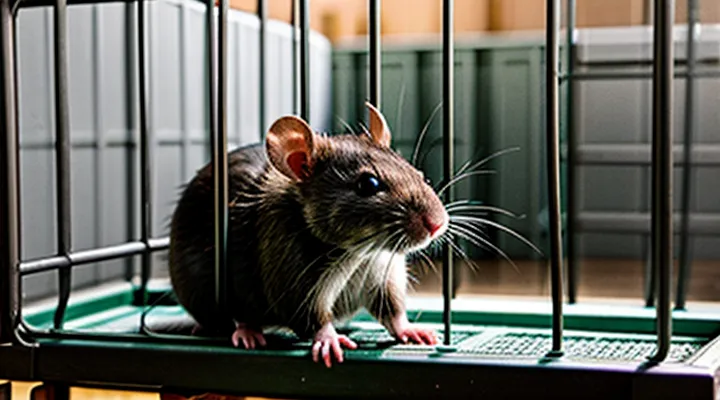
Understanding the Problem: Why Rats Chew Cages
Instinctual Behavior
Gnawing for Dental Health
Rats continuously gnaw to wear down their ever‑growing incisors, a physiological requirement that prevents malocclusion and associated pain. The natural urge drives them to seek hard objects, and the cage structure often provides the most accessible material.
When gnawing targets the enclosure, the result is compromised integrity, escaped animals, and increased risk of injury. Reducing cage damage therefore depends on offering alternative, safe gnawing sources that fulfill the dental maintenance need.
Effective measures include:
- Providing chew‑blocks made of untreated wood, mineral, or cardboard, refreshed weekly.
- Adding bundled herbs or twine (cotton, sisal) that can be rotated regularly.
- Installing metal or acrylic bars in high‑traffic zones to replace vulnerable plastic or wood panels.
- Scheduling daily inspection of gnawing items, discarding worn pieces before they become hazardous.
By meeting the dental requirement with designated materials, rats retain healthy incisors while the enclosure remains intact.
Exploration and Boredom
Rats gnaw cages when their innate drive to explore meets a void of stimulation. The behavior stems from two interacting forces: a natural urge to investigate new textures and spaces, and a state of boredom that amplifies destructive chewing.
Providing a constantly changing environment satisfies curiosity and reduces idle time. Rotate objects, alter tunnel layouts, and introduce novel materials on a weekly schedule. This prevents the enclosure from becoming a predictable, uninteresting box.
Practical steps to curb gnawing:
- Offer chew‑safe items such as untreated wood blocks, cardboard tubes, and mineral chews.
- Install climbing ladders, hammocks, and hide‑outs that require manipulation.
- Create foraging opportunities by hiding food in puzzle feeders or rolled paper.
- Change the cage layout every 5‑7 days: reposition tunnels, add new platforms, or swap bedding types.
- Schedule short, supervised out‑of‑cage sessions for free exploration in a secure area.
By aligning the cage’s design with the rat’s exploratory instincts and eliminating prolonged periods of inactivity, the incentive to damage the enclosure diminishes dramatically. Continuous enrichment, not mere restriction, is the most reliable method to prevent cage gnawing.
Environmental Factors
Cage Material and Design
Choose cage material that rats cannot easily gnaw. Hard plastics such as polycarbonate, acrylic, or high‑density polyethylene resist bite marks better than thin acrylic or PVC. Metal bars made from stainless steel or galvanized steel provide permanent barriers; ensure bar spacing is no larger than ½ inch to prevent entry. Reinforced composite panels combine metal mesh with a rigid outer shell for added durability.
Design the cage to eliminate leverage points. Use seamless joints, welded or riveted connections, and avoid exposed screws that rats can grip. Incorporate a smooth interior surface; textured or porous finishes give rats footholds for chewing. Add a removable, chew‑proof lid that locks securely, preventing rats from accessing the interior through the top opening.
Key construction guidelines:
- Bar spacing ≤ ½ inch (13 mm)
- Material thickness ≥ 3 mm for plastics, ≥ 2 mm for metal sheets
- Welded or riveted seams, no exposed fasteners
- Smooth interior surfaces, no gaps
- Locking, chew‑proof lid with reinforced latch
Implementing these material choices and design principles reduces the likelihood of rats damaging the enclosure.
Lack of Enrichment
Rats gnaw cage bars when they lack stimulation. Boredom drives the instinct to chew, which protects teeth and relieves stress. Without diverse activities, the animal turns to the enclosure as the only outlet.
Typical indicators of insufficient enrichment include repetitive pacing, constant focus on bars, and aggressive nibbling of wood or plastic. These behaviors often appear within weeks of a monotonous routine.
To reduce chewing, introduce a structured enrichment program:
- Provide chew‑safe materials such as untreated hardwood blocks, sisal ropes, and cardboard tubes. Replace them regularly to maintain novelty.
- Install climbing structures, tunnels, and hammocks that encourage vertical movement and exploration.
- Offer foraging opportunities: hide small food pieces in paper rolls, treat balls, or puzzle feeders to stimulate problem‑solving.
- Rotate toys and accessories every few days. Changing the environment prevents habituation and keeps interest high.
- Schedule short, interactive sessions daily. Hand‑out treats, teach simple tricks, or allow supervised free‑range time in a safe enclosure.
Consistent application of these measures addresses the root cause of bar chewing by satisfying the rat’s need for mental and physical engagement. The result is a calmer animal and a less damaged cage.
Strategies to Prevent Cage Chewing
Modifying the Environment
Upgrading Cage Materials
Upgrading the enclosure’s construction eliminates the most common entry point for rodent damage. Hard, non‑chewable surfaces deny rats the texture they prefer for gnawing, reducing stress on the animal and preventing structural failure.
Materials that resist rodent incisors include:
- Powder‑coated steel mesh with a minimum gauge of 0.5 mm.
- Polycarbonate panels, 5 mm thickness or greater.
- High‑density polyethylene (HDPE) sheets, at least 10 mm thick.
- Reinforced acrylic corners with metal brackets.
Installation guidelines:
- Secure all joints with stainless‑steel screws; avoid plastic fasteners that rats can bite through.
- Overlap mesh edges by at least 2 cm and seal with silicone caulk formulated for metal and plastic.
- Apply a chew‑deterrent coating, such as a bitter‑tasting polymer, to any exposed edges.
- Verify that ventilation openings use metal grilles rather than wire cloth.
Routine inspection should focus on:
- Tightness of fasteners, tightening any that have loosened.
- Integrity of sealant lines, reapplying where cracks appear.
- Condition of chew‑deterrent coating, re‑coating annually.
By selecting durable, bite‑proof components and following precise assembly procedures, the enclosure becomes effectively impervious to rat gnawing.
Providing Chew-Safe Alternatives
Rats gnaw to keep teeth at a functional length; without appropriate objects they target cage bars, corners, and accessories. Supplying designated chew items removes the incentive to damage the enclosure and reduces the risk of injury.
- Untreated hardwood blocks (apple, maple, birch) sized for the animal’s grip.
- Compressed hay or timothy sticks that can be attached to the cage interior.
- Food‑grade mineral chews formulated for rodent dental health.
- Safe, untreated wicker or cane tunnels that double as hiding places and chew surfaces.
- Rope or sisal toys knotted tightly to prevent fraying and ingestion.
Choose items that are non‑toxic, free of paint or varnish, and large enough to avoid accidental swallowing. Rotate the selection every few weeks to maintain interest and prevent habituation. Secure each chewable to the cage frame with metal clips or zip ties, ensuring it cannot be dislodged and become a projectile.
Regular inspection for wear, splintering, or mold is essential; replace compromised pieces promptly. By integrating these chew‑safe alternatives, the enclosure remains intact while the rats satisfy their natural gnawing instinct.
Behavioral Interventions
Increasing Enrichment
Providing rats with a variety of stimulating items reduces the urge to gnaw on cage bars. Enrichment satisfies natural foraging and exploratory instincts, diverting chewing behavior toward appropriate objects.
- Wooden chew blocks, untreated pine or apple branches, replace plastic surfaces as preferred biting material.
- Puzzle feeders hide food, requiring manipulation and prolonging activity periods.
- Nesting material such as shredded paper or tissue encourages building, keeping teeth occupied.
- Rotating tunnels, platforms, and climbing ropes creates a dynamic environment that prevents habituation.
- Daily introduction of novel objects, like cardboard tubes or safe plastic toys, maintains interest and reduces boredom.
Consistent rotation of these items, combined with regular cleaning and inspection of the cage, ensures that rats remain engaged and less likely to target the enclosure itself.
Scent Deterrents
Scent deterrents work by creating an odor environment that rodents find unpleasant, thereby reducing the likelihood of cage damage. Effective options include natural extracts, commercial rodent repellents, and homemade mixtures; each must be applied correctly to maintain potency.
- Peppermint oil – dilute 10 ml of oil in 1 L of water, spray the interior and exterior of the cage, reapply every 48 hours.
- Eucalyptus oil – use a 5 % solution, apply with a cloth to metal bars and plastic surfaces, refresh weekly.
- Ammonia – place a shallow dish with a few teaspoons of ammonia near the cage; replace when the odor fades.
- Citrus peel – line the cage base with dried orange or lemon peels, replace every 5 days.
- Commercial rodent repellent – follow manufacturer instructions for concentration and frequency.
Application guidelines: ensure ventilation to prevent respiratory irritation, keep the deterrent away from the animal’s food and water, and monitor for any adverse reactions. Combine scent deterrents with physical barriers, such as chew‑proof metal mesh, for optimal protection against gnawing. Regular assessment of effectiveness allows timely adjustment of concentration or choice of scent.
Taste Aversions
Taste aversion exploits rodents’ natural rejection of bitter or pungent flavors. When a rat encounters a substance that triggers an unpleasant taste, it learns to avoid objects associated with that flavor. This learning can be harnessed to protect cage structures from gnawing.
To apply taste aversion to cage protection, coat the exterior and interior surfaces of the cage with a non‑toxic, highly aversive agent. The coating must remain effective after repeated contact with saliva and moisture. Commonly used aversive agents include:
- Capsaicin extract (hot pepper oil) – produces a sharp burning sensation that rats quickly associate with the cage.
- Denatonium benzoate (the most bitter chemical known) – creates an intense bitter taste that discourages chewing.
- Citrus oil blends – emit a strong sour flavor that rodents find repellent.
Implementation steps:
- Clean the cage thoroughly to remove residues that could mask the aversive taste.
- Apply the chosen agent uniformly using a spray or brush, ensuring coverage of all metal bars, plastic panels, and chewable corners.
- Allow the coating to dry completely before reintroducing the rats.
- Monitor the cage for signs of re‑chewing; reapply the agent if the protective layer wears down.
Regular renewal of the aversive coating sustains the deterrent effect, reducing the likelihood that rats will damage the enclosure.
Addressing Underlying Issues
Diet Optimization
Optimizing the diet of pet rodents reduces the incentive to gnaw cage bars. When nutritional needs are met, chewing behavior shifts from hunger‑driven to exploratory, decreasing destructive activity.
Key dietary adjustments:
- Provide a balanced mix of protein, fiber, and healthy fats in each feeding.
- Include a small portion of fresh vegetables (e.g., carrots, broccoli) to increase moisture intake.
- Offer occasional high‑calorie treats such as nuts or seeds, but limit to 5 % of total calories to avoid obesity.
- Replace low‑nutrient pellets with fortified formulas that contain essential vitamins and minerals.
- Ensure constant access to fresh water; dehydration can trigger excessive chewing.
Monitor intake daily. Adjust portions if weight gain exceeds 5 % of ideal body mass or if food is left uneaten for more than 24 hours. Consistent feeding schedules reinforce predictable eating patterns, further discouraging the animal from seeking alternative food sources within the cage.
Implementing these nutrition strategies alongside regular cage cleaning creates an environment where rats are less motivated to damage enclosure structures.
Stress Reduction
Stress drives rodents to gnaw their surroundings; lowering anxiety diminishes the urge to chew cage bars. A calm animal focuses on normal activities rather than destructive behavior.
- Provide ample nesting material and chew‑safe toys to occupy the mouth.
- Ensure the enclosure is spacious enough for movement and exploration.
- Maintain a consistent cleaning routine to eliminate unfamiliar odors.
- Offer a balanced diet with fresh water; nutritional deficits increase irritability.
- Handle the rat gently and regularly to build trust and reduce fear.
- Include hide‑outs and shelters that mimic natural burrows, giving a sense of security.
- Keep ambient temperature and lighting stable; sudden changes raise stress levels.
Implementing these measures creates a predictable environment, curbing the compulsion to gnaw cage components. Reduced stress translates directly into fewer bite marks and a healthier, more content rodent.
Maintaining a Safe and Happy Environment
Regular Inspections
Regular inspections are essential for preventing rodent damage to animal enclosures. By examining cages at consistent intervals, owners can detect early signs of gnawing, such as frayed wire, chewed corners, or droppings, before the problem escalates.
Key elements of an effective inspection routine include:
- Visual scan of all cage components, focusing on weak points where rats are likely to bite.
- Physical test of structural integrity by gently pulling on wires and joints.
- Search for signs of nesting material, urine stains, or fresh gnaw marks.
- Documentation of findings with date, location, and corrective actions taken.
Prompt repair or replacement of compromised sections eliminates entry points and discourages further chewing. Incorporating these checks into daily or weekly maintenance schedules maintains cage integrity and reduces the likelihood of rodent intrusion.
Continuous Enrichment Provision
Providing rats with ongoing mental and physical stimulation reduces the urge to gnaw cage bars, plastic lids, or wiring. When animals receive regular challenges, their attention shifts from destructive behavior to problem‑solving activities.
Key elements of a continuous enrichment program include:
- Varied foraging opportunities – hide small food pieces in cardboard tubes, wooden blocks, or silicone tubes; replace items daily to maintain novelty.
- Manipulable objects – rotate chew‑safe toys such as untreated wood blocks, natural fiber ropes, and paper rolls; ensure each item is inspected for wear before reuse.
- Structural complexity – add platforms, tunnels, and climbing ladders of differing heights and angles; rearrange the layout weekly to prevent habituation.
- Sensory stimuli – introduce novel scents (e.g., citrus peel, rosemary) on cotton pads, and change auditory background with low‑level natural sounds on a schedule.
Monitoring and adjusting the enrichment schedule is essential. Record the frequency of chewing incidents, note which items are most effective, and phase out those that lose appeal. A systematic log enables rapid identification of gaps in stimulation and informs timely replacements.
Integrating enrichment into daily husbandry routines creates a predictable pattern of activity. Consistency, combined with regular variation, channels the rats’ natural exploratory drive away from cage damage and toward constructive interaction with the environment.