
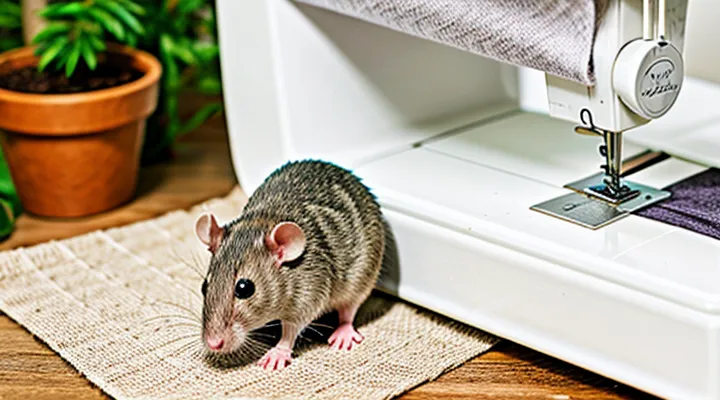
«Choosing the Right Materials»
«Fabric Selection»
«Softness and Durability»
Choosing the right material determines both the comfort a rat experiences and the lifespan of the miniature hammock. Soft fibers reduce skin irritation, while robust fibers resist tearing from claws and constant movement.
Cotton fleece offers a plush surface and moderate strength; it can be washed without losing texture. Heavy‑weight canvas provides superior abrasion resistance but feels less cushioned, making it suitable for active rats that chew heavily. Nylon mesh combines lightness with high tensile strength, though it offers minimal softness and may require a padded liner.
Stitch selection influences durability without compromising softness. Use polyester thread for its resistance to moisture and stretching. Employ a double‑stitch seam along load‑bearing edges; a stitch length of 2–3 mm balances flexibility with strength. Reinforce attachment points with a small bar tack to prevent seam pull‑out under the rat’s weight.
Best practices
- Pre‑wash fabric to eliminate shrinkage and chemicals.
- Cut fabric pieces with a ¼‑inch seam allowance to accommodate reinforcement.
- Apply a thin layer of fabric softener to fleece for added pliability, then rinse thoroughly.
- Test seam strength by pulling the finished hammock with a weight equal to twice the rat’s body mass.
By aligning material softness with reinforced stitching techniques, the hammock remains comfortable for the animal while withstanding daily use.
«Breathability Considerations»
Breathability determines whether a rat can regulate its body temperature while suspended, preventing overheating and moisture buildup.
Choose fabrics that allow air passage. Natural fibers such as cotton, linen, or bamboo provide inherent ventilation, while synthetic blends may require intentional perforations. Evaluate the yarn count; a lower count yields larger gaps between threads, increasing airflow without compromising structural integrity.
Weave density directly influences moisture escape. A plain or twill weave with an open construction permits heat to dissipate, whereas tightly packed weaves retain warmth. Test a sample by placing a hand inside; a gentle draft indicates suitable openness.
Integrate ventilation features without weakening load‑bearing capacity. Cut narrow slits along the sides, reinforce edges with a double stitch, or add mesh panels at the hammock’s ends. Ensure all modifications maintain a minimum seam strength of 15 kg, the typical load for a medium‑size rat.
Key considerations for a breathable rat hammock:
- Fabric type: natural fibers or perforated synthetics
- Yarn count: low to medium, creating larger inter‑thread spaces
- Weave style: plain or twill with open construction
- Ventilation cuts: reinforced slits or mesh inserts
- Seam strength: at least 15 kg to support weight safely
«Avoidance of Loose Threads»
When constructing a miniature hammock for a small rodent, any protruding yarn can become a snag point that damages the fabric, reduces load‑bearing capacity, and poses a choking hazard. Secure stitching eliminates these risks and ensures the hammock retains its shape under the animal’s weight.
- Trim excess yarn immediately after each seam.
- Use a backstitch or double‑stitch at the start and end of every line.
- Apply a small amount of fabric glue or fray‑check to knot ends.
- Inspect the interior surface for hidden loops before moving to the next step.
- Conduct a gentle pull test; any movement indicates a loose segment that must be re‑secured.
«Hardware and Fasteners»
«Carabiners or C-Links»
Carabiners and C‑Links serve as the primary load‑bearing connectors in a miniature hammock designed for a pet rat. Choose stainless‑steel or aluminum models with a closed‑gate mechanism to prevent accidental opening. The device’s inner diameter should accommodate a 2‑mm cord, matching the typical thickness of the woven hammock fabric. A breaking strength of at least 150 N provides a comfortable safety margin for a rodent weighing up to 300 g.
When integrating the connector into the sewing pattern, follow these steps:
- Thread a 2‑mm nylon or polyester cord through the fabric’s edge loop, leaving a 5‑cm tail.
- Tie a double fisher‑man's knot to secure the cord, then pull the loop through the carabiner’s or C‑Link’s opening.
- Close the gate firmly; verify that the knot rests against the interior of the connector, eliminating slip risk.
- Attach the opposite end of the cord to a second identical connector mounted on the support structure (e.g., a cage bar or suspension rod).
Inspect each joint before use. Confirm that the gate locks completely, the knot is tight, and the cord lies flat against the fabric to avoid stress concentrations. Replace any connector showing signs of corrosion or deformation. Properly selected and installed carabiners or C‑Links ensure reliable suspension and easy removal for cleaning or adjustment.
«Grommets or Eyelets»
Grommets and eyelets provide reinforced attachment points for the hammock’s suspension cords, preventing fabric tearing under tension. Choose metal or brass hardware rated for at least 150 N load; plastic variants may deform when the rat pulls.
When selecting size, match the eyelet diameter to the cord thickness—typically 4 mm for 2‑mm rope and 6 mm for 3‑mm rope. Larger openings reduce friction and allow smoother adjustment.
Installation steps:
- Mark attachment locations evenly along the hammock’s long edges, maintaining a 10‑cm margin from each end to distribute stress.
- Cut a clean, rectangular slit slightly larger than the eyelet flange; avoid jagged edges that could weaken the seam.
- Insert the eyelet, align the flange with the fabric surface, and secure it with a brass rivet setter or a heavy‑duty stapler, applying consistent pressure to flatten the flange without distorting the fabric.
- Verify that the cord slides freely through the closed eyelet; reposition if resistance is felt.
After fitting, test each point by pulling the cord to 80 % of the expected load. Replace any eyelet that shows deformation or loosening. Properly installed grommets ensure the hammock remains durable, safe, and comfortable for the small occupant.
«Preparing Your Workspace and Tools»
«Essential Sewing Supplies»
«Sewing Machine or Hand Sewing Kit»
When building a hammock suitable for a small rodent, the choice of stitching equipment directly influences construction speed and seam durability.
A sewing machine provides consistent stitch length, adjustable tension, and the ability to handle multiple layers of fabric without hand fatigue. The motorized feed ensures even fabric advancement, reducing the risk of puckering on the tight weave often used for hamster‑grade hammocks. Machine‑made seams typically withstand repeated pulling and cleaning cycles.
A hand‑sewing kit offers portability, low initial cost, and precise control over each stitch. Manual stitching is advantageous when working in limited spaces or when the project requires occasional adjustments after the initial assembly. Hand‑stitched seams can be reinforced selectively, allowing targeted strength without over‑sewing the entire hammock.
Key factors for selecting the appropriate tool:
- Fabric thickness: heavy canvas benefits from machine stitching; lightweight cotton works well with hand stitching.
- Production volume: multiple hammocks justify machine investment; a single hammock can be completed efficiently by hand.
- Space constraints: compact hand‑sewing kits fit into small work areas; machines need a stable surface and clearance.
- Skill level: basic machine operation requires minimal training; hand stitching demands steady manual dexterity.
For most hobbyists constructing a single hammock, a hand‑sewing kit meets all functional requirements while keeping the setup simple. Users planning to produce several hammocks or to experiment with decorative stitching should consider a compact, lightweight sewing machine to maximize efficiency.
«Scissors and Rotary Cutter»
When constructing a miniature hammock for a small rodent, the cutting tools determine the accuracy of each pattern piece. Sharp, high‑carbon scissors provide clean edges on lightweight fabrics such as cotton voile or linen. Choose scissors with a fine point and a comfortable grip to maintain control while trimming tight curves around the hammock’s attachment loops. A rotary cutter, equipped with a 45 mm blade, excels at straight cuts on multiple layers of fabric, ensuring uniformity across the main panels. Use a self‑healing cutting mat to protect the blade and preserve measurement precision.
Key practices for optimal results:
- Inspect scissors before each session; replace or sharpen when the edge feels dull.
- Align the rotary cutter blade perpendicular to the fabric to avoid snagging.
- Apply a light pressure; excessive force can distort the fabric grain.
- Use a clear ruler or quilting ruler to guide the cutter, especially for the 2‑inch wide seams that support the rat’s weight.
- Keep the cutting mat clean of debris to prevent blade drift.
Safety measures include storing scissors with blade guards, unplugging the rotary cutter when not in use, and keeping fingers clear of the cutting path. Proper maintenance—oil the rotary blade monthly and wipe scissors after each use—extends tool life and maintains the integrity of every cut, resulting in a hammock that fits precisely and supports the animal safely.
«Measuring Tape and Fabric Markers»
A precise measuring tape is indispensable for defining the dimensions of a rat hammock. Select a flexible, steel‑reinforced tape that extends at least 60 cm to accommodate the full length of the fabric panel and the rope loops. Measure the rat’s body length from nose to tail tip, then add 5 cm to allow comfortable stretching. Record the width of the hammock by measuring the distance between the intended support points, typically 30–40 cm for a small rodent. Mark each measurement directly on the fabric with a fabric‑safe marker; these pens contain water‑soluble or permanent ink that does not bleed through woven material.
When using fabric markers, follow these steps:
- Lay the fabric on a flat surface, smoothing out wrinkles.
- Align the measuring tape with the intended seam line and press gently to transfer the mark.
- Use a fine‑point marker for precise cuts and a broader tip for indicating fold lines.
- Allow the ink to dry for 30 seconds before handling to prevent smudging.
- Verify each mark against the tape before cutting to avoid errors.
Accurate measurement and clear markings reduce material waste, ensure symmetrical seams, and create a comfortable, well‑fitted hammock for the rat.
«Safety Precautions»
When crafting a miniature hammock for a small rodent, safety must precede aesthetics and comfort. All materials, tools, and techniques should be evaluated for toxicity, durability, and the potential to cause injury.
- Select fabrics that are free of dyes, flame retardants, or chemicals known to harm rodents; natural cotton or untreated linen are reliable choices.
- Verify that thread and stitching needles are appropriately sized; a fine, stainless‑steel needle reduces the risk of puncturing the animal’s skin.
- Inspect seams for gaps or loose ends; any opening larger than a millimeter can allow the rat to become entangled or escape.
- Avoid using elastic bands or snap closures that could snap shut with force; instead, employ soft, adjustable knots that release under tension.
- Keep the work area well‑ventilated and free of sharp objects that could be inadvertently introduced into the final product.
- Wash the completed hammock before first use to eliminate dust, lint, or residual chemicals.
During assembly, wear protective gloves to prevent accidental cuts and to keep hands clean, reducing the likelihood of contaminating the fabric. Use a cutting mat and a rotary cutter rather than scissors to achieve precise edges without applying excessive pressure. After each sewing session, examine the hammock for frayed threads or weakened stitches, repairing any defects immediately.
Finally, supervise the rat during initial use. Observe its interaction with the hammock for signs of stress, chewing, or attempts to escape. If any safety concern arises, discontinue use and modify the design accordingly.
«Step-by-Step Sewing Instructions»
«Cutting the Fabric Pieces»
«Main Hammock Body»
The main hammock body forms the structural core of a rat‑sized hammock. Use a lightweight, breathable fabric such as cotton canvas or ripstop nylon, cut to a rectangular panel measuring approximately 30 cm wide by 45 cm long. Reinforce the edges with a 1 cm bias tape to prevent fraying and to provide a smooth surface for stitching.
Construct the body with the following steps:
- Fold the fabric lengthwise, right sides together, and press a 1 cm seam along the long edges, leaving the short ends open.
- Turn the panel right side out and press the seams flat.
- Attach a double‑stitched hem of 1 cm on each short end to create reinforced loops for the suspension cords.
- Insert two 2 mm webbing straps through the hem loops, aligning them parallel to the long edges; secure each strap with a lockstitch at both ends.
- Topstitch the perimeter of the panel with a 2 mm polyester thread, maintaining a 3 mm seam allowance to enhance durability.
The completed body provides a stable platform for the rat, supports the weight evenly, and integrates seamlessly with the attachment points of the hammock’s supporting cords.
«Support Straps or Loops»
Support straps or loops provide the primary attachment points that keep a rat hammock securely suspended from a cage bar, ceiling hook, or other anchor. Choose a strong, lightweight material such as 100‑percent cotton twill or nylon webbing; both resist fraying and support a small rodent’s weight without excessive stretch.
When cutting the straps, measure the distance between the intended anchor points, add 2–3 inches for knot allowances, and trim to the exact length. Fold each end over ¼ inch, press flat, and stitch a reinforced seam using a backstitch or a sewing machine’s triple‑stitch setting. This creates a durable loop that will not unzip under tension.
Key construction steps:
- Cut two equal lengths of webbing, each matching the span between suspension points plus seam allowance.
- Form a loop at each end by folding the material back on itself, securing the fold with a double‑stitched seam.
- Reinforce the central portion of each strap with a second line of stitching parallel to the first, spaced ¼ inch apart.
- Attach a small metal grommet or a sturdy eyelet to each loop if metal hardware is preferred for quick attachment.
For a single‑strap design, attach one loop to the hammock’s front edge and a second loop to the rear edge, ensuring both are aligned horizontally. This arrangement distributes the rat’s weight evenly, reduces stress on the fabric, and prevents sagging.
Inspect each seam after sewing; pull gently on the strap to confirm that the stitching holds firm. Replace any compromised loops before use. Properly installed support straps or loops guarantee a safe, stable hanging platform for a pet rat.
«Sewing the Main Hammock Body»
«Hemming the Edges»
Hemming the edges secures the fabric, prevents fraying, and creates a smooth surface for the hammock’s attachment points. Begin by cutting the fabric to the final dimensions, allowing an extra 1‑inch margin on all sides for the hem. Press the margin flat with an iron set to medium heat; the crease should be sharp and consistent.
Proceed with the following steps:
- Fold the edge inward ¼ inch, press, then fold again ¾ inch to enclose the raw edge.
- Pin the folded edge along the entire length, ensuring even spacing of pins to avoid puckering.
- Stitch a straight seam using a ¼‑inch stitch length; a top‑stitching machine or a standard sewing machine set to a fine needle (size 70/10) works well.
- Trim any excess fabric from the seam allowance, leaving a ¼‑inch margin for durability.
- Press the finished hem outward to reveal a clean line; repeat on all four sides.
A double‑fold hem adds extra strength for the rat’s weight. Use a matching thread, maintain consistent tension, and verify that the seam lies flat before proceeding to attach the suspension cords. This finish ensures the hammock remains functional and safe for small‑animal use.
«Forming the Pouch or Flat Design»
Creating a rat‑sized hammock begins with deciding between a pouch shape, which wraps around the animal, and a flat sheet that supports it from underneath. The choice determines the cutting layout, seam placement, and final comfort.
Select a lightweight, breathable fabric such as cotton twill or nylon ripstop. Cut two identical pieces: for a pouch, each piece should be a rectangle measuring 12 inches long by 8 inches wide; for a flat design, cut a single piece 14 inches long by 10 inches wide. Trim excess threads and press the fabric to remove wrinkles.
Forming the pouch
- Align the two rectangles right sides together.
- Stitch a ¼‑inch seam along the long edges, leaving a 2‑inch gap at one short end for the opening.
- Turn the pouch right side out, press the seam flat.
- Fold the open edge inward ½ inch, stitch a reinforced hem to create a secure mouth.
- Attach a 2‑inch loop of webbing to the opposite short edge; this loop will serve as the suspension point.
Forming the flat design
- Fold the single piece in half lengthwise, right sides together.
- Sew a ¼‑inch seam along the long edge, forming a tube.
- Open the tube, press flat, then fold each long edge inward ¼ inch and stitch a double‑stitch to prevent fraying.
- Create two 1‑inch-wide loops of canvas cord at opposite short ends; these loops will hold the hammock from a ceiling bar or branch.
- Reinforce all corners with a small square of fabric glued or stitched to maintain shape under the rat’s weight.
Both configurations require a final inspection for loose threads, proper seam strength, and smooth edges to avoid injury. Attach the suspension hardware, test load capacity with a small weight, then introduce the rat to its new resting platform.
«Attaching Support Straps and Fasteners»
«Reinforcing Stress Points»
When constructing a miniature hammock for a small rodent, the durability of the structure depends on how well stress points are reinforced. These points typically include the attachment loops, the junction where the fabric meets the support cords, and any area where the hammock will bear the animal’s weight during movement.
Reinforcement techniques:
- Fold the fabric at each loop, creating a double‑layer section before stitching; this adds thickness without increasing overall size.
- Use a heavy‑weight, UV‑resistant thread (e.g., polyester or nylon) for the final pass around each stress point, ensuring the stitch count exceeds the standard 3‑stitch rule.
- Apply a small piece of flexible bonding tape or fabric glue to the interior of each folded section; this prevents seam separation under tension.
- Incorporate a short length of thin, high‑tensile cord (such as Dyneema) inside the fabric loops, tying it securely to the external cord that supports the hammock.
The final step involves testing each reinforced area by applying gradual load until the hammock holds the intended weight. Adjust the number of reinforcement layers or the tension of the supporting cord if any slippage or deformation occurs. This systematic approach guarantees that the hammock remains functional and safe for its intended occupant.
«Securing Carabiners or C-Links»
When attaching hardware to a miniature hammock, choose carabiners or C‑links rated for at least twice the expected load of a 200‑gram rat. Verify that the opening width exceeds the thickness of the fabric to prevent binding. Use stainless‑steel or anodized aluminum to resist corrosion inside a cage environment.
Secure the hardware with the following procedure:
- Thread the fabric end through the carabiner or C‑link, leaving a 2‑inch tail.
- Form a double overhand knot around the shank, pulling the tail tight.
- Apply a small dab of fabric‑grade adhesive to the knot for added stability.
- Slide the hardware onto the suspension rope, ensuring the gate faces away from the rat’s movement.
- Test the connection by applying a 300‑gram pull; the knot and hardware must remain immobile.
Inspect each attachment before use. Replace any hardware showing deformation, rust, or compromised locking mechanisms. Regularly re‑tighten knots to counteract fabric stretch and cage vibrations.
«Customization and Advanced Designs»
«Adding Liners or Inserts»
Adding liners or inserts to a rat hammock enhances comfort, protects the fabric, and simplifies cleaning. Choose a liner material that balances softness with durability; popular options include fleece, cotton flannel, or lightweight polyester mesh. Cut the liner to match the interior dimensions of the hammock, leaving a ½‑inch seam allowance on all sides.
- Align the cut liner with the interior of the hammock, ensuring the edges are flush with the sewn sides.
- Pin the liner in place, using fine‑point pins to avoid stretching the fabric.
- Stitch the liner to the hammock with a straight seam, using a ¼‑inch stitch length and a matching thread color. Sew only the perimeter; leave one side unstitched to allow removal for washing.
- Reinforce the stitched edge with a double line of stitching if the liner material is prone to fraying.
If a removable insert is preferred, construct a pocket by folding the hammock’s side seams inward and sewing a channel that accommodates a pre‑cut liner. Secure the pocket with a hidden zipper or snap fasteners, enabling quick removal and replacement. Test the fit by inserting the liner and checking for gaps; adjust seam allowances as needed.
Maintain the liner by hand‑washing in cold water and air‑drying. Periodic inspection for wear prevents fabric damage and extends the hammock’s service life.
«Multi-Layer Hammocks»
A multi‑layer hammock provides additional support, insulation, and comfort for a small rodent. The design consists of a primary load‑bearing layer, a secondary cushioning layer, and an optional outer protective layer.
The primary layer should be woven from tightly twisted cotton or linen thread. Aim for a mesh size of 4–5 mm to prevent the rat’s paws from slipping through. Stitch the edges with a double‑running stitch, then reinforce corners with a backstitch for extra strength.
The secondary layer adds softness. Use a lightweight fleece or brushed polyester fabric cut to the same dimensions as the primary layer. Attach it to the first layer with a series of evenly spaced running stitches, spacing 10 mm apart, to create a flexible yet secure bond.
If an outer protective layer is desired, select a water‑resistant canvas or oil‑finished denim. Sew this layer over the cushioning using a flat-felled seam to seal the edges and protect against moisture and wear.
Construction steps:
- Cut three rectangular pieces: primary (load‑bearing), secondary (cushion), optional outer (protective). Standard dimensions for a rat hammock are 30 cm × 20 cm.
- Sew the primary layer edges with a double‑running stitch; reinforce corners with backstitch.
- Align the secondary layer on top of the primary; secure with running stitches spaced 10 mm.
- If using an outer layer, place it over the secondary and attach with a flat‑felled seam around the perimeter.
- Create four attachment loops at the corners using a sturdy 6 mm cord; knot each loop securely.
- Test load capacity by applying gradual weight up to 250 g; inspect seams for any deformation.
Material selection, stitch density, and loop placement determine durability and safety. Properly executed, a multi‑layer hammock offers a resilient, comfortable perch that withstands repeated use and environmental conditions.
«Incorporating Toys or Hiding Spots»
When adding accessories to a homemade rat hammock, prioritize safety, durability, and the animal’s natural behaviors. Secure items directly to the fabric or to detachable loops so they remain in place during play and cleaning.
- Small chew‑resistant toys such as wooden rings, natural fiber knots, or silicone balls can be sewn into the hammock’s corners. Stitch each toy with a reinforced running stitch, then double‑check that no loose threads could be ingested.
- Hide‑away compartments can be created by folding a section of the fabric and stitching a concealed pocket. Use a lightweight, breathable material like cotton or hemp; reinforce the pocket edges with a zig‑zag stitch to prevent tearing.
- Rope ladders or short climbing rails attached to the hammock’s sides give rats vertical movement options. Secure each rung with a double‑backstitch and test the load before placing the animal inside.
- For a sense of privacy, insert a small, detachable tunnel made from a rolled fabric tube. Sew the ends shut, then attach the tunnel to the hammock with snap‑on buckles that allow easy removal for washing.
All added elements should be positioned to avoid obstructing the hammock’s suspension points. After installation, inspect the seams regularly for wear, and replace any worn components promptly to maintain a safe, enriching environment for the pet rat.
«Maintenance and Care»
«Cleaning Your Rat Hammock»
«Machine Washing Guidelines»
When the hammock is finished, proper machine washing preserves its strength and comfort for the small rodent. Follow these precise guidelines.
Use only a gentle, cold‑water cycle. Hot water can shrink cotton or degrade synthetic fibers, weakening the seams. Select the delicate or hand‑wash program, and spin at a maximum of 600 rpm to avoid stressing the stitching.
Choose a mild, enzyme‑free detergent. Harsh chemicals may damage the fabric’s coating and irritate the animal’s skin. Add the detergent to the dispenser, not directly onto the hammock, to ensure even distribution.
Place the hammock inside a mesh laundry bag. The bag protects the fabric from abrasion against the drum and prevents the rat’s accessories from snagging the material.
Do not overload the washer. One hammock per load guarantees sufficient water flow and reduces the risk of deformation.
After the cycle, remove the hammock promptly. Hang it to air‑dry in a well‑ventilated area, away from direct sunlight. Do not tumble‑dry; heat can cause permanent shrinkage and compromise the thread tension.
If stains persist, pre‑treat with a small amount of diluted mild soap, applied with a soft cloth. Rinse thoroughly before returning the item to the machine.
Regular washing after several uses removes dirt and odors, extending the hammock’s lifespan and maintaining a hygienic environment for the pet.
«Hand Washing for Delicates»
Hand washing delicate fabrics ensures the material retains its softness and structural integrity before it is cut and stitched into a miniature hammock for a small rodent. Use lukewarm water, a mild detergent formulated for fine fibers, and gentle agitation. Rinse thoroughly to eliminate soap residue that could weaken seams later.
- Fill a clean basin with water at 30‑35 °C (86‑95 °F).
- Add a measured amount of delicate‑care detergent; swirl to dissolve.
- Submerge the fabric, press lightly, avoid wringing.
- Swirl gently for 30‑45 seconds, then let the fabric rest for one minute.
- Drain, refill with cool water, repeat rinse until water runs clear.
- Press the material between two towels to remove excess moisture; do not twist.
- Lay flat on a drying rack, away from direct heat or sunlight, until completely dry.
Dry fabric should be inspected for stains or tears; any imperfections must be repaired before cutting patterns. Precise measurements and clean edges reduce the risk of fraying during the stitching phase, which involves fine needles and lightweight thread. Proper pre‑laundering thus contributes directly to the durability and comfort of the final hammock.
«Inspecting for Wear and Tear»
Regular inspection of a rat hammock prevents failure and protects the animal. Examine the fabric, seams, and attachment points before each use and after any heavy load.
Fabric condition
- Frayed edges or loose threads indicate imminent tearing.
- Thin or translucent areas reveal material fatigue.
- Stains that have weakened fibers require replacement of the affected panel.
Seam integrity
- Stitch gaps expose the interior to stress.
- Uneven tension creates weak spots that may rip under weight.
- Thread discoloration often signals exposure to moisture, which compromises strength.
Attachment hardware
- Metal rings or knots that show corrosion lose holding capacity.
- Slip knots that loosen under tension must be retied with a secure knot, such as a double fisherman's.
- Plastic clips that crack or split must be replaced with stainless‑steel alternatives.
Inspection routine
- Lay the hammock flat on a clean surface.
- Run a gloved hand along all seams, feeling for irregularities.
- Pull gently on each corner to test attachment resilience.
- Record any defects in a maintenance log, noting date and corrective action.
When wear is detected, repair promptly. Replace compromised fabric sections with matching material, re‑stitch using a double‑thread lock stitch, and reinforce attachment points with new hardware. Continuous monitoring maintains safety and prolongs the hammock’s service life.