
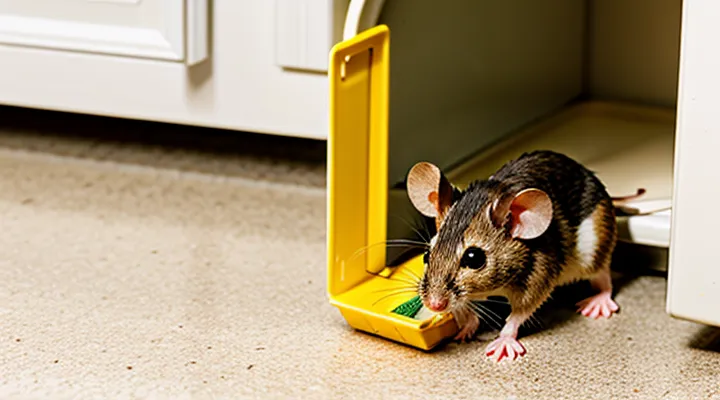
«Understanding Glue Traps»
«What Are Glue Traps?»
Glue traps are flat devices coated with a viscous adhesive designed to immobilize rodents on contact. The adhesive layer typically consists of a synthetic polymer that remains tacky at room temperature and hardens only when exposed to heat or solvents. The trap’s base is usually a cardboard or plastic sheet, allowing easy placement in corners, along walls, or near suspected pathways.
When a mouse steps onto the surface, its feet and fur become stuck, preventing further movement. The trap does not contain lethal chemicals; mortality results from prolonged exposure, dehydration, or injury caused by the adhesive’s grip. Because the trap captures the animal alive, humane considerations require prompt and careful handling to prevent suffering.
Key characteristics of glue traps include:
- Transparent or opaque backing for unobtrusive deployment.
- Pre‑cut dimensions ranging from 5 × 5 cm to 12 × 12 cm.
- Single‑use design; the adhesive loses effectiveness after the first capture.
- Placement recommendations that avoid areas accessible to children, pets, or non‑target wildlife.
Understanding the construction and operation of adhesive traps is essential before attempting any removal procedure, as improper handling can release hazardous residues or cause additional injury to the captured rodent.
«Why Are They Problematic?»
Mouse glue traps present several serious issues that demand careful consideration before use.
- They cause prolonged suffering because captured rodents remain immobilized while experiencing extreme stress and pain.
- The adhesive can adhere to fur and skin, leading to severe injuries, loss of limbs, or death from dehydration and starvation.
- Non‑target species, such as birds, insects, or household pets, may become accidental victims, resulting in unintended casualties.
- Chemical components in the glue often contain toxic substances that can irritate skin, eyes, and respiratory passages of humans handling the traps.
- Disposal of trapped animals requires specific protocols; improper handling may spread pathogens carried by rodents, increasing health risks for occupants.
These factors collectively render glue traps a hazardous and inhumane method for rodent control, underscoring the necessity of alternative strategies and meticulous procedures when dealing with adhesive capture devices.
«Preparation for Removal»
«Safety First: Personal Protective Equipment»
«Gloves»
When dealing with adhesive mouse traps, hand protection prevents direct contact with toxic glue and reduces the risk of skin irritation. Selecting the appropriate glove type is critical for effective containment and safe disposal.
-
Material:
- Nitrile – high chemical resistance, puncture protection, suitable for prolonged use.
- Latex – flexible, good grip, lower chemical barrier; avoid if allergic reactions are possible.
- Vinyl – economical, limited chemical resistance; acceptable for short tasks.
- Rubber – excellent grip on slippery surfaces, moderate chemical protection.
-
Thickness: Choose gloves that balance tactile sensitivity with barrier strength; 4–6 mil thickness commonly meets both criteria.
-
Fit: Secure, snug fit eliminates gaps where glue could seep. Measure hand circumference and select the size that allows fingertip movement without excess slack.
-
Length: Extended cuffs (at least 12 cm) protect wrists and forearms from accidental splatter.
Before handling a glue trap, inspect gloves for tears or punctures. Wear a fresh pair for each trap to avoid cross‑contamination. Grasp the trap by the non‑adhesive edges, lift it away from the floor, and place it into a sealable, puncture‑resistant container. After removal, discard gloves in a dedicated biohazard bag; do not reuse. If gloves become contaminated, rinse them with mild soap and water before disposal, then wash hands thoroughly with antibacterial soap.
Following these specifications ensures that hand protection remains reliable throughout the entire process of extracting and disposing of mouse glue traps.
«Eye Protection»
When handling adhesive rodent traps, the glue can splatter or release particles that reach the eyes. Direct contact may cause irritation, corneal abrasions, or temporary loss of vision. Protective eyewear eliminates exposure and maintains clear sight throughout the procedure.
- Safety goggles with impact‑resistant lenses
- Wrap‑around glasses sealed against the face
- Face shields with clear, anti‑fog coating
Before approaching a trap, put on the selected eyewear, verify that the seal is intact, and adjust for a snug fit. While removing the trap, keep the head tilted slightly forward so any accidental discharge moves away from the eyes. After the trap is detached, inspect the lenses for glue residue; clean with mild soap and water, then store in a dust‑free case.
Consistent use of eye protection reduces the risk of injury, ensures compliance with safety standards, and allows precise handling of the adhesive device.
«Gathering Necessary Supplies»
«Oils and Lubricants»
When dealing with adhesive mouse traps, selecting an appropriate oil or lubricant can release the captured animal without causing additional injury.
Mineral oil penetrates the tacky surface, softening the adhesive and allowing the rodent to be lifted gently. Apply a few drops directly onto the glue, wait 30–60 seconds for the bond to weaken, then use gloves to remove the trap.
Vegetable oils such as canola or olive function similarly; their low viscosity spreads quickly, reducing the stickiness. A thin film applied with a syringe ensures precise coverage and minimizes waste.
Silicone-based lubricants create a non‑reactive barrier that prevents the glue from adhering to the fur. Spray a light mist around the edges of the trap, allow the coating to settle, then slide a flat tool under the animal to lift it free.
Key safety points:
- Use only food‑grade oils if the animal will be released outdoors; avoid petroleum products that may cause skin irritation.
- Wear disposable gloves to protect hands from both the adhesive and potential pathogens.
- Dispose of the used trap according to local pest‑control regulations; do not reuse after oil application.
By employing these oils and lubricants, the removal process becomes quicker, reduces stress for the animal, and limits exposure to hazardous chemicals.
«Cleaning Agents»
When dealing with adhesive traps for rodents, the choice of cleaning agent determines both the effectiveness of removal and the safety of the operator. Solvent‑based products, such as mineral spirits, acetone, or isopropyl alcohol, dissolve the polymer matrix of the glue, allowing the trap surface to be wiped clean. Use a well‑ventilated area, wear chemical‑resistant gloves, and avoid inhalation; after application, rinse the surface with water and dry thoroughly.
Enzymatic cleaners break down protein‑based residues that may remain after the glue is softened. Apply the enzyme solution, let it act for the recommended time, then scrub with a soft brush. Rinse with clean water to prevent slip hazards. These agents are less aggressive to surrounding materials and pose lower toxicity risks.
Detergent‑based formulations, typically containing surfactants, emulsify the adhesive and aid in mechanical removal. Mix a mild detergent with warm water, soak a cloth, and press against the glue. The combination of chemical action and pressure releases the trap without damaging surfaces. Rinse to eliminate soap film.
Key considerations for any cleaning agent:
- Compatibility with the trap material and surrounding surfaces.
- Toxicity level and required personal protective equipment.
- Environmental disposal regulations for used solvents or residues.
- Required contact time for optimal performance.
After cleaning, place the trap in a sealed, puncture‑proof container before disposal. Follow local hazardous waste guidelines to prevent accidental exposure. Proper agent selection and adherence to safety protocols ensure that the adhesive traps are removed without compromising health or property.
«Disposal Materials»
When dealing with adhesive mouse traps, the choice of disposal material directly affects safety and contamination control. Use containers that prevent accidental contact with the sticky surface and seal any trapped rodents or debris.
Recommended disposal items include:
- Heavy‑duty, puncture‑resistant plastic bags labeled “biohazard” or “pest control”.
- Rigid, sealable plastic tubs with snap‑tight lids.
- Double‑layered garbage bags for secondary containment.
- Disposable gloves and a disposable apron to avoid skin exposure.
- Disinfectant wipes or spray for immediate surface decontamination after removal.
After placing the trap in the primary container, seal it, then enclose it in the secondary bag. Label both layers with the date and location of collection. Dispose of the sealed package according to local regulations for pest‑related waste, typically through municipal hazardous waste services or designated landfill sites.
Clean and disinfect any tools or surfaces that came into contact with the trap before storage or reuse. This practice eliminates residual adhesive and reduces the risk of cross‑contamination.
«Safe Removal Techniques»
«Releasing the Mouse from the Trap»
«Applying Oil to the Glue»
Applying oil to the adhesive on a mouse glue trap is an effective method for releasing trapped rodents without damaging the trap or exposing the animal to further harm. The oil penetrates the polymer matrix, reducing tack and allowing the mouse to be freed with minimal stress.
Procedure
- Choose a non‑volatile, food‑grade oil such as vegetable, olive, or mineral oil.
- Dispense a few drops directly onto the glue surrounding the animal; avoid saturating the entire trap.
- Allow the oil to sit for 30–60 seconds. The adhesive will soften and lose its grip.
- Gently lift the mouse using a disposable glove or tweezers. If resistance remains, add a second small dose of oil and wait briefly before attempting again.
- After removal, place the mouse in a safe, ventilated container for release or humane euthanasia, following local regulations.
- Dispose of the used trap according to municipal waste guidelines; the oil will have rendered the glue ineffective for future captures.
Safety considerations
- Wear disposable gloves to prevent skin contact with the adhesive and oil.
- Work in a well‑ventilated area to avoid inhaling any volatile components that may be released from the trap’s material.
- Keep oil away from open flames; most food‑grade oils are flammable at high temperatures.
- Do not reuse the same trap after oil application; the residual oil compromises the trap’s effectiveness and may attract insects.
Applying oil in this controlled manner neutralizes the glue’s stickiness, facilitates humane removal, and preserves the integrity of the surrounding environment.
«Gentle Separation Methods»
Gentle separation methods minimize injury to captured rodents and reduce the risk of accidental contact with adhesive surfaces.
- Apply a thin layer of vegetable oil, olive oil, or mineral oil to the glue‑covered paws. The oil penetrates the adhesive, allowing the animal to slide free without tearing skin.
- Use warm (not hot) water to soften the glue. Submerge the trap in a shallow container for 30–60 seconds, then gently coax the mouse out with a soft brush or gloved fingers.
- Employ a silicone‑based lubricant spray. Lightly mist the trap, wait a few seconds, and gently pull the animal away from the sticky surface.
- For small traps, place a piece of parchment paper under the mouse. Slowly lift the paper; the glue releases from the paper more easily than from the animal’s fur.
After release, clean the trap with soap and water or discard it according to local pest‑control regulations. Wear disposable gloves throughout the process to avoid skin exposure to adhesive residues. Store used oil or lubricant containers in sealed containers to prevent accidental spills.
«Handling the Mouse After Release»
«Checking for Injuries»
When handling adhesive rodent traps, the first priority after removal is to verify that the animal has not sustained wounds that could lead to infection or prolonged suffering. Conduct a visual inspection of the creature’s body, focusing on paws, tail, and any areas still in contact with the adhesive. Look for signs of torn skin, exposed flesh, or bleeding. If any tissue appears compromised, intervene immediately with sterile gauze and a suitable antiseptic solution.
The assessment should also include a tactile check. Gently press around the trapped regions to detect hidden abrasions or swelling that may not be visible. Note any resistance or pain response, which indicates deeper injury. Record the findings before proceeding with further steps, such as releasing the animal or disposing of the trap.
If injuries are identified, follow these protocols:
- Apply a non‑adhesive, moisture‑rich dressing to keep the wound moist and prevent additional trauma.
- Use a veterinary‑approved antiseptic (e.g., chlorhexidine) to reduce bacterial load.
- Secure the dressing with a light, breathable bandage that does not restrict movement.
- Release the animal only after the dressing is in place and the adhesive has been fully removed; otherwise, transport it to a professional wildlife rehabilitator.
When no injuries are present, confirm that all glue residues have been cleared before release. Ensure the animal can move freely without hindrance, then place it in a safe, sheltered environment away from the original trap location. This systematic injury check minimizes suffering and complies with humane pest‑control standards.
«Releasing Outdoors»
When a mouse is caught in an adhesive trap, the safest method of release involves minimizing stress for the animal and preventing further contamination of the indoor environment.
First, prepare a container with a secure lid and a soft lining (e.g., a towel). Wear disposable gloves to avoid direct contact with the adhesive and to protect yourself from potential pathogens.
Procedure for outdoor release:
- Transfer the trap into the container, ensuring the mouse remains immobilized but not crushed.
- Gently apply a small amount of mineral oil or vegetable oil to the glue‑covered areas. The oil dissolves the adhesive without harming the rodent.
- After the glue softens, use a blunt instrument (such as a wooden stick) to free the mouse’s limbs. Move slowly to prevent injury.
- Place the animal on a flat surface, allow it to recover for a few minutes, then transport the container to a suitable outdoor location at least 100 feet from any dwelling.
- Open the lid in a shaded, sheltered spot and let the mouse exit voluntarily. Keep the container upright until the animal is fully outside.
After release, dispose of the trap according to local regulations. If oil was used, clean the container with hot, soapy water before discarding. Finally, sanitize the gloves and any tools that contacted the adhesive, then wash your hands thoroughly. This protocol eliminates the risk of contaminating indoor spaces while ensuring humane treatment of the captured mouse.
«Disposing of the Glue Trap»
«Securing the Trap»
When handling adhesive mouse traps, the first priority is to prevent accidental contact with the glue surface. Secure the trap before removal by following these steps:
- Place a disposable, non‑stick barrier (e.g., a thin sheet of parchment paper or a plastic bag) directly over the adhesive side. The barrier should fully cover the trap’s surface to eliminate direct contact.
- Grip the trap using the barrier’s edges, not the glue‑coated area. Apply firm, steady pressure to keep the trap from shifting.
- If the trap is mounted on a flat surface, attach a lightweight, rigid backing (such as a cardboard piece) beneath the barrier. This creates a sandwich that stabilizes the trap and prevents it from bending or tearing during transport.
- Secure the sandwich with a temporary clip, rubber band, or tape. Ensure the fastening method does not touch the glue.
After the trap is sealed, transfer it to a sealed, puncture‑resistant container. Close the container tightly and label it for disposal according to local regulations. This procedure minimizes exposure to the adhesive and reduces the risk of unintended captures.
«Proper Waste Disposal»
After a mouse is removed from an adhesive trap, the contaminated device must be sealed to prevent accidental contact and to contain any residual toxins. Place the trap in a rigid, puncture‑resistant container, such as a sealed plastic box or a heavy‑duty garbage bag, and secure the closure with tape.
- Transfer the sealed container to a dedicated waste bin labeled “Hazardous Rodent Trap Waste.”
- Store the bin away from food preparation areas and high‑traffic zones.
- Contact local waste management or public health authorities to confirm the required disposal method; many jurisdictions classify adhesive traps as hazardous household waste.
- If a collection service is unavailable, transport the sealed container to a licensed hazardous waste facility following the agency’s intake procedures.
Wear disposable gloves and, if available, a face shield while handling the trap. After removal, wash hands thoroughly with soap and water, then discard gloves in the same sealed container. Clean any surfaces that contacted the trap with an EPA‑approved disinfectant.
Compliance with municipal regulations and proper containment eliminates environmental contamination and reduces health risks for household members and sanitation workers.
«Cleaning and Aftercare»
«Cleaning the Affected Area»
«Removing Residual Glue»
When a mouse glue trap is disposed of, adhesive may remain on surfaces, floors, or equipment. Removing this residue safely protects skin, prevents accidental ingestion, and avoids damage to underlying materials.
Materials needed
- Disposable gloves (nitrile or latex)
- Protective eyewear
- Soft‑bristle brush or non‑abrasive sponge
- Solvent appropriate for the surface (e.g., mineral oil, vegetable oil, isopropyl alcohol, or commercial adhesive remover)
- Clean rags or paper towels
- Sealable container for waste
Procedure
- Equip personal protection. Wear gloves and eyewear before touching any sticky area.
- Apply solvent. Dampen a rag with the chosen solvent; spread a thin layer over the glue. Allow 30–60 seconds for the adhesive to soften.
- Loosen the residue. Gently scrape with a soft brush or sponge. Avoid steel wool or sharp tools that could scratch the surface.
- Wipe away. Use a fresh rag to absorb the loosened glue and excess solvent. Repeat the application if traces remain.
- Rinse if necessary. For oil‑based solvents, wipe the area with a damp cloth to remove oily film; dry completely.
- Dispose of waste. Place used rags, gloves, and removed glue in a sealable bag; follow local regulations for hazardous waste.
Tips for specific surfaces
- Hard plastics and metal: Mineral oil or a dedicated adhesive remover works efficiently without compromising material integrity.
- Wooden furniture: Use a small amount of vegetable oil; test on an inconspicuous spot to ensure no staining.
- Carpet or fabric: Apply isopropyl alcohol sparingly, blot rather than rub, and vacuum after the glue is lifted.
Safety considerations
- Do not inhale vapors from volatile solvents; work in a well‑ventilated area.
- Keep solvents away from open flames; many are flammable.
- Do not reuse gloves after contact with adhesive, as residual glue can cause skin irritation.
By following these steps, residual mouse‑trap adhesive can be eliminated without harming the surrounding environment or risking personal injury.
«Sanitizing Surfaces»
After a glue trap has been removed, the surrounding area must be disinfected to prevent residual adhesive from contaminating food preparation surfaces, children’s play zones, or pet habitats. Use a disposable cloth or paper towel to collect any stray glue, then apply an EPA‑registered disinfectant that is effective against bacteria, viruses, and fungi. Follow the product’s contact time to ensure full microbial inactivation.
- Wear disposable gloves; discard them after each cleaning cycle.
- Wet a clean disposable wipe with the disinfectant; press gently on the glue residue for the manufacturer‑specified dwell time (usually 1–3 minutes).
- Rinse the area with water if the disinfectant label requires a post‑application rinse; dry with a fresh disposable towel.
- Inspect the surface for remaining tackiness; repeat the disinfection step if any adhesive remains.
- Store the cleaned area in a sealed container or cover it with a disposable barrier until it can be safely reused.
Document the cleaning process, noting the date, the disinfectant used, and the personnel involved. This record supports compliance with health‑safety regulations and facilitates traceability in case of a pest‑control audit.
«Preventing Future Infestations»
«Sealing Entry Points»
Sealing gaps and openings prevents new rodents from reaching glue traps, reducing the likelihood of accidental contact and the need for repeated removal. By eliminating access routes, the existing traps can be dealt with safely and the infestation can be contained.
Typical entry points include:
- Gaps around doors and windows
- Cracks in foundation walls
- Openings around utility pipes and vents
- Holes in floorboards or baseboards
- Unsealed attic and crawl‑space vents
To secure these areas:
- Inspect the interior and exterior of the building, noting any openings larger than ¼ inch.
- Clean debris and dust from each opening to ensure adhesive materials adhere properly.
- Apply steel wool or mesh to fill small cracks, then cover with a durable sealant such as silicone or expanding foam.
- Install weather‑stripping on doors and windows, ensuring a tight fit when closed.
- Fit metal flashing or hardware cloth over larger holes, securing it with screws or nails.
- Verify that ventilation grilles have fine mesh screens to block rodent entry while allowing airflow.
After sealing, monitor the sealed points regularly for signs of wear or new damage. Prompt repair of compromised seals maintains the effectiveness of the glue traps and supports a long‑term rodent‑free environment.
«Alternative Rodent Control»
When adhesive mouse traps are removed, consider alternatives that prevent recurrence without exposing occupants to hazardous substances. Non‑adhesive options reduce the need for direct contact with trapped rodents and simplify disposal.
Common replacements include:
- Snap mechanisms calibrated for humane impact, featuring quick‑release levers that minimize handling.
- Live‑capture cages equipped with smooth interiors, allowing release outside the property after verification of species.
- Ultrasonic emitters that generate frequencies uncomfortable to rodents, deterring entry without physical traps.
- Sealants and door sweeps that block entry points, eliminating attraction sources through structural exclusion.
- Sanitation practices that remove food residues and clutter, decreasing habitat suitability.
Implementing a combination of exclusion, environmental management, and mechanical deterrents creates a comprehensive control strategy. Regular inspection of entryways and prompt repair of gaps sustain effectiveness, reducing reliance on adhesive devices.