
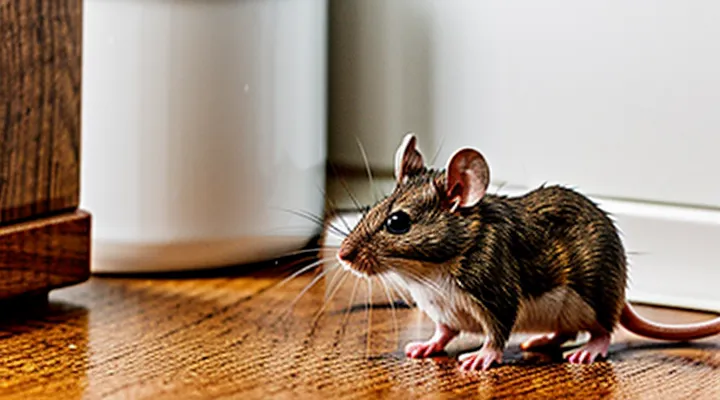
«Preparation: Gathering Supplies and Setting the Scene»
«Essential Items for Mouse Rescue»
«Oils and Lubricants»
When a mouse is caught in a glue trap, a low‑viscosity oil can reduce adhesive strength enough to permit safe removal without causing additional injury.
Suitable oils include:
- Mineral oil, clear and odorless, with a thin consistency.
- Light vegetable oil (e.g., canola or sunflower), low in allergens and easy to clean.
- Silicone spray, applied in a fine mist for rapid slip.
Application method:
- Place the trapped mouse on a clean, flat surface to prevent escape into gaps.
- Using a dropper or spray bottle, apply a small amount of oil directly onto the glue surrounding the animal’s paws and tail. Avoid saturating the fur; a few drops suffice.
- Allow 30–60 seconds for the oil to penetrate the adhesive.
- Gently lift the mouse with gloved fingers, supporting the body while the limbs release. If resistance persists, repeat step 2.
Precautions:
- Do not use petroleum‑based solvents such as gasoline or paint thinner; they damage fur and can be toxic if ingested.
- Keep oil away from the mouse’s eyes and nose to prevent irritation.
- After release, place the mouse in a ventilated container with soft bedding for observation before returning it to its habitat.
Proper use of appropriate oils provides a quick, humane solution for freeing rodents from sticky traps while minimizing stress and physical harm.
«Cutting Tools»
When a mouse becomes entangled in an adhesive trap, precise cutting instruments are required to separate the animal without causing injury. Selecting tools that provide clean, controlled incisions reduces stress on the creature and prevents additional damage to its limbs or fur.
- Small, sharp scissors with rounded tips: allow access to tight spaces while minimizing the risk of puncturing the mouse’s skin.
- Precision utility knife or scalpel: creates clean cuts through thick glue layers; handle with care to avoid accidental contact.
- Fine‑point tweezers or needle‑nosed pliers: hold the animal steady and pull away loosened fur after the adhesive is cut.
- Disposable gloves: protect both the handler and the mouse from contamination and reduce the chance of accidental bites.
Before cutting, place the trap on a stable surface, wear gloves, and ensure adequate lighting. Use the scissors to slice the adhesive around the mouse’s paws and tail, working from the outer edge inward. If glue remains stubborn, apply the utility knife at a shallow angle, cutting only the glue film. After the adhesive is severed, gently lift the mouse with tweezers, supporting its body to prevent falls. Release the animal into a safe, enclosed area away from other traps.
«Comfort and Safety Gear»
When rescuing a mouse caught in adhesive, the handler must protect both the animal’s well‑being and personal health. Appropriate equipment reduces stress for the rodent and prevents skin irritation or allergic reactions for the rescuer.
- Thick, disposable nitrile gloves: provide a barrier against adhesive residue and prevent direct contact with the mouse’s fur, which can cause tearing. Choose gloves with a snug fit to retain dexterity while handling small limbs.
- Soft, breathable cloth or fleece gloves (inner layer): placed under the nitrile gloves, these give the mouse a warm, non‑abrasive surface, minimizing panic and protecting delicate paws.
- Protective eye shield or safety glasses: guard against accidental splashes of solvent or glue particles that may become airborne during the release process.
- Disposable face mask (N95 or surgical): filters inhaled particles, especially when using solvent sprays or oils to loosen the glue.
- Non‑slip, padded work surface: a silicone mat or rubberized tray prevents the mouse from slipping while being gently coaxed free and keeps the handler’s hands stable.
- Small, soft-tipped tweezers or forceps: useful for loosening edges of the trap without applying pressure to the animal’s body. Ensure the tips are rounded and covered with a thin layer of petroleum jelly to reduce friction.
- Warm, damp cloth (sterile gauze): applied briefly to soften the adhesive, offering a comfortable environment for the mouse while the glue releases.
Each piece of gear serves a distinct purpose: gloves and inner layers protect the rodent’s skin, eye and respiratory equipment safeguard the rescuer, and the work surface and tools maintain control without inflicting injury. Selecting the appropriate combination ensures a humane, efficient extraction while minimizing health risks for both parties.
«Creating a Safe Environment»
«Minimizing Stress for the Mouse»
When a mouse is trapped in adhesive, the primary concern is preventing panic and physical shock while it is being released.
- Keep the surrounding area quiet; eliminate loud noises and sudden movements that can trigger a fear response.
- Maintain a stable temperature, ideally between 20 °C and 24 °C, to avoid hypothermia or overheating during handling.
- Use soft, disposable gloves or a gentle cloth to avoid direct skin contact that may increase the animal’s stress levels.
- Apply a non‑toxic, oil‑based lubricant (e.g., vegetable oil or baby oil) sparingly around the glue‑covered limbs; this reduces adhesion without causing irritation.
- Work slowly, supporting the mouse’s body to prevent accidental drops or additional pressure on the glue.
- After the adhesive is dissolved, place the mouse in a secure, ventilated recovery container with a soft nesting material, fresh water, and a small portion of high‑energy food.
- Observe the mouse for at least 15 minutes; look for normal breathing, steady gait, and the ability to groom. If abnormal behavior persists, seek professional wildlife assistance.
These measures collectively lower physiological stress, increase the likelihood of a successful release, and promote rapid recovery.
«Protecting Yourself from Bites»
When handling a mouse caught in an adhesive trap, the animal may bite as a defensive reaction. Bite incidents can transmit pathogens and cause tissue injury, making personal protection a prerequisite for any rescue attempt.
Protective measures focus on creating a physical barrier between skin and the mouse. Recommended items include:
- Heavy‑duty nitrile or latex gloves, extending past the wrist.
- Long‑sleeved, tightly woven clothing to shield forearms.
- Safety goggles or face shield to prevent accidental contact with saliva.
- Disposable shoe covers if the work area is contaminated.
Apply the barrier before approaching the trap. Use a thin, stiff tool such as a spatula or tweezers to loosen the mouse’s limbs, minimizing direct contact. Move slowly, keeping the mouse’s head away from your hands. If the mouse shows signs of aggression, pause and allow it to calm before proceeding.
After the mouse is released, discard gloves and other disposable gear according to local biohazard guidelines. Clean any reusable equipment with a detergent solution followed by an alcohol wipe. Inspect hands and forearms for puncture marks; wash the area with soap and water, then apply an antiseptic. Monitor for signs of infection and seek medical attention if a bite wound appears swollen or painful.
«The Rescue Process: Step-by-Step Guide»
«Initial Assessment and Approach»
«Evaluating the Mouse’s Condition»
When a mouse is caught in a sticky trap, the first step before any removal attempt is to assess its physical state. Look for signs of severe injury, such as broken limbs, hemorrhaging, or breathing difficulty. A mouse that appears limp, unresponsive, or shows uncontrolled shaking may be in shock and requires immediate veterinary care rather than DIY rescue. Verify that the animal’s eyes are clear and pupils are not dilated excessively, which can indicate stress or neurological impairment. Check the fur for abrasions or tears caused by the adhesive; these wounds may need gentle cleaning after release.
Key indicators to evaluate:
- Mobility: ability to move limbs voluntarily; any resistance or loss of function suggests internal damage.
- Respiration: steady, audible breaths; rapid or shallow breathing signals distress.
- Consciousness: alertness to stimuli; lack of response may mean severe trauma.
- Skin integrity: presence of tears, bleeding, or adhesive residue on fur; extensive damage requires professional treatment.
If the mouse exhibits any of the above critical conditions, pause the rescue process and seek professional assistance. Only when the animal is stable should you proceed with careful removal techniques to avoid further harm.
«Gentle Handling Techniques»
Gentle handling minimizes stress and injury while removing a mouse from a glue trap. Use clean nitrile gloves to protect both the animal’s skin and your hands from adhesive residues. Keep the mouse’s body supported with a soft cloth or paper towel, avoiding pressure on limbs or the spine.
- Apply a small amount of vegetable oil, mineral oil, or baby oil to the adhesive edges using a cotton swab; the oil penetrates the glue and reduces surface tension.
- Allow the oil to sit for 10–15 seconds, then gently coax the mouse’s paws free by sliding the cloth along the limb, never pulling directly.
- If the mouse’s tail remains stuck, use fine-tipped tweezers to lift the oil‑saturated glue away in short, controlled motions.
- After the mouse is released, wipe excess oil with a damp cloth and place the animal in a ventilated container with bedding, food, and water.
Monitor the mouse for signs of distress or injury for at least 30 minutes. If any wounds or persistent adhesive remain, seek veterinary assistance promptly.
«Releasing the Mouse from the Trap»
«Applying Lubricant to the Adhesive»
Applying a suitable lubricant to the glue surface is the most effective method for releasing a trapped mouse without causing injury. The lubricant must be non‑toxic, low‑viscosity, and capable of breaking the adhesive bond quickly.
Begin by selecting an appropriate product. Recommended options include:
- Vegetable oil (e.g., olive or canola)
- Baby oil or mineral oil
- Commercially available adhesive release sprays that specify safety for small animals
Prepare the work area. Place a shallow container or tray beneath the trap to catch any runoff. Wear disposable gloves to prevent skin contact with the mouse and the oil.
Proceed with the following steps:
- Apply a thin layer of the chosen lubricant directly onto the glue where the mouse’s paws and tail are stuck. Use a cotton swab or a small brush to ensure precise coverage.
- Allow the liquid to seep for 10–15 seconds. The oil penetrates the polymer matrix, reducing surface tension and weakening the bond.
- Gently coax the mouse forward with a soft instrument, such as a wooden stick or a plastic spatula. Move the animal in the direction of the least resistance, avoiding sudden pulls.
- Once the mouse is free, transfer it to a safe, warm holding container. Monitor breathing and mobility for a few minutes before release.
- Clean the trap surface with a mild detergent and warm water, then rinse thoroughly. Dispose of the trap according to local regulations if reuse is not intended.
Maintain a calm environment throughout the process. Loud noises or rapid movements can stress the animal and increase the risk of injury. Using a lubricant eliminates the need for force, ensuring a humane outcome and preserving the mouse’s wellbeing.
«Careful Separation of Paws and Fur»
When a mouse is caught in a glue trap, the most delicate task is disengaging its paws and fur without causing injury. The adhesive bonds strongly to keratin and hair, so the removal method must reduce tension and soften the glue.
- Prepare a shallow container with warm (not hot) water at 30‑35 °C. Add a few drops of mild, unscented dish soap; the surfactant lowers the glue’s tackiness.
- Gently lower the trapped mouse into the water, ensuring the head remains above the surface to keep the airway clear. Submerge only the glued limbs and fur.
- Hold the mouse by the nape of the neck with a soft cloth to prevent slipping. Allow the soap‑water mixture to act for 30‑45 seconds; the glue will begin to loosen.
- Using a pair of fine‑tipped tweezers, grasp the edge of the adhesive strip nearest the paw. Apply steady, minimal force to pull the strip away, following the direction of the hair growth to avoid pulling on the skin.
- If resistance persists, add a few more drops of soap to the water and gently massage the area with a soft brush. The brush should glide through the fur, not scrape the skin.
- After the adhesive releases, rinse the mouse in clean, lukewarm water to remove residual soap. Pat dry with a paper towel, then place the animal in a warm, quiet enclosure for recovery.
Key precautions:
- Do not use solvents such as acetone or alcohol; they irritate mouse skin and can damage fur.
- Avoid pulling directly on the paw pads; the pads contain sensitive nerves and blood vessels.
- Keep handling time short to reduce stress; prolonged exposure to glue can cause skin irritation.
By softening the adhesive with a controlled soap‑water bath and applying gentle, directional force, the paws and fur separate cleanly, preserving the mouse’s mobility and preventing unnecessary trauma.
«Addressing Stubborn Areas»
When a mouse is caught in a glue trap, the limbs or tail may cling stubbornly despite initial attempts to free it. These resistant sections require careful attention to prevent tearing or additional injury.
- Apply a few drops of vegetable oil, mineral oil, or a mild, pet‑safe lubricant directly onto the glued area. Let the substance soak for 30–60 seconds; the oil weakens the adhesive bond without harming the animal’s skin.
- Use lukewarm water (not hot) to rinse the oil‑treated spot. Warmth further softens the glue, making it easier to slide the limb free. Keep the water temperature below 38 °C to avoid thermal stress.
- Gently manipulate the affected part with a soft, rounded instrument such as a cotton‑tipped swab or a silicone spatula. Apply steady, light pressure; avoid jerking motions that could rip tissue.
- If the glue remains resistant, repeat the oil‑water cycle. Multiple short applications are safer than a single prolonged soak, which could cause the mouse to become hypothermic.
- Inspect the released area for abrasions, swelling, or bleeding. If any damage is evident, clean the wound with a diluted saline solution and apply a veterinary‑approved antiseptic.
After all stubborn sections are liberated, place the mouse in a quiet, warm container with soft bedding. Monitor its breathing and mobility for several minutes before releasing it outdoors, ensuring it regains full control of its movements.
«Post-Release Care and Observation»
«Cleaning the Mouse»
After freeing a mouse from an adhesive trap, the animal must be cleaned promptly to prevent skin irritation and infection. First, wear disposable gloves to protect both the handler and the rodent. Gently wipe away any remaining glue with a soft, damp cloth; avoid pulling at the adhesive, which can damage fur or skin. If glue persists, apply a small amount of vegetable oil or mineral oil to the affected area, let it sit for a minute, then wipe away with a clean cloth. Rinse the fur with lukewarm water, ensuring no oil residue remains.
Next, inspect the mouse for cuts, abrasions, or swollen paws. Use sterile gauze to dab any bleeding spots; apply a thin layer of a veterinary‑approved antiseptic ointment if needed. Allow the animal to dry naturally, keeping it in a warm, quiet environment away from drafts. Provide fresh water and a small portion of food, monitoring for signs of distress or infection over the following 24‑48 hours.
Cleaning checklist
- Wear gloves throughout the procedure.
- Remove glue with a damp cloth; use oil only if necessary.
- Rinse fur with lukewarm water, eliminate oil traces.
- Examine skin and limbs for injuries.
- Apply antiseptic to any wounds, then let dry.
- Place mouse in a warm, low‑stress enclosure with water and food.
Proper cleaning reduces the risk of secondary complications and supports a quicker recovery after release.
«Providing a Safe Resting Place»
After the mouse is released from the adhesive, a secure resting area reduces stress and prevents re‑entrapment. Choose a container that meets the following criteria:
- Size large enough for the mouse to turn around without touching the walls.
- Transparent lid with ventilation holes covered by fine mesh to allow airflow while keeping the animal contained.
- Interior lined with soft, non‑abrasive material such as shredded paper or a piece of clean cloth.
- Positioned in a quiet, low‑light corner away from predators, loud noises, and direct drafts.
Place the mouse gently onto the prepared surface. Observe for a brief period to ensure the animal can stand and move without difficulty. If the mouse appears disoriented, adjust the bedding to provide additional grip. Keep the enclosure closed for at least 30 minutes to allow the mouse to recover before releasing it outdoors at a safe distance from human activity.
«Monitoring for Injuries»
When a mouse is removed from a glue trap, immediate observation for physical damage is essential. Injuries can develop rapidly as the animal struggles, and early detection prevents complications such as infection or loss of limb function.
Key indicators of trauma include:
- Bleeding or blood stains on fur or surrounding area
- Swelling, discoloration, or bulging of limbs and paws
- Visible cuts, tears, or exposed skin
- Abnormal posture, limping, or inability to bear weight
- Excessive vocalization or frantic movement
After identifying any symptom, follow these steps:
- Place the mouse on a clean, soft surface to limit further stress.
- Gently examine the affected region with a magnifying lens, noting size, depth, and bleeding.
- If bleeding occurs, apply a small amount of sterile petroleum jelly or a veterinary‑approved hemostatic agent to control flow.
- Keep the animal warm and quiet; monitor heart rate and breathing for at least 15 minutes.
- Record observations, including time of injury detection and actions taken, to inform subsequent care or veterinary consultation.
Continuous monitoring for at least an hour after release ensures that delayed symptoms, such as swelling or infection, are not missed. Prompt documentation and, when necessary, professional veterinary intervention improve the chances of full recovery.
«Post-Rescue Actions and Prevention»
«Releasing the Mouse into the Wild»
«Choosing a Suitable Location»
Select a calm, well‑lit area away from high traffic. The surface should be smooth and non‑porous, allowing the mouse to be moved without additional adhesion. Place a flat sheet of cardboard or a disposable plastic tray beneath the trap to protect surrounding floors and to provide a clean platform for handling.
Consider the following criteria when determining the location:
- Ventilation: Ensure fresh air circulates to reduce stress for the animal and to disperse any odors from the adhesive.
- Safety: Keep the area free of pets, children, and other wildlife that could interfere with the rescue.
- Accessibility: Provide enough space to work with both hands, allowing gentle manipulation of the mouse and the trap.
- Temperature: Choose a spot with a moderate ambient temperature, avoiding drafts or direct sunlight that could cause hypothermia or overheating.
- Containment: Prepare a temporary holding container (e.g., a ventilated box with soft bedding) nearby, so the mouse can be transferred immediately after release from the glue.
After the location meets these requirements, position the trap on the prepared surface, secure the surrounding area, and proceed with the removal process. This arrangement minimizes additional injury and facilitates a swift, controlled rescue.
«Ensuring a Safe Release Distance»
When a mouse is removed from a glue trap, the distance between the animal and the release point determines its chance of escaping predators and re‑entering a safe environment. Place the mouse at least ten feet (three meters) away from any structures, food sources, or other traps. This buffer reduces the likelihood of immediate recapture and gives the rodent time to seek cover.
Key factors influencing the appropriate distance:
- Habitat type – Open fields require longer distances than dense vegetation, where cover is abundant.
- Predator presence – Areas with known predators (cats, birds of prey) merit the maximum recommended distance.
- Human activity – Release sites near walkways, doors, or windows should be extended to avoid accidental re‑entry into homes.
Procedure:
- Carry the mouse in a container that prevents contact with the glue residue.
- Walk directly to the chosen release spot, maintaining a straight line to avoid back‑tracking.
- Open the container at the target location, allowing the mouse to exit immediately.
- Observe from a distance of at least five feet (1.5 m) to ensure the animal moves away without interference.
By adhering to these measurements, the freed mouse gains sufficient space to recover, locate shelter, and remain out of human‑controlled areas.
«Preventing Future Glue Trap Incidents»
«Alternatives to Glue Traps»
When a mouse becomes immobilized in a sticky capture device, the most humane response is to replace the trap with a method that avoids pain and injury. Several proven alternatives exist:
- Live‑catch traps – spring‑loaded cages that close once the rodent enters; the animal can be released outdoors at least 100 meters from the property.
- Snap traps with quick‑acting mechanisms – designed to deliver an instantaneous blow, causing immediate death and eliminating prolonged suffering.
- Electronic traps – deliver a high‑voltage pulse that kills instantly; batteries enable placement in hard‑to‑reach areas.
- Exclusion techniques – sealing entry points, installing door sweeps, and using mesh screens prevent rodents from entering structures, removing the need for any trap.
- Habitat modification – eliminating food sources, reducing clutter, and maintaining clean storage areas diminish attractants, decreasing reliance on lethal devices.
- Natural deterrents – peppermint oil, ultrasonic emitters, and predator scent products create an unfavorable environment for mice without physical capture.
Choosing an alternative depends on the specific situation, legal regulations, and the owner’s ethical preferences. Implementing these options reduces the risk of accidental injury to the animal and eliminates the need for adhesive traps altogether.
«Securely Disposing of Traps»
After the mouse is released, the glue trap must be rendered unusable to eliminate the risk of accidental capture. Handle the trap with gloves to avoid direct contact with adhesive residues.
- Place the trap in a sturdy, sealable container such as a metal box with a tight‑fitting lid.
- Apply a layer of newspaper or a disposable plastic sheet inside the container to prevent glue from sticking to the interior.
- Secure the container with tape or a lock to discourage tampering.
- Dispose of the sealed container according to local hazardous‑waste regulations; many municipalities treat adhesive traps as non‑recyclable waste.
If a municipal collection service is unavailable, store the sealed container in a secure outdoor area away from children and pets until proper disposal can be arranged. Label the container clearly with “hazardous adhesive trap” to inform anyone handling it.
Finally, clean any tools or surfaces that contacted the trap with a solvent such as mineral oil or a commercial adhesive remover, then wash hands thoroughly. This protocol prevents future incidents and ensures responsible waste management.
«Sealing Entry Points in Your Home»
Sealing entry points is essential for preventing mice from returning after they have been released from a glue trap. By eliminating access routes, you reduce the likelihood of future captures and protect the household from damage and contamination.
Identify openings by inspecting the building envelope. Look for gaps around pipes, vents, windows, doors, and the foundation. Use a flashlight to reveal cracks less than a quarter‑inch wide, and check the underside of appliances and cabinets where rodents often hide.
Apply appropriate sealing techniques:
- Install steel wool or copper mesh in small holes, then cover with caulk or expanding foam for durability.
- Use weatherstripping on doors and windows to block gaps when closed.
- Fit metal flashing around utility penetrations and seal with silicone sealant.
- Repair cracked foundation walls with hydraulic cement, ensuring a tight bond before painting.
- Cover larger openings with sheet metal or plywood, securing with screws and sealant.
Maintain the barrier by periodically inspecting high‑traffic areas, especially after renovations or severe weather, and repairing any new breaches promptly. This systematic approach sustains a mouse‑free environment while supporting humane rescue practices.