
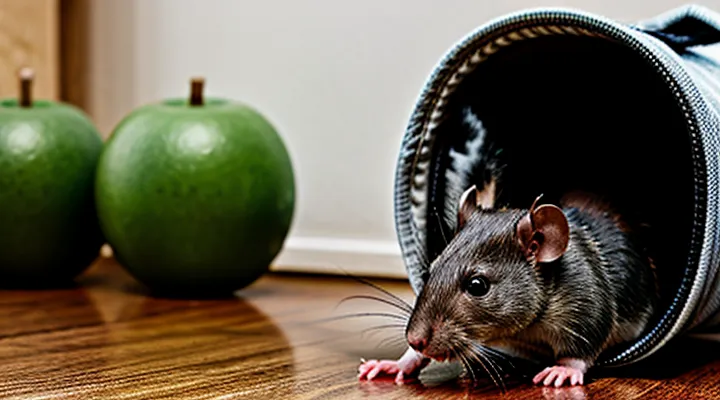
Understanding the Situation
Assessing the Rat's Condition
Observing Behavior
Observing the rats’ behavior provides the primary indicator of safe handling during the removal from a sealed container. Visible signs of agitation, such as rapid shaking, frequent squeaking, or attempts to escape, signal heightened stress and necessitate a pause in the procedure. Conversely, calm posturing, slow exploratory movements, and steady breathing suggest readiness for gentle extraction.
Key behavioral cues include:
- Rapid foot paddling or climbing attempts – indicates urgency and potential injury risk.
- Vocalizations that increase in volume or frequency – reflects acute distress.
- Grooming or licking of fur while confined – may mask underlying anxiety; monitor for sudden cessation.
- Freezing or immobility – can precede a defensive bite response; approach with extra caution.
Effective monitoring combines visual assessment with tactile feedback. Position the bag so the animal’s head remains visible; maintain a stable hand to feel subtle shifts in body tension. Record the duration of each behavior pattern; prolonged agitation beyond a few seconds typically requires a brief rest period before continuing.
Procedural steps guided by behavior observation:
- Inspect the bag for signs of movement before touching; note any frantic activity.
- Approach slowly, allowing the rat to become accustomed to the handler’s presence.
- If stress indicators appear, pause, lower ambient noise, and wait until the animal’s posture stabilizes.
- Gently open the bag while maintaining visual contact; support the rat’s body with both hands to prevent sudden jumps.
- Release the rat onto a prepared surface, observing its transition to calm behavior before concluding the process.
Identifying Potential Injuries
When removing a rodent from a bag, the first step is a visual and tactile assessment for trauma. Detecting injuries before manipulation prevents aggravation and protects handlers from unexpected bites or scratches.
Common injury types include:
- « puncture wounds » caused by sharp teeth or claws
- « fractured limbs » evident by abnormal angles or lack of movement
- « abrasions » visible as reddened skin or fur loss
- « internal bleeding » suggested by swelling or discoloration
- « respiratory distress » indicated by rapid, shallow breathing or audible wheezing
Inspection should begin with gentle palpation of the animal’s body, followed by a brief examination of extremities and the head. Any sign of bleeding, swelling, or impaired mobility requires immediate containment and veterinary consultation before proceeding with extraction.
If injuries are present, employ a secondary containment device, such as a rigid box, to limit the animal’s ability to bite. Use thick gloves and a face shield to protect against puncture wounds and potential disease transmission. Disinfect the bag and surrounding area after removal, and document observed injuries for follow‑up care.
Evaluating the Bag's Material and Structure
Fabric Type
The material of a containment bag determines durability, airflow, and the ability to prevent escape during rodent removal. Selecting an appropriate fabric reduces the risk of tears, maintains a secure environment, and facilitates safe handling.
- Heavy‑weight nylon: high tensile strength, resistant to punctures, quick‑dry; suitable for repeated use.
- Polyethylene (PE) film: low permeability, provides a barrier against odors; limited flexibility, best for single‑use applications.
- Cotton canvas: breathable, soft on animal skin; lower tear resistance, requires reinforcement at seams.
- Polyester‑coated fabric: combines strength of polyester with waterproof coating; balances durability and ease of cleaning.
When choosing a bag, prioritize fabrics that exceed the expected load from the animal’s movements, allow sufficient ventilation without compromising containment, and can be decontaminated without degrading. Reinforced stitching at high‑stress points, such as the opening and seams, further enhances safety during extraction.
Openings and Tears
Openings must be planned to prevent accidental escape while allowing controlled removal of the animal. Choose a seam that can be opened without tearing the entire bag, such as a pre‑cut flap or a reinforced zip. Reinforcement with tape or a stitched edge maintains structural integrity when pressure is applied.
Tears should be created intentionally, not as accidental damage. Use a sharp, sterilized blade to make a clean incision no longer than 2 cm. Position the cut at the lower corner of the bag, away from the animal’s movement path, to reduce stress and minimize the risk of the rodent slipping away.
Key steps for safe extraction:
- Secure the bag on a stable surface; clamp the opposite side to keep the material taut.
- Apply the pre‑cut opening or create the controlled tear as described.
- Insert a gloved hand or a smooth‑sided tool through the aperture, ensuring a firm grip on the rodent.
- Gently lift the animal, keeping the opening just large enough to accommodate the head and forelimbs.
- Close the opening immediately after removal, using the reinforced edge or a zip to restore containment.
All procedures should be performed with personal protective equipment and in a well‑ventilated area to avoid contamination. Maintaining a precise opening and a deliberate, limited tear eliminates uncontrolled rupture and ensures the animal’s safe handling.
Preparing for Extraction
Gathering Necessary Equipment
Protective Gear
Protective gear forms the first line of defense when removing rodents from a sealed container. Direct contact with rats can transmit pathogens, while accidental spills may create hazards for nearby personnel. Proper equipment eliminates these risks and ensures compliance with safety regulations.
- Heavy‑duty disposable gloves, cut‑resistant and puncture‑proof, block bites and saliva.
- N95 or higher‑efficiency respirators filter airborne particles and droplet nuclei.
- Impact‑resistant goggles or face shields prevent eye exposure to fluids.
- Full‑body coveralls with sealed seams protect clothing and skin.
- Slip‑resistant boots with steel toe caps guard against falls and crushing injuries.
Selection criteria focus on material durability, seal integrity, and fit. Gloves must match hand size to avoid gaps; respirators require a proper seal test before each use. Coveralls should be liquid‑tight and allow quick removal without contaminating the wearer. All equipment must meet OSHA or equivalent standards.
Routine inspection detects wear, tears, or contamination. Damaged items are discarded immediately. After each extraction, disposable gear is sealed in biohazard bags and disposed of according to local regulations. Reusable components, such as goggles, undergo thorough cleaning with approved disinfectants before storage.
Containment Options
Effective containment is essential before any rodent removal from a sealed pouch. Proper devices prevent escape, reduce stress on the animal, and protect handlers from bites or disease transmission.
- Rigid plastic container with secure lid; lockable latch ensures no gaps.
- Stainless‑steel cage equipped with ventilation mesh; easy to sterilize and resistant to gnawing.
- Heavy‑duty canvas sack reinforced with wire mesh; suitable for short‑term transport when space is limited.
- Portable collapsible crate made of reinforced polymer; allows rapid deployment and compact storage.
Selection criteria include material durability, ease of cleaning, visibility of the rodent, and compatibility with personal protective equipment. Choose a solution that matches the size of the bag, the number of animals, and the intended destination for release or laboratory processing.
Tools for Opening
When a rodent is trapped inside a flexible container, the choice of opening instruments determines both safety and efficacy.
A sturdy, blunt‑edged cutter separates the bag material without piercing the animal’s skin. The blade should be at least six inches long, with a non‑sliding grip to maintain control.
Long‑handled, insulated tongs provide distance between the handler’s hands and the rodent. Tips coated with rubber prevent accidental bites and allow precise grasping of the animal’s hindquarters.
Heavy‑duty gloves, preferably nitrile, protect against bites and potential disease transmission. Gloves must cover the entire forearm and be free of tears before use.
A secondary containment vessel—such as a rigid plastic box with a secure latch—receives the rat immediately after release from the bag. The box should feature ventilation holes covered with fine mesh to prevent escape.
Recommended tool set
- Blunt‑edge cutter (6‑8 in., non‑sliding grip)
- Insulated long‑handled tongs (rubber‑coated tips)
- Full‑length nitrile gloves (puncture‑resistant)
- Rigid ventilated containment box with latch
Each component must be inspected for damage before each operation. Proper selection and maintenance of these tools minimize stress to the animal and reduce risk of injury to the handler.
Creating a Safe Environment
Isolating the Area
Isolating the area prevents accidental release of rodents and minimizes exposure to potential pathogens. All personnel and equipment outside the designated zone must be removed or secured before beginning the extraction process.
- Clear a workspace of unnecessary items; maintain a minimum radius of one meter around the container.
- Install a secondary barrier, such as a clear acrylic shield or a portable containment tent, to enclose the bag.
- Ensure ventilation is directed away from the work zone; use an exhaust fan with a HEPA filter if available.
- Place absorbent pads or disposable liners on the floor to capture any spills or droppings.
- Restrict access with warning tape or signage indicating a biohazard zone; only authorized staff may enter.
After the barriers are in place, verify that all openings are sealed and that the containment system is stable. Conduct a final visual inspection to confirm that no gaps exist. Only then proceed with the removal of the rodents from the bag.
Minimizing Stress Factors
Extracting rodents from a containment bag without inducing stress requires precise control of external variables and handling techniques.
The environment surrounding the bag should maintain stable temperature (18‑22 °C) and humidity (40‑60 %). Sudden drafts, bright lights, or loud noises elevate cortisol levels and increase the likelihood of defensive behavior. Position the bag in a quiet, dimly lit area away from high‑traffic zones.
Handling equipment must be smooth and non‑abrasive. Use silicone‑coated clamps or padded forceps to grip the bag walls gently; avoid metal clamps that transmit vibrations. Prior to extraction, allow the bag to acclimate to room conditions for at least five minutes to reduce shock from temperature shifts.
Operator posture influences the animal’s perception of threat. Maintain a low, steady stance, keep movements deliberate, and avoid direct eye contact with the rat. Hand placement should be consistent, minimizing sudden directional changes that can trigger escape responses.
Key stress‑minimizing actions:
- Verify ambient temperature and humidity meet recommended ranges.
- Dim ambient lighting; employ red‑spectrum lamps if illumination is necessary.
- Silence nearby equipment; turn off unnecessary devices.
- Use padded, silicone‑coated gripping tools.
- Allow the bag to equilibrate to room conditions before manipulation.
- Approach the bag from the side rather than the front to reduce perceived predation risk.
- Execute extraction motions slowly, maintaining constant pressure without jerks.
By adhering to these measures, the extraction process proceeds with minimal physiological disturbance, preserving animal welfare and ensuring reliable outcomes.
The Extraction Process
Approaching the Bag
Gentle Handling Techniques
When removing rodents from a sealed bag, minimizing stress and preventing injury depend on precise, low‑impact actions. Effective gentle handling relies on preparation, control, and consistent technique.
- Wear fitted, puncture‑resistant gloves to protect both the animal and the handler.
- Position the bag on a stable surface; secure it with a non‑slip mat to avoid sudden movement.
- Approach the bag calmly; sudden noises or rapid gestures increase the animal’s anxiety.
- Create a small opening no larger than the rat’s head; use a sterile scissors or a pre‑cut slit to maintain a controlled gap.
- Support the rat’s torso with one hand while the other gently guides the head through the opening, keeping the body aligned with the natural curve of the spine.
- Allow the animal to exit voluntarily; avoid pulling or forcing movement, which can cause musculoskeletal damage.
- Immediately place the rat in a pre‑warmed, soft‑lined container to preserve body temperature and reduce shock.
The core principle behind «gentle handling» is to treat the animal as a fragile subject, applying just enough force to guide rather than dominate. Consistent use of these steps ensures a safe transition from containment to handling environment while preserving the health and welfare of the specimen.
Avoiding Sudden Movements
When a rodent is confined within a bag, abrupt motions can trigger panic, increase the risk of escape, and cause bites that jeopardize both animal welfare and handler safety. Maintaining steady, deliberate actions reduces stress for the animal and prevents injury.
Key practices to eliminate sudden movements:
- Secure the bag on a stable surface before beginning any manipulation.
- Position the hands on opposite sides of the bag to create a balanced grip.
- Initiate all motions with a slow, controlled release of pressure; avoid jerking or rapid twists.
- Keep the bag’s opening oriented toward the handler’s dominant hand to minimize the distance the rat must travel during extraction.
- Use gloves with a textured surface to improve tactile feedback and reduce the temptation to over‑adjust grip.
Additional safeguards include regulating breathing to sustain calmness, maintaining visual focus on the rat’s head to anticipate its direction of movement, and employing a gentle coaxing tool—such as a soft brush—to guide the animal toward the exit without sudden force. Consistent adherence to these measures ensures a controlled removal process, protecting both the rodent and the person handling it.
Opening the Bag Safely
Choosing the Right Method
Choosing the appropriate technique for removing rodents from a sealed container determines both animal welfare and operator safety. The method must accommodate the bag’s material, the size and number of rats, and the available equipment.
Key criteria for selection:
- Compatibility with bag composition (e.g., cloth, plastic, nylon) to prevent tearing.
- Ability to immobilize the animal without causing stress or injury.
- Requirement for personal protective equipment (gloves, goggles, mask).
- Speed of execution to reduce exposure time.
- Ease of disposal of the bag after extraction.
Common methods and their suitability:
- Manual release through a pre‑cut aperture – effective for soft‑sided bags, low‑stress for a single rat, requires careful cutting to avoid escape.
- Vacuum‑assisted extraction – suitable for sturdy bags, allows rapid removal of multiple rodents, demands a filtered suction system to contain aerosols.
- Trap insertion – involves placing a live‑capture trap inside the bag before opening, ideal for larger animals, minimizes handling but extends procedure time.
- Chemical sedation followed by gentle opening – appropriate when rats are highly active, requires veterinary‑grade sedatives and strict compliance with safety protocols.
Selection should prioritize a method that preserves the integrity of the container, minimizes animal distress, and adheres to occupational health guidelines. «Choose the technique that aligns with the bag’s characteristics and the operator’s resources to ensure a safe and humane extraction».
Gradual Exposure
Gradual exposure reduces stress for both the animal and the handler by introducing the rat to the extraction environment in incremental stages. Initial contact involves placing the bag in a quiet area, allowing the rat to become accustomed to the bag’s presence without direct handling. Subsequent steps increase proximity and duration of exposure, culminating in the safe removal of the rodent.
The method minimizes the likelihood of panic‑induced injury, ensures predictable behavior, and facilitates smoother transitions between each stage of the process. Consistent application creates a conditioned response, whereby the rat associates the bag with a non‑threatening context.
- Stage 1: Position the sealed bag on a stable surface for several minutes; observe the rat’s reaction without opening the bag.
- Stage 2: Gently tap the bag’s exterior to introduce mild tactile stimulation; maintain observation for signs of agitation.
- Stage 3: Partially unseal a small section of the bag, creating a narrow opening; allow the rat to sniff the gap for a brief period.
- Stage 4: Expand the opening incrementally, ensuring the rat remains calm; use a soft cloth to guide the animal toward the gap.
- Stage 5: Fully open the bag, employ a trained grip to lift the rat, and transfer it to a secure containment device.
Each stage should be repeated until the rat exhibits no signs of distress before advancing. Documentation of duration and behavioral cues supports repeatability and safety across multiple extractions.
Guiding the Rat Out
Using Enticements
Effective extraction of rodents from a bag relies on targeted enticements that motivate the animal to exit voluntarily. Selecting attractants that align with the rat’s natural preferences reduces stress and minimizes the risk of injury to both the animal and the handler.
- High‑protein foods such as cooked egg, lean meat, or fish flakes.
- Sweet items like dried fruit, honey‑coated pellets, or maple syrup.
- Strong aromatic lures, for example, a few drops of anise oil or vanilla extract.
- Textured treats, including soft cheese cubes or gelatin‑based bait.
Place the chosen lure at the bag’s opening, ensuring it is securely attached to prevent spillage inside the enclosure. Observe the rat’s response from a safe distance; once the animal approaches the bait, gently tilt the bag to allow a clear path for exit. After successful removal, dispose of the used bait and sanitize the bag to prevent contamination.
Gentle Persuasion
Gentle persuasion relies on calm vocal tones, slow movements, and minimal physical contact to encourage a rat to leave a bag without stress. The approach reduces the animal’s defensive reactions, decreasing the risk of bites or escape attempts that could compromise safety.
Key principles include:
- Maintaining a consistent, low‑volume voice that signals safety.
- Presenting an open hand slowly to allow the rat to assess the gesture.
- Using a soft, flexible lure such as a piece of food placed just outside the bag opening.
Practical steps for extraction:
- Secure the bag on a stable surface to prevent sudden shifts.
- Position the bag so the opening faces upward, allowing natural gravity to aid the rat’s movement.
- Speak in a soothing tone while gently tapping the bag’s side to draw attention.
- Introduce a small treat near the opening, allowing the rat to approach voluntarily.
- Once the rat reaches the opening, guide it with a light hand motion toward the exit, avoiding any forceful grabs.
- Immediately close the bag after the rat exits to prevent re‑entry.
By adhering to these guidelines, the handler minimizes agitation, ensuring both the animal’s welfare and the operator’s safety.
Avoiding Direct Contact
When rodents are confined within a bag, minimizing skin-to-skin interaction prevents bites, scratches, and disease transmission. Protective barriers create a controlled environment that isolates the animal from the handler.
Key precautions include:
- Wear disposable nitrile gloves that extend past the wrist, securing them with tape if necessary.
- Employ long‑handled tools such as tweezers, forceps, or a small scoop to manipulate the rat without touching its body.
- Keep the bag open only for the brief period required to transfer the animal; close it immediately afterward.
- Place a clean, disposable surface (e.g., a paper towel) beneath the bag to catch any accidental escapes.
- Disinfect gloves and tools with an approved sanitizer before and after the procedure.
Adhering to these measures ensures that the extraction process remains safe for both the animal and the operator, reducing the risk of injury and contamination.
Post-Extraction Care
Initial Observation
Checking for Escape Routes
Before any removal attempt, verify that the bag offers no openings through which a rodent could flee. Examine seams, zippers, and any perforations. Close or reinforce any gaps with strong tape or clamps.
- Inspect the bag’s interior for hidden tears.
- Test closure mechanisms by applying gentle pressure.
- Use a flashlight to illuminate corners and seams.
- Seal identified gaps with waterproof adhesive.
After securing the bag, confirm that the surrounding area is free of gaps that could allow escape once the bag is opened. Position the bag on a stable surface, then create a temporary barrier around it to prevent sudden movement. Only when all potential exit points are eliminated should the extraction proceed.
Monitoring the Rat's Reaction
Monitoring the rat’s reaction during removal from a bag requires systematic observation and timely response. Initial assessment should focus on the animal’s posture, vocalizations, and movement patterns. Any sign of distress—such as rapid breathing, frantic scurrying, or high‑pitched squeaks—indicates the need for immediate adjustment of handling technique.
Key observation points include:
- Body tension: a rigid spine and clenched limbs suggest heightened stress.
- Eye behavior: wide pupils or rapid blinking reflect agitation.
- Vocal output: increased frequency or volume signals discomfort.
- Escape attempts: repeated biting at the bag or attempts to break free reveal fear.
Documenting these indicators in real time assists in determining whether the extraction process remains safe. If multiple stress signals appear, pause the procedure, allow the rat to recover, and consider alternative containment methods such as a larger, breathable enclosure. Continuous monitoring ensures that the animal’s welfare remains protected throughout the operation.
Providing a Safe Haven
Temporary Enclosures
Temporary enclosures provide a controlled space for handling rats that have been removed from a bag. They prevent escape, limit stress, and protect handlers from bites and disease transmission.
Key characteristics of an effective temporary enclosure include:
- Sturdy, escape‑proof construction; wire mesh with a minimum aperture of 6 mm or solid acrylic panels.
- Smooth interior surfaces to reduce injury; avoid sharp edges and protruding fasteners.
- Secure locking mechanisms; latch or zip ties that can be operated with gloved hands.
- Adequate ventilation; at least three air exchanges per hour without creating drafts.
- Size appropriate to the animal’s body length plus 2–3 times that measurement; typical dimensions 30 cm × 20 cm × 20 cm for a single adult rat.
Materials commonly used are:
- Stainless‑steel mesh frames with clear polycarbonate windows.
- Heavy‑duty polyethylene bags reinforced with tape for short‑term transport.
- Collapsible aluminum cages fitted with snap‑on lids for rapid deployment.
Procedure for employing a temporary enclosure during extraction:
- Prepare the enclosure on a stable surface; verify that all locks function correctly.
- Place a soft bedding layer (e.g., shredded paper) to cushion the animal.
- Gently coax the rat from the bag into the enclosure using a baited tube or soft brush.
- Close the lid and secure the lock while maintaining visual contact through the window.
- Transport the enclosure to a designated de‑contamination area; keep it upright to avoid spillage.
- After completion of the extraction, disinfect the enclosure with a rodent‑approved sanitizer and allow it to dry before reuse or disposal.
Proper selection and use of temporary enclosures minimizes the risk of accidental release and ensures a humane handling environment throughout the extraction process.
Food and Water
When removing rodents from a sealed container, their immediate nutritional status influences stress levels and physiological stability.
Provide a small portion of appropriate rodent feed before extraction. The feed should be dry, low‑moisture, and free of mold. Place the ration in a shallow, disposable dish that fits within the bag without crushing the animal. Offer the food for no more than five minutes; prolonged exposure may encourage chewing of the bag material.
Ensure access to clean water at the start of the procedure. Use a lightweight, leak‑proof droplet dispenser or a cotton wick saturated with potable water. Position the water source opposite the entry point to prevent spillage onto the bag’s exterior. Replace the water source if it becomes contaminated or if the rodent shows no interest after two minutes.
Key points for nutritional management during extraction:
- Dry, rodent‑specific feed, limited to a brief exposure period.
- Leak‑proof water delivery, positioned to avoid contaminating the bag.
- Immediate removal of any leftover food or water before handling the animal.
Adhering to these guidelines minimizes dehydration, hunger‑induced agitation, and the risk of the bag being compromised during the safe removal process.
Deciding on Next Steps
Releasing into the Wild
Releasing captured rodents into their natural environment requires careful assessment to prevent ecological disruption and ensure animal welfare.
Before release, confirm that the individual is healthy, free of parasites, and not carrying diseases that could affect native species. Conduct a rapid visual health check and, if possible, a basic veterinary screening.
Select a release site that matches the species’ habitat preferences, such as open fields, woodland edges, or agricultural margins with adequate cover and food sources. Verify that the location lies outside protected areas where non‑native introductions are prohibited.
Timing influences survival. Opt for release during mild weather, preferably in early morning or late afternoon, when temperatures are moderate and predators are less active.
Implement a gradual acclimatization process: open the bag in a sheltered spot, allow the animal to emerge voluntarily, and observe for a brief period to ensure normal behavior. Avoid handling after emergence to reduce stress.
Document the release by recording date, time, GPS coordinates, and observed condition. Retain records for future monitoring and compliance verification.
Key steps for successful release:
- Health assessment and disease screening
- Habitat suitability verification
- Legal compliance check with local wildlife regulations
- Weather and time selection
- Controlled, stress‑free emergence
- Detailed documentation of release event
Following these procedures maximizes the likelihood that the rodent integrates safely into the ecosystem while minimizing potential negative impacts.
Seeking Professional Help
Professional intervention is essential when a rodent must be removed from a sealed container without endangering handlers or the animal. Untrained attempts often result in bites, contamination, or damage to the bag, increasing health risks and potential liability.
Key criteria for choosing a qualified service:
- Licensed pest‑control or wildlife‑rehabilitation provider.
- Documented experience with small‑mammal handling in confined spaces.
- Availability of appropriate personal‑protective equipment and containment tools.
- Clear protocol for humane capture, transport, and release or disposal.
Experts follow a controlled sequence: assess the bag’s integrity, don protective gear, create a safe opening, use calibrated traps or nets to secure the rat, and seal the animal in a transport container that complies with local regulations. Throughout the process, they maintain biosecurity measures to prevent pathogen spread.
Compliance with municipal wildlife statutes and occupational‑health guidelines protects both the operator and the public. Documentation of the extraction, including photographs and a written report, satisfies legal requirements and facilitates future inspections.
Engaging trained professionals eliminates guesswork, reduces injury risk, and ensures that the extraction complies with ethical and regulatory standards.