
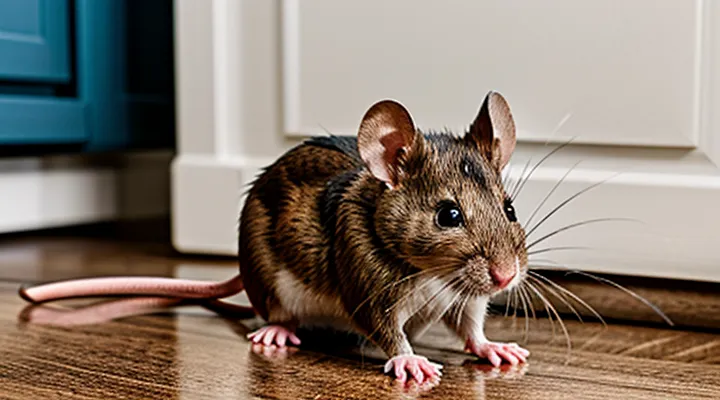
Locating the Source of the Odor
Signs of a Dead Mouse
Dead rodents produce distinct indicators that confirm their presence before any odor mitigation measures become necessary. Recognizing these signs allows rapid intervention and prevents the spread of unpleasant smells.
- Foul, ammonia‑like odor localized near walls, baseboards, or hidden corners.
- Accumulation of droppings, typically dark brown to black, found along travel routes, near food sources, or under appliances.
- Visible carcass or partial decomposition, often concealed in insulation, wall cavities, or behind furniture.
- Increased activity of scavenging insects such as beetles or flies, attracted to the decaying tissue.
- Stains or discoloration on surfaces, including yellowing plaster or greasy marks where fluids have seeped.
- Unusual moisture or damp patches caused by bodily fluids leaking into surrounding materials.
Each indicator warrants immediate inspection and removal of the source, followed by thorough cleaning and ventilation to eliminate lingering odor.
Pinpointing the Location
Visual Inspection
Visual inspection is the first practical step when addressing the odor caused by a deceased rodent inside a residence. The process involves systematic observation of areas where mice are likely to hide or die, as well as spots where the smell is strongest.
- Examine corners of rooms, especially behind furniture, appliances, and stored boxes. Look for signs such as droppings, gnaw marks, or shredded material.
- Inspect wall voids, attic spaces, and crawl‑spaces through accessible panels or vents. Small openings may reveal a carcass or tissue remnants.
- Check under sinks, behind toilets, and around plumbing fixtures. Moist environments attract rodents and can conceal a dead animal.
- Scan ceiling tiles, light fixtures, and HVAC ducts. Airflow can carry the odor, and a hidden source may be lodged within these systems.
- Observe any discoloration or staining on surfaces, which may indicate fluid leakage from decomposition.
During the visual sweep, use a flashlight to illuminate dark zones and a mirror to view concealed corners. If the source remains unidentified after thorough examination, consider employing a trained detection dog or a professional pest‑control service for further assessment. Once located, the carcass should be removed promptly, followed by cleaning and deodorizing procedures to eliminate residual odor.
Olfactory Detection
Olfactory detection refers to the ability to perceive volatile compounds released by decomposing tissue. In an indoor environment, the presence of a dead rodent generates a mixture of amines, sulfur‑containing molecules, and fatty acids that trigger the human nose at low concentrations. Recognizing these chemicals early prevents prolonged exposure and facilitates targeted removal.
The nasal epithelium contains receptors tuned to specific odorants. When a mouse carcass begins to decay, bacterial activity breaks down proteins, producing trimethylamine, cadaverine, and putrescine. These substances travel through air currents and settle on nearby surfaces, creating a detectable gradient that intensifies with proximity to the source.
Effective assessment follows a systematic approach:
- Conduct a visual sweep of concealed areas (behind appliances, under furniture, within wall cavities).
- Observe airflow patterns; stagnant zones often retain higher odor concentrations.
- Perform a controlled sniff test, moving slowly from the periphery toward suspected locations, noting intensity changes.
- Employ commercial odor‑monitoring devices calibrated for amine detection, if available, to confirm the presence of specific decay compounds.
Prompt identification of the odor source enables rapid removal, reduces the risk of secondary contamination, and restores indoor air quality.
Removing the Deceased Rodent
Safety Precautions
Personal Protective Equipment
When a rodent carcass emits odor inside a dwelling, exposure to decomposing tissue, dust, and cleaning chemicals poses health risks. Protective barriers prevent inhalation of volatile compounds, skin contact with pathogens, and accidental ingestion of contaminants.
• Respiratory protection – N95 or higher‑efficiency mask, equipped with a replaceable filter.
• Eye safety – sealed goggles or face shield to block splashes and airborne particles.
• Hand protection – nitrile or latex gloves, double‑layered for added barrier.
• Body coverage – disposable coveralls or a thick plastic apron, sealed at the wrists and ankles.
• Footwear – rubber boots or shoe covers to avoid transferring debris to living areas.
Before commencing odor mitigation, inspect each item for tears or compromised seals. Don equipment in the following order: gloves, coveralls, boots, goggles, then mask. Secure closures to eliminate gaps. After the task, remove PPE from inside to a designated disposal zone, placing contaminated garments in sealed bags before discarding. Perform hand hygiene and wash exposed skin with soap and water.
Consistent use of appropriate protective gear safeguards respiratory and dermal health, reduces cross‑contamination, and enhances the effectiveness of odor‑removal procedures.
Ventilation
Ventilation directly reduces the concentration of foul gases released by a dead rodent. Fresh air replaces contaminated indoor air, lowering the perceived odor intensity.
- Open all accessible windows and exterior doors to create a cross‑draft.
- Position a box fan near a window, directing airflow outward to expel stale air.
- Employ a ceiling or standing fan to circulate air throughout the room, preventing stagnation.
- Run the ventilation system on its highest setting for several hours; ensure intake and exhaust vents are unobstructed.
- If the building has a heat‑recovery ventilator, activate it to introduce filtered fresh air while maintaining temperature.
Supplementary actions enhance the effect of airflow. Place activated‑charcoal or baking‑soda containers in the affected area to absorb residual odors. Use an air purifier equipped with a HEPA filter and activated carbon to capture airborne particles and volatile compounds. Maintain low indoor humidity, as moisture prolongs odor persistence.
Consistent ventilation, combined with targeted odor‑absorbing agents, effectively eliminates the smell of a deceased mouse from indoor environments.
Methods of Removal
Using Tools
A proper selection of equipment is essential for neutralizing the odor left by a deceased rodent inside a dwelling.
- Disposable gloves protect hands from contamination while handling the carcass and cleaning solutions.
- Sealable plastic bags provide a secure container for the removed body, preventing further odor release.
- Enzyme‑based cleaners break down organic matter, eliminating the source of the smell rather than merely masking it.
- Activated‑charcoal filters absorb volatile compounds, useful for treating the air in confined spaces.
- Odor‑neutralizing sprays containing cyclodextrin or ozone‑generating bulbs accelerate the dissipation of lingering scents.
Application steps:
- Wear gloves and place the carcass into a sealable bag; tie securely and dispose of according to local regulations.
- Apply an enzyme cleaner to all surfaces that contacted the mouse, allowing the recommended dwell time for maximum efficacy.
- Position activated‑charcoal bags or filters near the affected area; replace when saturation is evident.
- Use an odor‑neutralizing spray to treat the ambient air, following the product’s safety guidelines.
Routine ventilation, combined with the described tools, ensures rapid removal of the unpleasant smell and restores indoor air quality.
Handling the Carcass
When a dead mouse is discovered inside a residence, immediate removal of the body is essential to prevent odor development and bacterial growth. The carcass must be treated as a potential health hazard; proper handling limits contamination of surfaces and airflow.
- Wear disposable nitrile gloves and a mask rated at least N95.
- Place a single-use plastic bag over the mouse, avoiding direct contact with skin.
- Seal the bag by twisting the top and securing it with a zip‑tie or strong tape.
- Transfer the sealed bag into a second, larger plastic bag for double containment.
- Dispose of both bags in an outdoor trash container with a tight‑fitting lid; do not store inside the home.
After removal, clean the area with a solution of one part bleach to ten parts water. Apply the solution to the floor, walls, or any surface that may have contacted the carcass. Allow the disinfectant to remain for at least five minutes before wiping with a clean cloth. Ventilate the room by opening windows and running an exhaust fan for a minimum of 30 minutes to disperse residual odors.
If the odor persists, inspect adjacent cavities, insulation, or hidden spaces where the mouse may have decomposed. Use a portable HEPA‑rated air purifier to capture lingering airborne particles while additional cleaning agents, such as enzymatic odor neutralizers, are applied to affected materials.
Eliminating Residual Odor
Cleaning the Affected Area
Disinfectants
Disinfectants are essential for neutralizing bacterial growth and lingering odors after a rodent death inside a residence.
Select products that combine antimicrobial action with odor‑absorbing properties. Common categories include:
- Hydrogen peroxide solutions (3‑6 %): break down organic matter, reduce foul smell, safe for most surfaces when diluted.
- Enzyme‑based cleaners: degrade proteins and fats, eliminate source of odor, effective on carpets and upholstery.
- Quaternary ammonium compounds: fast‑acting against bacteria, useful for hard, non‑porous areas, may require ventilation.
- Bleach (sodium hypochlorite, 5‑6 %): strong oxidizer, destroys pathogens, produces characteristic chlorine scent that masks decay temporarily; rinse thoroughly to prevent surface damage.
Application guidelines:
- Wear protective gloves and mask to avoid inhalation of fumes and contact with contaminants.
- Remove visible debris with disposable cloths; seal waste in a plastic bag before disposal.
- Apply disinfectant according to manufacturer instructions, ensuring sufficient contact time (usually 5‑10 minutes).
- For porous materials, use enzyme cleaners that penetrate fibers; repeat treatment if odor persists.
- After treatment, ventilate the area by opening windows or using exhaust fans to disperse residual smells.
Safety considerations:
- Test a small, inconspicuous area before full application to prevent discoloration.
- Store chemicals out of reach of children and pets; keep containers sealed.
- Dispose of used cleaning materials in sealed bags to avoid re‑contamination.
Proper use of the appropriate disinfectant, combined with thorough cleaning and ventilation, effectively eliminates microbial sources of odor and restores indoor air quality after a dead mouse incident.
Odor Neutralizers
Odor neutralizers address the volatile compounds released by decomposing rodents, eliminating the source rather than merely masking the smell. Effective products combine chemical, physical, or biological mechanisms to break down or absorb odor molecules.
Common categories include:
- «Enzymatic cleaners» – contain proteins that catalyze the breakdown of organic matter, converting foul‑smelling compounds into harmless substances.
- «Activated charcoal» – porous structure adsorbs volatile organic compounds, reducing airborne concentration.
- «Ozone generators» – produce ozone (O₃) that oxidizes odor molecules; require controlled exposure to avoid material damage.
- «Baking soda» – alkaline powder neutralizes acidic odor components through simple chemical interaction.
- «Commercial aerosol sprays» – formulated with surfactants and fragrance binders; provide rapid, surface‑level mitigation.
Application protocol:
- Ensure adequate ventilation; open windows and use fans to circulate fresh air.
- Apply the chosen neutralizer according to manufacturer instructions, covering all affected surfaces, including walls, floors, and hidden cavities.
- Allow the product to act for the recommended dwell time, typically 10‑30 minutes for enzymatic solutions and up to 1 hour for charcoal placement.
- Remove residual material safely; dispose of contaminated absorbents in sealed bags.
Maintenance steps:
- Re‑evaluate odor levels after 24 hours; repeat treatment if necessary.
- Replace charcoal filters or refill enzymatic solutions every 2‑4 weeks in persistently affected areas.
- Conduct regular cleaning of the space to prevent re‑accumulation of organic residues.
Proper selection and disciplined use of odor neutralizers eliminate the unpleasant scent associated with indoor rodent deaths, restoring a breathable environment.
Air Purification
Natural Remedies
Natural remedies provide effective, low‑toxicity options for eliminating the odor left by a deceased rodent inside a residence. Begin by locating the source, removing the carcass with protective gloves, and washing the area with hot, soapy water. After the surface is clean, apply one or more of the following agents to absorb and neutralize lingering smells.
- Baking soda spread over carpets, upholstery, or hardwood, left for several hours before vacuuming.
- White vinegar diluted 1:1 with water, sprayed on hard surfaces and allowed to air‑dry.
- Activated charcoal placed in open containers near the affected zone, refreshed weekly.
- Coffee grounds spread thinly on absorbent pads, replaced every two days.
- Essential oils such as eucalyptus, tea tree, or peppermint diluted in water and misted lightly over the area.
- Citrus peels or freshly squeezed lemon juice applied to fabric surfaces, then rinsed after ten minutes.
- Hydrogen peroxide (3 %) applied to non‑porous surfaces, left to foam briefly before wiping clean.
Ventilation enhances the action of these substances; open windows and run exhaust fans for at least 30 minutes after treatment. Repeating the chosen remedy daily until the odor dissipates ensures complete eradication.
Activated Charcoal
Activated charcoal, also known as «activated carbon», consists of porous carbon particles that adsorb volatile compounds through a large surface area. The material captures odor‑causing molecules rather than chemically reacting with them, making it suitable for neutralizing the smell emitted by decomposing rodents.
To employ activated charcoal for indoor rodent odor elimination, follow these steps:
- Locate the source of the odor; if removal of the carcass is possible, do so first.
- Place several open containers (plastic bowls or breathable fabric bags) filled with activated charcoal around the affected area.
- Ensure containers remain uncovered to allow air circulation; replace the charcoal every 48 hours until the odor subsides.
- Maintain low humidity; moisture reduces adsorption efficiency.
Safety considerations include keeping activated charcoal out of reach of children and pets, and avoiding inhalation of fine dust during handling. The material is non‑toxic and does not release secondary odors, making it preferable to chemical deodorizers that may introduce additional volatile organic compounds.
When activated charcoal proves insufficient, combine it with supplementary measures such as increased ventilation, dehumidification, and thorough cleaning of surfaces with enzymatic cleaners. This integrated approach maximizes the removal of unpleasant smells associated with dead mice in indoor environments.
Coffee Grounds
Coffee grounds act as a natural odor‑absorbing agent. The porous structure traps volatile compounds, reducing the perception of decay smell within enclosed spaces.
To employ coffee grounds effectively, follow these steps:
- Collect fresh, dry grounds after brewing. Avoid grounds that have been exposed to moisture for extended periods, as they lose absorptive capacity.
- Spread a thin layer of grounds on a shallow tray or disposable plate. The surface area should match the size of the affected room or the specific location where the odor originates.
- Position the tray near the source of the smell, ensuring it does not contact the carcass directly. Air circulation will carry odor molecules onto the grounds.
- Leave the grounds in place for 24–48 hours. Replace with fresh grounds if the odor persists after the initial period.
- Dispose of used grounds in a sealed bag before discarding them, preventing re‑release of trapped odors.
Coffee grounds can be combined with other absorbents, such as baking soda, for enhanced effect. The combination leverages the acidic properties of coffee and the alkaline nature of baking soda, creating a broader spectrum of odor neutralization. Regular replacement maintains maximum efficacy until the source is fully removed and the indoor environment returns to a neutral scent profile.
Commercial Products
Commercial odor‑control products provide rapid, reliable elimination of decay smell from indoor rodent incidents. Formulations combine chemical oxidation, biological degradation, or adsorption to neutralize volatile compounds responsible for foul odor.
Key product categories include:
- Enzymatic cleaners that break down protein‑based residues; examples «Bio‑Degrade» and «EnzClean».
- Ozone generators delivering controlled ozone concentrations to oxidize odor molecules; models such as «OzoPure 3000».
- Activated‑charcoal air filters designed for continuous adsorption; units like «CharClear» and «AirSilence».
- Aerosol neutralizers containing cyclodextrin complexes; brands «OdorX» and «FreshMist».
- Professional fogging systems dispersing mist‑borne disinfectants; systems «FogMaster Pro» and «MistGuard».
Selection criteria focus on efficacy against sulfide and amine compounds, material compatibility, and safety certifications. Preference should be given to products with documented performance in enclosed environments and low toxicity ratings.
Application protocol:
- Remove the carcass and any contaminated debris; dispose of material according to local regulations.
- Ventilate the space by opening windows and using exhaust fans for at least 30 minutes.
- Apply enzymatic cleaner to surfaces directly contacting the source; allow contact time of 10–15 minutes before wiping.
- Position ozone generator centrally; operate for the manufacturer‑specified duration, typically 20–45 minutes, ensuring no occupants remain inside.
- Deploy activated‑charcoal units or aerosol neutralizers after ozone treatment; replace filters or refill cartridges according to usage guidelines.
- Conduct final ventilation for an additional 15 minutes before re‑occupying the area.
Adherence to manufacturer instructions and personal protective equipment usage minimizes health risks while ensuring complete odor eradication. Regular monitoring of air quality confirms successful remediation.
Air Fresheners
Air fresheners provide a rapid means of masking the odor left by a deceased rodent in interior spaces. Their volatile compounds disperse through the air, creating a scent barrier that reduces the perception of decay.
Common formats include:
- Aerosol sprays – deliver a burst of fragrance, suitable for immediate treatment of confined areas.
- Plug‑in dispensers – emit a continuous stream, ideal for prolonged odor control in rooms with high foot traffic.
- Gel beads – release scent slowly, useful for closets or small enclosures.
- Natural diffusers – employ essential oils, offering a chemical‑free alternative.
Selection should consider:
- Scent intensity – choose a level that overwhelms the underlying smell without causing sensory irritation.
- Chemical composition – prefer formulations free of harsh solvents when occupants include pets or children.
- Longevity – match product lifespan to the expected duration of remediation efforts.
Effective use requires strategic placement near the source of odor, ensuring airflow carries the fragrance throughout the affected zone. Activate the device after thorough cleaning and maintain adequate ventilation to prevent buildup of concentrated vapors. Replace cartridges or refill containers according to manufacturer guidelines to sustain performance.
Safety precautions include:
- Verifying that the product complies with indoor air quality standards.
- Keeping aerosols away from open flames and heat sources.
- Monitoring for allergic reactions among occupants; discontinue use if symptoms arise.
Air fresheners function best when combined with source removal, surface cleaning, and adequate drying. Together, these measures accelerate the elimination of the unpleasant smell associated with a dead mouse indoors.
Ozone Generators
Ozone generators create a high‑energy form of oxygen that reacts with volatile organic compounds responsible for the foul odor of a deceased rodent. The oxidation process breaks down the odor‑causing molecules, converting them into harmless substances such as carbon dioxide and water.
Safety considerations are mandatory. Ozone concentrations above occupational limits can irritate respiratory passages. Operate the device in a sealed area, monitor ozone levels with a calibrated detector, and ensure thorough ventilation after treatment to reduce residual ozone to safe levels.
Practical application:
- Choose a unit rated for the room’s volume; capacity should exceed the space by at least 20 %.
- Place the generator centrally, away from fabrics and electronic equipment.
- Activate the machine for a period proportional to the odor intensity; typical cycles range from 30 minutes to 2 hours.
- After the cycle, open windows and run exhaust fans for at least 15 minutes to disperse remaining ozone.
- Verify odor elimination by inspecting the affected area; repeat the cycle if traces persist.
Regular maintenance of the generator, including filter replacement and cleaning of the ozone output chamber, preserves efficiency and prolongs service life.
Preventing Future Infestations
Sealing Entry Points
Sealing entry points prevents additional rodents from entering the premises and stops fresh odors from escaping the original source.
Identify potential openings by inspecting walls, floors, ceilings, and utility penetrations. Look for gaps around pipes, vents, windows, doors, and foundation cracks.
- Close gaps larger than ¼ inch with steel wool, copper mesh, or expanding foam.
- Apply caulk or sealant to small fissures and seams.
- Install weatherstripping on doors and windows to block narrow passages.
- Fit metal flashing over larger openings around vents and ducts.
Use durable, pest‑resistant materials such as stainless‑steel mesh and silicone‑based sealants. Ensure surfaces are clean and dry before application to achieve optimal adhesion.
After sealing, monitor the sealed areas regularly for signs of new activity. Reapply sealant if cracks reappear due to building settlement or moisture movement. Maintaining a tight envelope eliminates pathways for rodents and helps control any lingering odor.
Rodent Control Strategies
Effective rodent control prevents the accumulation of carcasses that generate persistent indoor odors.
Key strategies include:
- Sealing entry points with metal mesh, steel wool, or caulk to block access.
- Maintaining cleanliness by storing food in airtight containers and promptly disposing of waste.
- Deploying snap traps or electronic traps in identified activity zones; check and replace traps daily.
- Applying rodent‑repellent granules or ultrasonic devices near potential ingress locations.
- Conducting regular inspections of attics, basements, and crawl spaces to detect signs of infestation early.
When a dead rodent is discovered, immediate action reduces odor development:
- Remove the carcass with disposable gloves, place it in a sealed bag, and discard according to local regulations.
- Clean the affected area with a detergent solution, then apply an EPA‑approved disinfectant.
- Increase ventilation by opening windows and using fans to circulate fresh air.
- Use activated charcoal or baking soda placed around the site to absorb residual smells.
Integrating preventive measures with prompt removal and thorough sanitation eliminates odor sources and deters future rodent activity.