
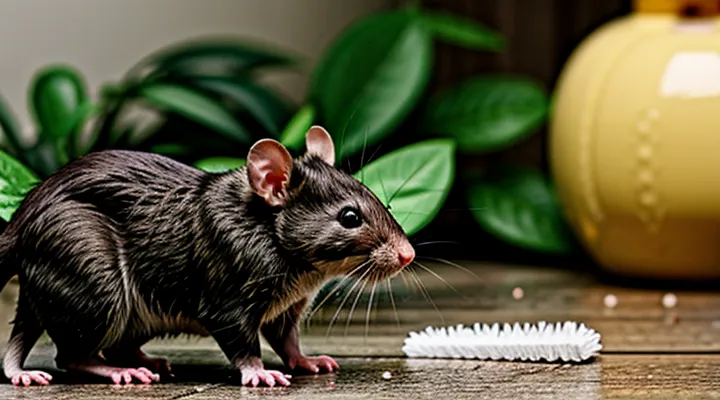
Understanding the Rat Odor Problem
Identifying the Source of the Odor
Locating Rat Infestation Areas
Rats leave distinct evidence that points to the exact locations of their colonies. Identify these signs to target the source of the odor effectively.
- Fresh droppings: small, dark, and typically found along walls, behind appliances, and in concealed corners. Fresh deposits indicate active activity.
- Gnaw marks: parallel bite patterns on wood, plastic, or wiring. Concentrated gnawing suggests nesting proximity.
- Nesting material: shredded fabric, paper, insulation, or dried food remnants. Accumulations near hidden spaces reveal burrow sites.
- Tracks and footprints: visible on dusty surfaces or in soft soil. Footprints often appear in linear paths leading to entry points.
- Audible cues: scratching, scurrying, or squeaking sounds, especially at night, pinpoint active chambers.
- Odor intensity: a strong, musky smell concentrates near nests and latrine areas. Use a handheld odor detector to locate the strongest concentration.
Conduct a systematic inspection:
- Seal off the building, then walk the perimeter, noting any droppings or gnaw marks.
- Examine concealed areas such as attics, crawl spaces, basements, and wall voids.
- Use a flashlight to illuminate dark corners and a mirror to view hidden gaps.
- Deploy motion-activated cameras in suspected zones to confirm presence.
- Record each finding on a floor plan, marking hotspots for targeted treatment.
Accurate location of infestation zones enables precise odor remediation and prevents recurrence.
Pinpointing Urine and Feces Stains
Detecting rat urine and feces is the first step in eliminating the lingering smell. Fresh urine appears as a clear, wet spot; aged urine dries to a yellow‑brown ring. Feces are typically dark, pellet‑shaped, and may cling to walls, insulation, or stored items. Both substances emit a distinctive ammoniacal odor that intensifies in confined spaces.
Effective identification methods:
- Visual inspection: Look for discoloration, staining, or moisture lines on surfaces. Pay special attention to corners, behind appliances, and under cabinets where rodents travel.
- UV illumination: Rat urine fluoresces under a black‑light (365 nm). Scan walls, floors, and furniture in a darkened room; bright green patches reveal hidden deposits.
- Moisture detection: Use a handheld moisture meter to locate damp areas that may harbor soaked urine, especially in porous materials like wood or drywall.
- Scent testing: A small piece of gauze or cotton swab pressed on suspect spots can capture odor for quick verification. Strong ammonia or musky notes confirm contamination.
Once stains are located, mark them with painter’s tape or a removable sticker. This visual cue prevents missed spots during cleaning and ensures thorough treatment of the entire affected area.
Health Risks Associated with Rat Odor
Hantavirus Prevention
Rats leave urine, feces, and saliva that can carry hantavirus; any effort to eliminate their odor must address this health threat.
Before entering an infested area, seal vents, shut off HVAC, and keep pets and children away.
Wear disposable gloves, N‑95 respirator, goggles, and a disposable coverall. Change and discard protective items after each exposure.
Clean surfaces with a solution of 1 part bleach to 10 parts water or a EPA‑registered disinfectant proven against hantavirus. Apply the solution, let it remain for at least ten minutes, then wipe with disposable rags.
Dispose of contaminated materials in sealed bags placed inside a locked trash container.
After cleaning, wash hands thoroughly with soap and water, then shower.
Monitor the space for lingering odor; repeat disinfection if smell persists.
Maintain rodent exclusion by sealing entry points, removing food sources, and setting traps.
Regularly inspect for new droppings; if found, repeat protective cleaning protocol immediately.
Other Pathogens and Allergens
Rats leave behind urine, feces, and saliva that harbor a range of microorganisms and allergenic substances. These contaminants persist even after the odor is neutralized and can cause health problems if not addressed.
Bacterial agents commonly found include Salmonella, Leptospira (Leptospirosis), and Staphylococcus species. Viral agents may involve hantavirus and rat-borne encephalitis viruses. Parasites such as Hymenolepis tapeworms and rodent mites can also be present in droppings and nesting material.
Allergenic particles consist of:
- Dried urine crystals that become airborne and irritate respiratory tracts.
- Shed fur and dander that trigger asthma and allergic rhinitis.
- Mold spores that develop on damp, contaminated surfaces.
- Dust mite remnants that accumulate in hidden cavities.
Effective mitigation requires a systematic approach:
- Personal protection – wear disposable gloves, N‑95 respirator, and eye protection before any contact.
- Removal of contaminated material – seal droppings, nesting debris, and insulation in heavy‑duty bags; dispose of according to local hazardous‑waste guidelines.
- Disinfection – apply EPA‑registered disinfectant with proven efficacy against Leptospira and hantavirus; follow contact time instructions.
- Decontamination of surfaces – scrub hard surfaces with detergent, rinse, then treat with a 10 % bleach solution (1 part bleach to 9 parts water).
- Air purification – operate HEPA‑filtered air scrubbers for at least 30 minutes per 500 ft² to capture airborne allergens and spores.
- Post‑treatment verification – conduct visual inspection for residue, use ATP testing or swab kits to confirm microbial reduction.
Neglecting these pathogens and allergens can undermine odor‑removal efforts, leading to recurrent odor, structural damage, and increased risk of infection or allergic reactions. Comprehensive cleaning that targets both smell and the underlying biological hazards ensures a safe, odor‑free environment.
Preparation and Safety Measures
Essential Personal Protective Equipment
Gloves and Masks
Gloves serve as the primary barrier between skin and contaminated surfaces when tackling rat‑associated odors. Choose nitrile or thick latex gloves that resist puncture and chemical penetration; they prevent direct contact with urine, feces, and cleaning agents. Inspect gloves for tears before each use and replace them immediately if damage appears.
Masks protect the respiratory tract from airborne particles and volatile compounds released by rodent waste. Opt for N95 respirators or half‑face masks equipped with activated‑carbon filters to capture both dust and odor‑causing gases. Verify a proper seal by performing a fit check each time the mask is donned.
Key practices for effective personal protection:
- Wear gloves and masks simultaneously; do not rely on one piece of equipment alone.
- Remove gloves by turning them inside out, avoiding skin contact with the outer surface.
- Dispose of used gloves and masks in sealed bags before discarding.
- Wash hands thoroughly after glove removal, even when gloves appear intact.
- Store spare gloves and masks in a clean, dry area to maintain their integrity.
Adhering to these guidelines minimizes health risks while cleaning and deodorizing areas affected by rodent activity.
Protective Clothing
When tackling persistent rodent odor, the primary health risk stems from inhalation of contaminated particles and contact with residues that may carry pathogens. Protective clothing creates a barrier that prevents skin absorption and reduces airborne exposure during cleaning, decontamination, and disposal procedures.
A practical PPE ensemble includes:
- Disposable coveralls made of polyethylene or Tyvek, sealed at cuffs and ankles.
- Nitrile or latex gloves, double‑gloved for added protection.
- Half‑face respirator equipped with P100 filters to capture fine odor‑bearing particulates.
- Safety goggles or full‑face shield to guard eyes from splashes.
- Waterproof boots with sealed tops, worn over disposable shoe covers.
Materials should be chemically resistant, low‑permeability, and rated for biological hazard protection. Choose garments with sealed seams and pull‑on closures to minimize gaps. Ensure that each item fits snugly; loose clothing can allow contaminants to settle on exposed skin.
Before entry, inspect the protective ensemble for tears, punctures, or compromised seals. Replace damaged components immediately. After work, remove PPE in a controlled order—boots, gloves, coveralls, respirator—to avoid cross‑contamination. Discard disposable items in sealed biohazard bags; decontaminate reusable gear according to manufacturer guidelines, typically with a 10‑minute soak in a 1% bleach solution followed by thorough rinsing.
Adhering to these protective clothing protocols limits exposure to harmful agents, safeguards the operator’s health, and contributes to the effective eradication of rodent‑derived odor.
Ventilating the Affected Area
Opening Windows and Doors
Opening windows and doors creates a pathway for contaminated air to exit and fresh air to enter, accelerating the removal of rat‑related odors. The process relies on natural air movement and, when combined with mechanical ventilation, can significantly reduce the concentration of odor‑causing molecules.
Key actions:
- Position windows and exterior doors opposite each other to establish cross‑ventilation.
- Keep openings unobstructed; remove curtains, blinds, or furniture that blocks airflow.
- Use fans to boost air exchange, directing stale air toward an open window or door.
- Maintain the ventilation period for at least several hours; longer exposure yields greater odor dilution.
- After the initial ventilation, repeat the procedure daily until the smell no longer registers.
Supplementary measures:
- Ensure all gaps around doors and windows are sealed after the ventilation phase to prevent re‑entry of foul air.
- Combine with cleaning of affected surfaces; ventilation alone does not eliminate residues that continue to emit odor.
- Monitor indoor humidity; low humidity enhances the effectiveness of airflow in dispersing odor particles.
By systematically applying these steps, the indoor environment becomes less saturated with rat odor, facilitating subsequent cleaning and deodorizing efforts.
Using Fans for Airflow
Effective ventilation accelerates the breakdown of rat‑derived odors by diluting volatile compounds and promoting natural desiccation. Position high‑capacity fans to create a steady airflow across affected surfaces, ensuring that stale air is expelled and fresh air is drawn in.
- Choose fans with adjustable speed settings; start at medium velocity and increase if odor persists.
- Place one fan near the source of contamination, directing airflow outward toward an open window or exhaust vent.
- Install a second fan opposite the first to pull fresh air into the space, establishing a cross‑draft.
- Run fans continuously for at least 24 hours, then assess odor levels before reducing operation.
Maintain fan filters clean to prevent re‑circulation of odor particles. Replace or wash filters according to manufacturer recommendations, typically every 48 hours during intensive remediation.
Combine airflow with supplemental measures such as enzymatic cleaners or activated charcoal to achieve comprehensive odor elimination. Continuous ventilation reduces residual smell and supports long‑term indoor air quality.
Removing Deceased Rodents
Safe Handling Techniques
When dealing with residual rat odor, protect yourself from potential health hazards. Wear disposable nitrile gloves, a properly fitted N‑95 respirator, and eye protection before entering contaminated areas. Seal clothing and footwear in plastic bags after exposure and wash hands thoroughly with soap and water.
Use only chemical agents approved for indoor use on organic waste. Apply an enzymatic cleaner directly to affected surfaces, allowing the recommended dwell time for microbial breakdown of odor‑causing compounds. Follow with a neutralizing spray containing activated charcoal or ozone‑free deodorizer, ensuring adequate ventilation.
Dispose of all contaminated materials in sealed, leak‑proof containers. Label bags clearly as “biohazard” and place them in a designated waste bin for hazardous disposal. Do not reuse cleaning tools without a complete sanitation cycle using a high‑temperature washer or a disinfectant solution with at least 0.5 % chlorine.
Maintain a clean environment after treatment. Vacuum floors with a HEPA‑rated unit, then mop with a diluted bleach solution (1 part bleach to 10 parts water). Repeat the cleaning cycle weekly for two weeks to prevent odor recurrence.
Proper Disposal Methods
Proper disposal of rat‑contaminated materials is essential for eliminating lingering odor and preventing reinfestation. Remove all visible debris, such as droppings, nesting material, and dead rodents, using disposable gloves and a sealed plastic bag. Place the bag in a sturdy trash container, seal it, and transport it to a municipal landfill or waste‑handling service that accepts biohazardous waste.
Sanitize surfaces after removal. Apply a solution of one part bleach to nine parts water, saturate the area, and allow it to remain wet for at least ten minutes. Rinse with clean water, then dry thoroughly. For porous items (carpet, insulation, wood) that have absorbed urine or feces, discard them rather than attempting cleaning, as odor can persist within the material.
When disposing of contaminated waste, follow these steps:
- Wear disposable gloves and a mask to avoid inhalation of odor particles.
- Seal each item in a double‑layered, heavy‑duty plastic bag.
- Label the outer bag with “Rodent‑contaminated waste” for proper handling.
- Deliver the sealed bags to a licensed waste disposal facility within 24 hours.
- Record the disposal date and location for future reference.
If local regulations require special permits for biohazardous material, obtain them before transport. Failure to comply can result in fines and continued odor problems. Properly executed disposal eliminates the primary source of smell, allowing subsequent cleaning measures to be effective.
Cleaning and Disinfection Strategies
Initial Odor Removal Steps
Removing Contaminated Materials
Rats leave urine, feces, and nesting debris that absorb moisture and retain strong smells. Effective odor elimination begins with the removal of all contaminated items. Identify any material that has been in direct contact with rodent waste—carpet padding, insulation, drywall, upholstery, and stored food containers. These substances must be extracted, sealed, and disposed of according to local hazardous‑waste guidelines.
- Isolation – Place each contaminated item in a heavy‑duty plastic bag, seal tightly, and label as biohazard.
- Disposal – Transport sealed bags to a licensed waste‑management facility; do not place them in regular trash.
- Decontamination of reusable objects – For items that can be salvaged (e.g., metal shelves, hard‑plastic bins), scrub with a detergent solution, then apply an EPA‑approved disinfectant that neutralizes ammonia and bacterial residues. Rinse thoroughly and allow to dry completely before reuse.
- Removal of porous materials – Carpets, padding, and drywall absorb odors deeply; they should be cut out and removed in sections no larger than 4 ft × 4 ft to facilitate handling. Replace with new, untreated material after the surrounding area has been cleaned and ventilated.
- Protective measures – Wear disposable gloves, N‑95 respirator, and goggles throughout the process to prevent inhalation of aerosolized particles and exposure to pathogens.
After all contaminated materials are eliminated, proceed with thorough cleaning of the affected area using enzymatic cleaners that break down organic compounds, followed by ventilation and, if necessary, ozone treatment to eradicate any residual odor molecules. This systematic removal and disposal of tainted substances ensures that the source of the smell is fully eradicated, preventing re‑emission of the odor over time.
Vacuuming and Sweeping
Effective removal of rat‑related smell begins with thorough cleaning of all surfaces where droppings, urine, or nest material may have settled. Dust and debris trap odor molecules; eliminating them reduces the source of the scent.
- Use a high‑efficiency particulate air (HEPA) vacuum to capture fine particles. Operate the machine slowly over each area, overlapping strokes to ensure complete coverage.
- Follow vacuuming with a wet‑mop sweep. Dampen a mop with a solution of warm water and an enzymatic cleaner; the moisture dissolves residual organic matter while the enzyme breaks down odor‑causing compounds.
- After mopping, allow the floor to air‑dry completely before replacing any rugs or furniture. Moisture left on the surface can promote bacterial growth, which reintroduces unpleasant odors.
Consistent application of these steps—vacuuming with a HEPA filter, then sweeping with an enzymatic solution—significantly lowers the intensity of rodent odor and prepares the area for any additional treatment, such as odor‑neutralizing sprays or deep‑cleaning of upholstery.
Cleaning Surfaces with Enzymatic Cleaners
Application on Hard Surfaces
Eliminating rat odor from hard surfaces requires thorough cleaning, neutralization, and protection against re‑contamination.
Begin with removal of debris. Sweep or vacuum the area to discard droppings, nesting material, and any loose residue. Use a HEPA‑rated filter to prevent aerosolized particles from spreading.
Apply an enzymatic cleaner. Choose a product formulated for protein‑based stains, as rat secretions contain urine and fecal proteins. Spray the solution generously, ensuring full coverage of cracks, seams, and joints. Allow the enzyme to act for the manufacturer‑specified dwell time, typically 10–15 minutes, to break down odor‑causing compounds.
Rinse with warm water. Flush the surface with a hose or mop, removing residual cleaner and dissolved contaminants. For impermeable surfaces such as tile, stone, or sealed concrete, a final rinse with a mild detergent solution can help eliminate any lingering film.
Neutralize remaining odor. Apply a vinegar‑water mixture (1 part white vinegar to 4 parts water) or a commercial odor‑absorbing agent. Spread evenly, let sit for 5 minutes, then wipe dry with a clean microfiber cloth.
Seal the surface. After the area dries completely, coat with a suitable sealant—polyurethane for wood, epoxy for concrete, or a tile‑grade sealer for stone. The barrier locks in any residual scent molecules and discourages future rodent activity.
Routine maintenance. Sweep daily, mop weekly with a mild disinfectant, and inspect for signs of re‑infestation. Prompt action prevents odor buildup and preserves the effectiveness of the treatment.
Application on Fabrics and Carpets
Rats can leave a persistent, ammonia‑like scent in fabrics and carpets that penetrates deep into fibers. Removing this odor requires a method that breaks down urine proteins and eliminates bacterial growth without damaging the material.
Begin by isolating the affected area. Open windows, run a fan, and vacuum thoroughly to pick up loose debris and dried droppings. Use a vacuum equipped with a HEPA filter to prevent redistribution of particles.
Select an appropriate cleaning agent. Effective options include:
- Enzyme‑based cleaners: hydrolyze urine proteins, neutralizing odor at the molecular level.
- White vinegar solution (1 part vinegar to 4 parts water): lowers pH, inhibits bacterial activity.
- Baking soda paste (baking soda mixed with a small amount of water): absorbs moisture and odor.
- Commercial odor‑neutralizing sprays formulated for pet stains: contain surfactants and odor‑binding compounds.
Apply the chosen solution using the following procedure:
- Test a hidden spot to confirm colorfastness.
- Spray or dab the solution onto the stained section, ensuring saturation without oversaturating the backing.
- Allow the product to work for 10–15 minutes; longer dwell times improve protein breakdown.
- Blot with a clean, dry cloth or towel, pressing to extract liquid and odor compounds.
- Rinse lightly with water if the cleaner’s label recommends it, then blot again to remove excess moisture.
- Sprinkle baking soda over the area, let sit for 30 minutes, then vacuum.
After treatment, dry the fabric or carpet completely. Use a dehumidifier or low‑heat fan to accelerate evaporation. Inspect the site; repeat the process if the scent persists. For extensive contamination or persistent odor, professional steam cleaning may be necessary to reach deeper layers.
Disinfecting with Bleach Solutions
Dilution Ratios for Different Surfaces
Effective odor control begins with selecting the correct solution concentration for each material. Over‑dilution reduces potency; under‑dilution risks damage or lingering scent.
- Hardwood floors – 1 part enzymatic cleaner to 16 parts water (approximately 6 %). Apply with a mop, allow 10 minutes, then rinse with clean water.
- Tile and grout – 1 part cleaner to 8 parts water (12.5 %). Spray, scrub lightly, let sit 5 minutes, rinse thoroughly.
- Carpet and rug fibers – 1 part cleaner to 4 parts water (20 %). Use a low‑foam sprayer, work into fibers, blot with clean cloth, repeat if odor persists.
- Drywall and plaster – 1 part cleaner to 10 parts water (9 %). Apply with a sponge, avoid oversaturation, wipe with a damp cloth after 8 minutes.
- Upholstery fabric – 1 part cleaner to 6 parts water (14 %). Test a hidden area, spray evenly, let dry completely before use.
- Concrete or masonry – 1 part cleaner to 12 parts water (7.5 %). Scrub with a stiff brush, let react for 15 minutes, rinse with pressure water.
Maintain consistent contact time for each surface; insufficient exposure limits enzymatic breakdown of urine proteins, the primary source of the smell. Adjust ratios only when manufacturer guidelines specify alternative strengths for specialized cleaners.
Application and Dwell Time
Effective odor elimination requires precise application and adequate dwell time. Begin by removing visible debris, then saturate the affected area with a suitable deodorizing agent. The product must contact all contaminated surfaces, including cracks, insulation, and porous materials.
- Choose a neutralizer formulated for rodent urine and feces; enzymatic cleaners break down organic compounds, while oxidizing agents oxidize odor molecules.
- Dilute according to manufacturer instructions; excessive dilution reduces efficacy, while undiluted concentrate may damage surfaces.
- Apply using a spray bottle, pump sprayer, or fogger to ensure even coverage. For large spaces, a fogger distributes fine droplets that penetrate hidden voids.
- After application, seal the area if possible to prevent evaporation and maintain contact.
Dwell time varies by formulation:
- Enzymatic cleaners: minimum 30 minutes, optimum 2–4 hours; longer exposure allows enzymes to hydrolyze odor precursors.
- Oxidizing agents (e.g., hydrogen peroxide, ozone): 10–20 minutes for surface treatment; enclosed environments may require 30–60 minutes to achieve complete oxidation.
- Absorbent powders: 1–2 hours; powder must remain undisturbed until fully absorbed, then vacuum or sweep.
After the prescribed dwell period, remove excess product with a clean mop, vacuum, or pressurized air. Repeat the process if odor persists, extending dwell time by 15–30 minutes per cycle. Consistent adherence to application rates and dwell intervals ensures thorough neutralization of rat‑related smells.
Addressing Persistent Odors
Using Activated Charcoal
Rats leave a strong, ammonia‑like odor that persists after the animals are gone. Activated charcoal removes this smell by adsorbing the volatile compounds released from urine and feces.
The material’s porous structure provides an extensive surface area, allowing organic molecules to bind to its interior. Food‑grade or horticultural charcoal, free of additives, is the most effective type for odor control.
Preparation
- Purchase plain activated charcoal in bulk or in pre‑packaged bags.
- Place the charcoal in breathable containers such as cotton muslin bags, mesh sacks, or perforated plastic bins.
- Keep the containers dry; moisture reduces adsorption capacity.
Placement
- Position containers in every area where the odor is detectable: under cabinets, in corners, near entry points, and on shelves.
- Use one container for each 50–100 ft² of affected space.
- Distribute multiple containers evenly to ensure coverage.
Operation time
- Allow the charcoal to sit for 48–72 hours.
- Replace or refresh the material when it turns dark or saturated with odor.
- Re‑evaluate the space after each cycle; repeat until the smell is no longer perceptible.
Safety precautions
- Store containers out of reach of children and pets.
- Wear gloves when handling charcoal to avoid skin irritation.
- Avoid inhaling dust; handle in a well‑ventilated area.
Complementary actions
- Clean all surfaces with an enzymatic cleaner to break down residual organic matter.
- Increase airflow with fans or open windows to accelerate odor dispersion.
- After thorough cleaning, maintain activated charcoal in place for several days to prevent re‑emergence of the smell.
Using activated charcoal in this systematic manner eliminates rat‑related odor efficiently and safely.
Employing Ozone Generators (with Caution)
Ozone generators can neutralize the volatile compounds that cause rat‑related smells, but they must be used with strict safety controls.
First, isolate the affected area. Close doors, seal vents, and remove pets and people from the space. Place the ozone unit in the center of the room, ensuring it is level and unobstructed.
Next, set the device to a concentration appropriate for the room size. Typical residential units operate between 1 ppm and 5 ppm; larger infestations may require the higher end of this range. Activate the generator for a period of 30 minutes to 2 hours, depending on odor intensity. Monitor the timer and avoid exceeding the manufacturer’s maximum runtime.
After ozone exposure, ventilate thoroughly. Open windows and run fans for at least 30 minutes to disperse residual ozone. Verify that ozone levels have dropped below 0.05 ppm before re‑entering the area.
Key precautions:
- Do not occupy the space while the generator is running.
- Wear protective eyewear and gloves when handling the equipment.
- Keep children, animals, and plants away from the treated zone.
- Use a calibrated ozone monitor to confirm safe concentrations after treatment.
- Store the unit out of reach of unauthorized users.
Follow these steps to employ ozone technology effectively while minimizing health risks and ensuring the odor is eliminated.
Preventing Future Odor Problems
Sealing Entry Points
Inspecting and Repairing Gaps
Eliminating persistent rat odor begins with eliminating the pathways that allow rodents to enter and excrete. Identify every opening in the building envelope, then restore the barrier to prevent future contamination.
- Examine the foundation for cracks wider than ¼ inch.
- Check walls, especially where utilities penetrate, for gaps around pipes, cables, and vent stacks.
- Inspect the roofline, soffits, and eaves for damaged flashing or missing shingles.
- Survey doors and windows; verify that weather‑stripping is intact and that sweeps close tightly.
- Look under appliances, in cabinets, and behind furniture for hidden holes.
Repair each defect with appropriate materials:
- Fill foundation cracks with hydraulic cement or epoxy mortar.
- Apply steel wool or copper mesh to larger voids, then seal with silicone or polyurethane caulk.
- Replace damaged flashing, install metal sheeting, and secure roof vents with mesh covers.
- Install new door sweeps, reinforce door frames, and add high‑quality weather‑stripping.
- Use expanding foam for irregular gaps, trimming excess after cure.
After repairs, conduct a smoke test or use a handheld air‑flow detector to confirm airtightness. Re‑inspect areas where odor was strongest; if residue remains, clean surfaces with enzymatic cleaners before sealing. Completing these steps blocks rodent access, halts further odor production, and facilitates the removal of existing smells.
Using Steel Wool and Caulk
Rats leave a lingering smell that can penetrate walls, floors, and crawl spaces. The odor often originates from urine, feces, and decomposing tissue left behind in hidden cavities. Sealing the affected openings stops further contamination and isolates the source, making remediation more effective.
Steel wool provides a physical barrier that rodents cannot chew through, while caulk creates an airtight seal that traps odor molecules and prevents air exchange with the rest of the structure. Combining the two materials yields a durable, odor‑blocking closure that is also resistant to moisture and pest intrusion.
- Identify all visible holes, gaps, and cracks near the infestation site.
- Stuff each opening with a generous amount of steel wool, ensuring the fibers fill the space completely.
- Apply a bead of silicone‑based caulk over the steel wool, spreading it to cover the entire area and create a smooth, seamless surface.
- Allow the caulk to cure according to the manufacturer’s instructions, typically 24 hours, before exposing the area to normal use.
After sealing, ventilate the space for several hours to disperse trapped odor. If the smell persists, clean the surrounding surfaces with an enzymatic cleaner that breaks down organic residues. Repeat the sealing process on any newly discovered gaps to maintain a comprehensive barrier.
Maintaining a Clean Environment
Proper Food Storage
Proper food storage directly limits the availability of nutrients that attract rodents, thereby reducing the source of persistent rat odor. When food is sealed, inaccessible, and regularly inspected, the likelihood of contamination and the subsequent smell diminish sharply.
- Store dry goods in containers with lock‑tight lids made of plastic or metal.
- Keep containers off the floor; use shelves or pallets to create a barrier between food and potential pest pathways.
- Label each container with the purchase date; practice first‑in‑first‑out rotation to prevent spoilage.
- Clean storage areas weekly, removing crumbs, spills, and debris that could serve as a food source.
- Inspect seals and integrity of containers before each use; replace any damaged units immediately.
Consistent application of these measures removes the primary food source that sustains rat activity, leading to a noticeable decline in odor and a healthier environment.
Regular Waste Disposal
Regular waste disposal directly influences the persistence of rodent‑related smells. When food scraps, droppings, or nesting material are left in trash, they provide a continuous source of odor that can infiltrate walls, floors, and ventilation systems.
- Use sturdy, sealable bags for all waste containing organic matter.
- Replace bags at least once daily in areas where rodents have been active.
- Store trash containers away from living spaces, preferably in a cool, dry location.
- Clean the interior of bins with a disinfectant solution after each bag removal.
- Ensure lids fit tightly and consider adding a secondary lid or lock to prevent re‑entry.
Frequent removal of contaminated waste eliminates the substrate that sustains bacterial growth and volatile compounds responsible for the smell. Combining disciplined trash management with thorough cleaning of affected surfaces accelerates the reduction of odor and discourages further rodent activity.
Implementing Rodent Control Measures
Trapping and Baiting Strategies
Effective elimination of rat odor begins with removing the animals that generate it. Trapping and baiting reduce the population, cut off the source of secretions, and prevent further contamination.
Live-catch traps, snap traps, and electronic devices each serve specific scenarios. Place traps along walls, near droppings, and in dark corners where rodents travel. Set traps at night, when activity peaks, and check them each morning. Secure traps to prevent accidental release.
Bait selection influences capture rates. Use high-protein foods such as peanut butter, dried fish, or commercial rodent lures. Position bait on the trap’s trigger mechanism, ensuring the scent is concentrated. Rotate bait types weekly to avoid habituation. Keep bait away from pets and children, and store unused portions in sealed containers.
Integrating both approaches yields reliable results:
- Deploy multiple trap types to address varying rodent sizes.
- Distribute baited traps evenly across the infested area.
- Record capture locations to identify hot spots.
- Remove captured rodents promptly, seal them in a bag, and dispose of them according to local regulations.
- After removal, clean surfaces with enzymatic cleaners to break down residual odors.
Continuous monitoring for several weeks confirms the decline of activity. Once captures cease, maintain a few traps as a precaution and keep bait stations stocked to deter re‑infestation. This systematic strategy ensures the underlying cause of the odor is eliminated, allowing subsequent cleaning measures to be fully effective.
Professional Pest Control Consultation
Professional pest‑control advice is essential when dealing with persistent rodent odors. Specialists assess the extent of contamination, identify hidden sources, and recommend targeted treatments that homeowner‑performed methods often miss.
A consultation typically includes:
- Inspection of interior spaces, insulation, and ventilation ducts for urine, feces, and nesting material.
- Laboratory analysis of samples to determine odor‑causing compounds and potential health risks.
- Development of a remediation plan that combines odor‑neutralizing agents, enzymatic cleaners, and structural repairs.
- Guidance on preventive measures such as sealing entry points and implementing monitoring traps.
Implementing the expert‑designed plan reduces odor duration, prevents recurrence, and safeguards indoor air quality. Choosing a certified provider ensures compliance with industry standards and access to commercially approved de‑odorizing products.